Northern Ireland: The Strategic Gateway for Chinese MedTech Firms to Access Both the UK and EU Markets
Strictly speaking, going global is not a new phenomenon for healthcare companies, but it has undoubtedly been the most widespread and thoroughly discussed trend since 2023.
From a macro perspective, data from the General Administration of Customs of China shows that in 2023, China’s exports of medical instruments and devices reached $18.418 billion. At a granular level, the wave of international expansion has swept across more than half of the healthcare sector, spanning innovative drugs, medical devices, medical equipment, IVD, and vascular interventional products. After all, according to many investors and executives of industry leaders, going global has become an inevitable trend.
However, expanding overseas is no easy feat. Take the United States, the world’s largest healthcare market, as an example. Its vast market size makes it the preferred destination for many companies seeking international expansion. At the same time, the country’s stringent approval and regulatory frameworks have deterred some enterprises, prompting them to pivot toward Southeast Asian markets. Yet the relatively limited purchasing power in Southeast Asia has left Chinese companies with mixed feelings and considerable hesitation.
So, is there really no other destination for Chinese medical and health enterprises to choose? The answer is undoubtedly no.
It is not difficult to notice that a common destination for corporate global expansion—Europe—was omitted from the previously cited examples. However, some may question this omission, given that Europe’s market entry barriers are not low and that product registration management has become more stringent since the new Medical Device Regulation (MDR) officially came into effect in May 2021.
For instance, clinical data requirements mandate a sufficient quantity and quality of devices, which has directly led to the need for many medical device products previously approved under the EU’s Medical Devices Directive (MDD) to undergo recertification for market access upon expiration of their certificates. Furthermore, certain investigational products that have not yet obtained CE marking are required to resubmit market authorization applications and, in some cases, redesign their clinical trials.
The various provisions in the new regulations seem to indicate that access to the EU market has become more difficult. However, another region has opened a different window for Chinese companies attempting to enter the EU market, and even unlocked the door to an additional market for them. This region is Northern Ireland.
When it comes to Northern Ireland, you may find it unfamiliar and struggle to concretely visualize the distinctive features of its healthcare industry.
Yet, this region, covering a mere 14,130 square kilometers and home to 1.8 million people, has fostered more than 250 life sciences companies. It has cultivated competitive industries in in vitro diagnostics (IVD), companion diagnostic biomarker testing, precision medicine, clinical services, and medical technologies, attracting investments from several global healthcare leaders, including Japan’s Terumo, the Netherlands’ Philips, and Israel’s Teva Pharmaceutical Industries.
Moreover, Northern Ireland is home to numerous high-quality enterprises, such as the Almac Group, which provides comprehensive services for drug development in the global pharmaceutical and biotechnology industries; ARC Regulatory, which offers global regulatory consulting and clinical research solutions for the precision medicine and in vitro diagnostic (IVD) medical device sectors; and Fortress Diagnostics, an award-winning global supplier of in vitro diagnostics.
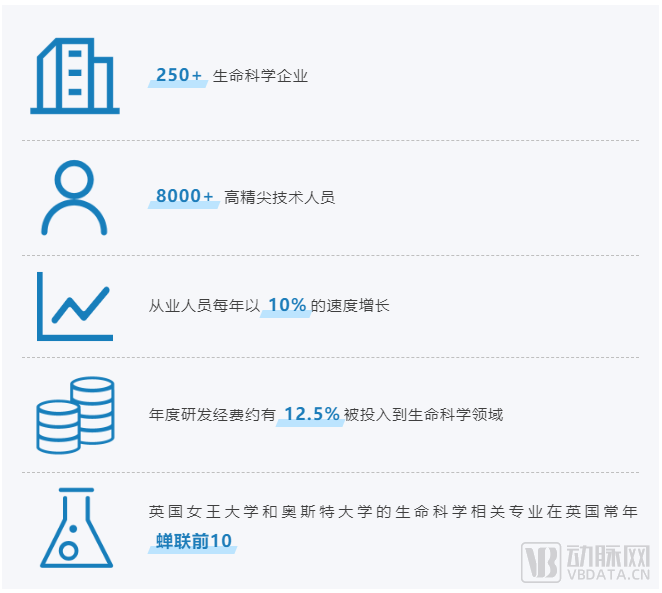
Distinctive Features of Northern Ireland’s Life Sciences and Health Industry
The aforementioned points merely reflect the local healthcare industry landscape in Northern Ireland and do not fully capture the advantages of investing in the region. This is due to Northern Ireland’s unique geographical location: situated in the northeast of the island of Ireland, it lies across the sea from the rest of the United Kingdom to the east, while sharing land borders with the Republic of Ireland to the west and south.
 Belfast, the Capital of Northern Ireland
In other words, Northern Ireland serves as a link between the United Kingdom and the Republic of Ireland, and is the only region where the UK “borders” the EU after Brexit, enjoying special trade policy treatment.
Specifically within the healthcare industry, Northern Ireland is part of the United Kingdom; successful market entry into Northern Ireland therefore facilitates seamless access to the broader UK market. In Europe, the UK’s medical device market is the third largest, trailing only Germany and France, and it ranks prominently in the global medical device market. Notably, the UK relies heavily on imports for its medical devices, with import volumes far exceeding exports.

Titanic Belfast, located in Belfast, the capital of Northern Ireland
As for the EU market, the UK and the EU formulated and adopted the Northern Ireland Protocol in the early stages of Brexit, establishing special trade arrangements for Northern Ireland. Subsequently, building on this foundation, the UK and the EU reached an agreement known as the Windsor Framework, which stipulates that there will no longer be any customs forms, declarations, rules-of-origin issues, or non-tariff barriers for goods sold to the UK and the EU via Northern Ireland.
This means that for Chinese medical enterprises that value both the EU market and the UK market, Northern Ireland is currently the optimal choice for expanding into these regions. Furthermore, Northern Ireland’s frequent presence at various exhibitions in China in recent years demonstrates its welcoming attitude toward Chinese medical companies.
Moreover, in addition to welcoming Chinese enterprises, Northern Ireland has rolled out a series of empowering initiatives.
From a product perspective, Northern Ireland can provide robust empowerment by leveraging the combined strengths of industry, academia, research, and government throughout the entire process—from R&D and clinical trials to regulatory registration.
Let us begin with R&D. VCBeat has learned that Northern Ireland holds advantages in drug development, biomarker discovery and validation, and biomedical research, with particular expertise in the biomedical R&D of diseases such as cancer, cardiovascular diseases, and cystic fibrosis. It has aggregated numerous companies focused on precision medicine across the drug development industry chain, which can help Chinese enterprises reduce the time and resource investment required for R&D.
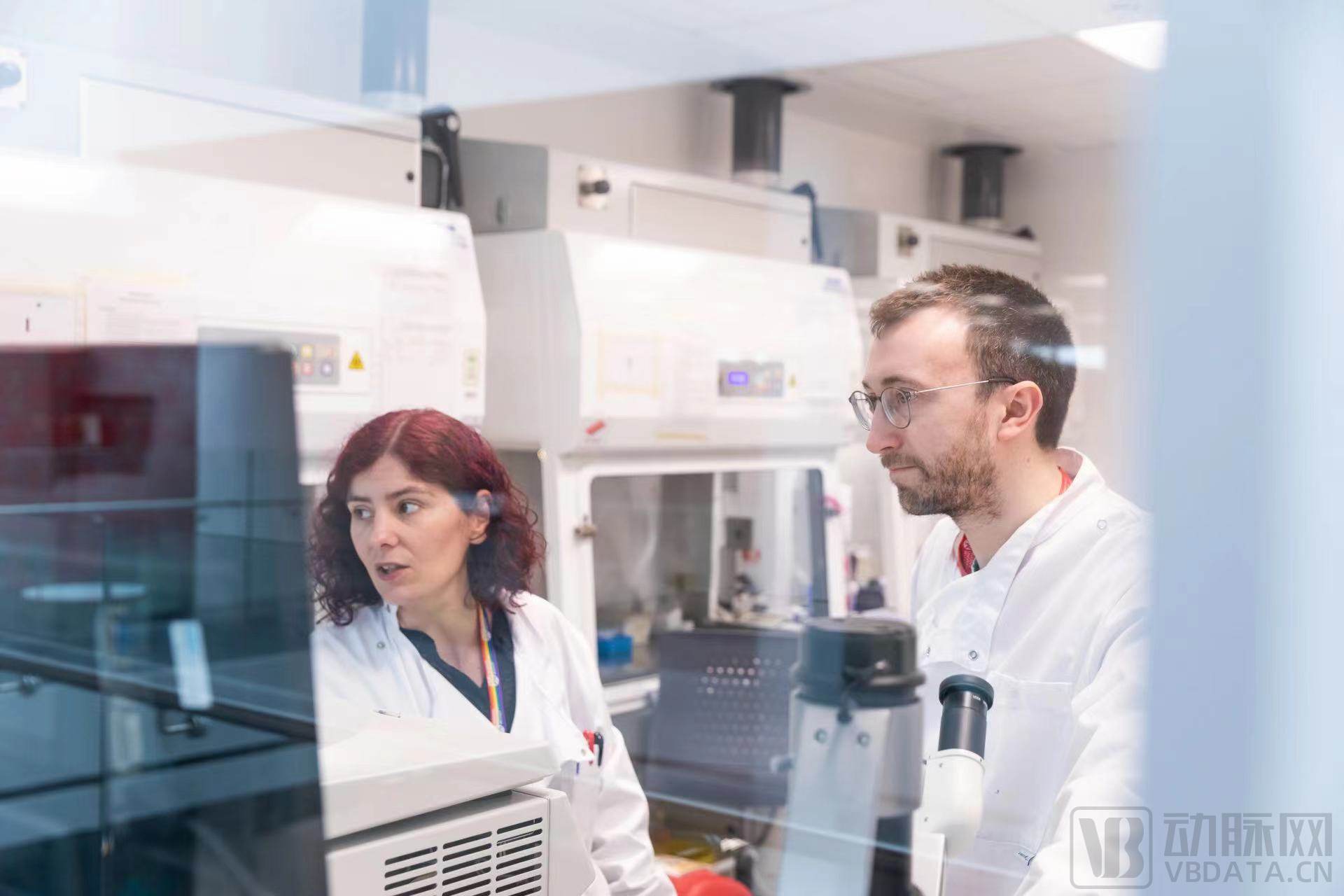
Moreover, two globally renowned universities in Northern Ireland—Queen’s University Belfast and Ulster University—have injected innovative momentum into the biopharmaceutical and healthcare sectors.
Queen’s University Belfast is a prestigious public research university in Europe, often referred to as the “Ivy League of the UK.” Together with Invest Northern Ireland, it has invested £10 million to establish a Centre of Excellence dedicated to researching precision medicine and drug responses in cancer patients. Furthermore, the university’s Precision Medicine Centre is equipped with high-throughput genomics, digital pathology, and big data analytics facilities.
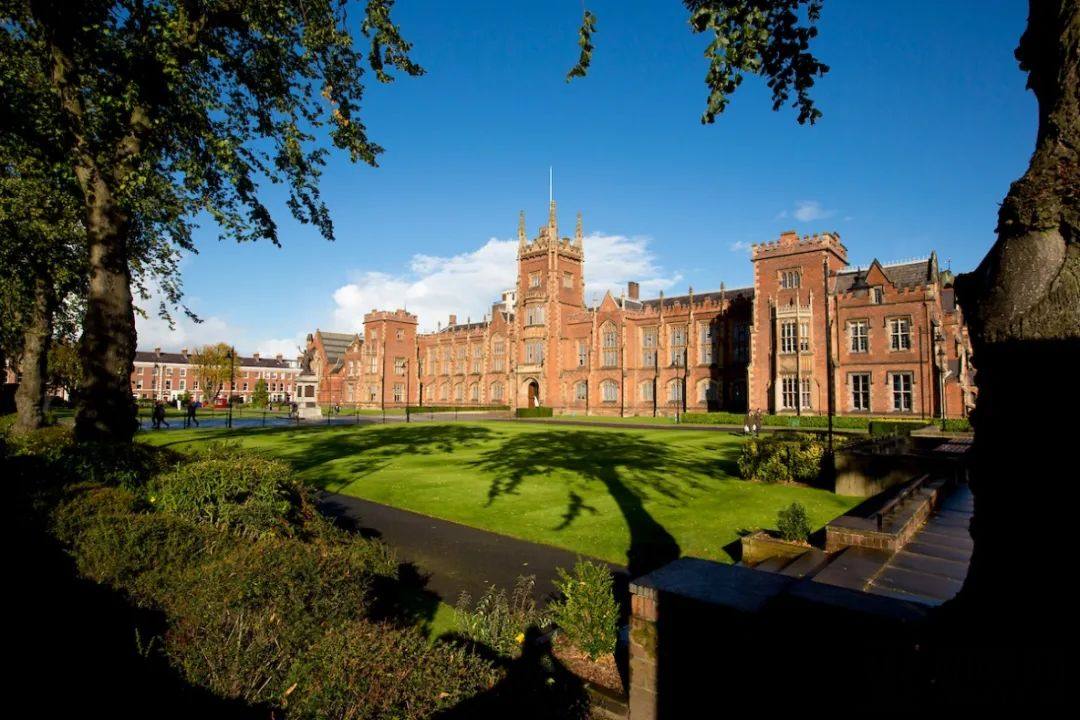
Queen's University Belfast is a leading research university in the UK and a member of the Russell Group.
Meanwhile, Aoste’s Health Connectivity Innovation Center has long been engaged in market-oriented research on health connectivity. Its Intelligent Systems Research Center provides cutting-edge support for fields such as neural engineering, brain-computer interfaces, computational neuroscience, cognitive robotics, ambient intelligence, and wireless sensor networks.
To date, the center has achieved significant research outcomes in the field of sensors, such as using sensors to monitor patients’ health status and identify early signs of disease, as well as employing sensors to track electrical responses in the brains of patients with neurodegenerative diseases to provide real-time feedback for clinical studies.
Moreover, the presence of two globally renowned universities can provide robust support for corporate talent reserves.
Moreover, the capacity to facilitate clinical trials and regulatory submissions for product registration is a distinctive strength of Northern Ireland’s healthcare industry, particularly in the in vitro diagnostics (IVD) sector. It is reported that contract research organizations (CROs) in Northern Ireland specializing in companion diagnostics and clinical services have been deeply engaged in the U.S. and European markets for many years, accumulating extensive experience in collaborating with startups and multinational corporations (MNCs) worldwide.
Moreover, in recent years, an increasing number of companion diagnostics and clinical service companies in Northern Ireland have established partnerships with Chinese pharmaceutical enterprises. For instance, the aforementioned Almac Group and ARC Regulatory have both collaborated with Chinese companies in areas such as companion diagnostics, clinical trial services, and regulatory submissions for diagnostic products in Europe and the United States.
As for manufacturing, according to Invest Northern Ireland, in recent years, thanks to the rapid development of Northern Ireland in the design and production of plastics, polymers, and composites, as well as precision manufacturing, the growth rate of its advanced manufacturing sector—including medical device manufacturing—has been nearly three times faster than that of other regions in the UK, capable of meeting the manufacturing needs of Chinese medical enterprises.
However, Northern Ireland’s support for the development of foreign-invested healthcare enterprises clearly extends beyond assistance in product research and development and manufacturing.
Northern Ireland boasts a favorable business environment, primarily evidenced by corporate operating costs that are 30% lower than those in other parts of the United Kingdom and the European average.
And behind this, policy support has naturally played an indispensable role.
VCBeat has learned that in Northern Ireland, the corporate income tax rate is 19%, making it the second-lowest in Western Europe.
Moreover, Northern Ireland has introduced a tax credit policy and a Patent Box regime. Under the tax credit policy, eligible companies can claim a 12% tax credit from HM Revenue & Customs (HMRC) on expenditures incurred from research and development (R&D) activities. As a result, for every pound spent on R&D in Northern Ireland, the net cost to businesses is only 43 pence. Meanwhile, the corporate income tax rate for companies under the Patent Box regime is just 10%.
Furthermore, Northern Ireland has recently launched the “City Deals” initiative, committing a £1 billion investment to the Belfast region. With life and health industries as key focal points, the program aims to deeply stimulate inclusive growth in the area, supporting productivity development, talent cultivation, innovation, and infrastructure construction.
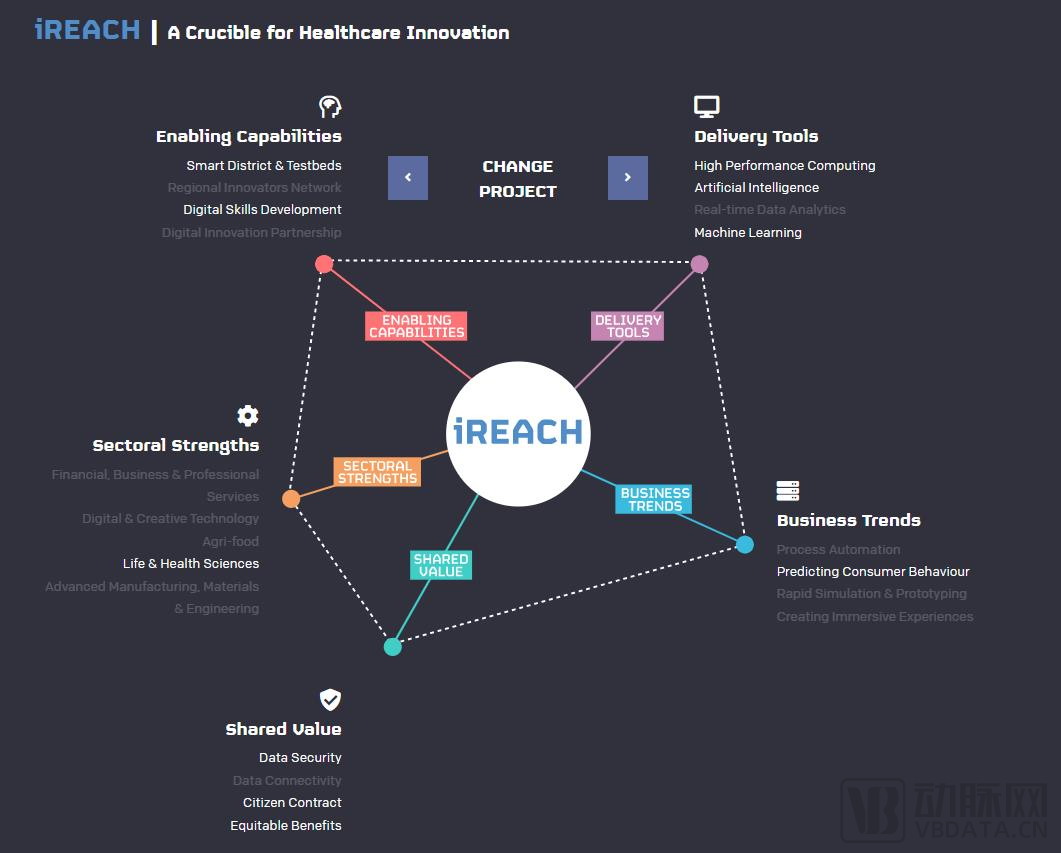
iREACH is one of the City Deal programme projects—iREACH, led in partnership by Queen’s University Belfast and the NHS (National Health Service), dedicated to further strengthening Northern Ireland’s advantages in clinical trials.
The robust collaboration among Northern Ireland’s academic, industrial, and research sectors, coupled with supportive government policies, has fostered the vigorous growth of the region’s life and health sciences industry, creating a fertile ground for foreign investment and cooperation. Northern Ireland welcomes Chinese enterprises and looks forward to partnering with them to inject innovative vitality and dual momentum into the global development of the life and health sciences sector.