

Weiren Medical Launches Groundbreaking AI-Powered OCT-Guided Digital Fitting System for Orthokeratology Lenses
In recent years, the ophthalmology sector, characterized by high growth and advanced technology, has become a “star sector” drawing significant industry attention. Myopia prevention and control in children and adolescents is the “golden niche” within this field, having spawned multiple markets each valued at over RMB 10 billion, including those for orthokeratology lenses and defocus spectacle lenses.
This field not only involves a vast patient population but also exhibits trends of high prevalence and onset at younger ages, indicating significant market potential. According to data released by the National Health Commission in 2021, the overall myopia rate among children and adolescents in China has reached 52.7%. Specifically, the myopia rates were 14.3% for children in their final year of kindergarten, 35.6% for primary school students, 71.1% for junior high school students, and 80.5% for senior high school students.
Against the backdrop of the accelerating wave of domestic substitution, Guangdong Weiren Medical Technology Co., Ltd. (hereinafter referred to as “Weiren Medical”) has optimized and upgraded its original scanning modes and algorithms by leveraging the high-speed, high-definition, and micron-level quantitative analysis capabilities of Optical Coherence Tomography (OCT), along with the company’s strength in artificial intelligence, to address the needs and pain points of myopia prevention and control in China.Successfully launched a digital precision fitting system for orthokeratology lenses guided by intelligent OCT, bringing new breakthroughs to the field of ophthalmic OCT and myopia prevention and control in children and adolescents.
Digital Precision Fitting,
Laying the Foundation for the Widespread Application of Orthokeratology Lenses
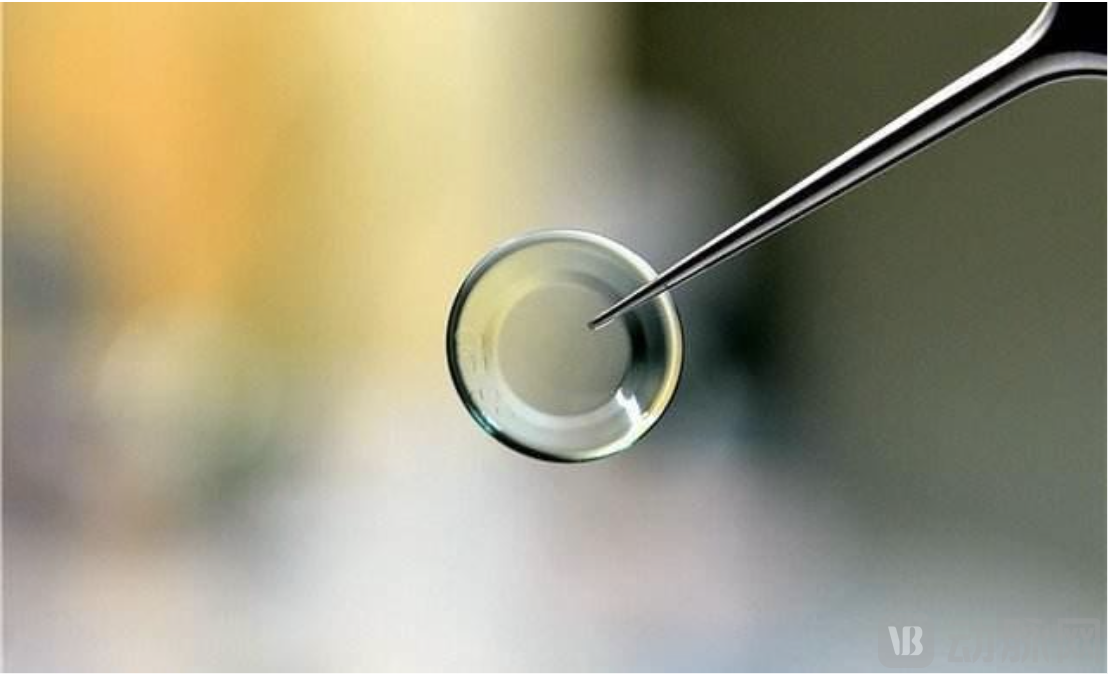
Orthokeratology lenses, as a non-surgical, non-curative, and reversible physical method for refractive correction, have demonstrated significant advantages in the prevention and control of myopia among children and adolescents, and have become an important clinical tool for managing myopia progression. However, despite their numerous benefits, these corrective “miracle devices” still exhibit low market penetration in China.
Apart from price, the primary reason is that users must undergo comprehensive examinations at professional medical institutions to determine their suitability for using the device. According to regulations, hospitals fitting orthokeratology lenses must be classified as Level II or higher medical institutions. Ophthalmologists involved must hold an intermediate or senior professional title and have successfully completed and passed relevant knowledge training organized by provincial health administrative departments or professional academic bodies delegated by such departments.
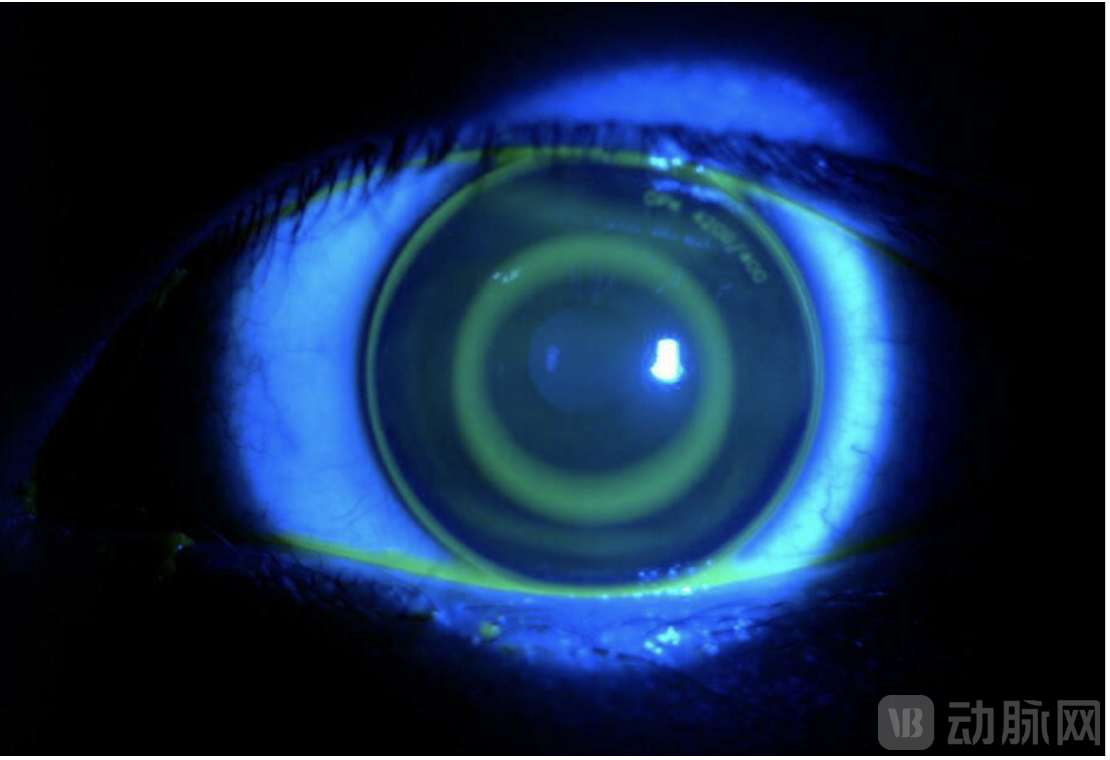
Furthermore, the predominant fitting method for orthokeratology lenses in China remains trial fitting and assessment, which requires sodium fluorescein staining to observe the thickness of the tear film between the lens and the cornea. This fitting approach demands considerable clinical experience from practitioners; varying habits and methodologies among different clinicians can lead to subjective errors due to visual interpretation of the fluorescein patterns. Currently, there is a relative shortage of qualified orthokeratology fitters in China, resulting in low fitting efficiency, a lack of fitters in certain regions, and an inability to meet patient demand. Meanwhile, improper application of sodium fluorescein staining during the procedure carries a risk of causing corneal damage.
It can be said that traditional orthokeratology fitting methods have room for improvement in terms of precision, efficiency, and safety compared to intelligent OCT-guided digital precision fitting. The intelligent OCT-guided digital precision fitting system for orthokeratology lenses, launched by Weiren Medical, was developed specifically to address these existing challenges.
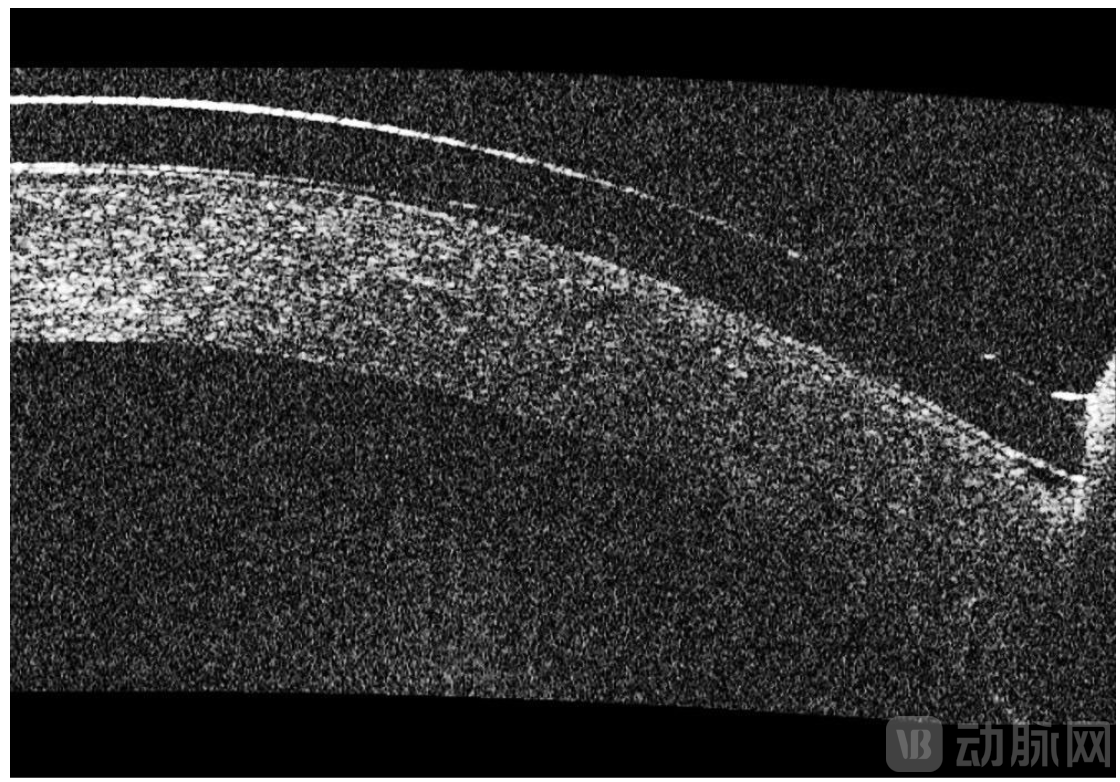
This system not only achieves precise measurement and digital quantitative assessment of corneal topography and tear film thickness, thereby reducing the rate of corneal staining and providing a scientific and reliable basis for the fitting of orthokeratology lenses, but also addresses challenges such as the shortage of qualified orthokeratology practitioners, insufficient standardization in fitting procedures, lack of intuitive assessment, and limited telemedicine capabilities, thus laying the foundation for the widespread application of orthokeratology lenses.
Three Major Breakthroughs: Digital Simulation of Sodium Fluorescein Staining, Intelligent Quantitative Assessment of Lens Displacement, and Intelligent Analysis of Corneal Punctate Staining
Addressing the Pain Points in Traditional Orthokeratology Lens Fitting
During the fitting process of orthokeratology lenses, fluorescein staining is a crucial step. Currently, the clinical use of sodium fluorescein staining aims to observe the thickness distribution of the tear film under the lens. However, this method has certain limitations.
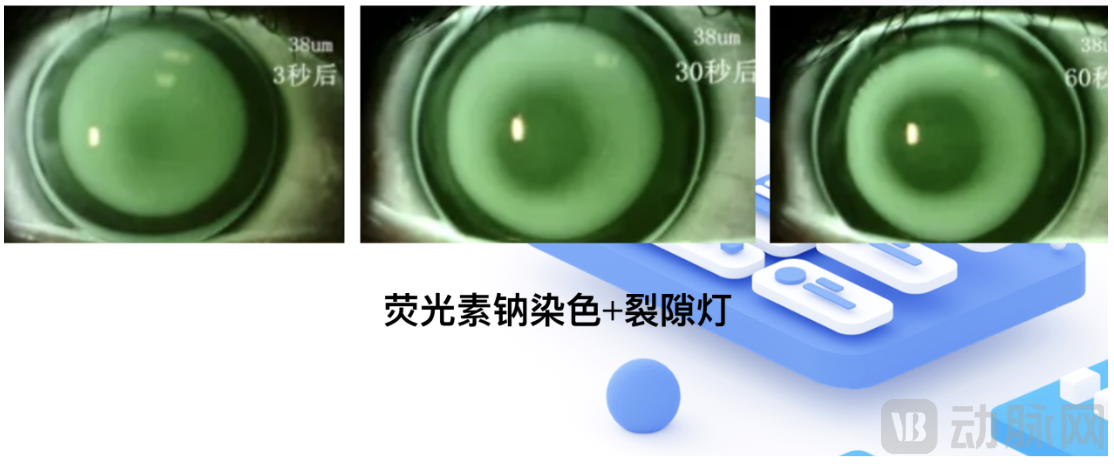
Generally, multiple lens adjustments are required during the fitting process, which consequently increases the irritation of the lenses to the tear film. This leads to an uneven concentration distribution of fluorescein over time, thereby further amplifying errors in fluorescence observation. On the other hand, human visual perception of fluorescent responses is limited, making it difficult to distinguish thin tear film layers from areas where the lens is already in contact with the cornea. Furthermore, excessive instillation of sodium fluorescein or improper operational techniques may induce ocular discomfort, decreased visual acuity, and severe complications such as corneal epithelial desquamation.
Weiren Medical's intelligently developed OCT-guided digital precision fitting system for orthokeratology lenses has successfully achievedDigital Tear Film Thickness Analysis, eliminating the need for fluorescein staining, thereby addressing the aforementioned pain points.
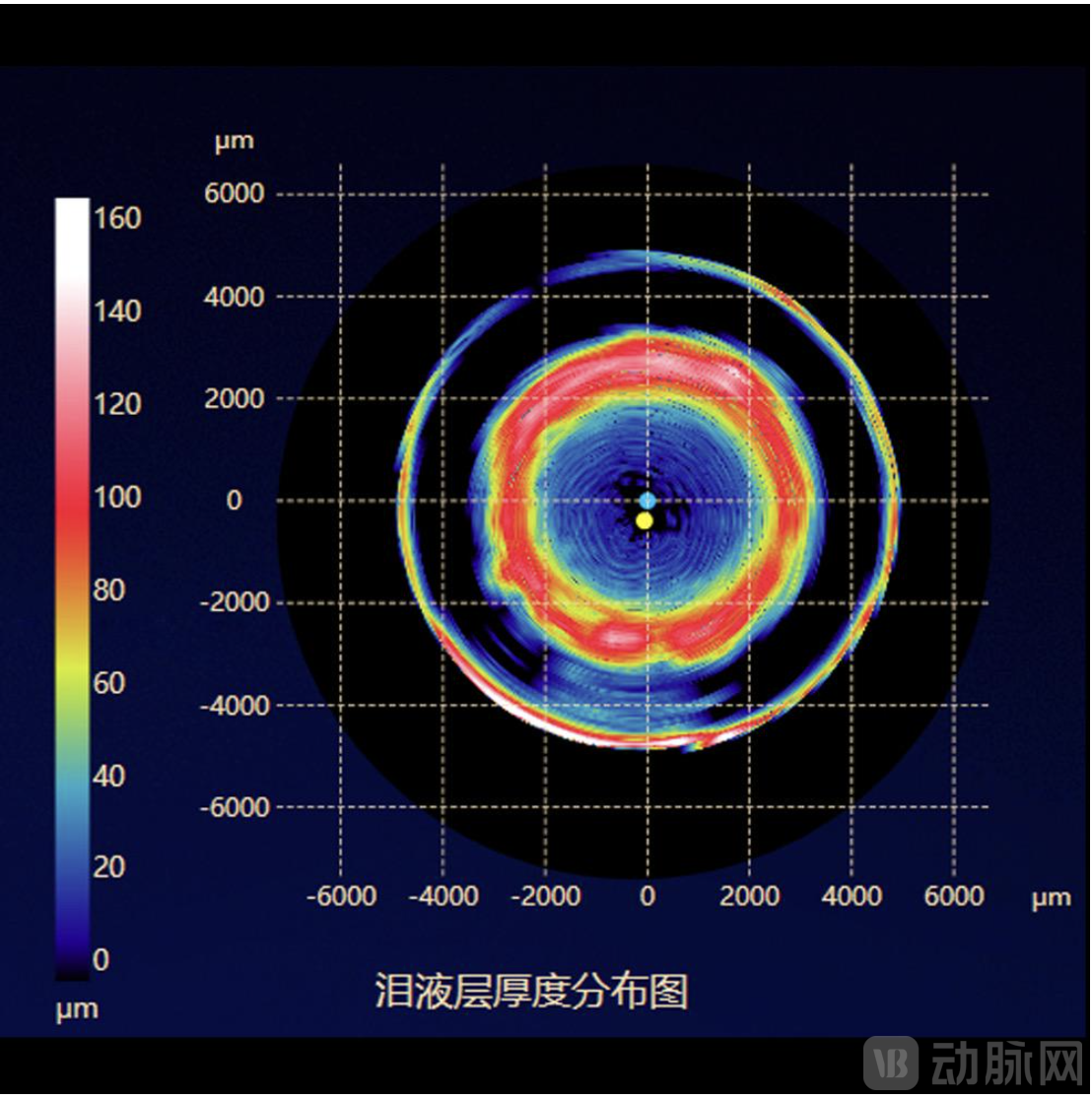
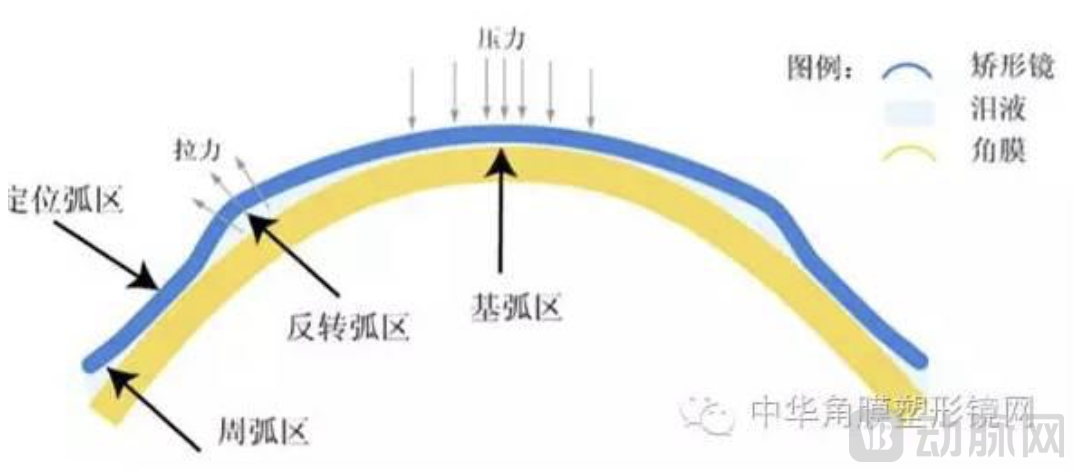
This system leverages AI technology to automatically identify the base curve, reverse curve, alignment curve, and peripheral curve zones. It replaces fluorescein staining with digital tear film thickness mapping, thereby enabling precise assessment of tear film thickness between the lens and the cornea, as well as detection of corneal contact. Furthermore, the system employs digital ring projection technology to automatically fit the pupillary center, providing an accurate basis for determining the positioning of orthokeratology lenses.
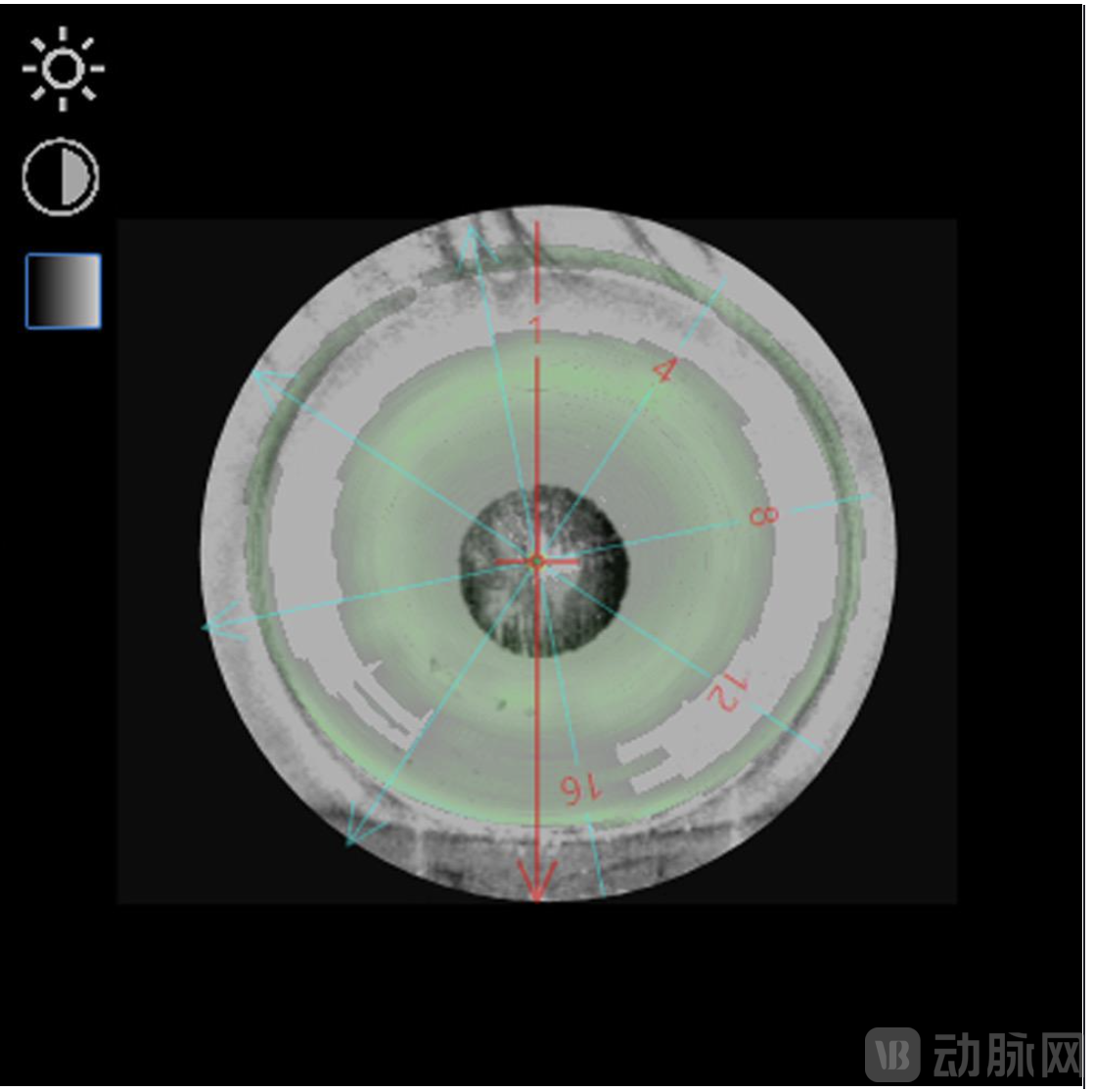
Compared with traditional methods, digital staining is not only non-invasive and safe, reducing the rate of corneal punctate staining, but also enables quantitative measurement of the clearance (tear film thickness) between the contact lens and the cornea. This reduces reliance on the fitter’s subjective experience, alleviates the workload of fitting specialists, and minimizes discomfort for patients, thereby providing significant support for improving myopia control outcomes. Furthermore, this system clearly visualizes morphological changes in the cornea during the fitting process, offering clinicians more comprehensive and accurate diagnostic evidence.
In addition to digital simulation of sodium fluorescein staining, the system also featuresIntelligent Dynamic Assessment Function for Lens Displacement。
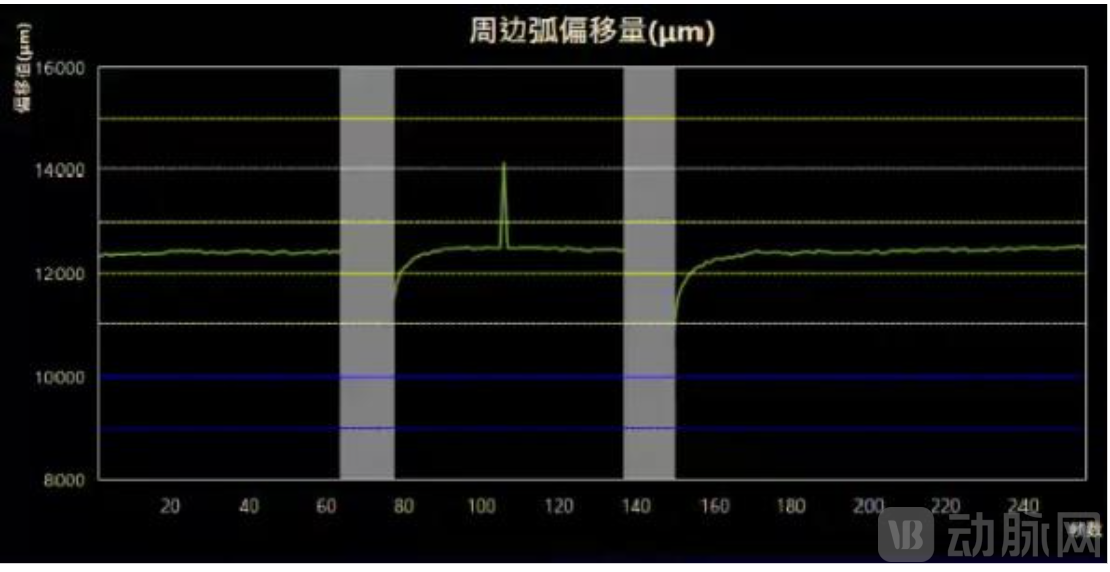
By leveraging the ultra-high-speed continuous acquisition capability of Optical Coherence Tomography (OCT), the system can track the movement trajectory of reference points and automatically generate dynamic fluctuation maps. Based on the amplitude of these fluctuations, the fit of the lens can be intuitively assessed, enabling intelligent dynamic evaluation. With the aid of AI technology, the system precisely analyzes lens displacement, thereby reducing subjective errors. Compared with traditional methods, this system enables quantitative tracking of orthokeratology lens displacement, resulting in more precise assessment of lens fit.
In addition, Weiren Medical has also achievedA New Breakthrough in Intelligent Analysis of Corneal Staining。
By leveraging Optical Coherence Tomography (OCT) combined with AI algorithms, the system automatically annotates abnormalities and precisely locates the specific position and morphology of corneal injuries. Through AI-driven digital staining projection, it also provides accurate analysis of the injury extent, offering clinicians comprehensive and intuitive diagnostic evidence. This not only aids in formulating treatment plans but also enables real-time monitoring of therapeutic efficacy and patient recovery. Compared to traditional methods, Weiren Medical’s solution allows physicians to more intuitively track patients’ treatment progress and conduct follow-up assessments.
Weiren Medical’s intelligent OCT-guided digital precision fitting system for orthokeratology lenses not only provides the optometry industry and institutions with a novel fitting solution but also, through product innovation, extends high-quality medical resources to primary healthcare facilities, thereby offering a new direction for the optimized development of future primary eye care services.
Market size exceeds RMB 10 billion,
Weiren Medical Leverages OCT Technology to Empower the Entire Process of Myopia Control with Orthokeratology Lenses
In recent years, the orthokeratology lens market has demonstrated a robust growth trajectory.
According to the “2023 In-Depth Analysis Report on the Current Status and Development Environment of China’s Orthokeratology Lens Industry” released by Zhiyan Consulting, China’s orthokeratology lens production volume was approximately 688,800 units in 2022, while sales volume reached about 3.9486 million units. With the continued development of China’s orthokeratology lens market, both production value and sales volume are increasing. Ophthalmic hospitals and optical dispensing institutions will further expand orthokeratology lens distribution channels by providing lens fitting services.
Furthermore, the Chinese market demonstrates substantial growth potential and opportunities in the field of orthokeratology (OK) lenses. The latest data indicate that the market size of China’s orthokeratology lens industry was approximately RMB 16.869 billion in 2022. According to predictive analysis by Mingfeng Capital, considering current realities such as unbalanced urban and regional development in China, the industry penetration rate in first- and second-tier cities with higher consumption levels may reach 5%–10%. Overall, the domestic terminal market size for orthokeratology lenses is projected to reach RMB 23.7 billion by 2023.
Under this trend, not only will clinical fitting and service standards continue to improve, but national regulatory oversight will also be strengthened. The industry will inevitably place greater emphasis on the specialization and standardization of fitting practices, ultimately driving the orthokeratology lens sector toward safer and more effective development.
Among these,New Trends in Digital Fitting Are Driving New Developments in the Field of Orthokeratology Lens Fitting.
Intelligent OCT-guided digital precision fitting of orthokeratology lenses, as a significant breakthrough in ophthalmology, has undoubtedly injected new vitality into myopia control efforts. Moving forward, Weiren Medical will continue to refine its capabilities in multi-dimensional corneal data analysis, 3D digital corneal modeling, virtual lens trial fitting, digital fit assessment, and “efficacy” monitoring.Leverage the advantages of OCT technology to empower the entire process of myopia control with orthokeratology lenses.