Bio-Regenerative Materials Report: A Key Branch of Regenerative Medicine, with Orthopedics, Trauma Repair, and Aesthetics Leading Innovation
Regeneration is a widespread phenomenon in nature; for instance, geckos can regenerate their tails after autotomy, leeches can regenerate their heads after amputation, and salamanders are capable of regenerating both organs and brain tissue. However, due to the high degree of differentiation and specialized functions of human organs and tissues, the body’s inherent capacity for self-renewal and repair is generally limited. Consequently, regenerative medicine has become a major research focus, with biomimetic regenerative materials—an important branch of this field—receiving unprecedented attention.
On the one hand, the rapid advancement of regenerative medicine has imposed higher demands on biomaterials. These materials are required not only to possess excellent physicochemical properties and reliable biosafety but also to induce the body’s intrinsic capacity for tissue repair and regeneration, thereby enabling diseased tissues and organs to be ultimately replaced, either completely or predominantly, by regenerated, native, healthy tissues or organs.
On the other hand, bio-regenerative materials represent a segment within regenerative medicine that is currently witnessing faster clinical progress, greater commercial certainty, and a clearer pathway for technological transfer. To date, more than 100 regenerative medical devices and combination drug-device products have received regulatory approval, and the application of bio-regenerative materials is becoming increasingly mature in fields such as orthopedics, trauma repair, and medical aesthetics.
In which disease areas have Chinese bio-regenerative materials achieved in-depth application? Which innovative materials and indications are companies prioritizing? VCBeat Research Institute surveyed six companies, interviewed nine industry experts, and authored the "2024 Bio-Regenerative Materials Industry Research Report."
Core Views:
As the clinical application of bio-regenerative materials continues to deepen, investment enthusiasm in this sector has risen significantly.According to statistics, a total of 41 companies in China successfully completed 109 financing rounds, with the cumulative amount reaching RMB 2.267 billion. Since 2021, industry financing has reached a peak; in 2023 alone, the total financing amount for this sector amounted to RMB 835 million. Segments such as regenerative medical aesthetics, extracellular matrix, and silk fibroin have been particularly favored by investors.
Orthopedics, trauma repair, and medical aesthetics are the primary clinical application scenarios for bio-regenerative materials.Among these, the orthopedics segment has seen 74 domestic products approved, with most focusing on bone defect repair in non-weight-bearing areas. The trauma repair segment has 84 approved domestic products, including dural (spinal) patches, tissue-engineered skin, and biological hernia repair meshes. Regenerative medical aesthetics is an emerging field; currently, four products have been approved in China, and the application of humanized extracellular matrix materials, recombinant collagen, and silk fibroin in medical aesthetics holds promising prospects.
At this stage, the most mature applications of bio-regenerative materials are in body parts with strong inherent regenerative capacity; there is still room for improvement in terms of materials, technologies, and indications.In the future, key areas of focus should include animal-derived materials, human-derived extracellular matrix materials, and silk fibroin materials. Attention should also be paid to advancements in cartilage regeneration, corneal regeneration, and liver regeneration, as well as to companies pursuing platform-based strategies.
The following is an excerpt from the report:
Research in the field of biomaterials has gradually shifted from simple “implant filling” to the “active regulation of cellular behavior and promotion of tissue regeneration,” driving a rapid surge in interest in the field of bio-regenerative materials.
However, due to the rapid iteration in the field of bio-regenerative materials, with new materials, technologies, and applications emerging continuously, their definition and classification have evolved over time. Therefore, in the current context, it is particularly important to provide an accurate definition and classification of bio-regenerative materials that reflect contemporary characteristics.
The core characteristic of bio-regenerative materials is "the ability to promote cell adhesion and migration."
To clearly define bio-regenerative materials, it is first necessary to clarify the principles of tissue and organ regeneration.
The repair and regeneration of various tissues and organs rely on a stable microenvironment. The microenvironment associated with tissue regeneration can be categorized into the material microenvironment, the tissue microenvironment, and the dynamic microenvironment resulting from their integration. If components of the tissue microenvironment—such as the extracellular matrix, cytokines, and neighboring cells—are regarded as specialized “materials,” then the tissue regeneration microenvironment can essentially be viewed as a complex, diverse, and dynamically evolving material microenvironment.
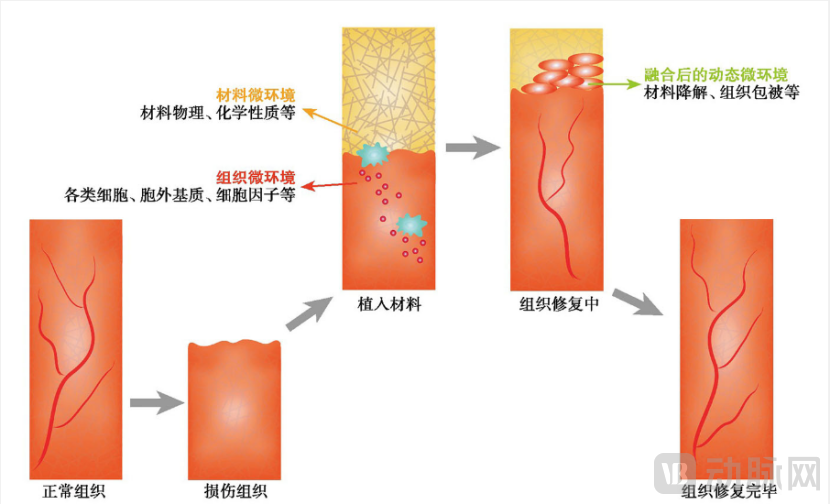
Schematic Diagram of the Classification of the Tissue Regeneration Microenvironment Based on the Tissue Regeneration Process
Source: Regenerative Medicine: Biomaterials and Tissue Regeneration
In other words, during the process of tissue and organ regeneration, the integration of biomaterials with tissue cells is crucial, and the materials must possess functions that promote cell adhesion and migration. Therefore,“The ability to promote cell adhesion and migration” is the core feature that distinguishes bio-regenerative materials from other materials.。
Therefore, biomaterials for regeneration are defined as biological materials capable of regenerating damaged tissues or organs. These materials modulate molecular signaling pathways or cellular behavior through their intrinsic physical and chemical properties—rather than via exogenous cells or bioactive factors—thereby promoting cell adhesion and migration to achieve the regeneration of human tissues and organs.
To achieve this goal, bio-regenerative materials must interact with the human body through their physical properties (viscoelasticity, strength, hardness, structure, degradation characteristics, and surface properties) and chemical properties (signal molecules carried or released by the material), thereby altering the local microenvironment, modulating immune responses, and controlling endogenous cell-mediated healing dynamics. In recent years, growing evidence has demonstrated that the physical and chemical properties of materials significantly influence cell differentiation and tissue regeneration.
True bio-regenerative material products are rare; most fall somewhere between repair and regeneration.
“Repair” and “regeneration” are both processes involved in recovery from injury, responsible for restoring the structure and function of damaged tissues. Currently, these terms frequently appear together within the industry, leading to confusion between them.
“Repair” refers to the incomplete restoration of the structure and function of damaged tissue, which may result in scarring, pigmentation, and other sequelae. It is a form of incomplete regeneration, termed “pathological regeneration.”
“Regeneration” refers to the complete restoration of the original structure and function of tissues and organs, termed “physiological regeneration.”

“Repair” vs. “Regeneration”
Source: VBInsight; Chart by VCBeat
Currently, there are few true bioregenerative material products in medical applications; most so-called bioregenerative materials in the industry are products that lean more toward “regeneration” or “repair.”
In light of the industry’s actual development, the scope of this report on bio-regenerative materials encompasses both “repair” and “regeneration.” Any advanced biomaterial product designed to repair or regenerate tissues and organs, including those incorporating exogenous cells, falls within the purview of this report.
Based on this, VCBeat Research Institute has classified bio-regenerative materials according to their material composition and properties, sources, and clinical applications. Over the past decade, the landscape of bio-regenerative materials has continuously expanded, with material types, technical processes, and application scenarios exhibiting unprecedented diversity.
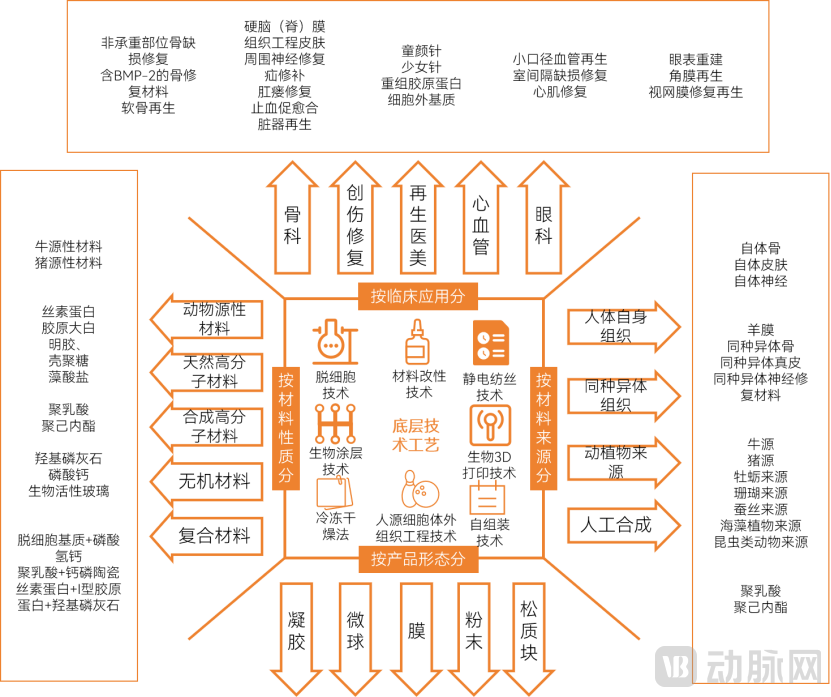
Landscape of Bioregenerative Materials
Source: VBInsight; Chart by VCBeat
The development of the bio-regenerative materials sector is driven by policy guidance, financing support, an aging population, and the substantial unmet needs of patients with tissue injuries. VCBeat believes that, at the current stage, policy, financing, and product advancements are the primary drivers in the field of bio-regenerative materials.
Policy Support Strongly Boosts Industry Development, and Relevant Evaluation Systems Are Gradually Being Established
China still lags significantly behind international advanced levels in the research and development, manufacturing, and application of bio-regenerative materials, with high-end products heavily reliant on imports. To reverse this unfavorable situation, the Ministry of Science and Technology established a National Key R&D Program during the 13th Five-Year Plan period, titled “Research and Development of Biomedical Materials and Tissue/Organ Repair and Replacement,” aimed at overcoming key technical challenges in innovative tissue remodeling and regenerative medical devices. Over the past three years, the Chinese government has further intensified its policy support by issuing a series of measures focused on regenerative medicine and biomaterials.
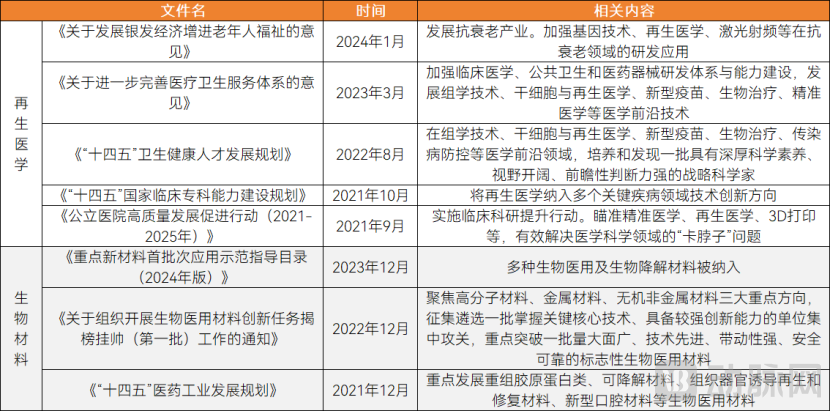
Policies Related to the Regenerative Medicine and Biomaterials Sector in the Past Three Years
Data Source: VBInsight; Chart by VCBeat.
From a regulatory perspective, a more scientific and rigorous evaluation system for the safety and efficacy of regenerative medical devices is being established.Numerous challenges currently exist in the safety and effectiveness evaluation of regenerative medical devices, such as how to establish evaluation criteria for product-induced tissue regeneration performance and how to accurately characterize the microenvironment of systemic tissue remodeling. In recent years, standards and guidelines related to regenerative medical devices have been continuously improved. The state has successively issued a series of important documents, such as the "Standards for Tissue Engineering Medical Device Products" series, the "Guiding Principles for Registration Application Materials of Animal-Derived Medical Device Products," and the "Technical Review Guiding Principles for Validation of Virus Inactivation Processes for Allogeneic Implantable Medical Devices," which have effectively improved the efficiency of review and approval.
Regarding centralized procurement, policies continue to advance in the field of bio-regenerative materials, with breakthroughs in new materials and multi-pipeline layouts emerging as clear trends.Bioregenerative material products with high domestic production rates, including dural (spinal) membrane patches, artificial bone repair materials, and hernia meshes, have been included in the scope of centralized procurement. In the context of centralized procurement, companies with more comprehensive technology platforms and richer product lines will have a competitive advantage, which will incentivize enterprises to increase R&D investment and layout more new bioregenerative materials and products with lower levels of domestic production.
Innovative Materials and Unmet Clinical Needs Are Key Investment Focus Areas
According to statistics from VCBeat, 41 domestic companies in the field of bio-regenerative materials completed 109 financing rounds in the primary market, with a total financing amount of RMB 2.267 billion.
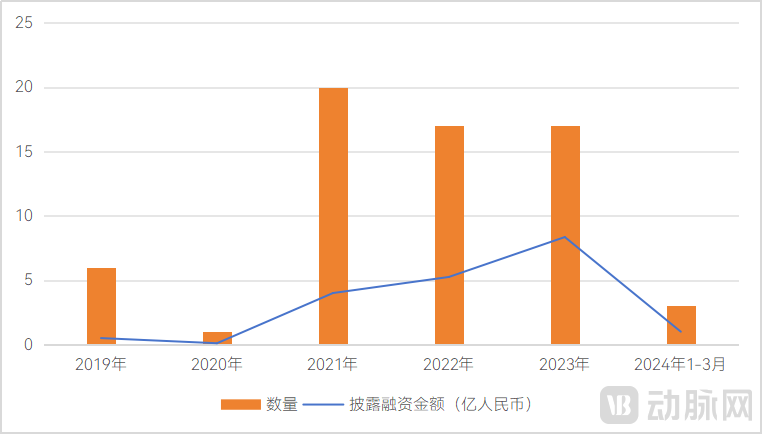
Figure 7. Financing Activities of Bio-regenerative Material Companies Over the Past Five Years
Data Source: VBInsight; Chart by VCBeat
In terms of financing amount, deals in the tens of millions of RMB accounted for over 26% of the total, while those in the hundreds of millions of RMB made up a 15% share.
Notably, all financing rounds exceeding RMB 100 million occurred after 2021, with six such deals closed in 2023 alone, underscoring investors’ growing confidence in the bio-regenerative materials sector. Furthermore, companies securing these substantial investments typically possess independently developed breakthrough products and innovative manufacturing processes, with their products already approved for market launch.
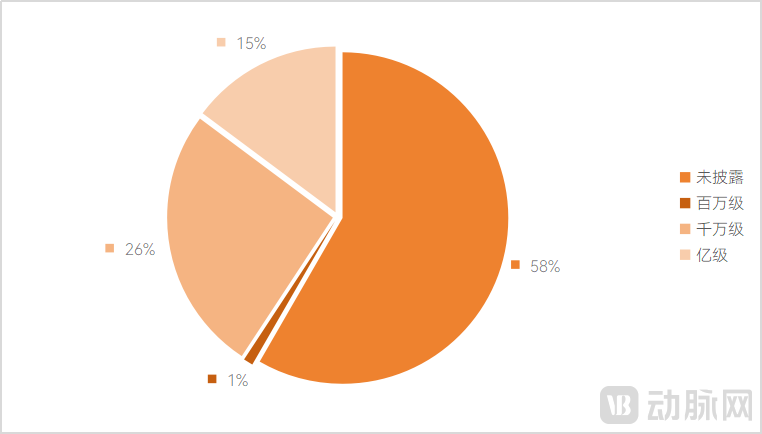
Distribution of Single Financing Amounts by Industry
Data source: VBInsight; Chart by VCBeat.
Complex Materials, High-End Applications: The Industry Enters a New Golden Age
According to statistics from VCBeat, a total of 173 domestically produced regenerative medical devices and drug-device combination products based on bioregenerative materials have received NMPA approval for market launch in China.
In terms of material types, animal-derived materials have demonstrated outstanding performance, with 71 products involving such materials receiving marketing approval in the industry. Allogeneic materials also constitute a significant component of the bioregenerative materials sector, with 34 products approved.
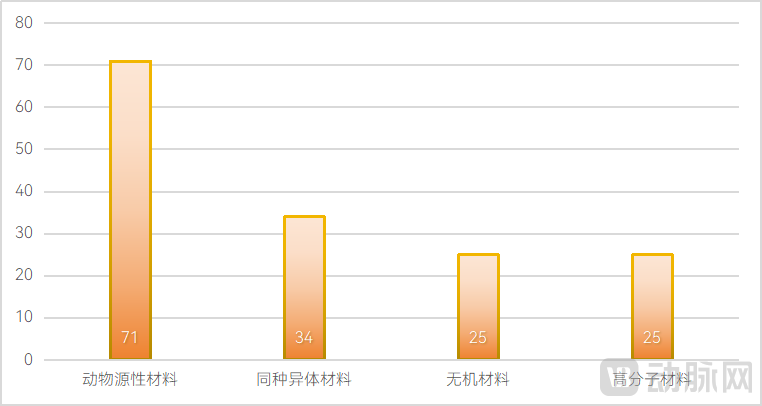
Distribution of Types of NMPA-Approved Bio-Regenerative Materials
Source: NMPA; Chart by VCBeat.
From the perspective of disease areas, orthopedics and trauma repair represent the sectors where bio-regenerative materials have been applied earliest and most extensively. According to statistics from VCBeat Research Institute, among approved domestically produced regenerative medical devices, 84 are used in the field of trauma repair, 74 in orthopedics, and a small number in ophthalmology, cardiovascular care, and medical aesthetics.
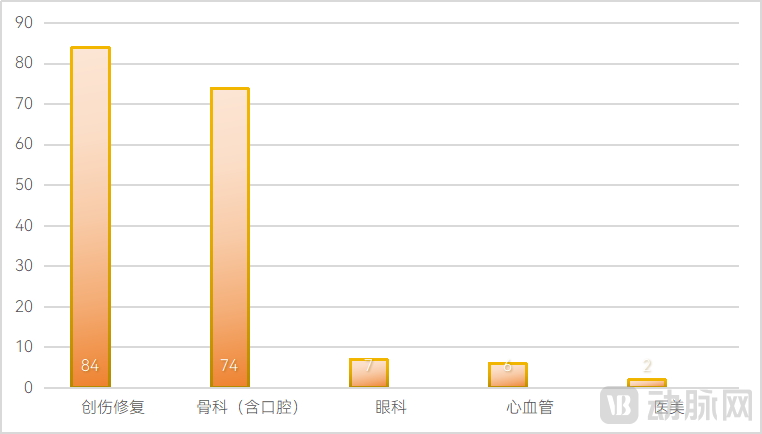
Distribution of Disease Indications for NMPA-Approved Bio-regenerative Materials
Source: NMPA; Chart by VCBeat.
Regarding products under development, VCBeat has reviewed the R&D status of active domestic bio-regenerative material companies.
In terms of material types, animal-derived materials and polymer materials are the key focus of corporate R&D. Twenty-four companies have products involving animal-derived materials; thirty companies are involved with polymer materials, most of which are polylactic acid-based materials, while six companies specialize in silk fibroin materials.
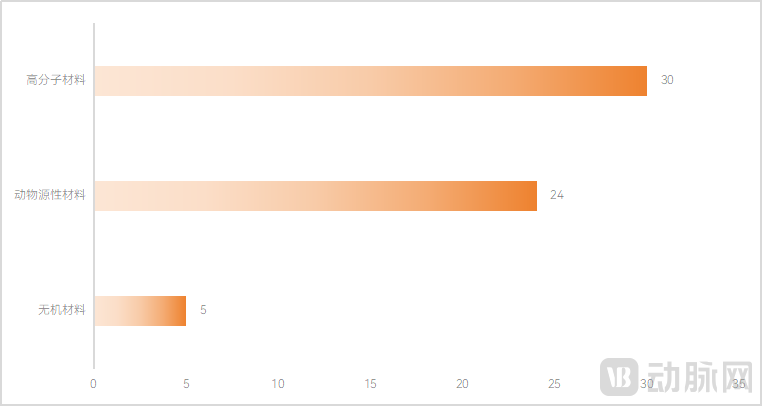
Types of Materials in the Pipeline Products of Bio-regenerative Material Companies
Data Source: VBInsight; Chart by VCBeat.
From a disease-area perspective, the R&D pipelines of bioregenerative material companies are primarily concentrated in wound repair, orthopedics, medical aesthetics, and dentistry. According to statistics from VCBeat Research Institute, among companies with products under development, 34 are active in wound repair, 32 in orthopedics, and 17 in dentistry.
Notably, bioregenerative material companies previously had limited presence in the medical aesthetics sector. Since 2021, however, there has been a substantial increase in the number of such companies entering the medical aesthetics market. Currently, 21 companies are involved in regenerative medical aesthetics, with R&D efforts primarily focused on poly-L-lactic acid (PLLA)-based “Sculptra-like” treatments and polycaprolactone (PCL)-based “Ellansé-like” treatments.
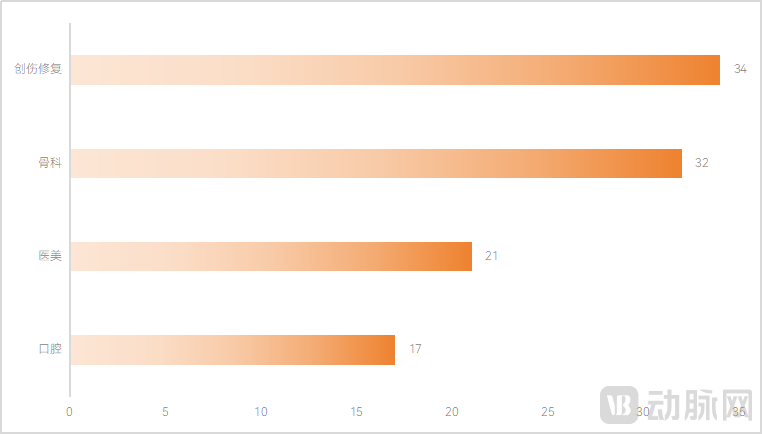
Distribution of Disease Areas for Products in Development at Bioregenerative Material Companies
Source: VBInsight; Chart by VCBeat.
Based on corporate approvals and the pipeline of products under development, medical aesthetics, orthopedics, and trauma repair are the three key therapeutic areas for bio-regenerative materials.
Driven by the trend of “pursuing natural beauty,” medical aesthetic injection techniques have transitioned from the era of simple filler-based approaches to the regenerative era, leading to the rapid emergence of regenerative medical aesthetic products.
Currently, there is no unified conceptual definition for regenerative medical aesthetics. From a scientific perspective, products such as “Sculptra” and “Ellansé” are materials that combat aging by stimulating collagen resynthesis; they do not constitute physiological regeneration and, strictly speaking, do not fall under the category of regenerative medicine.
ButFrom a market perspective, both “Tongyanzhen” (Youthful Face Injection) and “Shaonvzhen” (Girl’s Face Injection) fall under the concept of regenerative medical aesthetics.Whether through immune stimulation or physiological regeneration, as long as the material can stimulate tissue regeneration after absorption and degradation, providing aesthetic patients with long-lasting and natural “regenerative” effects, it meets their expectations for regenerative medical aesthetics.
Four “Baby Face Injections” and “Girl Face Injections” Approved; Nearly 20 Companies Rush to Enter the Market
“Baby Face Injections” and “Girl Face Injections” are currently the star products in regenerative medical aesthetics.
The core component of “Tongyan Zhen” (Baby Face Injection) is poly-L-lactic acid, which activates fibroblasts to produce collagen and elastic fibers, thereby supporting the skin and achieving whitening and brightening effects. “Shaonv Zhen” (Girl’s Needle) consists of 30% polycaprolactone and 70% carboxymethyl cellulose, with polycaprolactone effectively stimulating neocollagenesis.
Currently, there are four approved and marketed products in China known as “baby face injections” and “girl needle injections.” In addition to the products already on the market, several companies are positioning themselves in the “baby face injection” and “girl needle injection” sectors, indicating that competition in the domestic market is expected to intensify. Going forward, key areas of focus within the “baby face injection” and “girl needle injection” segments should include companies’ differentiated advantages in microsphere preparation technology and their progress toward regulatory compliance.
It is evident that current strategic initiatives in the regenerative medical aesthetics sector are heavily concentrated on “baby face injections” (poly-L-lactic acid fillers); however, these products still exhibit limitations, necessitating continuous research and development of novel materials for improvement.
First, from a mechanistic perspective, “baby-face injections” belong to the category of immunostimulatory materials. These materials stimulate immune cells to release cytokines, thereby inducing fibroblast proliferation and accelerating collagen secretion. The resulting effects appear natural and can last for more than two years. However, the tissue-filling effect of immunostimulatory materials stems from endogenous collagen regeneration, which requires two to three months to develop. Consequently, their immediate efficacy is inferior to that of physical filler materials, failing to adequately meet aesthetic patients’ demand for “instant beautification.”
Secondly, due to its immunostimulatory properties, “Sculptra” (poly-L-lactic acid) may cause adverse reactions such as granulomas; therefore, it requires multiple small-volume injections over an extended treatment course.
Furthermore, indications are limited. Currently, “Youthful Skin Injections” primarily act on the dermal and subcutaneous layers. Although some companies are exploring the use of these injections for filling areas such as the chin and periorbital region by enhancing the mechanical properties of the materials, their applicable sites remain confined to soft tissues.
Multiple Novel Regenerative Aesthetic Materials Under Development, Striving to Achieve Physiological Regeneration
In addition to poly-L-lactic acid (PLLA) and polycaprolactone (PCL), a variety of materials with reparative and regenerative properties are currently being or are poised for application in the medical aesthetics field, including recombinant collagen, extracellular matrix (ECM), and silk fibroin.
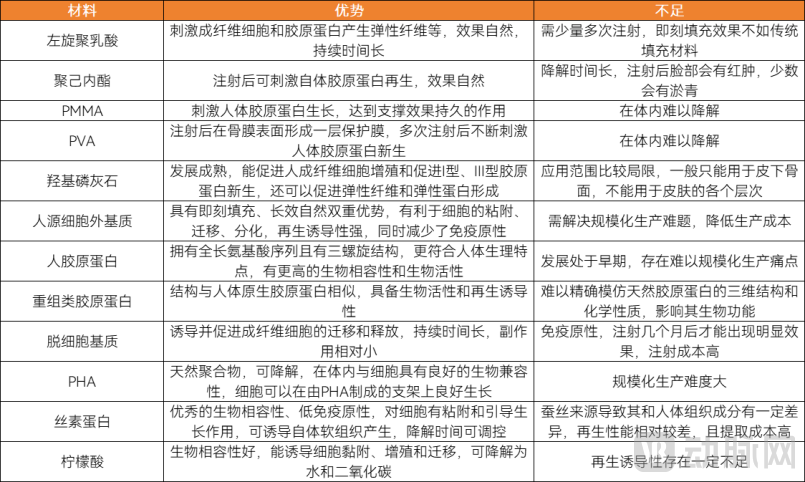
Overview of Regenerative Aesthetic Medicine Materials
Data source: VBInsight; Chart by VCBeat.
Among these, human-derived extracellular matrix better mimics the structure and function of the natural human extracellular matrix, facilitating cell adhesion, migration, and differentiation. It exhibits excellent regenerative induction properties while reducing immunogenicity. Human collagen is synthesized by human fibroblasts through serum-free culture, leveraging their own biosynthetic machinery to produce collagen that functions identically to native human collagen. This approach eliminates the potential risks associated with animal-derived extraction and bacterial fermentation. Hydroxyapatite has already received FDA approval for medical aesthetic indications.
VCBeat believes that future opportunities in the regenerative aesthetic medicine sectorFirst, it lies in the layout of multiple materials and technologies to enrich the product portfolio.On one hand, products in the medical aesthetics sector undergo rapid iteration, with a typical product lifecycle of only three to five years, necessitating that companies maintain a robust product portfolio. On the other hand, the increasing refinement of market demand requires diversified offerings to meet varied needs. The degradation rates of different materials vary, while differences in material properties—such as softness, hardness, and microstructure—dictate the design direction for injection depth and aesthetic outcomes. For instance, firmer materials are suitable for deep-layer injections and localized contouring, whereas softer materials are better suited for superficial injections to treat fine lines or provide large-area volumization. Currently, regenerative medical aesthetic products primarily target nasolabial fold wrinkles and dynamic forehead wrinkles; therefore, companies need a diverse product range to satisfy the multifaceted demands of the market.
Second, develop highly biomimetic regenerative aesthetic materials that combine immediate filling with tissue regeneration induction to achieve physiological regeneration.“Baby Face Needle”-type immune-stimulating materials induce a certain degree of inflammatory stimulation in the skin to stimulate neocollagenesis, but their “regenerative” effects are limited. Ideal regenerative medical aesthetics should possess excellent biocompatibility, promote physiological tissue regeneration, and offer both immediate filling and induced tissue regeneration. High-biomimetic materials such as human-derived extracellular matrix and recombinant human collagen can better leverage the interaction between the product and the host organism to achieve superior aesthetic outcomes, presenting significant opportunities.
74 Domestic Products Approved: BMP-2-Containing Products Warrant Attention
Bioregenerative materials hold promising application prospects in bone defect repair, joint repair and replacement, and skeletal scaffold materials, among whichBone defect repair is currently the most common and widely applied scenario.
According to data from VCBeat Institute, 74 domestically produced products based on bio-regenerative materials in orthopedics (including the dental field) have received approval from the National Medical Products Administration (NMPA), among which 58 are used for bone defect repair in non-weight-bearing areas. This is because bones in non-weight-bearing areas possess stronger regenerative capacity, making the application effects of bio-regenerative materials more significant.
In terms of the indications for approved products, most consist of granules or porous blocks with specific geometric shapes (such as columnar, block-like, or cylindrical forms) and are used for filling non-load-bearing sites to achieve augmentation and repair of hard bone tissue.
In terms of the materials and composition of approved products, allogeneic materials, xenogeneic materials, and inorganic materials predominate, with biphasic calcium phosphate ceramics, hydroxyapatite ceramics, β-tricalcium phosphate, and bioactive glass being the most common. In contrast, synthetic polymer materials account for a smaller proportion of approved products; however, their application prospects remain broad as materials science continues to advance.
Currently, bone repair material products based on bio-regenerative materials can be classified according to their material sources: natural bone types, such as autologous bone, allogeneic bone, and xenogeneic bone; synthetic bone types, including inorganic materials, natural polymers, and synthetic polymers; in addition, various bone growth factors and bone morphogenetic proteins are also available.
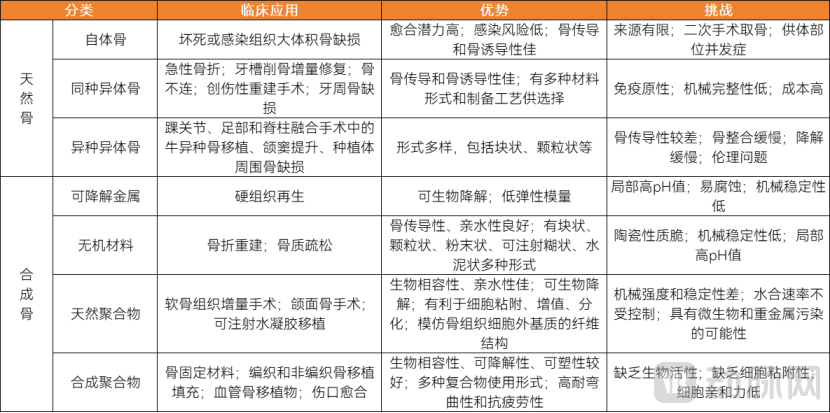
Classification of Bone Defect Repair Materials
Data source: VBInsight; Chart by VCBeat
Bone Repair Materials with Added Bioactive Factors Have Garnered Significant Attention.In the complex process of bone repair, bone growth factors play a crucial role. The addition of active factors, such as Bone Morphogenetic Protein-2 (BMP-2), to biomaterials can significantly shorten the repair time. As one of the most potent osteoinductive growth factors known, BMP-2 stimulates DNA synthesis and cell replication, thereby promoting the directed differentiation of mesenchymal cells into osteoblasts. Loading BMP-2 onto bone repair materials can effectively facilitate fractured bone regeneration.
However, bone repair materials containing BMP-2 are classified as combination drug-device products, which pose significant challenges in regulatory review and approval. Currently, only four BMP-2-containing bone repair materials have been approved in China. Notably, all four products utilize recombinant human BMP-2 (rhBMP-2). Produced through genetic engineering and recombinant DNA technology, rhBMP-2 exhibits excellent osteoinductive properties, bioactivity, and biocompatibility. Furthermore, the isolation and purification processes for rhBMP-2 are more mature, with abundant raw material resources and relatively lower costs. In contrast, BMP-2 extracted directly from animal bone tissue suffers from limited yield and high separation and purification costs.
Bone Repair and Regeneration Products Under Development: Cartilage Regenerative Materials Gain Momentum
From the perspective of the clinical applications of approved products, there are three shortcomings in China's bone repair and regeneration products.
First, the types of materials currently used in clinical applications are relatively limited; it is necessary to incorporate more new materials with strong osteoinductive and regenerative capabilities and to strengthen research on the technologies and processes related to novel bio-regenerative materials.
Second, there is a lack of products for large-segment bone filling in weight-bearing areas. This is mainly because the osteoconductivity, osteoinductivity, and angiogenic activity of the materials cannot be well balanced, which severely limits the timeliness and regional effectiveness of material repair and regeneration. As a result, it is often difficult to rapidly and effectively reconstruct large-segment bone defects.
Third, there is a scarcity of materials for cartilage repair and regeneration. Due to the avascular and nearly acellular nature of cartilage, its regenerative capacity is significantly limited. However, cartilage injuries are equally common in orthopedic clinical practice and have a profound impact on patients' quality of life, necessitating greater attention to the research and development of cartilage regeneration technologies.
To bridge these gaps, domestic companies have launched innovative research based on bio-regenerative materials. Among these efforts, innovation in indications has made joint cartilage repair products a focal point of corporate R&D.
Cartilage tissue lacks structures such as blood vessels and lymphatic vessels. Furthermore, chondrocytes within articular cartilage are low in density and lack the capacity for active division, resulting in very limited self-repair capability following injury. Currently, there are three common clinical techniques for cartilage regeneration, including microfracture (MF), autologous chondrocyte implantation (ACI), and autologous/allogeneic cartilage transplantation. However, these methods all have various limitations and drawbacks, with significant unmet clinical needs. Therefore, there is an urgent clinical demand for the development of novel cartilage repair materials and technologies. The “Second Batch of Key Projects under China’s Drug Regulatory Science Action Plan” has already listed cartilage regenerative materials as a research priority.
Trauma repair refers to a series of pathological and physiological processes by which local tissues undergo regeneration and reconstruction to restore integrity following discontinuity or defect of the skin and other tissues caused by external injury or other factors.
Studies have shown that the primary etiology of hard-to-heal wounds in China has shifted from "trauma-induced" to "disease-related." With the accelerating trend of population aging, the incidence of chronic wounds—such as diabetic foot ulcers, venous ulcers, and pressure injuries—as well as other complex, refractory wounds caused by various factors, is rising year by year, in addition to acute wounds resulting from burns and traffic accidents.
Traditional wound repair materials have primarily focused on wound protection, demonstrating limited efficacy in inducing tissue regeneration. Currently, accelerating wound healing, promoting tissue regeneration, and minimizing scar formation have become the top priorities in the field of wound repair. In this context, bio-regenerative materials have emerged as a prominent solution in wound repair due to their unique advantages.
Analysis of Approval Status: A Large Number of PRP and Dural (Spinal) Membrane Products
According to statistics from VCBeat, a total of 84 domestically produced wound repair materials have received approval from the National Medical Products Administration (NMPA). The field of wound repair encompasses numerous subsectors; based on different application scenarios, it can be categorized into platelet-rich plasma (PRP) preparation kits, dural (spinal) membrane patches, tissue-engineered skin, hernia repair biological meshes, and peripheral nerve repair materials.
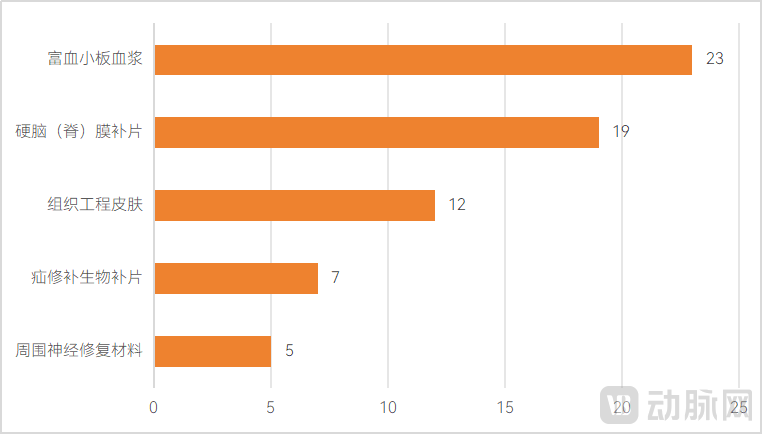
Classification of Domestically Produced Wound Repair Products Approved by the NMPA
Data source: NMPA; chart by VCBeat
In terms of R&D, the company’s pipeline products in the trauma repair segment demonstrate significant diversity, including bioactive artificial skin, small-diameter artificial blood vessels, endometrial repair products, and pelvic floor repair products. Meanwhile, the application of new technologies and materials, such as biological 3D printing and silk fibroin, in trauma repair is expected to deepen.
The above is an excerpt from the report. The overall framework of the report is as follows:
Chapter 1: The Development of Biomaterials to the Stage of Inducing Tissue and Organ Regeneration
1.1 The Definition and Boundaries of Bio-Regenerative Materials Remain Unclear
1.1.1 The core characteristic of bio-regenerative materials is “the ability to promote cell adhesion and migration”
1.1.2 True bio-regenerative material products are rare, with most falling between repair and regeneration
1.2 Underlying Drivers: The Multifaceted Push from Policy, Capital, and Technology
Chapter 2: Complex Materials, High-End Applications, and the Industry’s Entry into a New Golden Age
2.1 Orthopedics: A Wide Array of Bone Defect Repair Products; Cartilage Regeneration Poised for Breakthrough
2.1.1 74 Domestic Products Approved; Products Incorporating BMP-2 Warrant Attention
2.1.2 Pipeline Products in Bone Repair and Regeneration: Cartilage Regenerative Materials Gain Momentum
2.2 Wound Repair: Numerous Subspecialties, with Biological Meshes and Tissue-Engineered Skin Garnering Significant Attention
2.2.1 Analysis of Approved Products: Numerous PRP and Dural (Spinal) Membrane Products
2.2.2 Wound Repair Under Development: Diversified Application Directions; 3D Printing and Silk Fibroin in the Pipeline
2.3 Medical Aesthetics: “Baby Face Injections” Gain Immense Popularity, Accelerating the Application of Human-Derived Extracellular Matrix and Other Materials
2.3.1 Four “Baby Face Injections” and “Girl Injections” Approved, Nearly 20 Companies Compete for Market Entry
2.3.2 Multiple Novel Regenerative Aesthetic Materials Under Development, Aiming to Achieve Physiological Regeneration
Chapter 3 Future Trends
3.1 Trends in Material Innovation: Focusing on Breakthroughs in Animal-Derived Materials, Human-Derived Extracellular Matrix, and Silk Fibroin
3.2 Product Innovation Trends: Focusing on Tissues and Organs with Urgent Needs and Weak Regenerative Capacity
3.3 Corporate Strategic Innovation Trends: Multi-Technology Platform Deployment to Break Through Growth Ceilings
Chapter 4 Corporate Case Studies
Please scan the QR code to add our assistant and obtain the full report; if you have already added the assistant, please initiate a conversation to request it. Meanwhile, the report will be officially released on-site at the Bio-regenerative Materials Forum of the “8th Future Healthcare Ecosystem Expo” hosted by VCBeat.