

Model-Based Design in Computational Medicine: Accelerating Innovation in Cardiovascular Medical Device Development
In the traditional development process of medical devices, open-loop testing fails to capture the dynamic responses of human organs to medical devices. This limitation may lead to unforeseen issues during closed-loop interactions between medical devices and human organs, such as “pacemaker-mediated tachycardia (PMT)” and “pacemaker-mediated arrhythmia (PMA).”
This seminar will delve into how model-based design methods can enable flexible configuration of organ models and shift the verification of complex conditions to earlier stages in development by integrating closed-loop simulations of organ models, medical device models, and algorithms. This approach facilitates the early identification of potential issues and enables rapid iterative optimization. Furthermore, we will demonstrate how to automatically generate embedded code to accelerate the verification process for hardware prototypes.
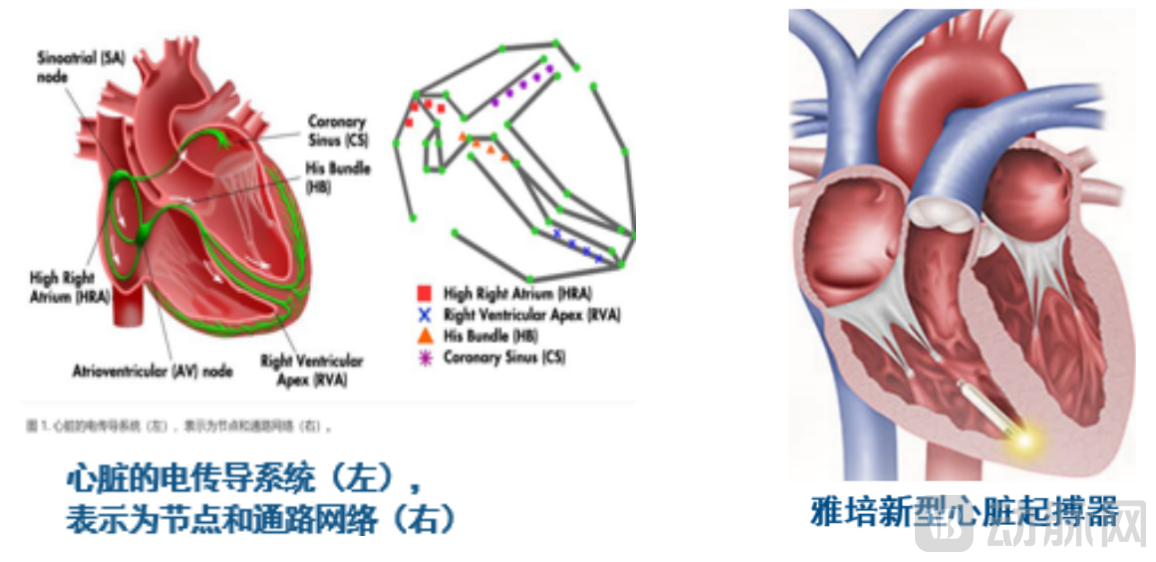
AbbottDevelop miniature pacemaker chips using model-based design;
University of PennsylvaniaDeveloped the first electrophysiological heart model for real-time closed-loop testing of pacemakers;
MiracorEliminate runtime errors and significantly reduce testing time for Class III cardiac implantable device software;
Weinmann (Germany)Leveraging Model-Based Design to Achieve Rapid Breakthroughs in the Development of Emergency Transport Ventilators, Demonstrating the Broad Application Prospects of “In Silico Medicine” in Medical Device Development.
Medical Device Systems Engineer, Control Engineer, Algorithm Engineer, Embedded Engineer, Test Engineer.
Course Duration: Tuesday, May 14, 2024, 19:30–20:30
Course Topic“Model-Based Design for Computational Medicine: Accelerating Innovation in Cardiovascular Medical Devices”
On the path to innovation in cardiovascular medical devices, the industry faces the dual challenges of slow design iteration and prolonged development cycles. Furthermore, traditional open-loop testing methods exhibit significant limitations in validating the interaction between the heart and medical devices. Through this webinar, we will explore how model-based design approaches can overcome these challenges.Key ContentsIncluding:
Introduction to In Silico Medicine
In Silico Medicine leverages computational models and simulation technologies to emulate human physiological systems, providing precise and efficient solutions for disease diagnosis, treatment planning, and new drug development.
Demo: Application of In Silico Medicine in Cardiac Pacemaker Development
In Silico Medicine optimizes pacemaker design by simulating cardiac electrophysiology and device interactions, thereby reducing the need for clinical trials and accelerating time-to-market.
How Model-Based Design Accelerates the Development of Advanced Medical Devices
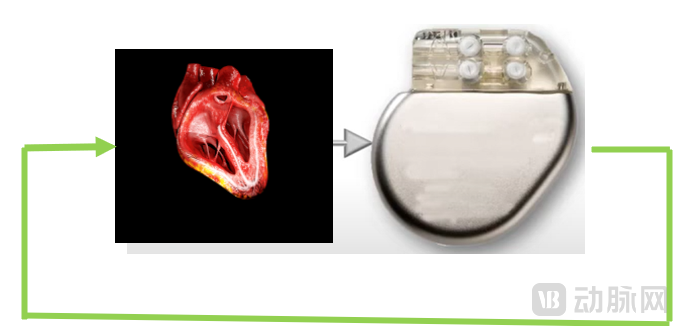
Model-based design enables closed-loop simulations incorporating human organ models, electronics, structures, and algorithms right from the early stages of development (as shown in the figure above). It even allows for flexible configuration of organ models to dynamically simulate a wide range of complex pathological conditions, thereby shifting verification upstream, identifying issues early, and facilitating rapid optimization and iteration.
Industry Success Case Studies
Mengjia Wang, Senior Application Engineer at MathWorks China, specializing in physical modeling. Previously worked at ZF on vehicle safety crash system simulation and at Kostal on the development of multi-physics domain systems for touchscreens involving mechanical, electrical, and magnetic fields. Holds both bachelor’s and master’s degrees in Vehicle Engineering from Tongji University.
Bo Shan, Chief Technology Officer for the Healthcare Industry at MathWorks China. He has long been responsible for providing in-depth technical support in image/medical imaging processing, artificial intelligence, and high-performance embedded hardware implementation in the Chinese market. Prior to joining MathWorks, he worked in research and development for many years, accumulating extensive experience in medical image recognition, computer vision, time-series signal processing, and high-performance implementation on FPGAs and GPUs.
Scan the QR code in the poster below to register for the live stream:

MathWorks is the world’s leading developer of mathematical computing software. Its flagship product, MATLAB, is a programming environment for algorithm development, data analysis, visualization, and numerical computation, often referred to as “the language of technical computing.” Simulink is a graphical environment for simulation and model-based design of multidomain dynamic systems and embedded systems. Engineers and scientists worldwide rely on MathWorks’ product families to accelerate invention, innovation, and development in industries such as automotive, aerospace, electronics, financial services, biomedicine, and more. Additionally, MATLAB and Simulink serve as fundamental teaching and research tools, adopted by numerous universities and educational institutions around the globe. MathWorks currently employs over 6,000 people and operates 34 offices worldwide.
“VBSelect Open Courses” is one of the brand columns under VCBeat’s “VBSelect” series. Focusing on pain points in the healthcare sector and systematic solutions, it leverages an online live-streaming platform for knowledge sharing and exchange. By continuously inviting seasoned industry practitioners and experts to co-develop a series of thematic courses, it aims to provide healthcare enterprises with in-depth, high-value practical insights. VBSelect Open Courses: Making the selection of knowledge simpler.