2024 Pharmaceutical Digital Marketing Report: Compliance as a Mandate, Deep Integration Across Drug Lifecycle and Patient Journey
With the rapid development of the internet and artificial intelligence, digitalization has become integrated into every aspect of the industry. Even in the traditionally conservative pharmaceutical sector, there has been a widespread and vigorous embrace of digital transformation in recent years. In the realm of pharmaceutical marketing, years of industry efforts and experimentation have now yielded significant results:Digitalization has permeated every aspect of pharmaceutical marketing, covering the entire drug lifecycle and the full patient journey, a process that continues to deepen.
At what stage is China’s pharmaceutical digital marketing industry currently? What is the depth of penetration across different drug categories and at various stages of the product lifecycle? What are the underlying reasons for the differences in penetration depth? Which scenarios represent the most mature and widely implemented applications of pharmaceutical digital marketing? Why are digital marketing firms currently focusing heavily on the out-of-hospital market and patient management solutions? Why are pharmaceutical companies placing increasing emphasis on refined private-domain operations? With emerging technologies such as AIGC and digital humans gaining significant traction in digital marketing, what is their future development potential? What is the future trajectory of the industry? …
Guided by these questions, VCBeat conducted in-depth desk research and engaged in discussions with more than ten pharmaceutical companies and digital marketing firms, producing the “2024 Research Report on the Pharmaceutical Digital Marketing Industry” to provide valuable industry insights for relevant stakeholders.
Core Viewpoints of the Report:
1. Digital marketing has permeated the entire lifecycle of pharmaceutical products. Its penetration is relatively limited during the early stages of a drug's lifecycle, but becomes more extensive during the maturity phase.
2. The three most mature and readily implementable directions in pharmaceutical digital marketing, where return on investment is most easily observed: 360-degree HCP profiling analysis, virtual representatives, and online promotion and marketing—including physician IP development and online academic conference platforms.
3. Under the influence of policies such as centralized procurement and national medical insurance negotiations, the lifecycle of pharmaceutical products has significantly shortened. The barriers and time costs for pharmaceutical companies to enter hospitals are increasing, compelling them to deploy innovative online conversion pathways to break through the challenges in the hospital market. With growing emphasis on the out-of-hospital market, patient management has become a mainstream strategy for pharmaceutical companies. However, not all therapeutic areas are suitable for direct-to-consumer (C-end) patient management; it is crucial to target scenarios with rigid demand. As internet-based diagnosis and treatment mature, an out-of-hospital consultation trend is gradually taking shape. Patients’ autonomy in choosing where to purchase medications has increased, and their purchasing habits have shifted, driving the rapid development of the out-of-hospital market.
4. The era of traffic-driven growth is over; competition for pharmaceutical companies’ customer resources has intensified, prompting greater emphasis on building private-domain traffic operation systems for doctors and patients and accumulating data assets. Optimizing existing stocks and implementing refined operations for current doctor-patient resources have become industry consensus, with data asset accumulation driving sales management decisions.
5. In the future, the industry will more extensively leverage AIGC and digital human technologies to efficiently produce personalized academic promotion content and medical science popularization materials. By integrating virtual representatives, this approach will enhance interaction efficiency with physicians and empower patient disease education and management. Streamlined versions of digital human applications can effectively meet the needs of pharmaceutical companies, the majority of mid- and grassroots-level physicians, and patients, thereby offering significant market development advantages.
6. The patient-provider service chain in future digital marketing will become increasingly lengthy and complex, providing in-depth coverage across the entire drug lifecycle and the full course of patient care. Building on their respective strengths, companies will either independently strategize or collaborate with industry chain partners to continuously refine and complete user need scenarios.
Market Conditions Compel Pharmaceutical Companies to Upgrade Marketing Strategies, with Digital Marketing Meeting Diverse Market Demands
Digital Marketing in the Pharmaceutical Industry primarily refers to pharmaceutical companies leveraging internet, artificial intelligence, big data, and cloud technologies to interact with physicians and patients through digital systems. By delivering information and services in a precise and personalized manner, these efforts aim to influence target audiences’ drug acceptance and medication behaviors. This approach reduces reliance on manual labor while expanding marketing channels, improving marketing efficiency, ensuring regulatory compliance, and driving growth in drug sales and profits.
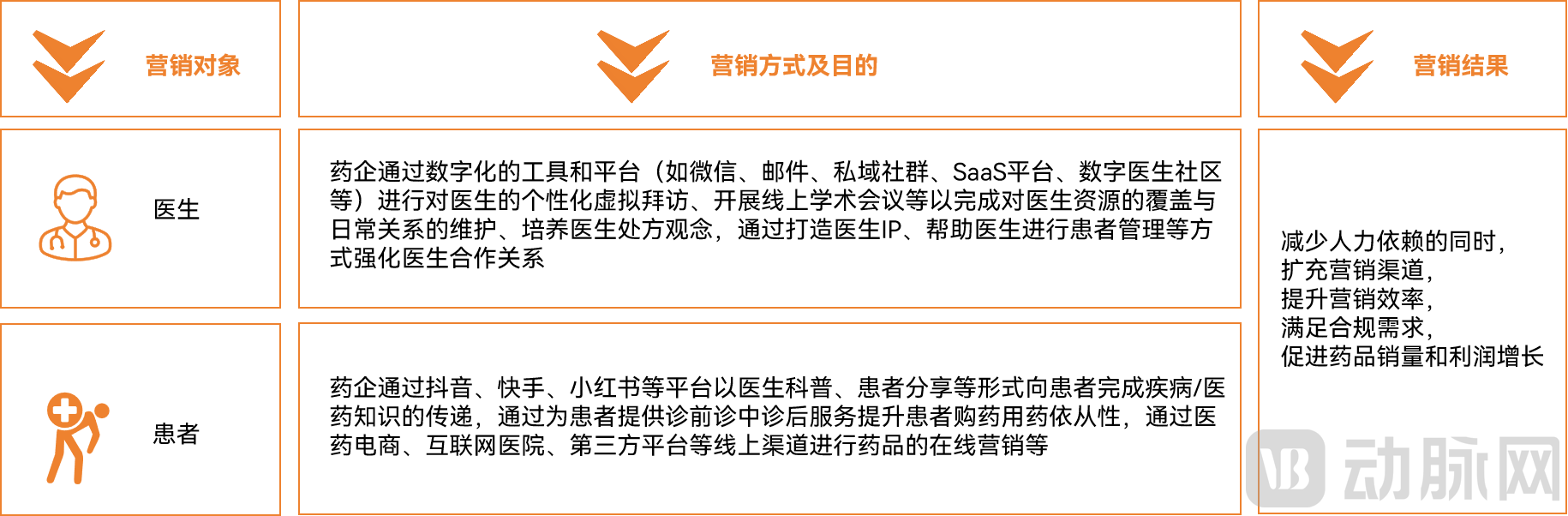
Targets, Methods, Objectives, and Outcomes of Digital Marketing in the Pharmaceutical Industry
Data Source: Research Interviews, VCBeat.
It generates benefits and value for pharmaceutical companies, physicians, and patients alike.
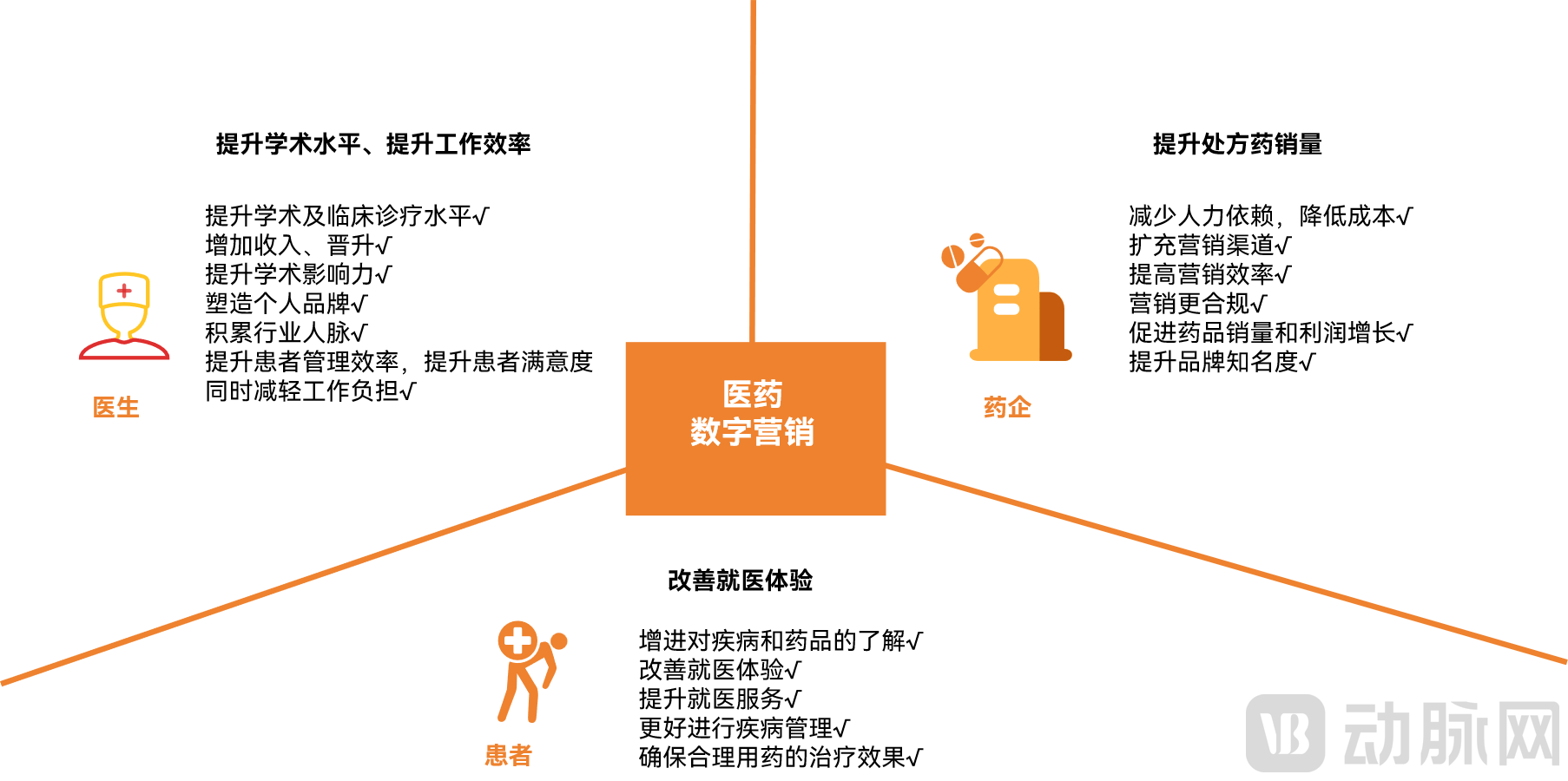
The Value and Benefits of Digital Pharmaceutical Marketing for Pharmaceutical Companies, Physicians, and Patients
Data source: Research interviews, VCBeat.
Currently, the driving forces behind the development of digital marketing in the pharmaceutical industry mainly come from two aspects:First, the broader pharmaceutical market environment, shaped by policy guidance, is compelling pharmaceutical companies to upgrade their marketing strategies; second, changes in the contemporary landscape and the rapid development of digital technologies are transforming how people access information.
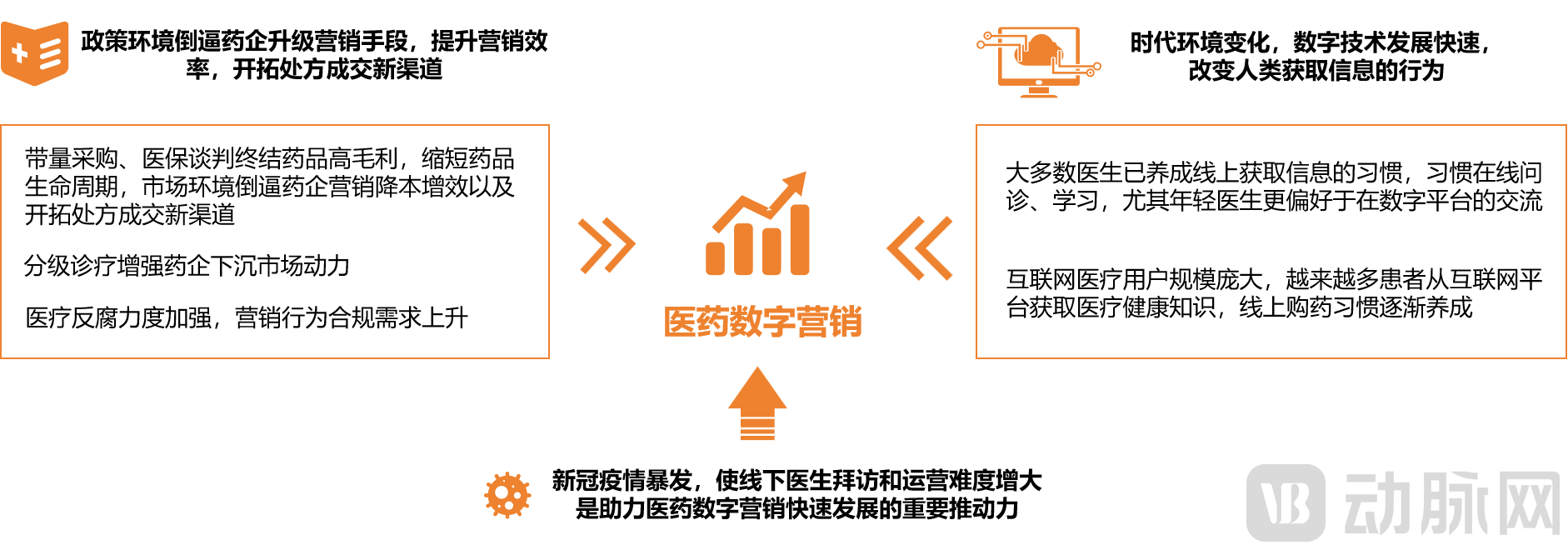
Analysis of Driving Factors in the Pharmaceutical Digital Marketing Industry
Data source: Interviews and surveys, VCBeat.
◆ Policy-driven macro-environment in the pharmaceutical market compels pharmaceutical companies to upgrade their marketing strategies
To date, China has conducted nine rounds of volume-based drug procurement, covering a total of 374 drugs, with an average price reduction exceeding 50%. It is expected that future efforts will continue to adhere to the principles of ensuring basic needs and clinical supply, gradually incorporating into the procurement scope those drugs that meet eligibility criteria, particularly those with high clinical usage volumes and significant procurement expenditures.
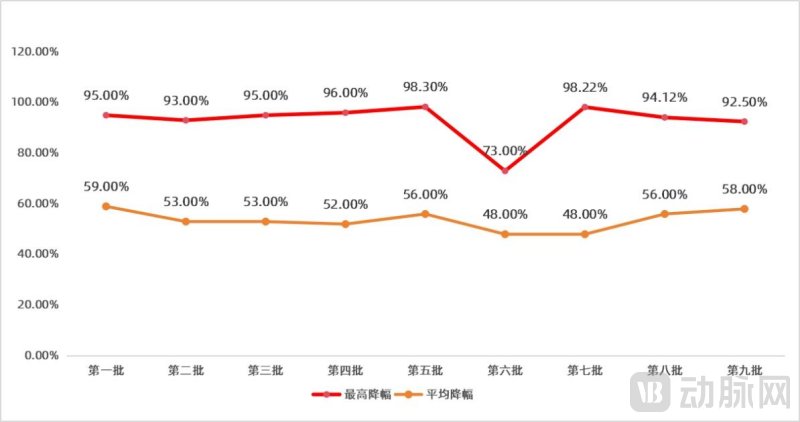
Changes in Price Reductions for Drugs Included in Historical Centralized Procurement
Data Source: Public Information, VCBeat
Meanwhile, as national reimbursement drug list (NRDL) negotiations have become an annual routine, the pace at which innovative drugs are included in the NRDL has accelerated significantly. The number of successfully negotiated drugs continues to rise, with the average price reduction remaining stable at approximately 60%.
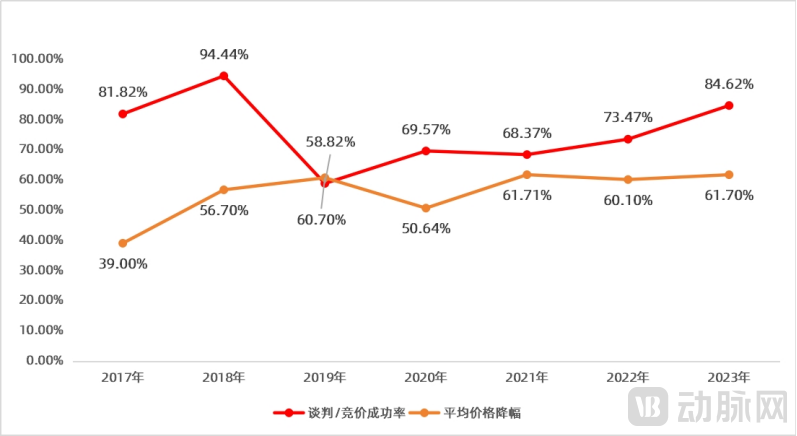
Success Rate and Average Price Reduction of Newly Added Drugs in Previous Negotiation Rounds
Data source: Public information, VCBeat.
Whether it involves R&D, market approval, post-launch medical insurance negotiations, or challenges from generic drugs after patent expiration.The journey that once took two decades for drug commercialization has now been shortened to ten years, or even seven to eight years.Policy pressures are compelling pharmaceutical companies to influence a larger number of physicians and patients in less time, within limited value cycles.
Digital approaches and technologies can enhance the efficiency of pharmaceutical marketing,Has become a method chosen by many pharmaceutical companies to maintain product sales and grow profits.Furthermore, driven by risk control considerations, pharmaceutical companies are increasingly prioritizing digital transformation and the accumulation of data assets to flexibly respond to potential changes in business operations and teams.
County-level hospitals in China serve a population of over 900 million, accounting for more than 70% of the nation’s total residents. In recent years, the state has introduced a series of policies to decentralize medical resources, therebyThe Grassroots Market Holds Immense Development Potential, Boosting Pharmaceutical Companies’ Incentives to Penetrate the Grassroots Level. However, primary healthcare institutions are generally small in scale, widely dispersed, and located in remote areas, resulting in high costs and low efficiency for offline visits. Consequently, pharmaceutical companies struggle to achieve effective coverage through traditional marketing methods. Augmenting marketing strategies with digital solutions can reduce reliance on manual labor, lower costs while improving efficiency, and extend the duration of therapy (DOT) for medications.
Furthermore, the introduction of the two-invoice system, the one-invoice system, and the registration system for pharmaceutical sales representatives, coupled with the continuous intensification of anti-corruption efforts in the healthcare sector,Driving Pharmaceutical Companies Toward Marketing ComplianceDigital marketing methods maintain a complete audit trail with traceable data, ensuring compliance with pharmaceutical companies’ regulatory requirements. The accumulation and consolidation of compliant physician-patient data also support strategic analysis, market research, and marketing analytics, thereby meeting pharmaceutical companies’ needs for effective marketing.
◆ As the era evolves and digital technology advances rapidly, it is transforming the way humans access information.
China’s more than one billion internet users have grown accustomed to being immersed in a digital commercial culture shaped by smartphones, internet platforms, social networks, and mobile payments. Driven by the disruptive impact of the internet and the effects of the pandemic, changes in how doctors and patients access medical information have spurred rapid growth in the pharmaceutical digital marketing industry.
At the physician level,Currently, most physicians have become accustomed to conducting online consultations and engaging in digital learning, with younger doctors even showing a stronger preference for communication via digital platforms. At present, over one million physicians provide online diagnostic and treatment services. In 2023, the penetration rate of online physician consultations reached 54% and continues to rise. Physician participation in public health education and science popularization on online platforms is also steadily increasing.
At the patient level,By the end of 2022, the number of users of internet-based healthcare services had reached 360 million. Patients’ habits of consulting doctors and purchasing medications online have been vigorously cultivated by various internet giants and specialized third-party platforms connecting patients with healthcare providers. Further accelerated by the pandemic, both health-conscious consumers seeking preventive care and undiagnosed patients have developed the habit of proactively accessing medical information and advice through search engines and social media. Consequently, awareness, trust, and utilization of online healthcare services have all increased.
Therefore, pharmaceutical companies are increasingly prioritizing brand building, awareness enhancement, and experience optimization through multi-channel online and offline strategies.
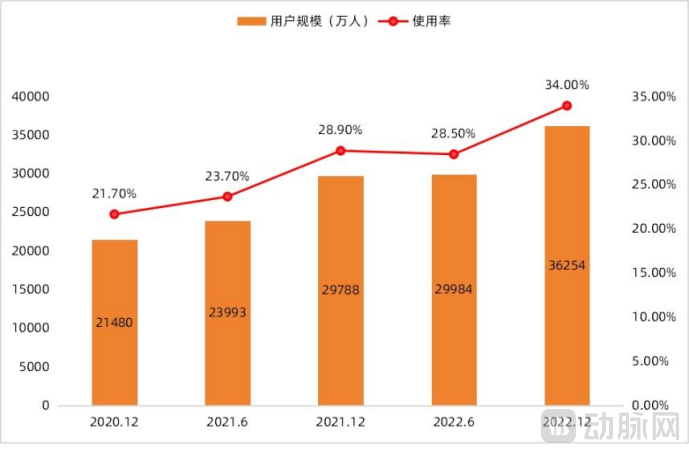
2020-2022 Internet Healthcare User Base and Usage Rate
Source: “2023 China Digital Chronic Disease Management Market Insights,” VCBeat
PreviouslyThe Outbreak of the COVID-19 Pandemicincreasing the difficulty of offline physician visits and operations, and making it challenging for patients to access medical care and purchase medications at hospitals.Greatly accelerated the development of the digital pharmaceutical marketing industry.Pharmaceutical companies are increasingly prioritizing digital transformation strategies and the development of digital capabilities, making it imperative to empower pharmaceutical marketing through digital means.
A Market Worth Hundreds of Billions, with Sustained Capital Optimism: Three IPOs and One M&A Within a Year, Alongside Impressive Financial Reports from Multiple Companies
According to Frost & Sullivan’s forecasts, the market size of digital pharmaceutical marketing is expected to further grow in 2025 and 2030, reaching RMB 111.0 billion and RMB 356.8 billion, respectively, with a compound annual growth rate (CAGR) of 33.9% from 2025 to 2030.
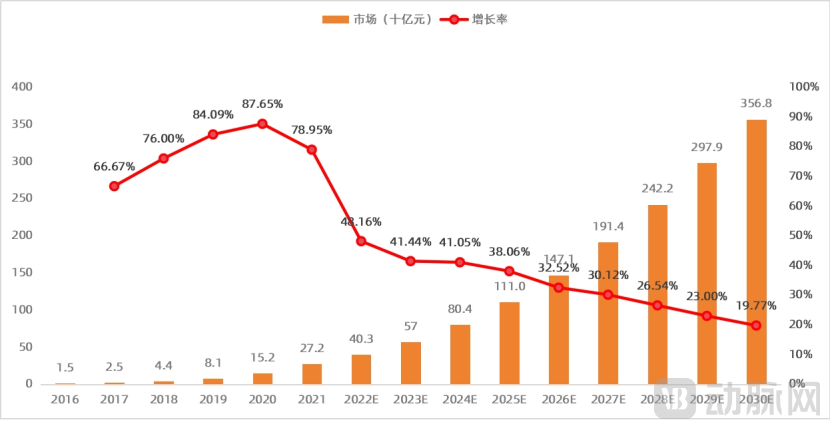
Market Size Trends in China's Pharmaceutical Digital Marketing Industry, 2016–2030
Data source: Frost & Sullivan, VCBeat
Over the past year, two companies specializing in pharmaceutical digital marketing, MedSci Health and Yaoshibang, have successively completed their initial public offerings (IPOs).In February 2024, Yuanxin Technology passed the hearing of the Hong Kong Stock Exchange. In January 2024,Hillhouse Capital Acquires Leading Physician MCN Company Zhengdu Health, becoming its controlling shareholder and integrating it into its subsidiary's Gaoji Health system.
Four Companies Have Successively Completed New Rounds of Financing Within the Past Year, including Shangyao Cloud Health, Wanmu Health, Purui Life Sciences Technology, and Taxue Technology. Among them, Shanghai Cloud Health demonstrated strong fundraising performance, securing RMB 500 million in financing. Judging from the primary market financing landscape,AIGC, Patient Managementis a key development direction currently under close scrutiny by the capital markets.
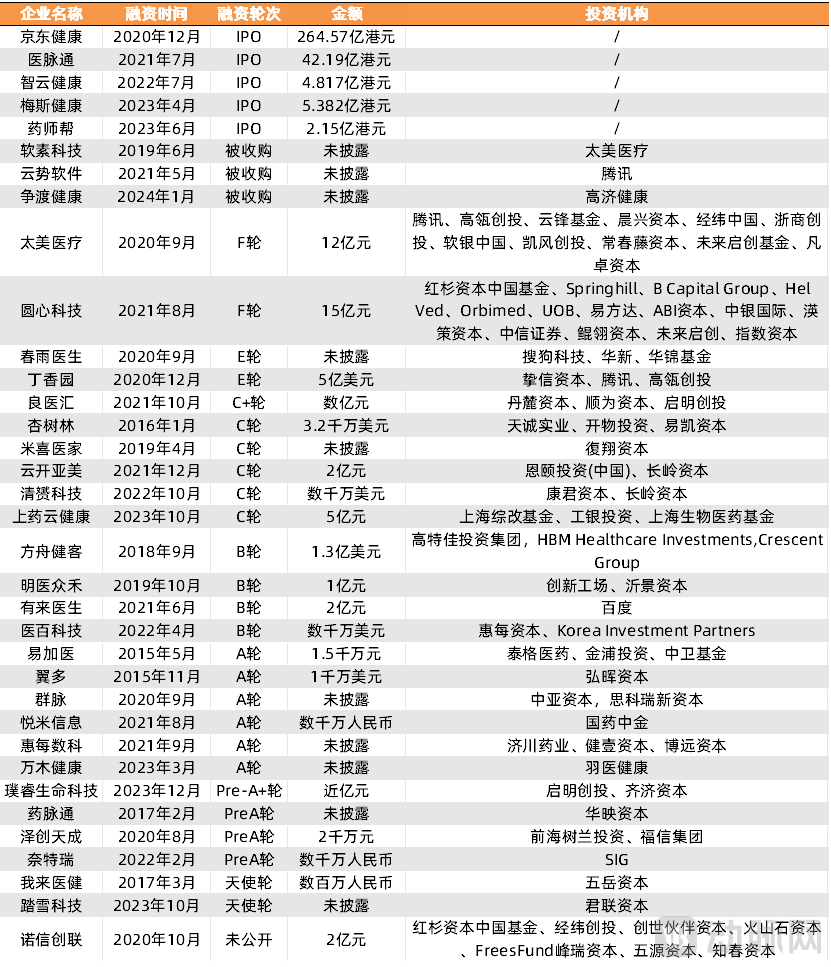
Overview of the Latest Financing Rounds for Companies in Pharmaceutical Digital Marketing
Data Source: VBInsight, VCBeat
In the secondary market, JD Health and Medlive demonstrated strong performance in their digital marketing businesses for fiscal year 2023, with both revenue and profits achieving growth.In 2023, JD Health’s total revenue reached RMB 53.5 billion, a year-on-year increase of 14.5%. Of this, product sales revenue from pharmaceuticals and health products amounted to RMB 45.7 billion, up 13.1% year on year; service revenue from online platforms, digital marketing, and other services totaled RMB 7.9 billion, representing a 23.7% year-on-year growth.
Medlive’s total revenue in 2023 reached RMB 412 million, a year-on-year increase of 31.2%; its net profit was RMB 252 million, up 99.1% year on year. According to Medlive’s financial report, the majority of its 2023 revenue came from precision marketing solutions, with this business segment generating RMB 373 million in revenue, a 29.3% year-on-year increase. In 2023, the number of clients covered by this solution reached 182, a 40.0% year-on-year increase; the number of products covered totaled 386, up 35.9% year on year.
Amid the current severe capital environment in the pharmaceutical sector and the challenges faced by the industry in driving drug revenue growth due to policy impacts, leading to reduced marketing budgets, digital pharmaceutical marketing has demonstrated strong performance both in primary market financing and in the financial results of listed representative companies.This indicates that the value of digital pharmaceutical marketing is gaining market recognition and is experiencing steady, positive growth.
Overall, the pandemic has significantly driven the development of the digital pharmaceutical marketing industry in recent years. NowAmid the intensifying anti-corruption campaign in the healthcare sector, pharmaceutical companies’ demand for marketing compliance has surged significantly, emerging as a new and robust growth driver for the digital pharmaceutical marketing industry in the post-pandemic era.
Digital Marketing Penetrates the Entire Drug Lifecycle, with Greater Prevalence in the Maturity Stage and Continued Deepening of Patient Management
Digital marketing has permeated the entire lifecycle of pharmaceutical products, with relatively limited penetration in the early stages and greater prevalence during the maturity phase.
Based on the different stages of the pharmaceutical distribution lifecycle, it can be broadly divided into the pre-launch period, post-launch period, national reimbursement drug list (NRDL) inclusion period, and volume-based procurement (VBP) period. Currently, digital marketing has permeated the entire drug lifecycle, with digital marketing strategies varying depending on the specific lifecycle stage of the drug.
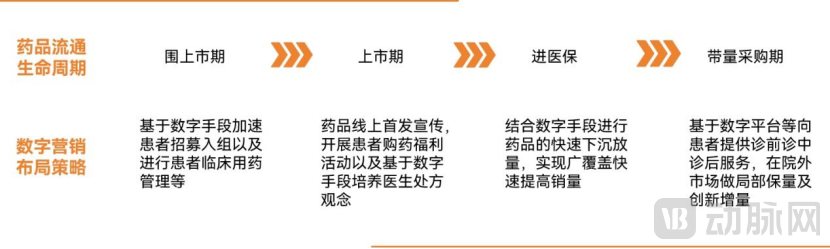
Digital Marketing Penetration Strategies Across Different Stages of the Drug Lifecycle
Data Source: Interviews and Surveys, VCBeat
Pre-Launch PhaseDigital marketing firms can leverage digital tools to recruit patients for pharmaceutical companies, accelerating patient enrollment and enhancing the efficiency of drug launches. Additionally, they can utilize tools such as virtual representatives to assess the needs of primary care physicians, facilitating the rapid deployment of existing sales teams post-launch.
Newly Launched DrugAt that time, pharmaceutical companies can conduct online launch promotions for new drugs based on platforms such as pharmaceutical e-commerce and physician communities.Pre-Launch PhasePharmaceutical companies can collaborate with digital marketing firms to launch patient medication benefit programs—such as innovative payment insurance schemes and charitable drug donation channels—leveraging platforms like internet hospitals, O2O services, patient community platforms, and private patient groups. Additionally, by partnering with physicians to conduct patient disease education and medication management, these initiatives aim to enhance patients’ adherence to purchasing and taking their prescribed medications.
PharmaceuticalsPost-MarketDigital marketing companies conduct online academic conferences and facilitate case sharing among physicians within doctor communities, while integrating with pharmaceutical companies’ offline medical representatives for academic marketing. This approach aims to shape physicians’ prescribing concepts, strengthen collaborative relationships with physicians, and expand coverage of the target physician population.Joint physicians can conduct medication follow-ups for patients through internet hospitals and other patient management platforms, accumulating real-world treatment data on drugs. This provides clinical data support for pharmaceutical companies to expand drug indications.
Stage of Inclusion in the National Reimbursement Drug List, pharmaceutical companies, in collaboration with digital marketing firms, can rapidly cover hospitals in third-tier cities and a vast number of primary care institutions by combining virtual representatives with field medical representatives, thereby achieving broad coverage and quickly boosting sales. By conducting online academic conferences and facilitating case sharing among physicians within doctor communities, while leveraging field medical representatives for continuous engagement, they can cultivate physicians’ prescribing habits, strengthen collaborative relationships, and expand coverage of the target physician population.
Furthermore, by collaborating with digital marketing firms, pharmaceutical companies leverage high-traffic platforms such as Douyin, Kuaishou, and Xiaohongshu, as well as patient-physician management platforms operated by select digital marketing enterprises. Through physician-led science popularization and patient-shared medication experiences, these initiatives enhance patients’ disease awareness, facilitate the dissemination of drug information, improve medication adherence, and extend the Days on Therapy (DOT).
Volume-Based Procurement PeriodPharmaceutical companies are leveraging platforms such as internet hospitals and pharmaceutical e-commerce to provide pre-diagnosis (e.g., disease screening), during-diagnosis (e.g., online consultations), and post-diagnosis services (e.g., patient education, disease management, convenient medication purchasing, and improved affordability and accessibility of payment for medications) for drugs that failed to win bids in the Volume-Based Procurement (VBP). These efforts aim to maintain local sales volumes and drive innovative growth in the out-of-hospital market. For instance, by combining virtual representatives with offline medical representatives, companies can tap into the medication potential of patients in grassroots community hospitals, reaching areas previously inaccessible due to limitations in offline human resources.
For volume-based procurement (VBP) drugs that have won bids, the effectiveness of digital marketing is limited due to restrictions on sales expenses and significant product homogenization; consequently, few winning bidders adopt digital marketing strategies.
For certain specialty drugs, digital marketing strategies yield higher marketing efficiency.Due to the unique nature of rare diseases, it is difficult for traditional offline pharmaceutical representatives to conduct large-scale promotion. Online promotion offers the advantages of speed and low cost, while online education makes it easier to engage more physicians in the screening, diagnosis, and treatment processes. Unlike drugs targeting broad indications, targeted therapies for specific, niche indications cover a limited and geographically dispersed patient population. Digital marketing facilitates the identification and aggregation of these target patients, thereby enabling companies to achieve more efficient marketing outcomes.
Digital marketing currently has limited penetration in the early-stage marketing of pharmaceutical products, primarily due to two reasons:First, during the early post-launch phase, market awareness of new drugs is insufficient, and digital marketing has limited effectiveness in shaping the prescribing habits of physicians at large tertiary hospitals. Second, pharmaceutical companies typically deploy extensive offline promotional teams during the early launch period, making it difficult to assess and demonstrate the impact of digital marketing efforts.
However, after a period of promotion, the combined use of virtual representatives and field sales representatives in markets such as second- and third-tier cities can help newly launched drugs achieve rapid breakthroughs from core to secondary markets, thereby facilitating swift education and broad coverage. Furthermore, as anti-corruption efforts in the healthcare sector intensify, pharmaceutical companies face increasingly stringent compliance requirements for marketing activities. This has driven a redistribution of marketing resources, with a rapidly growing emphasis on digital marketing strategies during the early stages of drug launches.
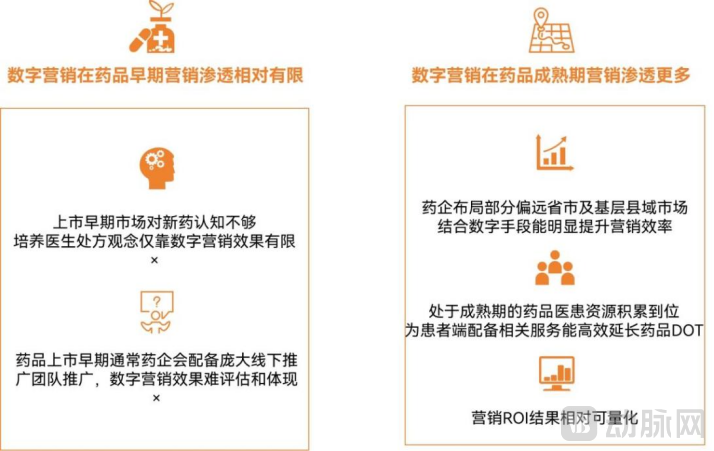
Digital Marketing Penetration Varies Significantly Across Different Stages of a Drug’s Life Cycle
Data source: Interviews and surveys, VCBeat.
Pharmaceutical companies exert the strongest efforts in deploying digital marketing once their products enter the maturity stage, primarily due to three factors:
First, by leveraging digital tools to expand into remote provinces and grassroots county-level markets, pharmaceutical companies can significantly reduce marketing costs, improve efficiency, and drive incremental growth for innovative drugs.
Second, pharmaceuticals in the mature stage have often accumulated substantial physician and patient resources. Leveraging digital tools to rapidly reactivate these existing doctor-patient assets can drive further growth for such drugs, particularly for established medications used in the management of chronic diseases such as cardiovascular conditions and diabetes.
Third, compared to the early launch phase of new drugs, medications in their mature stage can better reflect the impact of marketing investments through digital marketing ROI metrics. For instance, some digital marketing initiatives involving virtual representatives are often complemented by offline operational teams to jointly promote pharmaceutical products in remote provinces or grassroots county-level markets. In terms of ROI outcomes, these initiatives can not only clearly provide data on the number and frequency of physicians reached, as well as details of online and offline meetings conducted, but may even include commitments related to key performance indicators (KPIs) for drug sales. Pharmaceutical companies consider this approach more conducive to facilitating internal decision-making and execution of relevant digital marketing projects.
The Three Most Mature and Practical Directions in Digital Marketing: 360-Degree HCP Profiling, Virtual Representatives, and Online Promotion and Marketing
Multiple pharmaceutical companies believe that the three most mature and readily implementable directions in digital medical marketing, where return on investment is easiest to observe, are: 360-degree HCP profiling analysis, virtual representatives, and online promotion and marketing—including physician IP development and online academic conference platforms.
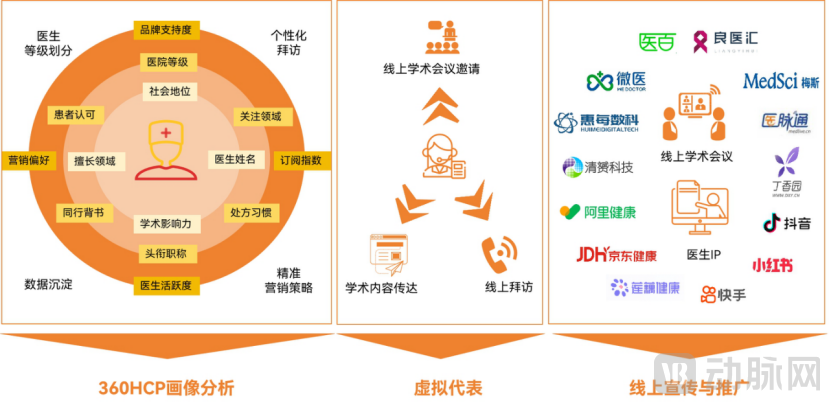
The Three Most Mature and Implemented Directions in Digital Marketing
Data Source: Survey Interviews, VCBeat.
Among themHCP360 ProfileIt supports pharmaceutical companies’ business departments in tiering physicians, generating tailored messaging libraries for different categories of healthcare professionals (HCPs), distributing visit tasks and leads to online and offline representatives, guiding targeted visit and conversation strategies, enabling precise follow-up visits and personalized relationship management (“one-on-one” engagement), and helping pharmaceutical companies flexibly adapt to potential changes in business operations and team structures.
Marketing initiatives driven by physician tagging are continuously validated, refined, and optimized in practice through integration with offline data, ultimately enabling intelligent formulation of marketing strategies and making their outcomes predictable. Currently, big data accumulated over years of operational experience has yielded promising results in this application area; however, the impact of AI remains limited and requires further optimization and upgrading.
Based on the HCP360 profile,Virtual RepresentativeLeverage artificial intelligence to enable technology to handle the high volume of repetitive tasks in pharmaceutical marketing, such as routine visits, invitations to academic conferences, dissemination of standard academic content, and generation of visit summaries. Its significant advantages of low cost and broad coverage can greatly reduce reliance on human labor, making it particularly suitable for application in regions where pharmaceutical companies struggle to achieve adequate coverage through traditional medical representative promotion models.
Online Academic Exchange PlatformEnable medical representatives to transcend temporal and spatial constraints, conducting online physician visits and hosting virtual academic conferences within appropriate timeframes. This approach reduces reliance on manual labor while achieving comprehensive coverage of target physicians, maintaining daily relationships, shaping prescribing behaviors, and acquiring new non-target physician segments.
Continuous online behavior monitoring and behavioral feedback for physician groups within private-domain ecosystems to optimize products or services, thereby guiding precise marketing decision-making. Through collaboration with digital marketing firms to createPhysician IPIt can help enhance the professional prestige of physicians to strengthen collaborative partnerships.
As anti-corruption efforts in the healthcare sector intensify, leveraging online promotional and marketing channels ensures transparency and traceability throughout the marketing process, fully meeting pharmaceutical companies’ compliance requirements. This application scenario is continuing to expand rapidly.
Driven by the evolving landscape, the out-of-hospital market is gaining prominence, patient management continues to deepen, and coverage extends across the entire chain of screening, diagnosis, treatment, and management.
Pharmaceutical companies are increasingly prioritizing the out-of-hospital market, making patient management a mainstream strategic focus. Essentially, pharmaceutical firms and other players across the value chain establish internet hospital platforms or leverage third-party platforms for patient management to achieve direct-to-consumer (C-end) engagement and create a closed-loop business model.
Specifically, the main reasons lie inMarket conditions (the commercialization difficulties of newly launched specialty drugs and the challenges in getting non-winning bid drugs into hospitals) are forcing pharmaceutical companies to innovate and expand into incremental markets; the trend of out-of-hospital medical visits is gradually forming, patients' choice in purchasing medications is increasing, and their buying habits are changing, driving the rapid development of the out-of-hospital market.
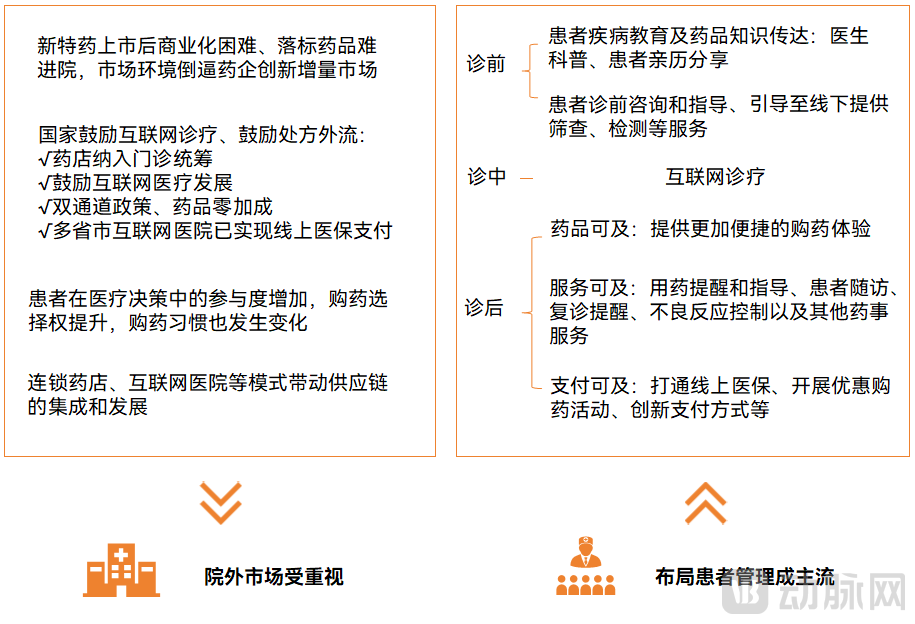
Out-of-Hospital Market Gains Prominence; Patient Management Deployment Becomes the Current Mainstream
Data Source: Interviews and Surveys, VCBeat
According to relevant data,Market Size of Out-of-Hospital Pharmaceutical DistributionGrowing from RMB 371.6 billion in 2018 to RMB 639.7 billion in 2022, the share of the out-of-hospital segment in the overall pharmaceutical distribution market also rose from 27.6% to 36.5%.Driven by multiple policies, drug demand at out-of-hospital terminals such as pharmacies and primary healthcare institutions is increasing, with their market share expected to rise further, ushering in greater room for development.
It is also worth mentioning that,The dual-channel policy has created greater opportunities for the out-of-hospital sales of oncology drugs,Pharmaceutical companies are striving to enhance engagement with oncology patients and deepen patient education and disease management initiatives.Some pharmaceutical companies have pointed out that many pharmacies currently operate their own patient follow-up systems, and pharmaceutical firms are increasingly prioritizing collaboration with pharmacy pharmacists. If these channels can be effectively integrated, they will play a significant role in precision medicine and the long-term chronic disease management of oncology products, enabling pharmaceutical companies to achieve greater breakthroughs in the out-of-hospital market.
Online consultation and medication purchasing habits among patients are being actively cultivated by various internet giants and specialized third-party online doctor-patient platforms. The widespread demands for medication stockpiling, online purchases, and urgent delivery, spurred by the pandemic, have significantly transformed public medication-buying behaviors, leading to increasing acceptance of out-of-hospital pharmacy channels.
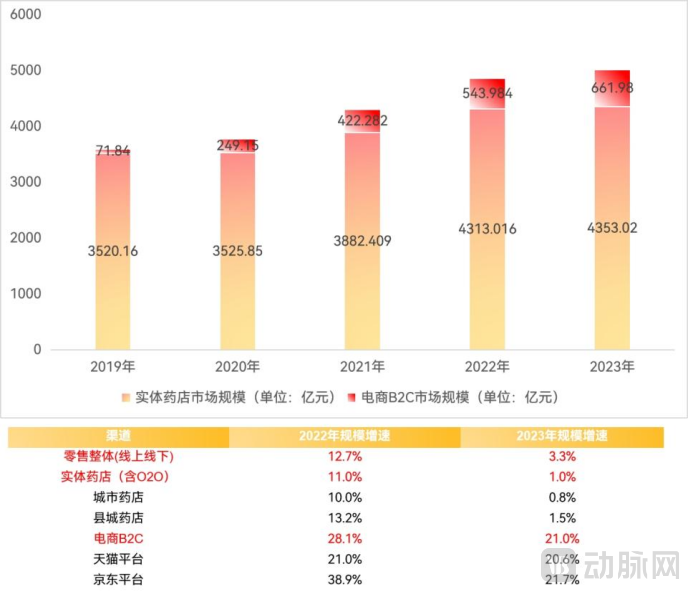
The Share of the Domestic B2C E-commerce Market Size Increases Year by Year
Source: "2023 China Pharmaceutical Market Omnichannel Retail Report", VCBeat
As patients gain a deeper understanding of their conditions, their participation in medical decision-making increases, and their autonomy in selecting medications is enhanced.Particularly in certain specific disease areas, such as dermatology, patient self-management is playing a significant role in their recovery and treatment.
Various digital marketing companies, including DXY, JD Health, Medlive, Yibai Technology, and Huimei Digital Science, are actively deploying patient management and patient education initiatives. Pharmaceutical companies are partnering with digital marketing firms,By implementing a comprehensive patient management framework spanning pre-consultation, during-consultation, and post-consultation services, we enhance patient adherence to medication purchases and usage, extend the Duration of Therapy (DOT), and thereby drive growth in pharmaceutical sales volume and profitability.
Notably, as the state increasingly encourages physicians to engage in public science communication on medical topics (with many regions progressively incorporating the publication of popular science articles into the criteria for senior professional title evaluations in healthcare),Helping doctors build their personal brand has been particularly popular in recent years.For pharmaceutical companies, helping physicians build their personal brand not only strengthens collaborative relationships with doctors but also enhances patients’ awareness of diseases and medications.
High-quality physician-led science communication can help pharmaceutical companies attract patient populations in relevant disease areas, facilitating the conversion of traffic from public to private domains.Especially in certain specialized disease areas such as assisted reproduction, the benefits of building a physician’s personal brand are significant.In 2024, operating influencer physician IPs remains a crucial component of digital marketing in the pharmaceutical industry.
Not all therapeutic areas are suitable for direct-to-patient (DTP) management; targeting high-need scenarios is crucial. Pharmaceutical companies and digital marketing firms generally report that integrated patient-facing operations pose significant challenges, placing higher demands on pharmaceutical companies’ capabilities in building digital platforms and conducting user engagement. Some pharmaceutical companies have pointed out thatSome prescription drugs exhibit strong consumer-oriented characteristics, such as those for rhinitis, hair loss, dysmenorrhea, dermatological conditions, and assisted reproduction. Their digital marketing strategies can lean more heavily toward new retail approaches.
The Era of Traffic Is Over: Pharmaceutical Companies Increasingly Focus on Refined Private-Domain Operations and Data Asset Accumulation
Over the past two years, competition among pharmaceutical companies for customer resources has intensified, prompting many to shift their focus toward building private-domain traffic operation systems for doctors and patients. The number of licensed physicians in China is limited, with a relatively stable annual growth rate, and there is low probability of changes in each physician’s department, specialties, or areas of focus. Public-domain patient traffic is also approaching saturation, with insignificant growth in new traffic. Therefore,Optimizing existing stock and implementing refined operations for current doctor-patient resources have become an industry consensus.“The concept of ‘private domain’ is rapidly gaining prominence, and refined management of existing customer bases has become the current theme of development.”
Private-domain data enables continuous monitoring of user behavior and the accumulation of data assets, thereby guiding precision marketing decisions.Taking physicians as the target customer segment, private-domain operations provide online medical knowledge and academic content required by doctors, as well as organize academic conferences. Meanwhile, by leveraging data on physicians’ preferences for literature searches, click-through rates, engagement rates, and dwell time related to such content, these operations analyze physician behavior patterns and preferences. This insight feeds back into the precise delivery of academic content and personalized visits and communications, enabling pharmaceutical sales representatives to reach and influence physicians more efficiently.
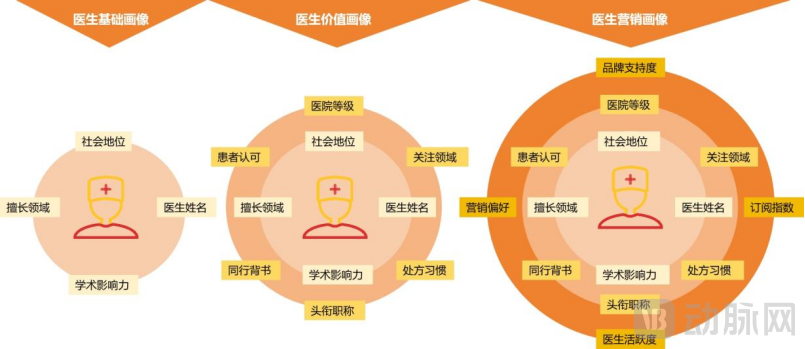
The Establishment of Physician Profiles Is Becoming Increasingly Refined
Data Source: Interviews and Surveys, VCBeat.
By tracking the patient journey to understand their disease progression stage, current position in treatment decision-making, post-treatment feedback, whether Duration of Therapy (DOT) targets are met, any occurrences of intermittent medication discontinuation, and the underlying causes, continuous monitoring and tracing of changes in patient behavior and feedback can help companies better manage patient diseases and extend patients’ DOT.
By continuously accumulating online data on private-domain platforms and incorporating offline feedback for correction and refinement, while effectively integrating third-party platform data, sustainable and precise user operations can be conducted.Generate ROI insights from marketing operations to drive innovation in product design and business models.
Currently, due to insufficient accumulation of data assets, a lack of robust and comprehensive data infrastructure, significant challenges in data governance across various platforms, and low data utilization rates, the application of AI-based technologies has played a limited role in analyzing marketing ROI insights and providing recommendations for precise marketing decision-making. As internal business data becomes more integrated and data assets continue to accumulate, AI technologies are expected to directly generate marketing ROI insights and offer actionable recommendations to guide pharmaceutical companies in making precise marketing decisions.
AIGC and Digital Human Technologies Hold Great Promise, Empowering Omnichannel Digital Marketing Across the Entire Ecosystem
Large-Scale Application of AIGC and Digital Human Technologies in the Doctor-Patient Service Chain: Balancing Personalized Needs with Mass Production
AIGC and digital human technologies are currently the most popular application technologies in the pharmaceutical digital marketing industry, representing a development direction in which capital has high expectations. In the future, the industry willLeverage AIGC and digital human technologies more extensively to efficiently produce medical science popularization content and personalized academic promotional materials, empower patient disease education and personalized disease management consultations, and enhance interaction efficiency with physicians through virtual representatives.
Currently, with the decentralization of medical resources and pharmaceutical companies’ need to cover healthcare providers and patients in the vast grassroots market, it is possible to generate a basic digital human model using only the front-facing camera of a laptop or smartphone.Lite Version of Digital HumanThe application effectively meets the needs of pharmaceutical companies, most mid- and junior-level physicians, and patients in building physicians’ personal brands, offering significant market development advantages.
Omni-domain, omni-channel: Continuously enriching business scenarios to empower the full drug lifecycle and the entire patient journey, with one-stop solutions becoming the strategic direction.
Currently, pharmaceutical marketing is completing the infrastructure development and strategic layout for omni-channel, full-spectrum coverage, encompassing hospital channels, retail channels, To-C channels (patient management), and high-traffic platforms.
As a critical component of pharmaceutical marketing, digital marketing ensures that each product achieves comprehensive coverage across the medical academic community, hospitals, high-traffic platforms, online pharmacies, and offline pharmacies, tailored to its specific type and stage in the product lifecycle.
Multiple digital marketing firms have pointed out,In the future, the patient-physician service chain in digital marketing will become increasingly lengthy and intricate, covering the entire lifecycle of pharmaceuticals and enabling comprehensive disease course management for patients. Leveraging their respective strengths, companies will continuously refine user need scenarios through either independent strategic deployment or collaboration with industry chain partners.
The above is an excerpt from the main content of the report. To obtain the full report, please scan the QR code to add our assistant and initiate a conversation. The report will be officially released at the “Pharmaceutical Company Digital Marketing Forum” during VCBeat’s “8th Future Healthcare Ecosystem Exhibition.”