

Medical Professionals Go All-In: Key Trends Unveiled After the Explosive First Day of the 8th Future Healthcare Ecological Fair
Since the beginning of 2024, healthcare professionals have truly been working tirelessly!
Since the beginning of the year, healthcare professionals have embarked on a “frenzy” of business travel, engaging in continuous cold calls, client follow-ups, exhibition visits, and partnership negotiations, as everyone seeks new possibilities and opportunities. This was particularly evident at the 2024 VBEF Future Healthcare Ecosystem Exhibition (hereinafter referred to as “VBEF”), which opened today, where crowds surrounding booths and forming long queues were a common sight.
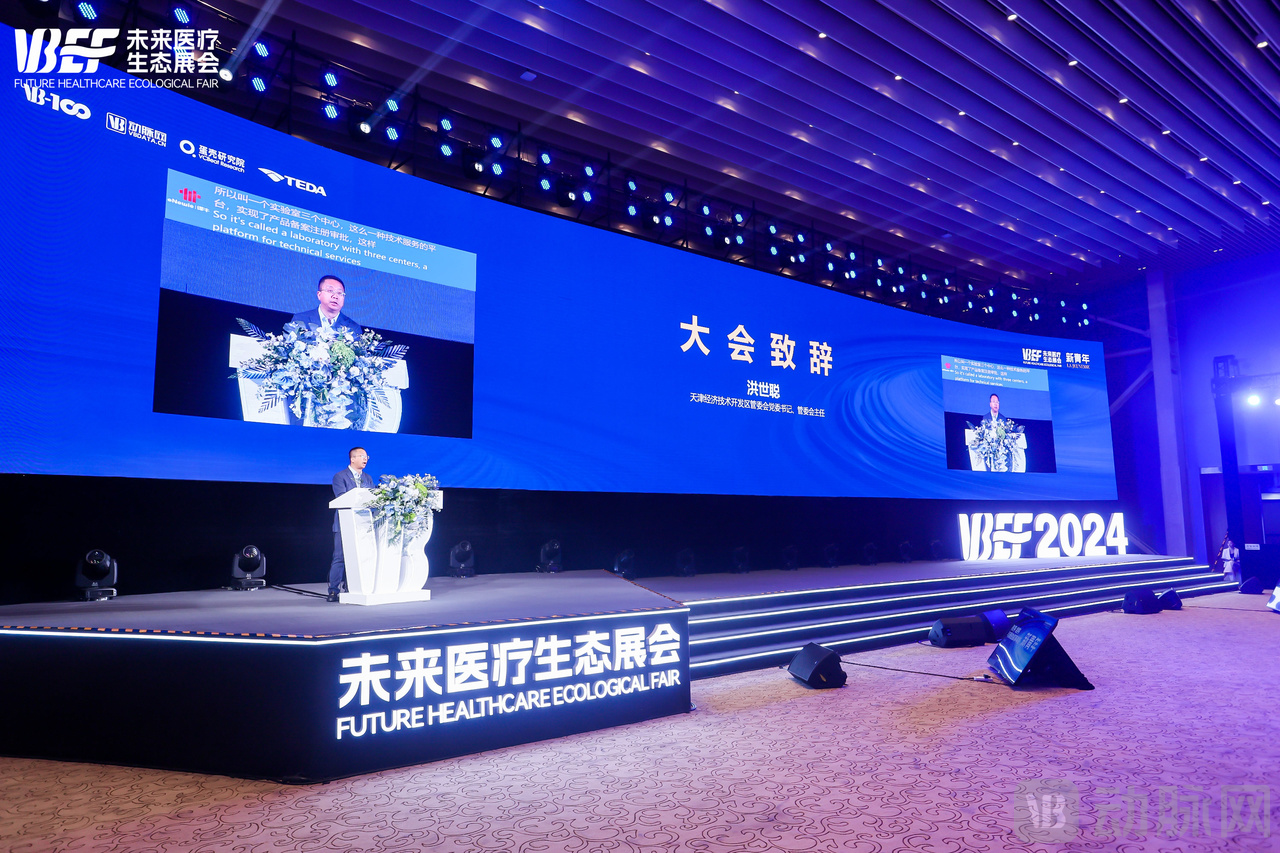
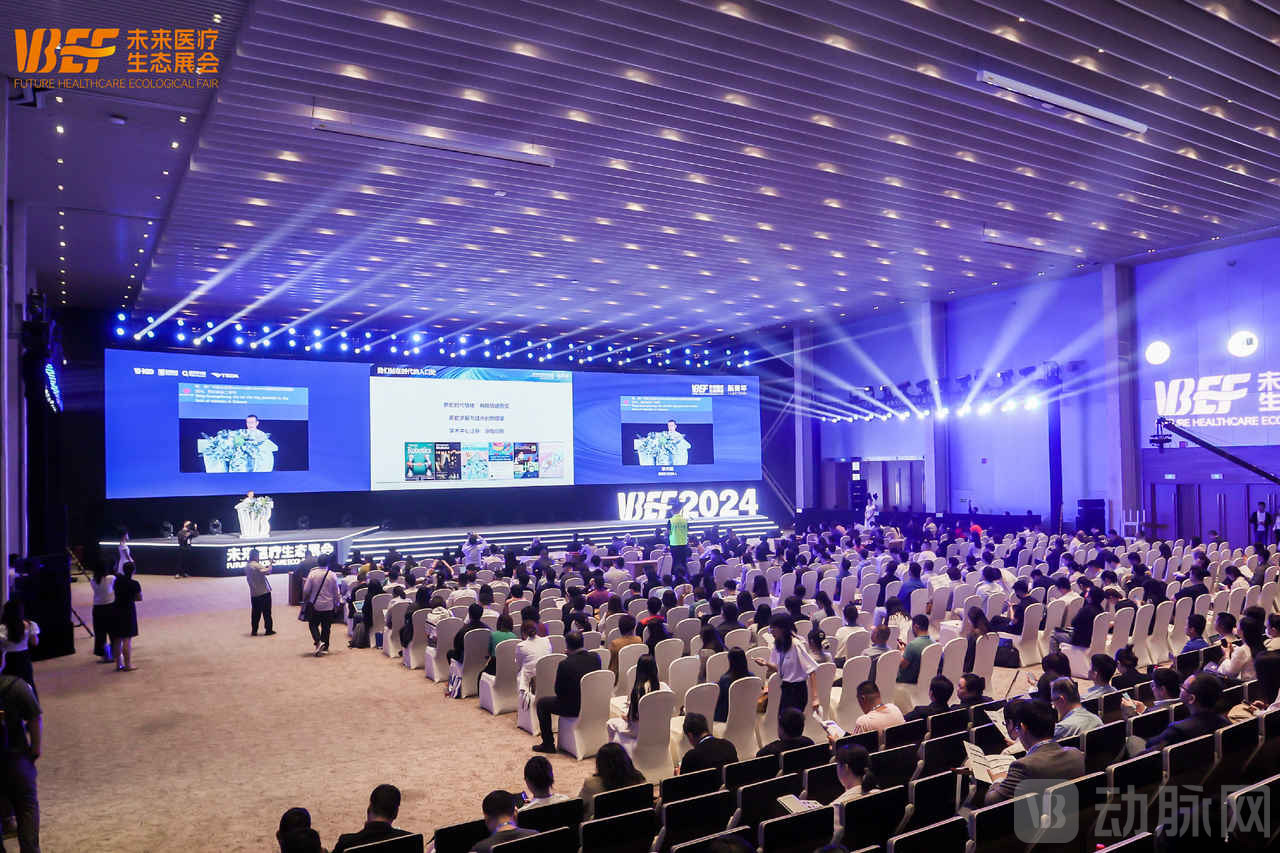
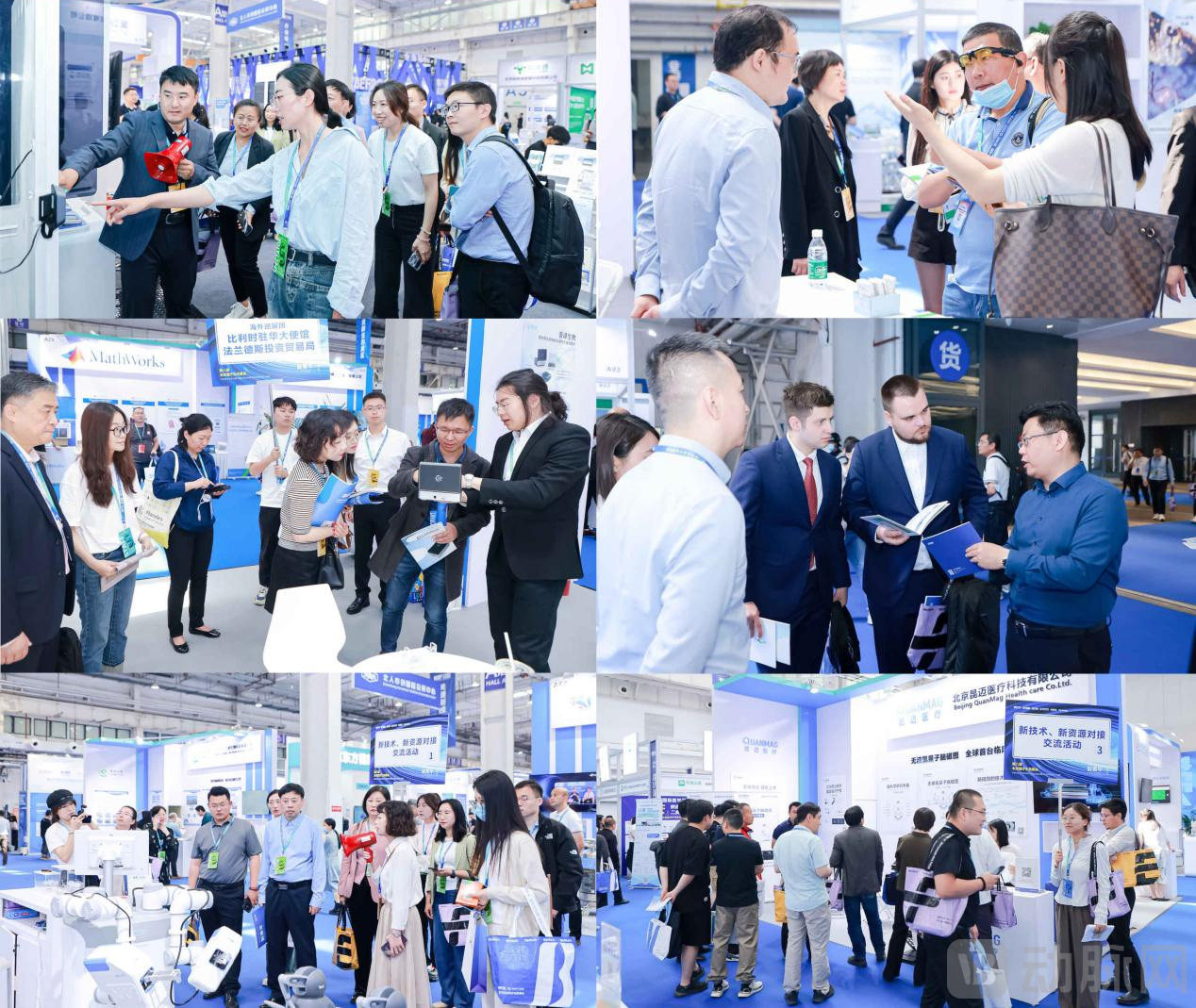 (VBEF was bustling with attendees)
This year's VBEF features five major exhibition zones,Attracting 3,000+ participating enterprises and 500+ global investment buyer delegations, the event will feature over 500 industry leaders sharing the latest insights. An estimated 15,000+ attendees are expected throughout the three-day exhibition.
As a comprehensive upgrade of the Future Healthcare 100 Conference, which has witnessed and accompanied the development of the healthcare industry for nearly a decade, VBEF 2026 adopts “New Youth” as its theme. Organized by VCBeat, VB100, Eggshell Research Institute, and Artery Orange, with strategic cooperative support from the Management Committee of Tianjin Binhai Zhongguancun Science Park and Beitang Bay Digital Economy Industrial Park, the Future Healthcare Ecosystem Exhibition Area is jointly presented with Health Intelligence Valley. This exhibition serves not only as a vital bridge connecting diverse stakeholders to promote medical innovation and development but also as a harbinger of the latest trends in the industry.
On the first day of the exhibition, withLatest Advances in the Translation of Scientific Achievements, Construction of Local Medical Industry Ecosystems, the Wave of Global Expansion, and Innovative Development of Medical ServicesThe four major topics constructed have garnered particular attention, becoming the primary focus of attending guests and industry professionals at the exhibition, and may well emerge as significant trends shaping the development of the healthcare industry in the near future.
In recent years, “translation of scientific and technological achievements” has undoubtedly become a keyword for the entire healthcare industry. The underlying logic is easy to understand: on one hand, significant changes in clinical needs are driving a new round of innovation revolution; on the other hand, it reflects the substantial improvement in China’s medical innovation capabilities.
In response, Richard Hobbs, Fellow of the Academy of Medical Sciences and Director of the Oxford Institute for Digital Health, remarked at the conference, “In terms of medical research, China not only ranks higher than the United Kingdom in the volume of research output but also in citation counts and the impact of other research findings.”
Thus, a new industrial ecosystem is accelerating its formation:
Looking upward, a slew of policies aimed at promoting the translation of medical achievements have been rolled out one after another and are gradually extending to various localities, with the successive establishment of innovation centers, incubators, and concept validation centers;
Secondly, focusing on the academic sector, major research universities and medical institutions have listed innovation translation as a key performance indicator, with unprecedented investment levels, leading to a surge in scientific research achievements ready for commercialization.
Finally, from the industry perspective, healthcare companies and investment institutions have also endowed innovation translation with new definitions.
Taking healthcare companies as an example, not only have their own R&D investments increased significantly, but they are also deeply involved in the establishment of various innovation platforms. For investment institutions, “investing early, investing small, and investing in hard technology” has become a prominent trend in the entire capital market.
Driven by the joint efforts of all stakeholders across the industrial chain, the translation of medical research achievements in China has now entered a new stage of development.
First, in terms of technical requirements, the focus has gradually shifted from follow-on innovation to “disruptive innovation.” In this context, the national level has introduced the concept of “new quality productive forces.” At this conference, Zhang Yuhui, a member of the Party Committee and Deputy Director of the Hainan Provincial Health Commission, elaborated on this concept. He stated, “The concept of ‘new quality productive forces’ provides us with important guidance and principles. Its significance lies in continually reminding us to deliver more solutions through innovation, thereby addressing current unmet clinical needs.”
Second, in terms of technological delivery, the translation of medical research achievements has reached a critical juncture where tangible outcomes must be delivered. Taking artificial intelligence (AI), which is currently garnering significant attention, as an example, Zhang Bo, an academician of the Chinese Academy of Sciences, professor in the Department of Computer Science and Technology at Tsinghua University, and honorary dean of the Institute for Artificial Intelligence at Tsinghua University, stated, “We are currently developing third-generation AI technology, which necessitates the integrated application of four key elements: knowledge, data, algorithms, and computing power, with knowledge prioritized above all.”
Another major frontier, brain science, is no exception. Zhao Jizong, a neurosurgeon, academician of the Chinese Academy of Sciences, and professor in the Department of Neurosurgery at Beijing Tiantan Hospital, Capital Medical University, stated, “Brain-computer interfaces (BCIs) are currently limited to clinical research and have not yet reached the stage of clinical application. In other words, current BCIs are unidirectional, providing output only without feedback. The next step in BCI development must be bidirectional, incorporating both output and feedback.”
Third, the establishment of an ecosystem for translating scientific and technological achievements is becoming increasingly systematic. Huang Yalou, Party Secretary of the International Joint Research Institute for Biomedicine, stated at the conference, “We are not a traditional research institute; rather, we are essentially a ‘four-in-one’ new-type R&D institution. Our core functions encompass R&D and services. Specifically, we have established our own R&D platforms and teams, while also undertaking project investment and the cultivation and recruitment of talent. Through years of development, we have gradually formed a ‘tripartite structural model,’ comprising a series of innovation platforms, co-working spaces and incubators, and an industrial park. Together, these elements constitute a comprehensive platform for innovation and entrepreneurship in the biopharmaceutical sector.”
Of course, as the translation of medical research achievements continues to advance, some typical problems still exist: for example, there is still a certain gap between innovative technologies and the global top level; at present, there are still great difficulties in the implementation of technology. Taking artificial intelligence as an example, its integration with clinical scenarios needs to be continuously explored. The same applies to brain science. Although it has achieved some results in the treatment of diseases such as epilepsy and psychological disorders, there is still a long way to go before full commercialization can be realized. In terms of building an innovation ecosystem, how to involve more core elements and give play to their corresponding values to truly empower the achievements of medical innovation is still under exploration.
At this exhibition, in addition to discussions on the current status and trends of development in the medical industry, a major focus was placed on the “exhibition” itself, which was also a segment that attracted significant attention from industry professionals on the first day of the conference.
The “New Ecosystem Exhibition Zone,” centered on local medical industries, attracted significant attention. Independent exhibition areas were established for Beijing, Tianjin, Shanghai, Shenzhen, Foshan, Wuhan, Shandong, Hunan, Sichuan, and other regions, each staffed with professional liaison personnel. Taking the Tianjin Economic-Technological Development Area as an example, it not only provided detailed introductions to local policies and the industrial ecosystem but also demonstrated strong commitment through comprehensive support packages, including capital empowerment, talent acquisition incentives, and tax preferences.
Through this, a message is being conveyed: regions across the country are vigorously vying for a foothold in the healthcare industry.
This is certainly traceable, largely because China’s healthcare sector is undergoing a historic industrial shift.
On the one hand, as the healthcare industry in Beijing, Shanghai, Guangzhou, Shenzhen, and Jiangsu gradually stabilizes, a significant number of industrial opportunities are being absorbed by other regions. For instance, many listed medical enterprises and leading capital firms are establishing branches in inland cities or horizontally transferring their core businesses.
On the other hand, driven by the dual goals of industrial transformation and upgrading and identifying the next high-potential market, emerging first-tier cities represented by Tianjin, Hefei, Chengdu, Chongqing, Hangzhou, and Wuhan are currently prioritizing healthcare as a key industry for future development. These cities are committing unprecedented levels of investment, with parent funds valued at tens or even hundreds of billions of yuan emerging in rapid succession.
A local industrial park official participating in the exhibition stated, “First, the healthcare industry is a national strategic priority, representing the major direction of future industrial development. Second, from an industry perspective, the entire healthcare sector has experienced rapid growth in the post-pandemic era and is currently at a critical juncture of a new development cycle, with substantial market opportunities awaiting exploitation. Finally, regarding practical implementation and commercialization, the healthcare market is sizable, contributing significantly to local tax revenues; furthermore, it effectively drives local employment and promotes the horizontal development of other related industries.”
However, it is not easy for local regions to stand out. On the one hand, this is due to the nature of the industry: healthcare is a high-end, sophisticated sector with certain requirements for geopolitics, industrial environment, and innovation ecosystem, which many regions currently struggle to meet. On the other hand, homogeneous competition plays a role; since various regions are still in the exploratory stage of promoting the healthcare industry, their overall strategies and specific plans are largely similar, making it difficult to establish unique advantages.
To address this shortfall as quickly as possible, regions across China have not only been aggressively recruiting specialized healthcare talent but have also shifted their investment focus toward earlier stages. According to incomplete statistics from the VCBeat Orange Database, there were 388 investment deals in China’s healthcare sector in 2023 that involved direct participation by local state-owned capital, with early-stage financing accounting for more than 60% of these transactions. Building on this trend, local governments are becoming more deeply engaged in the healthcare industry ecosystem, notably by frequently participating in industry conferences to facilitate closer communication with healthcare professionals and lay the groundwork for future collaborations.
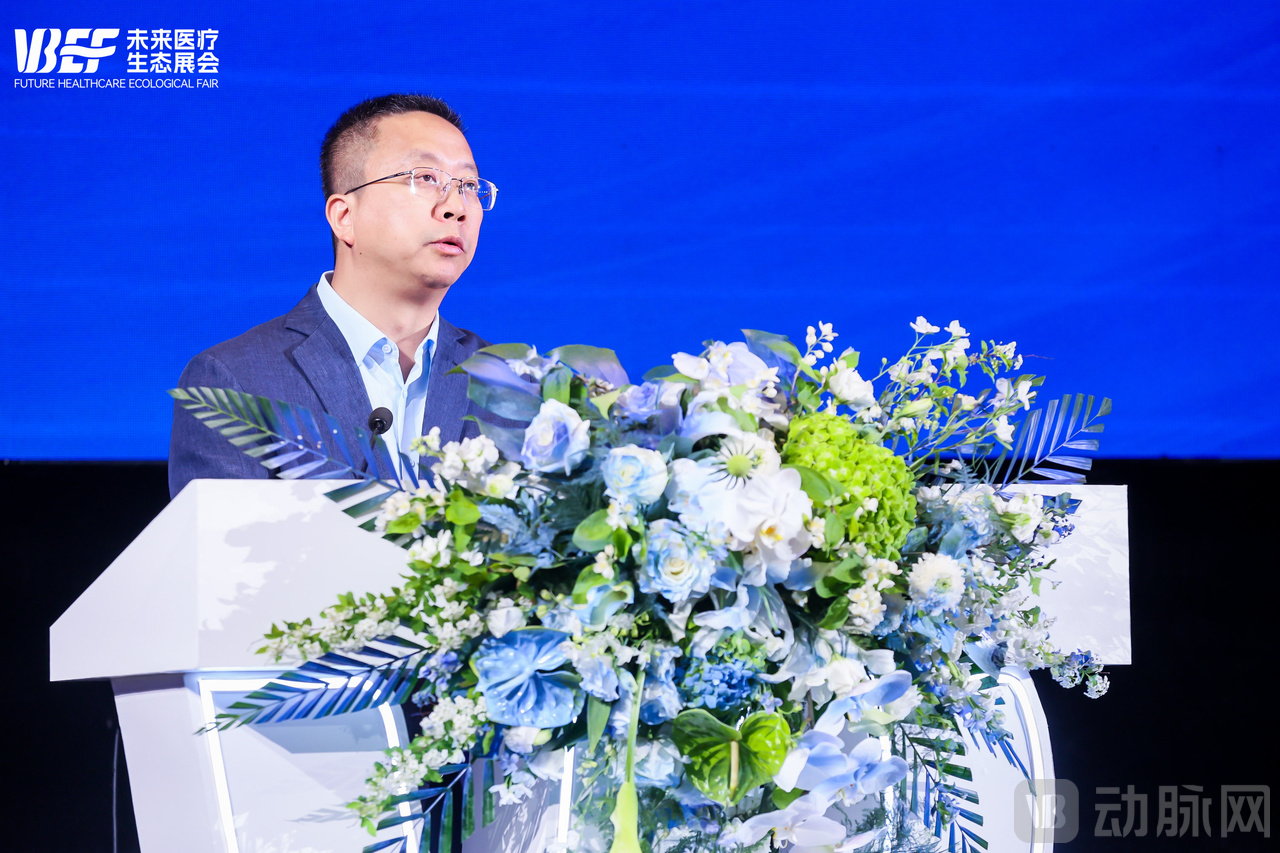 (Hong Shicong, Secretary of the Party Committee and Director of the Administrative Committee of Tianjin Economic-Technological Development Area)
In this regard, Hong Shicong, Secretary of the Party Committee and Director of the Administrative Committee of Tianjin Economic-Technological Development Area, also discussed forward-looking strategic planning for the future, highlighting four key aspects:
First, we will strengthen planning guidance by focusing on advantageous sectors such as nucleic acid therapeutics and CXO;
Second, intensify innovation-driven efforts by vigorously attracting key biomedical R&D institutions, cutting-edge technologies, and high-end talent, while accelerating the development of high-capacity public service platforms and high-level R&D translation platforms;
Third, we will step up efforts to empower development through enhanced factor allocation, strengthen sci-tech finance support, improve the investment and financing system for biopharmaceutical enterprises, establish biopharmaceutical industry investment funds, and study and introduce relevant special policies;
Fourth, we will strengthen support through enhanced carrier platforms by meticulously developing themed industrial parks such as the Binhai Zhongguancun Digital Medical Industrial Park and the TEDA Intelligent Pharmaceutical Industrial Park, thereby building a matrix of biomedical industrial parks characterized by differentiated development and distinct specializations.
It can be said that the “battle” for the healthcare industry across various regions has quietly begun.
At the exhibition, interest in global expansion remained exceptionally high. This trend is driven primarily by two factors: first, in response to the market downturn, the healthcare industry is actively seeking new avenues for growth, with overseas markets representing a significant source of incremental demand; second, as frontier innovation and domestic substitution continue to advance, many Chinese medical products now possess the technical capability to compete on a level playing field with the world’s leading competitors.
“As China’s economy continues to ascend, most Chinese companies must make their voices heard in the global market and pursue their own business strategies,” said Wei Guoxing, Partner at Tiantu Investment, at the main forum. “This is especially true for biotech companies, which need a global perspective from day one.”
Du Tao, former senior FDA review official and founder and chairman of Eglin Pharma, expressed a similar view. He believes that if Chinese companies developing innovative drugs do not expand globally or explore overseas markets, they will struggle to achieve long-term success domestically.
“In 2023, license-out deals in China’s pharmaceutical industry reached $35 billion, setting off a wave of business development (BD) expansion overseas,” said Zhang Chong, Managing Director of the Healthcare Fund at Sinopharm Capital. “Against this backdrop, going global is an imperative for all subsectors, whether small-molecule antibodies or cell and gene therapy (CGT).”
“Business development for overseas expansion actually follows the same logic as sales: it requires a clear understanding of the product’s value and positioning, namely, identifying the competitive landscape within a specific therapeutic area and defining the target customer profile, ultimately culminating in pricing,” stated Zhu Yi, Chairman and Chief Scientific Officer of Baili Tianheng.
Hu Yunfu, former senior FDA expert in device registration and approval and CMO of Genetron Health, added, “If you want to go global, you must have very strong data. How do you collect such data? This is where the CMO plays a critical role.”
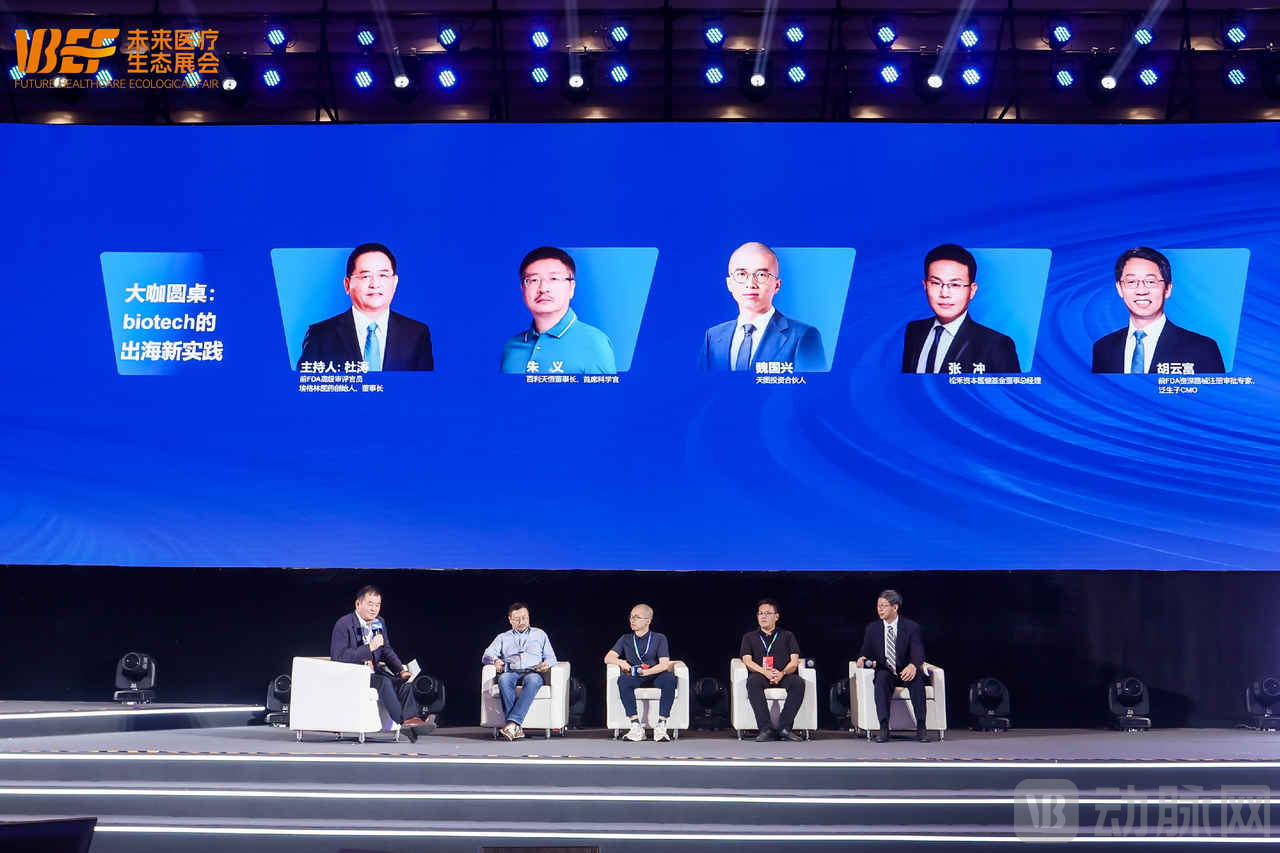 (“Trend Summit—New Practices for Biotech’s Global Expansion” Roundtable Session)
In addition to companies preparing themselves for global expansion, multinational corporations also play a significant role in this process. “AstraZeneca aims to become a vital partner for the internationalization of China’s healthcare industry,” said Chen Kai, Executive Director of Digital and Commercial Innovation at AstraZeneca China, and Head of the International Life Science Innovation Park and Regional Innovation Center.
Qi Fei, Executive Director at Legend Capital, also noted that the firm aims to build a bridge in markets along the “Belt and Road” initiative, helping Chinese industries expand globally by integrating capital with industrial operations to facilitate tangible, implementable opportunities.
Regarding the segmentation of overseas markets, Han Yu, Board Secretary of AK Medical, stated that the company divides its overseas business into two categories: mature markets in Europe and the United States, and emerging markets. “Emerging markets have performed well in recent years, such as countries along the ‘Belt and Road Initiative,’ which hold significant future potential.”
“We are also very optimistic about emerging markets, including countries along the ‘Belt and Road’ route, especially those in Southeast Asia, which have the highest growth rates,” said Huang Jie, Vice President, Board Secretary, and Chief Legal Officer of Blue Sail Medical.
Li Chen, Board Secretary and BD Director at Acandis Medical, suggested on-site that in addition to learning from successful experiences, companies expanding overseas should also draw lessons from pitfalls—such as cultural differences across regions and exchange rate fluctuations—to ensure more stable and sustainable global growth.
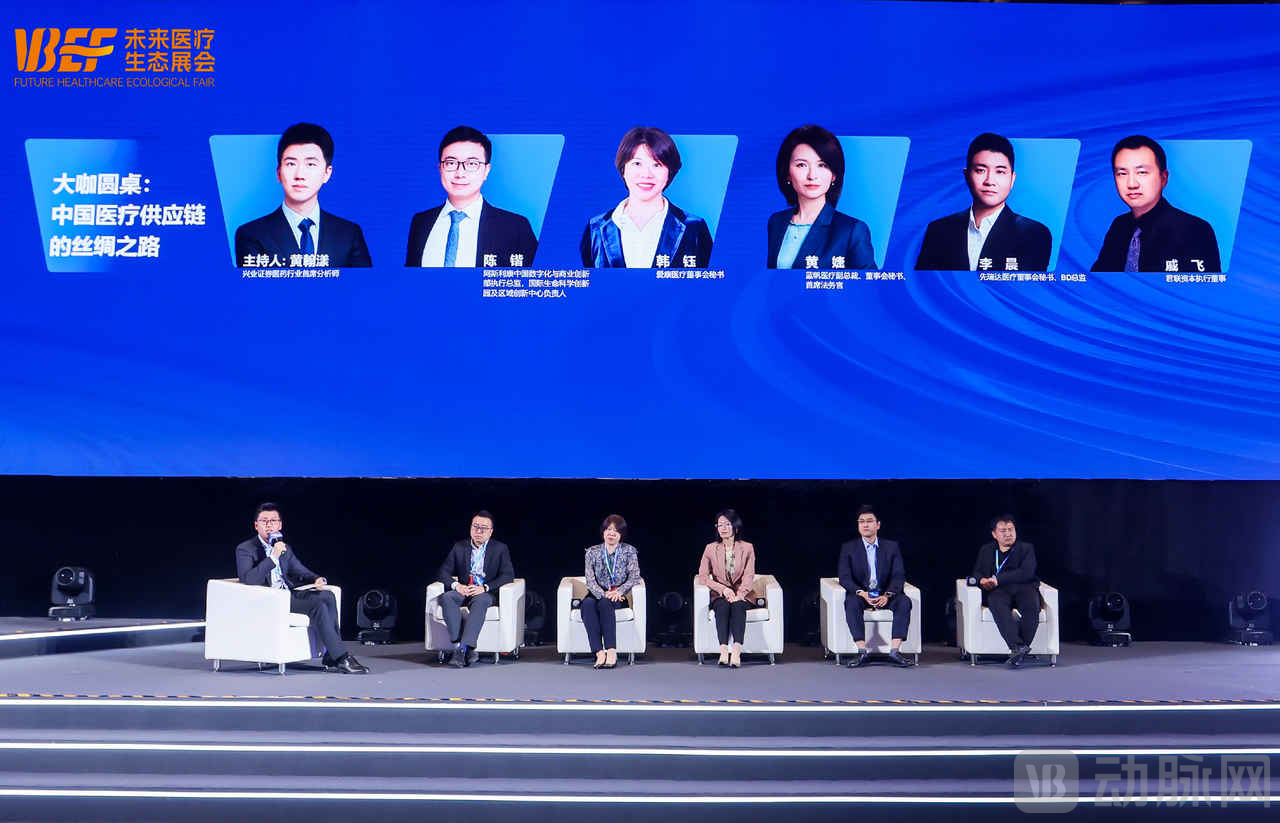 (“Trend Summit — The Silk Road of China’s Healthcare Supply Chain” Roundtable Session)
In addition to the engaging exchanges and discussions at the main forum, global expansion was tangibly taking place on the exhibition floor. This year’s VBEF attracted a “Global Buyer Delegation” and featured dedicated exhibition zones for various regions, including Europe, North America, Australia, the Middle East, and Southeast Asia, each drawing a steady stream of visitors.
In addition, professional touring exhibition groups from overseas engaged in in-depth exchanges with exhibiting companies, creating opportunities for further collaboration.
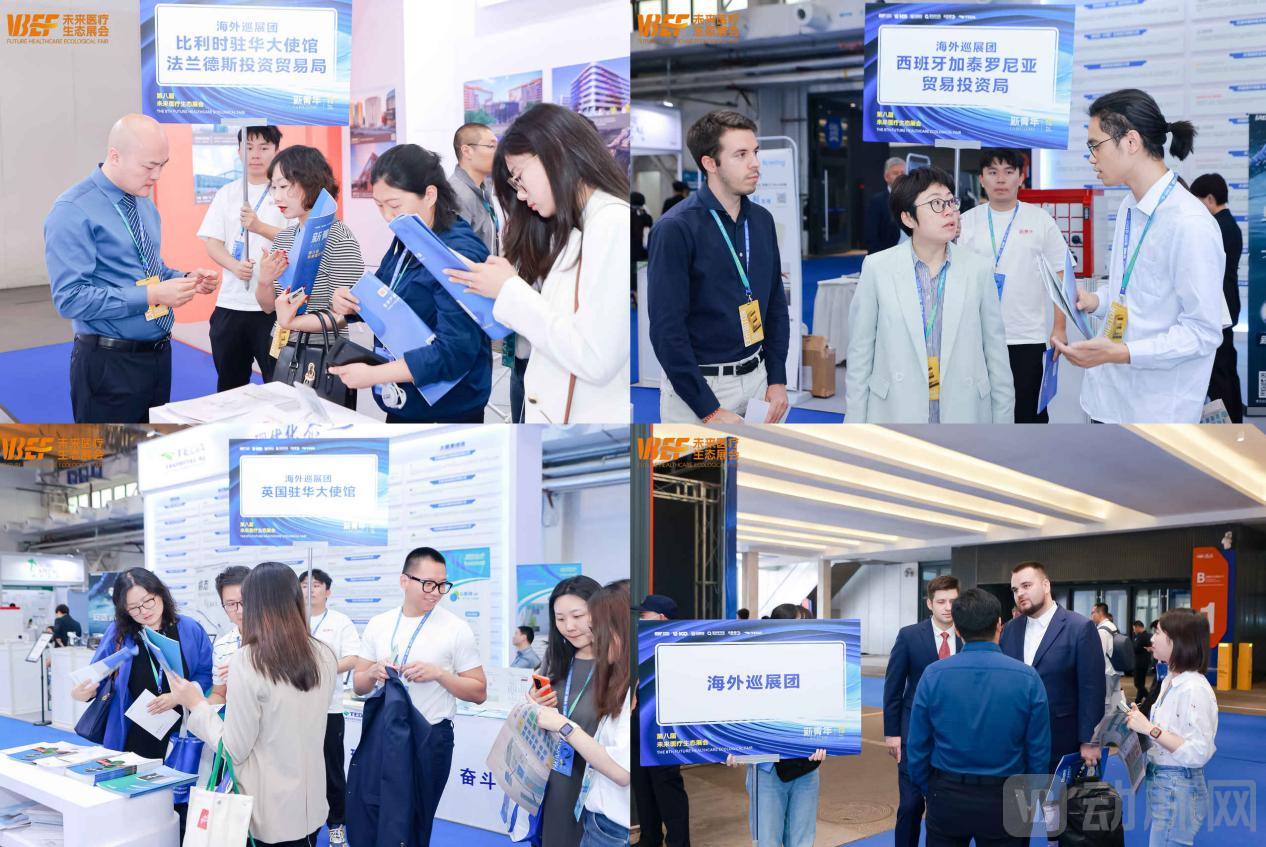 (Overseas touring exhibition groups from around the world)
Third-party service providers assisting Chinese enterprises in their global expansion also attracted significant attention at the exhibition. For instance, Lumina, located at Booth B19 in the New Cooperation Exhibition Area, drew a large influx of industry professionals seeking consultations.
As a provider of market entry services for Chinese medical device manufacturers targeting Indonesia, Lumina has established in-depth collaborations with over 130 hospitals at various levels across Indonesia. The company is committed to helping domestic manufacturers obtain timely clinical feedback to develop medical devices better suited to local conditions in Indonesia. By leveraging the strong reputation of “Made in China,” Lumina aims to create a virtuous cycle that extends its reach to more hospitals and patients throughout Indonesia and Southeast Asia.
An investor at the event told VCBeat that global expansion is not only a priority for medical innovation companies today but also a long-term commitment, which requires support from a comprehensive ecosystem. Therefore, moving forward, whether through VBEF acting as a bridge or through collaborative efforts among all stakeholders—including government, industry, academia, research institutions, healthcare providers, and investors—it is essential to actively build a robust ecosystem together, thereby expanding and strengthening global expansion initiatives.
Since the launch of China’s first three-year “Action Plan for Further Improving Medical Services” in 2015, innovative healthcare service models have helped alleviate the long-standing problem of “three longs and one short” in patient care.
Duan Zhengming, former Deputy Director of the Fund Supervision Department of the National Healthcare Security Administration, stated on-site that the realization of universal health insurance has greatly promoted the healthy development of China’s healthcare sector and pharmaceutical industry.
Furthermore, the development of telemedicine and online diagnosis and treatment, along with the construction of “trinity” smart hospitals, has driven continuous iteration of medical services, thereby enabling the public to access high-quality healthcare more conveniently and efficiently. This process requires sustained innovation from enterprises.
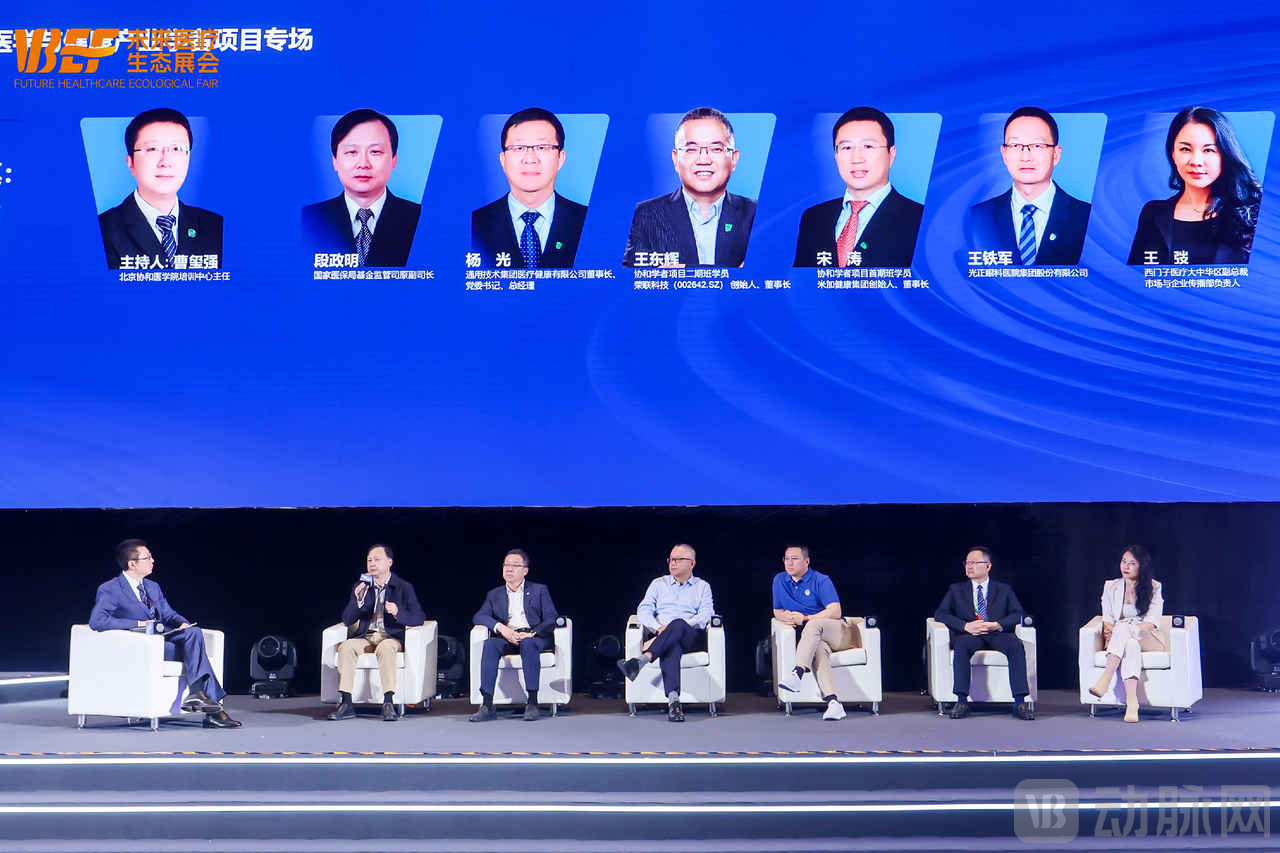 (“Trend Summit — Innovative Development of Medical Services” Roundtable Session)
In this regard, Yang Guang, Chairman, Party Secretary, and General Manager of China General Technology Group Medical Health Co., Ltd., noted that as a healthcare platform, the company should not only focus on hospital development but also place greater emphasis on interdisciplinary integration and convergence in technology.
“With the advent of ChatGPT, the era of large language models has dawned, ushering in an age of AI-driven physician development. Leveraging AI physicians to assist human doctors holds significant implications for both hospital operations and the broader healthcare industry,” said Wang Donghui, founder of Ronglian Technology.
Beyond technological considerations, Song Tao, Founder and Chairman of Miga Health Group, advises placing greater emphasis on the development of commercial health insurance, urging the industry to establish robust mechanisms and platforms to support its growth.
In terms of specialized sectors, Wang Tiejun, Deputy General Manager of Guangzheng Group Co., Ltd., stated that Guangzheng Group will increase its investment in the field of ophthalmology, ensuring that eye hospitals return to the essence of medical care while providing compassionate healthcare services.
“In recent years, we have profoundly felt that the Chinese healthcare industry has never been as focused on innovation as it is now,” said Wang Tao, Vice President of Siemens Healthineers Greater China and Head of Marketing and Corporate Communications. Against this backdrop, Siemens Healthineers will collaborate with more enterprises to foster a collaborative ecosystem.
“Future Healthcare Ecosystem Expo” is an upgrade of the “Top 100 Future Healthcare Conference,” and this year marks its inaugural edition.
The impetus for change stems from the fact that we are currently at a new historical juncture, which calls for an entirely new mode of presentation and ecosystem. Addressing this, Li Datao, Founder of Danhuang Technology, remarked at the conference, “We stand at the threshold of a critical new era. The growth drivers of this new era derive, on one hand, from novel solutions and paradigms enabled by new technology platforms, and on the other, from new incremental market opportunities.”
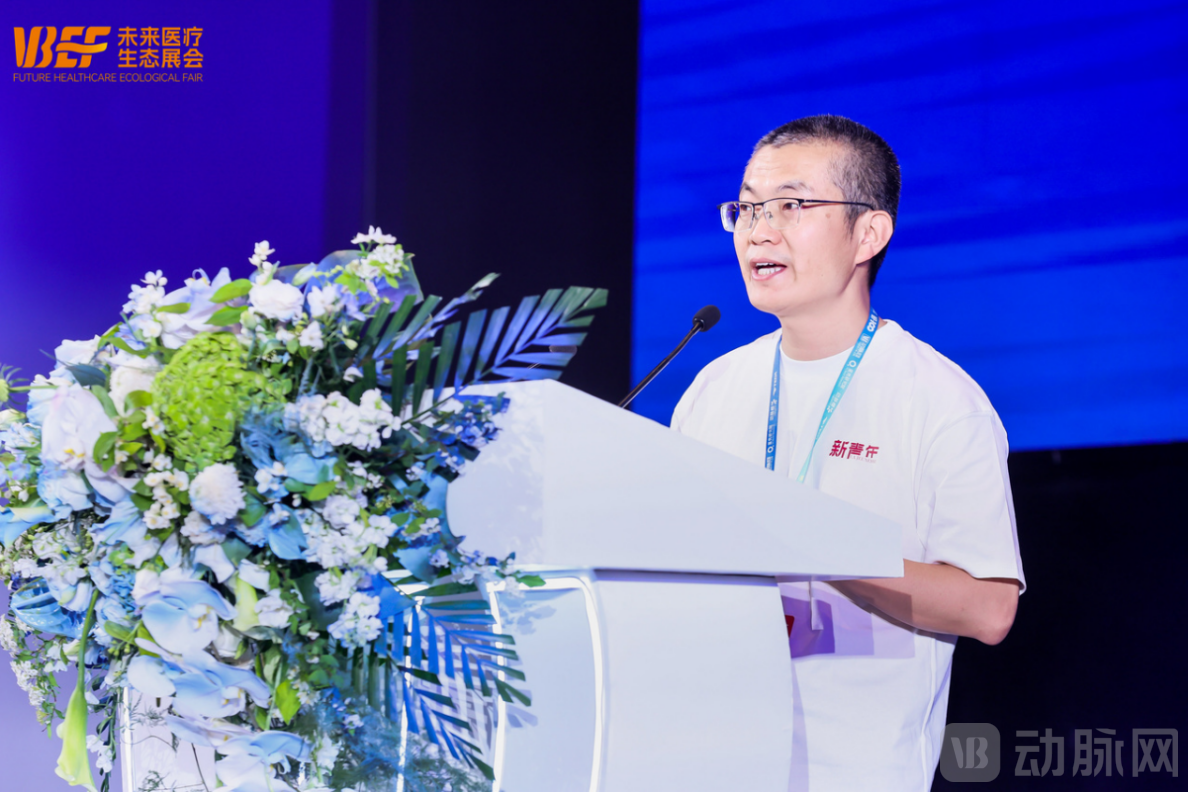 (Li Datao, Founder of Danhuang Technology)
Where exactly does the “answer” lie? This is a question for the “New Youth” to answer. In this regard, Li Datao, founder of Danhuang Technology, stated, “In the process of building new structures in the future, we need a group of young people who are responsible, accountable, and driven by dreams, to jointly create a new era that belongs to us. The term ‘New Youth’ echoes the actions of the young generation from the last century, and it also represents the mission that our generation of healthcare professionals must undertake.”
As of now, the first day’s agenda and exhibition have concluded successfully, but the excitement continues. The conference will run until May 10, featuring three main forums and more than 40 thematic sub-forums, continuing to provide professionals in the innovative healthcare industry with insightful interpretations of future medical trends. Everyone is welcome to attend and engage in on-site exchanges.