

Innovation and Internationalization Reach Consensus as 15+ Industry Leaders Convene at VBEF Leadership Summit
VBEF
Government, Park, and Healthcare Industry Service Providers
On May 9, the “VBEF Future Healthcare Ecosystem Exhibition,” held at the Beijing·Beiren Yichuang International Convention and Exhibition Center, entered its second day. This new-format exhibition is an upgrade based on the “Top 100 Future Healthcare Conference” and marks its inaugural year.
The changes were made because we are currently at a new historical juncture, which calls for an entirely new form of presentation and ecosystem. In this regard, Li Datao, founder of Danhuang Technology, stated in his speech at yesterday’s main forum, “We are standing at the threshold of a crucial new era. The growth drivers of this new era stem, on one hand, from new solutions and paradigms enabled by emerging technology platforms, and on the other, from new incremental market opportunities.”
“The answer” requires the “New Youth” to provide it. In this regard, Li Datao, founder of Danhuang Technology, also stated, “In the process of building new structures in the future, we need a group of young people who are responsible, accountable, and dream-driven to jointly create a new era that belongs to us. The term ‘New Youth’ echoes the actions of the young generation from the last century, and it also represents the mission that our generation of healthcare professionals must undertake.”
Today’s “new youth” may well grow into the “leaders” of tomorrow. Shi Yigong, President of Westlake University, defines the next 10–20 years as a critical period for China’s scientific and technological development to transition from quantitative accumulation to qualitative leaps. Substantial investments in basic science are also fostering new academic “leaders.” For instance, Signal Transduction and Targeted Therapy, launched in 2016, has achieved a latest impact factor of 38.104, while Science Robotics, a top-tier journal in robotics founded and edited-in-chief by Academician Guang-Zhong Yang, boasts an impact factor as high as 30.
Of course, the “New Youth” still need time and space to grow, and they still need to draw experience and lessons from the profound insights of industry “leaders.” The “VBEF Future Healthcare Ecosystem Exhibition” also provides them with such a learning opportunity.
At the VBEF 2024 Future Healthcare Leaders Summit, co-hosted by Industrial Securities Economic and Financial Research Institute, opinion leaders from various sectors of the healthcare industry—including research, industry, and government—gathered as key pillars driving future healthcare transformation. The discussions focused on innovation directions, innovative forces, innovative practices, and the innovation ecosystem within the healthcare industry.
Below are the highlights from guest speeches and panel discussions at the main forum of the day, the “VBEF 2024 Future Healthcare Leaders Summit,” as compiled by VCBeat:
Leaders among China’s healthcare industry observers first deconstruct the future direction of innovative development in the healthcare sector from a broader, more macroscopic perspective. Within this context, “new quality productive forces” have garnered significant attention. From policy and social capital to talent and the innovation ecosystem, new quality productive forces will influence every aspect of industrial development, inevitably driving the upgrading and transformation of traditional industries.
Jiang Tianjiao, Dean of VCBeatAs mentioned in the keynote speech, “Striking Water in Midstream, Waves Halting Swift Boats: New Quality Productive Forces and Three Strategic Propositions for the Healthcare Industry,” longevity era, artificial intelligence, and new globalization are the three most important strategic propositions for the next decade. The convergence of these three strategic propositions will also be the focal point where new quality productive forces exert their impact in the healthcare industry.
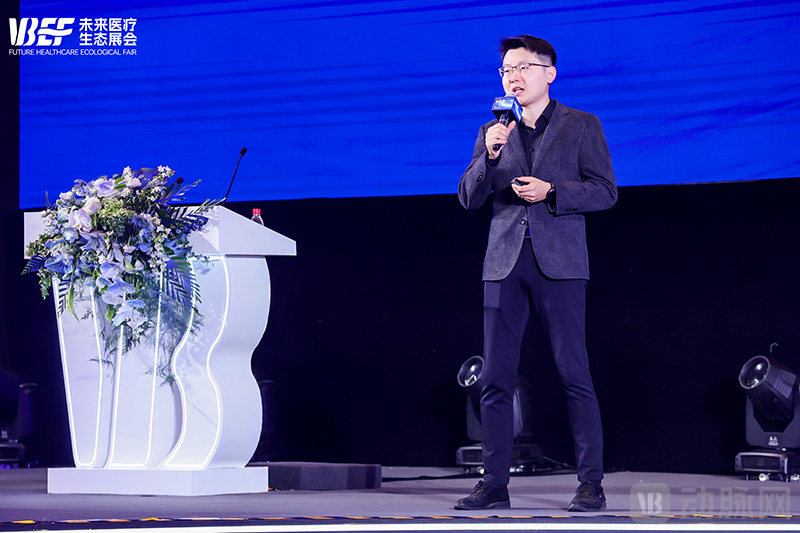
Jiang Tianjiao, Dean of VCBeat
In his speech, Jiang Tianjiao first interpreted the shifts in the disease spectrum during the era of longevity and effective interventions across the full life cycle of diseases. He also conducted an in-depth analysis of the opportunities for different types of products (innovative or mature) in China’s pharmaceutical and medical device industry, targeting various markets (emerging or mature) under new global strategic imperatives. He argued that “losing Biotech means losing much; losing Big Pharma means losing everything,” and based on this, he stated that “China needs to establish its own multinational corporations (MNCs) as soon as possible.” Furthermore, Jiang emphasized that while prioritizing internationalization, the importance of the domestic market must not be overlooked. Citing sectors such as dentistry and TAVR, which are often perceived to have limited growth potential domestically, he pointed out that significant room for expansion still exists. Finally, Jiang shared strategic insights on AI, highlighting its applications in new drug R&D, as well as in replacing and empowering medical devices and enhancing medical services.
Huang Hanyang, Chief Analyst of the Pharmaceutical Industry at Industrial SecuritiesThe title of his speech was “Innovation + Globalization: Waiting for the Flowers to Bloom.” In his address, he summarized the current status and trends of innovation and globalization in innovative drugs and medical devices. He argued that the key themes for the development of the pharmaceutical sector over the medium to long term are “innovation + globalization,” and that antibody-drug conjugates (ADCs), bispecific antibodies, and electrophysiology represent highly promising golden tracks worthy of close attention.
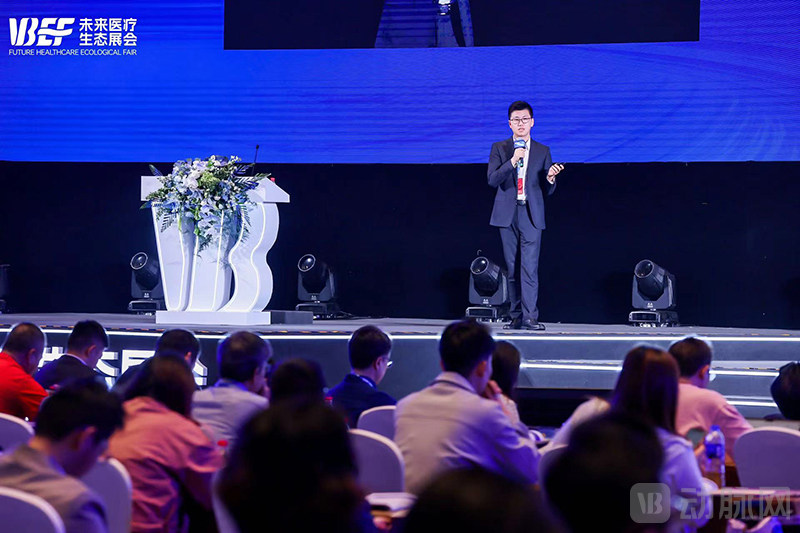
Huang Hanyang, Chief Analyst of the Pharmaceutical Industry at Industrial Securities
Huang Hanyang believes that, from a policy perspective, the current policy framework has gradually stabilized after years of implementing the “teng long huan niao” (making room for new growth by phasing out outdated elements) strategy since the 2018 institutional reforms and the establishment of the National Healthcare Security Administration. Consequently, its impact on the industry continues to marginally ease. Meanwhile, he argues that China’s pharmaceutical and medical device industry should unlock growth potential through innovation and internationalization. He stated that in 2024, the “innovation + internationalization” development of China’s pharmaceutical industry is expected to reach new heights, with this theme remaining the main driver of industry growth. Furthermore, Huang Hanyang noted that new technologies and demands are continuously emerging. For instance, antibody-drug conjugates (ADCs) in the pharmaceutical sector are becoming a new technological direction with substantial market potential. In the medical device sector, China is rapidly catching up in high-end consumables and equipment, also presenting significant market growth opportunities.
He Kejia, Managing Director, Investment Banking Division, Industrial Securities Co., Ltd.In the speech titled “Capital Markets Boosting the Development of the Healthcare Industry,” an overview of investment and financing in the healthcare sector was summarized, insights were shared on how capital markets can drive the industry’s growth, and interpretations were provided regarding the impact of new domestic capital market policies on healthcare development as well as pharmaceutical companies’ financing channels under the new landscape.
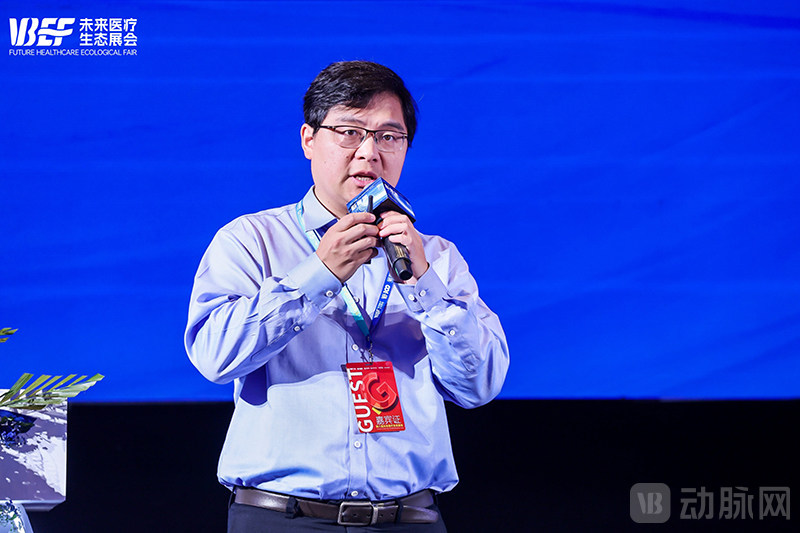
He Kejia, Managing Director, Investment Banking Division, Industrial Securities Co., Ltd.
In summary, He Kejia identifies three key points. First, although investment and financing activity across the entire industry has cooled somewhat recently, the healthcare sector has seen rapid progress in this area and has already secured a systemic position. Second, while IPO reviews are currently experiencing a short-term tightening, overall M&A transaction activity in the healthcare industry is expected to continue rising. Third, although the difficulty and effectiveness of overseas listings for healthcare companies may decline, the Beijing Stock Exchange (BSE) could become a favorable option for healthcare IPOs, given its ability to meet corporate financing needs and its relatively lenient review standards.
Looking back at the healthcare landscape from 2023 to the present, despite the chilling headwinds and tightening IPO regulations, countless healthcare pioneers have pressed forward undeterred, even amid faint glimmers of hope. These industry leaders have courageously explored uncharted territories, leveraging innovation and fortitude to chart new courses for the cross-sector integration and development of the industry.
Jiang Hui, Chief Operating Officer of MGI TechShe delivered the keynote speech titled “Accelerating Global Deep Innovation: Breakthroughs in China’s Intelligent Manufacturing,” arguing that the gene sequencing industry has maintained a rapid growth rate of over 10% for more than two decades and is expected to undergo continuous explosive expansion. Amid this rapid development, MGI Tech, representing “Intelligent Manufacturing in China,” has achieved breakthroughs in the field of gene sequencing.
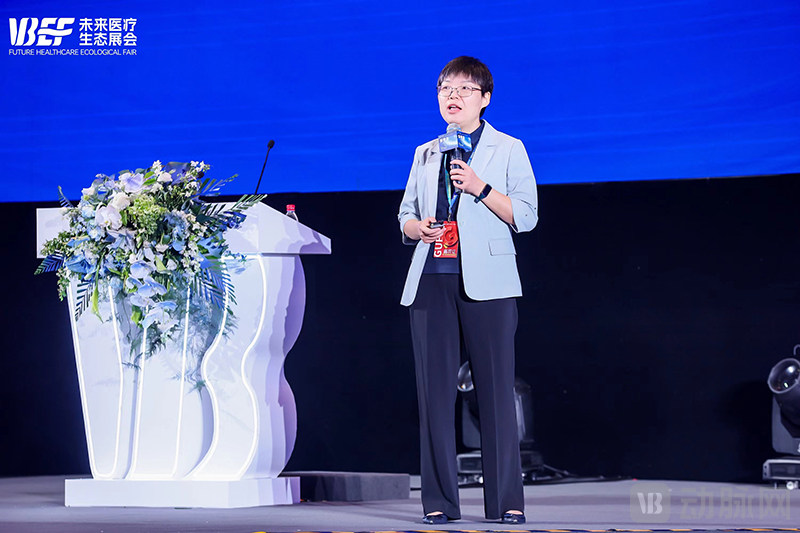
Jiang Hui, Chief Operating Officer of MGI Tech
Jiang Hui reviewed and summarized the global development strategies for life sciences and the bioeconomy, as well as the historical evolution of the gene sequencing industry. She stated that China’s upstream gene sequencing sector, represented by MGI Tech, has broken foreign monopolies in this field by building capabilities from scratch in recent years, thereby driving the development of the entire industry in China. During this process, MGI Tech achieved four “key breakthroughs”: first, establishing foundational patent portfolios to support global expansion; second, implementing a comprehensive product matrix layout; third, securing complete qualifications to expand into accessible markets; and fourth, starting from its domestic base to achieve the highest number of new instrument installations in the Chinese market. Furthermore, she interpreted MGI Tech’s globalization strategy and its integrated platform plan covering the “reading, writing, and storing” of life data. She expressed the expectation that MGI Tech, representing “Intelligent Manufacturing in China,” will continue to serve as a significant force in the global life sciences sector, promoting leapfrog development in the industry—shifting from biomanufacturing to bio-intelligent manufacturing, from scientific paradigms to industrial paradigms, and from individual genomics to multi-omics for all.
Xie Xin, Executive Director and Senior Vice President of China BiopharmaceuticalThe keynote speech, “Accelerating Innovation, Embracing the Global Market, and Leading High-Quality Industry Development,” highlighted the exploratory breakthroughs in innovative drugs achieved by China’s pharmaceutical industry, as represented by Chinese biopharmaceutical companies. Currently, China’s innovative drug industry has entered a fast lane of development, is accelerating the formation of new quality productive forces, and has delivered notable performance on the global stage.
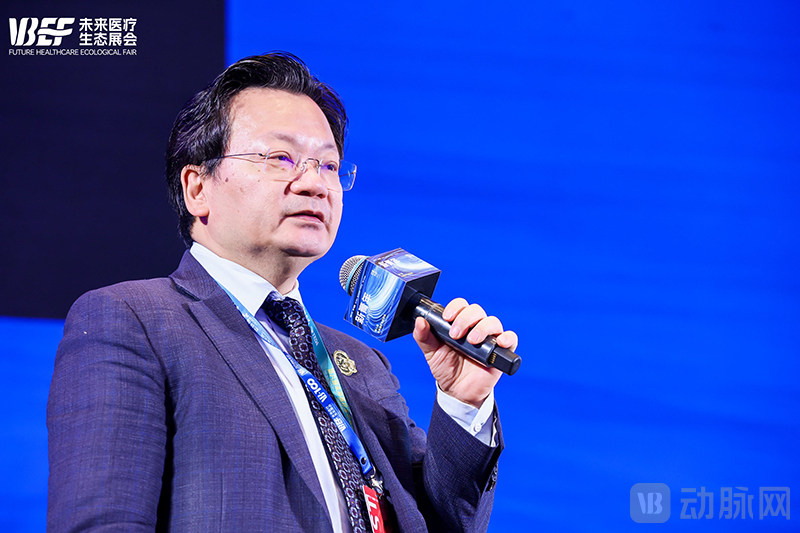
Xie Xin, Executive Director and Senior Vice President of China Biopharmaceutical
As China’s largest prescription drug company, Sino Biopharmaceutical is driving its development through a dual-engine strategy of “innovation + internationalization.” The company continues to strengthen its presence in four key therapeutic areas—oncology, hepatology, surgery and analgesia, and respiratory diseases—by building a robust product pipeline. Meanwhile, it actively introduces innovative pipelines around these core focus areas. By implementing a dual-circulation internationalization strategy of “in China for Global” and “in Global for Global,” Sino Biopharmaceutical is advancing toward its goal of becoming one of the top 30 pharmaceutical companies worldwide.
He Mingke, Senior Vice President of Baidu Group and President of the Health Care Business GroupHis presentation, titled “Large Models: The Way to ‘Life’ and ‘Medicine,’” stated that AI is transforming everything through a three-step progression: “changing the internet, changing humanity, and changing the world.” As an “ever-youthful” industry that remains under close scrutiny from capital markets, attracts top-tier talent, and leverages cutting-edge technologies, the healthcare sector is likewise poised for transformation driven by AI.
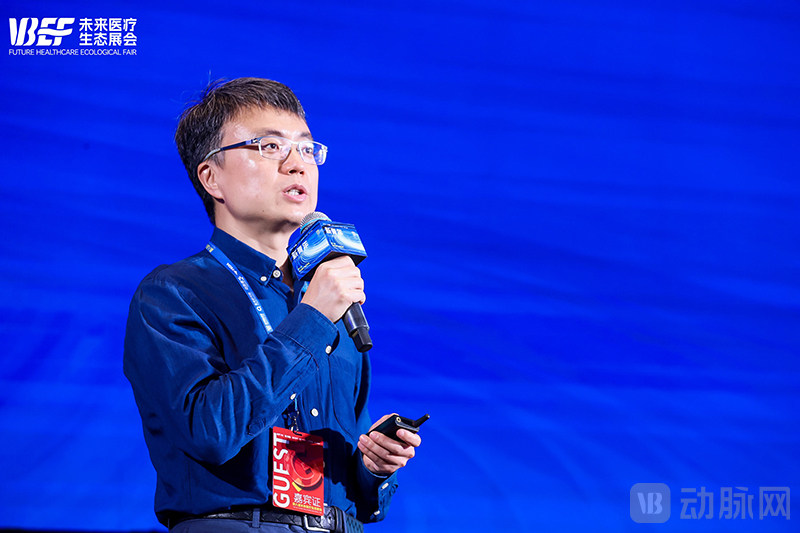
He Mingke, Senior Vice President of Baidu Group and President of the Healthcare Business Group
He Mingke believes that large language models have quietly facilitated the entire healthcare industry: on the hospital/physician side, they can help improve the efficiency of medical resource allocation and enhance the quality of care; on the patient side, they enable integrated software-and-hardware health management and achieve precise doctor-patient matching; and on the pharmaceutical company side, they assist in innovative drug R&D, achieving cost reduction and efficiency gains. Medical large language models, represented by Baidu’s “Lingyi,” are providing support from various angles to patients, hospitals/physicians, and pharmaceutical companies, forming three distinctive innovative applications: AI + popular science education, AI + tiered diagnosis and treatment along with inclusive healthcare, and AI + new drug R&D and market launch promotion.
Li Shaochun, Digital Strategy Scientist of Yunnan Baiyao Group, General Manager of the Yunnan Baiyao Digital Intelligence Center, and CIOIn “Digital Healthcare and the Digital-Intelligent Transformation and Innovation of the Pharmaceutical Industry in the Era of Large Models,” it is stated that the new paradigm of AI large models, which synergizes the relationships among humans, information systems, and actions, represents a disruptive form of new-quality productive forces. Citing the digital transformation of Yunnan Baiyao Group, a century-old enterprise, as an example, he demonstrated how modern AI technologies are empowering the traditional Chinese medicine industry.
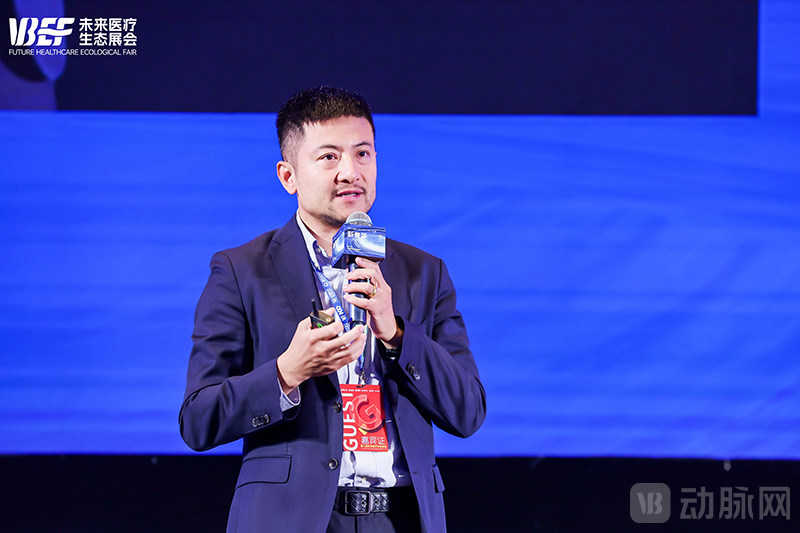
Li Shaochun, Digital Strategy Scientist of Yunnan Baiyao Group, General Manager of Yunnan Baiyao Digital Intelligence Center, and CIO
Li Shaochun stated that starting in 2022, Yunnan Baiyao Group proposed a five-year development plan for digital transformation, aiming to upgrade from version 1.0 (monolithic applications) to version 3.0 (digital-intelligent platforms) and version 4.0 (super-digital enterprises) during the period spanning the 14th and 15th Five-Year Plans. AI, big data, and automation will play significant roles in this process. Notable achievements include the establishment of Yunnan Baiyao’s Digital Panax Notoginseng Certification System, built upon computer vision-based AI engines for Panax notoginseng standardization, as well as the launch of Yunnan Baiyao’s digital employee “Bai Xiaoqi” and RPA financial robots. He concluded that future competition will likely be between super-digital enterprises and conventionally digitalized ones.
In this session, business leaders will draw on their innovative practices as case studies to share their insights and perspectives on new models and pathways for industrial development.
Kang Haihua, Senior Managing Director at Qiao Capital and CEO of the Qiao Healthcare Industry Facilities Platform"Empowering Life Sciences Companies to Break Through with a Comprehensive Ecosystem in the Industrial Park" explains how infrastructure solutions from professional platforms empower the businesses of life sciences companies.
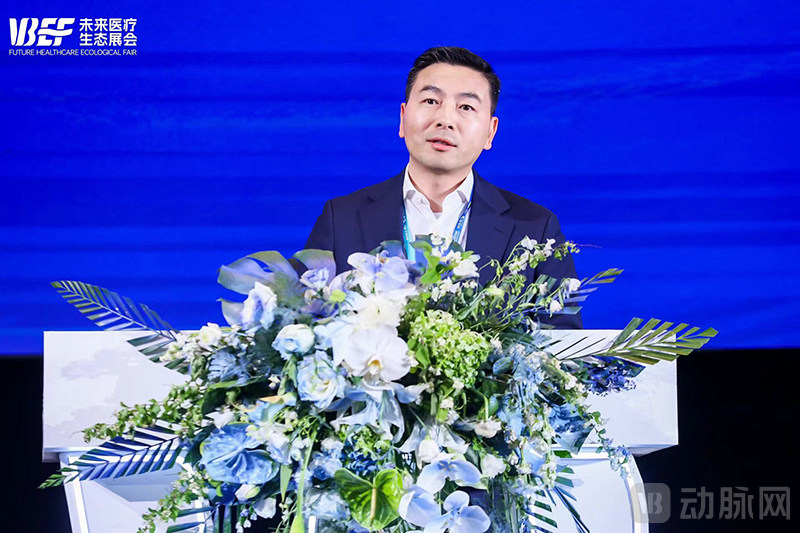
Kang Haihua, Senior Managing Director of Qiao Capital and CEO of the Qiao Healthcare Industry Facilities Platform
He believes that professional life sciences infrastructure investment platforms, represented by CB Capital’s Kangqiao Medical and Health Industry Facilities Platform, can provide life sciences companies with one-stop, comprehensive infrastructure solutions. Leveraging a deep understanding of life sciences process workflows and the extensive experience of its core team, the platform offers end-to-end services spanning process design, procurement, project management, ESG optimization, and validation and delivery. These services comprehensively help life sciences companies optimize their capital structure and enhance operational efficiency, thereby increasing enterprise value. Meanwhile, tenant companies joining the Kangqiao ecosystem can also tap into the strategic ecological resources for corporate development that CB Capital has accumulated over many years—such as talent, capital, clinical resources, government relations, and market opportunities—leveraging industrial cluster effects to accelerate rapid growth.
To address the common challenges faced by medical device companies, such as unclear sales distribution channels, inaccurate demand forecasting, and difficulties in attracting distributors for startups,Luo Hua, Deputy General Manager & Chief Information Officer (CIO) of Guoke Hengtai, and General Manager of Guoke HengxingPresented the “Digital Empowerment for the Medical Device Industry: An Integrated Online-Offline Comprehensive Solution,” and stated that transforming long operational chains into short ones is central to medical device companies’ response to policy changes and industry challenges.
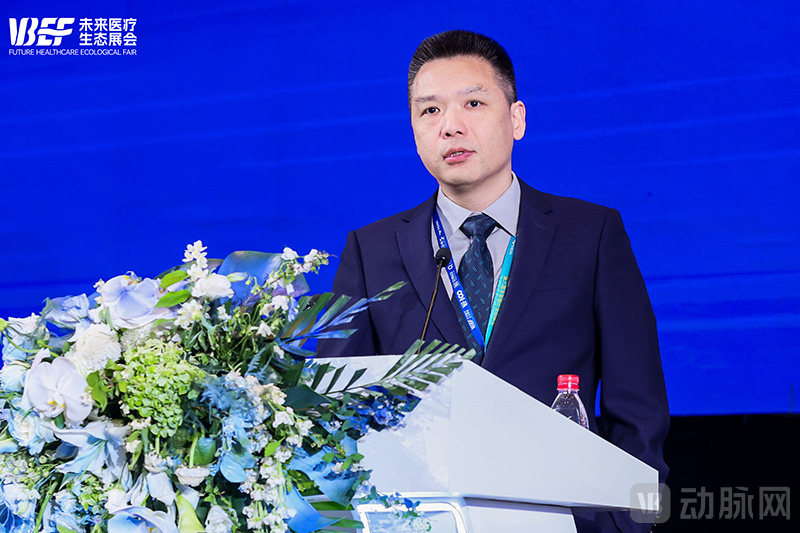
Luo Hua, Deputy General Manager & Chief Information Officer (CIO) of Guoke Hengtai and General Manager of Guoke Hengxing
Luo Hua stated that, compared with the relatively mature collaboration mechanism in the U.S. medical device market—characterized by “small enterprises driving innovation and large enterprises handling sales”—China remains at a stage where “every enterprise attempts to manage the entire value chain independently.” The lack of established collaborative mechanisms has resulted in a disconnect in China’s medical device industry between innovation and market commercialization. Based on its strengths in smart logistics, high-efficiency professionalism, and a digital supply chain ecosystem service platform, Guoke Hengtai is exploring new business and collaboration models under the current landscape, aiming to become a leading comprehensive provider of digital supply chain services for medical devices in China.
Mr. Pu Zhengrong, Vice President of Siemens Healthineers Greater China and Head of Clinical Therapy SystemsFocusing on current hot topics, he delivered a keynote speech titled “Building a New Ecosystem for Diagnosis and Treatment with AI in Healthcare in the New Era.” He stated that, as a global leader in healthcare transformation, Siemens Healthineers is advancing disease-oriented digital and intelligent healthcare, aiming to empower high-quality development in healthcare institutions.
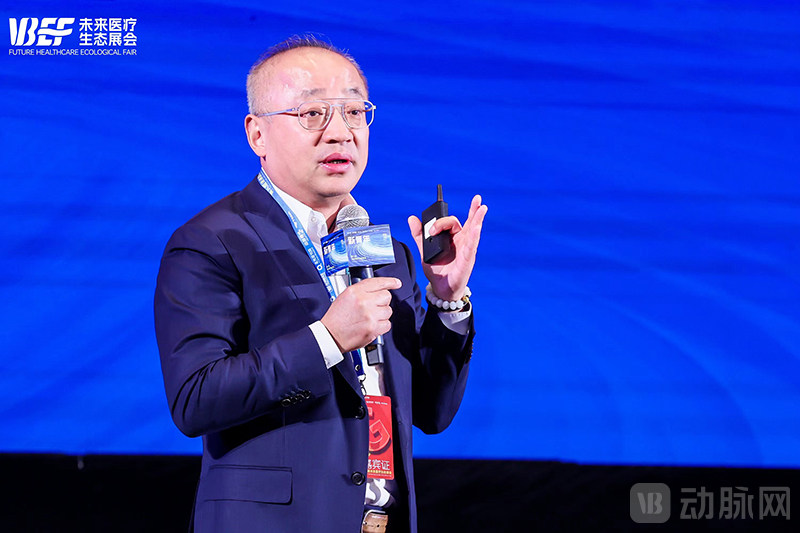
Mr. Pu Zhengrong, Vice President of Siemens Healthineers Greater China and Head of Clinical Therapy Systems
In his speech, Mr. Pu Zhengrong showcased Siemens Healthineers’ latest advancements in the field of AI, stating that Siemens Healthineers has consistently remained at the forefront of digitalization and artificial intelligence. By leveraging digital and intelligent technologies, the company empowers the value of precision medicine. Currently, Siemens Healthineers has applied AI technology to the precise diagnosis and treatment of various diseases, enabling digital management across the entire course of disease, laying the foundation for digital twins, and integrating the latest 5G remote technologies. The company demonstrated a comprehensive vision of the future digital and intelligent operating room, leading new trends in image-guided therapy transformation. With its unique new technologies, Siemens Healthineers aims to expand the accessibility of medical services and serve both healthcare providers and patients in China.
Sun Tong, Vice President of Meinian Onehealth Group and General Manager of the Innovation Development CenterIn his keynote speech titled “Innovation-Led Transformation Path of Meinian,” he showcased the innovative practices of the private health checkup industry, represented by Meinian Onehealth. He stated that the industry’s proactive spirit is evident in its progression—from introducing MRI, CT, and capsule endoscopy, to exploring precision health checkups and applications of big data and artificial intelligence (AI), and further to its future focus on precision medicine, wearable devices, and AI.
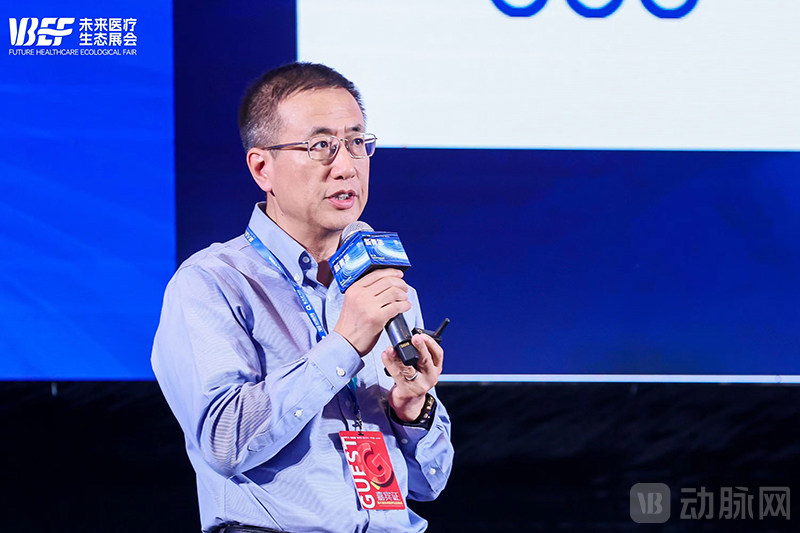
Sun Tong, Vice President of Meinian Onehealth Healthcare Group and General Manager of the Innovation Development Center
He stated that in recent years, Meinian Onehealth has been committed to the extensive application of AI technology in the research and development of innovative technological products, successively launching innovative offerings such as AI-assisted diagnosis for stroke, AI-assisted diagnosis for cognitive disorders, and AI-assisted diagnosis for pulmonary nodules, thereby continuously leading innovation in the health checkup industry. Centered on its core strategy of “medical orientation, quality-driven development, service support, and innovation leadership,” Meinian Onehealth has built a cluster of professional medical and technical platforms to establish a leading healthcare operations platform. Currently, Meinian Onehealth is actively pursuing digital transformation across all business areas and processes, upgrading from “Health Checkup 1.0” to “Health Checkup 3.0.” Looking ahead, Meinian Onehealth aims to evolve from a leading enterprise in the preventive healthcare sector into a pioneer in full-lifecycle digital health management.
At the conclusion of this Leadership Summit, industry leaders shared insights and explored the ecosystem development and collaborative coordination of the healthcare sector during the roundtable dialogue titled “The Path to Collaborative Innovation in Industrial Chains Under the New Stage, New Philosophy, and New Paradigm.” They discussed how collaborative innovation within industrial chains should evolve under these new conditions, leveraging the power of partnership to jointly promote high-quality, innovative development across the industry.
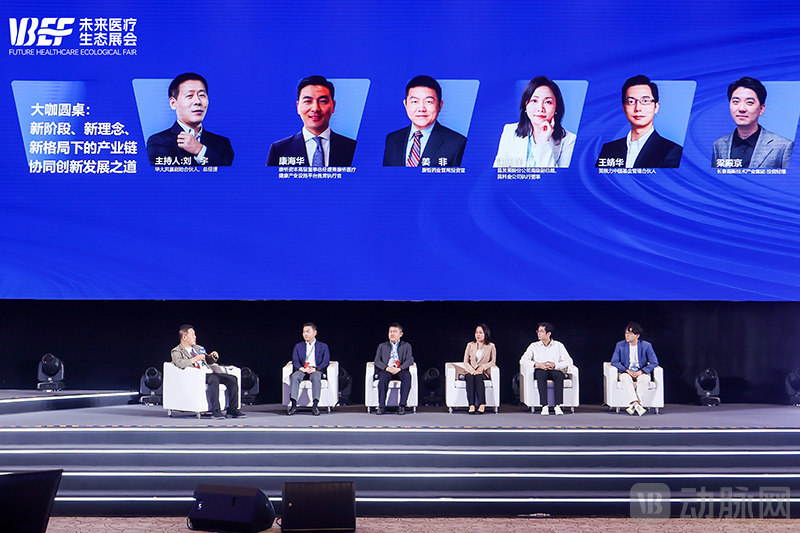
From left to right: Liu Yu, Founding Partner and General Manager of BGI Win-Win; Kang Haihua, Senior Managing Director of Qiao Capital and CEO of the Qiao Medical Health Industry Facility Platform; Jiang Fei, Chief Investment Officer of CMS Pharmaceuticals; Xie Sijin, Senior Vice President of Changfa Development Co., Ltd. and Executive Director of Changkejin Company; Wang Jinghua, Fund Management Partner of Medtronic China; and Liang Dianjing, Investment Manager of Changchun High-Tech Industry Group.
Regarding the new changes in the healthcare industry over the past few years, the roundtable moderator—Liu Yu, Founding Partner and General Manager of BGI Win-WinTo kick off the discussion, he noted that breakthroughs such as large language models and gene editing have emerged in recent years, bringing significant changes to the life and health industry. Meanwhile, the COVID-19 pandemic and geopolitical factors are reshaping global supply chains. Against this backdrop, the healthcare sector has been undergoing continuous transformation. For instance, online sample submission and testing services gained immediate popularity upon launch. Furthermore, the surging demand for home self-testing products, both domestically and internationally, has been remarkable, reflecting a major shift in public health awareness toward proactive personal health management. These trends are likely to drive rapid development in related industries.
Jiang Fei, Chief Investment Officer of CMS Pharmaceutical GroupTaking familiar pharmaceutical policies as an example, he analyzed recent changes. He stated that CMS Pharma previously focused mainly on mature products whose patent protection had expired or was about to expire. Since 2017, the company has undergone a transformation, strategically prioritizing innovative products. Four new drugs have already been approved for marketing, which not only extends the sales lifecycle of its products but also benefits the company’s long-term development. He further noted that in recent years, domestic policies have been sparing no effort to promote innovation. On one hand, the approval process for innovative drugs has been accelerated; on the other hand, policies such as national reimbursement drug list (NRDL) negotiations and volume-based procurement (VBP) have indirectly compelled enterprises to transition toward innovation. Jiang Fei further stated that despite increasingly fierce competition, companies should remain oriented toward addressing unmet clinical needs and actively respond through strategies centered on innovation, differentiation, and internationalization.
As an industrial park with state-owned capital backing,Xie Sijin, Senior Vice President of Changfa Zhan Co., Ltd. and Executive Director of Changkejin CompanyThis indicates that the investment logic of funds is undergoing significant changes, with healthcare investments becoming increasingly cautious. Against this backdrop, collaborative innovation is playing a crucial role across multiple stages. Taking Beijing and Changping District as examples, three-year action plans for the pharmaceutical and healthcare industry have been released in recent years, providing clear direction for the prioritized development of specific sectors within pharmaceuticals and healthcare. Changping District has also continuously introduced policies to support the growth of the pharmaceutical and healthcare industry, thereby facilitating its development. Furthermore, research institutions such as the Changping Laboratory and the Beijing Institute of Life Sciences are consistently driving innovative R&D efforts. Therefore, although the current investment climate is less than ideal, the momentum and vitality of industry innovation are undeniable. In this context, all stakeholders need to seize emerging trends, fulfill their respective roles, and promote the development of the industry.
Wang Jinghua, Managing Partner of Medtronic China FundFrom the perspective of multinational corporations, he noted that in recent years, the world has experienced a process of capital bubble formation, prompting investment institutions to shift from “story-driven” evaluations to “financial statement-driven” assessments, becoming more pragmatic and focused on current realities. Meanwhile, the number of license-out deals in China’s life and health sector has reached a record high, reflecting the enhanced capabilities of the domestic healthcare industry under this new landscape. Medtronic hopes to strengthen industry collaboration, leveraging complementary strengths while mitigating weaknesses. By sharing its expertise in navigating global markets and regulatory environments, Medtronic aims to play a supportive role in facilitating the international expansion of high-quality Chinese medical products.
Liang Dianjing, Investment Manager at Changchun High-Tech Industry GroupHe also noted that the current conditions in both the primary and secondary markets are less than ideal, exerting significant pressure on related companies. He suggested that listed companies and startup biotech firms should collaborate, with listed companies addressing industrialization and commercialization challenges, while startup biotech firms focus on scientific and engineering issues. On one hand, China has a mature CRO and CDMO system; on the other, many startups possess a global perspective and have prepared for globalization from an early stage. Many technology platforms have reached an inflection point for industrialization, presenting an optimistic trend in the current landscape of healthcare innovation in China.
Kang Haihua, Senior Managing Director at Qiao Capital and CEO of the Qiao Healthcare Industry Infrastructure PlatformAlso participated in the roundtable and delivered an insightful speech.
The panelists delivered an engaging dialogue for both online and offline audiences, affirming the ongoing efforts of China’s healthcare industry in innovation and internationalization. Undoubtedly, the surge in innovative medical products and their robust expansion into overseas markets signify that Chinese healthcare innovators are continuously exploring cutting-edge technological frontiers. They have developed unique industry insights and corresponding proprietary products, gradually shedding the label of “low-priced, low-tech import substitutes.” This trend also demonstrates that many Chinese medical products now possess the competitiveness to stand alongside the world’s leading players.
In addition to the Leaders’ Summit, the following parallel sessions were held on the same day: the Anti-Aging Innovation Development Forum, the Digital Marketing of Medical Devices Forum, the RNA Therapy Forum, the CGT Forum, the Smart Elderly Care and Active Aging Forum, the Indonesia Market Entry Matchmaking Session, the Brain Science Innovation Development Forum, the Pharmaceutical Digital Marketing Forum, the Ophthalmology Industry Innovation Forum, the Successful Translation of Scientific Research Forum, the Internet Hospital and Smart Hospital Development Forum, the Health Management and Health Insurance Innovation Development Forum, the Closed-Door Meeting on Innovative Collaboration in Nucleic Acid Drugs, and the VBEF Healthcare Industry Innovation Product Launch and Innovation Product Awards Ceremony.
On the same day, the 2024 Top 100 Future Healthcare Companies list was officially announced at the awards dinner of the 2024 VBEF Future Healthcare Ecosystem Expo and released via VCBeat’s official WeChat account. The 2024 Top 100 Future Healthcare Companies selection includes the following categories: Main List of Top 100 Future Healthcare Companies, Innovation Ranking of Listed Companies, VBEF Innovative Products in the Medical and Health Industry, and the Top 100 Future Healthcare Companies Innovation Awards.