

Growing Together, Building a Healthy Future: Big Health ThinkTank Alumni Forum and 2nd Anniversary Celebration Successfully Held
On the afternoon of May 10, jointly hosted by VB100, VCBeat, the Tsinghua MBA Medical and Health Club, and the Grand Health Think Tank2024 Future Healthcare Ecosystem Expo · Grand Health Thinkers’ Alumni Forum & 2nd Anniversary CelebrationIt was successfully held at the Beijing Beiren Yichuang International Convention and Exhibition Center. The forum aims to provide alumni with a broader platform for more in-depth exchanges and closer collaboration, jointly promoting the prosperity and development of the healthcare industry.
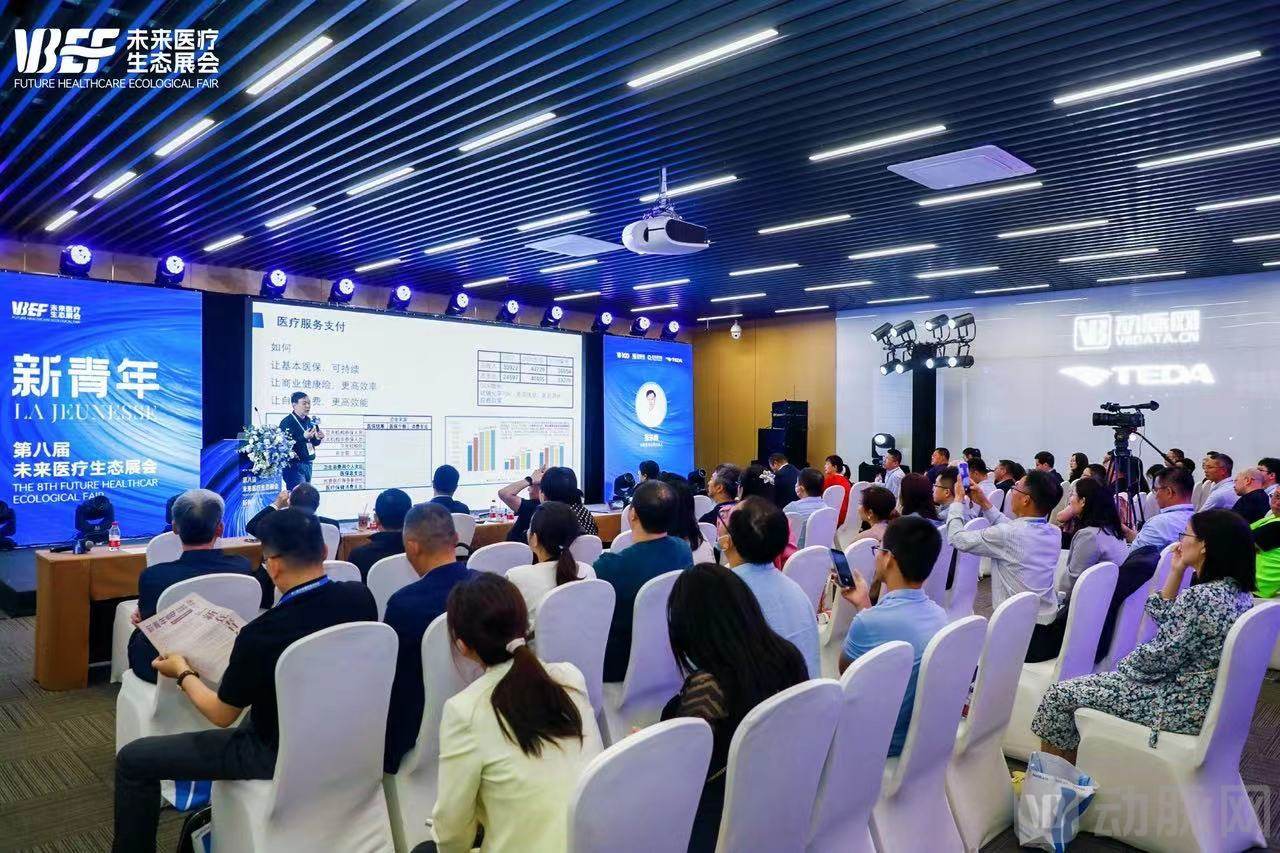
Jia Zhenbao, Head of the Peking University Guanghua EMBA and Big Health Thinkers’ ClubServe as the forum moderator,Wang Rui, Associate Professor and Doctoral Supervisor in the Department of Marketing at Guanghua School of Management, Peking University; Zhang Lehui, Operating Partner at Changling Capital; Chen Xiao, former Vice President of Microsoft MSN China and serial internet entrepreneurDelivered insightful shares on the development trends in healthcare, investment logic, and its relationship with AI technology.
Wang Rui, Associate Professor and Doctoral Supervisor, Department of Marketing, Guanghua School of Management, Peking UniversityFrom a marketing perspective, this analysis delves into the scale and growth of China’s healthcare industry, examining supply-demand imbalances, market opportunities, challenges faced, and corresponding strategies. In light of the opportunities and challenges confronting industrial development, she recommends strengthening policy guidance and support from an industry-wide perspective to drive healthcare system reform and technological innovation. Simultaneously, it is essential to prioritize market demand and consumer experience to enhance the quality and efficiency of medical services. Only through such measures can sustainable development of the health industry be achieved, along with a comprehensive improvement in the population’s health status. By analyzing the transformation of hospital profit models and the rise of research-oriented hospitals, she reveals the future direction of the health industry. She believes that with advances in medical technology and the translation of scientific research outcomes, hospitals will no longer rely solely on pharmaceuticals and medical services for profitability but will instead transition toward research-driven and innovative models. This shift implies that hospitals will offer more diversified products and services, necessitating greater innovation and exploration in their marketing strategies and business models.
Looking to the future, she believes that the development of China’s healthcare industry will be jointly guided and driven by policy incentives and market forces. As technologies continue to iterate and upgrade, the industry will usher in significant opportunities for transformation and upgrading. She recommends that practitioners closely follow policy directions, monitor technological advancements and shifts in consumer behavior, and continuously innovate and upgrade their products and services to meet patients’ growing health needs. Meanwhile, they should redefine their customers and value propositions, address customer needs from multiple perspectives, and promote the sustainable development of the industry.
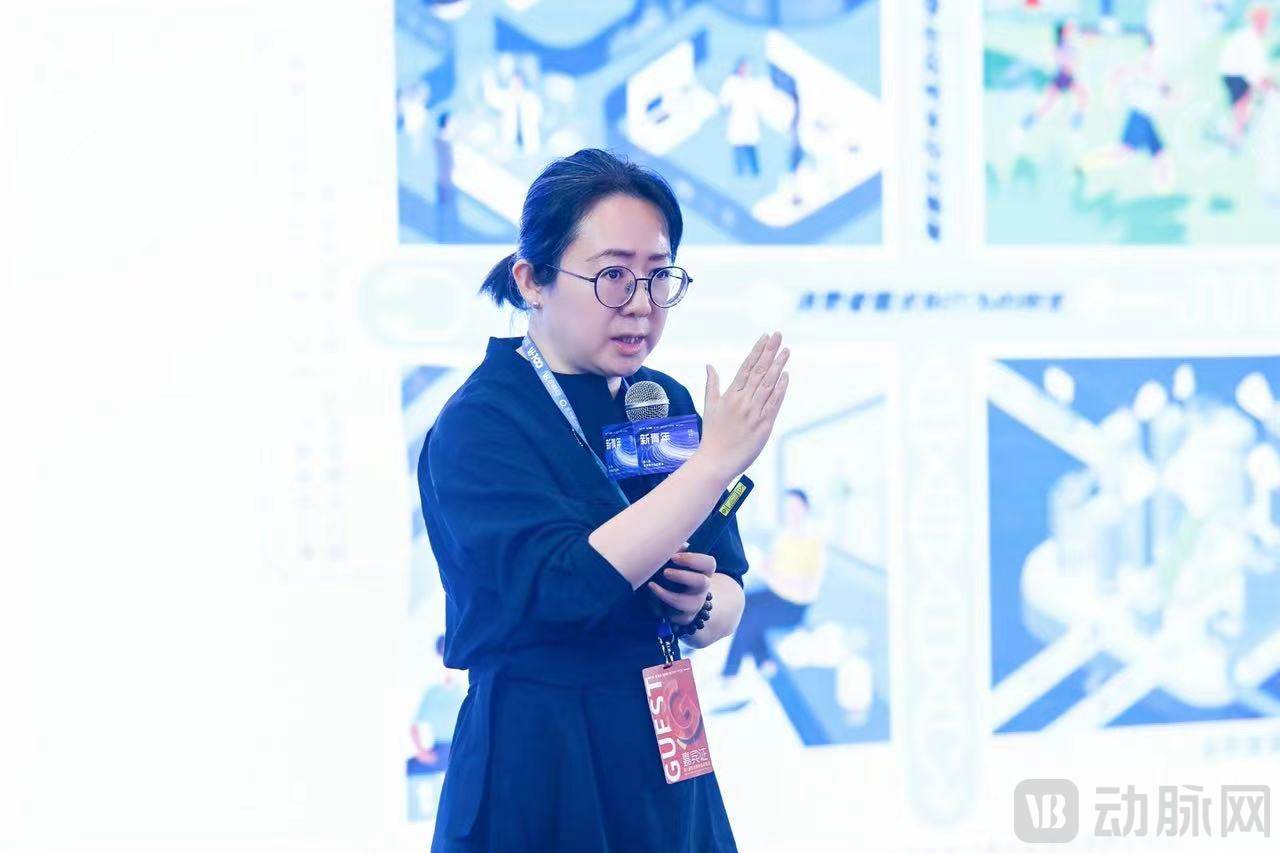
Wang Rui, Associate Professor and Doctoral Supervisor in the Department of Marketing at Guanghua School of Management, Peking University, Shares Insights on “User-Centric Thinking and Value Proposition in Healthcare”
Zhang Lehui, Operating Partner at Changling CapitalStarting from the development trajectory of private hospitals, this analysis examines the profound transformations currently reshaping the healthcare system. These changes involve not only shifts in business models and production relations but also demand closer collaboration and more refined management among policymakers, hospitals, enterprises, and other stakeholders. He argues that the interconnections and mutual influences among medical services, suppliers, commercial insurance institutions, DRG-based payment mechanisms, and market demand collectively constitute the fundamental framework and developmental trends of China’s current healthcare system. To sustain progress and advancement in healthcare services, all parties must engage in close cooperation and continuous innovation in future development.
Furthermore, through an analysis of the development of medical consortiums and tiered diagnosis and treatment, DRG payment reform, transformation of hospital operational models, and market prospects, he argues that healthcare service reform is a complex and protracted process requiring concerted efforts from multiple stakeholders, including the government, hospitals, physicians, and patients. By strengthening the development of medical consortiums, advancing DRG payment reform, transforming hospital operational models, and adapting to changes in payment mechanisms, healthcare services can be driven toward greater efficiency, quality, and personalization.
Finally, he emphasized the critical role of investment in driving industrial development. By providing financial support to startups, innovative projects, and technologies, investment has fostered innovation and growth in the healthcare industry.
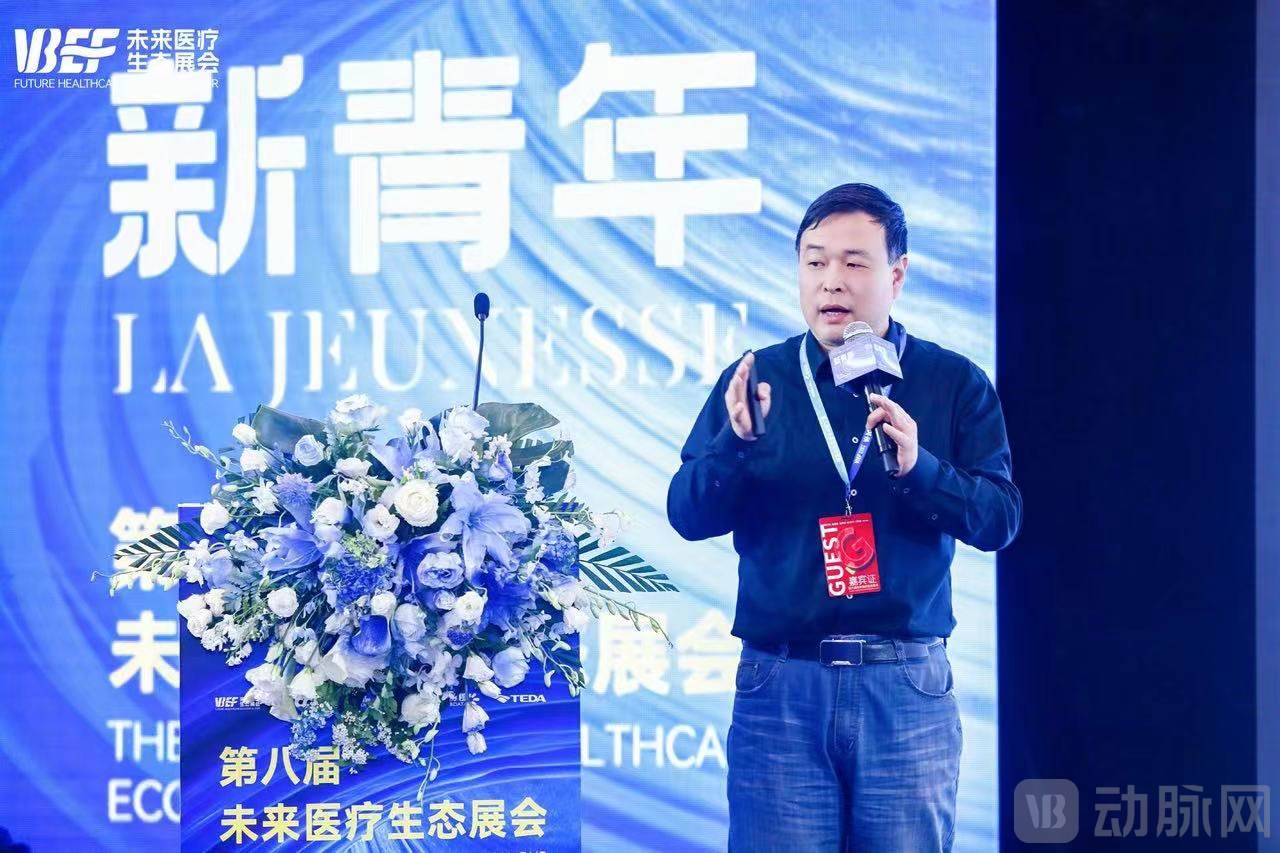
Zhang Lehui, Operating Partner at Changling Capital, Shares Insights《Reflections on the Business Logic, Payment, and Investment in Healthcare Services》
Chen Xiao, former Vice President of Microsoft MSN China and serial internet entrepreneurDrawing from his personal experience with illness, he explored the distinctions and connections between AI and humans, as well as the impact of technological advancements on social structures and lifestyles. He highlighted AI’s advantages in computational power, stability, scalability, and immunity to physical risks, while also pointing out the limitations imposed on humans by physiological constraints, emotional fluctuations, cognitive biases, limited computational capacity, and the ravages of time. He noted that throughout human history, every transformation in social structure has been human-centric; whether in regulations, healthcare systems, or health insurance schemes, humans have served as both recipients and providers. However, the emergence of AI means that humans are no longer the most cost-effective productive resource on the planet—a shift that represents a progressive evolution.
Subsequently, he highlighted the potential value and challenges of applying artificial intelligence in the healthcare sector. He argued that although data and resources in healthcare are not as readily accessible as content on the public internet, AI applications in this field will become increasingly widespread with technological advancements and policy support, ushering in a revolution in healthcare. However, critical issues remain to be addressed, including ensuring the safety and reliability of AI technologies, safeguarding patient privacy and data security, and effectively integrating AI into existing healthcare systems.
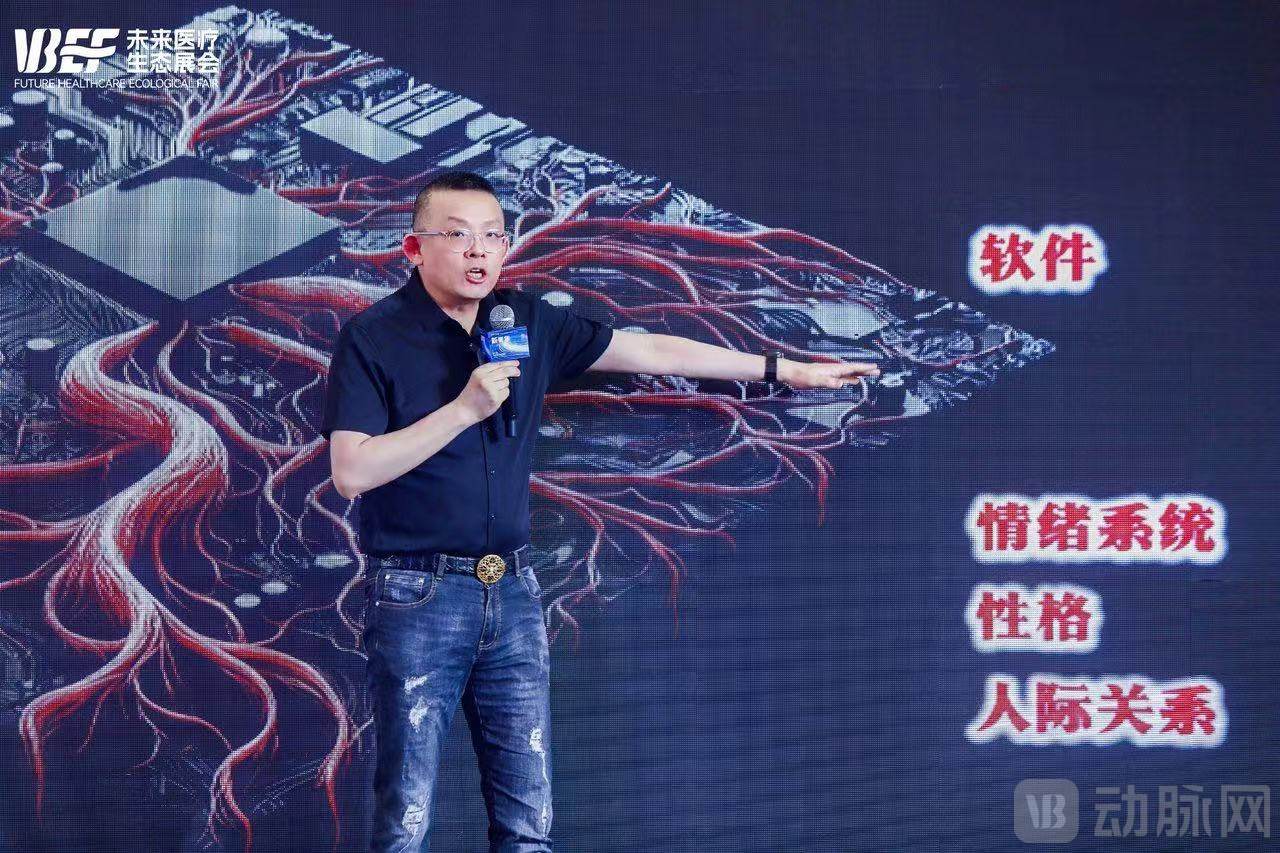
Chen Xiao, former Vice President of Microsoft MSN China and a serial internet entrepreneur, shares "You and Your Future Self"
Jia Zhenbao, Head of the Big Health Think Tank, Peking University Guanghua EMBAThe issue of personnel costs in the pharmacy departments of Grade A tertiary hospitals following the elimination of drug markups, and the resulting predicament faced by physicians, reflects deep-seated problems within China’s current healthcare system. He argues that under the pressure of hospital performance evaluations driven by policies such as the National Performance Examination and DRG (Diagnosis-Related Group) assessment, departments primarily focused on pharmacotherapy are facing challenges including insufficient staff development and even reductions in bed capacity. Meanwhile, the unmet medical needs of large patient populations continue to grow day by day, particularly among those suffering from cardiovascular and cerebrovascular diseases, kidney diseases, and other conditions linked to the “three highs” (hypertension, hyperglycemia, and hyperlipidemia). Only by establishing robust patient follow-up management systems for both outpatient and inpatient services can a better balance be achieved between economic benefits and social benefits. Citing examples from private-domain traffic platforms for doctor-patient engagement, he demonstrated how innovation can address real-world problems in clinical settings, thereby enhancing the efficiency and quality of healthcare services.
He then provided a detailed overview of the development history, community philosophy, and operational model of the Big Health Think Tank. He expressed his hope that, in an era characterized by an overflow of public-domain traffic and information explosion, the Big Health Think Tank would continue to leverage WeChat communities as its foundation to build an industrial ecosystem integrating information exchange, resource consolidation, and investment and financing services.
In the future, the Grand Health Think Tank will actively establish connections with international organizations, enterprises, and experts, introducing advanced global concepts and technologies to drive the development of China’s healthcare and wellness sector. Meanwhile, by bringing together top-tier talent and experts from the industry, it will continuously deepen research and insights into the healthcare and wellness field, providing more forward-looking and practical recommendations to governments, businesses, and individuals.
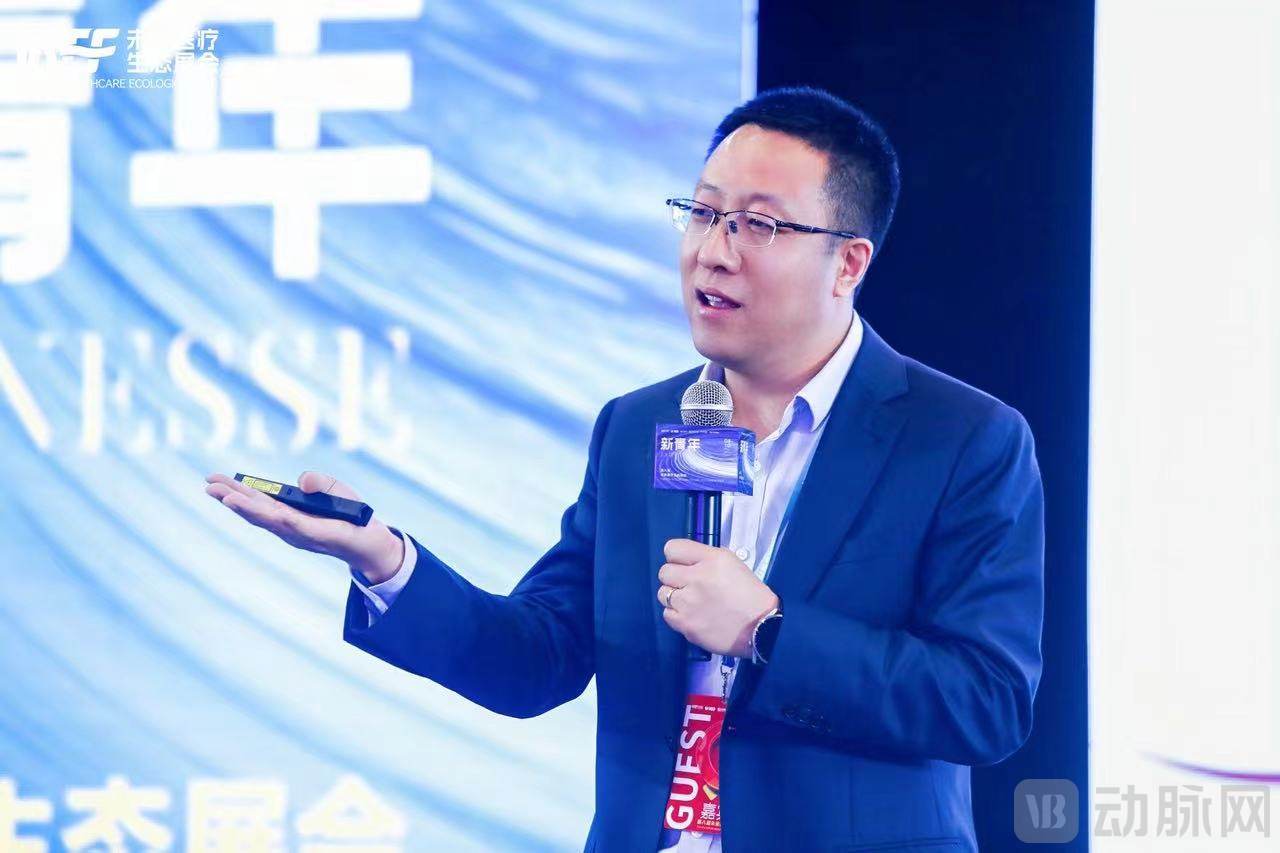
Jia Zhenbao, Head of the Peking University Guanghua EMBA Health Care Thinkers’ Forum, Shares “The Past, Present, and Future of the Health Care Thinkers’ Forum”
Great Health Think TankThis is a non-profit organization in the healthcare and wellness sector, composed primarily of alumni from top-tier Chinese business schools. Adhering to the principle of free and open access, it is mainly comprised of EMBA alumni specializing in healthcare and wellness from Cheung Kong Graduate School of Business (CKGSB), Peking University HSBC Business School (PHBS), and Tsinghua University’s PBC School of Finance. Meanwhile, it embraces inclusivity by welcoming alumni from other business schools, pharmaceutical policy planners, founders in the pharmaceutical industry, and investment and financing entrepreneurs. Since its establishment in early 2022, the network has grown to over 600 members, organizing online or offline exchange activities on average once a month. Leveraging WeChat communities as its primary platform and online/offline events as bridges, Si Xiang Hui aims to facilitate pharmaceutical information sharing and build a resource-linking platform for the pharmaceutical industry, enabling members to continuously deliver value and empower one another.