

Stars Shine Bright: 17 Groundbreaking Innovations Unveiled with Strong Support from Over 10 Institutions at China’s Premier Academic Research Commercialization Event

VCBeat
Internet Medical Health Media

Westlake Omics
Developer of auxiliary clinical multi-disease diagnostic products

Beicell Therapeutics
Cell Therapy Drug Developer

cellstore
Provider of Biological Sample Cryopreservation Technology Platform
On May 10, the Launch Event for Outstanding Scientific Research and Innovation Achievements from Chinese Universities (hereinafter referred to as the “Launch Event”) was successfully held at the highly anticipated 8th VBEF Future Healthcare Top 100 Ecosystem Exhibition. The event was co-organized by VBEF and VCBeat Chengguo Bureau, and received strong support from more than ten renowned university technology transfer centers and investment institutions, including the Innovation and Translation Center of Peking University Third Hospital, the National Engineering Research Center for Individualized Diagnostic and Therapeutic Technologies (Xiangya), Songshan Lake Materials Laboratory, CAS BIOINN, Beihang Tianhui, Legend Capital, Shuimu Ventures, and Ruixi Innovation.
At the outset of the press conference, Mr. Li Datao, Founder and Chairman of VCBeat, delivered the opening remarks. He reviewed VCBeat’s in-depth journey in the field of translating scientific research achievements into practical applications, and emphasized, “As industrial innovation reaches new heights, scientists will become the key force driving innovation and development over the next five to ten years.”
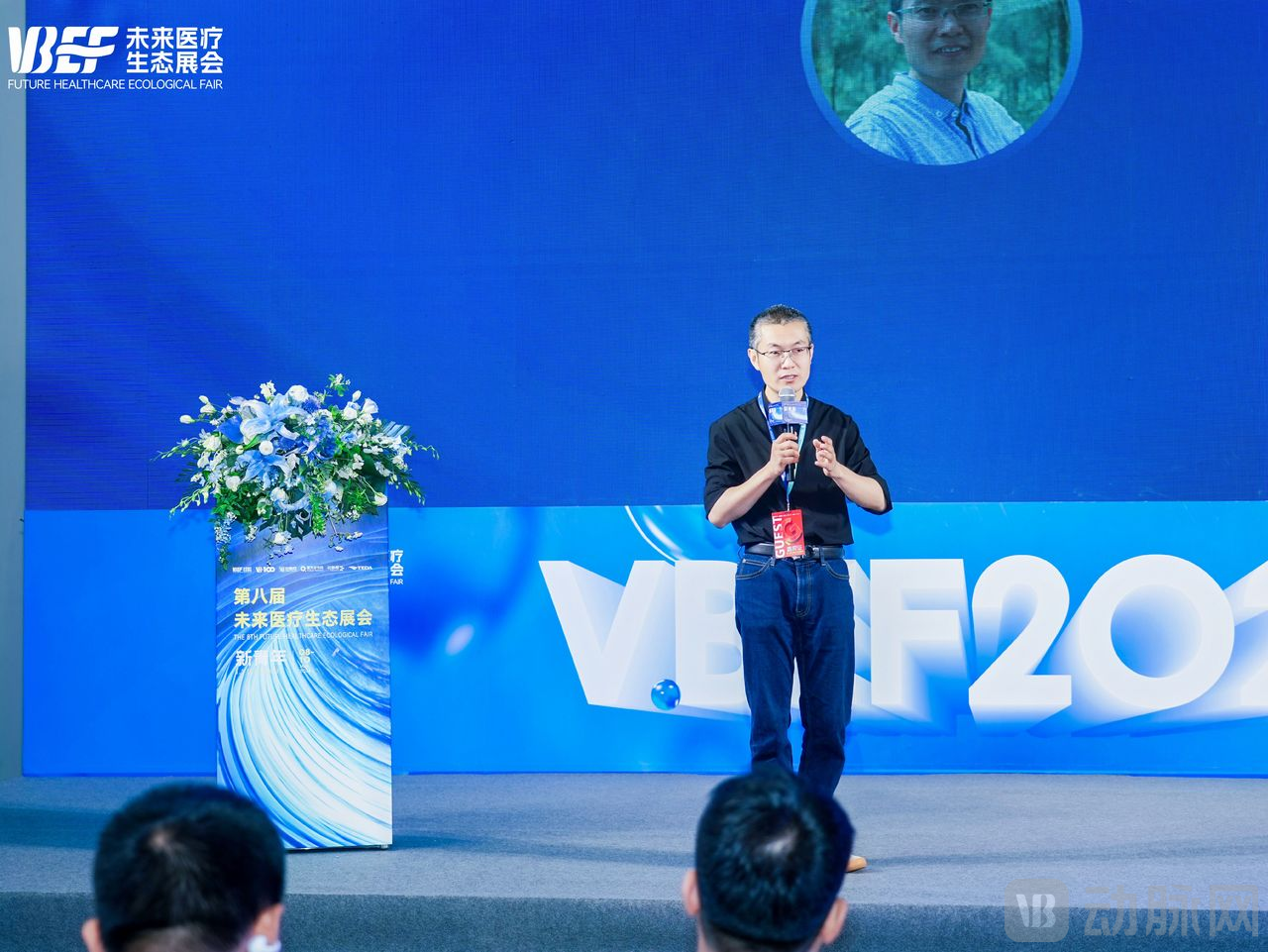 VCBeat Founder Li Datao
“Once industrial innovation reaches a certain stage, scientists may become the primary drivers of innovation over the next five to ten years.”
Subsequently, more than ten outstanding innovation teams from top-tier institutions such as Peking University, Tsinghua University, the Chinese Academy of Medical Sciences, and the First Affiliated Hospital of Xi’an Jiaotong University took the stage to showcase their latest achievements in translational innovation.
Westlake Omics, a company co-founded by Professor Guo Tiannan of Westlake University, specializes in AI-enabled micro-world data. Mr. Liu Jiayue, Deputy General Manager of Westlake Omics, introduced the company’s development platform for AI-enabled precision diagnostic technologies in proteomics. By integrating proteomics with AI, the platform provides strong support for clinical and research-based disease diagnosis as well as drug development.
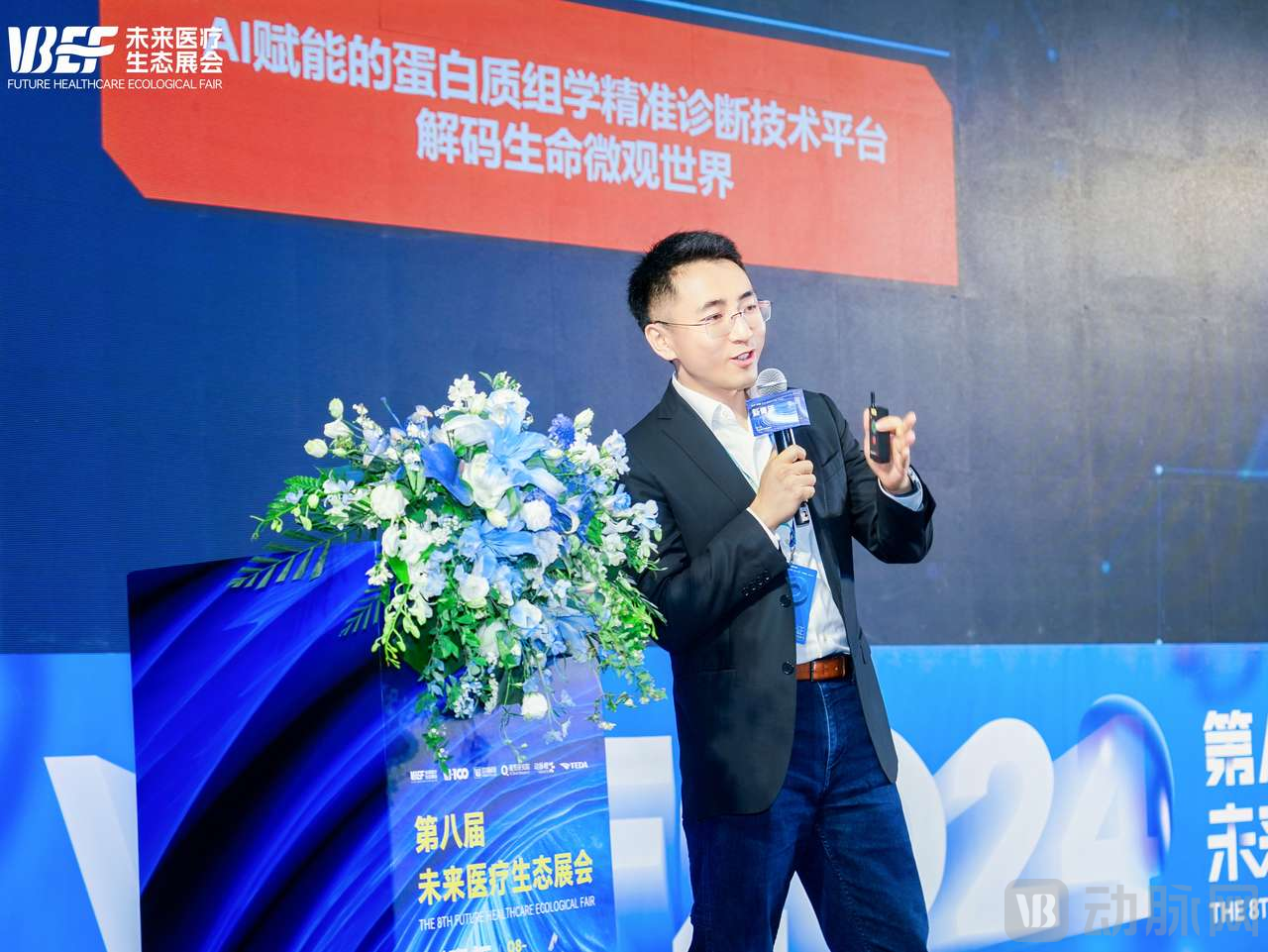 Liu Jiayue, Deputy General Manager of Westlake Omics
“Proteins are one of the most critical pathways for executing normal human physiological processes and diagnosing diseases. Therefore, proteins have already become, and will continue to be, a focal point of attention.”
Professor An Yang, Deputy Director of the Department of Plastic and Reconstructive Surgery at Peking University Third Hospital, presented the “Efficient and Rapid Fat Graft Purification System.” Developed based on extensive clinical experience and scientific research achievements, this system significantly enhances the efficiency and efficacy of fat purification, marking a new breakthrough in the fields of tissue engineering and regenerative medicine.
Drawing on their clinical and research experience, Professor An Yang and his team have developed a novel fat purification technology and system that not only enhances purification efficiency but also demonstrates superior purity and efficacy in clinical practice.
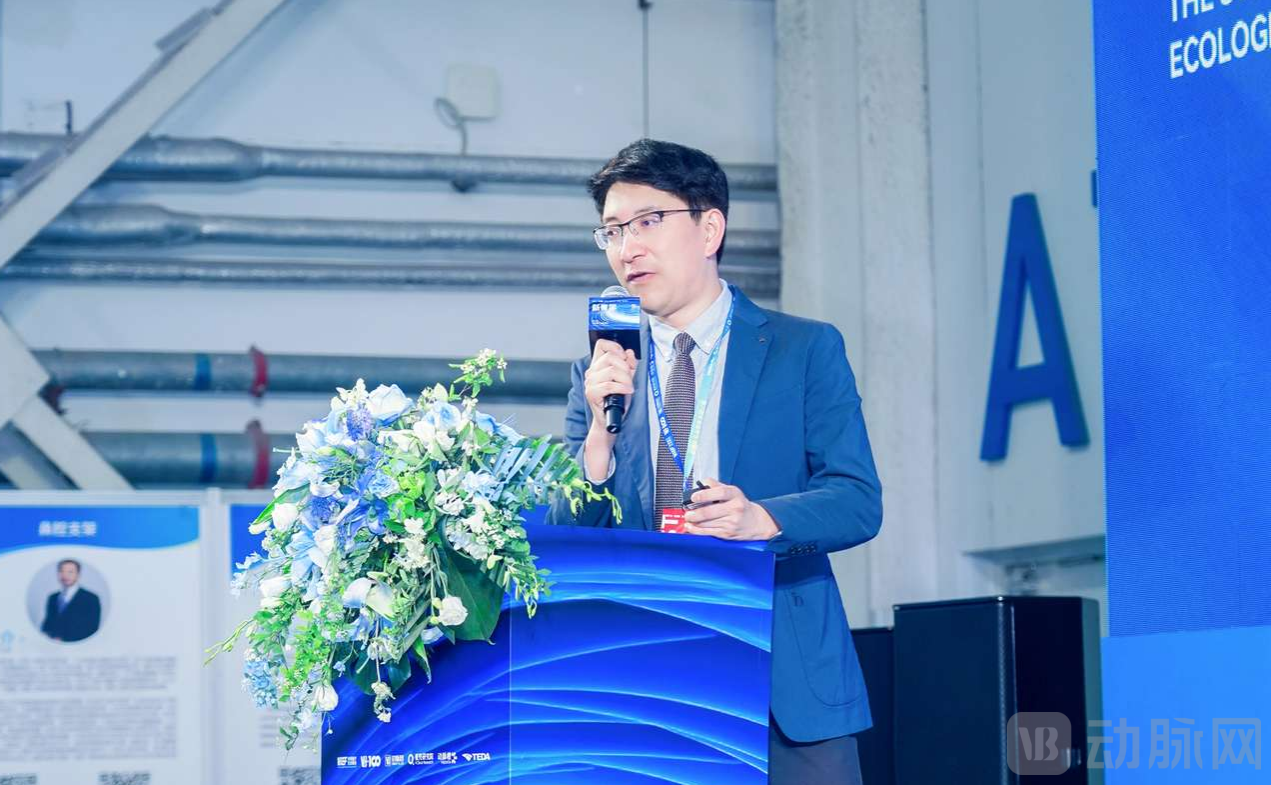 Professor An Yang, Deputy Director of the Department of Plastic Surgery, Peking University Third Hospital
“Amid the surging tide of technological innovation, a thousand sails race forward, and the brave prevail—demonstrating that on this path, diligence yields results.”
Westlake Micro is a translational project incubated by Westlake University, focusing on microbiology. It centers on the impact of microbes on fundamental human health and aims to build an efficient, advanced platform for human microbiome testing and application development. Ms. Liu Tiange, the company’s CEO, introduced how skin microbiomics intervenes in and influences skin health and beauty. It is reported that the company’s consumer-facing skin microecology testing products and services have recently launched and received positive feedback from users.
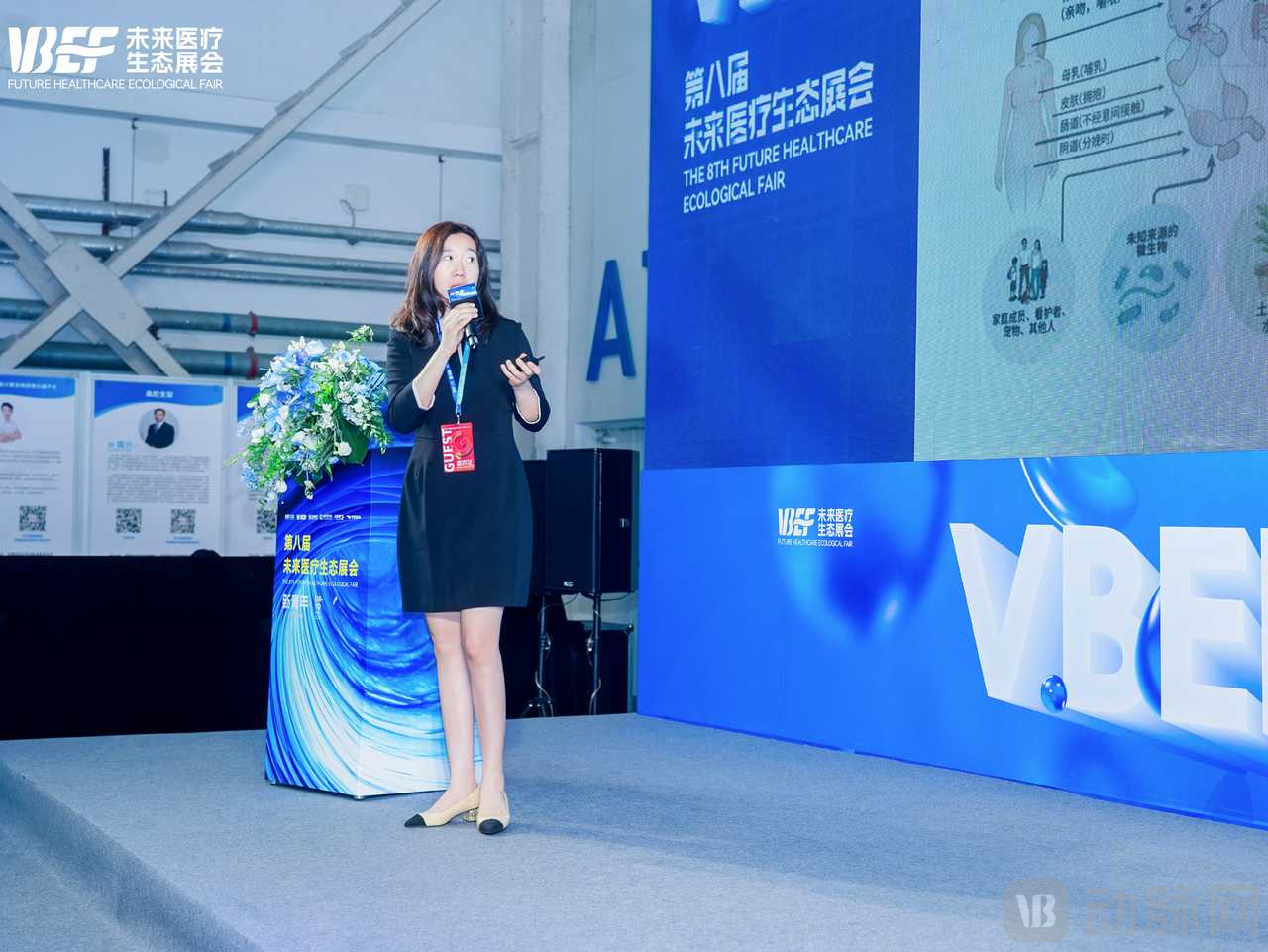
Westlake Omics CEO Liu Tiange
“Scientific Testing, Precision Skincare”: By exploring the skin microbiome, everyone can identify their unique skin microbiome fingerprint, effectively guiding skincare strategies and empowering individuals to take control of their skin’s health and beauty.
Nosecare Technology is a medical device company oriented toward addressing clinical needs. In response to the drawbacks identified in the clinical treatment of nasal diseases, the company’s R&D team jointly designed and developed the first nasal stent in collaboration with Peking University Third Hospital and Beihang University. Mr. Liang Li, CEO of the company, introduced the advantages, application scenarios, and current status of the stent’s development, emphasizing the profound impact of intellectual property protection on innovative enterprises. It was disclosed that the company’s first nasal stent obtained the medical device registration certificate in 2023, with more than 40 patent applications filed.
 Liang Li, CEO of Nosecare Technology
“Suppress counterfeit products through continuous product iteration.”
XIGUANG HEALTHCARE is a global leading provider of high-resolution, high-throughput, and extended depth-of-field panoramic microscopy imaging solutions. Yan Hu, the CEO, introduced the five core technologies of the company's Fourier Ptychographic Microscopy (FPM) and its high-throughput, high-content microscopy imaging platform, and shared the applications and business models of the FPM platform-based technology in various scenarios.
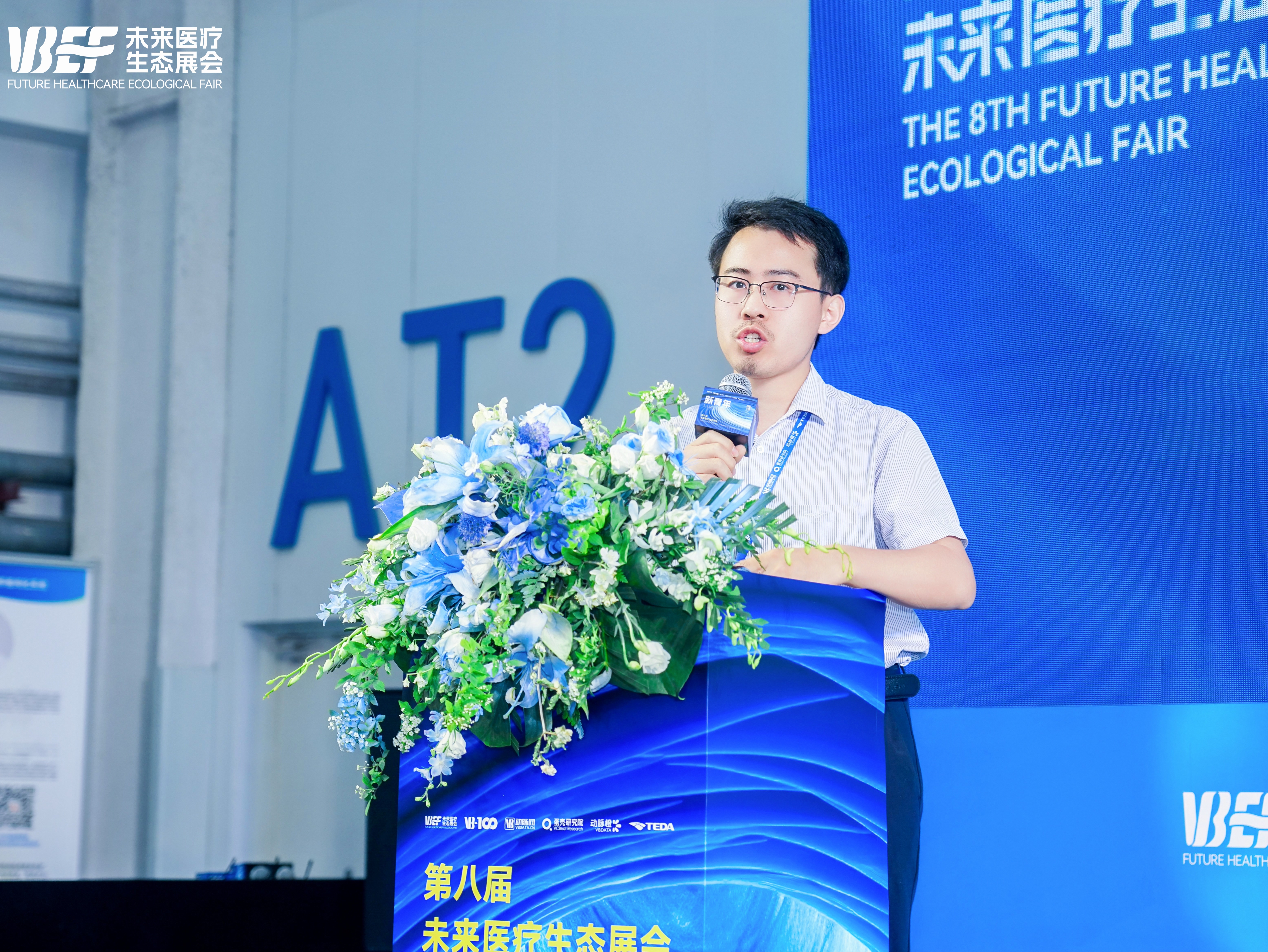 Yan Hu, CEO of XIGUANG HEALTHCARE
“Develop microscopic imaging equipment tailored to scenarios in life science research, medical diagnostics, drug screening, and other healthcare-related fields to meet corresponding needs.”
Professor Wang Shumin, Chief Physician of the Department of Ultrasound Medicine at Peking University Third Hospital, introduced a self-developed thoracentesis product. Pleural effusions often contain numerous septations, which limit the efficacy of conventional puncture and drainage, leading to impaired pulmonary function. This product offers an integrated solution to this problem, meeting the clinical need for adequate drainage through a single puncture. The thoracentesis needle features hidden “micro-scissors” that can be extended or retracted; under ultrasound guidance, these scissors can selectively disrupt septations within the effusion while simultaneously enabling fluid drainage.
Its unique design ensures safety and ease of operation. It has broad clinical application scenarios, particularly in secondary hospitals that lack thoracoscopes, where this technology can address a significant challenge in clinical practice. The technology has obtained three utility model patents. Currently, the thoracentesis needle has completed prototyping and manufacturing, resulting in a finished product.
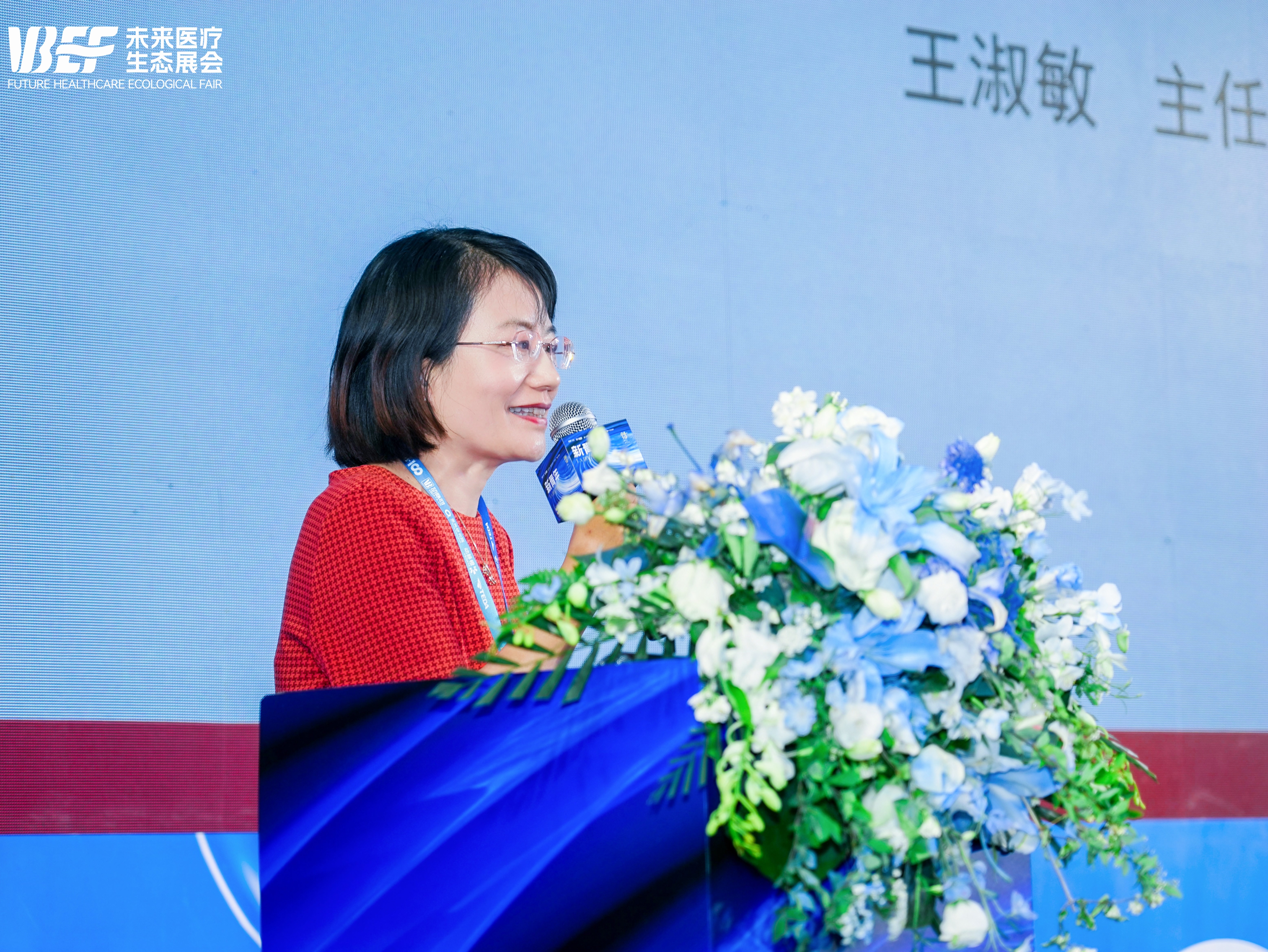 Professor Wang Shumin, Chief Physician, Department of Ultrasound Medicine, Peking University Third Hospital
“Preserving lung function is of paramount importance. It is the dream of an interventional ultrasound physician that this thoracentesis needle will help more patients manage refractory pleural effusion.”
Dr. Sun Meixiu, a researcher at the Institute of Biomedical Engineering, Chinese Academy of Medical Sciences & Peking Union Medical College, introduced a metabolomics diagnostic technology based on volatile organic compound (VOC) fingerprinting in exhaled breath. She and her team integrated respiratory metabolomics data with classification algorithms and computational power to develop diagnostic models, which have undergone methodological validation by internationally recognized authoritative institutions. Wanyingmei, the company established to commercialize this technology, has currently obtained a Class II medical device registration certificate for the technology.
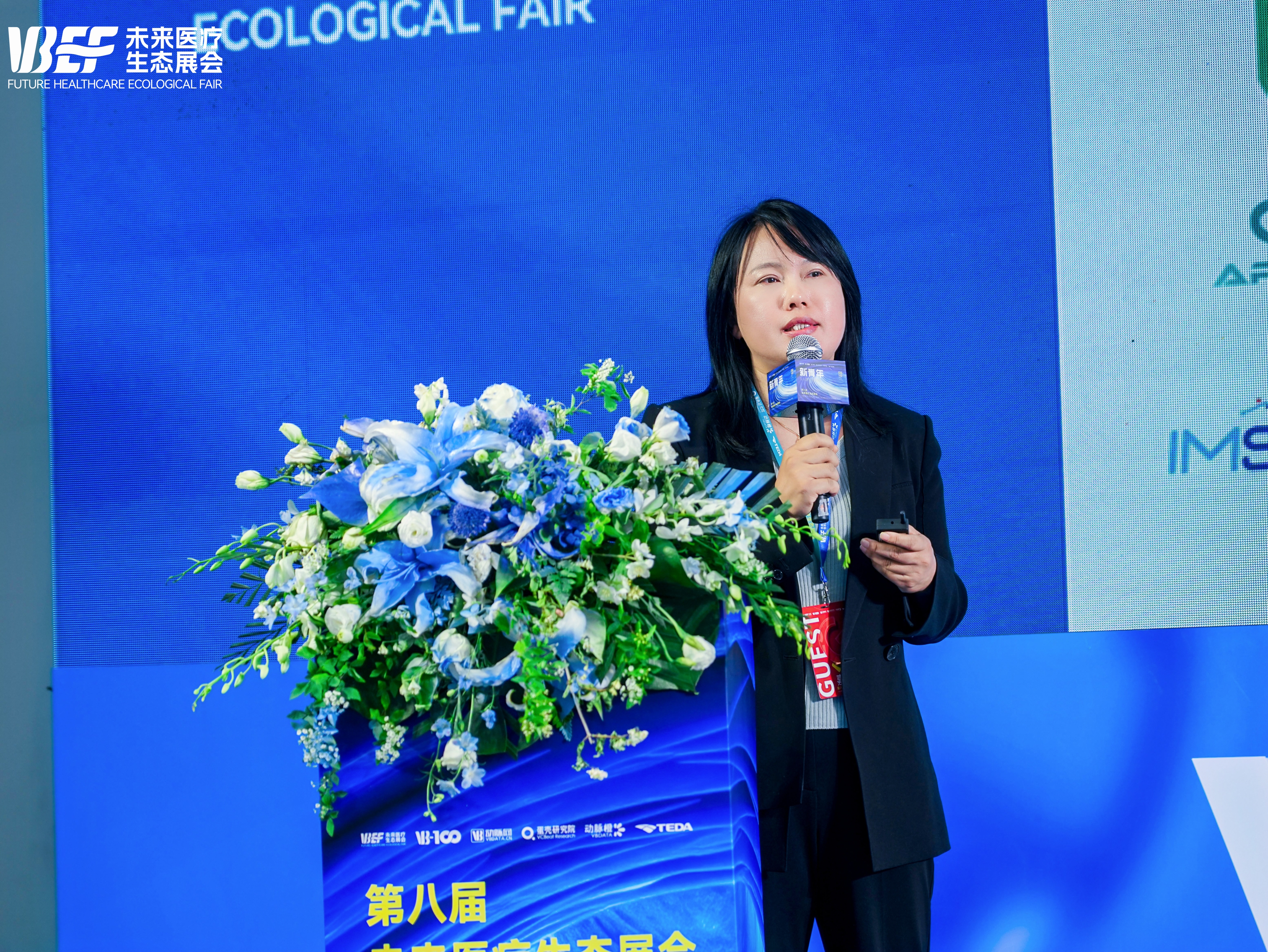 Dr. Sun Meixiu, Researcher at the Institute of Biomedical Engineering, Chinese Academy of Medical Sciences & Peking Union Medical College
“Exhaled breath metabolomics technology falls within the scope of metabolomics and can accurately reflect human pathological and physiological information.”
Qingyuan Kaiwu is an innovative company driven by core technologies in high-volume precision pipetting and precise microreaction control, dedicated to providing automation solutions for life sciences and developing innovative, high-end life science instrumentation. Ms. Li Yunfei, the company’s Product Manager, provided an in-depth elaboration on the extensive application scenarios of high-volume liquid handling technology in the life sciences field and shared strategies for its commercialization.
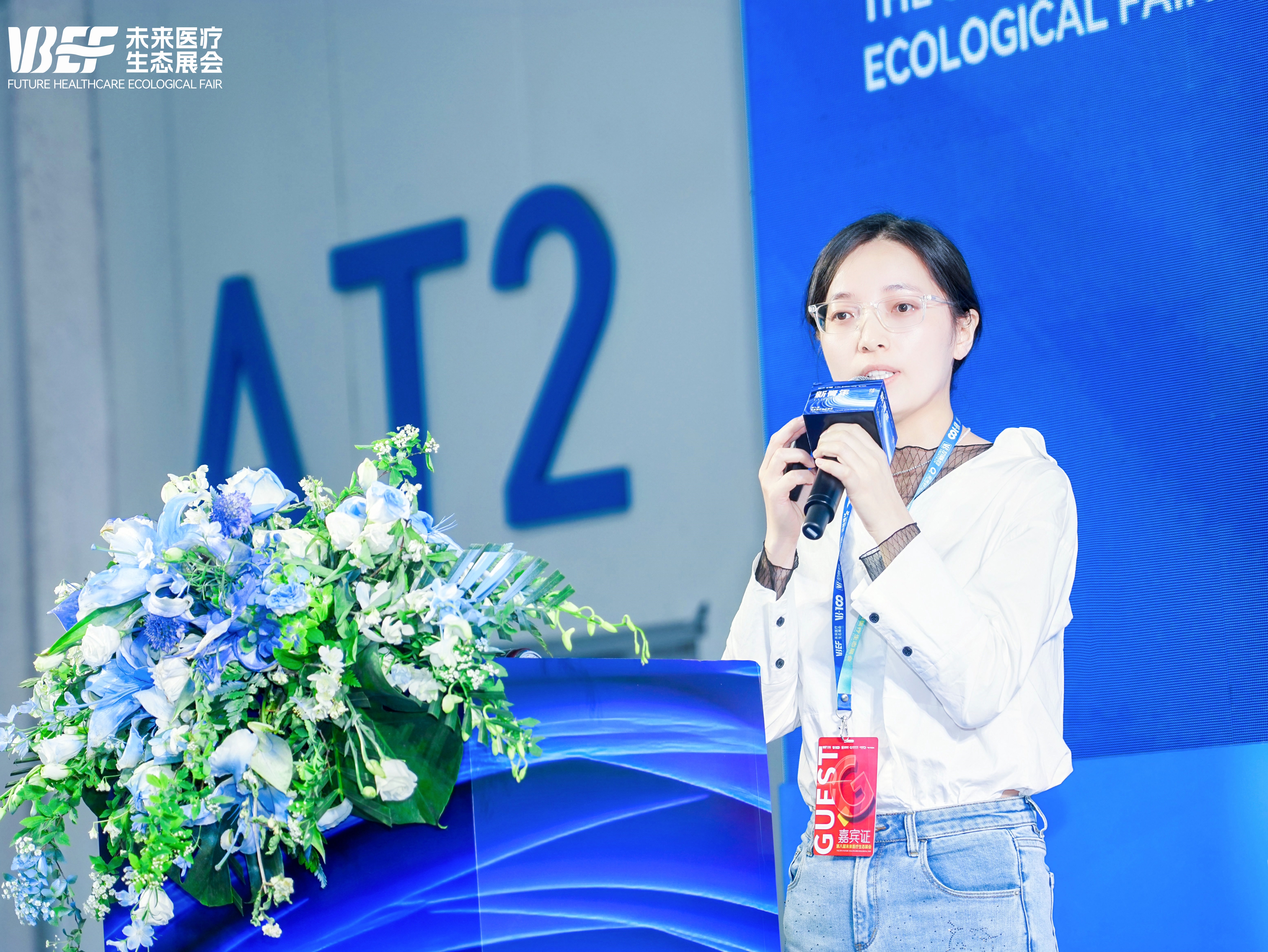
Li Yunfei, Product Manager at Qingyuan Kaiwu
“We have consistently upheld precise control over high-volume precision pipetting and microreactions as our foundational technology, dedicating ourselves to the research and development of life science automation and high-end life science tools.”
The head of Beijing Beiqi Biomedicine Co., Ltd. attended the press conference online, providing a detailed overview of the team’s R&D progress over the past two years in the field of chemical-induced pluripotent stem cell (CiPSC) technology. Leveraging this cutting-edge technology, Beijing Beiqi Biomedicine has established teams dedicated to early-stage research, process development, regulatory affairs, and initial clinical trials. By employing gene-edited CiPSCs to address donor source limitations and immune rejection issues associated with allogeneic cell transplantation, the company significantly reduces the cost of cell therapy. This approach aims to make universal cell therapies accessible to the general public, offering effective solutions for major diseases such as cancer, autoimmune disorders, and neurodegenerative conditions.
Xin Femto Medical is an innovative team co-founded by Dr. Sun Hui, a researcher under the Chinese Academy of Sciences’ “Hundred Talents Program” at the Institute of Optics and Electronics. The team is dedicated to developing world-class, full-type femtosecond laser surgical systems. This system is not only applicable to correcting human refractive errors (such as myopia and presbyopia) but also widely used in treating corneal diseases and injuries, including cataracts and glaucoma. Mr. Li Quanbin, Co-founder and CEO of the company, provided a detailed overview of the latest R&D progress on China’s only fully independent intellectual property platform for full-type femtosecond laser equipment, as well as the company’s future strategic layout.
He also revealed that the company has achieved positive results in phased R&D and overall strategic layout. These phased achievements not only cover key technologies of the equipment but also include multiple innovative applications.
Note:
Dr. Sun Hui studied under Professor Tibor Juhasz, the pioneer of femtosecond technology (postdoctoral mentor), and Professor Josef Bille (doctoral mentor);
The three companies founded by the two mentors were acquired by Johnson & Johnson, Bausch + Lomb, and Alcon, respectively.
Dr. Hui Sun is the only scientist/engineer in the world, besides Professor Tibor Juhasz and Professor Josef Bille, who independently masters the full-process femtosecond technology (R&D + industrialization).
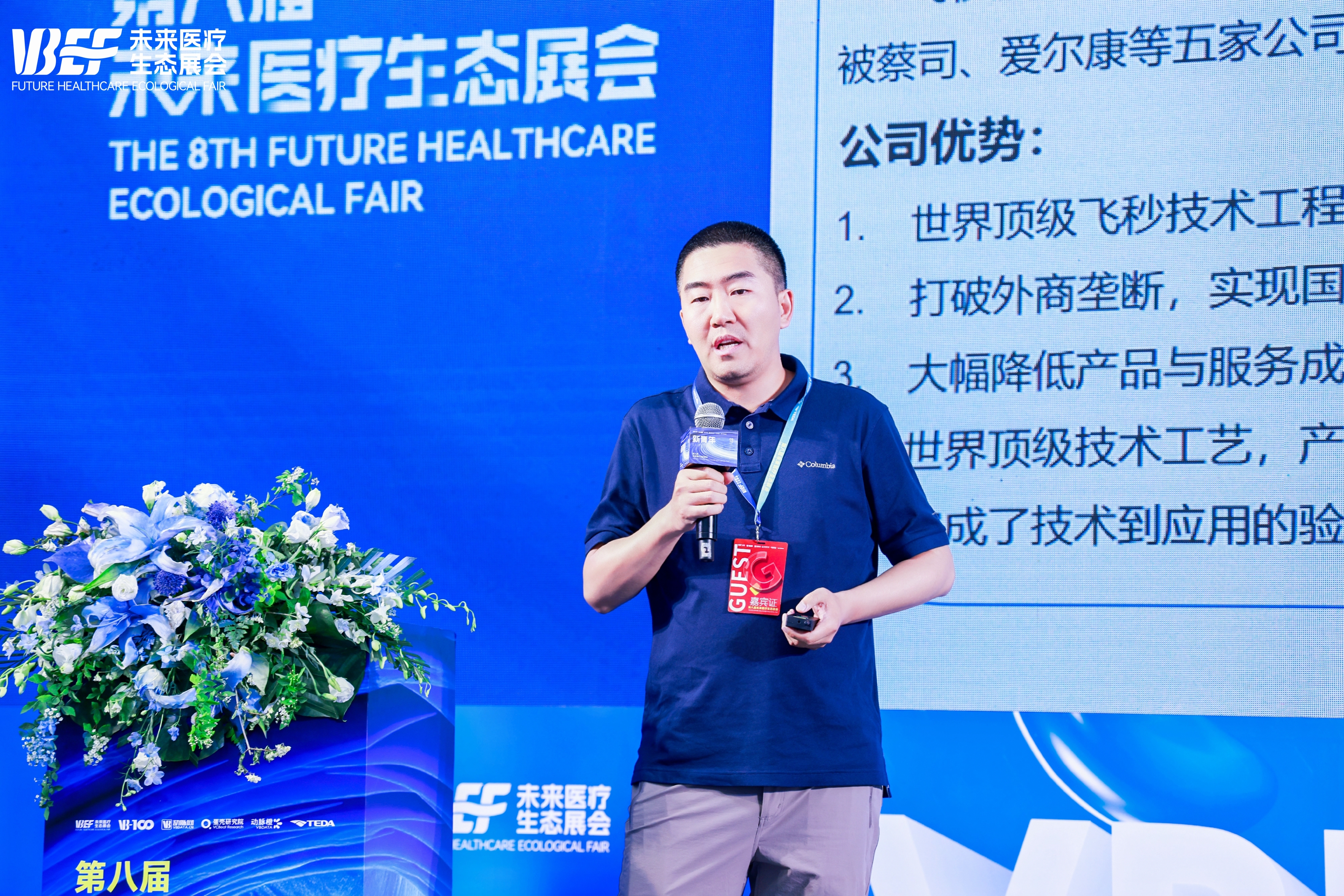 Li Quanbin, Co-founder and CEO of Xin Femto
“We hope our team will successfully develop products that break the monopoly held by foreign companies, and we also hope that our R&D efforts will reduce the cost of treating eye diseases in China.”
CellStore is an innovative enterprise dedicated to the research, development, and production of next-generation safe cryopreservation solutions for biological samples, striving to build an internationally leading platform for biobanking technologies. Ms. Sun Yuling, CEO of CellStore, reviewed the company’s key milestones since its inception and provided a comprehensive and compelling overview of its superior technical advantages, diverse application scenarios, and innovative solutions in the field of sample cryopreservation.
She emphasized that CellStore will continue to uphold the R&D philosophy of innovation, safety, and efficiency, providing more advanced and reliable integrated cryopreservation solutions for the global biospecimen preservation field, thereby facilitating continuous progress in life sciences research and healthcare.
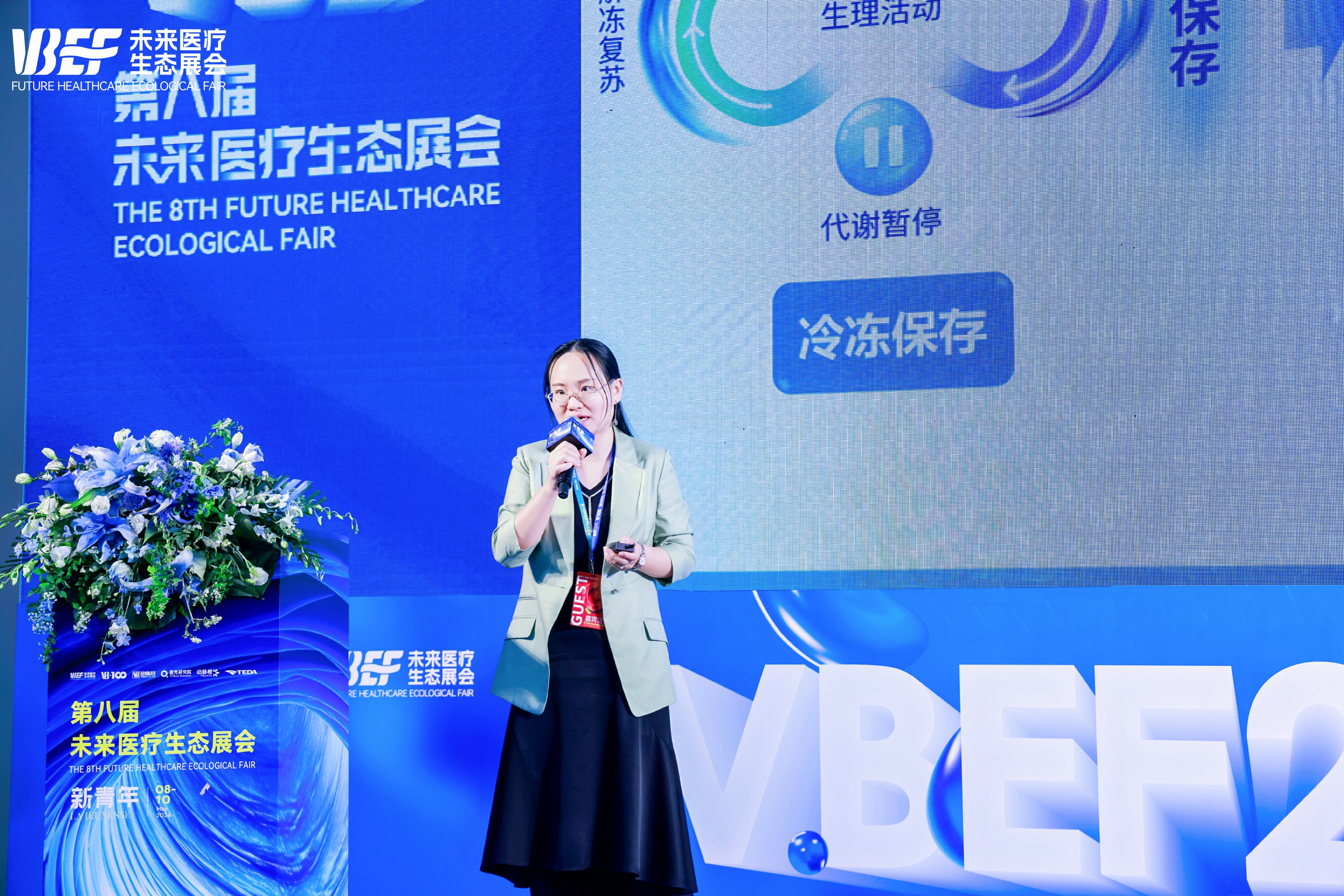
CellStore CEO Sun Yuling
“CellStore’s spirit is to dare to take on the toughest challenges. Our mission goes beyond merely replacing imports with domestic alternatives; we aim to break through international blockades and achieve breakthroughs from zero to one.”
Zhuokai Biologics is a clinical-stage biopharmaceutical company focused on the development of therapeutics for neurodegenerative diseases, co-founded by Professor Zhong Yi from the School of Pharmaceutical Sciences at Tsinghua University. The company has long been dedicated to developing drugs for Alzheimer’s disease, aiming to improve patients’ quality of life by targeting the mechanisms underlying memory loss. Dr. Weiwei Ma, CEO of Zhuokai Biologics, shared the development story of 50561, a small-molecule drug that inhibits Rac1—a key molecule involved in forgetting—and outlined subsequent clinical development plans. He also revealed that the Phase IIa clinical trial is expected to be fully unblinded next year.
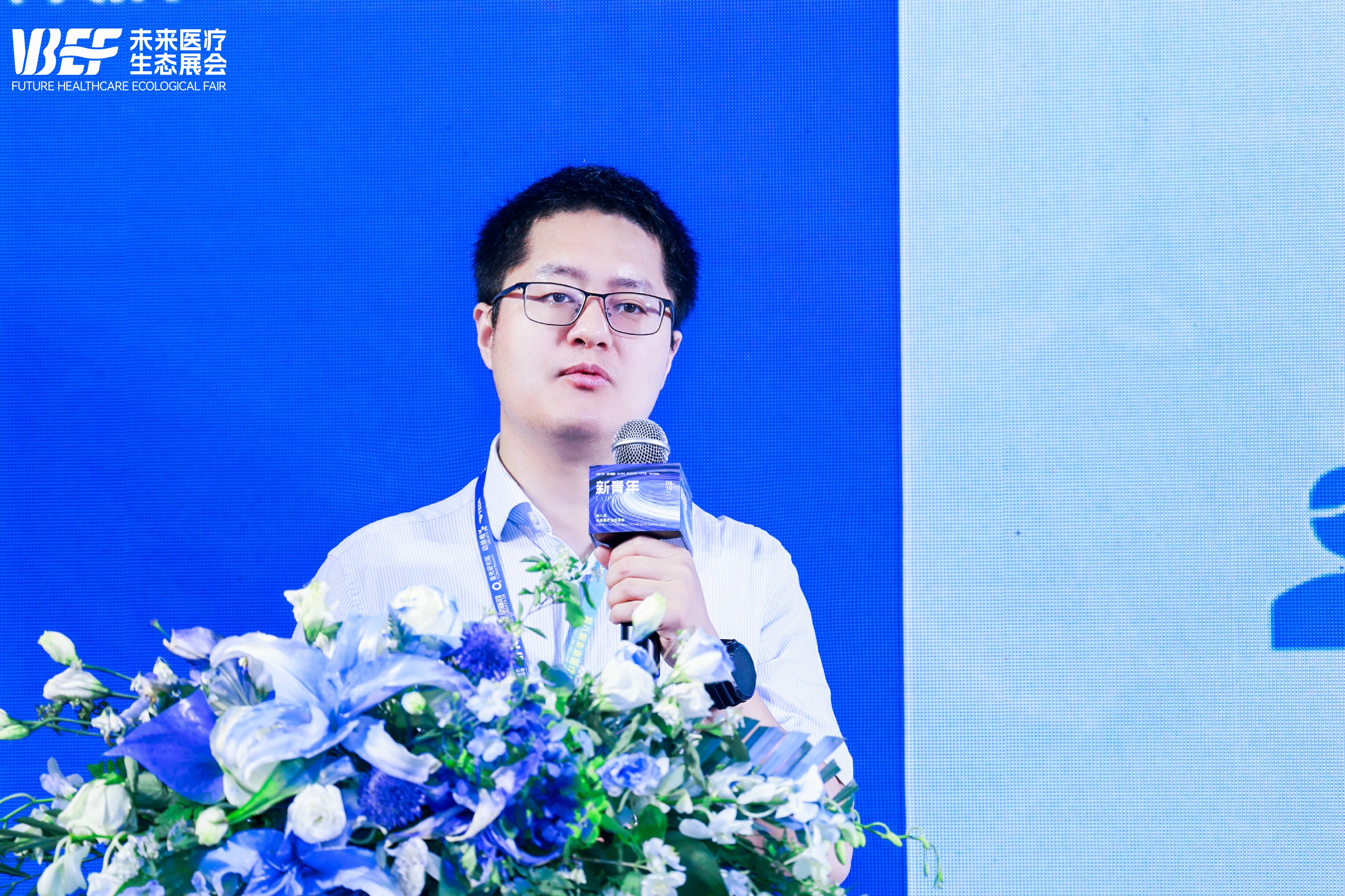 Dr. Ma Weiwei, CEO of Zhuokai Bio
“We aim to create not just a first-class product, but one with the potential to be a game-changer.”
Professor Zhang Huiwen, a Level-2 Researcher at the Institute of Applied Ecology, Chinese Academy of Sciences, introduced the bio-creation and industrialization technologies for immunomodulatory functional peptides (proteins) suitable for livestock and poultry feed.
Professor Zhang Huiwen is a senior expert in the fields of microbial resources and microecology, with over thirty years of experience in the development of microbial resources. By analyzing data from laboratory-based theoretical studies and on-site animal farming experiments focused on disease resistance, she has thoroughly demonstrated the advantages and safety of feed-grade immunomodulatory functional peptides (proteins) in promoting disease resistance and increasing yield in antibiotic-free livestock and poultry farming. She also provided an outlook on their industrialization and application potential.
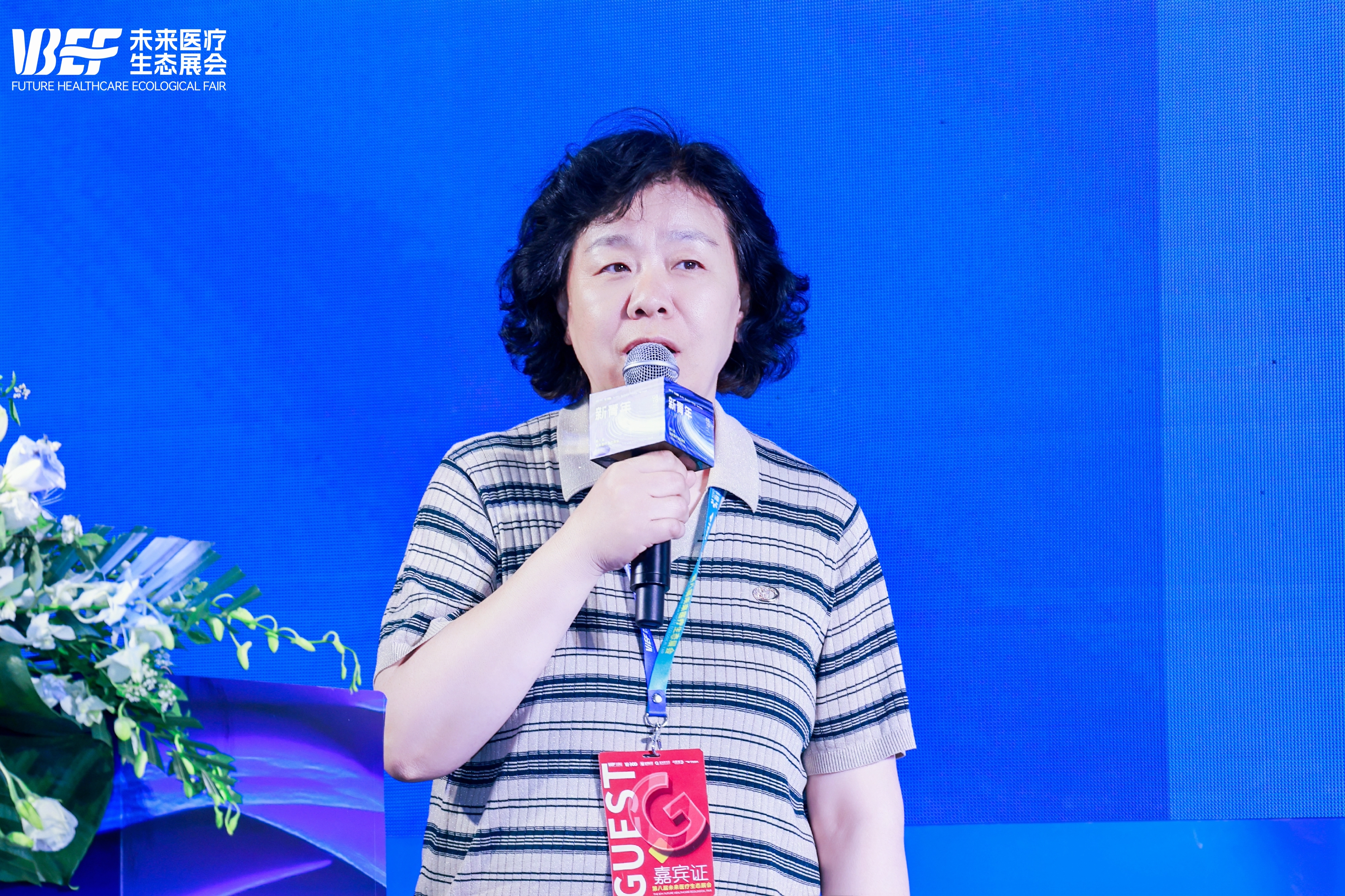 Professor Zhang Huiwen, Level-II Researcher at the Institute of Applied Ecology, Chinese Academy of Sciences, and Principal Investigator (PI) of the Research Team on Microbial Resources and Ecology
“The pharmaceutical industry is a massive sector with an extensive range of output value, and we must not overlook the role of livestock and poultry farming in the national economy.”
Professor Chen Ming of Xiamen University has long been dedicated to research in biomedical materials, nanocarrier drug delivery systems, and transdermal drug delivery systems. He is currently focused on transdermal drug delivery, as well as the research, development, and industrialization of marine biomaterials and marine biopharmaceutical products. At the press conference, he introduced a transdermal drug delivery system based on dispersible microneedles and related technologies. This system utilizes sponge spicules from bees as dispersible microneedles to enable the transdermal delivery of compound molecules. The team has completed clinical trials for some of its products and expects to launch its first medical device product next year.
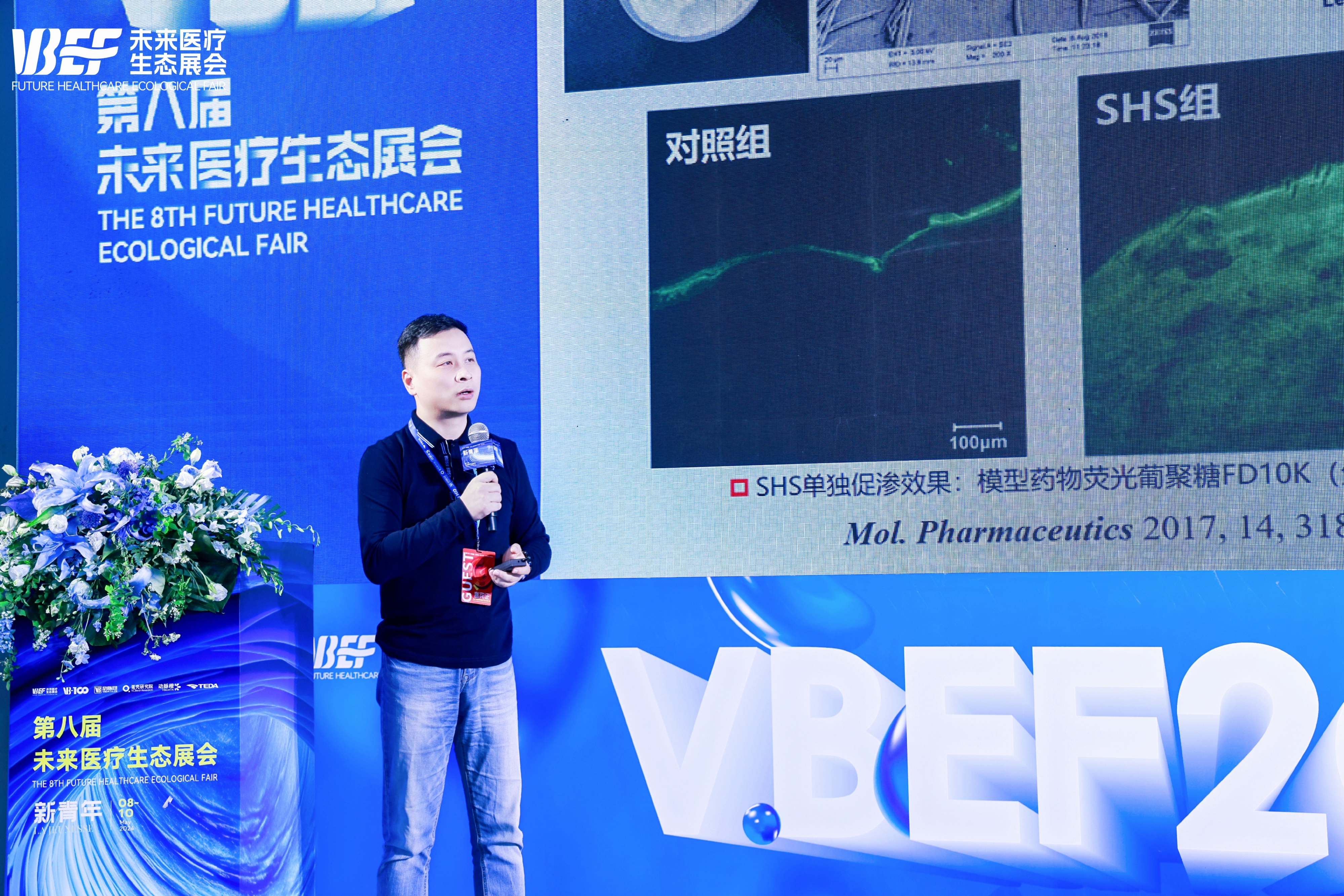 Professor Chen Ming, Xiamen University
“Since the concept of microneedle technology was proposed in 1921, more than a century has passed. Each new generation has driven its application across various fields. As a novel type of dispersible microneedle, freshwater sponge spicules can be applied in all the aforementioned areas.”
Dr. Qi Ye, founder of Microevolution Medical, introduced a tumor gene therapy technology based on cross-species genetic engineering. The team pioneered a plant immune protein-mediated gene therapy platform globally, with founding members hailing from top Chinese institutions such as Tsinghua University, Peking University, and the Chinese Academy of Sciences. The company has currently advanced its platform to the CMC process development stage.
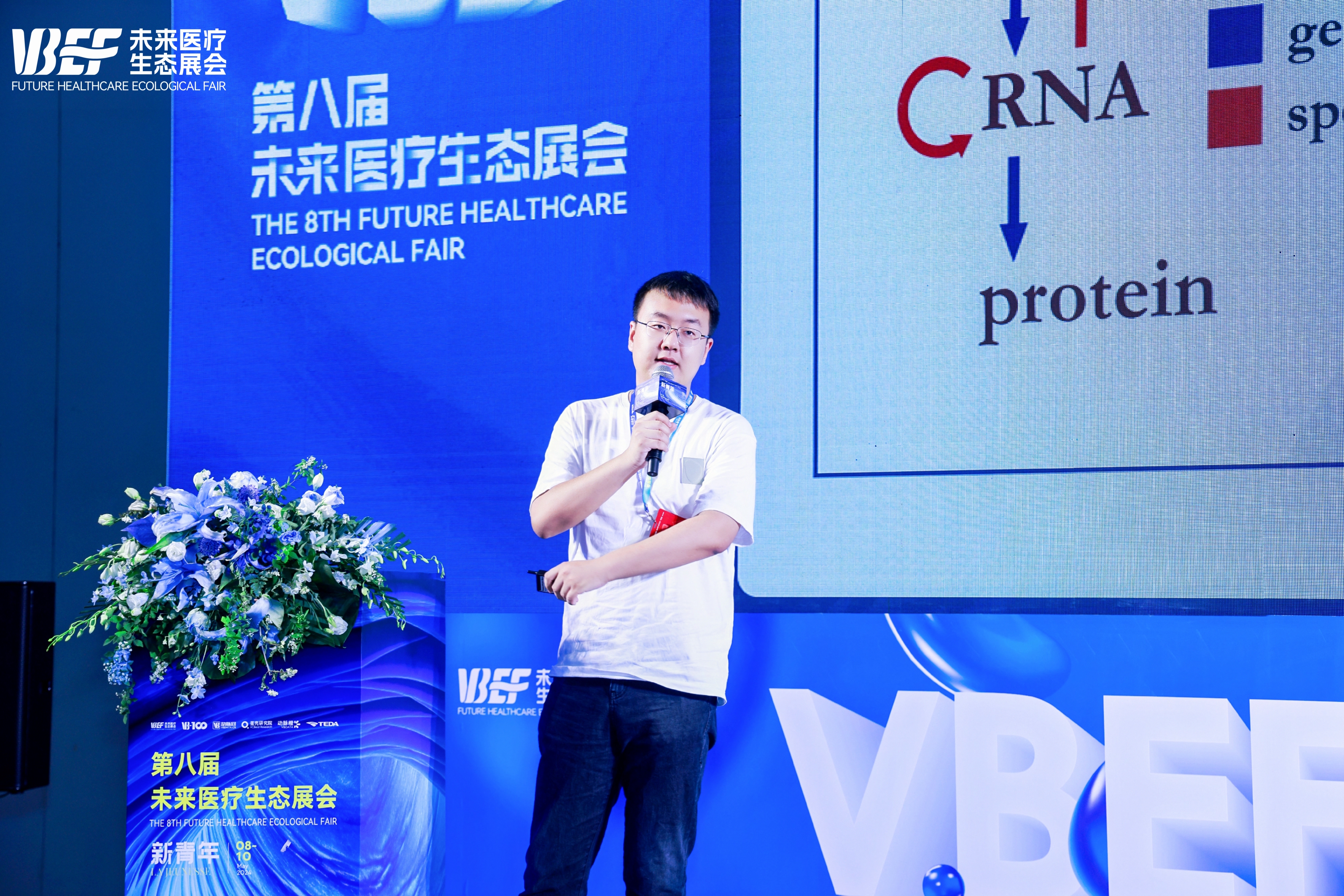 Dr. Qi Ye, Founder of Microevolution Medical
“Tumor cells must have overcome various cytotoxic mechanisms and immune surveillance within the human body. In many cases, endogenous regulatory mechanisms are insufficient to restore equilibrium, necessitating the introduction of agents from other species to disrupt this balance.”
Professor Li Qiling, Chief Physician in the Department of Obstetrics and Gynecology at The First Affiliated Hospital of Xi’an Jiaotong University, introduced an AI-assisted screening technology for endometrial cancer. Addressing two major pain points—the difficulty of cytological screening and diagnosis of endometrial lesions and the shortage of pathologists—Professor Li and her team developed an AI-assisted diagnostic system for endometrial cancer screening. This system achieves a pathological slide recognition accuracy of up to 95%. It has obtained a Class II Medical Device Certificate and received more than 10 national awards.
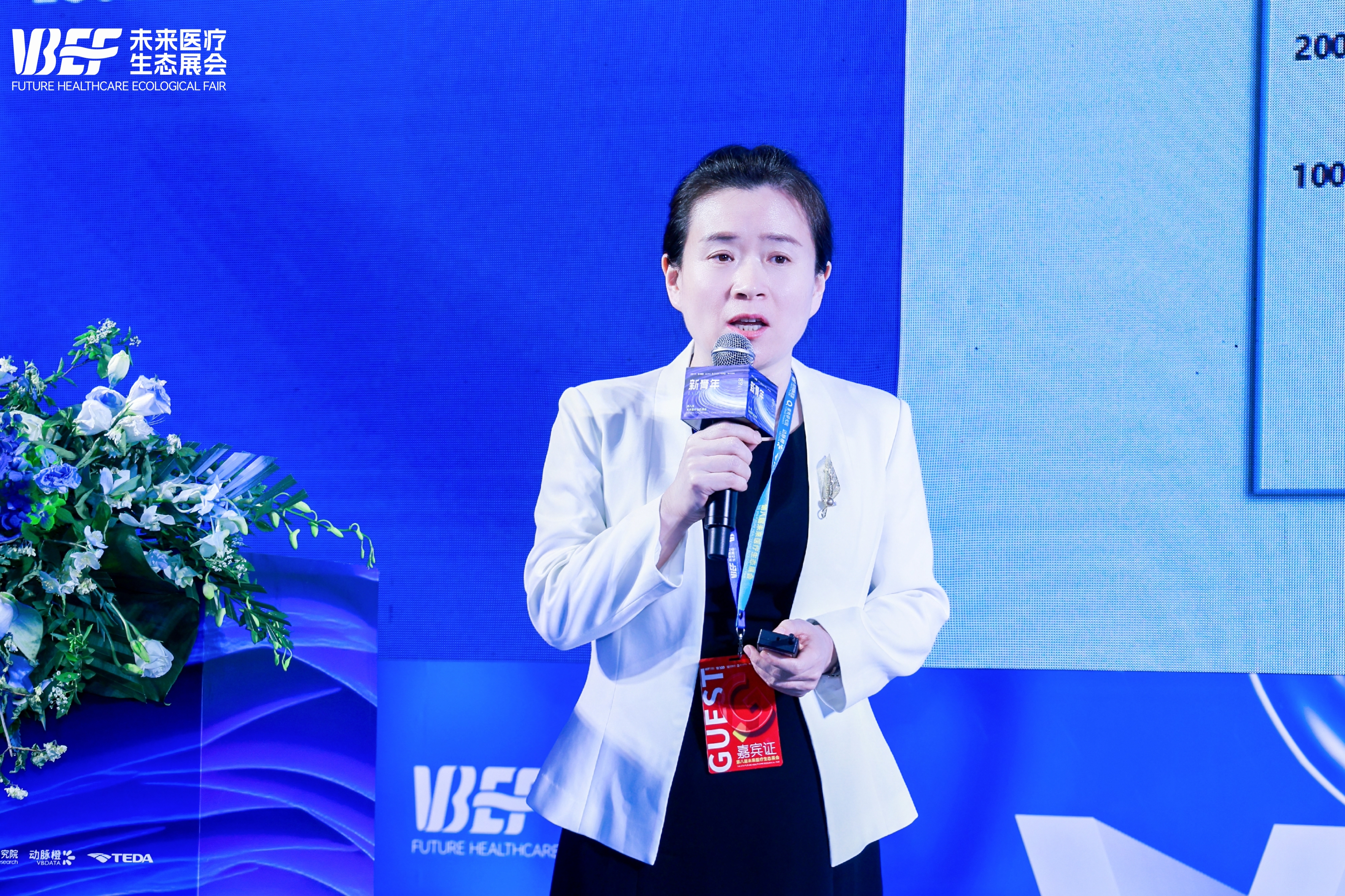 Professor Li Qiling, Chief Physician, Department of Obstetrics and Gynecology, The First Affiliated Hospital of Xi'an Jiaotong University
“Cervical cancer screening has become highly mature worldwide, but endometrial cancer screening remains inadequate, with incidence rates continuing to rise.”
BOYA MATERIALS, initiated by Professor Zheng Yufeng of Peking University, has assembled a high-caliber team of scientists (including physicians) and an experienced operational team. The company aims to continuously promote the precise clinical adaptation of biomaterials and their diagnostic and therapeutic products by enhancing the efficiency of solution design, modeling, engineering, product development, industrialization, and commercialization, ultimately leveraging biomaterials to restore human health. Ye Yu first reviewed the significant achievements BOYA MATERIALS has made since its inception, elaborated on the industrialization process of the company’s products, and provided a detailed introduction to its core technologies.
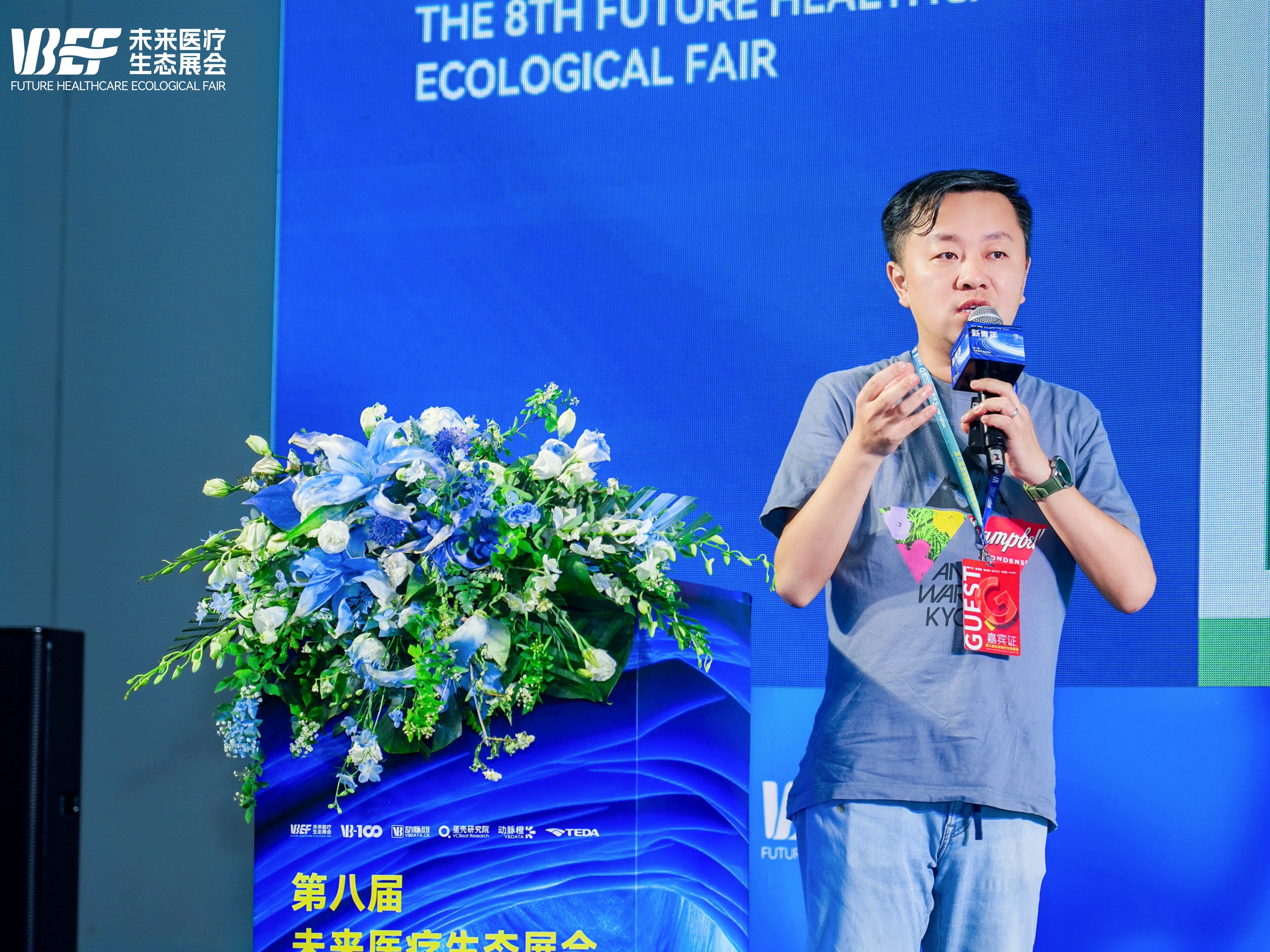 Ye Yu, Founder of BOYA MATERIALS
"The field of biomaterials faces its own set of challenges. Currently, in China, the biomaterials industry is characterized by leading-edge research but a lagging industrial sector."
Bridging Research and Industry: This press conference focused on the exceptional innovative achievements of Chinese research institutions in the medical field and fostered in-depth dialogue with the industry. It aimed to highlight the core strength of these institutions in pioneering medical innovations and established an efficient, professional platform for professors and experts from research institutes to engage with industry stakeholders. The event attracted significant attention from investment firms, innovative enterprises, CDMOs, and other industry peers, showcasing the boundless potential of original innovation within China’s healthcare sector.