

Riding the Tide of Innovation: Peptide Therapeutics and Industrial Chain Development Forum Concludes Successfully
Peptide drugs, with their advantages of well-defined targets and favorable druggability, have become a major focus in new drug research. In 2023, the blockbuster drug semaglutide achieved sales exceeding $20 billion, igniting the entire GLP-1 drug market. With iterative advancements in peptide structural modification and chemical engineering, coupled with the development of new targets, expansion into new indications, and optimization of dosage forms, the market potential for peptide drugs is poised for further expansion: it is projected that by 2025, the market size of peptide drugs in China will surpass RMB 100 billion. Driven by the continuous surge in sales of heavyweight GLP-1 class drugs, the global peptide drug industry chain has entered an upswing cycle, fueling robust growth among numerous CMDOs, as well as raw material and consumables suppliers.
On the afternoon of May 8, at the Peptide Drugs and Industrial Chain Innovation Development Forum held during the 2024 Future Healthcare Ecosystem Expo, Jing Rong, Managing Director at BlueRun Ventures; Xinhui Hu, Chief Technology Officer and Chief Business Officer at Asymchem Laboratories; Yuxin Ma, Chairman and General Manager of Nankai Hecheng; Wei Wan, Assistant to the Chairman and Vice General Manager of Taihe Weiye; Wei Chen, Director and Vice General Manager of Gan & Lee Pharmaceuticals; Xujia Zhang, Founder and Chairman of Zetapep Biotech; Zhixi Jiang, Founder of Zhuanyan Biotechnology; Chen Chen, Chief Business Officer at MicuRx Pharmaceuticals; Jun Shao, Chief Technology Officer at Targine Medicine; Yinsong Wu, Founder and Chairman of Xiushi Biology; Xiangsheng Ye, Chief Scientific Officer at Perpetual Peptide Pharma; and Li Zhou, Director and General Manager of Kesheng Jingtai, jointly delivered insightful presentations and engaged in discussions on the development trends, industrial ecosystem, innovative products, and collaborative growth of the peptide drug industry.Xiang Shi, Marketing Director at BlueRun VenturesServed as the moderator for forum guests.
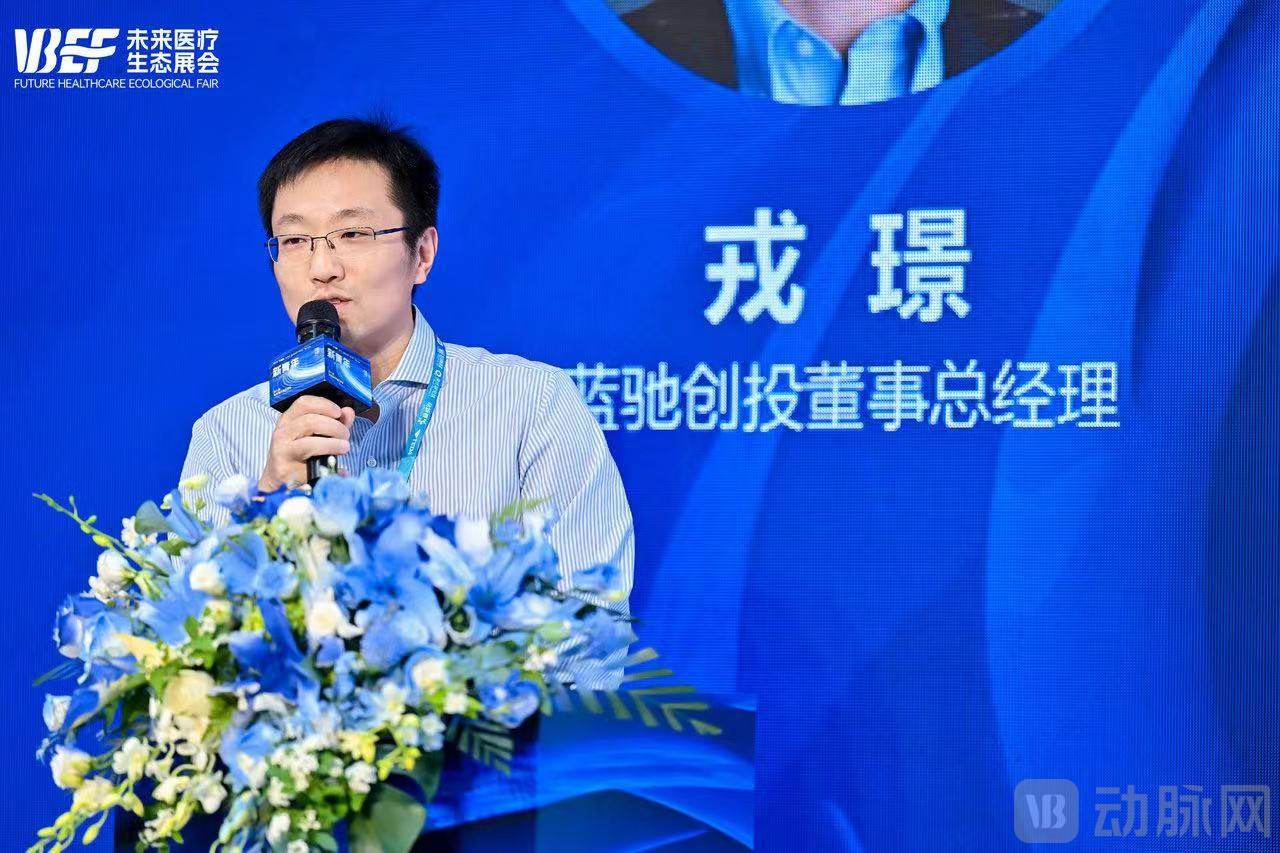
BlueRun Ventures Managing Director Rong Jing Delivers Keynote on “Investment Opportunities in the Peptide Industry”
Rong Jing, Managing Director at BlueRun VenturesMentioned, multipleThe peptide industry has experienced rapid growth in recent years, with GLP-1 drugs demonstrating outstanding performance in the fields of diabetes and weight management. However, significant challenges remain in discovering new targets beyond GLP-1 and in developing the key technologies required to drive the next generation of peptide-based products. From an investment perspective, he noted that investment firms will focus primarily on supporting infrastructure across the peptide supply chain, synthetic biology, and differentiation strategies. He introduced that,BlueRun VenturesWe are optimistic about the technological breakthroughs and market potential in the peptide industry, and look forward to achieving new advances in innovative drug development, formulation technologies, and peptide structural design.
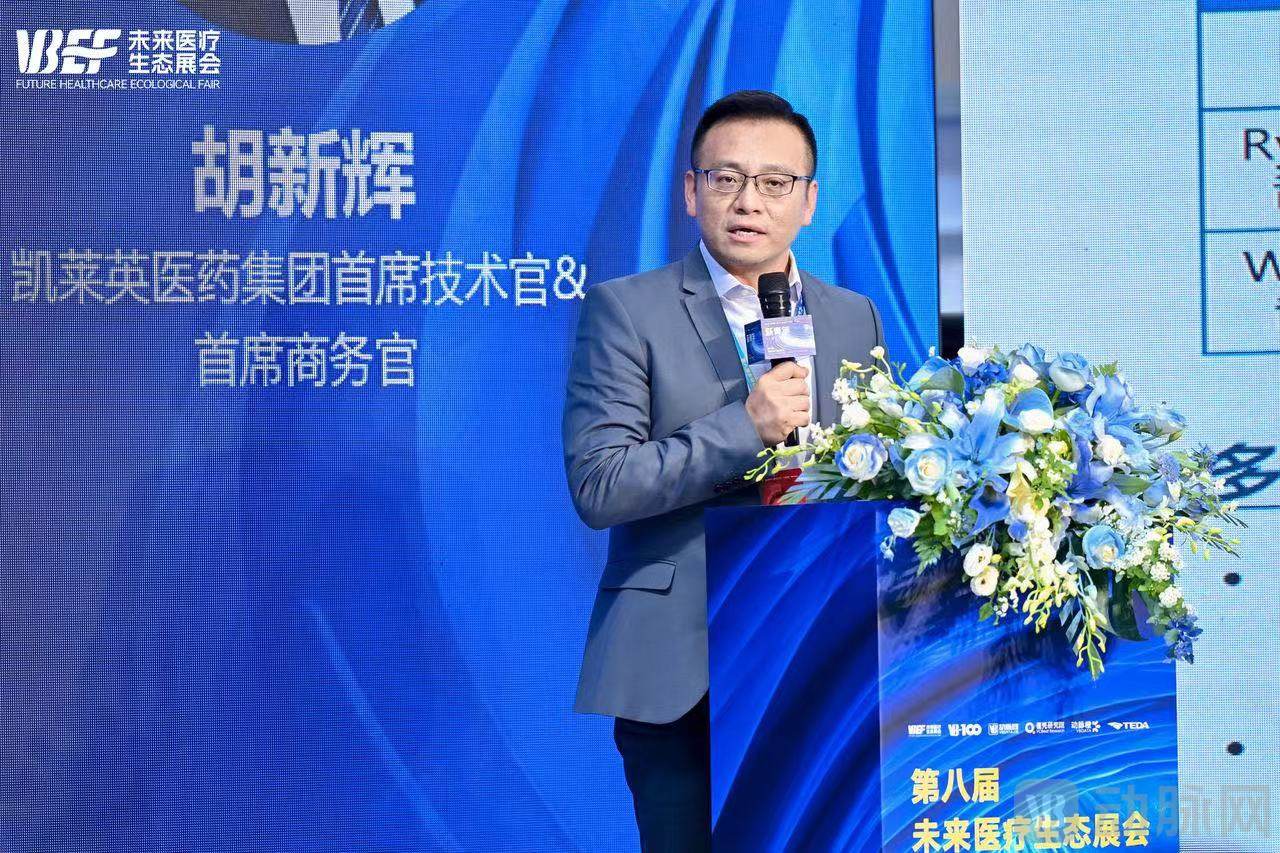
Hu Xinhui, Chief Technology Officer & Chief Business Officer of Asymchem, Delivers a Keynote Presentation on “CDMO Innovation Fuels the Booming Development of Peptide Therapeutics”
Hu Xinhui, Chief Technology Officer and Chief Business Officer of Asymchem Laboratories (Tianjin) Co., Ltd.This article outlines the role of CDMOs, particularly in Chemistry, Manufacturing, and Controls (CMC), during the research and development of innovative peptide drugs. Peptide therapeutics are characterized by high potency, low dosage requirements, and low toxicity; however, they present challenges due to complex synthesis processes and stringent quality control demands. Consequently, in the CMC development of peptide drugs, quality control, cost management, and production capacity constraints create significant barriers to both R&D and large-scale manufacturing. Asymchem’s new peptide synthesis technology platform helps overcome these hurdles by increasing production capacity, ensuring product quality, and reducing costs, thereby supporting innovative pharmaceutical companies in advancing their peptide drug pipelines. “Improving peptide synthesis processes through the adoption of new technologies—including convergent fragment coupling, continuous liquid-phase peptide synthesis (LPPS), biosynthesis, and replacing traditional lyophilization with precipitation/crystallization techniques—will undoubtedly define the future trajectory of peptide drug manufacturing,” said Hu Xinhui.
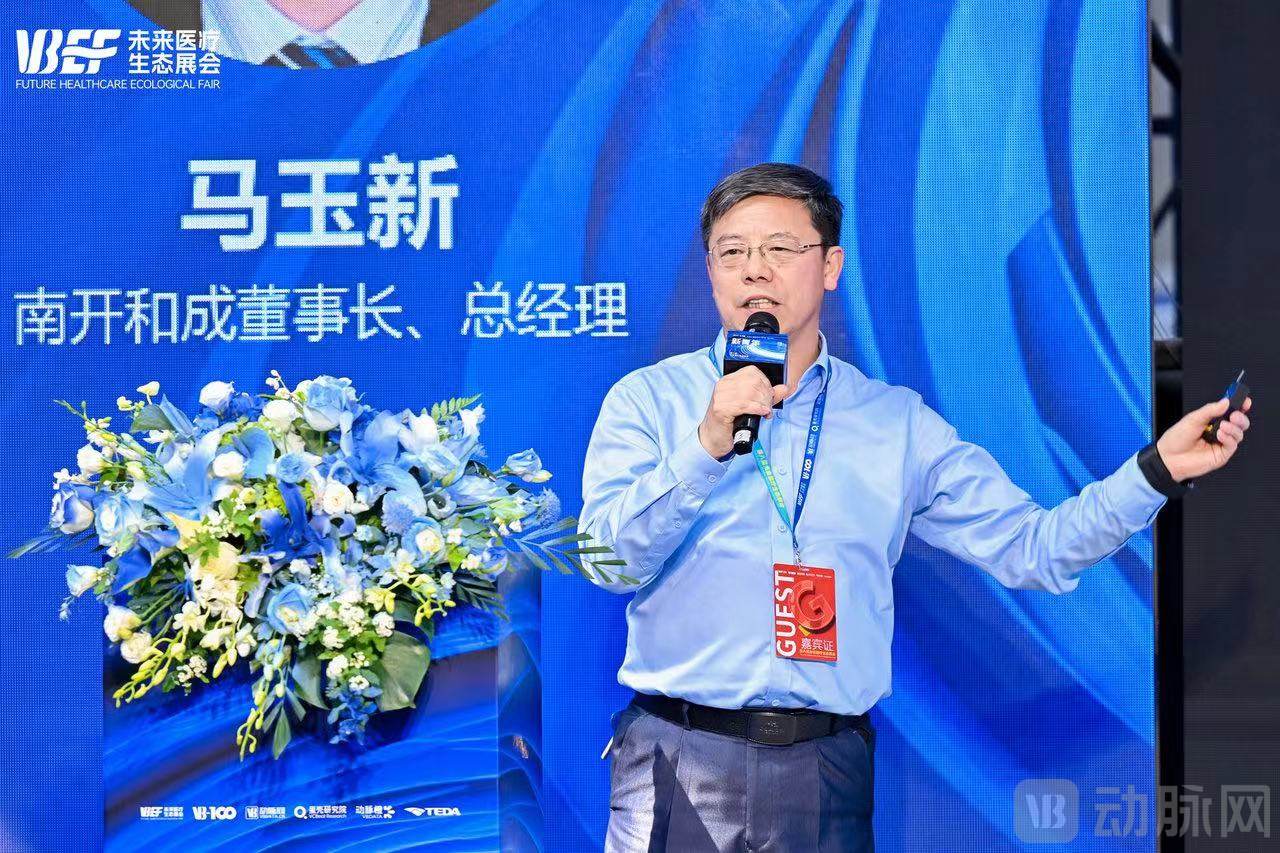
Ma Yuxin, Chairman and General Manager of Nankai Hecheng, shared “Current Status and Trends of Solid-Phase Synthesis Carrier Resins” at the forum.
Ma Yuxin, Chairman and General Manager of Nankai HechengThe thematic presentation provided an overview of solid-phase peptide synthesis (SPPS) technology, covering its principles, historical development, evolution of supports, and applications in green chemistry. Starting with Merrifield resin and the development of peptide resins in China, he outlined the resin production process, the characteristics of polystyrene (PS) resins, and common Fmoc protection strategies. He emphasized the need for ideal supports and the importance of green peptide synthesis, proposing the application of green chemistry in peptide synthesis, including the development of green solvents, coupling reagents, protecting groups, and supports.
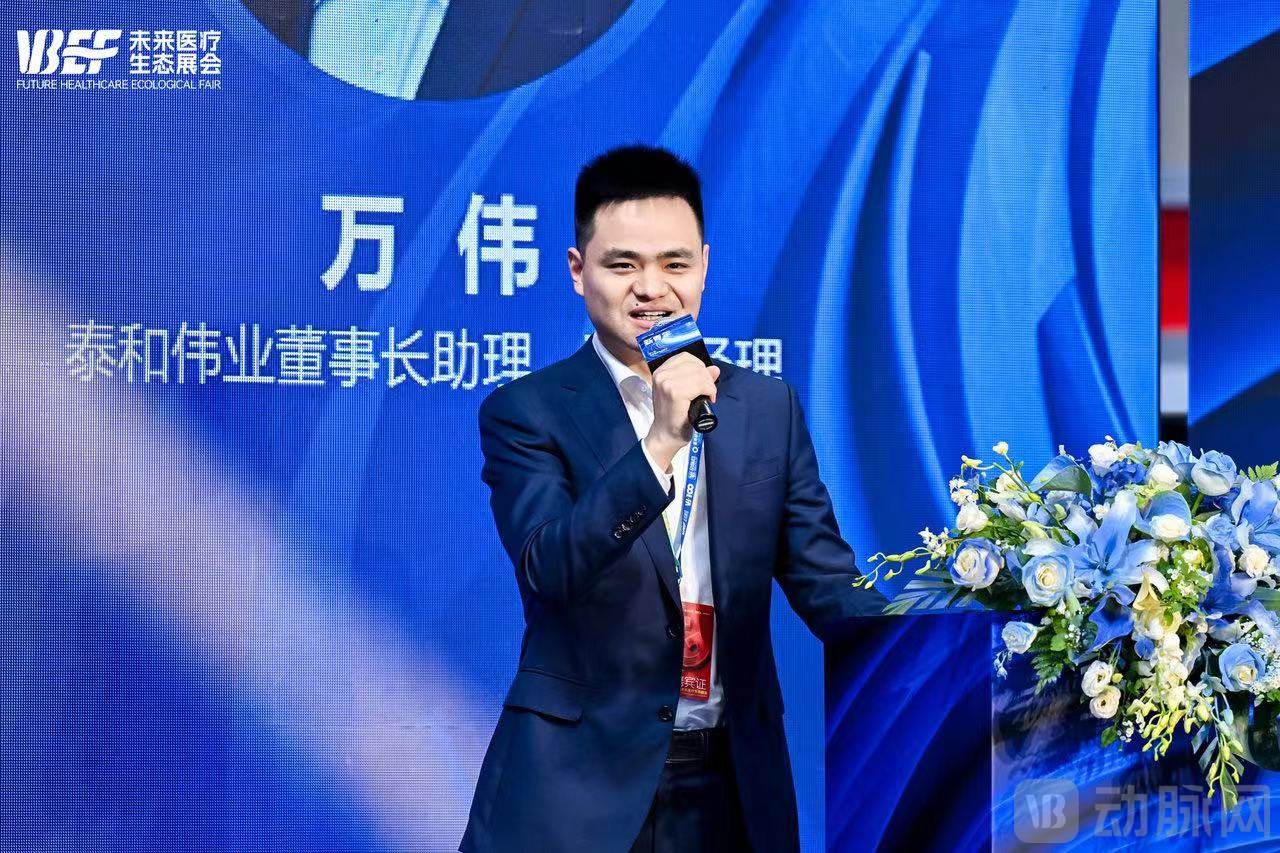
Wan Wei, Assistant to the Chairman and Deputy General Manager of Taihe Weiye, Shared “Protected Amino Acids Facilitating the R&D and Commercialization of Peptide Drugs”
Wan Wei, Assistant to the Chairman and Deputy General Manager of Taihe WeiyeUsing semaglutide and tirzepatide as examples, this article analyzes the demand for protected amino acids and side chains in the upstream peptide supply chain. It points out that the industry is grappling with a surge in demand; while new drugs such as GLP-1 receptor agonists are rapidly scaling up in volume, upstream supply preparations remain inadequate. Meanwhile, the R&D of oral peptides faces challenges due to immature production processes for raw materials such as non-natural amino acids. With urgent future demand for peptide drugs, upstream protected amino acids and related raw materials are critical. Taihe Weiye focuses on the R&D of protected amino acids and related raw materials, supporting the research, development, and commercialization of peptide drugs through facility construction, capacity expansion, R&D innovation, and standard-setting.
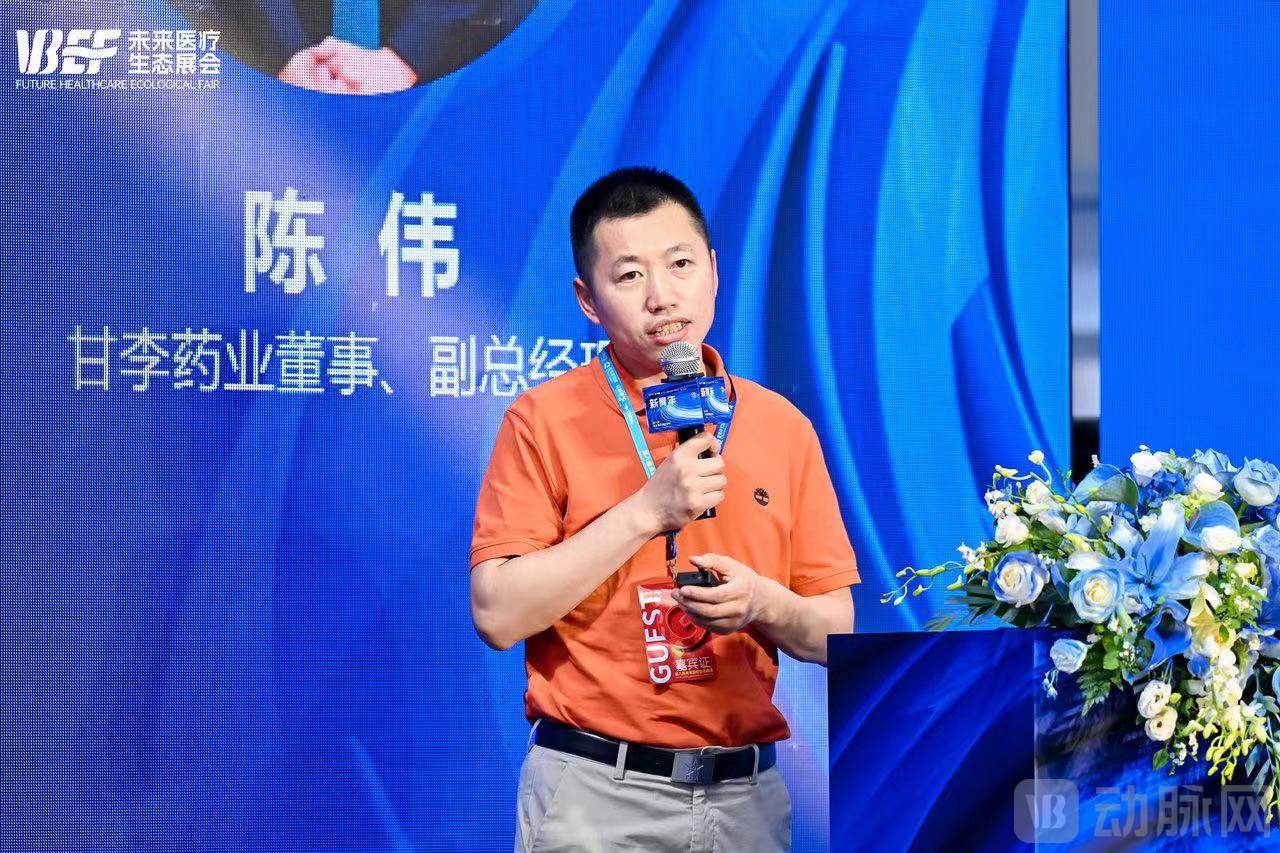
Chen Wei, Director and Deputy General Manager of Gan & Lee Pharmaceuticals, delivered a keynote presentation titled “Exploring the Path to Differentiation for GLP-1 Agonists”
Chen Wei, Director and Deputy General Manager of Gan & Lee PharmaceuticalsThe presentation began by highlighting the remarkable efficacy of GLP-1 receptor agonists in the treatment of diabetes and obesity, with particularly significant weight-loss effects. As a peptide hormone, GLP-1 promotes insulin secretion and reduces energy intake by activating specific signaling pathways. Currently, peptide drug development is pursuing a dual strategy of multi-target combinations and single-target innovation. In the future, long-acting modifications are expected to enhance patient adherence while delivering improved efficacy and safety. Finally, he briefly introduced the unique advantages of Gan & Lee Pharmaceuticals’ GLP-1RA candidate, GZR18, emphasizing its structural safety, environmentally friendly manufacturing process, long-acting delivery profile, gentle onset of action, and multiple dosing options.
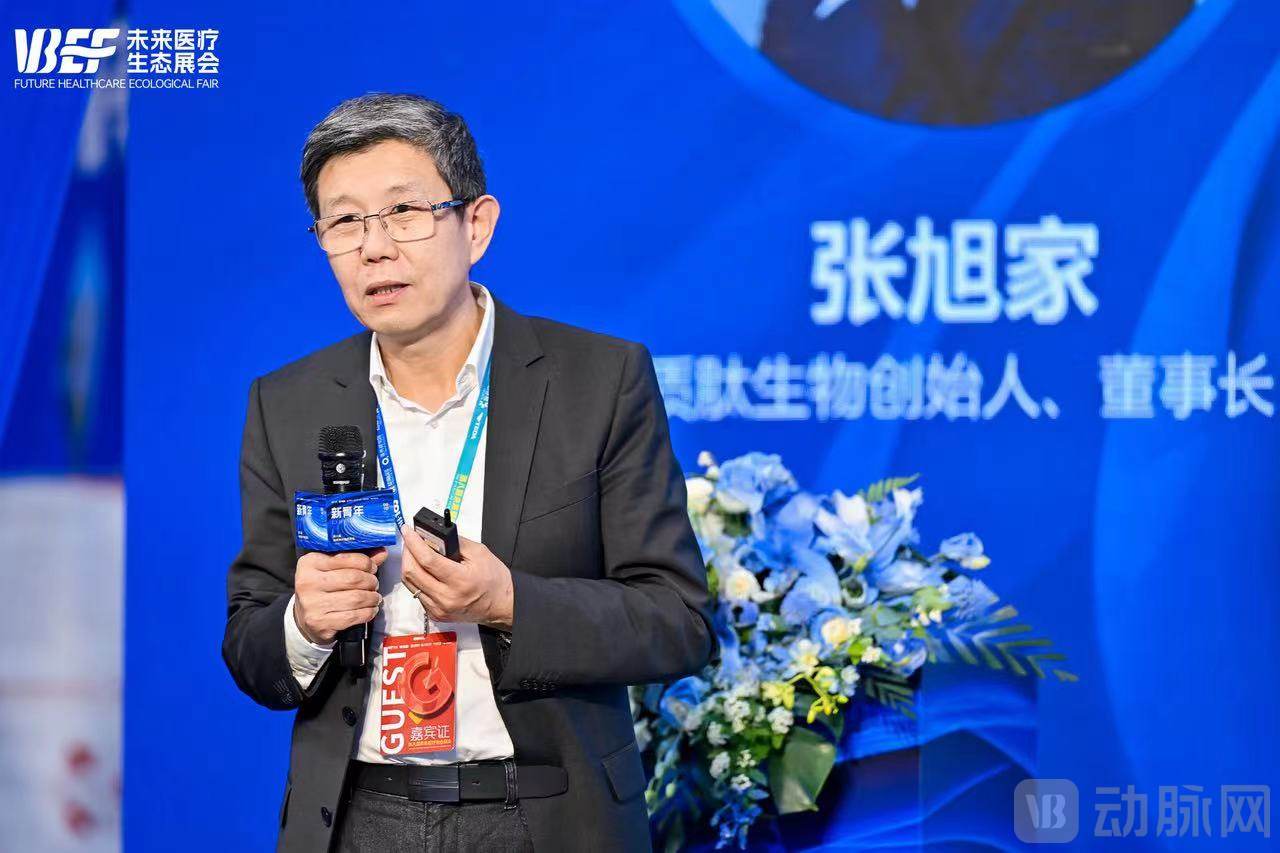 Zhang Xuja, Founder and Chairman of Zhitai Biologics, Delivers Keynote Address: “Breaking Through Involution: Building Globally Competitive, Differentiated GLP-1 Products”
Zhang Xujia, Founder and Chairman of Zhitai BiologicsIt is noted that the global number of individuals with obesity exceeds one billion, with China facing a particularly severe situation, especially concerning childhood obesity. Currently, GLP-1 receptor agonists, such as semaglutide, are the preferred treatment for obesity due to their significant clinical benefits and weight-loss efficacy. However, obesity management requires long-term pharmacological intervention and faces challenges related to cost, supply, and patient adherence. With intense global competition in GLP-1 product development, differentiation and clear dosing intervals and administration routes will be key to future success. The GLP-1 drug developed by ZhiTai Bio employs strategies such as fatty acid chain truncation combined with albumin binding to extend half-life, which is expected to reduce dosing frequency while maintaining weight-loss effects.
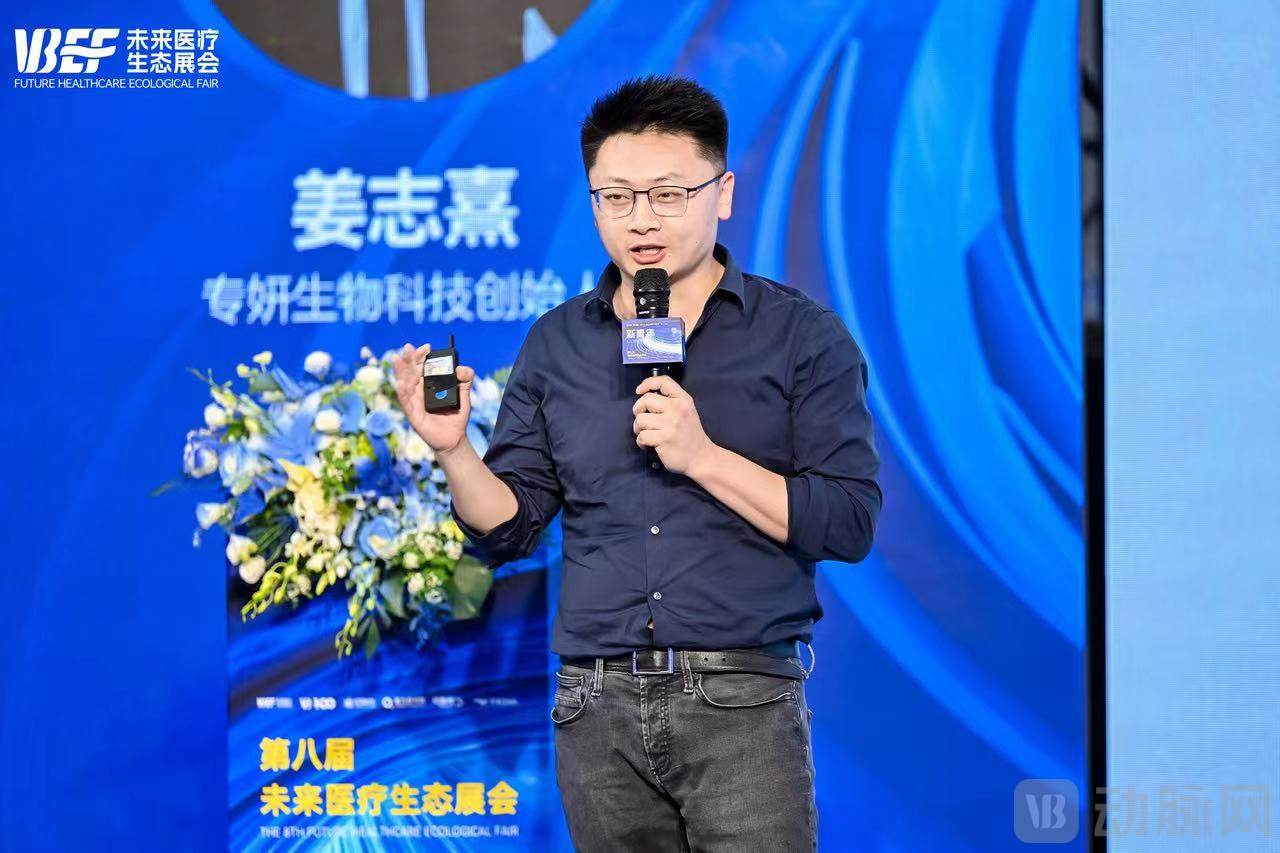 Jiang Zhixi, Founder of Zhuanyan Biotechnology, Shares Insights on “Cross-Disciplinary Innovation Between Pharmaceutical Peptide Technology and Beauty Skincare” at the Forum
“From a business perspective, biopharmaceuticals with consumer attributes are the crown jewel of this industry.”Jiang Zhixi, Founder of Zhuanyan BiotechnologyIt is believed that the integration of the beauty industry with biotechnology is progressing rapidly, although it often faces skepticism as being a “gimmick” or “snake oil.” The sector has evolved from using ineffective ingredients such as plain water or hormones to incorporating biologics like peptides and hyaluronic acid. Empowered by advances in biopharmaceutical technology, the beauty industry is continuously iterating and upgrading. From a consumer perspective, many biopharmaceutical products, such as GLP-1 agonists, exhibit consumer-oriented attributes. Despite their substantial market potential, improving customer retention remains a key challenge to address.
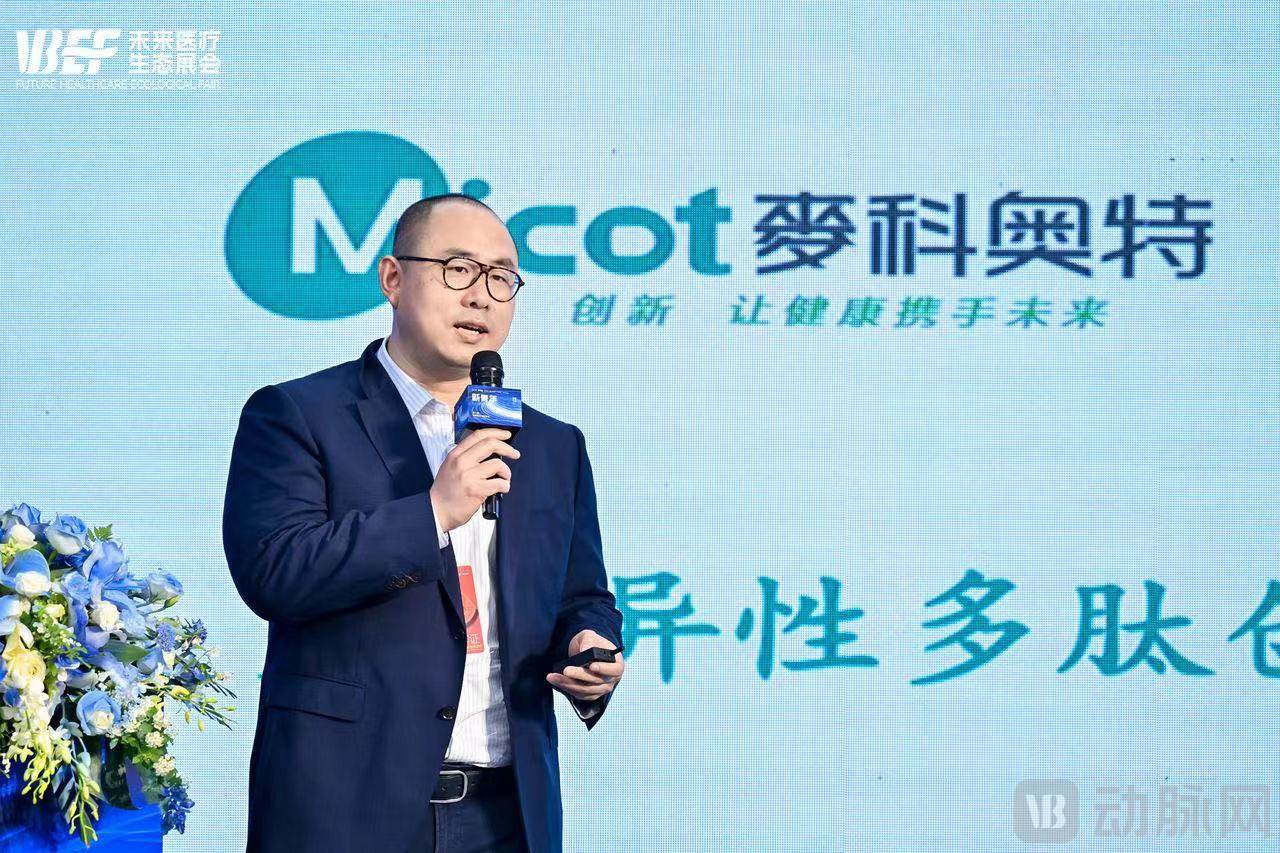
Mikou Tech CBO Chen Chen Delivers Keynote on “New Advances in the Development of Innovative Multi-Specific Peptide Drugs”
Chen Chen, CBO of MedtronicIt is believed that peptide drugs possess unique advantages and demonstrate significant potential in the treatment of chronic diseases, metabolic disorders, and obesity. In recent years, the peptide drug market has experienced rapid growth; however, China’s innovative peptide drug market remains relatively underdeveloped, dominated by imported medications with a small share of original domestic drugs. Faced with this vast blue-ocean market, China should seize the opportunity to intensify research and development efforts in innovative peptide therapeutics. Micuautotech specializes in the R&D of multispecific peptides, leveraging its proprietary drug screening and druggability platforms, along with computer- and AI-assisted technologies, to efficiently screen candidate compounds and provide innovative solutions for the development of novel peptide drugs.
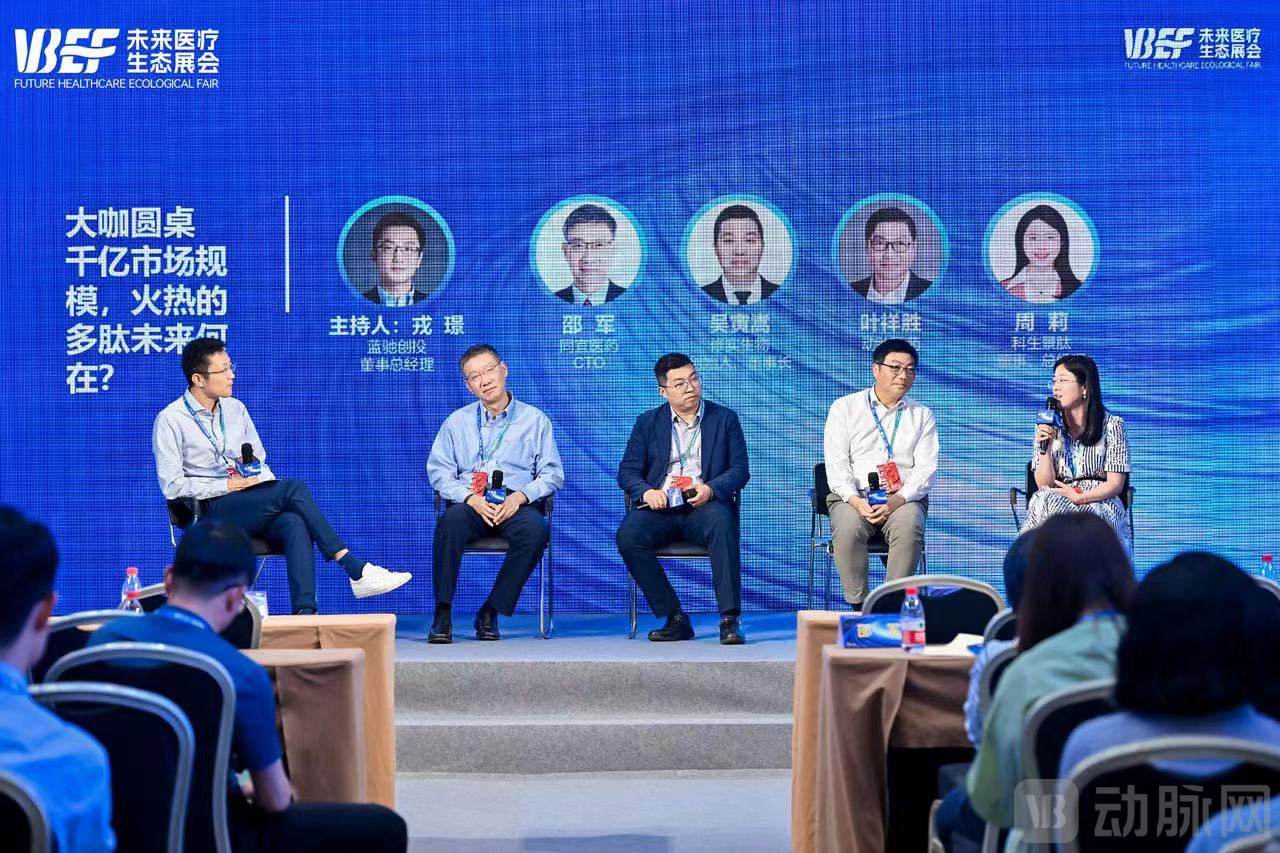
Rong Jing, Managing Director at BlueRun Ventures; Shao Jun, CTO of Tongyi Medicine; Wu Yinsong, Founder and Chairman of Xiushi Biopharma; Ye Xiangsheng, CSO of Perpetual Peptide Therapeutics; and Zhou Li, Director and General Manager of Kesheng Jingtai, engaged in discussions and shared insights on the topic “A Trillion-Yuan Market: Where Lies the Future of the Booming Peptide Industry?”
Moderated by Rong Jing, Managing Director of Galan Capital, the panelists discussed and shared insights on why peptide products are predominantly concentrated in the metabolic disease field, what the greatest opportunities for peptide development will be over the next 5–10 years, how to address the druggability challenges of peptides, and strategies for the global expansion of peptide therapeutics.Future 5-10Year, PeptideDevelopment ofOpportunityWhere?Shao Jun believes that GLP-1 will continue to dominate the peptide field over the next 5–10 years. Although peptides face challenges in areas such as oncology, including difficulties with membrane permeability, exploration of conjugated drugs, such as antibody-drug conjugates (ADCs) and other small-molecule conjugates, is gradually underway. Wu Yinchong is highly optimistic about the emergence of more significant new targets in the future. He believes that focusing on differentiation, reducing manufacturing costs, enhancing mass production capabilities, and leveraging synthetic biology to improve natural enzyme technologies for building peptide molecular libraries represent the key trends and opportunities in the future development of peptide technology. Ye Xiangsheng argues that truly resolving membrane permeability issues would unlock substantial biological potential. Zhou Li, meanwhile, suggests that AI-driven drug discovery may revolutionize the entire paradigm of drug research and development. Furthermore, given the current state of the peptide industry, enriching library diversity will help address challenges in peptide discovery. RegardingGoing GlobalOn this hot topic, the attendees agreed that from a market and financing perspective, going global or internationalizing is an inevitable path for companies. However, companies go global not only for capital and markets but also to align with advanced international therapies and scientific progress, achieving a "dual expansion" in terms of both capital and markets as well as science and medicine.