

Strengthening and Completing the Medical Device Design and Manufacturing Chain: Advancing Domestic Innovation and Supply Chain Resilience
China’s medical device industry has surged to become the world’s second-largest market. The accelerated, high-quality innovation of domestically produced devices, along with breakthroughs in upstream core raw materials and key components, is critical to medical device innovation, as these factors determine product performance and safety. However, China’s medical device market started relatively late, and raw materials and core components for certain devices remain under the control of overseas enterprises. Consequently, they are susceptible to various influences, including the international trade environment and the operational status of foreign suppliers.
As the medical device industry chain undergoes integration and upgrading, new challenges have emerged for participants across the upstream and downstream sectors. How can medical device innovation achieve breakthroughs at the upstream level? Which upstream raw materials and core components remain subject to critical supply constraints? How can companies break through import monopolies? How will CDMOs serve their clients?
On May 8, 2024, during the Medical Device Design and Manufacturing Forum at the VBEF Future Healthcare Ecosystem Expo hosted by VCBeat, He Jiaye, Deputy General Manager of the National Center for High-Performance Medical Device Innovation, Deputy Dean of the Innovation Research Institute, and CEO of Shenzhen Mingzhun Medical Technology Co., Ltd.; Wang Shouli, Professor at Soochow University, FDA-certified toxicologist and pathologist, and Chief Scientist at Biosafe Medical; Feng Jian, Deputy General Manager of Zhongguancun Shuimu Medical Technology Service Group and General Manager of Beijing Shuimu Jinsheng Medical Technology Service Co., Ltd.; Tang Zhihong, Chairman of Kronos Medical Devices (Shanghai) Co., Ltd.; Du Xiaodong, Chairman of Xunjia Technology Group; Chen Tao, Chairman of Dongmai Medical Group; Li Dan, General Manager of Jiangsu Bestfly Biotechnology Co., Ltd.; Sun Baozhong, Partner and North China General Manager of Beijing Luo Keke Medical; and Zhang Xiaomeng, Partner at Xiqiao Capital, engaged in an in-depth discussion on this topic.
He Jiaye, Deputy General Manager of the National Innovation Center for High-Performance Medical Devices, Deputy Director of the Innovation Research Institute, and CEO of Shenzhen Mingzhun Medical Technology Co., Ltd., shared his insights on “The Path to Localization of Innovative Medical Devices.”In his speech, Dr. He Jiaye pointed out that completing the medical device industry chain—characterized by long development cycles, stringent regulatory review and audits, high technical difficulty, slow translation of research into products, and high costs—and gradually fostering its growth is a significant challenge. It is essential to fully leverage the industrial advantages of upstream and downstream sectors, including information technology, electronics, and precision manufacturing, to tackle bottlenecks in materials and components, promote the domestic substitution of high-value medical devices with Chinese-made alternatives, and enhance the performance of competitive medical device products. Subsequently, Dr. He shared insights on the current development status of China’s high-performance medical device industry, the technological innovation landscape, and the shortcomings in key core components and materials, which strongly resonated with the professional audience present.
Dr. He Jiaye emphasized that, as a national platform for major scientific and industrial innovation, the National Innovation Center is dedicated to overcoming key generic technologies hindering the development of the high-end medical device industry, thereby building an innovative ecosystem that integrates the innovation chain, industrial chain, and capital chain. Since its establishment, the Center has remained aligned with national strategies, market demands, and independent innovation. It has continuously strengthened breakthroughs in core technologies, facilitated the industrial commercialization of innovative achievements, seized the commanding heights of industrial development, and steadily advanced the localization of innovative medical devices.
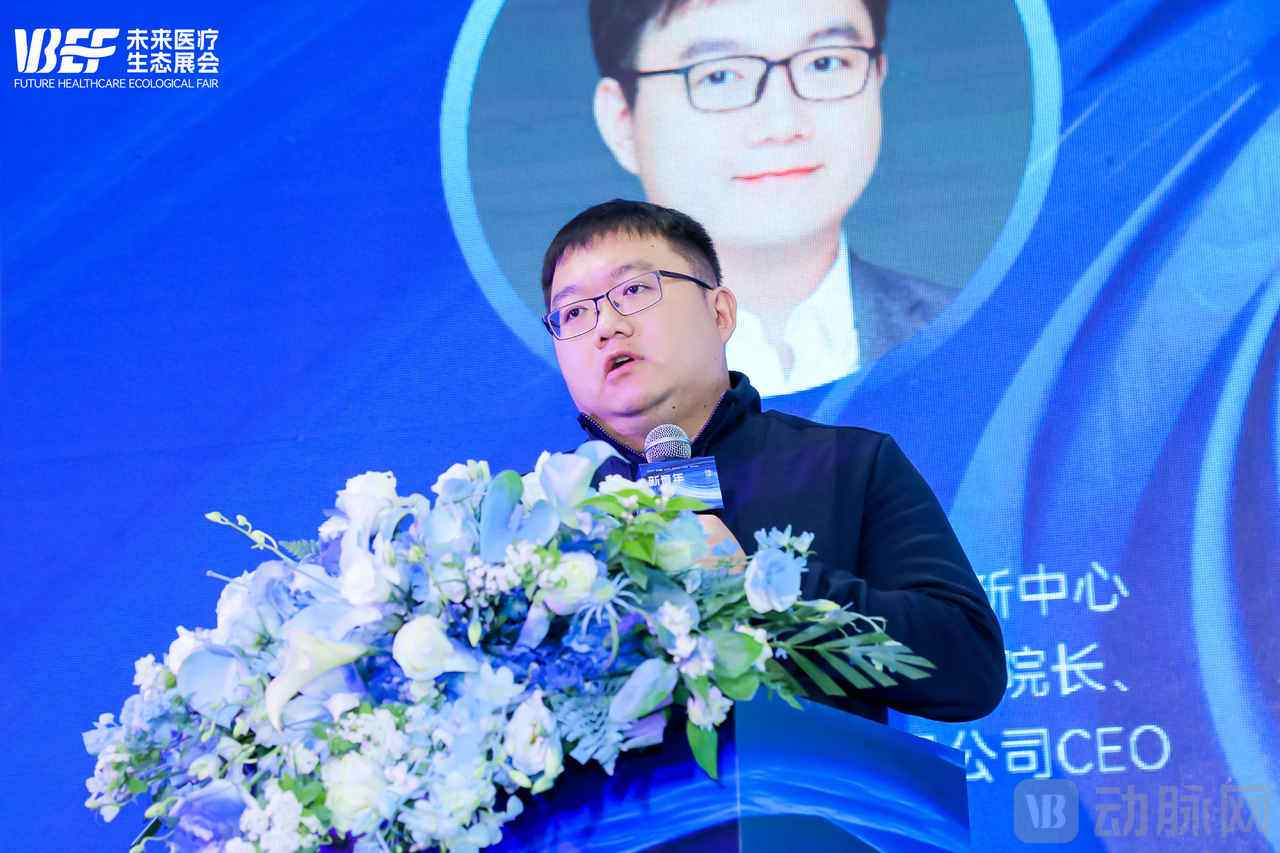
He Jiaye, Deputy General Manager of the National Innovation Center for High-Performance Medical Devices, Deputy Dean of the Innovation Research Institute, and CEO of Shenzhen Mingzhun Medical Technology Co., Ltd.
Wang Shouli, Professor at Soochow University, U.S. FDA-certified toxicologist and pathologist, and Chief Scientist at BosaiFu Medical, shared insights on “How to Accelerate the Innovation and Translation Efficiency of China’s Medical Devices.”For the first time last year, China’s total number of SCI-indexed papers surpassed that of the United States, and its total number of invention patents has ranked first globally for eight consecutive years. However, numerous challenges hinder the translation of these scientific achievements into practical products, including insufficient funding, difficulties in technology transfer, an imperfect regulatory framework, and inconsistent market access standards. Furthermore, issues such as cumbersome policy approval processes, prolonged cycles, and the absence of unified accreditation standards for third-party testing institutions during technology transfer create uncertainty for companies during product evaluation, thereby increasing R&D costs.
To enhance the efficiency of translating scientific and technological achievements into practical applications, it is recommended to adopt measures such as increasing capital investment, strengthening industry-academia-research collaboration, establishing robust market access mechanisms, enhancing policy support, and formulating scientifically sound guiding principles. Meanwhile, standardized Contract Research Organization (CRO) institutions and an internationalized talent development system should be established to boost the global influence of China’s medical device evaluations. Furthermore, building standardized CROs and cultivating internationally competitive talent are key to securing China’s voice in global medical device evaluations and are critical to the development of China’s medical device industry.
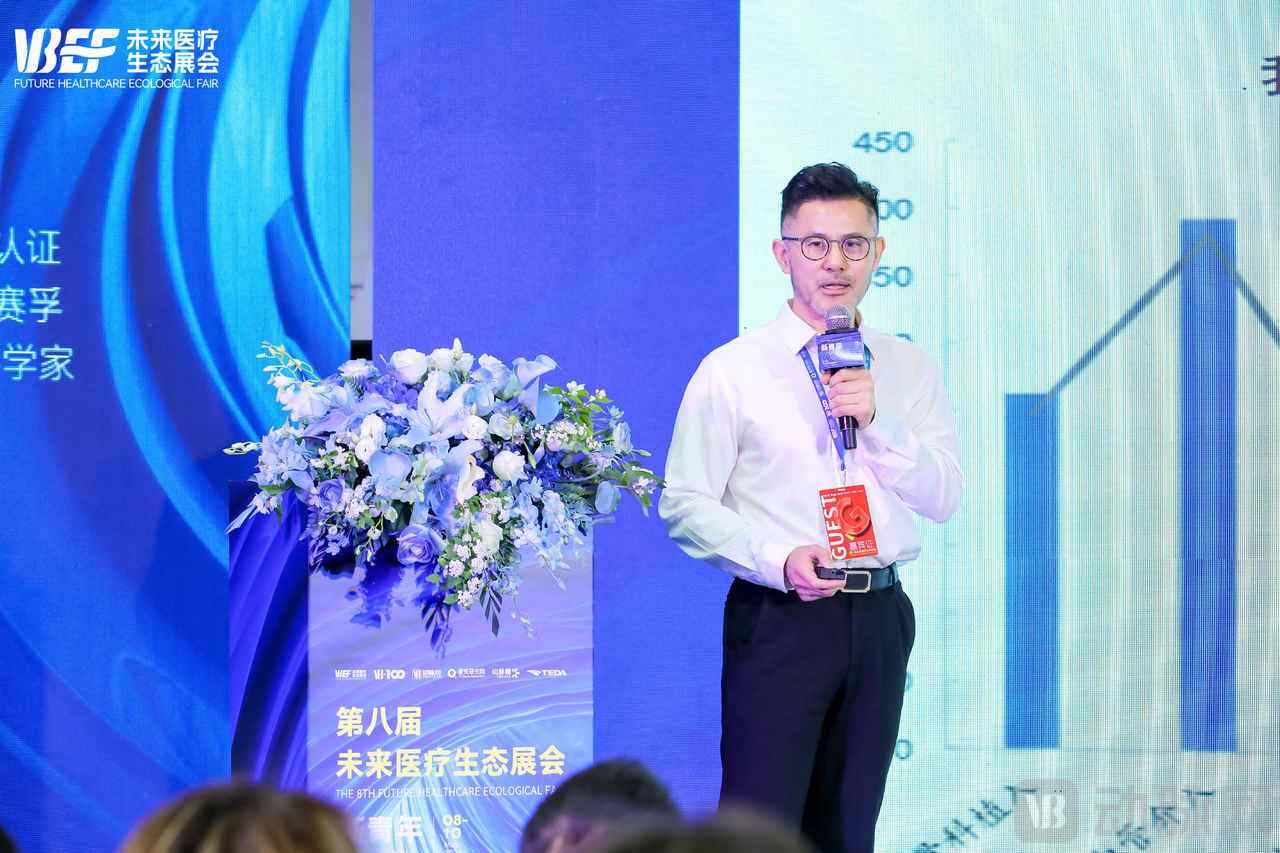
Professor at Soochow University, U.S. FDA-Certified Toxicologist and Pathologist, and Chief Scientist at BosaiFu Medical: Wang Shouli
Feng Jian, Deputy General Manager of Zhongguancun Shuimu Medical Technology Service Group and General Manager of Beijing Shuimu Jinsheng Medical Technology Service Co., Ltd., shared insights on “Breakthroughs, Development, and Practice under the Medical Device Registrant System.”There is a wide variety of medical devices, making it difficult to establish universal technical platforms and shared services. True CDMO services require not only talent, capital, and equipment but also the provision of full-industry-chain services. These services encompass the entire process from idea to commercialization, covering R&D, regulatory compliance, reliability, usability, scale-up R&D, engineering testing, animal studies, clinical trials, and GMP registration. The commercialization process must also consider factors such as pricing, health insurance coverage, and government-regulated price controls to maximize profitability.
The engineering phase is a critical yet often overlooked stage in the transition of products from the laboratory to the market. In developed countries, the investment ratio for R&D, engineering, and industrialization stands at 1:10:100, whereas in China, it is merely 1:0.07:100. Successful CDMO services should commence at the project initiation stage, with intervention by senior expert teams to ensure the formulation of regulatory strategies, engineering R&D, and compliant manufacturing. As Beijing’s sole leading benchmark incubator for medical devices, Shuimu Jinsheng maximizes empowerment for medical device companies by engaging from the project initiation stage and providing continuous support throughout the R&D process.
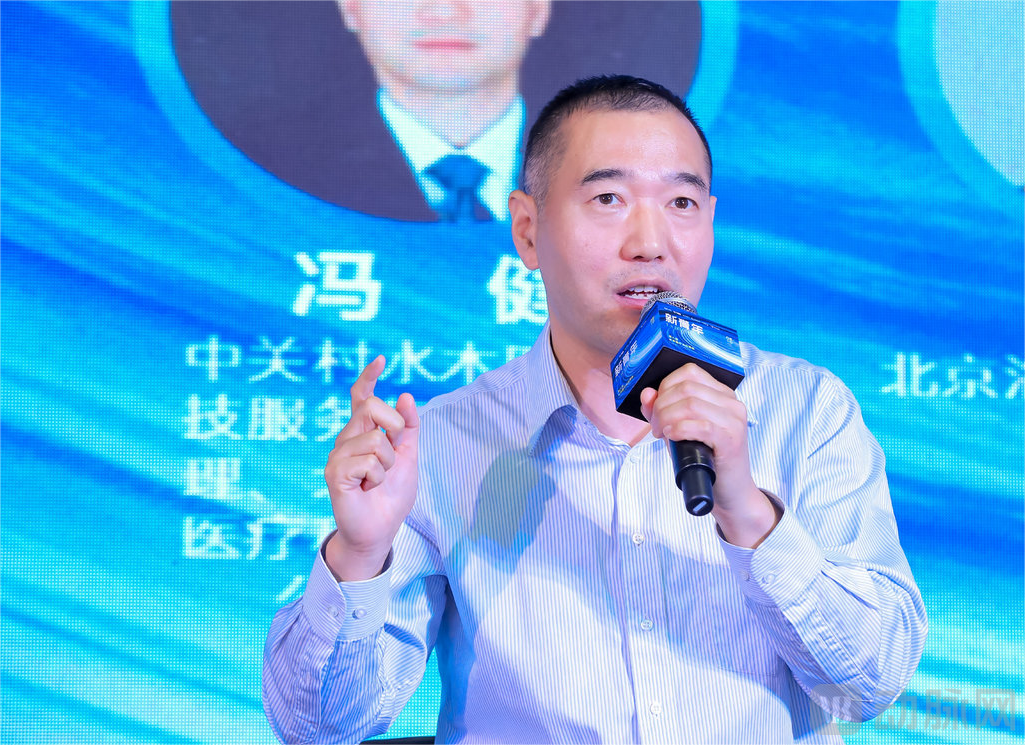
Feng Jian, Deputy General Manager of Zhongguancun Shuimu Medical Technology Service Group and General Manager of Beijing Shuimu Jinsheng Medical Technology Service Co., Ltd.
Tang Zhihong, Chairman of Kronos Medical Devices (Shanghai) Co., Ltd., shared insights on “Breakthroughs and Innovations in CT X-ray Tubes, a Core Component of Medical Devices.”CT X-ray tubes involve numerous technical fields and precision manufacturing, making them a critical core component in China’s medical equipment sector that has long been monopolized by foreign companies and remains highly challenging to develop. The CT X-ray tube industry features high entry barriers, encompassing technologies such as electron optics, electromagnetics, vacuum technology, dynamics, materials science, high-voltage insulation, and heat exchange. The production of X-ray tubes involves intricate processes, including raw material processing, cleaning, degassing, assembly, tube sealing, evacuation, and aging. Any imperfection in the manufacturing, assembly, or testing stages—from the tube insert to the complete tube assembly—can adversely affect the final performance and quality of the product.
Coronos’s innovative breakthroughs in the field of CT X-ray tubes include the independent development of liquid metal bearing technology and other new technologies. Coronos operates manufacturing facilities in Chicago, USA, and Shanghai, China, and has successfully achieved mass production of a diverse range of CT X-ray tubes in China. New technologies currently under development include X-ray tubes designed for use in DSA (Digital Subtraction Angiography) equipment, as well as products with high heat dissipation capabilities.
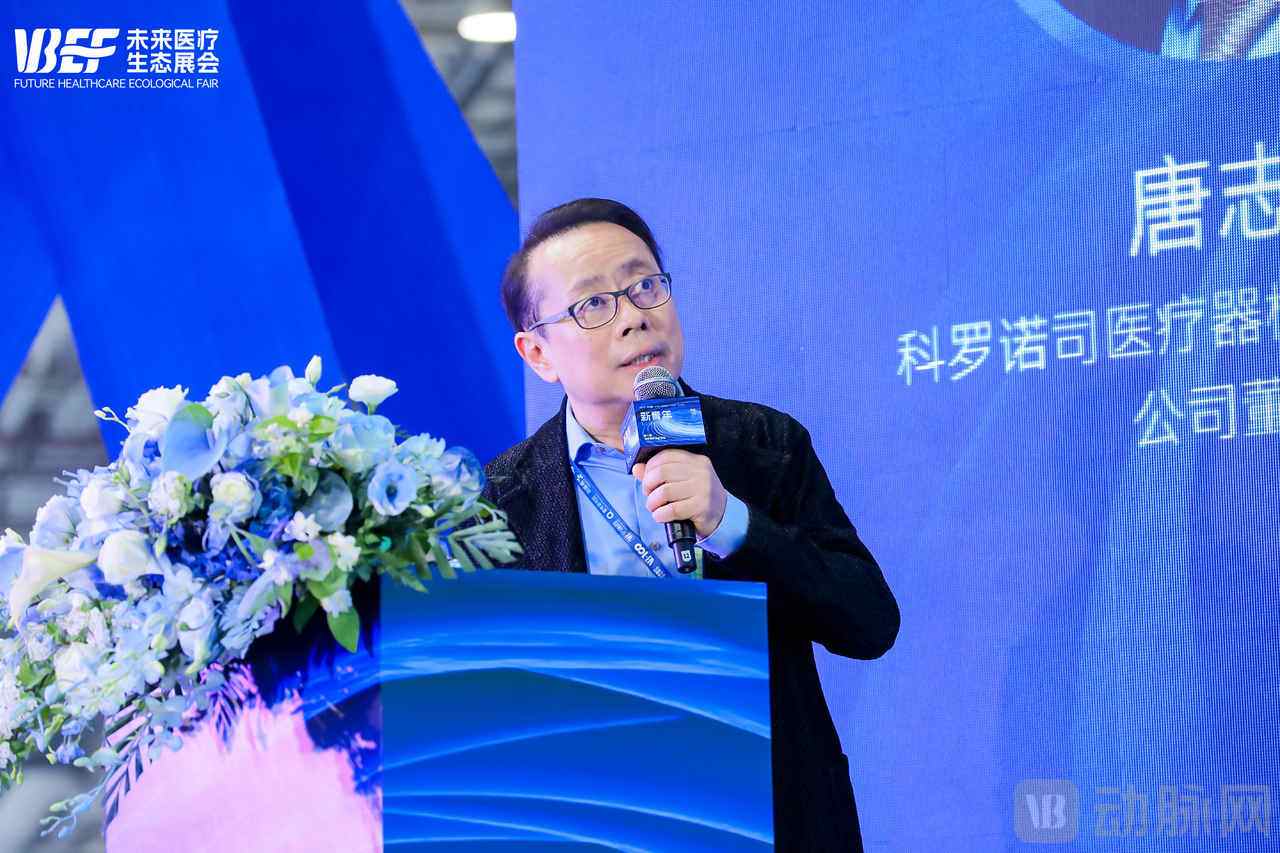
Tang Zhihong, Chairman of Chronos Medical Devices (Shanghai) Co., Ltd.
Du Xiaodong, Chairman of Xunjia Technology Group, shared his insights in “Riding the Policy Tailwind: CDMOs Empowering the Development of Medical Device Industrial Parks.”China’s annual growth rate in the medical device sector is twice that of developed countries, driven by robust market demand and policies encouraging domestic production. However, the industry faces challenges characterized as “numerous, small, fragmented, and weak,” meaning there are many manufacturers but they are small in scale with low market concentration. According to the “2022 Top 100 Global Medical Device Companies” list, the combined revenue of the top four international medical device companies exceeded the total operating income of all Chinese medical equipment enterprises above designated size in 2022. In China, there were 2,701 medical device manufacturing enterprises above designated size, accounting for less than 10% of the total number of enterprises, while their combined operating income reached RMB 757.7 billion, representing 50% of the total. Small and medium-sized enterprises (SMEs) face significant challenges in R&D investment, commercialization, and comprehensive capability building.Xunjia Technology has built an integrated CDMO (Contract Development and Manufacturing Organization) platform for medical devices. By providing full-lifecycle services encompassing “products, enterprises, and capital,” the platform offers six key benefits: it improves the utilization rate of government-owned spatial carriers; reduces capital input while enhancing capital efficiency; shortens fund investment cycles, reduces investment amounts, and increases investment returns; accelerates regulatory approval processes and fosters industrial clustering; alleviates the urgent talent demands of enterprises; and facilitates government investment promotion. These “six benefits” of Xunjia Technology’s integrated CDMO platform create new opportunities for the development of medical device industrial parks and empower their high-quality growth.
For example, Xunjia Technology’s integrated CDMO platform at the Hunan Medical Device Industrial Park attracted more than 200 companies within three years, increasing the park’s output value from less than RMB 100 million to RMB 4 billion, significantly enhancing industrial clustering and high-quality development. The integrated CDMO platform built by Xunjia Technology also enables the industrial park to leverage the policy advantages of drug regulatory authorities. The operational model of the integrated CDMO platform is replicable and scalable, helping to form a “government + platform” dual-drive mechanism that accelerates the rapid development of medical device industrial parks. The integrated CDMO platform not only provides enterprises with R&D, registration, and manufacturing services but also participates in promoting and reforming local drug regulatory policies, providing strong support for the healthy development of the medical device industry. Xunjia Technology’s integrated CDMO platform offers new solutions to the challenges of investment, R&D, commercialization, manufacturing, sales, and regulation in the medical device sector, providing new pathways for medical device companies to overcome high barriers to R&D translation, market access, and product sales.
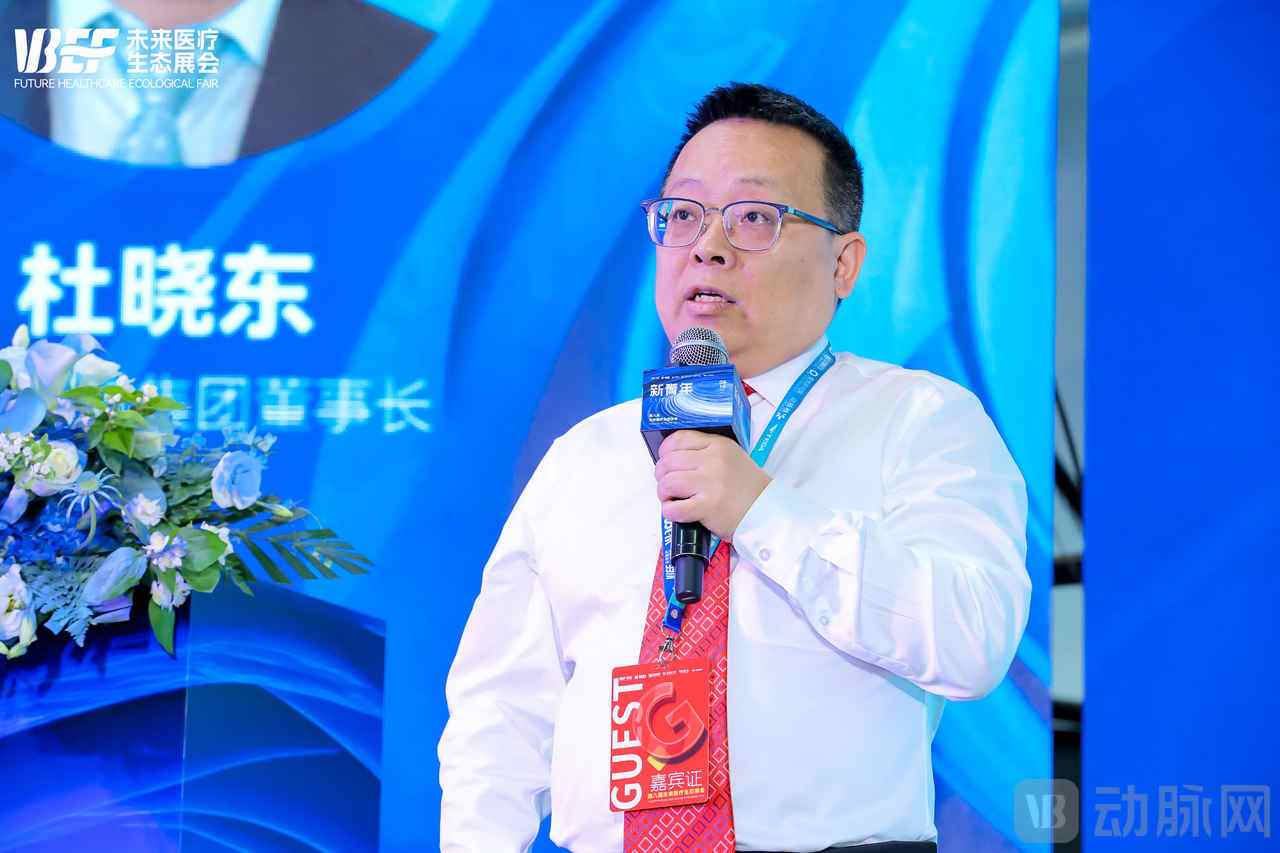
Du Xiaodong, Chairman of Xunjia Technology Group
Chen Tao, Chairman of Dongmai Medical Group, shared insights on “How Medical Device Companies Can Innovate Their Development Models to Seek Breakthroughs Amid the Impact of the Competitive Macro-Environment.”Dongmai Medical was founded on four core principles: a strong sense of baseline integrity, an altruistic mindset, adherence to compliance, and a philosophy of shared value. The company aims to leverage its advantages in regulatory compliance and professional expertise to empower the medical device industry, thereby further reducing industrial costs for its clients. Amid the current economic downturn, medical device companies face challenges such as intensified international competition, insufficient technological innovation, frequent policy adjustments, weak market alignment, and increased difficulty in securing financing. Dongmai Medical focuses on the industrialization of medical-engineering projects, the localization of imported medical devices, and the intensive consolidation of existing enterprises. By providing customized services tailored to the specific needs of various entities—including manufacturers, research and medical educational institutions, distributors, and overseas companies—the company helps them overcome development bottlenecks.
Dongmai Medical’s service model significantly reduces time costs, capital investment, and process risks for enterprises, accelerating the translation of scientific research achievements in medical devices into practical applications. By assisting clients in obtaining registration certificates through self-inspection methods, the company expedites project commercialization and has successfully facilitated the mass production of multiple products. Dongmai Medical has established production bases in Suzhou, Wuxi, Nanjing, Changsha, Lianyungang, and Hainan, featuring multiple active production lines and cleanroom workshops classified as ISO Class 10,000 with local ISO Class 100 zones, covering a total area of 20,000 square meters. Furthermore, Dongmai Medical has developed a production matrix that secures manufacturing licenses for single products across multiple sites to meet large-scale production demands. Notably, Dongmai Medical is the first Contract Development and Manufacturing Organization (CDMO) in Jiangsu Province to obtain a production license and the first company in China to achieve CDMO production of Class III medical devices.
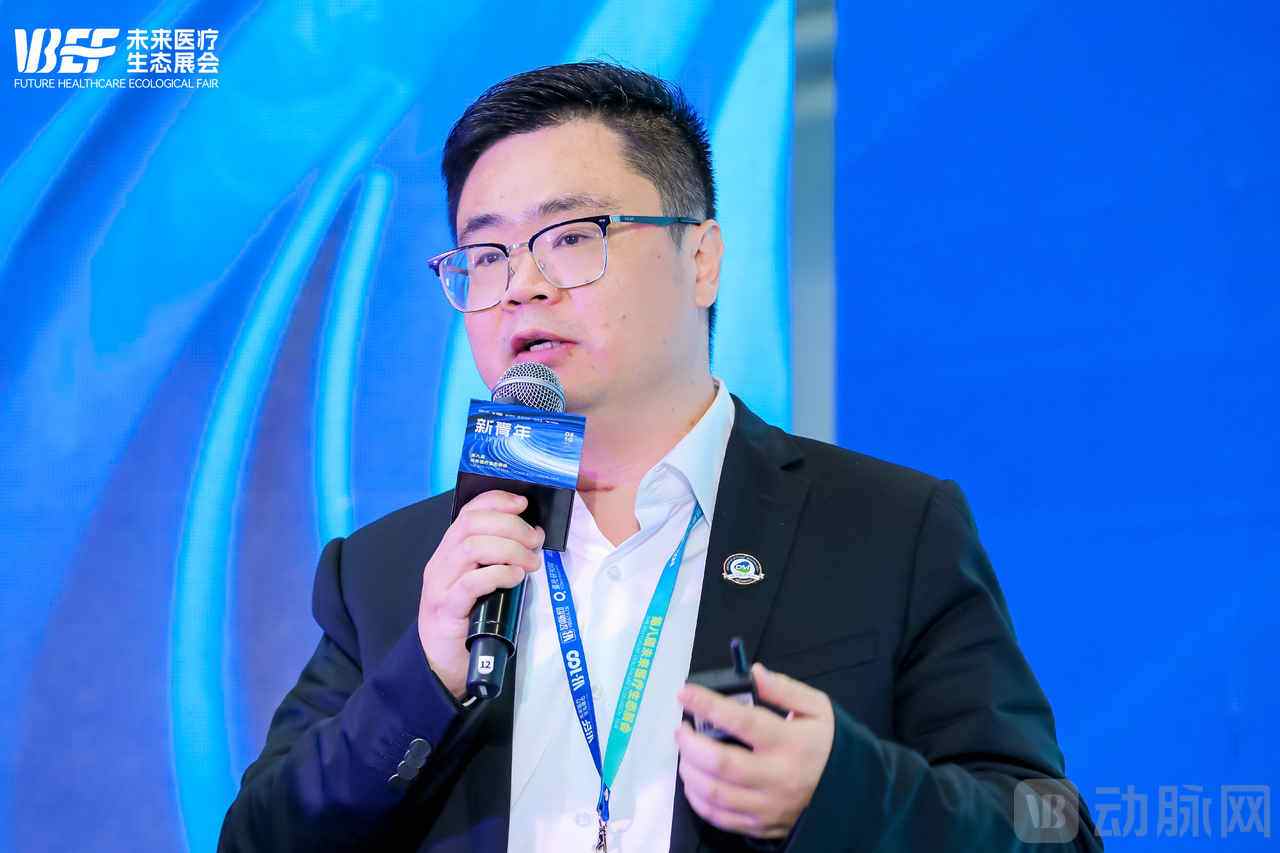
Chen Tao, Chairman of Dongmai Medical Group
Dr. Li Dan, General Manager of Jiangsu Bestfly Biotechnology Co., Ltd., shared insights on “Applications and Challenges of Coating Technologies in Medical Devices.”Coating technology can endow medical devices with various functionalities, serving as a key technology and means to facilitate functional innovation in high-end medical devices. The application of medical coatings demands a high level of expertise and must comply with specific regulatory requirements for medical-grade materials. In China, the application of functional coatings for medical devices is still in its early stages. The diverse functional requirements and varied application scenarios necessitate that coating suppliers possess robust theoretical and technical reserves, along with professional service capabilities covering the entire product lifecycle. Achieving final high-quality coatings depends not only on the stability of the coating materials but also on matching deposition processes and advanced automated equipment capable of ensuring process stability.
Equipped with a high-caliber interdisciplinary R&D and commercialization team, Baifei has established professional, comprehensive solutions for high-end functional coatings. This capability is built upon profound scientific expertise in surface and interface research, extensive reserves of coating technologies, and deep know-how. The company provides customers with full-lifecycle technical services, ranging from design and development to stable mass production. To date, Baifei has filed over 200 patents and led or participated in the development of coating-related standards, solidifying its position as a leading enterprise and pioneer in the niche sector of medical coatings.
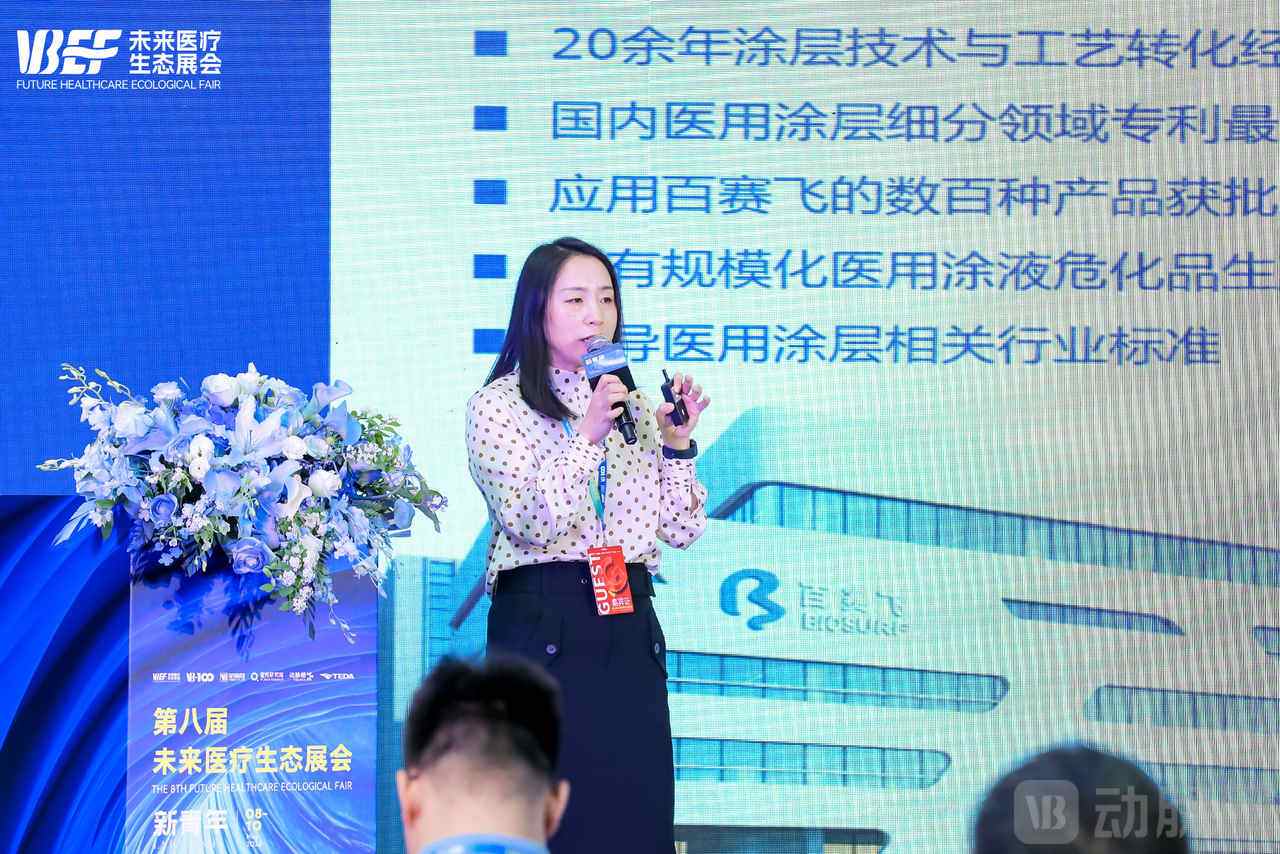
Li Dan, General Manager of Jiangsu Baisaifei Biotechnology Co., Ltd.
Sun Baozhong, Partner at Beijing Luokako Medical Health, shared his insights on “How Future Medical Devices Can Achieve Breakthroughs Through Category Innovation.”2024 will be a pivotal year for the comprehensive advancement and technological innovation of the healthcare industry. LKK Healthcare, guided by the philosophy of “integration of three elements,” human factors engineering, synergy in compliance and certification, and collaboration in clinical testing, is committed to co-creating accurate, professional, world-class medical products. From foundational superficial innovation to sustaining innovation, customized innovation, and integrated innovation, LKK Healthcare ultimately assists clients in achieving barrier-building innovation. By employing a step-by-step, phased approach encompassing user research, human-machine interaction studies, product research, market trend analysis, and product line planning, LKK Healthcare ensures that product design and development are flawlessly executed, culminating in successful mass production.
The driving force behind great products stems from scenario-driven imagination, technology-driven creativity, cognition-driven insight, and experience-driven perception. LKK Health Care focuses on category innovation, product development, and brand optimization. The creation of professional medical categories follows its own unique methodology, namely the "Three-Three Rule" and the "Nine-Word Mantra." By leveraging cognition, scenarios, technology, and experience, we achieve category creation, differentiation, and definition. Through visual appeal ("good-looking"), functional usability ("easy-to-use"), and emotional resonance ("beloved"), we drive product attraction, conversion, and repurchase. Our branding emphasizes authenticity, compelling expression, and effectiveness, thereby fostering brand awareness, identification, and preference. By integrating category, brand, and product into a unified whole, we jointly create world-class medical products.
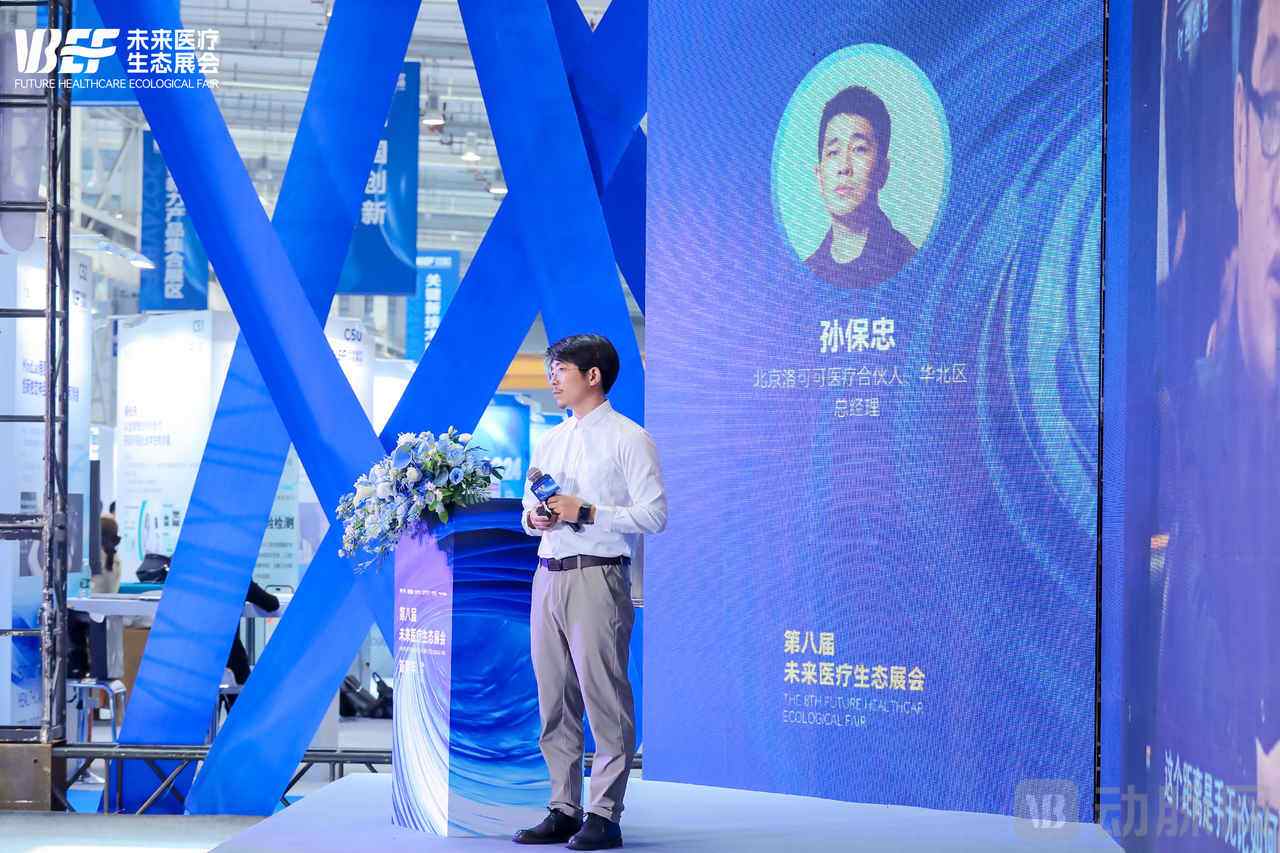
Sun Baozhong, Partner at Beijing Rococo Medical
Subsequently, He Jiaye, Deputy General Manager of the National Innovation Center for High-Performance Medical Devices; Wang Shouli, an FDA-certified toxicologist and pathologist from the United States; Feng Jian, General Manager of Beijing Shuimu Jinsheng Medical Technology Service Co., Ltd.; Sun Baozhong, Partner at Beijing Luo Keke Medical; and Zhang Xiaomeng, Partner at Xiqiao Capital, jointly participated in a roundtable discussion on the theme “Strengthening and Supplementing the Chain: Innovation and Upgrading of the Medical Device Industry.”
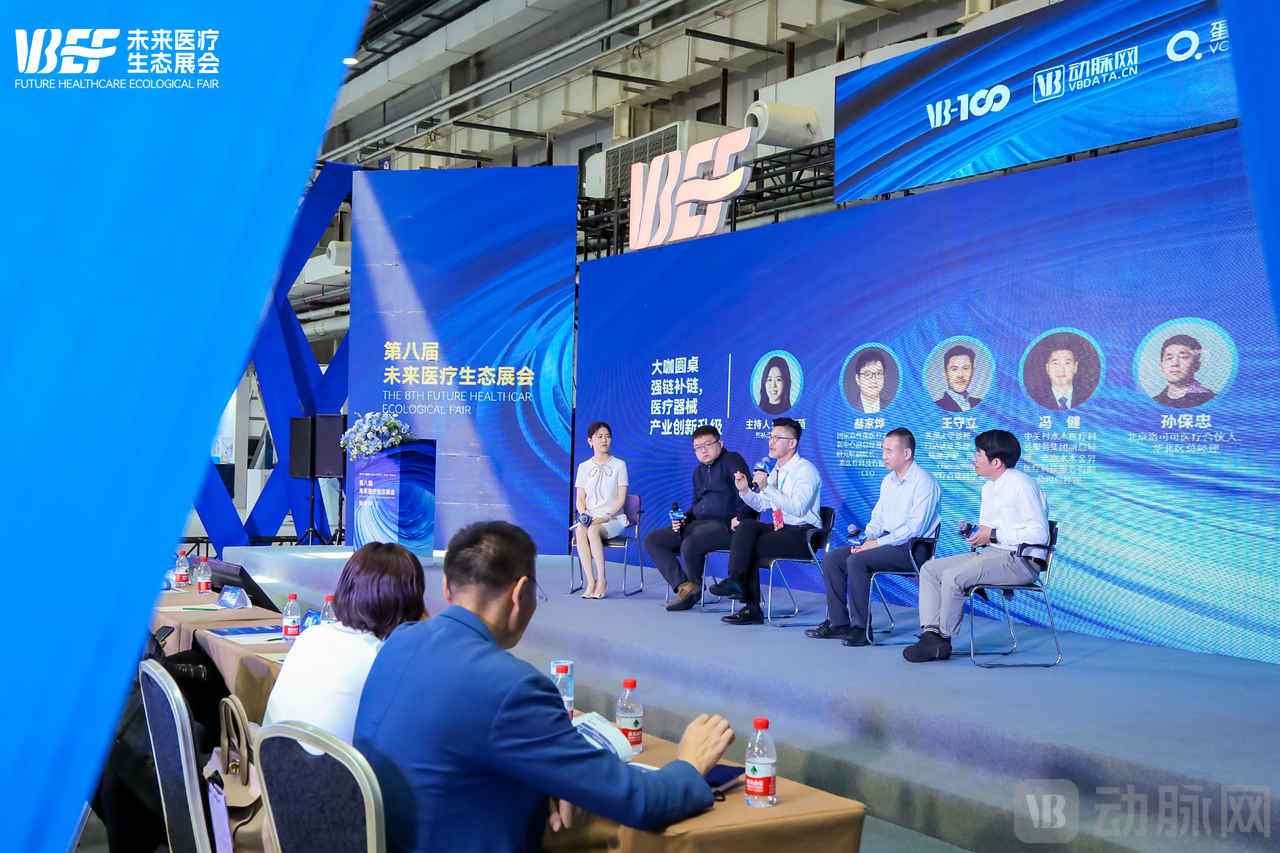
Zhang Xiaomeng: Which segments of the domestic medical device industry chain are relatively weak? What opportunities exist for practitioners in this field?
He Jiaye:The challenges facing China’s medical device industry are primarily concentrated in two areas. First, the industrial chain has a weak foundation, particularly in the supply of key upstream components and core raw materials, which constitutes a bottleneck restricting industry development. Second, there are regulatory challenges; the National Medical Products Administration (NMPA) faces a substantial volume of registration review tasks, and the current review system still has room for optimization. Meanwhile, insufficient testing and inspection capabilities also exert pressure on the development of innovative medical devices. However, these challenges also present opportunities. Firstly, there is significant potential in the domestic substitution of raw materials, especially the localization of common generic materials, which holds considerable value for establishing platform-based technology companies. Secondly, the integration of the testing and inspection system represents another major opportunity. Establishing one-stop service clusters for testing and inspection will greatly meet market demand and address the challenges posed by the current fragmented testing landscape.
Wang Shouli:Although China ranks among the global leaders in the volume of academic papers and patents published, it faces limitations in patent commercialization and further development, including a lack of technology transfer centers, proof-of-concept centers, and practical application hubs. In contrast, the United States boasts more than 600 contract research organizations (CROs) in the biopharmaceutical sector. While China has numerous CROs, they lack reports and standards with international influence. The absence of unified evaluation standards is another critical issue; currently, domestic standards for drugs and medical devices largely reference foreign benchmarks, causing operational difficulties for Chinese companies in compliance. In this context, enterprises often become trapped in price competition, neglecting adherence to standards. Addressing these challenges requires concerted efforts and awareness from multiple stakeholders, including the government, investors, industrial parks, and leadership and management teams, to enhance the quality and influence of CROs, establish domestic standards, and thereby promote the effective translation of patents and technologies.
Feng Jian:Domestic medical devices frequently face rectification issues during research and development (R&D) and production, primarily due to improper procurement of key components. During the R&D phase, companies may select certain parts based on cost or convenience, overlooking regulatory requirements and quality standards, which necessitates extensive modifications to the final product to achieve compliance. Therefore, procurement supply chain management is critical to the quality of medical devices, and Contract Development and Manufacturing Organizations (CDMOs) need to play a more significant role in supply chain management to enhance product quality and regulatory compliance.
Sun Baozhong:The domestic medical device industry in China faces numerous challenges in its development, such as industry standards dominated by international brands, supply chain disruptions for raw materials and components, and issues regarding the reliability and durability of products post-commercialization. Despite these obstacles, Chinese enterprises are actively engaging in technological innovation and quality improvement. Furthermore, China holds the promise of achieving a leapfrog advantage in the fields of smart healthcare and future medicine, presenting new opportunities for development.
Zhang Xiaomeng: What significant impacts do third-party services have on innovation across the medical device industry?
He Jiaye:With the implementation of the Marketing Authorization Holder (MAH) system, the CRO and CDMO industries in the medical device sector have experienced explosive growth, providing a critical support framework for product translation, technology transfer, and market launch. Although start-up projects incubated by the National Innovation Center possess leading-edge technologies, they often lack experience in productization, engineering, and regulatory compliance. Early involvement of third-party services helps these projects mitigate risks and improve their success rates. However, the integration of clinical needs and in-depth market research remain significant gaps in the current landscape. Many projects suffer from insufficient clinical research during the initiation phase, resulting in products that fail to meet actual demands. Therefore, establishing an extensive network of physicians or advisors to conduct thorough clinical research and market adaptability assessments at the product initiation stage is crucial for enhancing project success rates. In future industrial development, the establishment of a consulting service system, particularly think-tank consulting at the product initiation stage, is vital for the entire product development lifecycle. Such services can help enterprises and products avoid detours, serving as a key driver for improving innovation and development efficiency within the industry.
Wang Shouli:CROs play a pivotal role in the innovation and translation of medical devices. They boast advanced operating room facilities, often surpassing those available in hospitals. Rather than merely providing services during the later stages of product development, CROs should engage from the initial project inception to assist companies in establishing surgical environments and conducting proof-of-concept studies. Biosafe Medical encourages manufacturers and production enterprises to initiate contact and collaborate on projects. Biosafe Medical offers complimentary assistance with project initiation, aiming to help domestic companies recognize the value of CROs. Currently, Biosafe Medical is undertaking several international projects, with plans to expand into global markets through the “Belt and Road” initiative.
Feng Jian:CROs play a pivotal role in ensuring regulatory compliance during product R&D and registration. For instance, an IBM team developed high-quality software but lacked the regulatory expertise and documentation capabilities required to independently prepare submission dossiers. By partnering with Shuimu Jinsheng, they successfully obtained product registration approval in the shortest possible time and at minimal cost. Shuimu Medical’s CRO services extend beyond mere regulatory submission; they are deeply integrated into concurrent or supportive R&D processes to ensure smooth regulatory clearance. This reflects Shuimu Medical’s consistent philosophy: “Let R&D focus on innovation, and leave compliance to Shuimu.”
Sun Baozhong:LKK Medical empowers enterprises in the healthcare industry by providing consulting and design services. Its core service offerings include:1. **Category Innovation**: Deepening clients’ understanding of product categories through market research and user insights.2. **Technology Productization**: Collaborating closely with R&D teams and conducting clinical scenario studies to facilitate the transformation of technologies into practical products.3. **Product Line Planning and Standardization**: Optimizing product line architecture to reduce costs, enhance product feasibility and implementation, strengthen brand cohesion, and elevate the global influence of Chinese-made medical products.Through these three key services, LKK Medical is committed to driving innovative development in the healthcare industry.
Zhang Xiaomeng: How Can Enterprises Collaborate with Third-Party Service Platforms to Achieve 1+1>2?
He Jiaye:The primary reasons companies seek third-party services are that they face problems they cannot resolve independently or that the cost of solving these problems is prohibitively high. Underlying issues may exist during the product design phase, necessitating third-party intervention at later stages, which often entails substantial rework. Therefore, companies should establish connections with professional Contract Research Organizations (CROs) and service systems early on to access specialized expertise sooner, initiating collaboration only after clearly defining their needs. The professionalism and patience of CRO and Contract Development and Manufacturing Organization (CDMO) service providers are crucial. Meanwhile, companies need to build trust and recognize their own shortcomings as well as the specific types of services required. The industrial service system established by the National Innovation Center targets early-stage projects, building bridges of trust through communication to help companies realize that they cannot independently cover the entire industry chain, thereby enabling them to better leverage third-party services.
Wang Shouli:In studies of adverse events related to medical devices, statistics indicate that the primary reasons for global recalls are, in order: product design and manufacturing issues, unclear instructions for clinical use, and errors in clinical operation. Regarding product development, many companies only consider material issues after the product has taken shape; however, best practice dictates that material selection should be clearly defined at the project initiation stage. Professional Contract Research Organizations (CROs) can help identify the optimal clinical indications and market positioning for a product. It is recommended that enterprises engage CROs during the product design phase, leveraging their extensive case studies and evaluation criteria to minimize detours in the research and development process.
Feng Jian:Although the industry increasingly embraces the principle of “leaving professional matters to professionals,” practical implementation faces challenges, particularly due to potential misinterpretations of this concept by company leaders. Success hinges on two key factors: first, “doing the right things,” which involves grasping industry development trends; and second, “doing things right,” by avoiding deviations from team objectives driven by personal insistence. Shuimu Medical is committed to collaborating with entrepreneurial teams. The client’s R&D team focuses on achieving product functionality and performance, while the Shuimu team specializes in providing compliance-focused R&D guidance and preparing regulatory documentation. This strong partnership and close coordination create a synergistic effect where 1+1>2. For innovative products, a clear regulatory pathway and strategy must be established at the project initiation stage. The primary goal for the first-generation product should be obtaining marketing authorization, rather than pursuing a perfect product that meets all clinical needs from the outset.
Sun Baozhong:To achieve a synergistic effect where 1+1>2 in collaborations between enterprises and consulting design firms, three factors are critical. First, alignment of objectives: sharing clear goals with partners to ensure synchronization in technology and product implementation. Second, shared risk management: jointly addressing challenges encountered during research and development and production processes. Third, long-term planning: given the extended time-to-market for medical products, developing long-term strategies is essential to maximize the benefits of team collaboration.