

Dual Logic of Demand and Substitution: How the Medical Industry Achieves Counter-Cyclical Growth and Strategic Exit
On May 10, hosted by VCBeat, VB100, Eggshell Research Institute, and Arterial Orange, with strategic cooperation support from the Management Committee of Tianjin Binhai Zhongguancun Science Park and Beitang Bay Digital Economy Industrial Park, and jointly presented by the Future Medical Ecosystem Exhibition Area and Health Intelligence Valley“The 8th Future Medical Ecosystem Expo” (hereinafter referred to as “VBEF”)The Final Day.
On this day, the summit was“Discovering the Core Force of Future Healthcare”as the theme, a total of invited17 Outstanding Representatives of China’s Core Medical Forces, sharing their explorations, practices, and insights across four key sectors—biopharmaceuticals, medical devices, healthcare services, and commercial and supply chain services—while recounting their reflections on the past year and outlining their innovative strategies for the future.
Below is a curated summary of key insights from guest speeches and panel discussions, specially compiled by VCBeat, with the aim of providing new perspectives, models, and pathways for the future development of the industry.
Focusing on Major Clinical Needs, Seizing the Initiative in Innovative Development
Over the past few years, “innovation” has undoubtedly become the keyword for the entire healthcare sector. The underlying logic is easy to understand: on one hand, significant changes in clinical needs are driving a new round of innovation revolution; on the other hand, China’s medical innovation capabilities have significantly improved, with many domestic medical products now possessing the technical strength to compete on equal footing with the world’s strongest competitors.
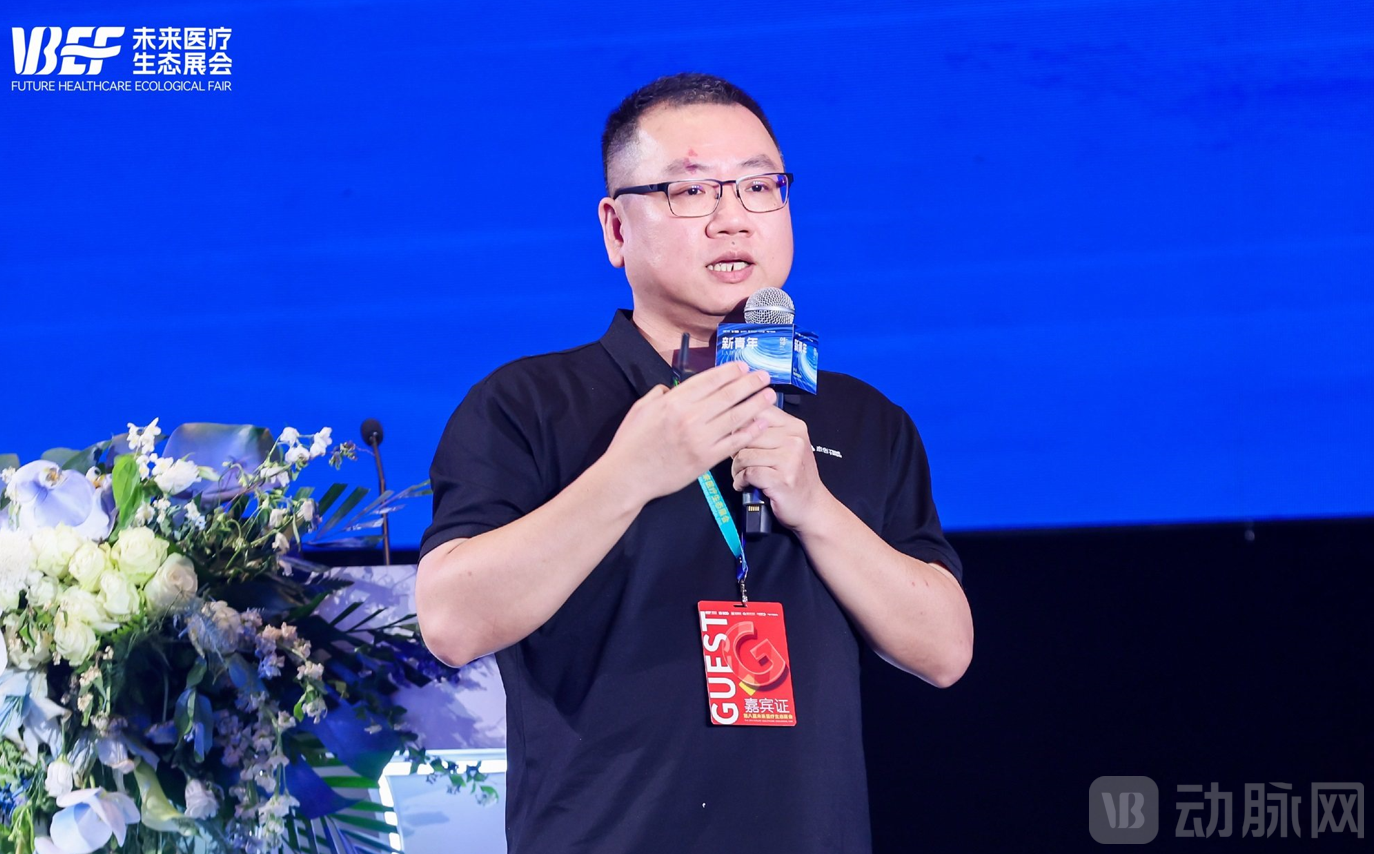
Wu Yirui, Chief Scientist at Taitron Biotechnology
However, in specific niche sectors, medical innovation continues to accelerate, such as in synthetic biology. In this regard,Wu Yirui, Chief Scientist of Taitron BiotechnologyIn the keynote address, “AI Accelerates the R&D of Novel Substances and Expands the Direction of the Biopharmaceutical Industry,” it was stated that AI’s empowerment of synthetic biology is currently concentrated at the foundational technical level, including DNA synthesis, gene editing, and pathway design.However, in the future, AI will be able to empower the development of synthetic biology in areas such as precision design, biological system design, and novel enzyme development, even promoting the upgrading and iteration of the entire biotechnology industry.。
It is evident from this that the upgrading and iteration of medical innovation still require support from underlying technologies, and this pressure has now fallen on research institutes. Based on this point,Huang Song, Deputy Director of the Beijing Institute of Biological ProductsTan Dao stated that during its first decade, the Beijing Institute of Life Sciences (BILS) established a virtuous cycle linking talent development, research outcomes, and a culture of institutional innovation. In its second decade, BILS forged collaborations with hospitals and founded its own pharmaceutical enterprises. By leveraging basic research to identify novel drug targets and create new markets, it has integrated medicine, science, and pharmaceutics into a comprehensive ecosystem, offering new perspectives and methodologies for the advancement of China’s broader health industry.
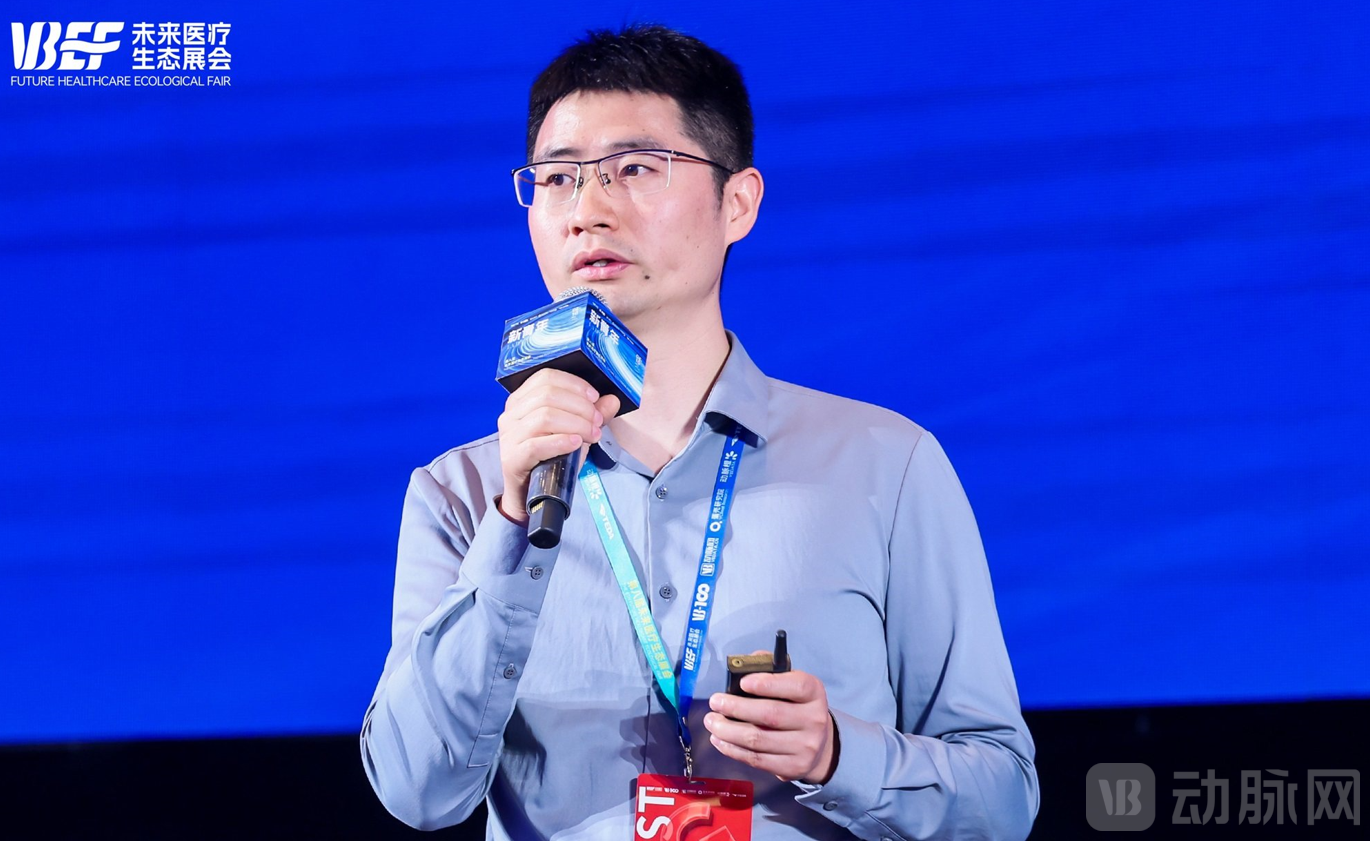 Dong Chengyou, Quality Director at Zhongsheng Suyuan
Certainly, innovation cannot be separated from clinical needs, especially in the field of some major diseases, such as Parkinson's disease and diabetes. Currently, many medical companies are upgrading clinical solutions with innovative technologies. In this regard,Dong Chengyou, Quality Director of Zhongsheng SuyuanIn the keynote address titled “Progress in the Development of iPSC-Derived Cell Therapies,” it was noted that induced pluripotent stem cells (iPSCs) sit at the apex of the differentiation hierarchy. They possess the capacity for unlimited expansion while maintaining their pluripotency, enabling differentiation into all human cell types. Consequently, iPSCs hold broad application prospects. Building on this foundation, Zhongsheng Suyuan has established a diversified iPSC differentiation technology platform, resulting in four major product categories: iMSC, iDAP, iNK, and islet cells, which are currently being developed for indications including knee osteoarthritis, Parkinson’s disease, cancer, and diabetes, respectively.
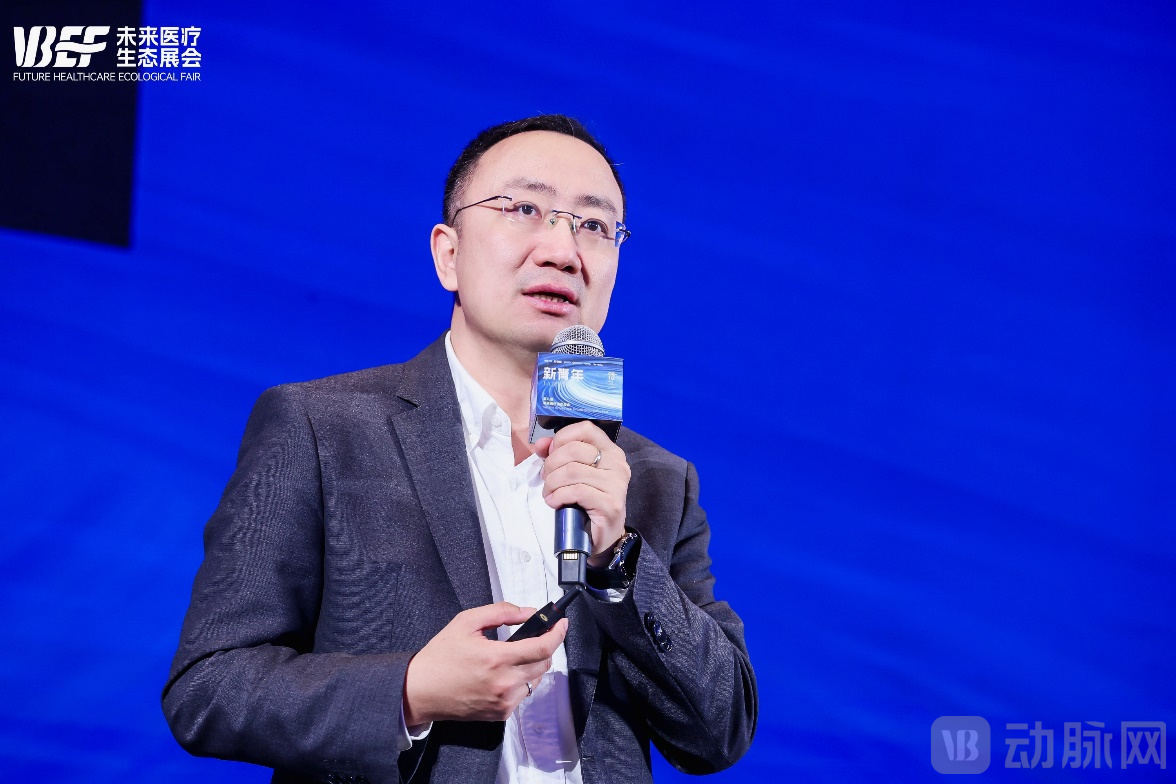
Zhang Jiangli, Co-founder and CEO of Kunyuan Biotechnology
Among these four major disease areas, oncology undoubtedly attracts significant attention. This is due not only to the substantial clinical demand but also to the exceptionally high technical challenges involved, thereby necessitating the support of innovative technologies. In this regard,Mr. Zhang Jiangli, Co-founder and CEO of Kunyuan BioIn the keynote address, “The Evolution of China’s Cancer Early Screening Market,” an in-depth analysis was presented on the current status and challenges of cancer prevention and control in China, along with an outlook on trends shaping the early screening industry. Mr. Zhang Jiangli pointed out in his speech that while China still faces a long and arduous journey in cancer prevention and control—with a noticeable gap in five-year survival rates compared to developed countries—the nation has been continuously advancing its efforts and achieving positive results. With the ongoing development and widespread adoption of genetic testing technologies, the number of clinics offering cancer early screening services continues to grow, making cancer-prevention health check-ups an increasingly common component of daily health management. Meanwhile, cancer early screening is expected to become a key tool for controlling healthcare costs, helping to alleviate the medical burden on both society and families. Screening scenarios are also becoming more diversified, combining community-based programs, institutional health examinations, and at-home self-screening to provide patients with more convenient and flexible options. The era of multi-cancer early detection has arrived, complementing single-cancer tests and jointly addressing multi-tiered needs for cancer prevention and control.
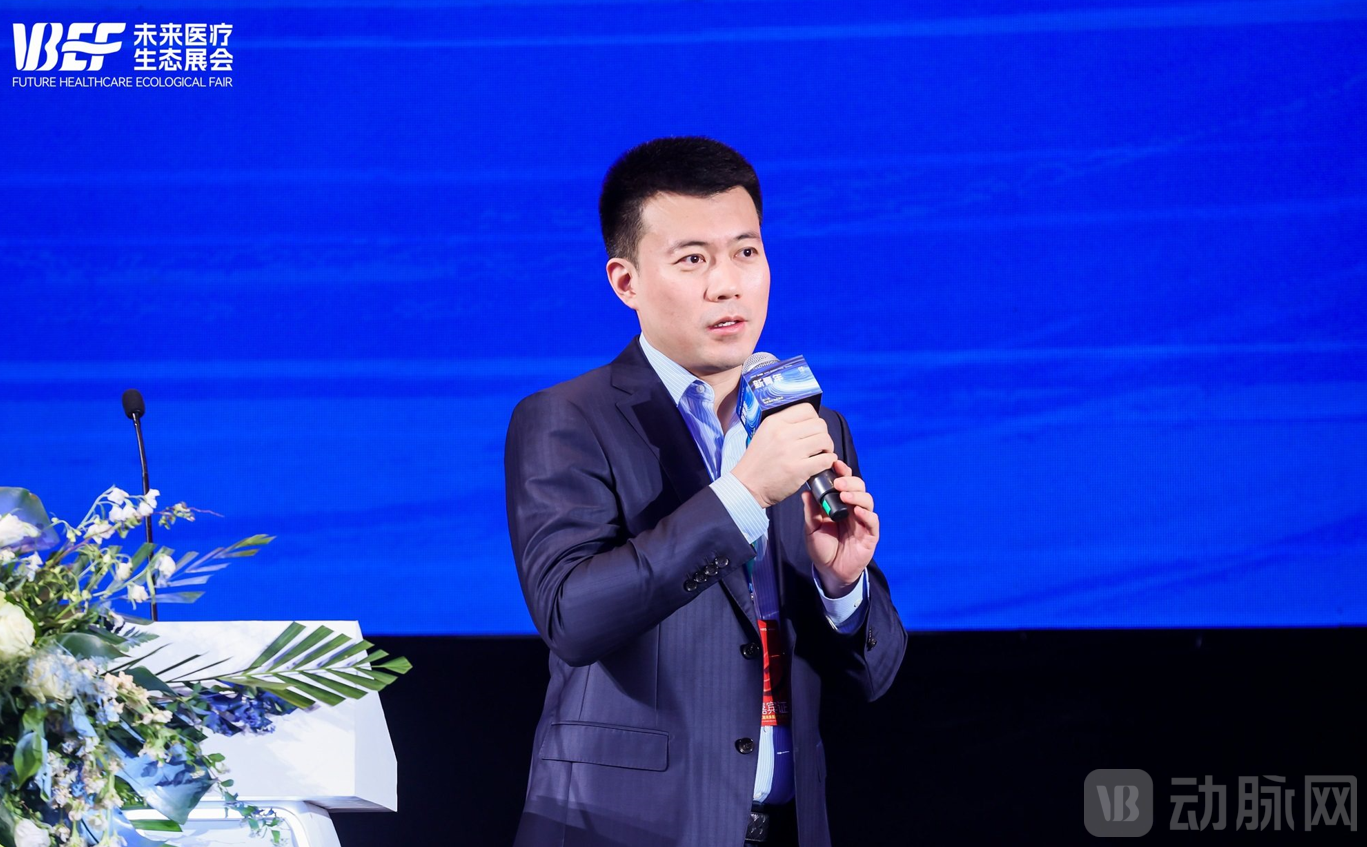 Marco Ma, Executive Partner of Haiwang Capital Fund under Shanghai Science and Technology Innovation Group
Based on the aforementioned industry changes,Marco Ma, Executive Partner of Haiwang Capital Fund under Shanghai Science and Technology Innovation GroupHe also discussed the current investment logic, sharing insights under the theme “The Evolution of Healthcare Investment Logic from the Perspective of Cross-Disciplinary Innovation.”From a macro-cycle perspective, 2024–2027 represents a strong investment cycle.Investment in the healthcare sector will focus on unmet market needs and the high-end substitution market, such as neurointervention, dentistry, cardiovascular care, and electrophysiology. Additionally, cross-disciplinary innovation is no longer confined to medical sciences; it increasingly involves the application of advanced manufacturing and processes in healthcare. Of course, global expansion remains a key focus for investors.
So, how can this be achieved? In response, Marco summarized it in two sentences:The first principle is to “invest where there is little attention.” This requires the ability to identify early-stage companies, assess whether they represent promising ventures, and act decisively in a timely manner. The second principle is to “exit when the crowd is most enthusiastic.” Investors should avoid getting carried away by market hype, maintain clear and rational thinking at all times, and have the courage to divest at industry peaks; otherwise, as valuations decline, subsequent exits will become increasingly difficult.。
Breaking Through "Chokehold" Technologies to Build China’s Medical Innovation Ecosystem
In recent years, “domestic substitution” has not only become a major national strategic direction but also a critical element for the healthcare industry to break through industrial bottlenecks and establish competitive market advantages. To achieve this, in addition to technological innovation, continuous business model innovation is essential to deliver more convenient, effective, and cost-efficient clinical solutions.
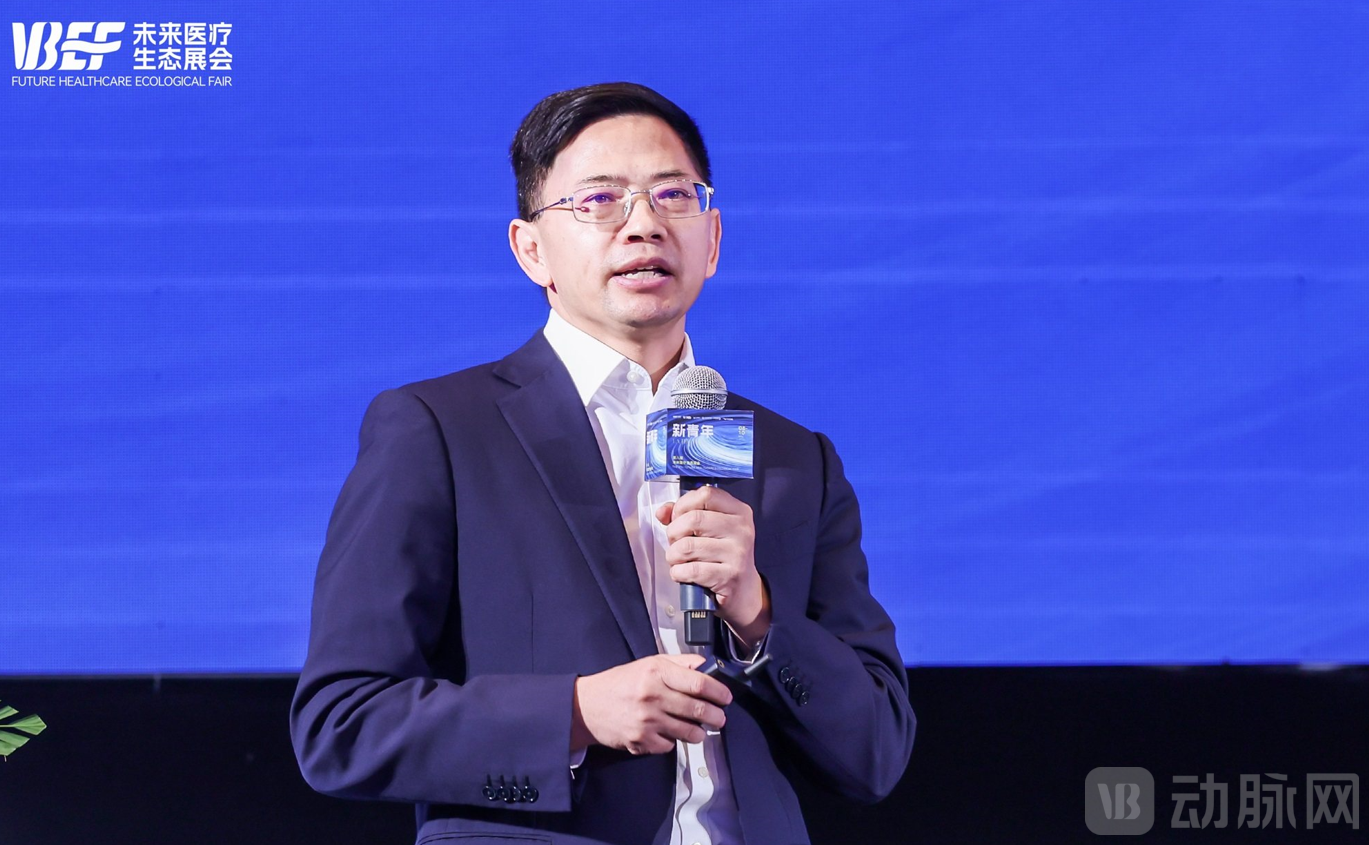
Sun Hua, CEO of Kanglu Biotech
For instance, in addressing major clinical challenges such as cancer treatment, several innovative technologies are being integrated. In this regard,Sun Hua, CEO of Kanglu BioIn his keynote address, “Integrated Digital and Intelligent FISH Molecular Diagnostics Solution,” he emphasized that companion diagnostics and medication guidance following cancer diagnosis are critical. Leveraging over 400 commonly used rapid FISH probes and related equipment, Kanglu Bio enables patients to receive test reports on the same day, while also providing healthcare institutions with a rapid, automated, standardized, and integrated high-throughput solution.
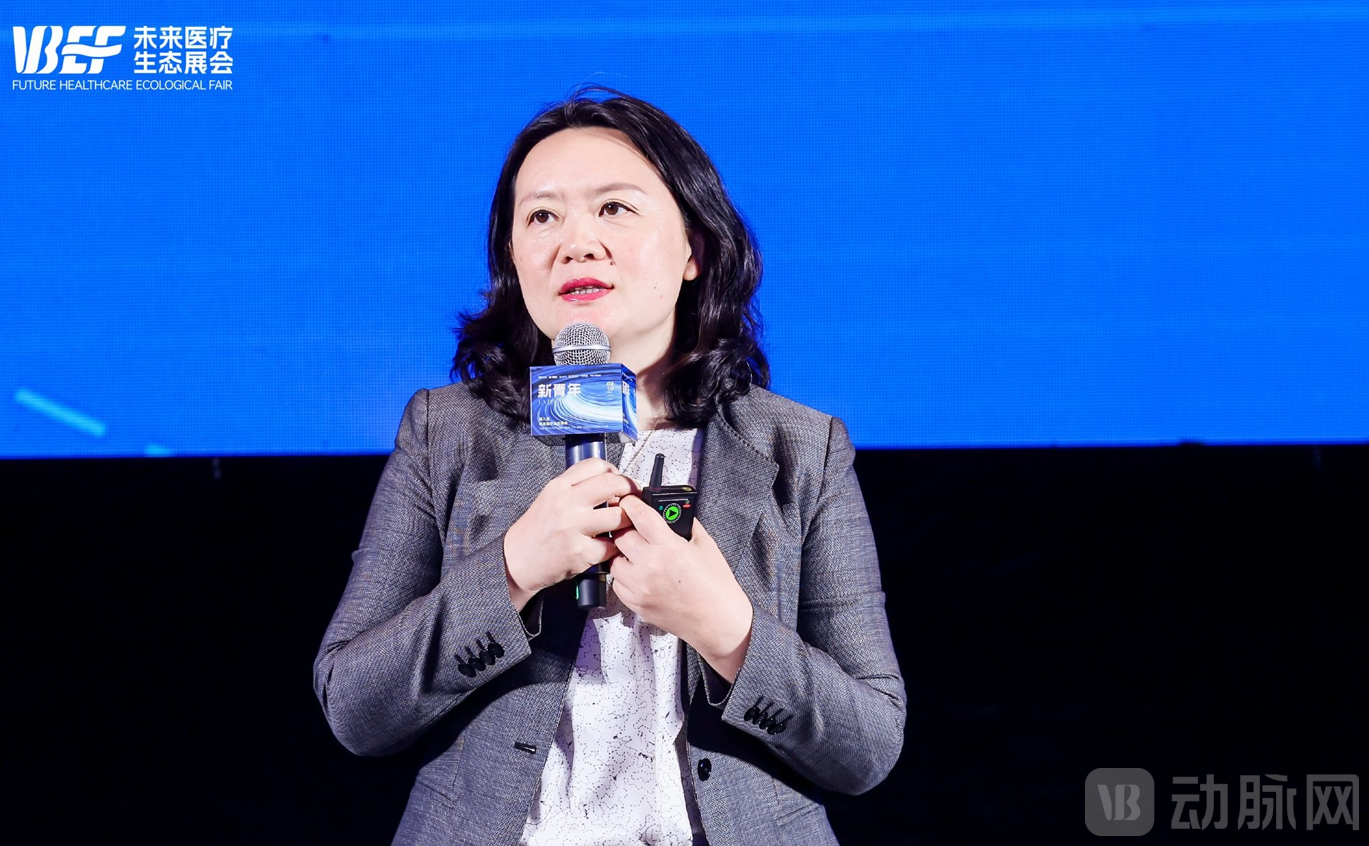 Xu Jing, CEO of Taiyi Guanjia
Of course, there is also the field of health management. As population aging intensifies in China, this clinical demand has gradually expanded, leading to the gradual integration of related industries and unlocking greater potential. For instance, in the insurance sector,Taiyi Guanjia CEO Xu JingIn the keynote speech titled “New Propositions for Health Management, New Drivers for Insurance Development,” it was noted that commercial insurance still has significant room to grow in its supplementary role to medical care. Meanwhile, under the dual pressures of population aging and the trend of chronic diseases affecting younger populations, health insurance has entered a development stage focused on insuring individuals with pre-existing conditions. However, the development of insurance for such individuals faces multiple challenges, including precise outreach to the affected population and the effective linkage and operation of service resources. Only by further strengthening the supplementary role of commercial health insurance relative to basic medical insurance can the healthcare burden on the general public be alleviated.
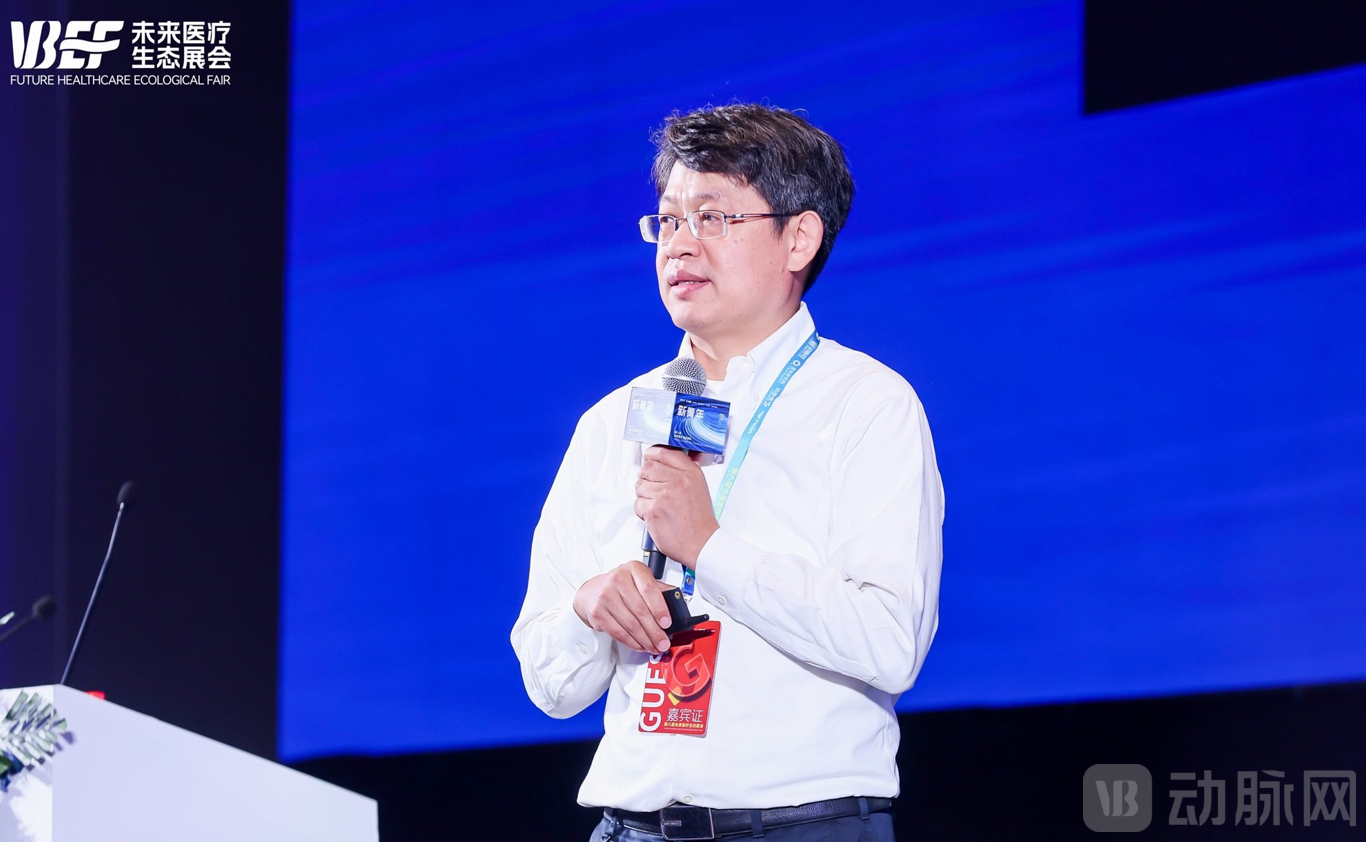
Wei Jianfeng, Founder and CEO of Zhuojian Technology
In addition to insurance, internet technology is also a major driving force behind health management. In this regard,Zhuojian Technology Founder and CEO Wei JianfengIn his keynote address, he stated that the next 30 years will likely be defined by the emergence of third-generation digital systems centered on “digital humans” and continuous medical care. To this end, Zhuojian Technology has spent 12 years achieving innovations across four key scenarios: first, the initial generation of mobile hospital services; second, an internet hospital integrating resources throughout the entire diagnosis and treatment process; third, the addition of whole-course health management to its existing platform; and fourth, the establishment of an innovative platform for clinical drug research and development.
It is evident that a growing number of institutions are deeply engaged in medical innovation and translation, with their value becoming increasingly apparent. However, this represents only one segment of the ecosystem; healthcare enterprises also constitute a critical component of the broader medical innovation and translation value chain.
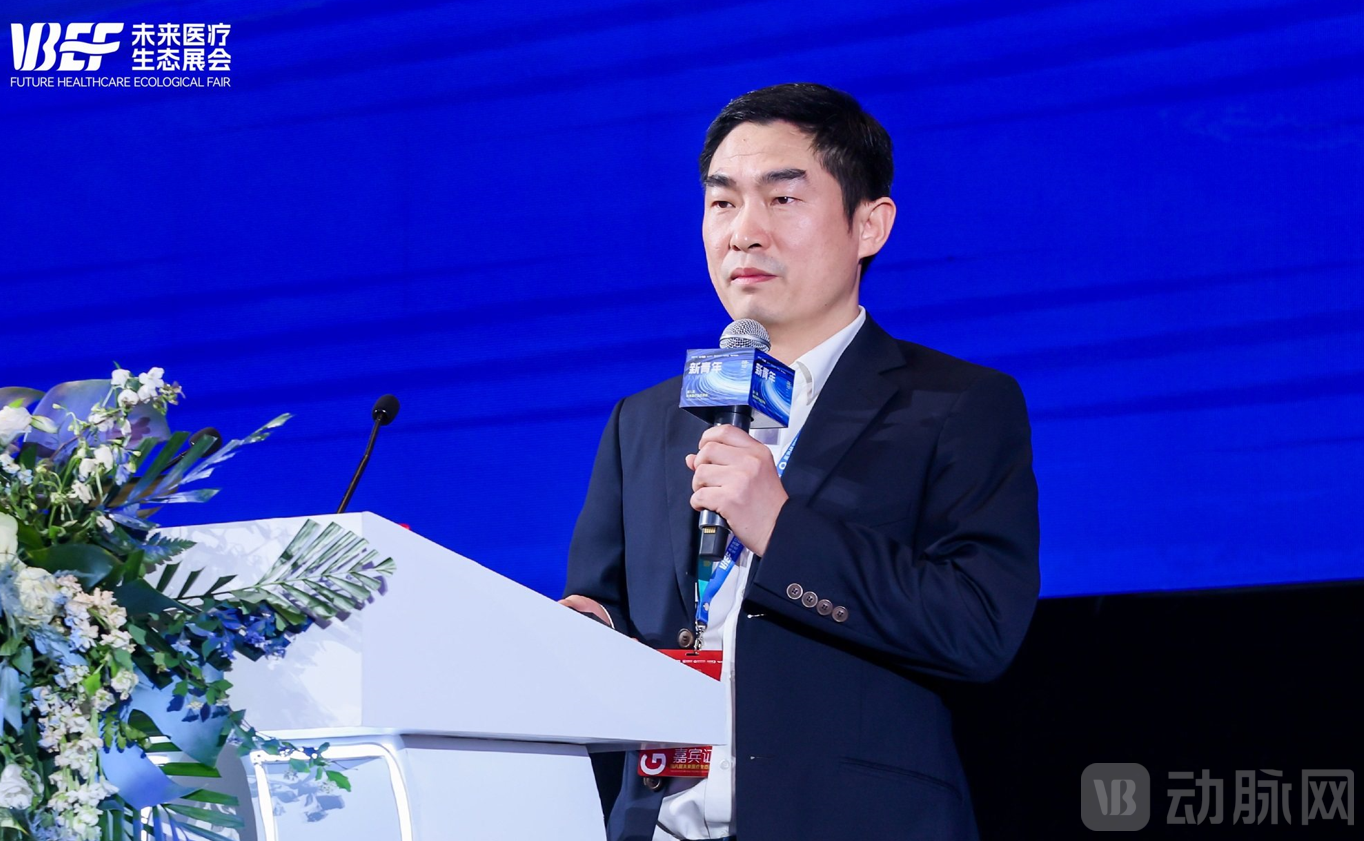 Hu Jiangwei, Vice President of Fapon Biotech
In this regard,Hu Jiangwei, Vice President of Fapon BiotechIn his keynote address, “Making the Industry More Accessible and Diagnosis More Inclusive: Jointly Exploring the Path of Open Ecosystem Innovation in IVD,” he stated that innovation in the current IVD industry faces numerous pain points, such as asymmetry between scientific research and industrial demands, significant challenges in developing high-quality antibody raw materials and reagents, a lack of early-stage incubation mechanisms for innovative achievements, and insufficient premium hospital access channels for high-quality products from small and medium-sized enterprises (SMEs). To address these issues, Fapon is committed to building a diagnostic ecosystem. Leveraging its years of industry accumulation, and on the basis of continuing to deepen business cooperation in high-quality raw materials, reagent solutions, and open instrument platforms, Fapon has launched an innovative diagnostic model. This model shares technical, market, capital, and industrial resources with various innovative developers, facilitates the commercial closed loop of “scientific research–ICL–clinical practice,” and thereby constructs a platform that gathers global developers to jointly promote technological innovation and application development.
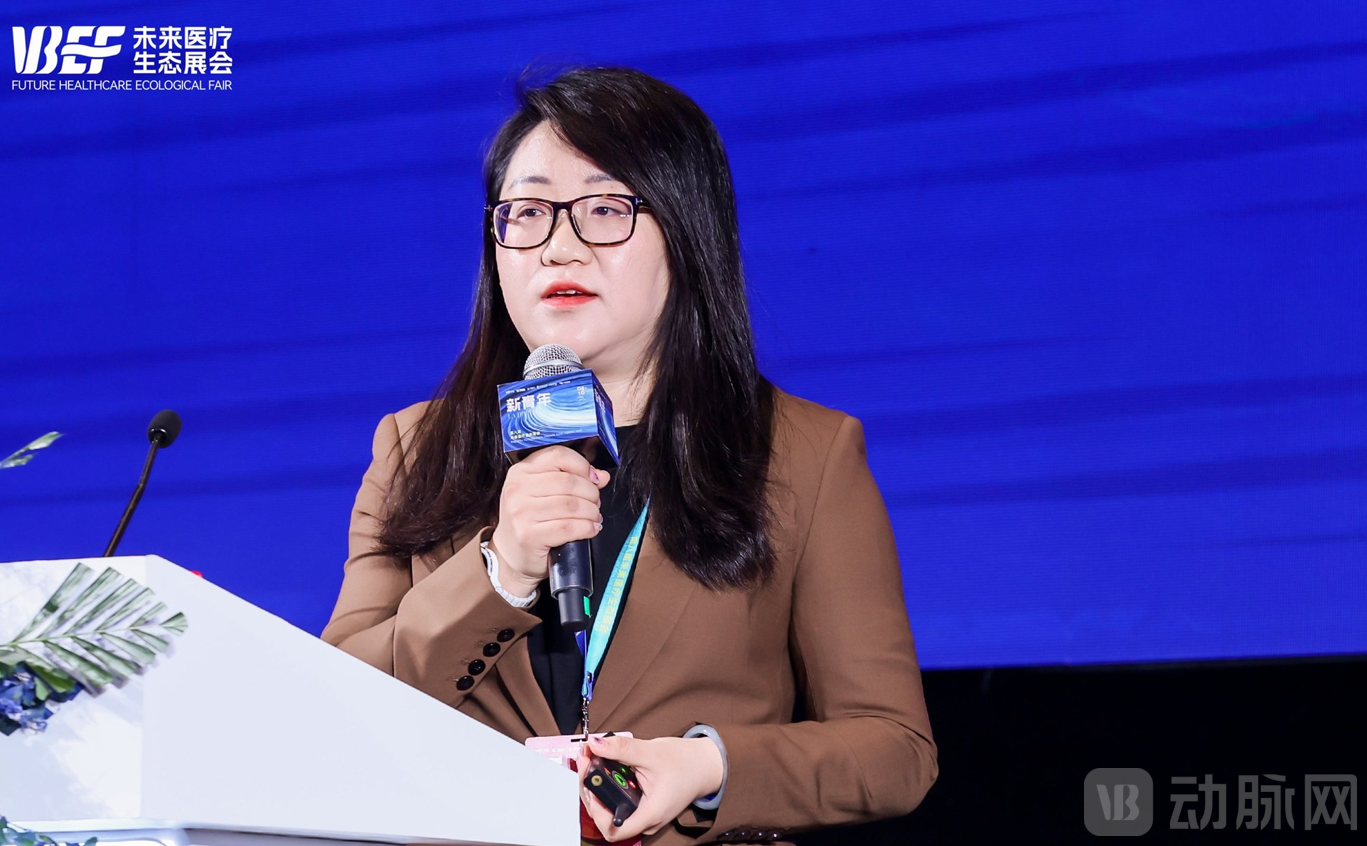 Zhu Jing, Vice President of ClinChoice and Head of the China Regional Clinical Research Team
In fact, such “collaborative” logic has become an industry consensus in current medical innovation and translation. In this regard,Zhu Jing, Vice President of ClinChoice and Head of the China Regional Clinical Research TeamIn the keynote address, “How to Achieve ‘Cost Reduction and Efficiency Enhancement’ in the Context of the Domestic Circulation,” it was noted that over the past two to three years, technological innovation in China has been continuously accelerating, particularly in the field of cell and gene therapy (CGT). Meanwhile, domestic regulatory oversight has become increasingly stringent, and market competition has grown more intense. Against this backdrop, we should focus on identifying new directions—Collaborate with all industry stakeholders for mutual benefit, leveraging limited resources to efficiently prioritize the most critical initiatives.。
On this basis, it is also essential to carefully examine the details involved in medical innovation and translation. In this regard, Zhu Jing added, “We truly need to pursue more proactive innovation and change, and then embrace the market.” This implies that we have two R&D approaches:First, identify highlights by uncovering novel developments across various dimensions; second, foster win-win collaboration to drive more efficient innovation under resource constraints, avoiding endless investment.。
Breakthroughs in Core Technologies That Have Long Been Chokepoints
The summit concluded with a roundtable session, includingLi Yabo, CEO of Elite; Su Yunpeng, CEO of Jinshi Technology; Wang Lei, CEO of Leo Peak; Sun Jianjun, CEO of Taoxuan Science; Zhou Xiong, CEO of Xinjuwei; and Zhang Junqi, Partner at Qifeng Capitalsix guests, including“Breakthroughs in Chokehold Source Technologies: A New Starting Point in the New Capital Cycle”This topic sparked intense discussion, with participants sharing their unique insights.
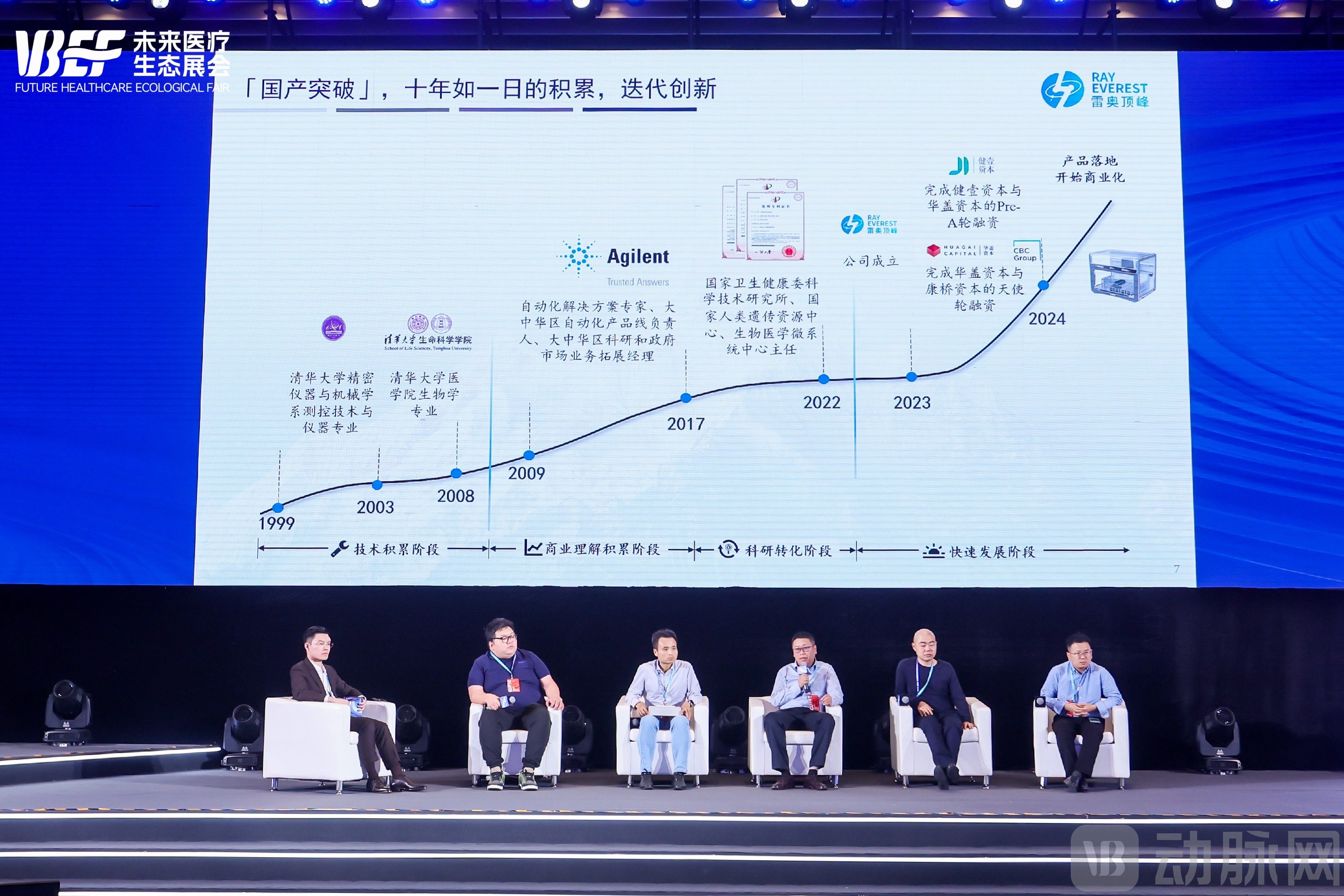 From left to right: Zhang Junqi, Partner at Qifeng Capital; Li Yabo, CEO of Elitech; Su Yunpeng, CEO of Jinshi Technology;
Lei Ao Dingfeng CEO Wang Lei, Tao Xuan Science CEO Sun Jianjun, Xin Juwei CEO Zhou Xiong
Before the official proceedings began, Zhang Junqi, Partner at Qifeng Capital and moderator of the roundtable discussion, addressed the changes in the healthcare industry. He noted that over the past two years, the investment community has been continuously reflecting onWhat Exactly Does the Next Opportunity for Scaling Look Like?The first category consists of leading capital firms, which already possess a strong foundation to continuously expand their pipelines and even expand overseas, thereby further solidifying their top-tier status. Another significant opportunity lies upstream in the industrial chain, specifically in life science tools and supply chain components. Finally, downstream, after covering confirmed opportunities, the focus is shifting toward original innovation. This requires us to continuously screen and modify based on tools, and persistently pursue independent innovative discoveries. As downstream enterprises gradually rise, many upstream components, raw materials, and materials will correspondingly enter the window for domestic substitution.
Following this industrial logic, our primary focus should be on the delivery of innovation—namely, whether companies can truly deliver results. This hinges on the critical challenge of how to efficiently foster collaboration among professionals from diverse fields.
In this regard,Su Yunpeng, CEO of Jinshi TechnologyWhen discussing the role of founders in the R&D process, what exactly is it? Initially, founders may be hands-on, but ultimately they must return to their core identity as founders, with a strong focus on strategic planning. In fact, our scientists and engineers have impeccable execution capabilities; however, due to their specific roles and limited perspective on the industry as a whole, they often find it challenging to lead strategic planning. This responsibility therefore falls to the founding team. Ours is a highly multidisciplinary team: the three founders come from different professional backgrounds, which complement each other perfectly in the development of our sequencers. Each founder can focus on the planning and design within their respective area of expertise. Once the design is well-defined, we hand over implementation to our team members, who are highly likely to deliver excellent results.
Once innovative outcomes are achieved, the next step is to bring them to market. In this process, companies must address a key question: how to continuously iterate and refine their products to enhance their competitiveness in the market.
In this regard,Wang Lei, CEO of Leo PeakTan Dao: What Is the True Source of Innovation? First, it must meet market demands; second, products must be refined to a high standard, which requires healthcare companies to possess key capabilities across four dimensions: first, independent R&D rather than simply following others; second, continuous product iteration and upgrades; third, global innovation; and fourth, sufficient capability for international expansion. In fact, these four core competencies not only represent opportunities for corporate growth but also constitute important investment targets for future capital markets.
Among these, “going global” has drawn significant attention and is currently one of the key topics of interest for healthcare companies. As one of the earliest founders to expand overseas,Sun Jianjun, CEO of Taoxuan ScienceI also took this opportunity to share my personal feelings and reflections.
He noted that, overall, there are significant differences between the domestic and international landscapes. For instance, in terms of focus, overseas clients are more concerned with the underlying logic of a solution and whether it can truly address unmet needs. In contrast, Chinese clients tend to prioritize who is purchasing the product and whether it can be reused or replicated. Additionally, regarding business collaboration, Chinese clients often have longer-term planning cycles, whereas their U.S. counterparts are more willing to invest in emerging technologies with uncertain but potentially high-reward futures. Finally, in terms of commercial operations, costs abroad are substantially higher than in China. Although Chinese products are often praised for their cost-effectiveness, the disparity in operational costs between China and other countries is not comparable.
Therefore, returning to the fundamentals, focusing on the product itself is crucial; this is also the foundation for successful global expansion. However, given that corporate energy and resources are limited, we must first determine priorities.
In this regard,Zhou Xiong, CEO of XinjuweiWhen discussing investment opportunities, the primary consideration is whether a solution can address key challenges. Prior to this, we examine the underlying real-world needs and logic. For entirely new scenarios, we assess whether they align with future trends in that specific niche. Secondly, in the context of domestic substitution, we evaluate what value we can deliver. Since entering established supply chains for replacement purposes presents high barriers, we must determine how to empower customers and genuinely resolve their practical issues. Finally, we consider the return on investment (ROI), including potential revenue, the timeline for pipeline development, and other relevant factors. These elements are calculated and comprehensively evaluated to determine whether the investment is worthwhile.
In light of this, a key issue is “monetization” or exit. Given the current market environment, mergers and acquisitions have become a popular option for industry monetization.
In this regard,Yilite CEO Li YaboFrom a cognitive perspective, the M&A process requires a significant number of experienced professionals, as it involves highly complex transactions. In fact, the overall complexity and risk level of mergers and acquisitions are far higher than those of simple investments. However, the value of M&A cannot be overlooked. For instance, it is evident that traditional large enterprises have ultimately achieved their overall development trajectories through M&A. Turning to the domestic market, China’s market size accounts for less than 20% of the global total, yet the number of domestic manufacturers far exceeds that of foreign counterparts. This implies that an inevitable process of M&A and consolidation must occur. Looking ahead, the most critical factor in determining who will become an acquirer or an acquisition target lies in establishing positive R&D capabilities and demonstrating intrinsic value. Only in this way can a company either integrate others or be integrated itself.
Nevertheless, we remain confident that over the next decade, medical innovation in China will reach new heights, with an increasing number of innovative products, enterprises, and business models emerging to prominence.