

Insiders' Coverage of the Future Healthcare Expo: Endless Discussions on New Quality Productive Forces
At this year’s 8th Future Medical Ecosystem Expo, top domestic and international scientific researchers and clinical experts attended the event. Two hundred innovative products made their impressive debuts, and dozens of outstanding academic achievements from universities and colleges were centrally released. Over the three-day period from May 8 to 10, a wide array of innovative and practical scientific and technological achievements, along with firsthand insights from principal investigators (PIs) and professors, kept attendees fully engaged, collectively weaving a new narrative and highlighting emerging trends in the translation of China’s scientific research outcomes.
At this annual showcase of medical innovation, the translation of research outcomes has evolved from a trendy buzzword a few years ago into a fundamental prerequisite for technological innovation. We have observed that industry discussions on this topic have shifted from the “What” and “Why” of several years ago to today’s focus on “How” and “Which.”
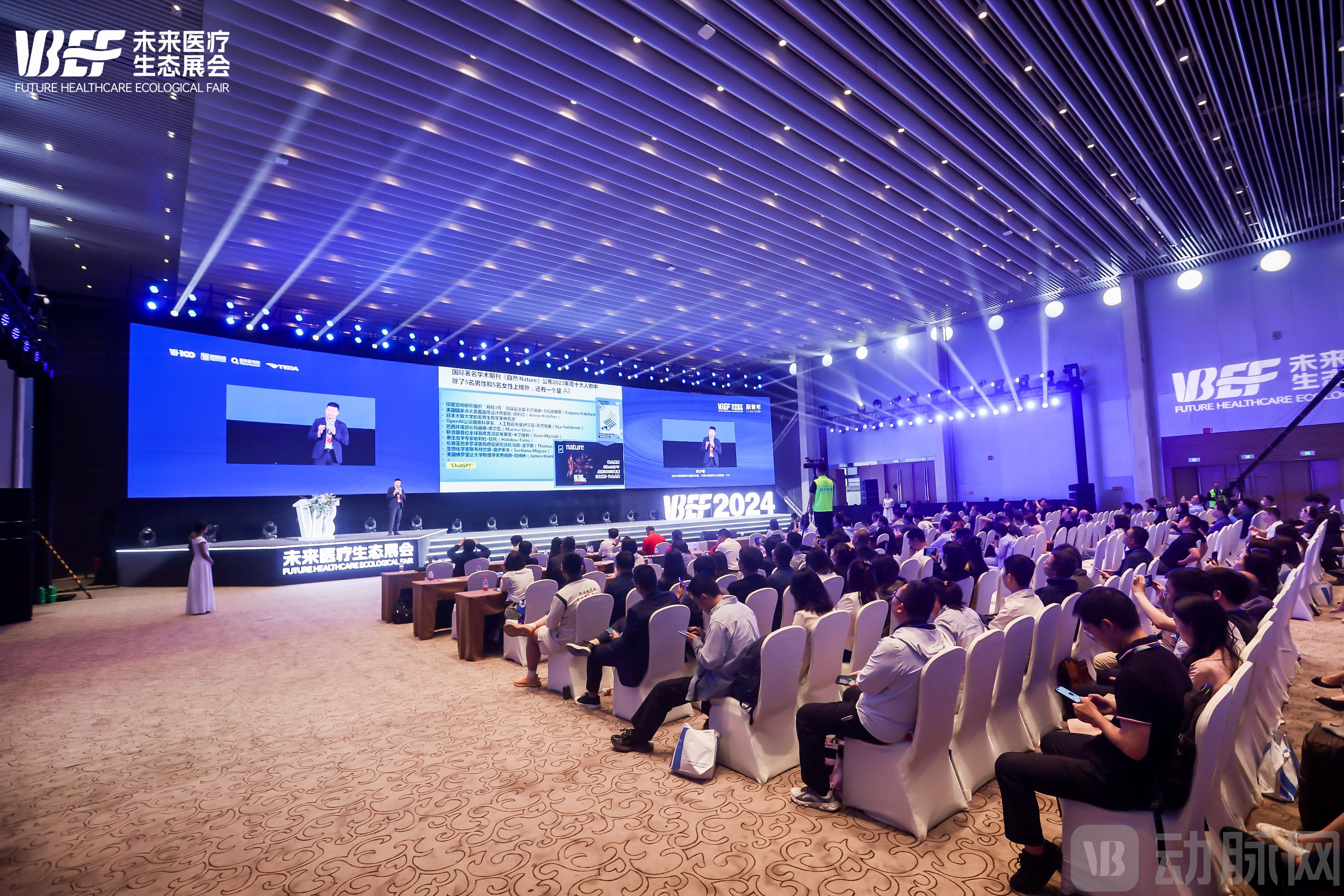
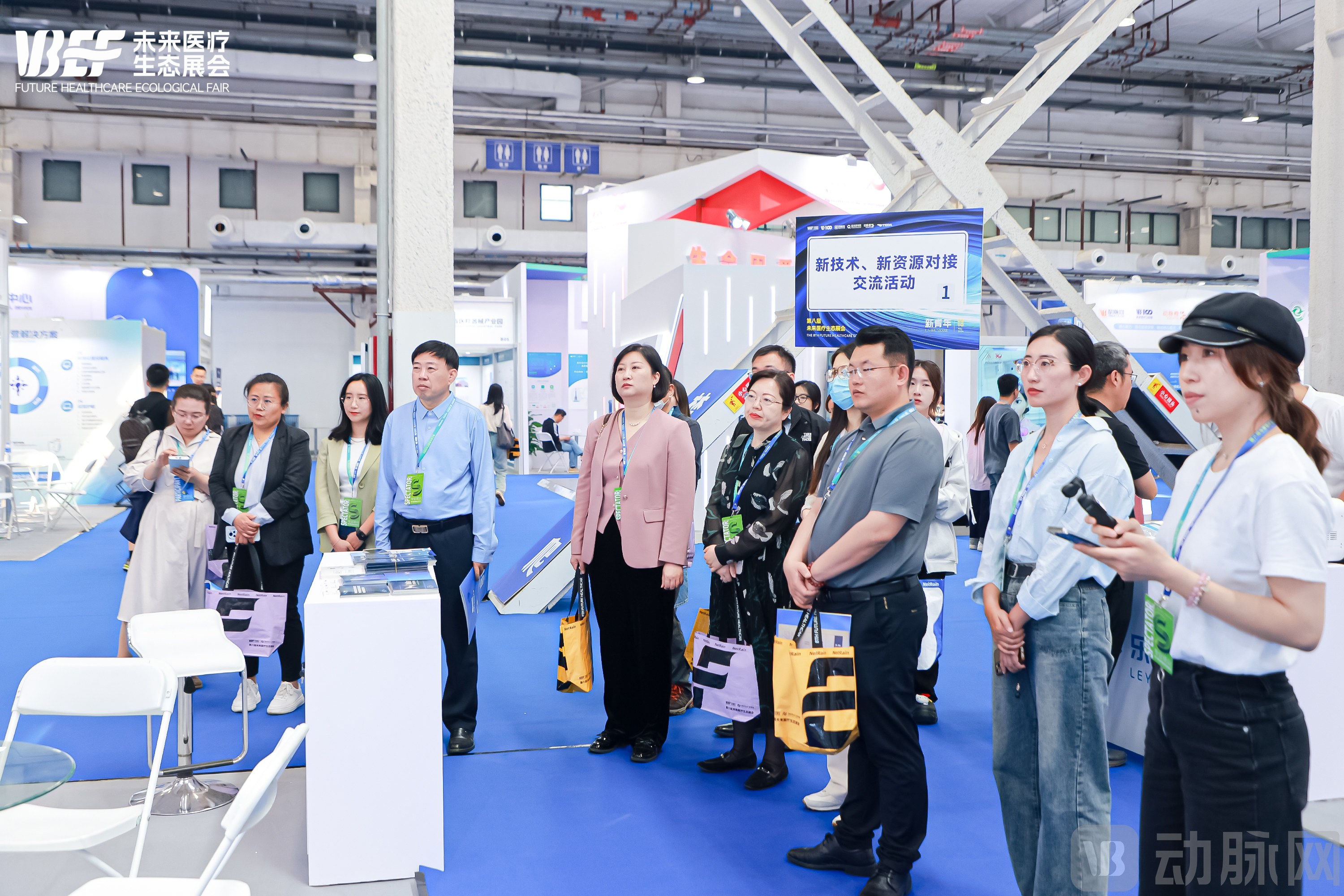
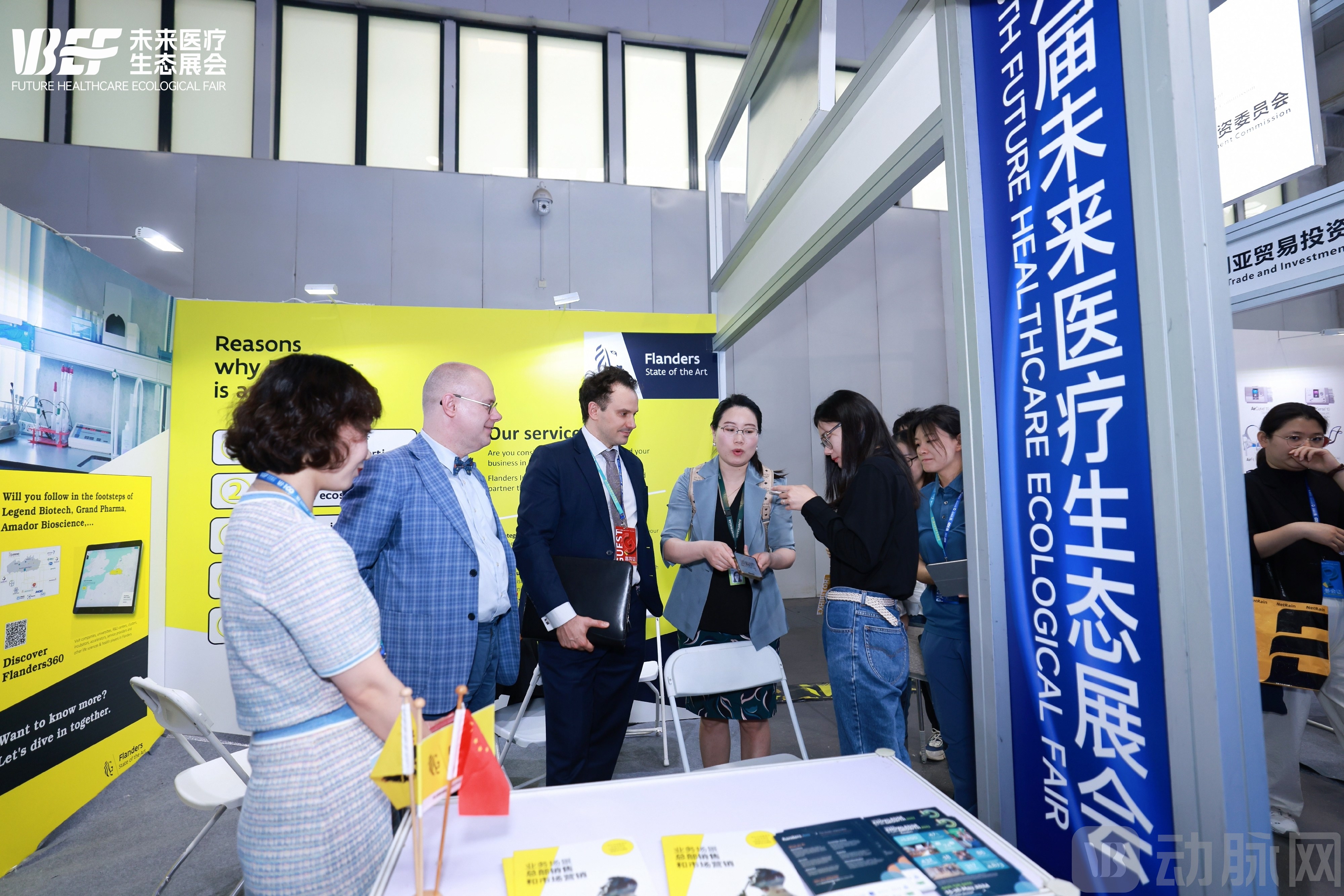
Across a total of nine events focused on the commercialization of scientific and technological achievements, industry insiders discussed topics ranging from new-quality productive forces to micro-innovation and finally to supporting implementation measures.All efforts are grounded in the most pressing needs amid the harsh winter, accumulating strength in patience for a future breakthrough.
New Quality Productive Forces: More Than Just Talk
In September 2023, the concept of “new quality productive forces” was proposed for the first time; in January 2024, its definition was clearly explained and emphasized; and in March 2024, the Government Work Report delivered by the State Council explicitly highlighted the significant role of big data and artificial intelligence in economic development.
In the medical field, new quality productive forces also play a leading role in innovation.On one hand, new quality productive forces have introduced entirely new digital tool scenarios to the healthcare industry, demonstrating varying degrees of improvement in quality and efficiency across informatization, medical devices, imaging, and healthcare services. On the other hand, the introduction of new quality productive forces has freed the allocation and scheduling of medical resources from being solely constrained by geographical factors, offering a novel approach to resolving the challenge of medical resource distribution in China.
Over the course of the three-day forum, numerous research and clinical experts shared their insights from the past year on implementing new quality productive forces.
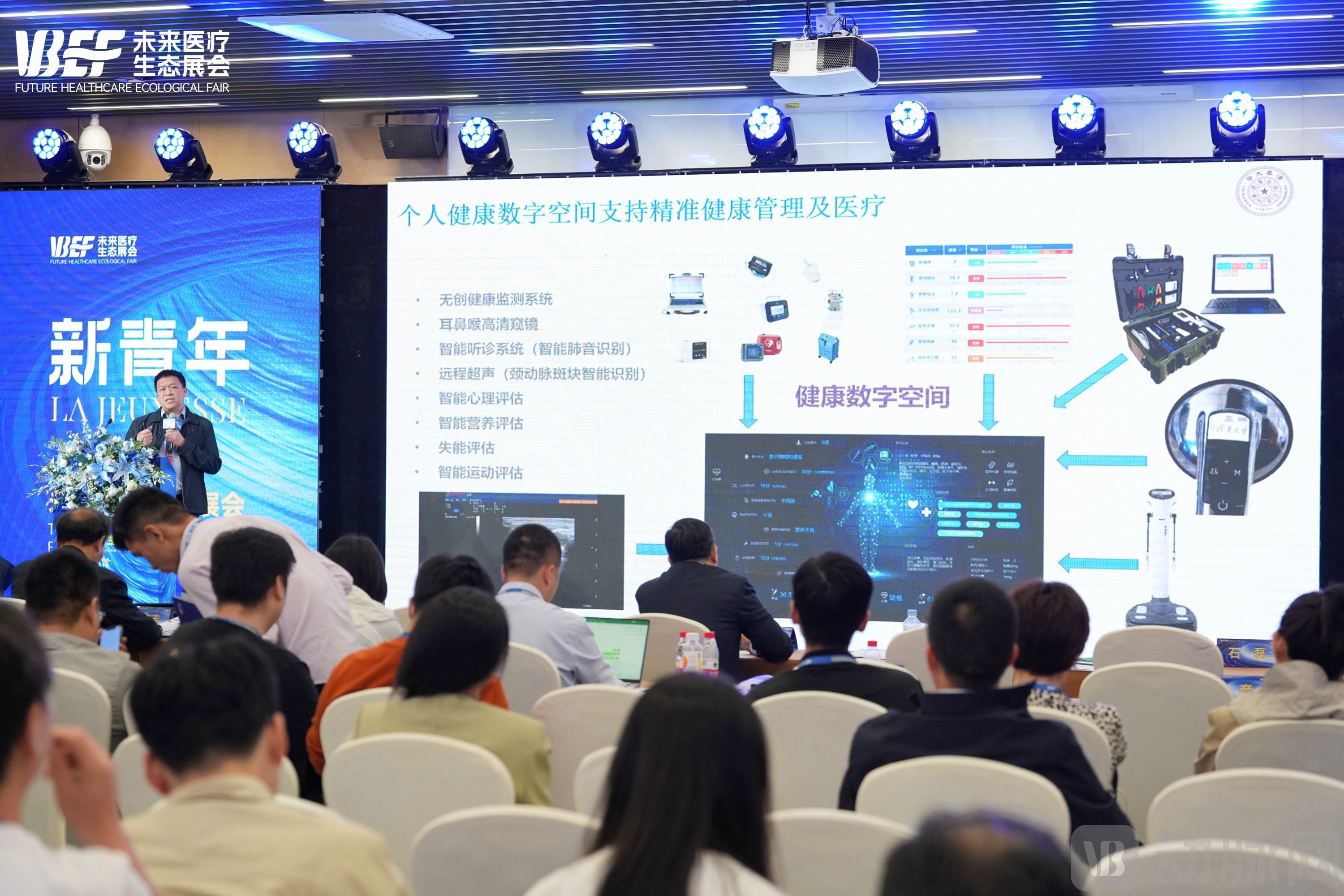
Yang Bin, Director of the Smart Health Center at the Institute for Precision Medicine, Tsinghua University, pointed out in his presentation that future patient-centered health management can be effectively advanced through digital and intelligent technologies.
Regarding the challenge of population aging that China will face in the medium to long term, Han Jingdong, a Boya Professor at Peking University, also noted that it has been difficult in the past to verify in trials whether a drug truly possesses anti-aging properties.
The research sector is leveraging the training of large-scale artificial intelligence models to precisely quantify specific scientific inquiries, and the resulting efficiency gains are expected to become apparent soon.
It is evident that the applications of artificial intelligence are flourishing across multiple domains, no longer confined to the pharmaceutical sector as commonly perceived.
New quality productive forces are equally significant in the fields of medical devices and medical imaging.
Wang Tianmiao, Honorary Director of the Robotics Institute at Beihang University, pointed out that the following four aspects represent the future development trends of AI medical robots: the integration of general-purpose and specialized capabilities, the interpretability of large artificial intelligence models, the upgrade of product functions from simple localization to effective manipulation, and the emergence of intelligent assistants capable of accurately understanding physicians’ intentions.
Liu Shiyuan, Director of the Department of Radiology at Shanghai Changzheng Hospital and Chairman of the Chinese Society of Radiology under the Chinese Medical Association, also summarized several key areas where AI has made significant impacts: data acquisition, image optimization, diagnosis, and patient management.
Their perspectives all sparked lively discussions among clinical experts in the audience.
As forHow Artificial Intelligence Expands the Boundaries of Physician Capabilities, Feng Xiaobin, Executive Deputy Director of the Digital Health Innovation Center at Tsinghua University, also shared his insights. He stated that engineering technology serves as a significant driving force for surgery, empowering various aspects including disease assessment, clinical decision-making, surgical planning, operative procedures, and perioperative management, thereby creating physicians’Super Brain, Super Eye, Super Hand。
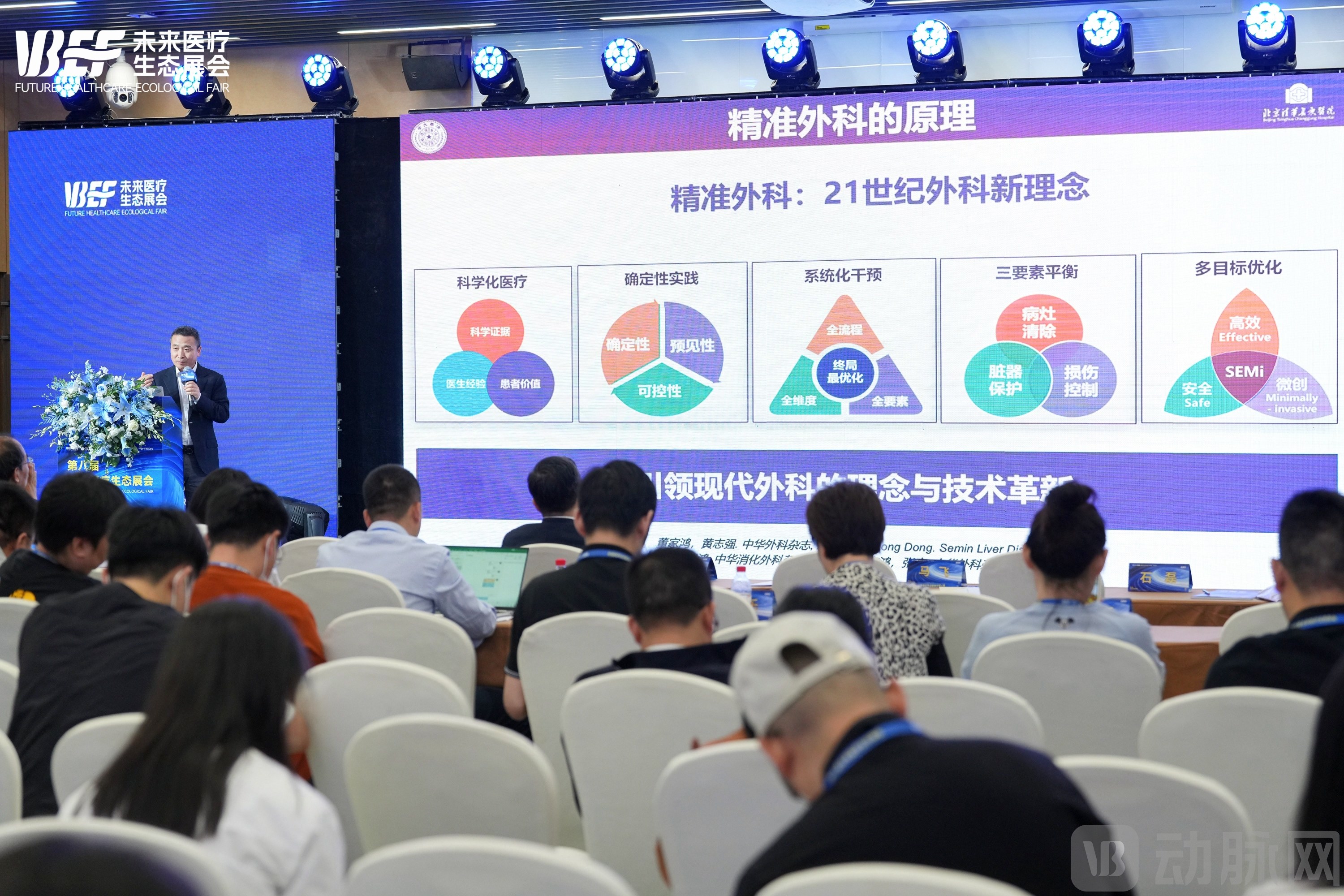
As a hepatobiliary and pancreatic surgeon, Associate Director Feng Xiaobin has an even more urgent hope to leverage artificial intelligence to benefit more patients.
Driven by top-level design, both the research and clinical sectors are rapidly and proactively embracing new quality productive forces and implementing them in practical applications.
Reshaping "Chinese-Style Micro-Innovation"
If new-quality productive forces, represented by artificial intelligence, offer the potential for transformative advances in the healthcare sector, the medical device industry has been consistently driving innovation through a methodology of incremental, micro-innovations.
China-Specific Practical Application Explorationspirit, making micro-innovation a unique hallmark of the development of China's medical device industry.Over decades of learning, imitation, improvement, and optimization, the industry has accumulated a continuously evolving and iterative theory of medical device innovation. We have rapidly developed a series of optimized products tailored to the Chinese market within the rich and intertwined medical device sectors, delivering benefits to a vast number of patients in China and worldwide through highly competitive cost advantages.
Products with minor improvements still account for a certain proportion among the medical device manufacturers exhibiting this year, but some changes are occurring simultaneously.
At the 2024 Future Healthcare Ecosystem Exhibition, with the launch of numerous innovative products and feedback from frontline clinical personnel,We have observed an iterative evolution in the medical device industry’s understanding of micro-innovation.
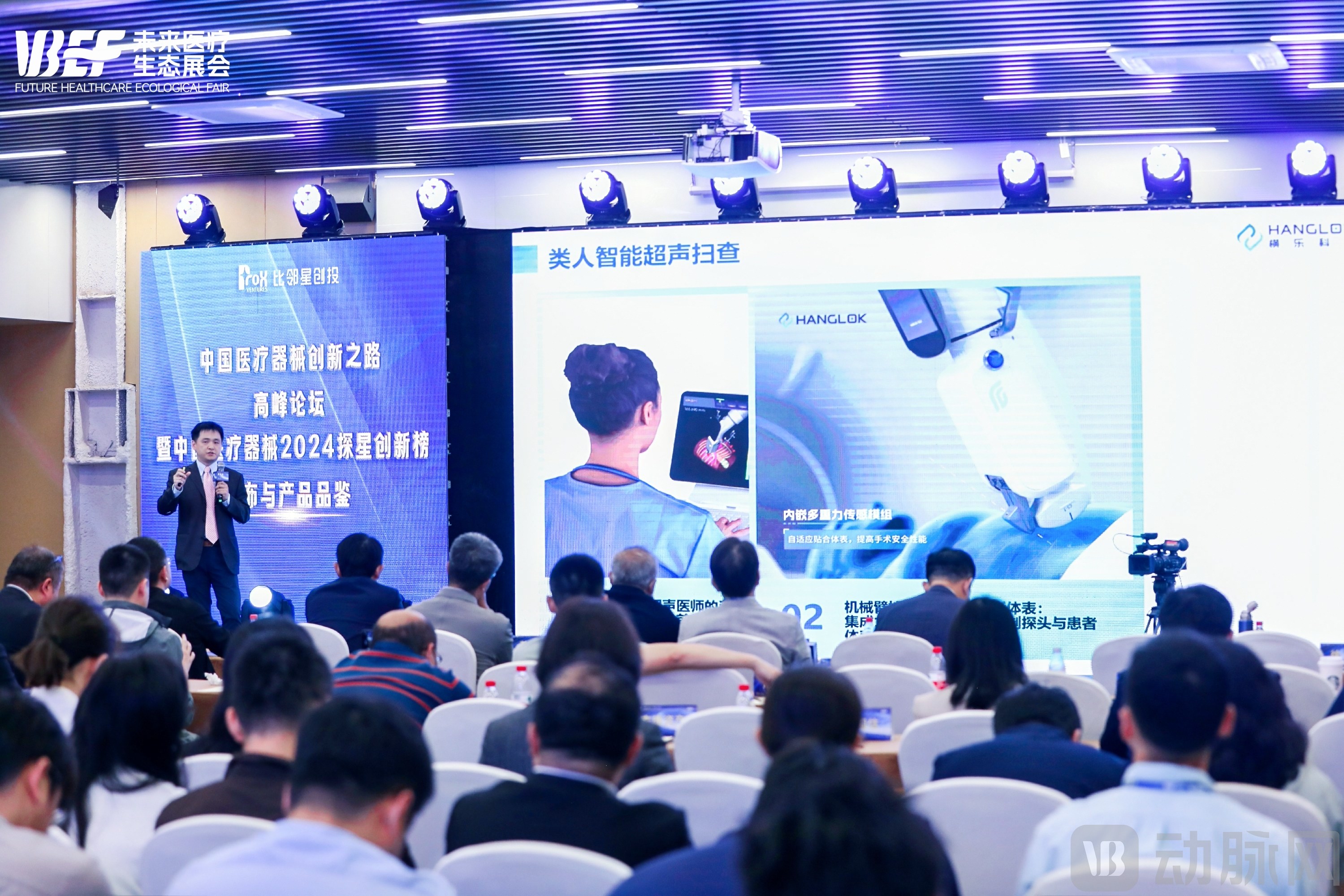
Engineers often strive to create a “good” product, whereas clinicians typically need a “user-friendly” one. This subtle distinction in wording reflects a profound difference. Are the functions truly targeted? Does the operation align with the actual workflows of clinical departments? Are the costs and reimbursement mechanisms reasonable? These questions have become increasingly prominent with the development of novel medical devices.
Wang Yan, President of Xiamen University Affiliated Cardiovascular Hospital, has observed that after five to ten years of robust development, the integration of medicine and engineering has shown a significant slowdown in the past two years. Ouyang Chenxi, Chief Physician of the Department of Vascular Surgery at Fuwai Hospital, Chinese Academy of Medical Sciences, pointed out that while innovative products must possess the capability to solve problems, it is essential to consider how to balance product innovativeness with safety.It is evident that an unqualified pursuit of “newness” is not the ultimate clinical need; rather, what physicians truly desire is innovation that is both practical and safe.
In recent years,Industry insiders, particularly clinicians, have begun to convey to the market their demand for the rational implementation of medical device innovation.
Not only clinicians, but also investors who have transitioned from clinical practice have offered rational observations on incremental innovations in medical devices. At the sub-forums on medicine-engineering convergence and innovative medical devices, multiple investors have“True Clinical Value”Perspectives from various angles have been shared. What exactly do patients need, and what do doctors hope for? How can engineers understand these answers? The volume of discussion on this topic has not decreased compared to previous years, serving as a barometer for the continuous progress of the medical device industry.
Reinforcing the Hourglass Model for Clinical Implementation
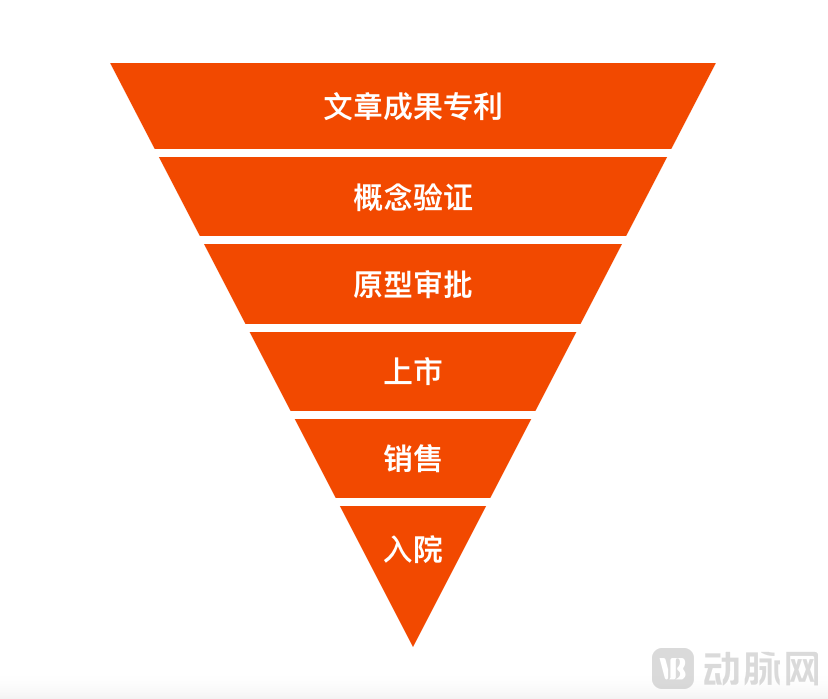
Translating scientific research achievements into practical applications is a lengthy process that spans from academic publications to patents, prototypes, regulatory approvals, market launch, sales, and hospital formulary inclusion. Each stage in this pipeline requires targeted support to expand the funnel, thereby ensuring a sufficient volume of products ultimately reach the market.
As the Peking University system has increased its investment in building capabilities for the commercialization of scientific and technological achievements over the past year, its unique experience has sent a new signal to the market.Li Li, Deputy Director of the Scientific Research Department at Peking University First Hospital, believes that “innovation by a hospital or a physician cannot be achieved without the support of the hospital’s disciplines and research infrastructure.” The Peking University system, which integrates the main campus, the Health Science Center, and multiple affiliated hospitals, offers a model for translating achievements through multi-party collaboration that holds significant reference value for Beijing and across China.
In the various stages of technology transfer projects we have previously engaged with, teams that have already launched their first products have gained significant insights into clinical trials and product regulatory approval. The vast majority of these insights focus on how thorough preparatory work can substantially reduce subsequent workload and, to a certain extent, determine the success of the trials.
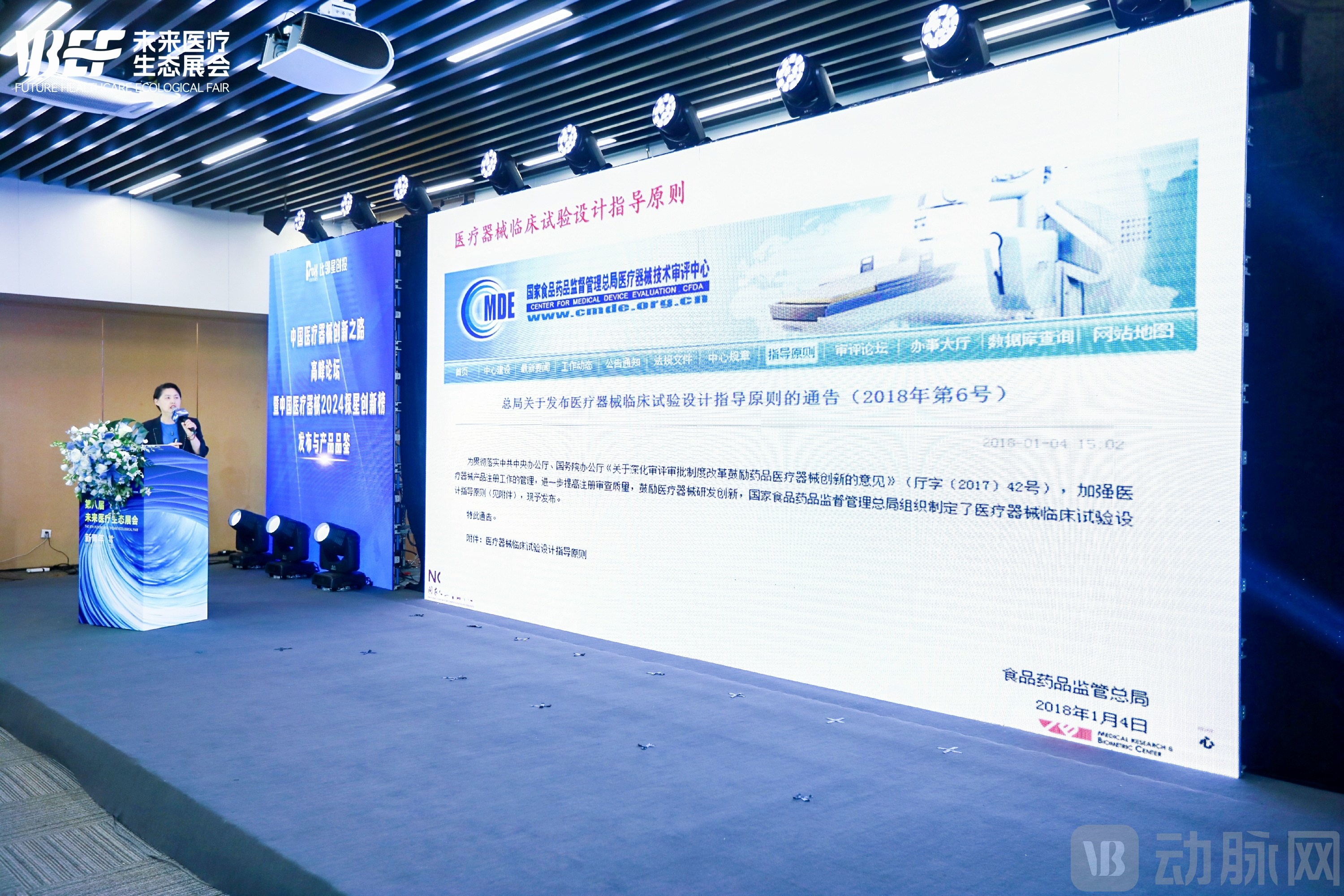
Li Wei, Deputy Director of the National Clinical Research Center for Cardiovascular Diseases and Director of the Department of Medical Statistics at the National Center for Cardiovascular Diseases, specifically pointed out thatOnly clinical trials that adhere to statistical principles form the foundation for successful product approval and market launch.
Notably, when service providers across the upstream and downstream segments of the supply chain share typical failure cases—such as missing approval application materials or incorrect selection of hospital admission categories—The audience below the stage all raised their cameras to take photos and record the moment., for fear of missing out on these valuable lessons.
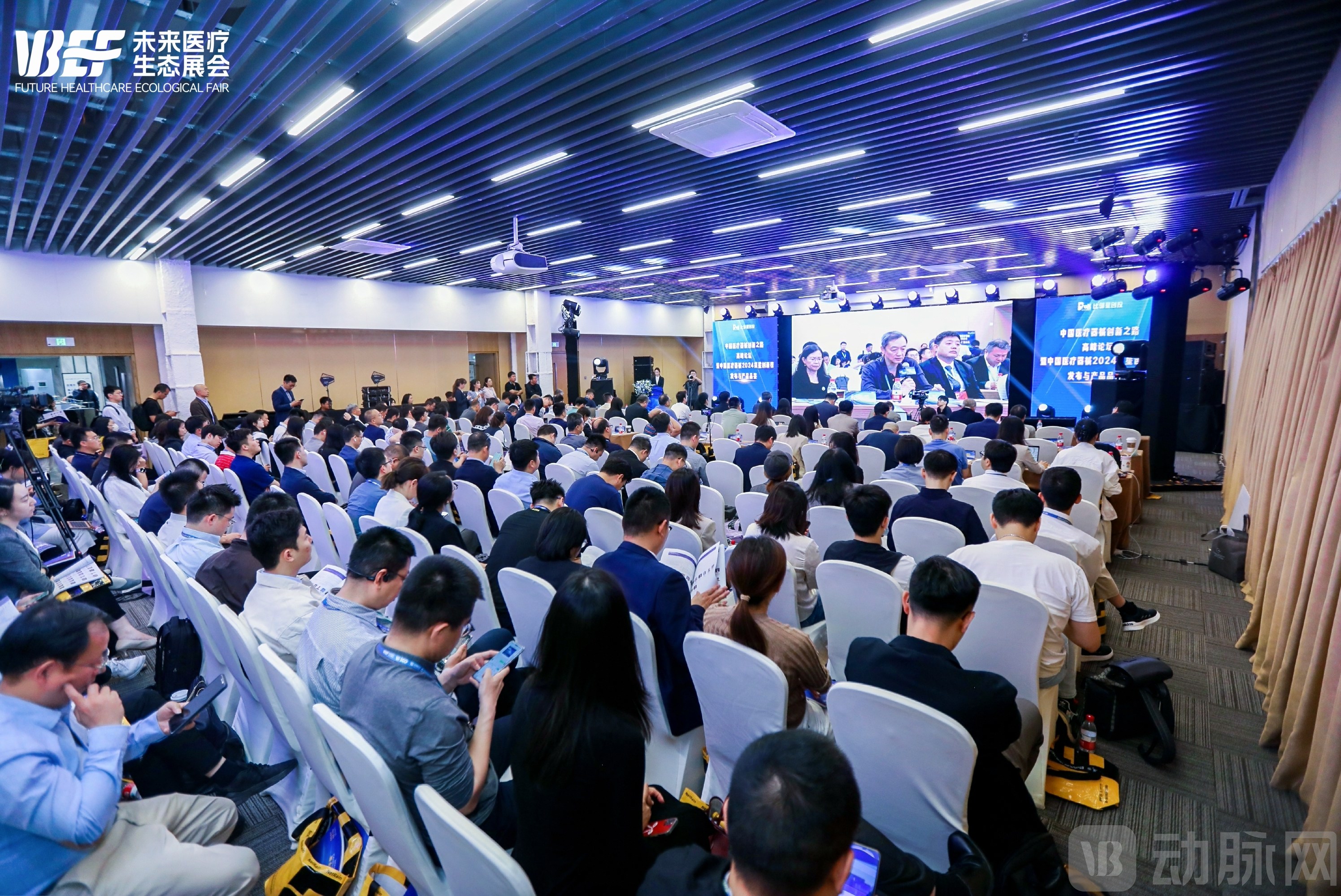
Cases of clinical failure or regulatory rejection due to suboptimal trial design and omissions in approval documents are occurring frequently. Greater industry awareness of this issue will undoubtedly lead to an overall improvement in success rates.
Epilogue
The Future Healthcare Ecosystem Exhibition officially concluded on May 10. Across five major exhibition zones, more than 3,000 companies participated, and over 500 leading experts from industry, academia, and research shared the latest industry insights with more than 15,000 attendees.Industry Consensus Undergoes a New Round of Iteration.
Through seven forums and two press conferences, the exhibition covered topics and sectors including translation of research findings, medical-engineering integration, device innovation, synthetic biology, innovation in the ophthalmology industry, cardiovascular innovation, and bio-regenerative materials. It brought together experts from institutions such as Peking University, Tsinghua University, the University of Oxford, Beijing Tiantan Hospital, Fuwai Hospital, and Jishuitan Hospital to discuss the latest advances in translating scientific achievements into practical applications.
We have observed that experts and scholars have developed a more objective and rational understanding of achievement commercialization, enabling them to adopt a more targeted approach. The high efficiency of exchanges and discussions also reflects that founders emerging from academic institutions are cultivating a long-term vision encompassing the entire industry chain.