

Forum on Service Innovation and Collaboration for Primary Healthcare Industry-Academia Development Successfully Held in Beijing
Under the guidance of the “Healthy China” strategy, the development of primary healthcare is particularly critical. As the link connecting the public with the healthcare service system, the enhancement of its production and research capabilities directly contributes to improving the health status of the entire population and serves as an important guarantee for social harmony and stability.
However, the problems and challenges currently facing the research and development sector in primary healthcare cannot be overlooked. In terms of talent, despite strong support from national policies, primary healthcare institutions still commonly face the dilemma of brain drain and difficulties in attracting high-end professionals, which to some extent constrains the quality and efficiency of medical services. Regarding technology and facilities, the technical capabilities and equipment configurations of primary healthcare institutions often lag behind contemporary developments, making it difficult to meet the public’s growing, diversified, and personalized healthcare needs.
On May 10, 2024, at the Primary Healthcare Industry and Research Development Forum hosted by VCBeat and co-hosted by the Healthy County Communication Platform, Wang Yan’an, Founder and Editor-in-Chief of the Healthy County Communication Platform; Cheng Youshuang, Director of the Institute for Tiered Diagnosis and Treatment and Health at Shanghai Jiao Tong University; Xue Tao, Vice President of Linqing People’s Hospital in Shandong Province; Pan Mingkang, Executive Dean of Zhongguancun Hospital, Chinese Academy of Sciences; Sun Jie, Deputy General Manager of Jianjian Medical; Huang Baofu, Deputy General Manager of Jingjie Technology; Liu Chang, Vice President of Hangzhou Proton Technology; and Chen Xingping, Founder of Jiaruikang Medical Group, delivered speeches.Li Tao, a critical care medicine expert at China-Japan Friendship Hospital, served as the forum moderator.In-depth discussions were held on this topic.

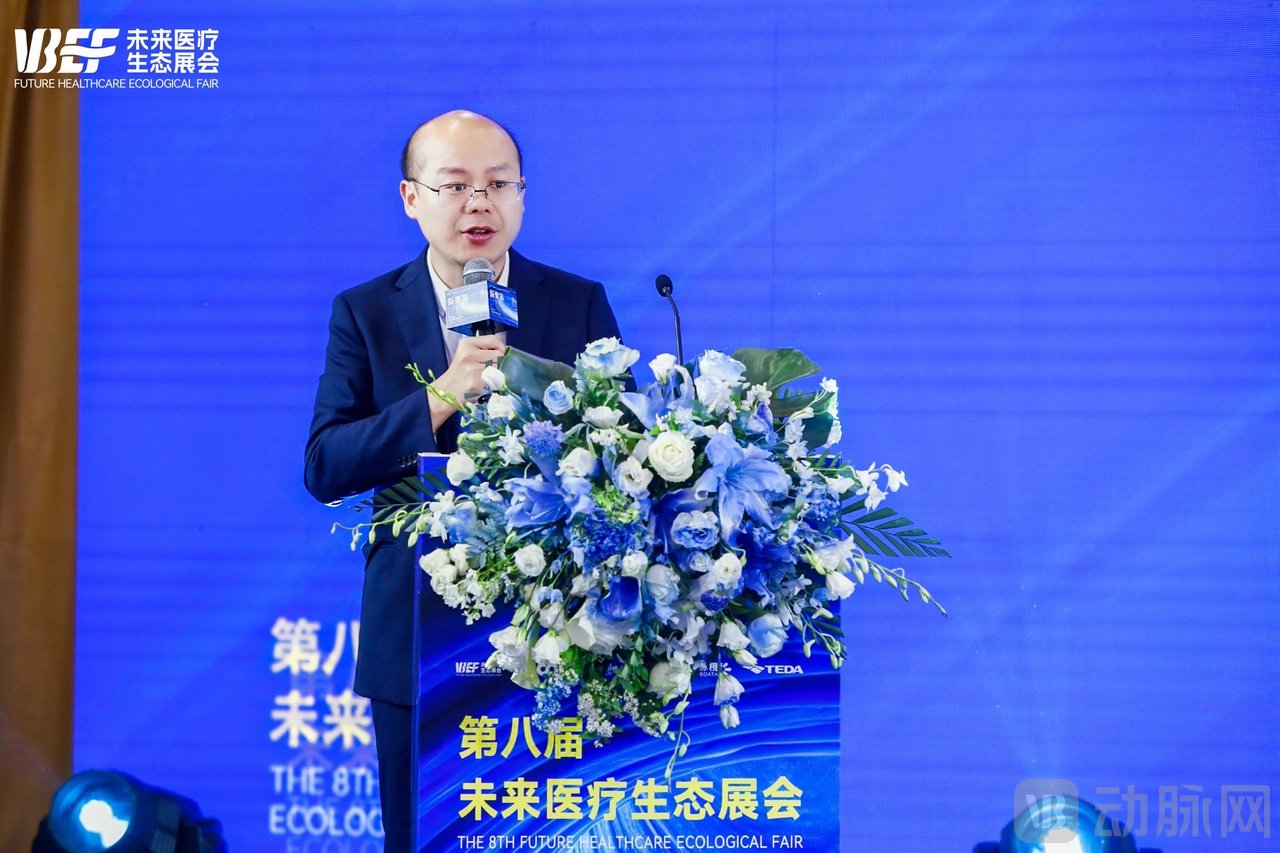
Li Tao | Critical Care Medicine Expert, China-Japan Friendship Hospital
In his address, Wang Yan’an stated that over the years, the “Healthy County-Level Communication Platform” has been committed to building a broad platform for exchange and dialogue among primary healthcare institutions. It has made relentless efforts and achieved remarkable results in connecting government bodies, medical institutions, the health industry, and healthcare service providers; disseminating and promoting health policies issued by the National Health Commission at all levels; and sharing successful experiences related to medical institutions and industry development.
At this conference, we have partnered with VCBeat to establish a dialogue platform for healthcare decision-makers and founders in the health industry. Our aim is to facilitate direct discussions on innovations in medical technology and services within hospital settings, enabling each party to articulate their needs with precision and clarity. This initiative seeks not only to better meet the demand for advanced medical technologies and services for patients but also to drive the industry toward delivering more precise, efficient patient care through tailored requirements and comprehensive solutions.
During the sharing session, Wang Yan’an reviewed the policy trajectory of China’s primary healthcare reforms over the past 15 years, outlining the state’s sustained commitment to advancing primary healthcare and the resulting achievements. He also called for greater impact from technological innovations and service improvements in the medical and health industries within the primary healthcare sector.
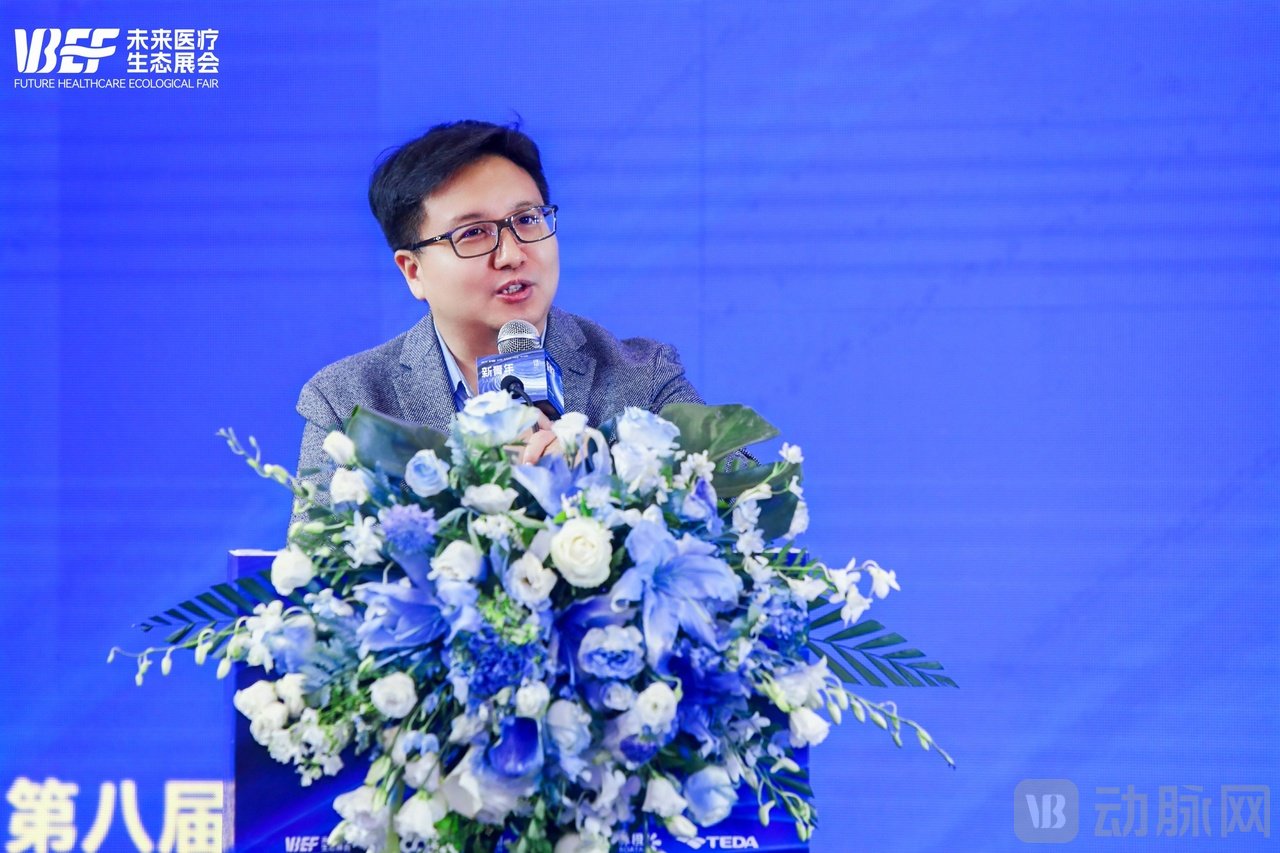
Wang Yan'an |Founder and Editor-in-Chief of "Health County Communication Platform"
Cheng Youshuang stated that, against the backdrop of the in-depth advancement of the tiered diagnosis and treatment system, the Shanghai Jiao Tong University Health Communication Development Center initiated the establishment of the Shanghai Jiao Tong University Institute for Tiered Diagnosis and Treatment and Health. With a patient-centered approach, the institute aims to meet patients’ healthcare needs by studying their medical service-seeking choices, thereby enabling them to access high-quality medical services close to home.
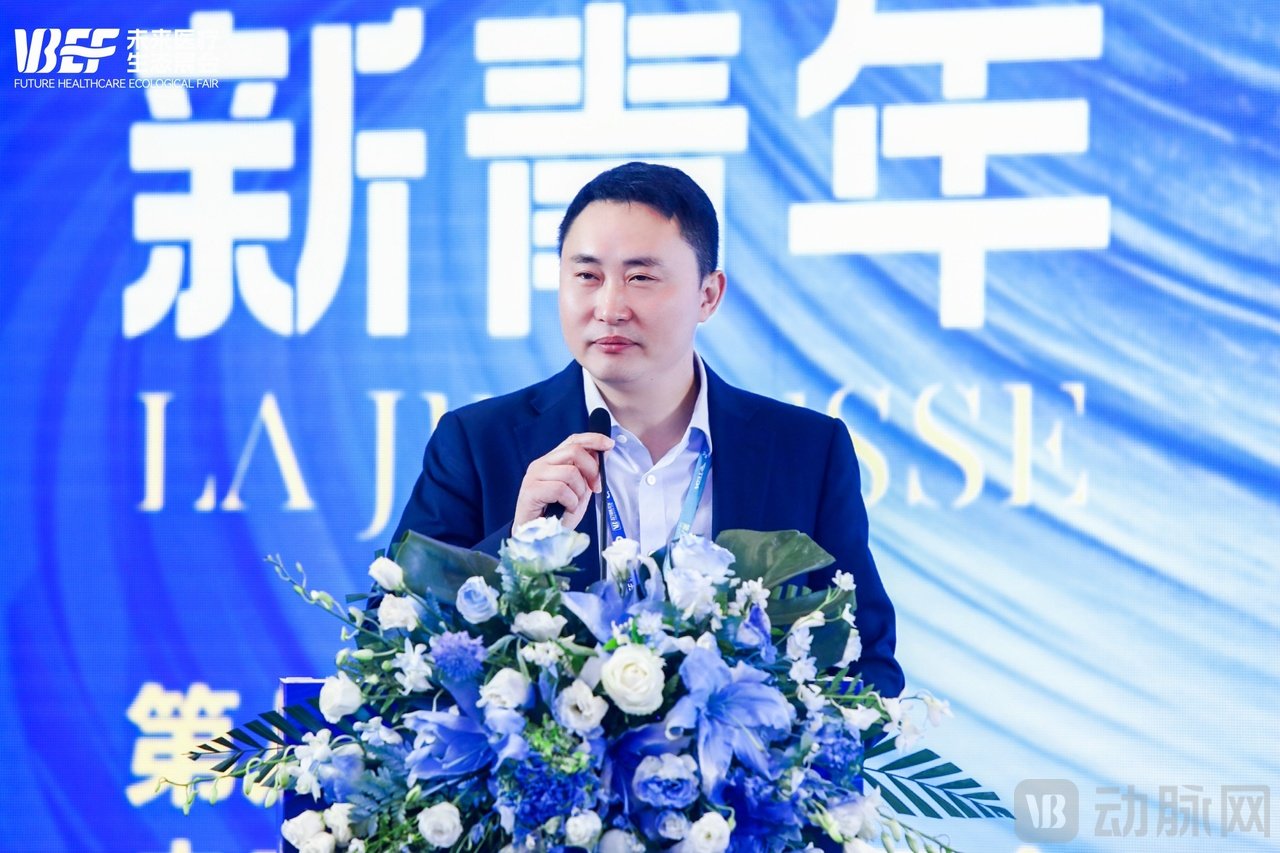
Cheng Youshuang| Director, Institute of Tiered Diagnosis and Treatment and Health, Shanghai Jiao Tong University
Shanghai Jiao Tong University Institute for Tiered Diagnosis and Treatment and Health focuses on integrating high-quality medical resources to empower primary care, providing services such as discipline development, consultation centers, and follow-up management center construction for municipal and county hospitals. This supports the achievement of the "14th Five-Year Plan" goal of building a high-quality, efficient, and integrated healthcare service system, while also contributing to the implementation of the tiered diagnosis and treatment system and promoting the homogenization of medical care.
"The current dilemma for municipal and county-level hospitals is that, among 300 patients meeting surgical indications, department directors can only see 100 in their outpatient clinics. Only 30%–50% of these patients choose to receive treatment at primary care hospitals; inviting specialists may raise this figure to 50%. 'How can we increase patient retention by 30%? How can we improve patient conversion rates? These are pressing challenges,' said Cheng Youshuang."
To overcome the aforementioned challenges, the Institute for Tiered Diagnosis and Treatment and Health at Shanghai Jiao Tong University has explored and implemented innovative development strategies: establishing the Shanghai Senior Expert Consultation Service Center. This initiative provides a new option for patients with acute conditions, helps primary care hospitals and departments retain patients, and creates opportunities for these departments to engage with patients under the auspices of Shanghai-based experts.
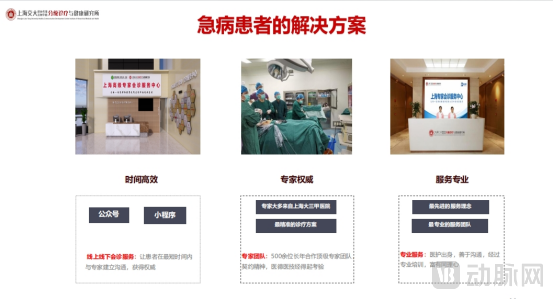
Notably, Kunshan First People's Hospital, Taicang First People's Hospital, and Changzhou Fourth People's Hospital (Changzhou Cancer Hospital) have adopted this solution by establishing Shanghai Senior Expert Consultation Centers within their facilities, resulting in a significant increase in patient visits.
Secondly, in response to the needs of patients with chronic diseases for “scientific health education, dedicated management, and meticulous services,” the Shanghai Jiao Tong University Institute for Tiered Diagnosis and Treatment and Health has established standardized pre-consultation follow-up protocols. For patients requiring diagnosis and treatment, standardized follow-ups are conducted to help them develop correct perceptions, enhance health awareness, and increase consultation rates. Post-follow-up conversions are performed regularly: patients without surgical indications are reminded to undergo regular re-examinations, while those with surgical indications are transitioned into surgical candidates through professional follow-up. Additionally, post-consultation follow-ups are carried out based on the patient’s condition and hospital visit records. Patients are regularly followed up to monitor treatment efficacy, disease progression, and recovery status, and the follow-up information is promptly fed back to the treating departments and consulting experts.
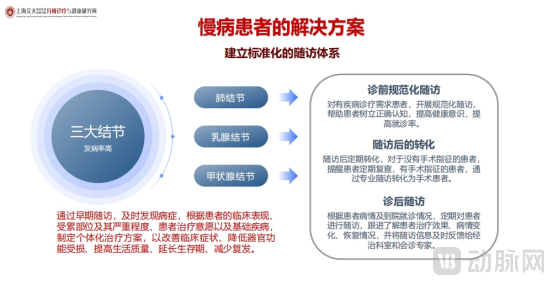
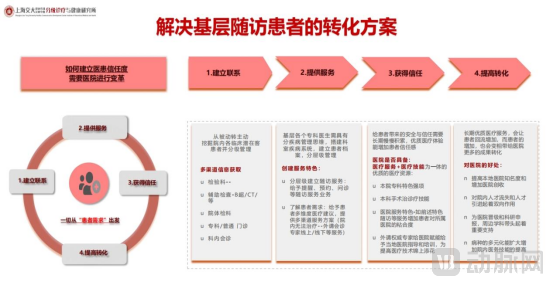
Through this model, the outpatient volume and surgical procedures at the Pulmonary Nodule Follow-up and Treatment Centers of Taicang Hospital of Traditional Chinese Medicine, Tongling Fifth People’s Hospital, and Sheyang County Hospital of Traditional Chinese Medicine have all increased significantly.
Cheng Youshuang summarized that the implementation pathway for high-quality, innovative development of primary healthcare proposed by the Institute for Tiered Diagnosis and Treatment and Health at Shanghai Jiao Tong University focuses on building a new system of high-quality, shared medical services centered on patients. This approach helps reduce patient attrition, build trust between doctors and patients, enhance medical technologies, and improve service levels.
Xue Tao explained that the background for establishing the nationwide “One Network for ECG” is that most deaths among patients with acute coronary syndrome (ACS) occur outside of hospitals. Linqing People’s Hospital has drawn on its experience to establish a regional collaborative care system.
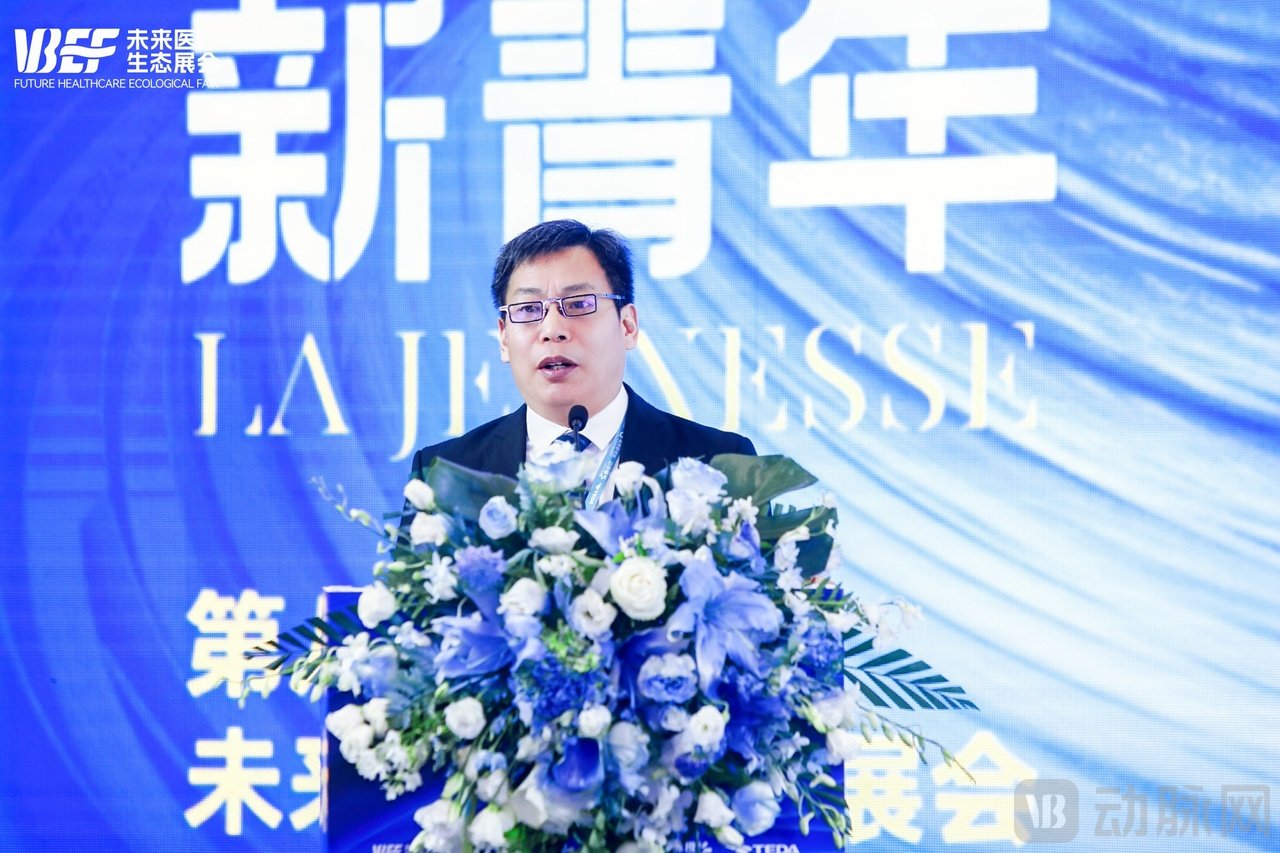
Xue Tao |Deputy President, Linqing People's Hospital, Shandong Province
Linqing People’s Hospital has established a nationwide “ECG Network” to streamline the critical initial phase of myocardial infarction treatment, formulated national standards for the “ECG Network,” and extended ECG diagnostics to pre-hospital early warning and post-discharge management, thereby improving pre-hospital treatment rates.
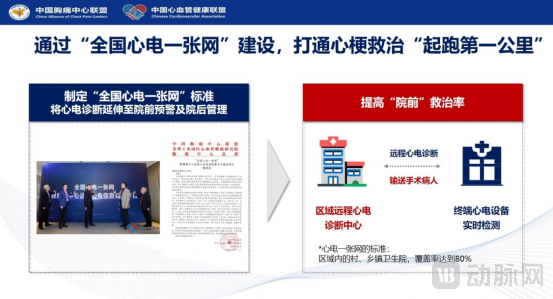
He stated that the smooth implementation of the “ECG Network” project was made possible by the Linqing Municipal Government’s leadership in fostering an enabling environment, extensive publicity through government-affiliated media, patient oversight and guidance from the government, and proactive promotion efforts.
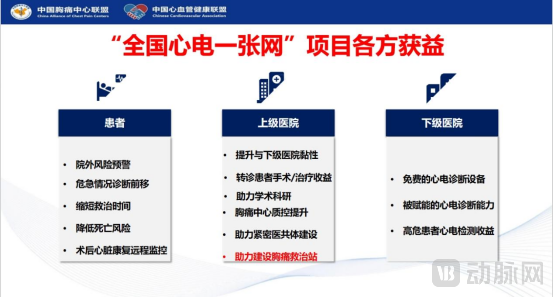
“ECG Network” construction reflects a deep commitment to the safety and health rights of every patient. It ensures that patients receive rapid and precise treatment in emergencies, reducing risks associated with diagnostic and therapeutic delays, and truly embodies the patient-centered philosophy of healthcare services.
Pan Mingkang stated that Beijing Zhongguancun Hospital, with its comprehensive functional positioning as the mainstay, has deeply advanced health management and geriatric rehabilitation to achieve a “one body, two wings” development model. It is building itself into a tertiary specialized hospital focused on geriatrics and rehabilitation, and has become an affiliated hospital of the School of Medicine, University of Chinese Academy of Sciences.

Pan Mingkang| Vice President of Clinical Operations, Zhongguancun Hospital, Chinese Academy of Sciences
The hospital established a Leadership Group for Rehabilitation Transformation, implementing comprehensive hospital-wide management and mobilization. It integrated rehabilitation development into the hospital’s 14th Five-Year Development Plan, convened executive meetings of the hospital director and sessions of the Hospital Party Committee to deliberate on rehabilitation transformation initiatives, formulated development plans for each rehabilitation discipline, and ensured that hospital leaders personally supervised the implementation of these disciplinary plans.
He also focused on the hospital’s rehabilitation transformation, strengthening collaboration with high-tech enterprises to accelerate the integration of healthcare and industry. He shared insights from grassroots medical and industrial research initiatives, including the joint development of positioning applications for minimally invasive spinal surgery robots, as well as improvements to rehabilitation products such as limb rehabilitation robots, home-based cardiopulmonary resuscitation (CPR) management platforms, and intelligent home management systems for chronic diseases like hypertension.
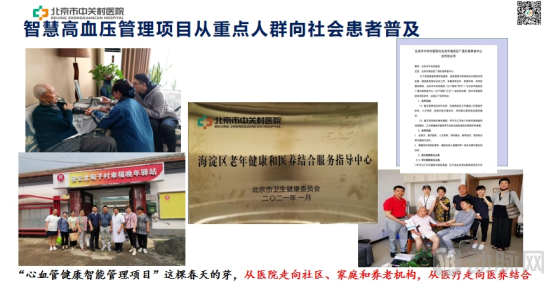
Meanwhile, the rehabilitation department has fostered coordinated development across its subspecialties, establishing a three-tier rehabilitation diagnosis and treatment system encompassing “hospital–community health service centers–home,” and providing guidance to 28 community health service centers in Haidian District for their rehabilitation services. Pan Mingkang stated that patient satisfaction at the hospital has been steadily increasing in recent years, which will accelerate the promotion of high-quality hospital development.
Sun Jie, Deputy General Manager of Jianjian Family Doctor, shared insights on “Methods and Practices for Driving High-Quality Development of Integrated Medical and Preventive Care at the Primary Level Through Data.” By analyzing chronic disease data from primary care settings and county-level regions, Jianjian Family Doctor identified key challenges in current primary healthcare management of chronic diseases, such as insufficient integration of medical treatment and prevention, low rates of standardized management, and poor patient adherence. To address these issues, the company proposed solutions including the establishment of standardized Primary Chronic Disease Integrated Management Centers (CIMCs), along with corresponding technical standards, competency frameworks, and incentive mechanisms, while emphasizing the importance of enhancing the motivation of healthcare professionals.
To address these challenges, Jianjian Family Doctor leverages digital intelligence solutions, such as AI and big data, to build comprehensive integrated service scenarios. This approach drives cost reduction and efficiency improvements in primary care chronic disease management. By designing personalized service packages and providing operational support through professional teams, the company assists healthcare institutions in establishing sustainable, close-knit doctor-patient relationships, thereby enhancing patient adherence and proactive health awareness. As an industry leader, Jianjian Family Doctor possesses extensive market resources and a robust portfolio of technical patents. It is committed to collaborating with more partners to advance primary healthcare and achieve the long-term goal of integrating medical treatment with preventive care.
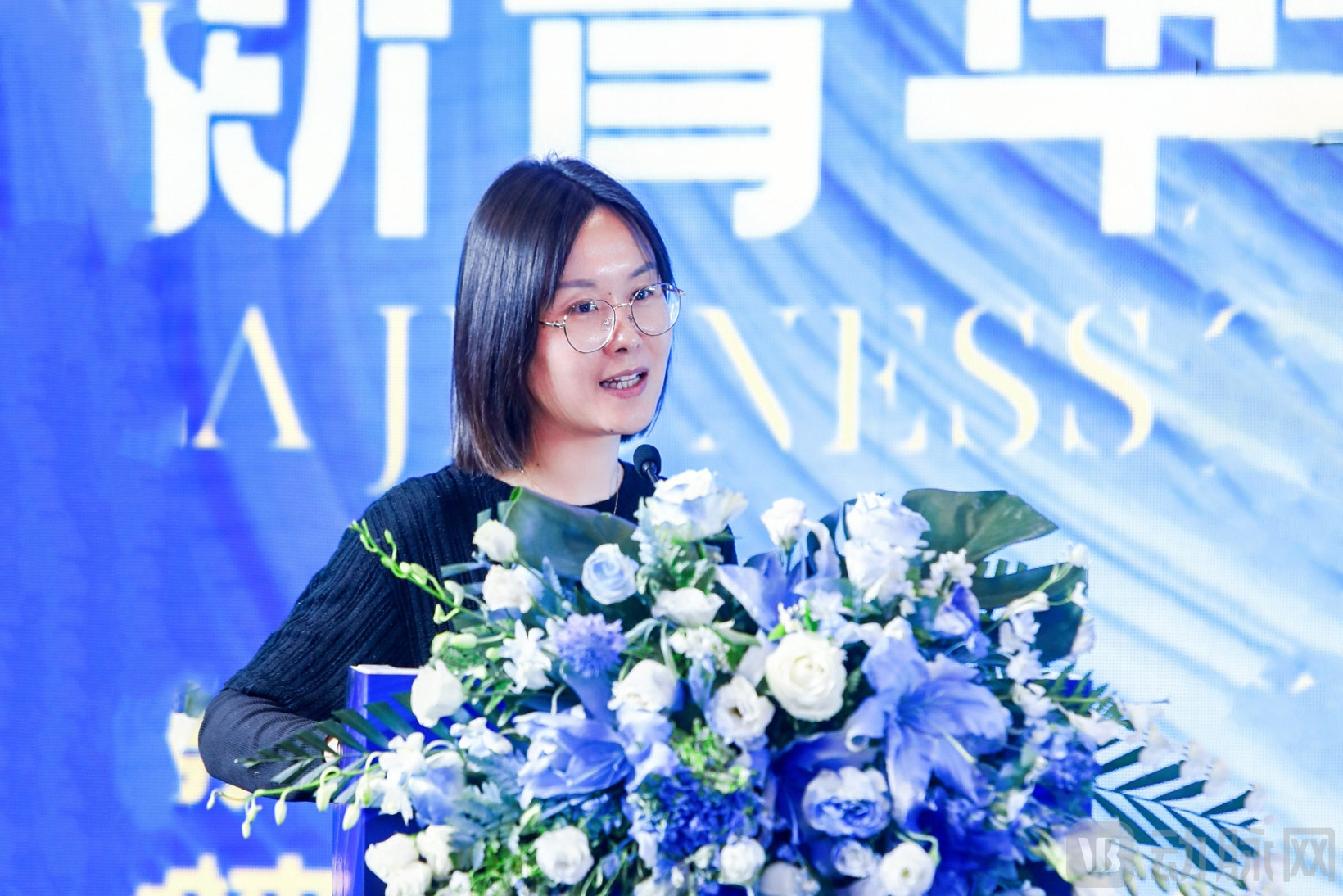
Sun Jie | Deputy General Manager, Jianjian Medical
Huang Baofu, Deputy General Manager of Jingjie Technology, shared insights on “Innovation Leading the Transformation and Upgrading of Point-of-Care Testing (POCT) and the Tiered Diagnosis and Treatment System.”Jingjie Technology focuses on innovating core raw materials, scientific instruments, sensors, and related products in the field of electrochemistry. Its product portfolio in the POCT critical care segment includes China’s first fully dry, single-use blood gas and biochemistry analyzer and electrolyte analyzer. By integrating complex laboratory functions into compact test cartridges, these solutions effectively address the pain points of primary healthcare institutions regarding equipment maintenance and reagent usage. This not only enhances the convenience and accuracy of testing but also reduces overall operational costs. The company’s test strip platform covers a wide range of analytes, including glucose, lactate, blood ketones, uric acid, total cholesterol, and creatinine. These offerings enable primary healthcare institutions to serve patients more efficiently and have been widely applied in chronic disease management, rapid emergency testing, and patient referral.
In the future, Jingjie Technology will continue to focus on the fields of critical care and chronic disease management. The company is optimistic about the market's future potential and is committed to promoting the decentralization of medical resources through technological innovation, thereby benefiting more primary healthcare institutions and households.
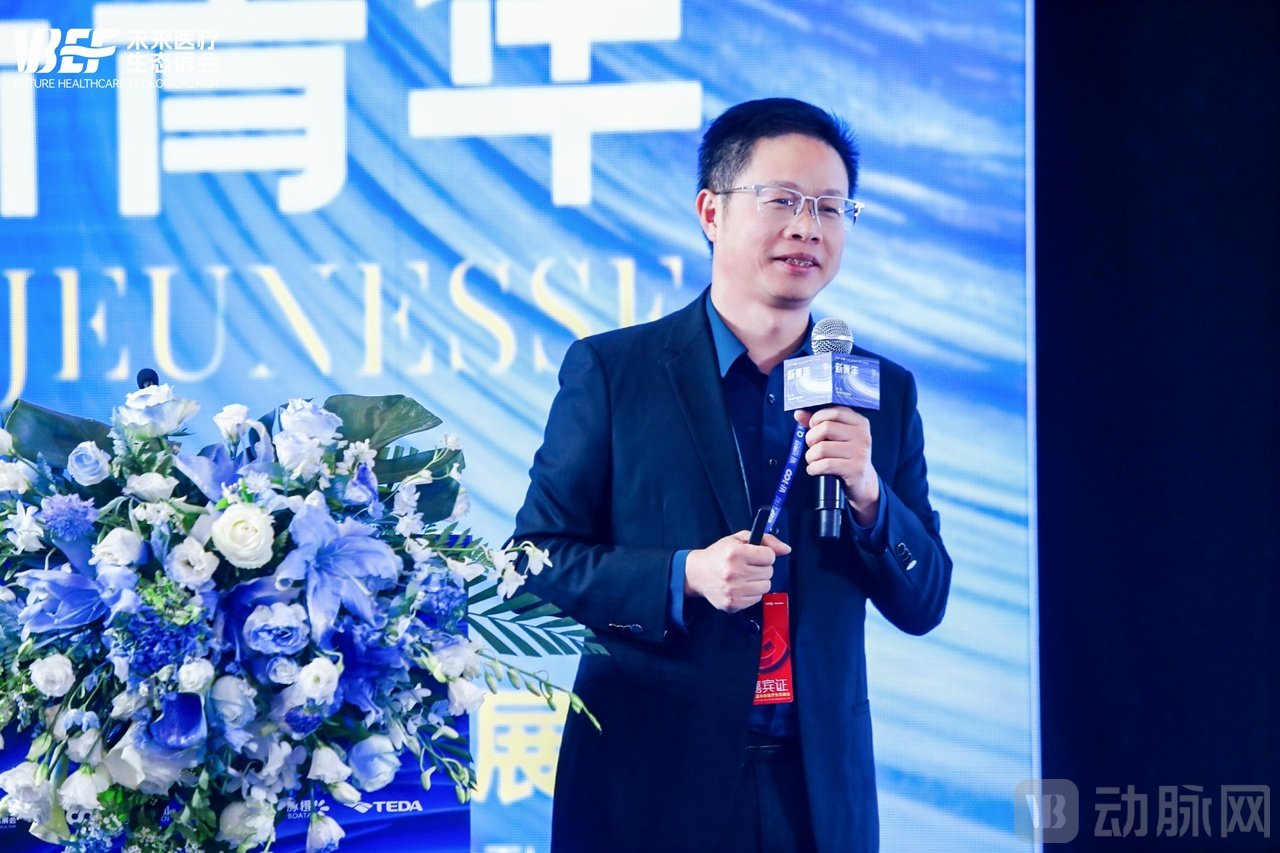
Huang Baofu | Deputy General Manager, Jingjie Technology
Liu Chang, Vice President of Hangzhou Proton Technology, shared insights on “AI + Remote ECG Monitoring Empowering Primary Healthcare.” Currently, the mortality rate from cardiovascular diseases in China is more than twice that of cancer. Early monitoring of cardiovascular warning signs has not received sufficient attention, and sudden cardiac death is showing a trend toward affecting younger populations. To address this issue, Hangzhou Proton Technology launched the Kapachi patch-type ambulatory ECG monitor. By leveraging advanced technologies, it enhances the accuracy of ECG monitoring and enables remote ECG telemetry management, thereby facilitating two-way referrals and improving the treatment capabilities of primary healthcare institutions.
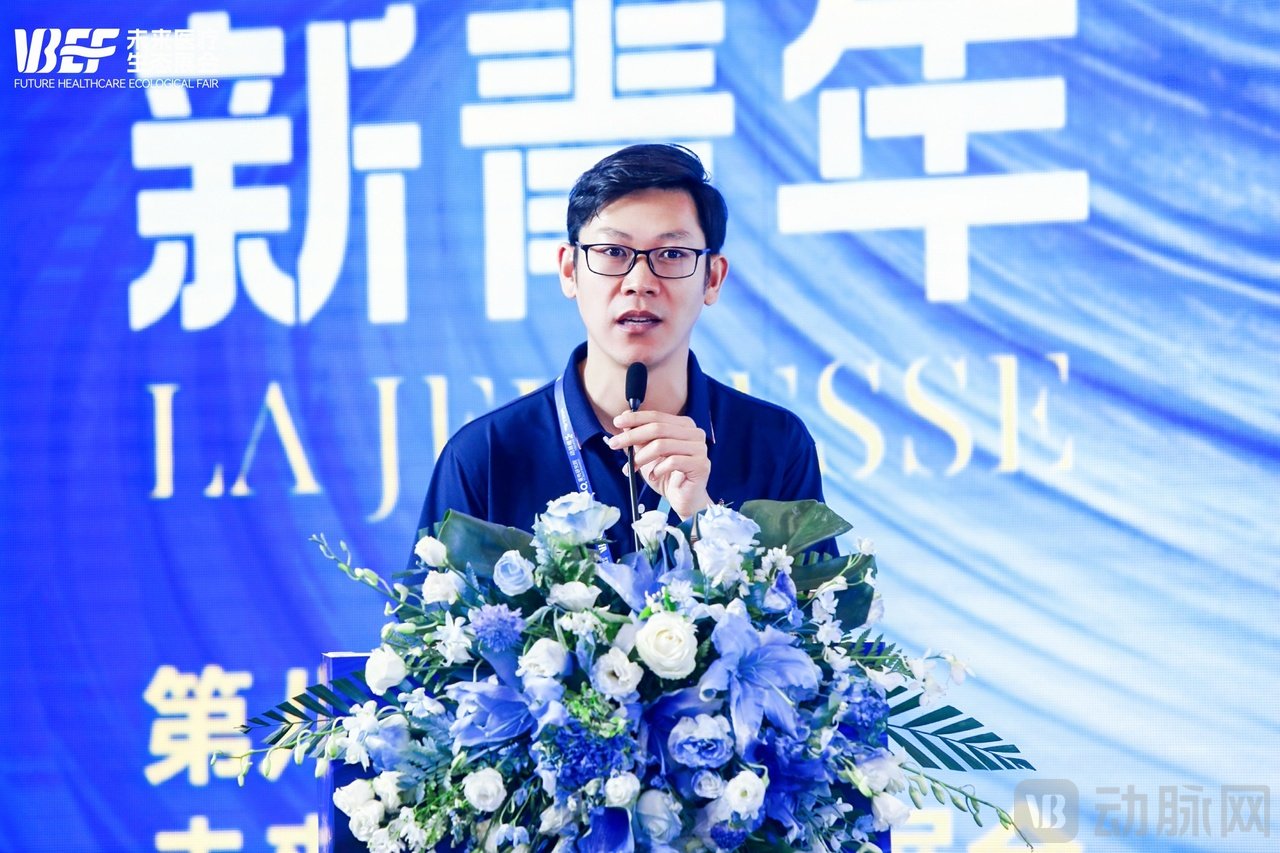
Liu Chang | Vice President of Hangzhou Proton Technology
Chen Xingping, founder of Jiaruikang Medical Group, shared his insights on the “Integrated Solution for Respiratory Diagnosis and Treatment.” At the forum, Mr. Chen pointed out that chronic respiratory diseases are one of the four major chronic conditions. Due to insufficient patient awareness, these diseases are characterized by low rates of early screening and diagnosis, as well as a high mortality rate. Furthermore, chronic respiratory diseases are associated with numerous complications, substantial healthcare expenditures, reduced quality of life, and significant impacts on patients’ daily living and work. In recent years, the population affected by chronic respiratory diseases has been steadily increasing under the combined influence of infectious disease outbreaks, unfavorable living environments, and unhealthy lifestyle habits. However, primary care institutions currently face shortages of hardware equipment for respiratory diagnosis and treatment, incomplete software systems, and inadequate funding, all of which compromise the quality and efficiency of services for chronic respiratory diseases.
To address these challenges, Jiaruikang Medical has developed an integrated solution for respiratory diagnosis and treatment, covering the full lifecycle of screening, monitoring, treatment, and rehabilitation management for patients with chronic respiratory diseases, thereby accelerating the enhancement of primary care service capabilities. By combining software and hardware and leveraging portable devices, the solution expands the coverage of primary care examinations and improves diagnostic and therapeutic capabilities.
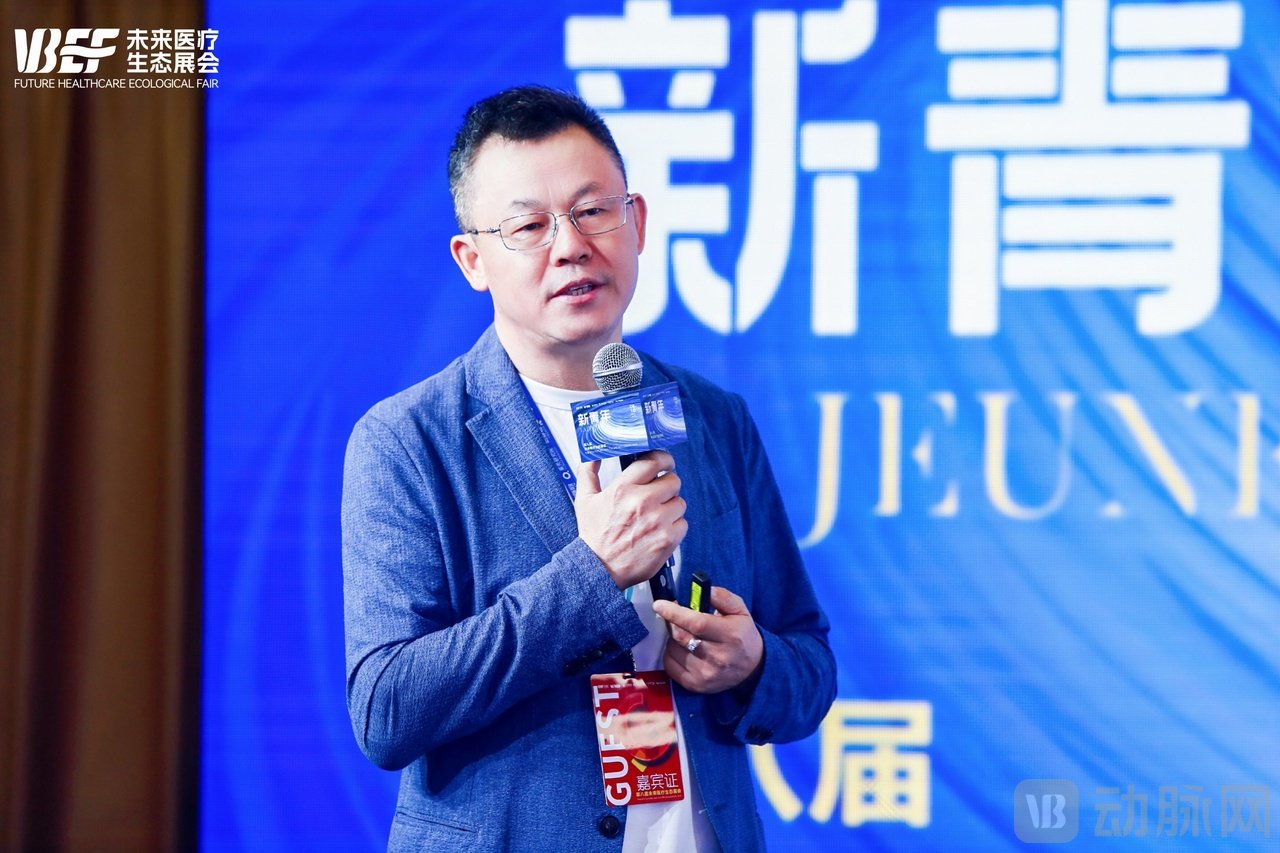
Chen Xingping | Founder of Jiaruikang Medical Group
This forum conducted an in-depth exploration and gained comprehensive insights into the current status, challenges, and opportunities in the research, development, and production of primary healthcare products. Attendees shared genuine new technologies, new products, and fresh perspectives from their respective fields, providing wisdom and momentum to promote progress and development in the primary healthcare industry and research sector.