

2024 VBEF Forum on Decoding Aging and Rejuvenating Life: A Milestone Event in Anti-Aging Innovation
Amid the tide of globalization, as population aging intensifies, aging and its associated health issues have become a global challenge. As an important branch of life sciences, the field of anti-aging embodies humanity’s relentless pursuit of health and longevity and stands at the forefront of scientific exploration.
On May 9, 2024, the “Forum on Innovative Development in Anti-Aging,” co-hosted by VCBeat, VB100, and Mingfeng Capital, was grandly held at the Beijing Ren Yichuang International Exhibition Center. The forum focused on scientific research into the mechanisms of aging and the innovative application of anti-aging technologies, aiming to promote the healthy development of the anti-aging industry and provide new perspectives and possibilities for improving the quality of life for the elderly population and extending human healthspan. Moderated by Luo Dan from Mingfeng Capital, the event attracted experts from academic institutions, leaders in the medical and healthcare industry, and specialists from investment firms. Together, they discussed key topics including the biological foundations of aging, the prevention and treatment of age-related diseases, the innovative development of anti-aging products, and future trends in the anti-aging industry.
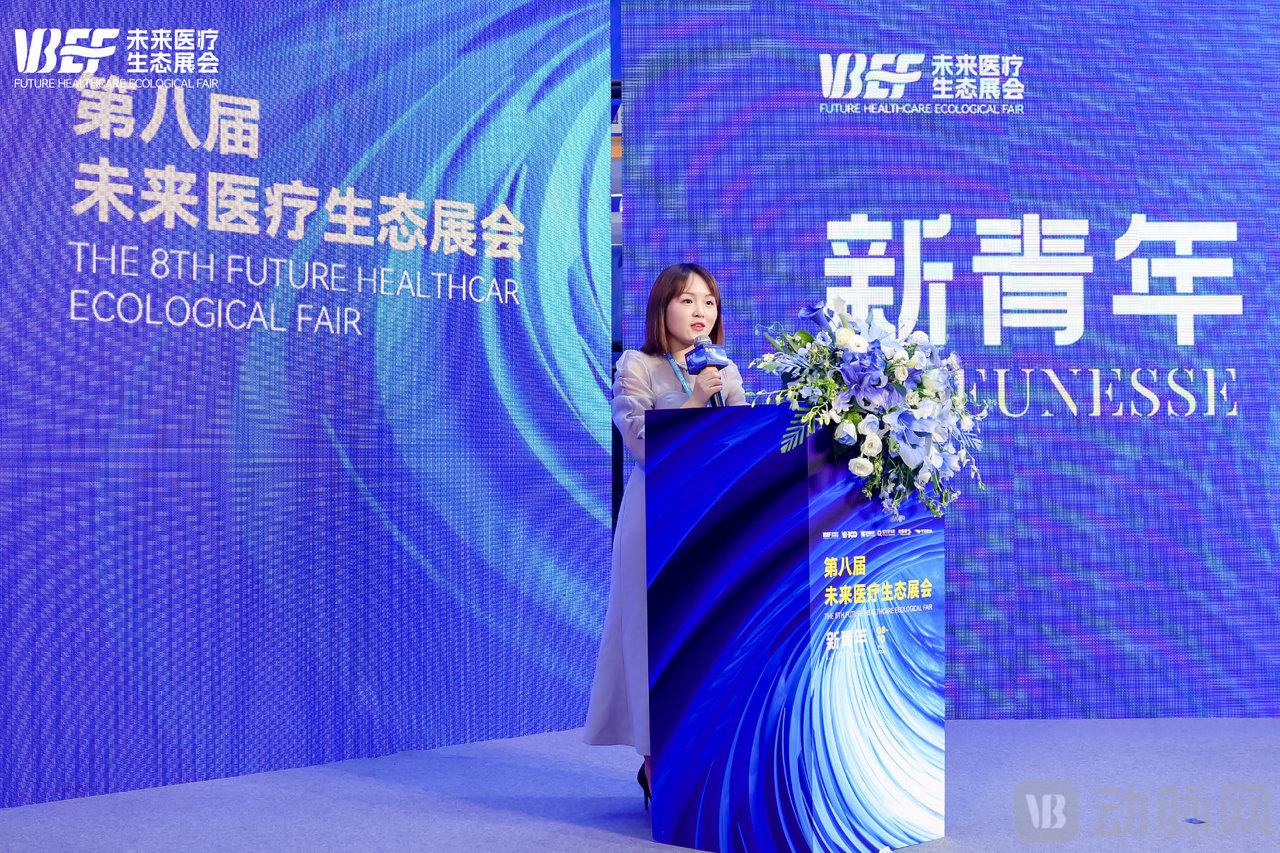
Luo Dan | Mingfeng Capital
Mitochondrial DNA Mutations and Aging
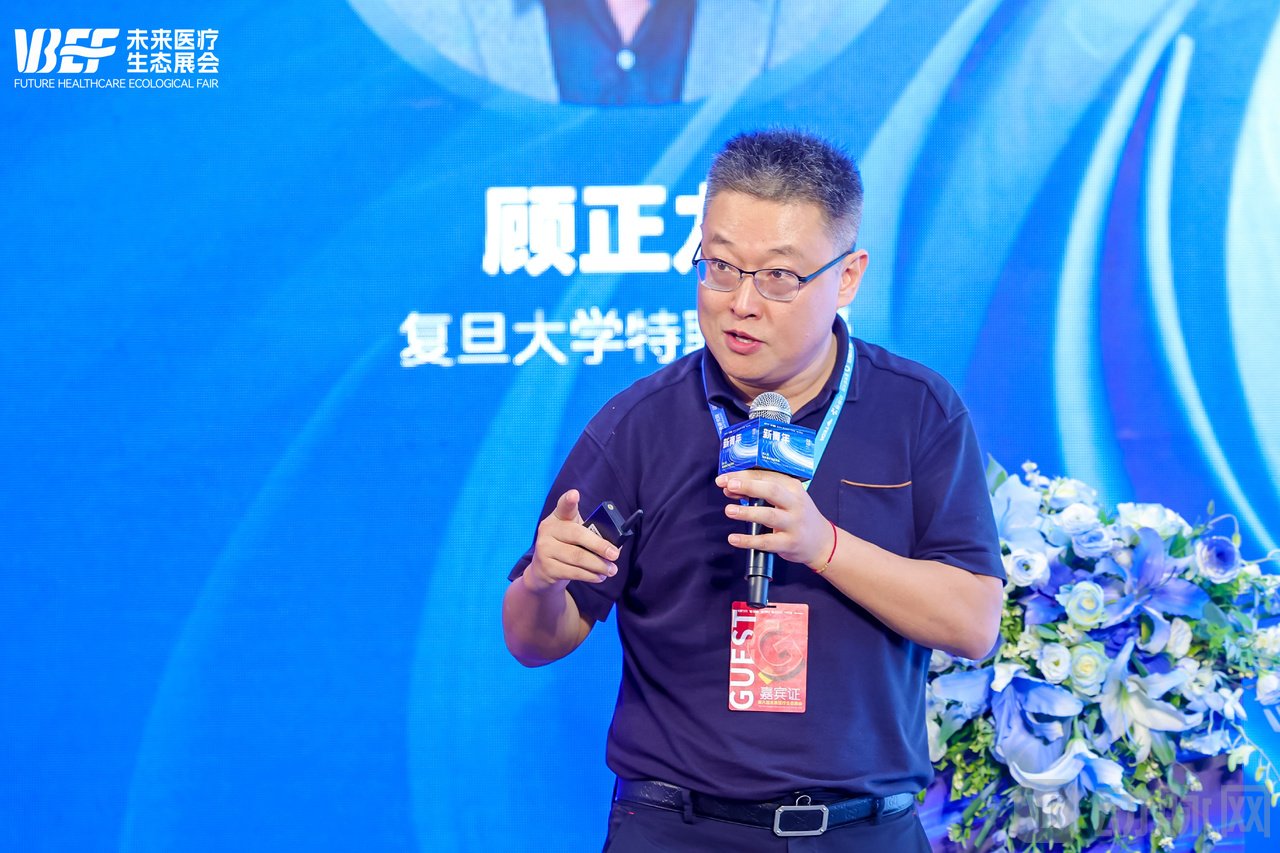
Gu Zhenglong | Distinguished Professor, Fudan University
Gu Zhenglong, Distinguished Professor at Fudan UniversityThe mitochondrion, known as the cell’s power plant, experiences a significant decline in function during aging. This process leads to an imbalance in cellular energy metabolism, thereby accelerating aging and the progression of age-related diseases. He emphasized that, beyond energy production, mitochondria serve as central hubs for regulating cellular metabolism and cell death, and are closely linked to oxidative stress and immune-inflammatory responses. The mutation rate of mitochondrial DNA (mtDNA) is exceptionally high; understanding the causes of this phenomenon and its role in aging has become a key research focus. Professor Gu’s team has developed various tools and patents for detecting and analyzing mtDNA mutations. They have also explored the association between mtDNA mutations and age-related diseases, such as cancer and neurodegenerative disorders, and proposed the possibility of eliminating harmful mitochondrial mutations through drug screening. This offers new perspectives for the future treatment of related diseases.
Future Therapies for Neurodegenerative Diseases
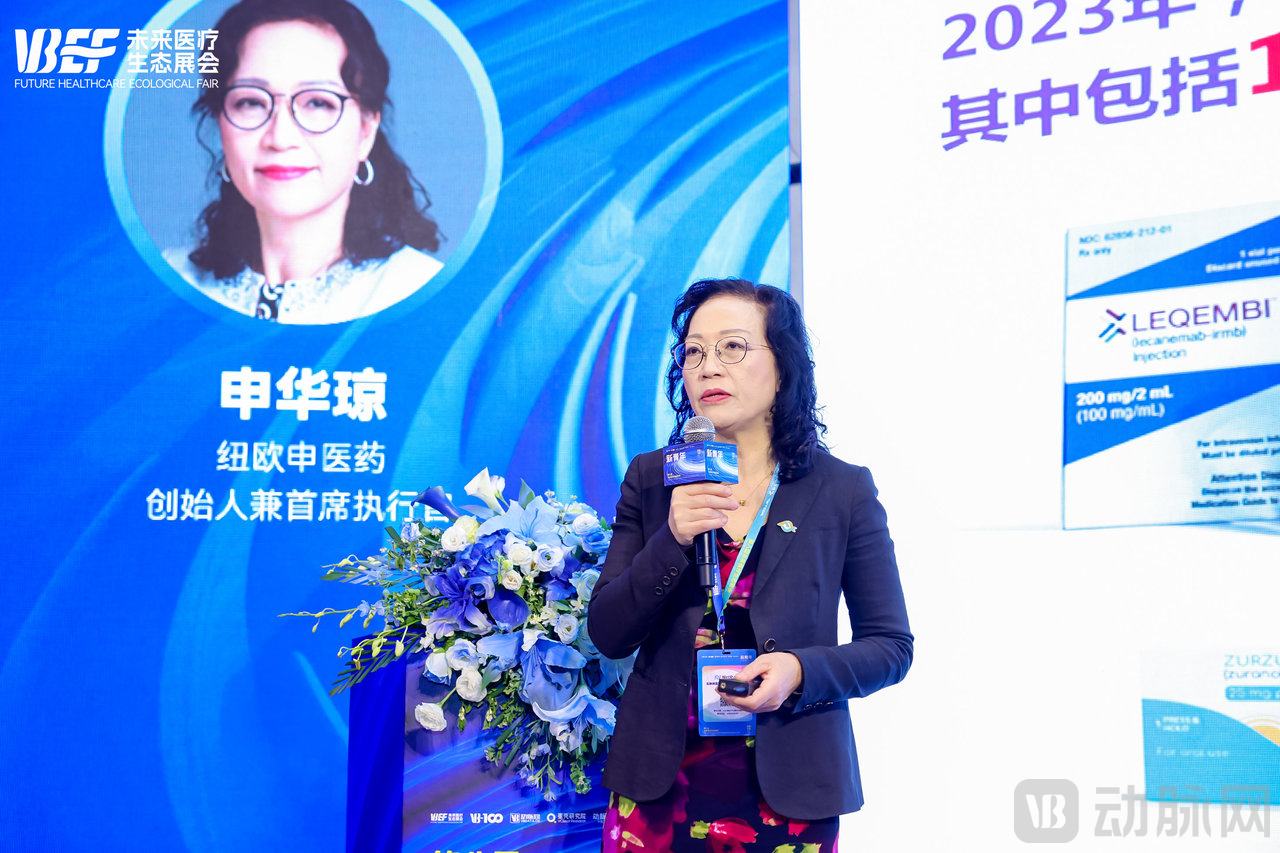
Shen Huaqiong | Founder and CEO of NewOrigin Pharma
Shen Huaqiong, Founder and CEO of NeuOrigin PharmaceuticalsShe highlighted the profound impact of neurodegenerative diseases, such as Alzheimer’s disease and Parkinson’s disease, on the health of the elderly population. She provided a detailed overview of neurodegenerative disease therapeutics currently in clinical development, including drugs targeting dementia, Parkinson’s disease, and amyotrophic lateral sclerosis (ALS). Ms. Shen Huaqiong specifically discussed advances in understanding Aβ deposition mechanisms and the regulation of phosphorylated tau protein, as well as research directions focused on vaccine formulations and modulating neuroinflammation. She shared her experience working on Alzheimer’s disease projects in the United States, particularly regarding the evaluation of drug efficacy through biomarkers and clinical trials. Finally, she emphasized the importance of communication with regulatory authorities and the strategic selection of precise patient populations in clinical development. By integrating biomarkers and patients’ clinical characteristics to reduce heterogeneity, developers can better demonstrate clinical benefits and thereby facilitate the successful development of new therapies.
Applications of Recombinant Collagen in the Anti-Aging Market
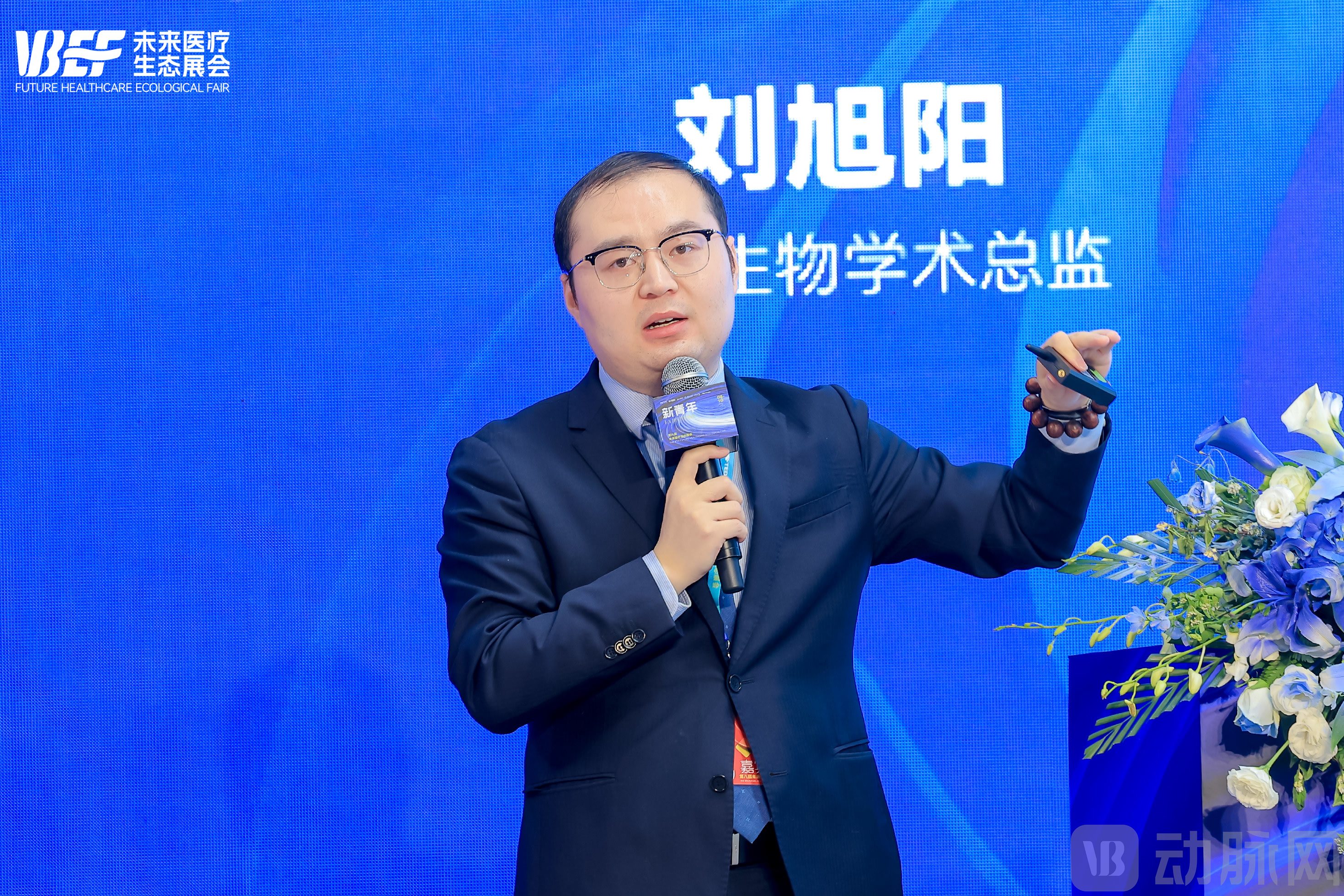
Liu Xuyang | Academic Director, Giant Biogene
Liu Xuyang, Academic Director of Giant Biogene, first emphasized the critical role of collagen in organs such as the skin, mucous membranes, blood vessels, and bones. He pointed out that Type I and Type III collagens are the most abundant in the skin, and that human skin aging is largely attributed to the loss of collagen. So, how can we replenish and stimulate the body’s own collagen production? What are the advantages of recombinant collagen over animal-derived collagen? In response to these questions, Giant Biogene has provided its solution: recombinant collagen developed and produced through synthetic biology technology. This collagen shares 100% amino acid sequence homology with human collagen, poses no viral risks, and exhibits no cytotoxicity. It demonstrates significant efficacy in promoting cell proliferation, exerting anti-inflammatory effects, and stimulating collagen generation, and is widely used in cosmetics, medical applications, and other fields. As a global leader in recombinant collagen, Giant Biogene...[1], with over 20 years of scientific research background in ingredients, has obtained more than 90 patents and patent applications, participated in drafting the first pharmaceutical industry standard for recombinant collagen, led the formulation of multiple group standards, and played a significant leading and promoting role in the development of this “Chinese ingredient.”
Efficient Biosynthesis of Functional Proteins and Peptides and Their Applications in Skin Anti-Aging
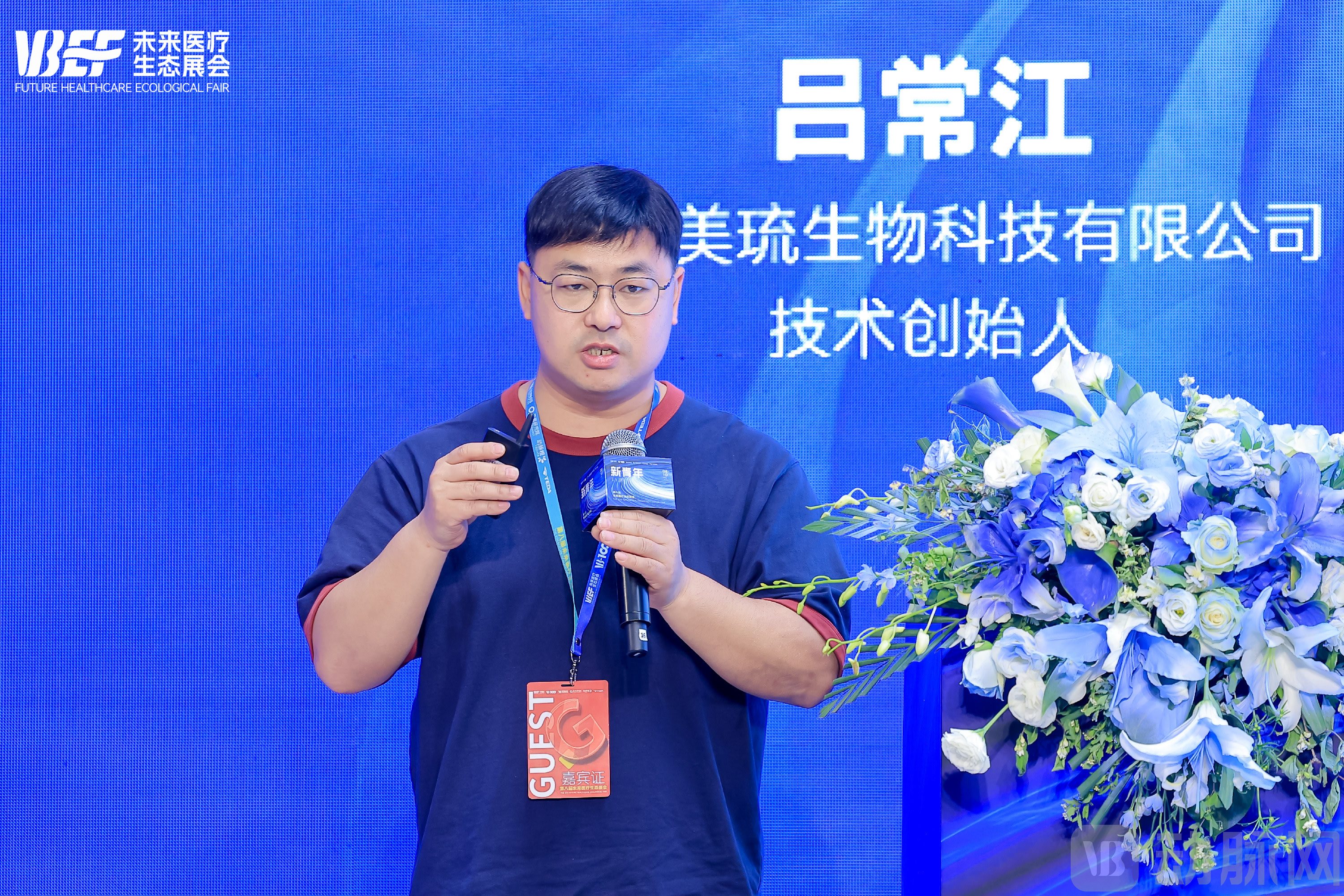
Lv Changjiang | Technical Founder, Hangzhou Meiliu Biotechnology Co., Ltd.
Lv Changjiang, Technical Founder of Hangzhou Meiliu Biotechnology Co., Ltd.This article introduces Meiliu Bio’s work in functional protein and peptide synthesis, with a particular focus on biosynthetic strategies that leverage artificial intelligence and machine learning to enhance collagen expression, thereby enabling sufficient incorporation into cosmetic formulations. It describes an innovative approach based on rational design to achieve self-assembly of collagen molecules into long fibrous structures. This technology holds promise for replacing traditional animal-derived collagen while avoiding potential immune reactions and ethical concerns. Furthermore, the article discusses the regulation of sebum secretion, specifically highlighting the use of biosynthetic peptides that mimic insulin-induced gene proteins to inhibit lipid synthesis in sebaceous glands, effectively preventing acne and showing potential benefits for improving androgenetic alopecia.
Exploration of PHA in Tissue Regeneration and Medical Aesthetics Applications
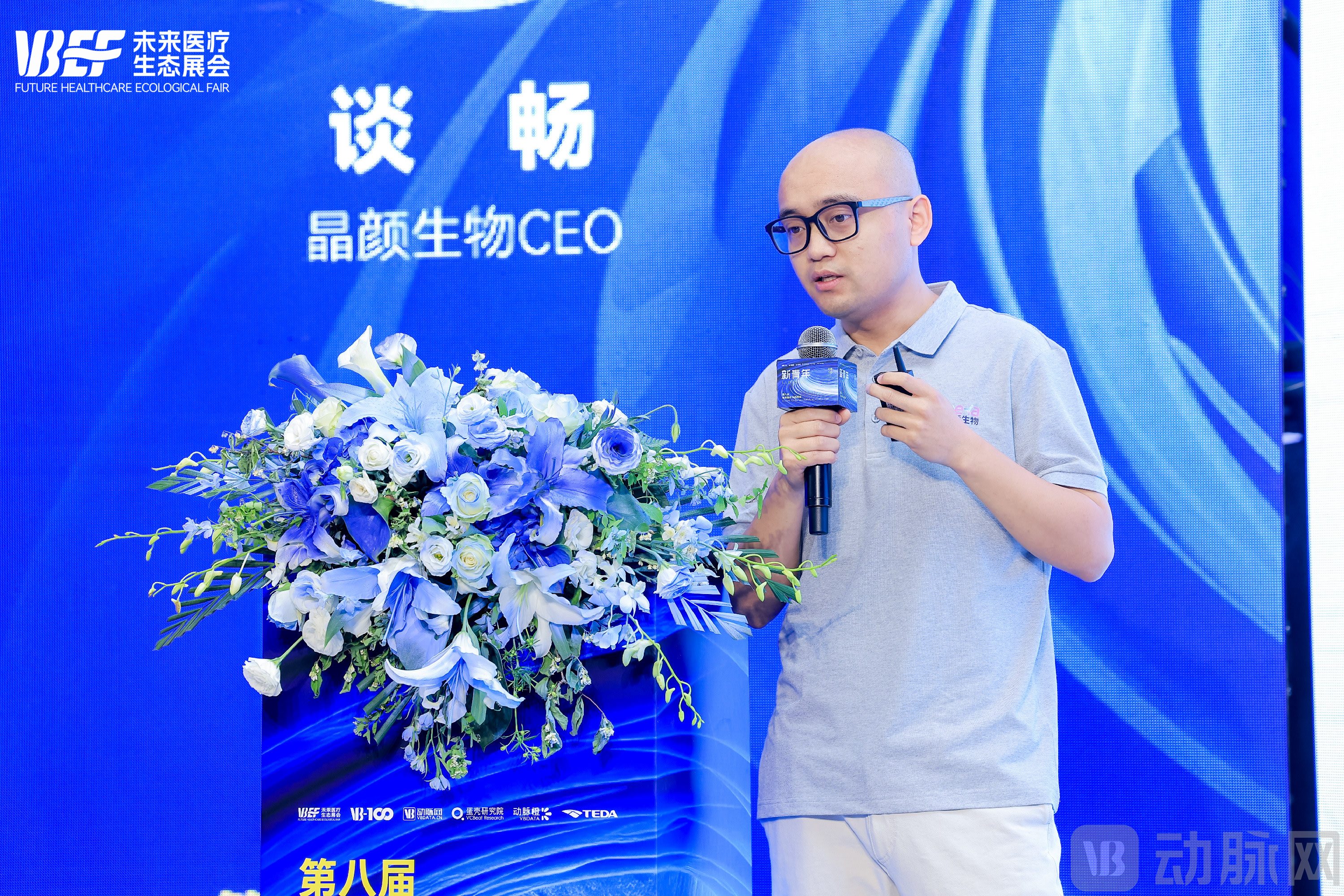
Tan Chang | CEO of Jingyan Bio
Jingyan BiotechCEOTan ChangHe emphasized the immense application potential of polyhydroxyalkanoates (PHA) in healthcare, aesthetics, and other fields, particularly highlighting their prospects as injectable materials for medical aesthetics. PHA can stimulate collagen regeneration and enhance this process through its piezoelectric properties. He shared how Jingyan Biotechnology has addressed the commercialization challenges of transitioning PHA from bulk synthetic biology raw materials to medical-grade products, successfully developing clinically applicable PHA microspheres and injectable formulations. He presented positive results from animal studies conducted by Jingyan Biotechnology, demonstrating that PHA materials outperform existing market products in terms of post-injection degradation profiles and the extent of collagen regeneration. Finally, he pointed out that Jingyan Biotechnology focuses not only on the therapeutic efficacy of its products but also on their attributes as consumer goods, aiming to satisfy consumers’ pursuit of beauty through innovative medical materials.
Artificial Intelligence and Aging
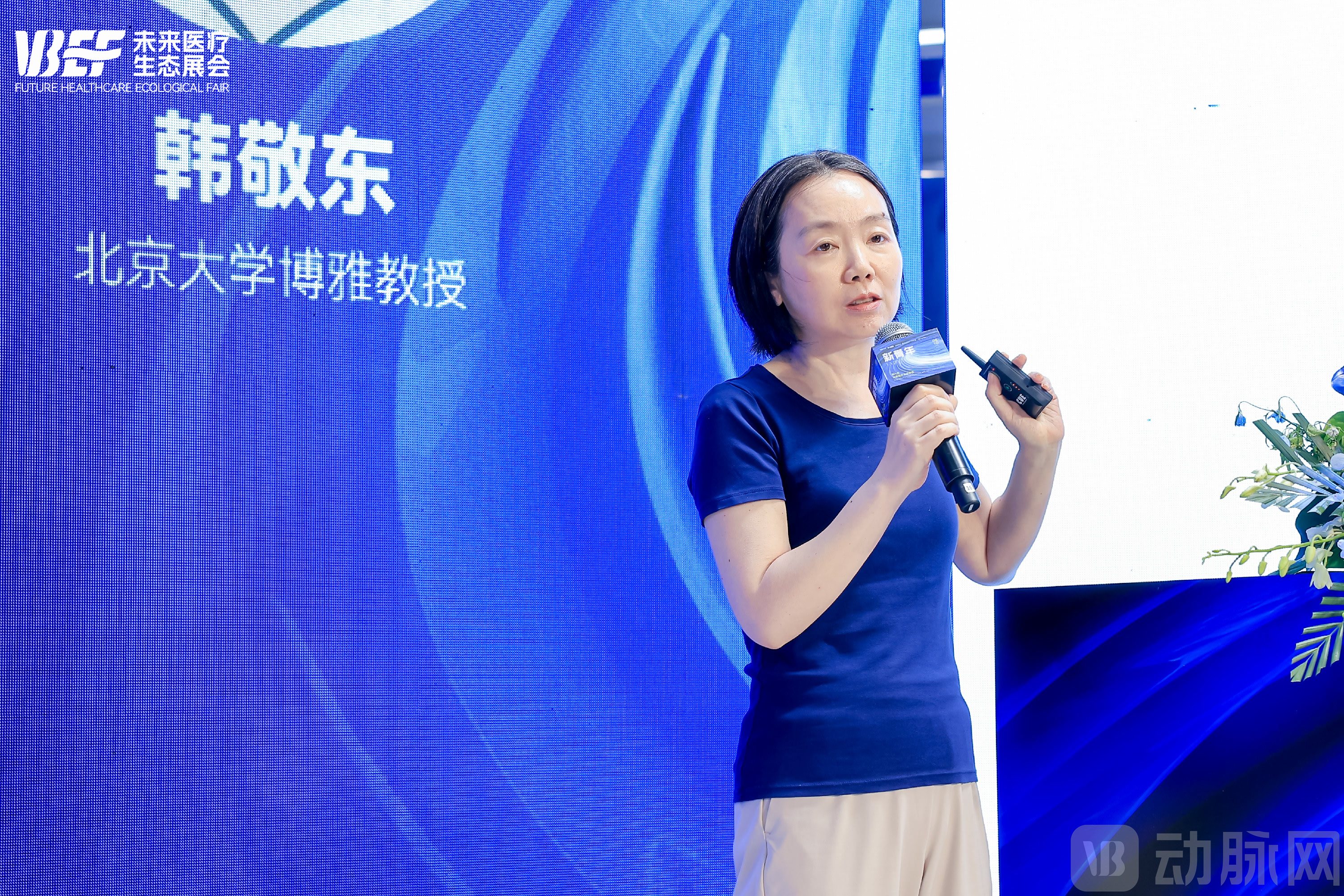
Han Jingdong | Boya Professor, Peking University
Boya Professor Han Jingdong, Peking UniversityThis article introduces the concept of aging clocks, tools capable of precisely quantifying an individual’s degree of aging. It explains that AI models trained on extensive datasets can predict biological age, thereby assessing the rate of aging and the potential efficacy of anti-aging interventions. The speaker highlights that certain lifestyle factors, such as smoking, alcohol consumption, and dietary habits, can accelerate the aging process, whereas a healthy diet and lifestyle help to delay it. Furthermore, the role of long non-coding RNAs (lncRNAs) in aging is elucidated, including their involvement in inflammatory responses and their potential as targets for anti-aging therapies. Professor Han Jingdong presented her team’s advances in single-cell aging research, including the discovery that different cell types exhibit distinct aging trajectories closely linked to their developmental lineages.
Roundtable Discussion Topic: The Scientific Frontier of Anti-Aging in Consumer Healthcare and Opportunities for Industrial Translation
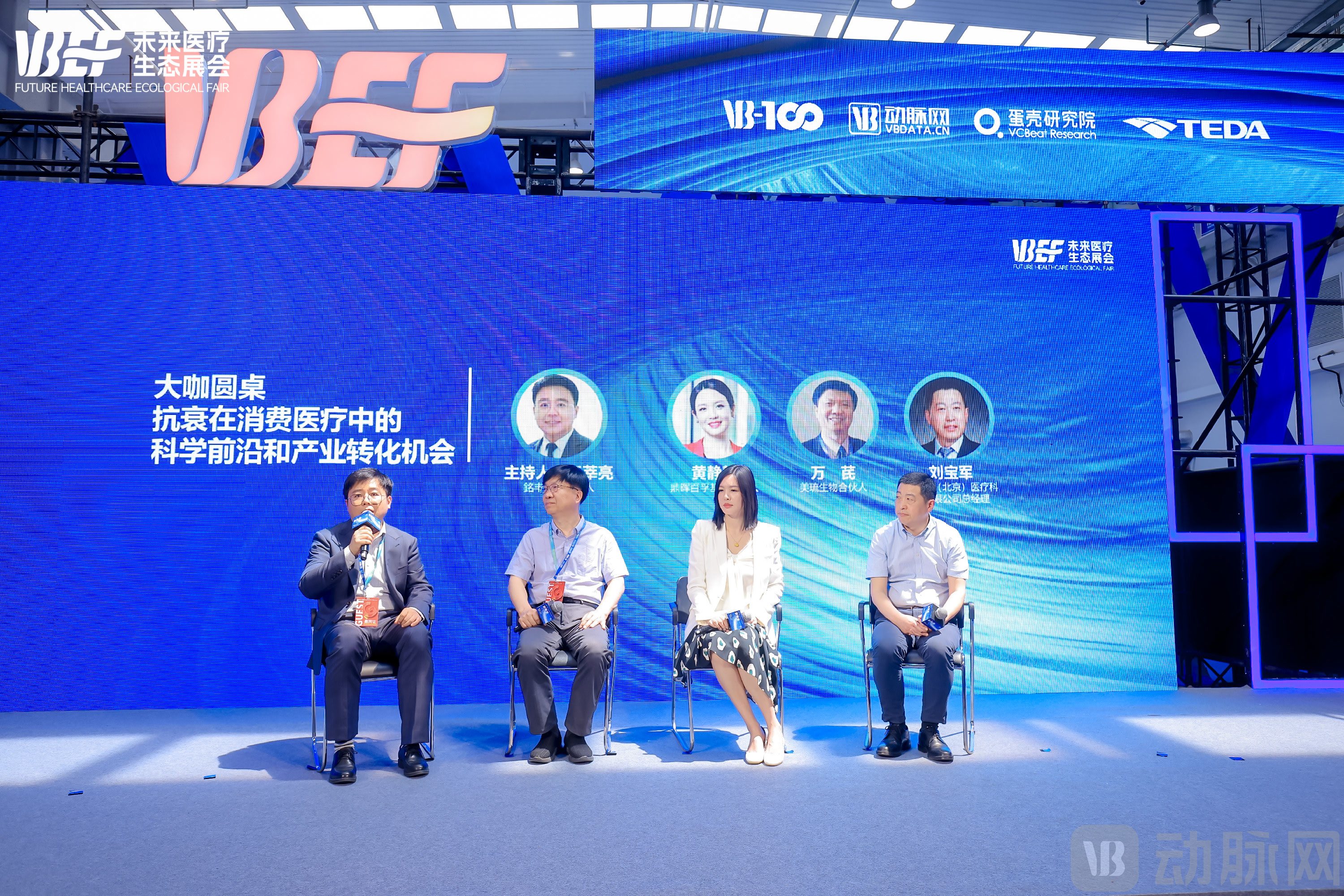
From left to right: Wang Xinliang | Partner, Mingfeng Capital; Huang Jingjing | Partner, CDH Baifu Fund; Wan Qi | Partner, Meiliu Biotechnology; Dean, Chief Professor, and National Overseas Distinguished Young Scholar at the Institute of Neural Regeneration and Rehabilitation, Qingdao University; Liu Baojun | Founder, Tuoruimei
MingWang Xinliang, Partner at Feng CapitalAs the moderator of the roundtable discussion, he highlighted investment opportunities in the anti-aging sector and emphasized Mingfeng Capital’s strategic investments in medical aesthetics and consumer healthcare. He stated that Mingfeng Capital has been closely monitoring innovative technologies in the anti-aging field, with a particular focus on their potential for product commercialization within the consumer healthcare market.
Huang Jingjing, Partner at CDH Investments Baifu FundShe pointed out that anti-aging consumption demonstrated robust growth during the pandemic, reflecting rigid market demand. She emphasized the importance of ecosystem layout, highlighting an investment logic spanning the entire industry chain—from upstream raw materials to downstream market channels—as well as the need for sustained attention to new materials and technologies. She also underscored the criticality of industrial implementation, encouraging enterprises to consider market demand and international certifications in their R&D efforts to drive the global expansion of their products.
Meiliu Bio Partner Wan QiFrom the perspective of central nervous system regulation, a novel approach has been proposed to achieve anti-aging effects by intervening in brain function through non-invasive means. He posits that emotional management is a key factor influencing aging, and that modulating brain activity via non-invasive methods such as light, sound, electrical stimulation, and magnetic fields can enhance memory and cognitive function, thereby achieving synergistic anti-aging effects across both central and peripheral systems.
Liu Baojun, General Manager of Tuoruimei (Beijing) Medical Technology Co., Ltd.He shared the application prospects of ECM (extracellular matrix) materials in the medical aesthetics field. He emphasized the multiple advantages of ECM, including its rich composition, ability to promote cell regeneration, immunomodulatory capacity, and skin-whitening effects. He also mentioned the company’s R&D layout for its medical aesthetics product line, as well as the potential application of ECM materials in hair follicle regeneration.
During the roundtable discussion, the exchange of insights among the panelists collectively outlined the diversified prospects of the anti-aging industry. Spanning from basic scientific research to industrial applications, from material innovation to device development, and further to capital investment, the experts’ discussions not only provided valuable information to the audience but also charted a course for the future development of the anti-aging field.
[1] Source: Euromonitor Information Consulting (Shanghai) Co., Ltd., based on 2023 operating revenue. Recombinant collagen enterprises refer to companies that possess independent capabilities for the research and development, production, and sales of recombinant collagen raw materials, or that produce and sell end products using their proprietary recombinant collagen as the primary ingredient. Recombinant collagen is defined as a product prepared through extraction, purification, and other processes, involving the genetic manipulation and/or modification of genes encoding human collagen using recombinant DNA technology, introducing the target gene into appropriate host cells (such as bacteria, yeast, or other eukaryotic cells) via plasmid or viral vectors, and expressing and translating it into collagen or collagen-like polypeptides. This category includes recombinant human collagen, recombinant humanized collagen, and recombinant collagen-like proteins. The survey was completed in March 2024.