

From Informatization to Smart Healthcare: How Internet Hospitals and Smart Hospitals Seize Opportunities for High-Quality Development
As the core carrier of healthcare services, hospitals are undergoing a profound transformation from “informatization” to “intelligentization,” with the development of internet hospitals and smart hospitals serving as key engines driving this change. As the internet healthcare industry transitions from an era of infrastructure build-out to one of high-quality development, and as more companies target its vast potential, the continuous loss of market share is compelling enterprises and hospitals to seek breakthroughs and cultivate distinctive advantages, thereby revitalizing existing resources and capturing new growth.
On May 9, at the 8th Future Medical Ecosystem Expo—Internet Hospital and Smart Hospital Forum, Yu Guangjun, Dean of the National Institute of Health and Medical Big Data (Shenzhen), Vice Dean of the School of Medicine at The Chinese University of Hong Kong, Shenzhen, and Dean of the Second Affiliated Hospital; Song Xin, President of the Healthcare and Health Industry Branch of the China Information Association; Qu Yi, Chairman and CEO of Naiterui; Chen Jingbo, Co-founder and Vice President of Taozi Health; Feng Peigen, Founder and Chairman of Haihu Health/Haicheng Digital Medical Industrial Park; Shi Anjie, Senior Researcher at VCBeat; Zhang Lehui, Operating Partner at Changling Capital; Wei Tian, Founder and CEO of Weiyi Yizhe; and Wu Qunke, Director of the Technology Product Department at JD Health, shared insights and explored the opportunities, challenges, practices, and trends associated with internet hospitals and smart hospitals. They delivered insightful speeches on the development pathways that should be adopted in the future to promote innovative and high-quality industry growth. The forum was moderated by Bai Yu, Founder of Kangfu Zhijia and Volunteer at Badian Health Hub.
National Institute of Health and Medical Big Data (Shenzhen) Dean/ Vice Dean of the School of Medicine, The Chinese University of Hong Kong, Shenzhen; Director of the Second Affiliated Hospital, Yu GuangjunHe began by reviewing the tumultuous development journey of internet hospitals in China, arguing that national policy support and the expansion of application scenarios are key drivers behind their growth. Using Shanghai Children’s Hospital as a case study, he demonstrated how the establishment of an internet hospital not only enhances patients’ healthcare experience but also enables functionalities such as telemedicine and online payment, thereby making medical services more convenient and efficient. How will internet hospitals evolve in the future? He pointed out that emerging technologies like big data and artificial intelligence will drive continuous iteration and upgrading of internet hospitals. By optimizing the healthcare service system and transforming service models, the industry can achieve high-quality development, positioning internet hospitals as a new form of productive force that propels socio-economic progress.

Yu Guangjun, Dean of the National Institute of Health and Medical Big Data (Shenzhen), Vice Dean of the School of Medicine at The Chinese University of Hong Kong, Shenzhen, and Dean of the Second Affiliated Hospital, delivered a keynote presentation titled “Innovative Development of Internet Hospitals.”
Song Xin, President of the Medical and Health Industry Branch of the China Information AssociationHe shared his observations and reflections on the development of internet hospitals in China. He noted that while the number of internet hospitals has surged, viable profit models remain to be explored, and the construction of smart hospitals faces multifaceted challenges related to policy, medical insurance, and patient services. Meanwhile, the concept of "new quality productive forces" emphasizes driving the development of medical services through technological, model, and scenario-based innovations. The evolving demands of Generation Z have also raised higher expectations for hospital development. Consequently, he suggested that hospital administrators should proactively embrace smart healthcare, considering how it can promote the long-term development of both hospitals and patients; pay greater attention to details, such as leveraging smart healthcare technologies to optimize diagnostic and treatment processes, thereby providing more efficient, convenient, and comfortable medical services; and actively introduce diversified services and integrate various business formats to meet patients' extended needs.
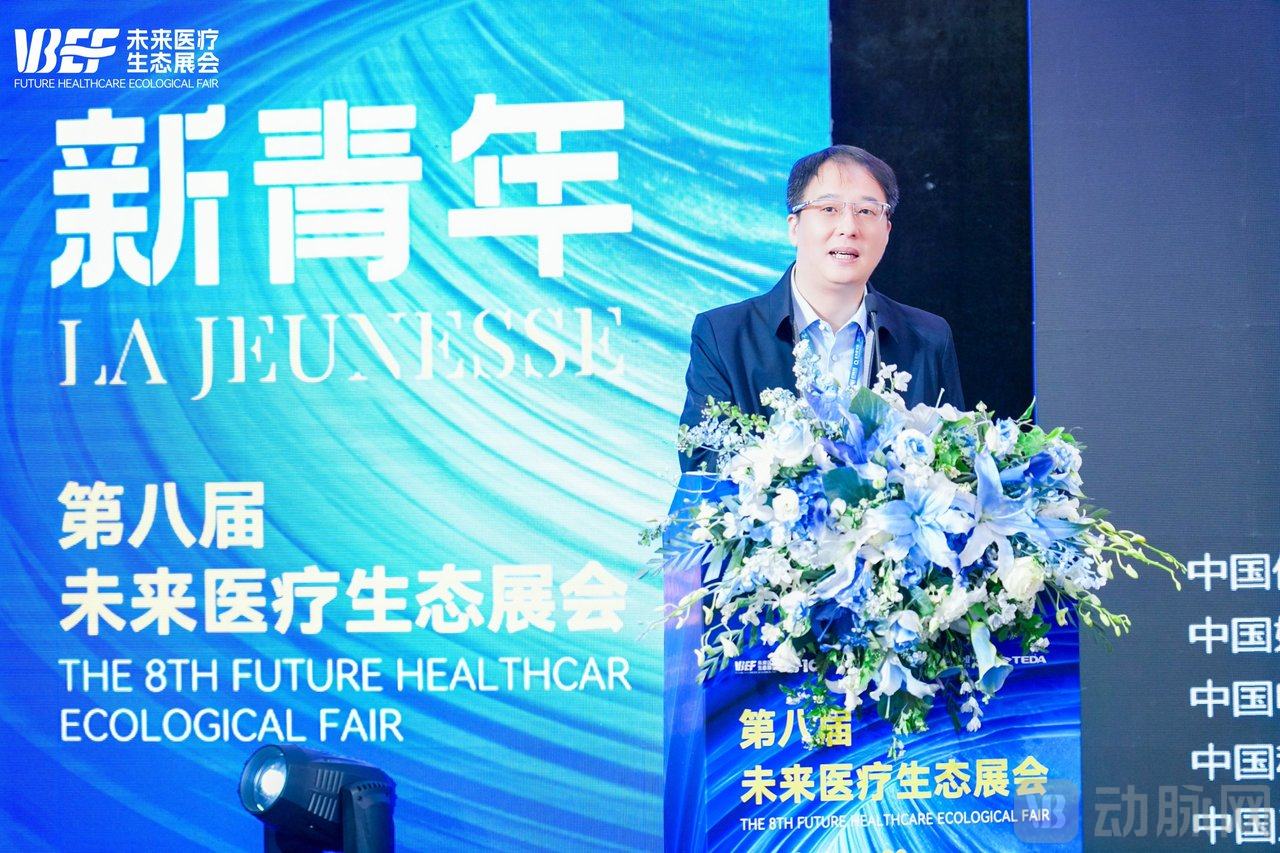
Song Xin, President of the Medical and Health Industry Branch of the China Information Association, delivered a keynote presentation on “The New Future of Smart Hospitals Driven by Digitalization.”
Qu Yi, Chairman and CEO of Naiterui CompanyThe gentleman delved into the progress, current applications, and future trends of digital healthcare artificial intelligence (AI) from a micro-level perspective. He pointed out that in terms of data storage and model learning, AI technology has advanced to the point where it can comprehend the deeper meanings behind the data. Particularly in key areas such as medical imaging, genetic testing, and new drug development, the application of AI has not only greatly improved work efficiency but also significantly accelerated the pace of scientific exploration.
Furthermore, AI technology has provided a powerful impetus for the development of internet hospitals, breaking through the temporal and spatial constraints of traditional medical services and enabling full-cycle care that spans pre-diagnosis, treatment, and post-recovery phases. This provides patients with real-time health management, professional medical consultations, and personalized treatment plans, effectively alleviating operational pressures on healthcare institutions and related enterprises while reducing overall costs.
However, the widespread adoption of medical AI is accompanied by a series of challenges. Key issues requiring urgent collaborative discussion and resolution by experts both within and outside the industry include ambiguous liability attribution, concerns regarding the integrity of medical data, and data security.
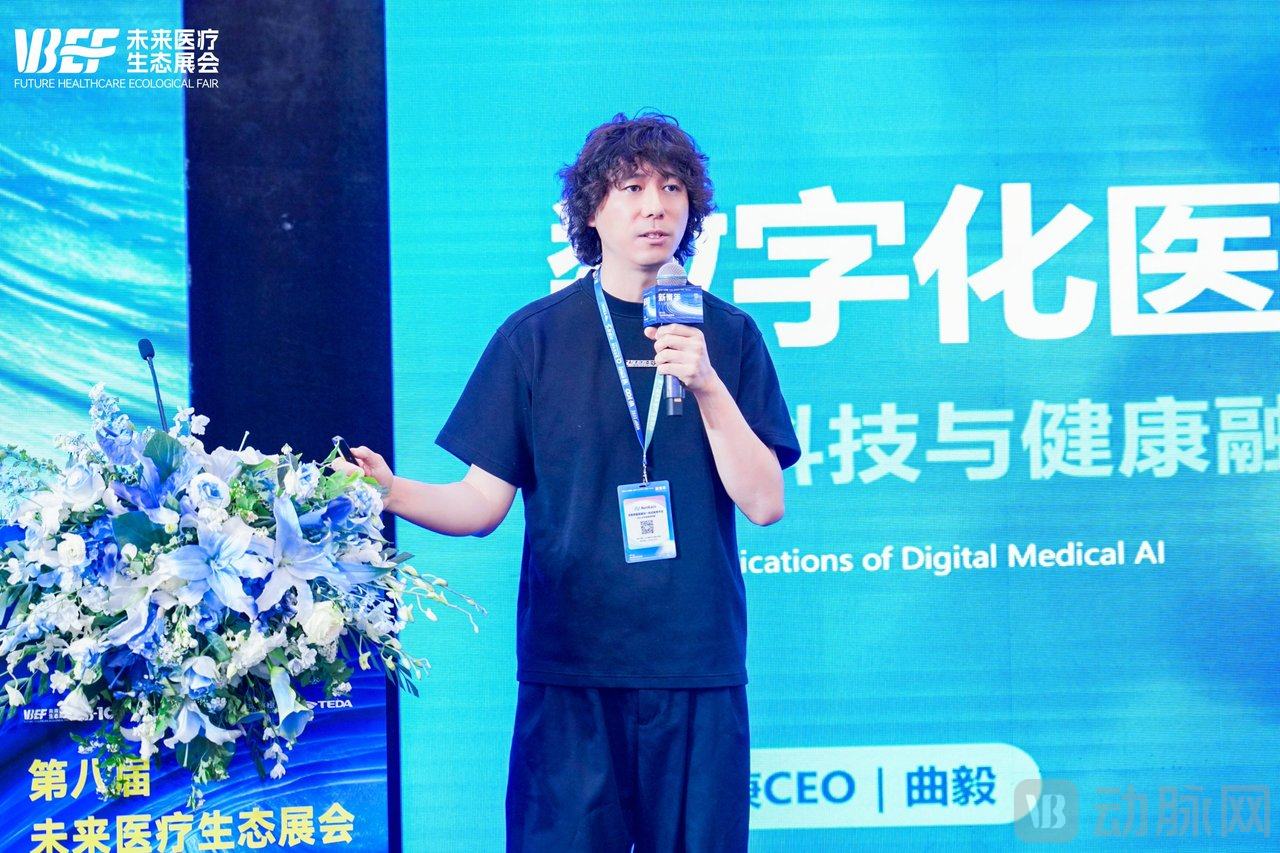
Qu Yi, Chairman and CEO of Netray, Shares Insights on “Applications and Explorations of AI in Digital Healthcare”
Although the scale of internet hospitals will continue to expand and their development speed will keep increasing in the future, the current development expectations are not ideal.Chen Jingbo, Co-Founder and Vice President of Taozi HealthShe argues that internet hospitals will find it extremely difficult to achieve profitability if they rely solely on medical consumption. The key to breaking this deadlock lies in how different enterprises can identify business models tailored to their specific segments, truly refocusing on the core of “medical care,” thereby increasing revenue for hospitals and physicians while bringing greater convenience to patients. She emphasizes that the landscape of internet hospital development is rapidly evolving; hospitals and enterprises must leverage their existing advantages to lower medical costs and more effectively address patient needs. She suggests that enterprises must align with the times, adopting new business and profitability models to adapt to future changes and prepare for the advent of the 6G era.
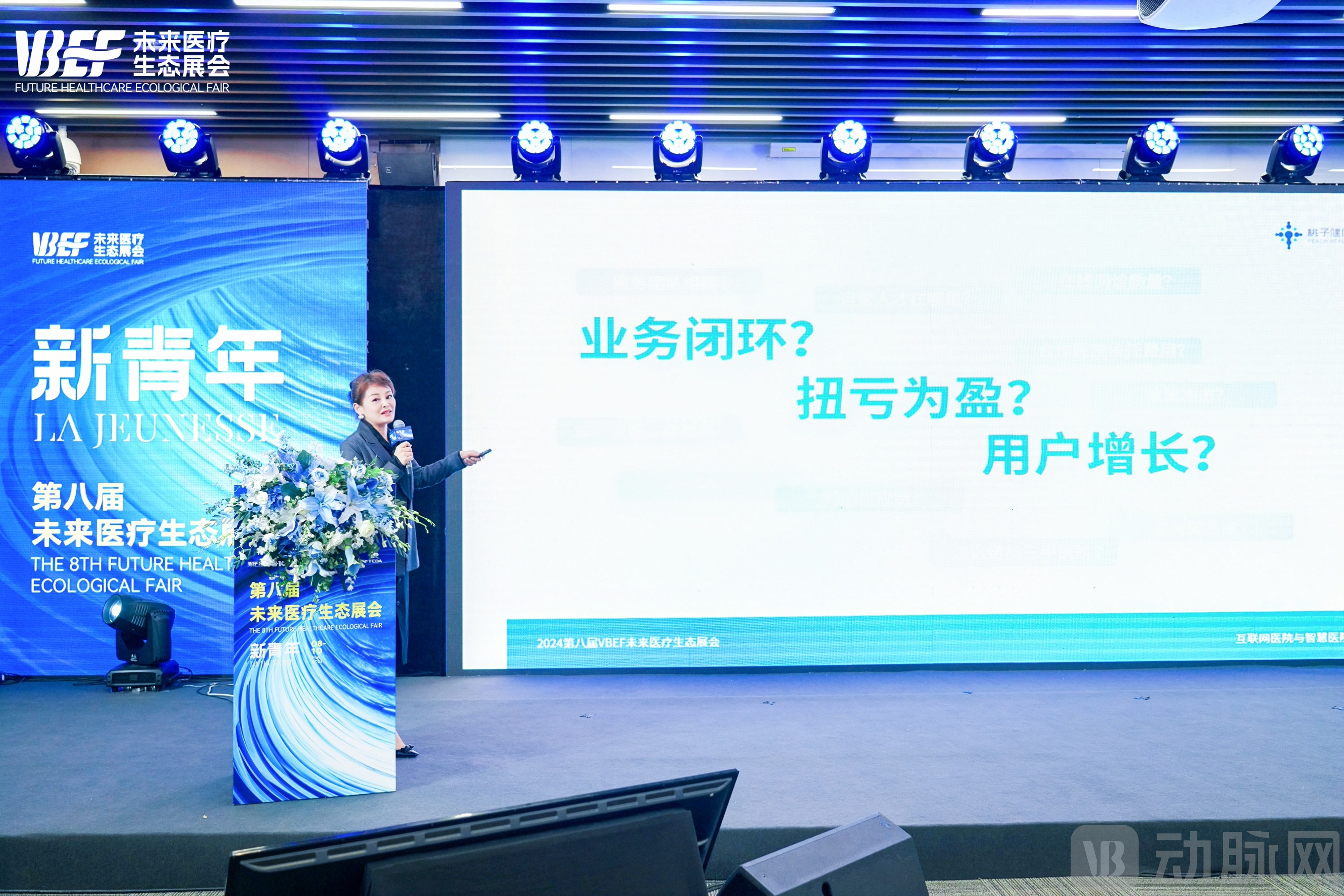
Chen Jingbo, Co-founder and Vice President of Taozi Health, Delivers a Keynote Presentation on “Subtraction and Addition in the Development of Internet Hospitals”
Haihu Health/Feng Peigen, Founder and Chairman of Haicheng Digital Medical Industrial ParkIt was noted that although the infrastructure of internet hospitals has begun to take shape, operational challenges are heightened by factors such as management, strategic layout, technological constraints, user habits, and patient experience. Haihu Health has established a comprehensive ecosystem known as “Five Clouds and One Park,” comprising Haizheng Cloud for government services, Haiyi Cloud (a customizable internet hospital system), Hailian Cloud focused on supply chain solutions, Haikang Cloud for operations, and Haiyun Zhikang for online medical institutions, along with offline industrial parks. This ecosystem provides internet hospital enterprises with more robust, end-to-end services. “Whether operating physical institutions or internet hospitals, winning over physicians is key to success; the core lies in the S2D2C model,” he explained. He further stated that Haihu Health will actively explore and experiment with diverse directions in the future, such as the “Internet + Pharmacy/Clinic” model.
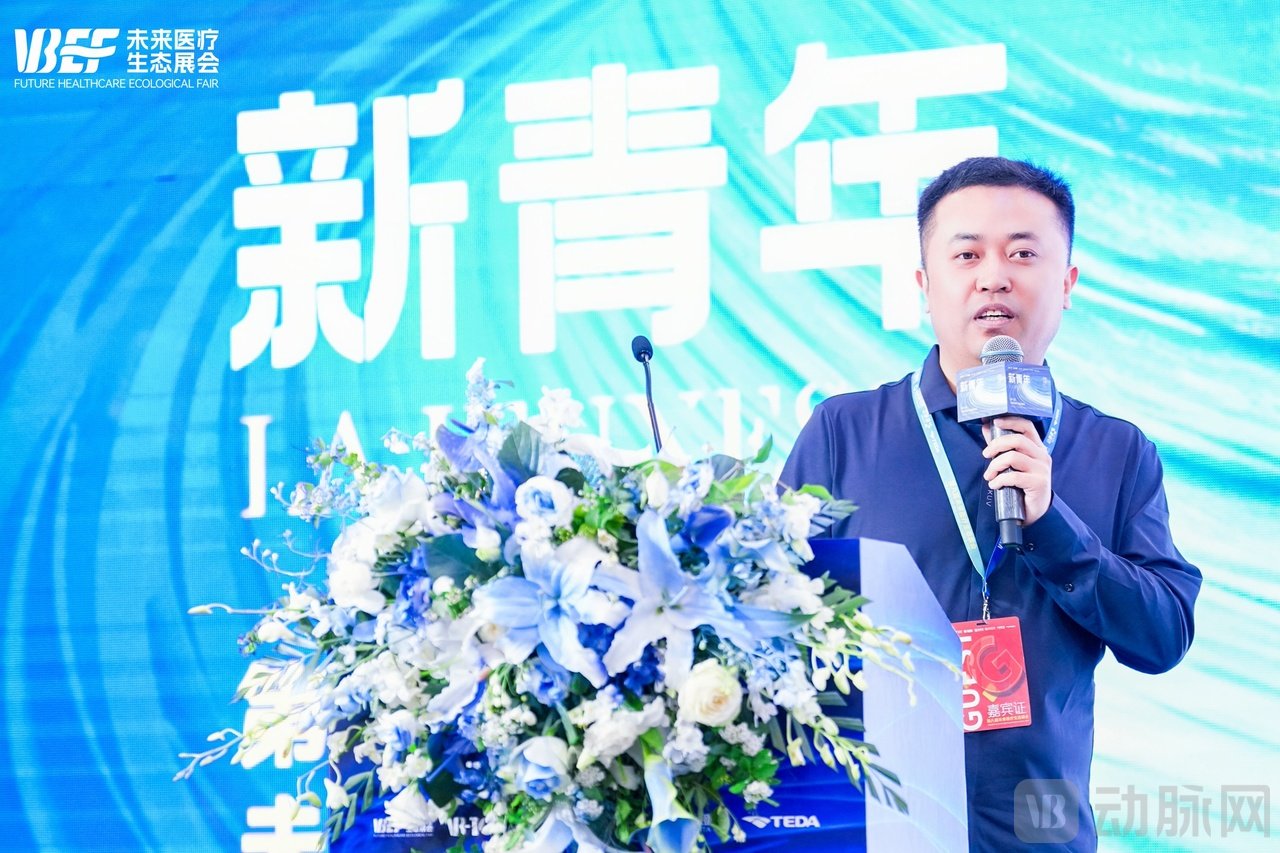
Feng Peigen, Founder and Chairman of Haihu Health / Haicheng Digital Medical Industrial Park, delivered a keynote speech titled “Practical Applications of Internet Hospitals and the Construction of a Digital Healthcare Ecosystem”
Shi Anjie, Senior Researcher at VCBeatA comprehensive and detailed analysis was conducted from four perspectives: the essence, role, market potential, and corporate development strategies of smart healthcare. Smart healthcare provides socialized solutions to medical institutions, enterprises, patients, and regulatory authorities based on digital technologies. Its evolution is a process of gradually improving the ecosystem from underlying technology infrastructure to upper-layer applications, accompanied by a transition from single-disease and single-link coverage to all-disease and full-process coverage. Smart healthcare can help different service entities achieve intelligent workflows, management, products, and connectivity. Therefore, it holds enormous market potential, while competition is also intense. Enterprises must tailor their approaches and adopt differentiated development strategies. Finally, he emphasized that smart healthcare still faces challenges such as low data quality, insufficient interoperability between in-hospital and out-of-hospital settings, limited coverage of clinical disease types and diagnosis and treatment processes, low penetration in R&D and clinical trials, unclear business models, and ambiguous payment entities.
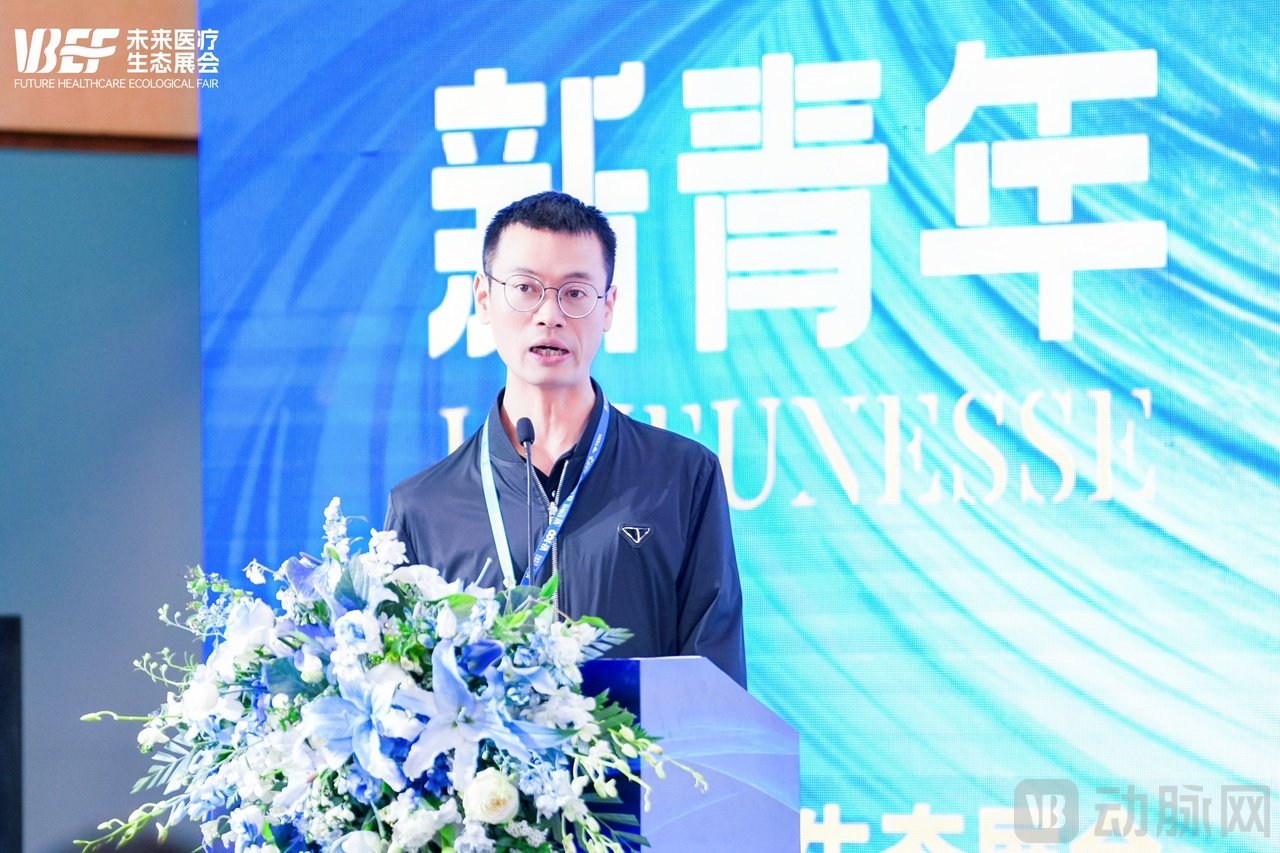
Shi Anjie, Senior Researcher at VCBeat Institute, Shares “Smart Healthcare Industry Research Report: The Three-Stage Progression of ‘Technology–Service–Ecosystem’”
Zhang Lehui, Operating Partner at Changling CapitalHe delivered an insightful presentation on the impact of DRG payment reform on smart hospital management. He noted that DRG-based payment is not merely a financial mechanism but also a catalyst for institutional reform and optimized resource allocation. From a hospital perspective, it necessitates a shift in operational models, with strengthened cost and performance management. From a clinical perspective, it requires adjusting the cost structure to integrate precise services with standardized care. Accordingly, he argued that DRG payment reform will drive hospitals to transition from process-driven to data-driven operations, enhancing internal control capabilities through data-centric management. By leveraging the dual drivers of processes and data, hospitals can more accurately address management challenges and achieve end-goal-oriented management objectives. In light of challenges such as the coexistence of DIP and DRG systems, he recommended that hospitals actively explore and adapt to new management models to foster the development of smart hospital management.
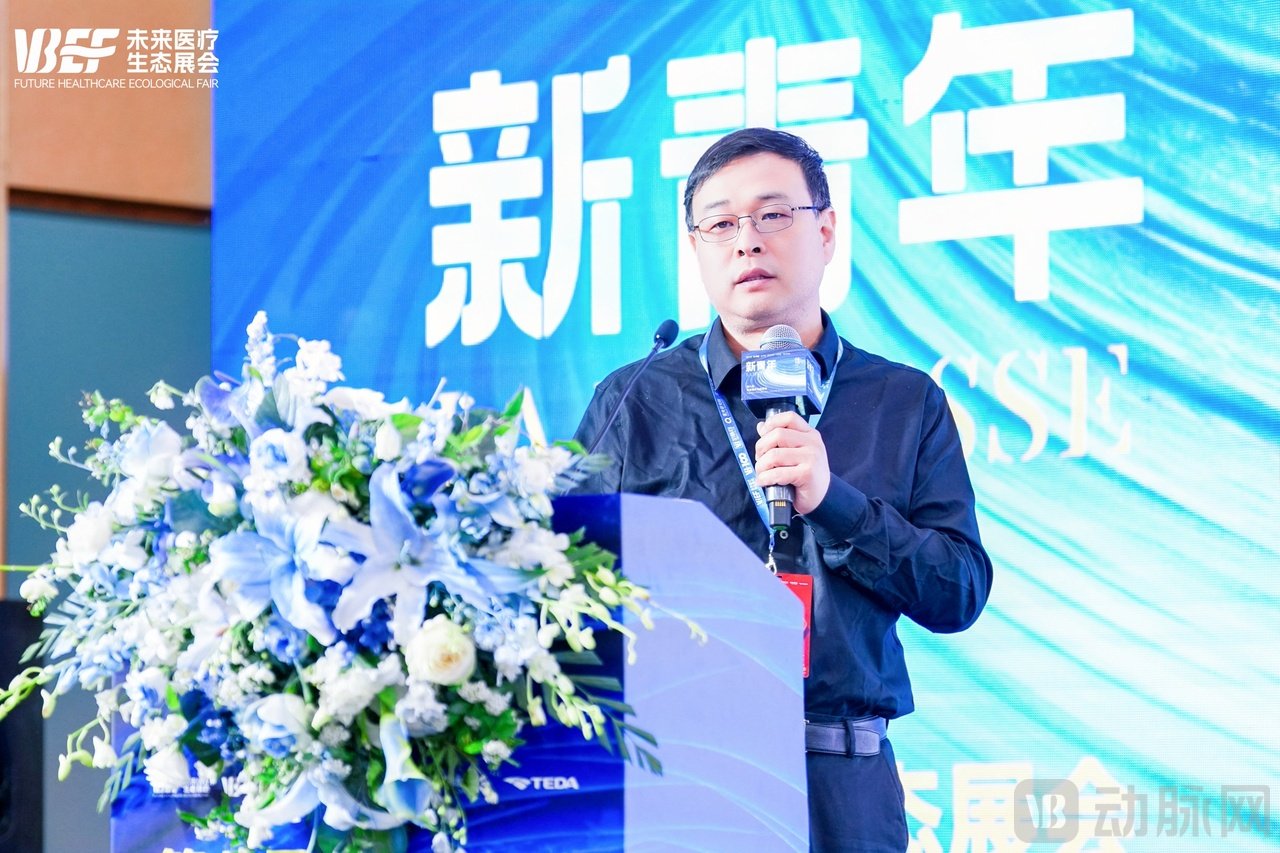
Zhang Lehui, Operating Partner at Changling Capital, delivered a presentation on “Outlook on Accelerating the Development of Healthcare Informatics in the Era of DRG/DIP Payment”
Founder of Weiyi Tongzhe,CEO Wei TianIt was stated that the application of new internet healthcare technologies in clinical trials aims to improve trial efficiency and reduce costs. With the development of informatization and digitalization, clinical trials are transitioning from paper-based and electronic formats to a digital-intelligent paradigm, leveraging new technologies such as cloud computing and artificial intelligence to optimize trial processes. Weiyi Tongzhe has proposed a “1+2+3+4” model that is patient-centric, emphasizes scientific and ethical standards, relies on technological, operational, and platform support, and prioritizes safeguards for data security and trial quality. Furthermore, through internet hospitals, decentralized clinical research is being realized, enabling greater participation by primary care physicians in clinical trials. Weiyi Tongzhe has also built an AI-driven digital-intelligent scientific research platform, achieving full-process digital management from experimental design to outcome delivery, thereby effectively enhancing the operational efficiency and management level of clinical trials.

Wei Tian, Founder and CEO of WeiTongYiZhe, Shares “Integrated Digital-Intelligent Clinical Research Solutions Based on Customer Applications”
Wu Qunke, Director of the Technical Product Department at JD HealthThis article introduces JD Health’s proactive exploration in the field of internet healthcare. JD Health has launched “Jingyi Qianxun,” a large medical language model that leverages hundreds of millions of clinical records and a medical knowledge graph to enhance diagnostic and treatment efficiency, while assisting physicians in scientific research, patient consultations, and health management, thereby enabling comprehensive online-to-offline scenario applications. Furthermore, JD Health applies its online technologies and products to offline hospitals, achieving precise identification of patient intent and scenario matching, which effectively supports hospital resource allocation and improves the patient care experience. In response to future challenges facing internet hospitals, JD Health is strategically developing the 2.0 model of internet hospitals to drive innovation and development within the internet healthcare industry.
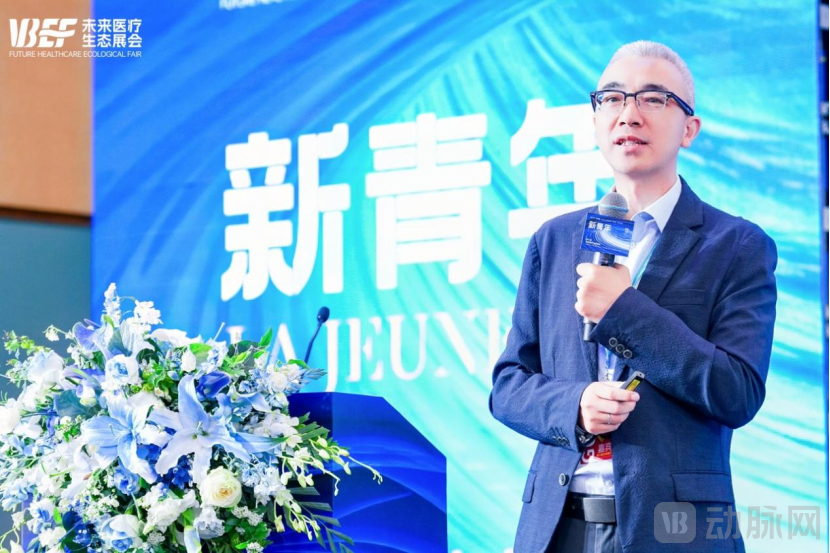 Wu Qunke, Director of the Technical Product Department at JD Health, Delivers a Keynote on “Exploring Data- and AI-Driven Patient Service Practices”