

Asensus Surgical Files Prospectus Highlighting Breakthrough in Digital Laparoscopic Surgery After 18 Years of Innovation and Over $3 Billion Raised

Asensus Surgical
Surgical Robot Developer
Robots are hailed as the pearl atop the crown of the manufacturing industry.
With the continuous advancement of AI technology, human-computer interaction, advanced imaging systems, and haptic feedback technologies, the wave of robotics has inevitably swept into the healthcare sector. Among medical robots, surgical robots undoubtedly constitute the largest and most significant segment.
Surgical robots, equipped with high-definition imaging systems and flexible robotic arms, assist surgeons in performing complex procedures through minimally invasive techniques. They are now widely applied across multiple specialties, including general surgery, urology, cardiovascular surgery, thoracic surgery, gynecology, orthopedics, and neurosurgery.
Asensus Surgical (NYSE: ASXC) is a company that has been deeply engaged in the field of surgical robotics for nearly 20 years.
Founded in 2006 and headquartered in Durham, North Carolina, USA, the company is dedicated to providing surgeons with real-time intelligent intraoperative assistance through surgical robotics, helping them make precise decisions, navigate challenging anatomical structures, and reduce variability during procedures. Asensus Surgical combines robotic-assisted technology with laparoscopic techniques and reusable instruments that are familiar to many surgeons worldwide, making surgeries more precise and predictable.
Asensus Surgical’s solutions are divided into four major segments: the Senhance Surgical System, Senhance Connect, Senhance Simulation, and the Intelligent Surgical Unit (ISU). Among these, the Senhance Surgical System is the core of its solutions.
The Senhance Surgical System features a comprehensive suite of reusable instruments, enabling hospitals to maximize existing resources and reduce the high costs associated with minimally invasive surgery. Its full range of reusable 3-mm and 5-mm instruments decreases reliance on single-use devices, thereby minimizing consumable waste during surgical procedures. The Senhance Surgical System establishes a responsible pricing model comparable to that of conventional laparoscopic surgery, ensuring that both operative time and costs per procedure are on par with traditional laparoscopy.
This system employs laparoscopic techniques familiar to surgeons, enhancing safety and efficiency without requiring extensive training time, while helping to address factors that contribute to procedural unpredictability, such as patient anatomy and intraoperative anomalies.
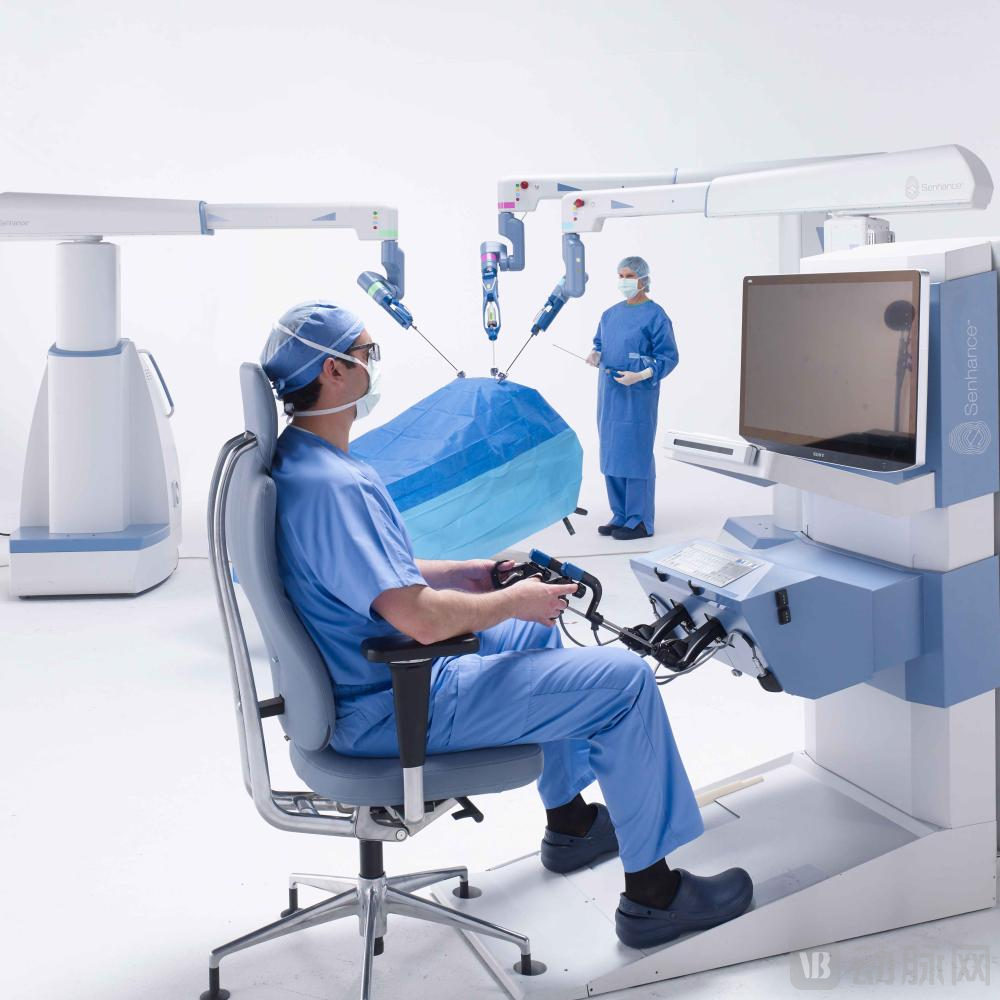
Senhance Surgical Robot
Specifically, the Senhance Surgical System can adjust the precision of its movements according to surgical requirements, thereby maintaining high accuracy during delicate maneuvers. Its proprietary haptic feedback technology transmits forces sensed by the robotic instruments to the surgeon, providing a more intuitive operational experience and enhancing control during the procedure. Furthermore, the eye-tracking camera control feature allows surgeons to control camera movements, including panning and zooming, through natural eye movements. This enables hands-free adjustment of the surgical view, allowing the surgeon to fully utilize the third robotic arm.
This surgical robot features an improved ergonomic design, allowing surgeons to perform laparoscopic procedures in a comfortable seated position and adjust the positions of the robotic arms and end-effectors at any time by pressing the clutch pedal. Senhance adopts an open platform architecture that provides surgeons with an unobstructed line of sight to the sterile field, facilitating rapid patient access and clear communication with the surgical team. Notably, the Senhance surgical robot can establish a digital fulcrum to minimize torque at the incision site. This mechanism enables surgical instruments to rotate around the preset digital fulcrum rather than generating torque directly at the incision, thereby reducing pulling and rotational forces exerted by the instruments on the incisional tissue. This protects the tissue surrounding the incision, helping to minimize tissue damage and shorten postoperative recovery time.
The Senhance Connect solution, true to its name, emphasizes connectivity and collaboration, dedicated to enhancing the accessibility of real-time clinical support in the operating room, ensuring that geographical disparities no longer hinder real-time support and guidance.
As the complexity of surgical procedures continues to increase, there is a growing clinical demand for real-time consultation, training, and support. As a digital collaboration platform, Senhance Connect can be integrated with the Senhance Surgical System or used as a standalone product. Through its multi-stream video capability, viewers can see and hear the surgeon and staff in the operating room. Meanwhile, the system’s compact footprint allows the cart to be flexibly positioned close to the surgical field, ensuring optimal visibility.
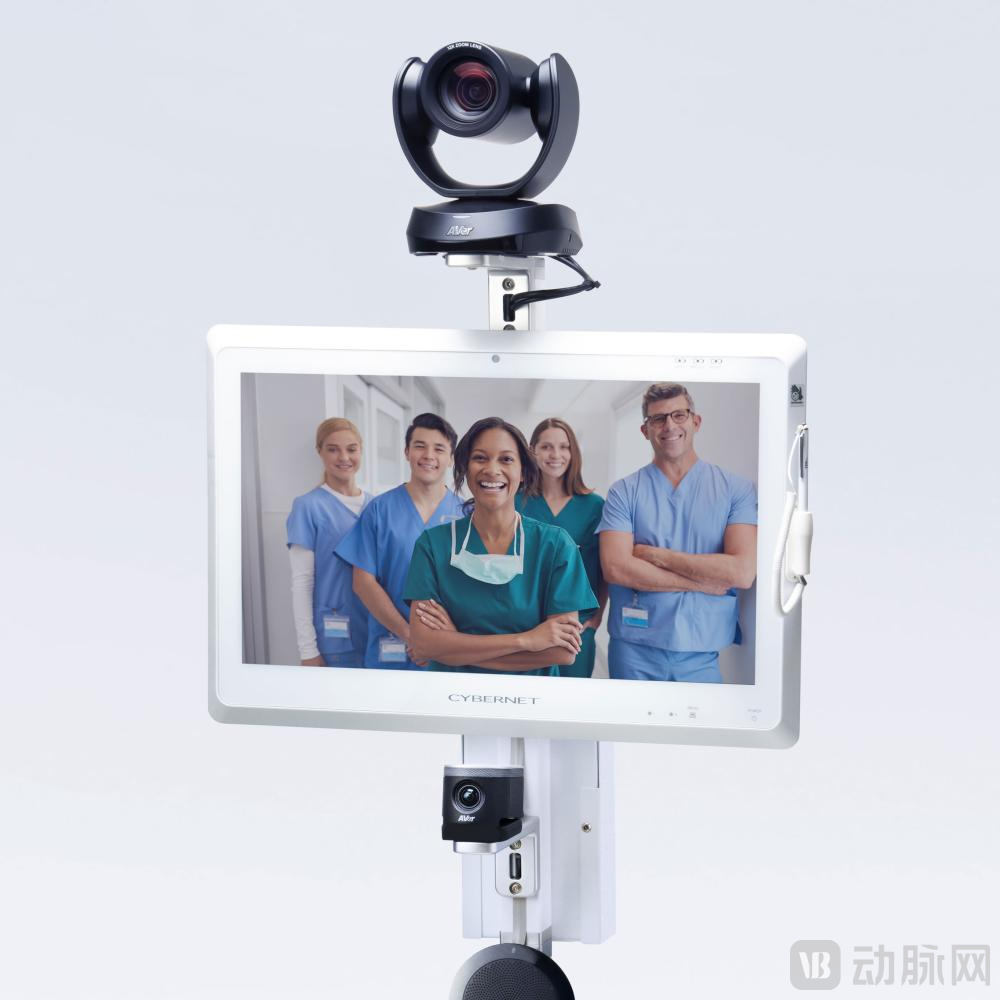
Senhance Connect provides a real-time communication and collaboration platform
Throughout the surgical procedure, surgeons and participants can engage in immersive, interactive communication and collaboration. The system leverages the hospital’s Wi-Fi or Ethernet/LAN connection to enable high-quality imaging and digital transmission, live-streaming the surgery and facilitating experience sharing within the surgeon community. During this process, the platform adheres to the latest local privacy policies and ensures that patient information is neither shared nor stored.
By providing real-time remote guidance to Senhance users and novice surgeons, Senhance Connect aims to bridge the surgical skills gap. The system allows mentors to remotely annotate key surgical steps within the trainee’s operative view, thereby enhancing interaction between mentors and trainees. Furthermore, online proctoring and procedural guidance via Senhance Connect eliminate the need for business travel, reduce the time physicians spend traveling to observe peer cases, and remove travel-related costs.
Senhance Connect not only facilitates the education and training of physicians, but also enhances the availability of second-opinion specialists in emergency situations, enables access to troubleshooting advice from product experts, and reduces infection risks by controlling traffic into and out of the operating room, thereby safeguarding patient safety.
When learning new technologies such as robot-assisted surgery, simulation is an effective method to shorten the learning curve and improve proficiency. Senhance Simulation aims to enrich surgeons’ operative skills through “simulation,” during which surgeons receive remote learning and hands-on training provided by the Asensus Surgical Learning Academy.
Upon completion of the online learning module, participants will attend a two- to three-day on-site course at one of Asensus Surgical’s global skills centers, where they will gain hands-on experience with the Senhance system through dry and wet lab exercises.
Senhance Simulation, accessible from the Senhance console, was developed through a collaboration between Asensus Surgical and Surgical Science, a leading provider of robotic surgery simulation solutions. It leverages high-fidelity graphics and real-time feedback technologies to help surgeons master hand-eye coordination, bimanual instrument manipulation, and other fundamental skills, such as eye-tracking camera control, operation of straight and articulated instruments with haptic feedback, needle handling and suturing techniques, and knot-tying skills.
Senhance Simulation enables surgeons to conduct planned surgical training with the Senhance system according to their own schedules, thereby allowing hospitals to more efficiently facilitate the adoption and coverage of surgical robots and increase the penetration rate of surgical robots at the hospital level.
Asensus Surgical’s Intelligent Surgical Unit (ISU) is a real-time intraoperative image analysis platform that integrates innovative digital tools with advanced surgical robotics technology to enhance the efficiency, precision, and safety of soft tissue surgery.
Asensus Surgical stated that its Intelligent Surgical Unit is the first augmented intelligence platform for robotic surgery to receive FDA clearance, CE marking, and PMDA approval, enabling surgeons to obtain real-time visual guidance and enhancing their confidence in performing complex procedures.
Currently, surgical robots have demonstrated significant efficacy in improving surgical efficiency and enhancing flexibility. However, variations in anatomical structures, the physical burden imposed by surgery, and other factors contribute to increased unpredictability during procedures. If this issue remains unaddressed, it will be difficult to reduce complications. Intelligent surgical units can overcome these limitations by creating an intraoperative “GPS navigation system.” By integrating advanced robotic manipulation, real-time augmented intelligence digital capabilities, and machine learning, these systems can automatically identify anatomical structures and potential safety hazards during surgery, thereby assisting surgeons in making more efficient, precise, and safe medical decisions.
Among these features, point-to-point and organ contour measurement capabilities enable surgeons to perform precise intraoperative measurements, thereby improving surgical success rates and reproducibility, and facilitating standardized successful outcomes. Digital annotation allows surgeons to mark critical anatomical structures on the display, more clearly indicating the focal points for the surgical team, thus enhancing communication among team members and improving surgical coordination.
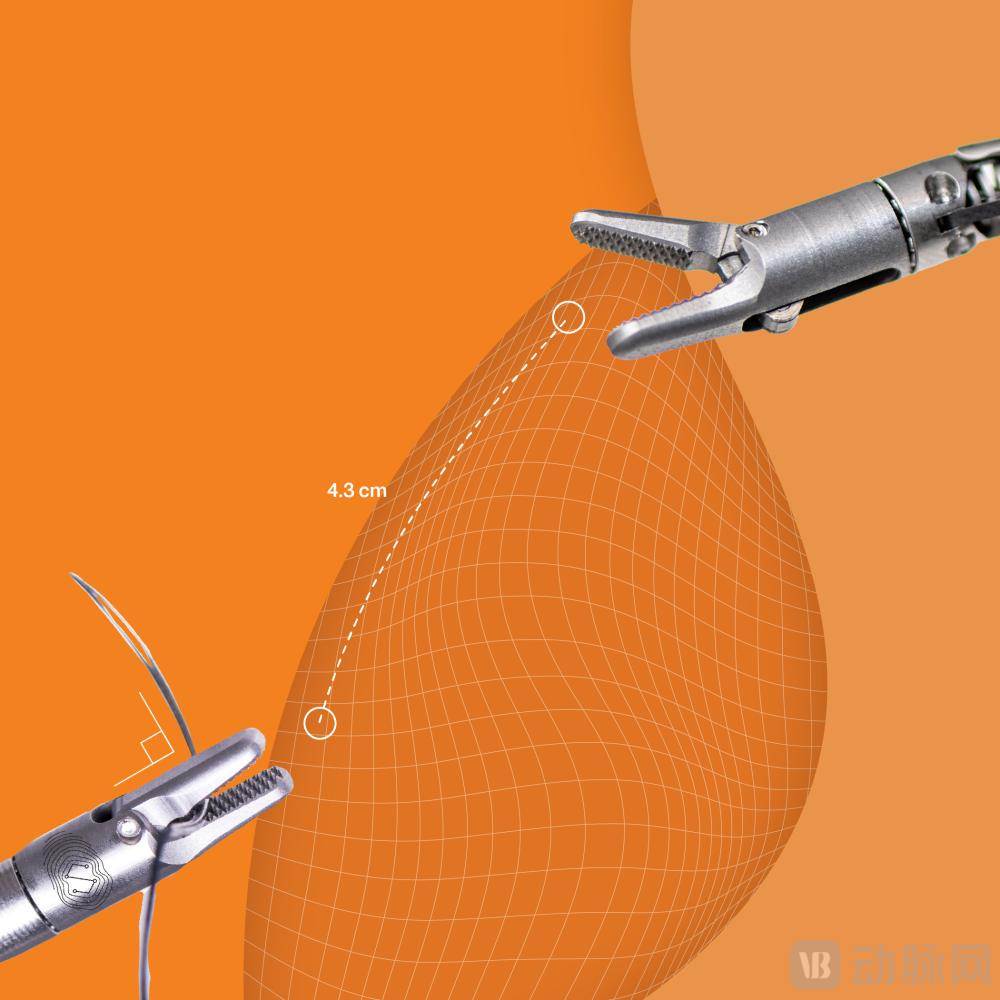
ISU digital tools enable surgeons to perform precise intraoperative measurements
Asensus Surgical points out that data collection in current surgical procedures is neither frequent nor structured, a challenge addressed by the Intelligent Surgical Unit. This platform accumulates and analyzes data and video from every Asensus-assisted surgery, extracting valuable insights and experience to build a knowledge base of best practices. These insights are applied in real time during future procedures, assisting surgeons in making more accurate decisions, thereby enhancing surgical quality and predictability, and making surgical outcomes more controllable.
Furthermore, Asensus Surgical also plans to add a suite of safety features, such as the “No-Fly Zone” function, which identifies and marks potential hazards during surgery and restricts instrument entry into designated anatomical structures.
On January 5, 2024, Asensus Surgical announced an in vivo laboratory evaluation of its next-generation Luna surgical robot. Luna is a digital surgery solution integrated by the company based on feedback from more than 10,000 digital laparoscopic procedures performed using the Senhance Surgical System. It features a next-generation surgical platform, minimally invasive surgical instruments, and real-time intraoperative clinical intelligence tools. Its latest component, a cloud-based platform, optimizes real-time algorithms as well as preoperative planning and postoperative analysis, leveraging machine learning to provide clinical insights. Furthermore, the company has collaborated with Google Cloud on the machine learning aspects of its platform.
On April 3, 2024, the company completed a new round of financing amounting to $20 million. According to data disclosed by Crunchbase, Asensus Surgical has raised a total of $474.9 million (approximately RMB 3.43 billion) across 18 funding rounds to date.
On May 14, 2024, Asensus Surgical announced its operating and financial results for the first quarter of 2024. During the quarter, the company initiated a Senhance surgical program at the beginning of the year, performing nearly 900 procedures globally. The company’s revenue for the first quarter was $1.1 million. As of March 31, 2024, the company’s cash and cash equivalents and short-term investments (excluding restricted cash) totaled approximately $8 million. For the full year 2024, the company expects to launch 8–10 new Senhance programs, achieve a 15%–20% increase in procedural volume compared to 2023, complete the design freeze for the Luna Surgical System, conduct verification and validation testing for the system, and carry out pilot production.
Currently, da Vinci’s dominance has fully validated the market potential of surgical robots. According to Frost & Sullivan statistics, the global surgical robot market reached $8.32 billion in 2020, equivalent to nearly RMB 60 billion.
Prior to 2021, the domestic laparoscopic robot market was virtually monopolized by da Vinci. Since 2021, domestically produced robots have been launched successively, gradually breaking da Vinci’s monopoly.
China’s surgical robotics industry is in the early stages of rapid development, characterized by a low market base but substantial growth potential and highly certain expansion. Guosheng Securities points out that over the next decade, the domestic market for laparoscopic surgical robots is expected to grow from RMB 3.5 billion to RMB 28.2 billion, while the overall surgical robotics market is projected to expand from RMB 4.6 billion to RMB 47 billion, representing a tenfold increase in market size over ten years. There is even the potential for the emergence of a “Chinese da Vinci.”
According to incomplete statistics from VCBeat, the surgical robotics sector saw 27, 30, 29, and 19 financing rounds in 2020, 2021, 2022, and 2023 (as of September 30, with multiple financings counted as one), respectively. The total number of financing rounds over these four years exceeded 100, demonstrating strong overall performance.
Currently, domestic innovative enterprises such as MicroPort MedBot, Edge Medical, Weigao Surgical Robot, Sizhe Rui, Tinavi, and Jianjia Medical have achieved breakthrough progress in the field of surgical robots. Multiple approved products have emerged in this sector, signaling that China’s surgical robot industry is set to enter a fast track of development.