

Diversified Technology Routes and Differentiated Strategies Driving Domestic Substitution and Global Competition in Laboratory Instruments and Equipment
For a long time, China’s laboratory instruments and equipment industry has lagged behind international giants in R&D capabilities, product quality, and scale due to its late start, with a particularly high reliance on imports in the field of high-end analytical instruments.
In recent years, supported and encouraged by national policies, domestic manufacturers of laboratory instruments and equipment are ushering in unprecedented development opportunities. Meanwhile, the continuous advancement of China’s machinery, electronics, and information technology sectors, coupled with ongoing innovations in physics, chemistry, and optics, has further accelerated the import substitution process for domestically produced laboratory instruments and equipment. This trend is reinforced by growing demand from life sciences research and downstream markets within the industrial chain. Some domestic manufacturers have already incorporated expansion into overseas markets, particularly in emerging economies, into their strategic plans, driving rapid industry growth.
From May 7 to 10, 2024, the 8th Future Medical Ecology Exhibition was officially held at the Beijing·Beiren Yichuang International Convention and Exhibition Center. The event was organized by VB100, VCBeat, Eggshell Research Institute, and Artery Orange, co-organized by the Tianjin Economic-Technological Development Area (TEDA), and conducted in strategic cooperation with the Management Committee of Tianjin Binhai Zhongguancun Science Park and Beitang Bay Digital Economy Industrial Park. As one of the highly anticipated sub-forums of the conference, the [Laboratory Instruments and Equipment] Sub-forum concluded successfully on the morning of May 10.
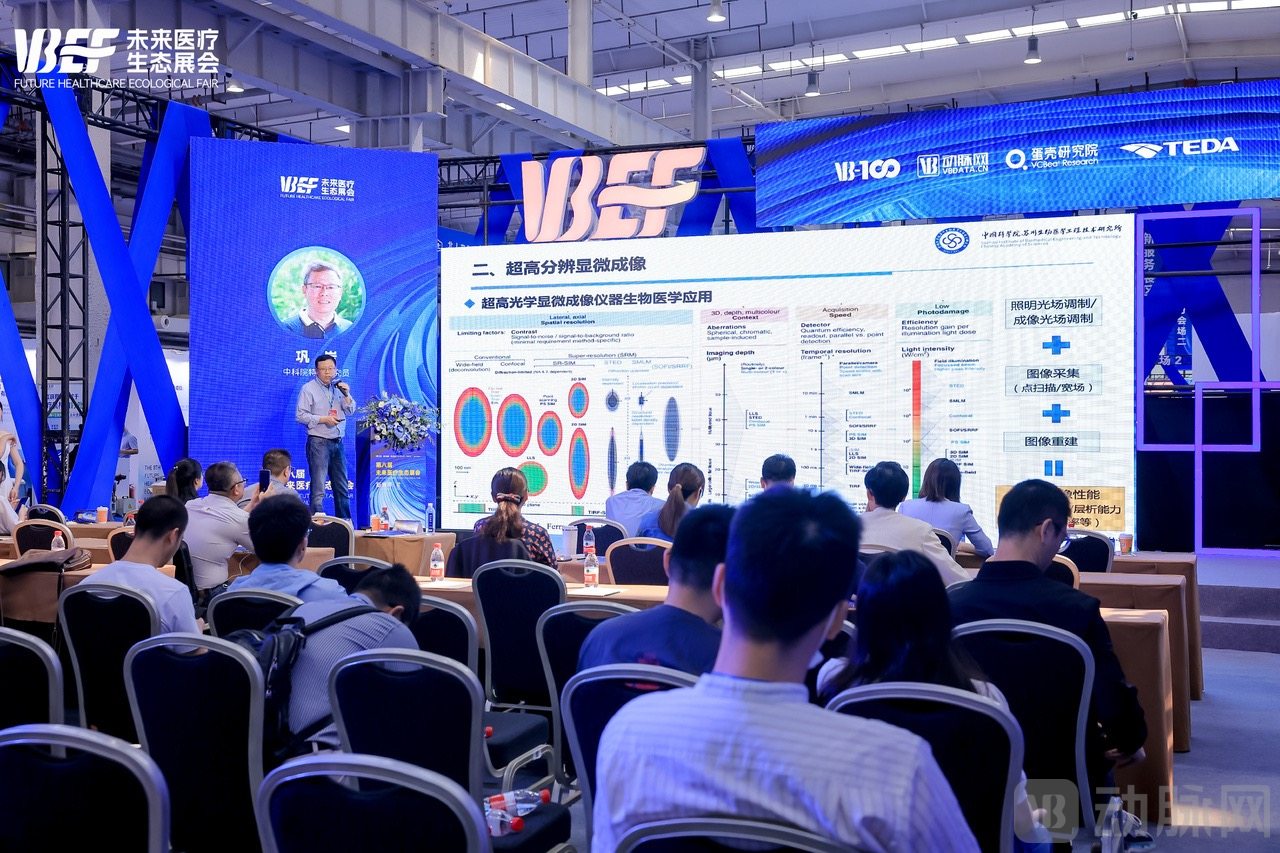 Conference Venue
The forum invited renowned experts and leading enterprises, including Gong Yan, Distinguished Researcher at the Chinese Academy of Sciences; Song Yizhi, Researcher at the Suzhou Institute of Biomedical Engineering and Technology, Chinese Academy of Sciences, and Chief Scientist of the National Key R&D Program; Liang Zhihong, Founder and CEO of PinGe Intelligent Manufacturing; Yang Caohua, CTO of Tianrui Diagnostics; Yang Wenjun, Vice President of New羿 Biologics; Wang Jingjing, Director of the Product Marketing Center at MGI Tech; Dai Chen, Managing Director of Hetang Venture Capital; and Liu Tiefu, Founder and CEO of Cenglang Biotechnology. They engaged in in-depth discussions on the theme of domestic substitution and global expansion strategies for China’s laboratory instruments and equipment sector.
Accelerate independent innovation and collaboration to promote the domestic substitution of high-end instruments and core components
The sub-forum featured two major segments: “Keynote Speeches” and “Roundtable Discussions,” which delved into the technological innovation, industrial upgrading, and the challenges and opportunities of globalization for China’s laboratory instruments and equipment sector.
In the keynote session, participating experts shared insights on industry hot topics, including technological breakthroughs and R&D in high-end laboratory instruments, as well as the clinical application progress and challenges of medical devices.
Mr. Gong Yan, Distinguished Research Fellow of the Chinese Academy of SciencesShared"Technological Breakthroughs in High-End Optical Microscope Objectives and R&D of Optical Microscopy Experimental Instruments"。He pointed out that the clarion call for a new round of technological revolution has sounded; whoever masters scientific and technological instruments holds the key to development. Currently, China’s high-end instrument market is monopolized by foreign companies. It is imperative to rely on independent innovation and open cooperation to achieve domestic substitution in core technologies and critical components. To break through barriers in high-end microscopy technology, we have established the Advanced Microscopy Optical Engineering Center, which boasts a top-tier domestic objective lens R&D platform. We have developed multiple series of microscope objective lenses, including two-photon broadband objectives and large-field-of-view objectives, to support national major instrument projects. The core of microscopy systems lies in enhancing resolution. We have successfully achieved 1.45 NA (numerical aperture) microscope objective lenses and developed essential assembly equipment, such as integrated testing equipment for decentering and spacing, and non-contact lens center thickness gauges.
In the future, advancements in microscopy will achieve deeper progress through the integration of new components and optical mechanisms. The serialization and customization of domestically produced microscopes are key to achieving world-class results. Artificial intelligence and algorithms also play a significant role in scientific instruments. Possessing independent, high-end optical microscopy instruments is crucial for China’s technological innovation and industrial applications. The state needs to provide policy support to promote the development of domestic scientific research instruments, with the goal of bringing these instruments to the global market.
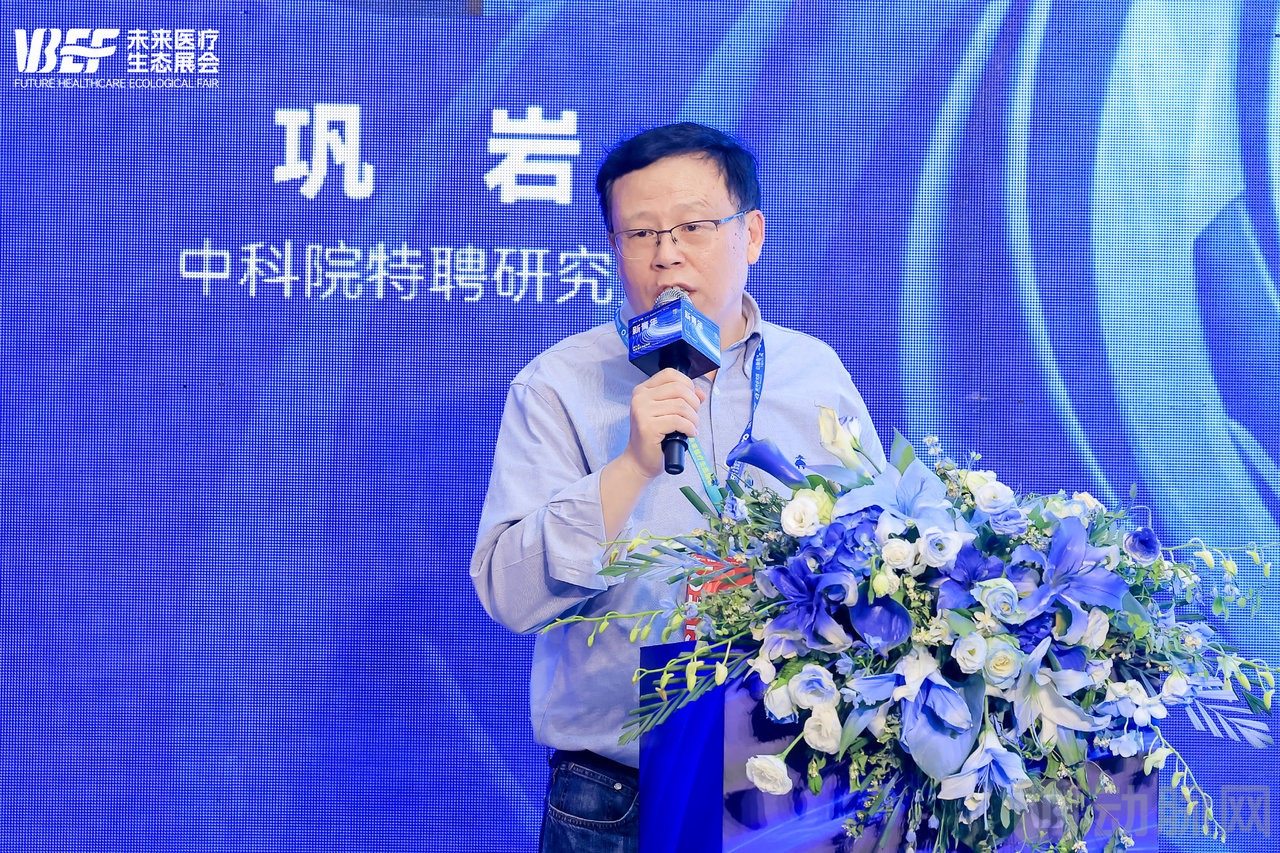
Gong Yan, Distinguished Research Fellow of the Chinese Academy of Sciences
Mr. Song Yizhi, a researcher at the Suzhou Institute of Biomedical Engineering and Technology, Chinese Academy of Sciences, and Chief Scientist of the National Key R&D Program, shared insights on “Clinical Application Progress and Challenges of Spectroscopic Instruments.”He noted that in recent years, research on spectroscopic techniques in the clinical field has been flourishing. As a type of scattering spectroscopy, Raman spectroscopy can provide rich intrinsic information about biological samples and is suitable for non-destructive or minimally destructive detection, holding significant value for clinical diagnosis. The confocal micro-Raman spectrometer developed by our team integrates a monochromator and a confocal system with CT-like structural capabilities, enabling high-spectral-resolution fluorescence spectrum acquisition and depth-scanning spatial resolution detection. This technology has demonstrated great potential in tumor tissue detection and non-invasive blood glucose monitoring. Our team is also closely focusing on its application in the detection of pathogenic microorganisms, aiming to achieve rapid pathogen identification and assessment of antibiotic efficacy, thereby shortening the time required for clinical testing.
Currently, the clinical application of scientific instruments still faces numerous challenges, including improving instrument reproducibility, reliability, automation levels, and data standardization. Only by overcoming these challenges can spectroscopic instruments play a greater role in clinical practice, providing more accurate tools for medical diagnosis. We look forward to further breakthroughs in spectroscopy technology in the clinical field in the future, ultimately benefiting patients.
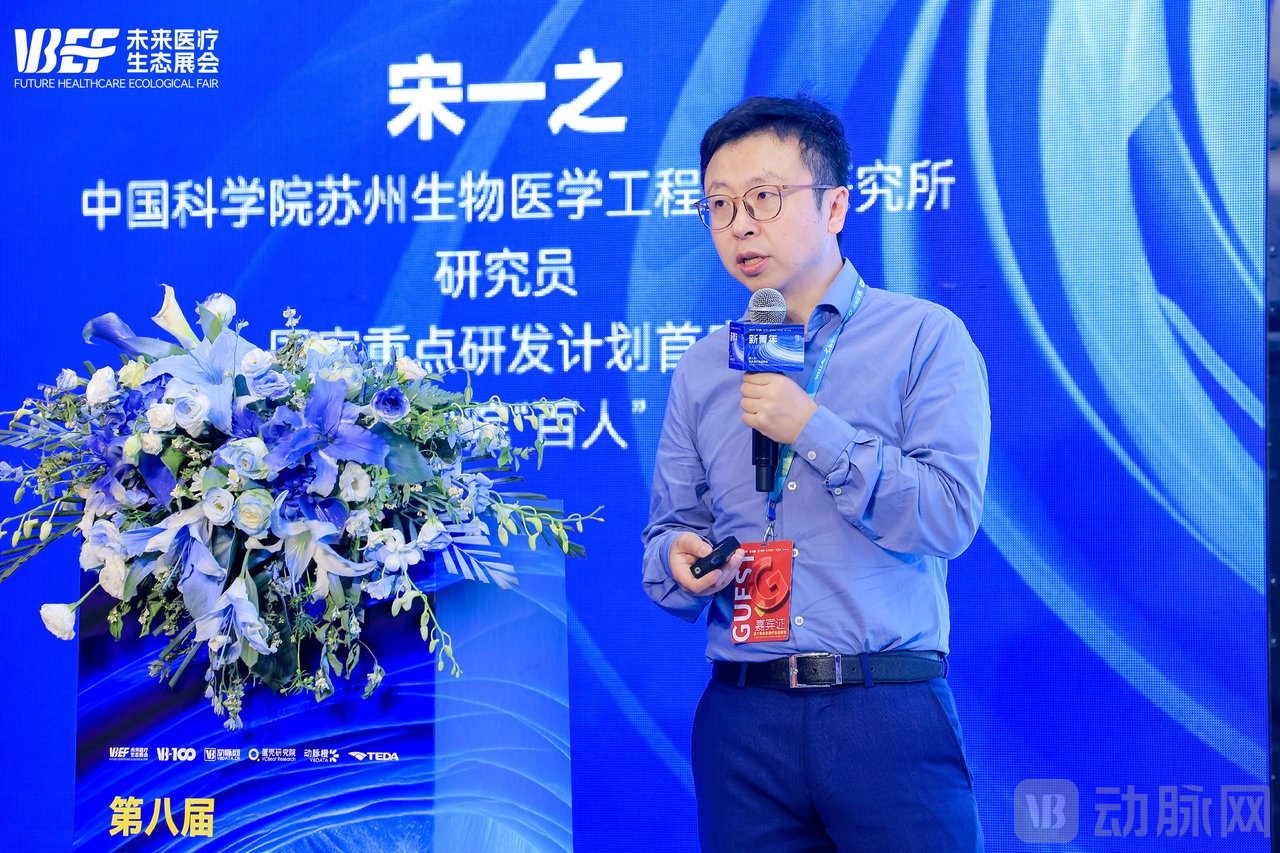
Song Yizhi, Researcher at the Suzhou Institute of Biomedical Engineering and Technology, Chinese Academy of Sciences, and Chief Scientist of the National Key R&D Program
Shared by Mr. Liang Zhihong, Founder and CEO of PinGe Intelligent Manufacturingle"Rethinking Smart Laboratories from a New Perspective: Reflections and Explorations on Flexible Robotic Experimentation", exploring how to assist scientists in experimental research from an engineer’s perspective. He mentioned that the team-developed super-flexible experimental platform adopts a magnetic levitation system to modularize experimental tasks. By integrating robotics and a “digital brain,” the platform enables parallel processing and flexible switching of various experimental tasks. Through machine vision and remote control, the experimental process is digitally recorded, ensuring the authenticity, reliability, and validity of the data. The use of this platform can significantly reduce personnel input, shorten experiment duration, and improve experimental efficiency, allowing scientists to focus more on data analysis and result evaluation.
Smart laboratory equipment serves as the “Turing machine” of life sciences, integrating engineering, informatics, and life sciences. It enables biologists and chemists to propose hypotheses while delegating computational and validation processes to machines, with experts solely responsible for evaluating the results. The essence of smart laboratories lies in data accumulation, which in turn drives experimental design, thereby not only enhancing experimental efficiency but also yielding real-world data. The team aims to apply engineering thinking to liberate scientists from tedious instrument operations, allowing them to focus more on breakthroughs in fundamental principles and innovation.
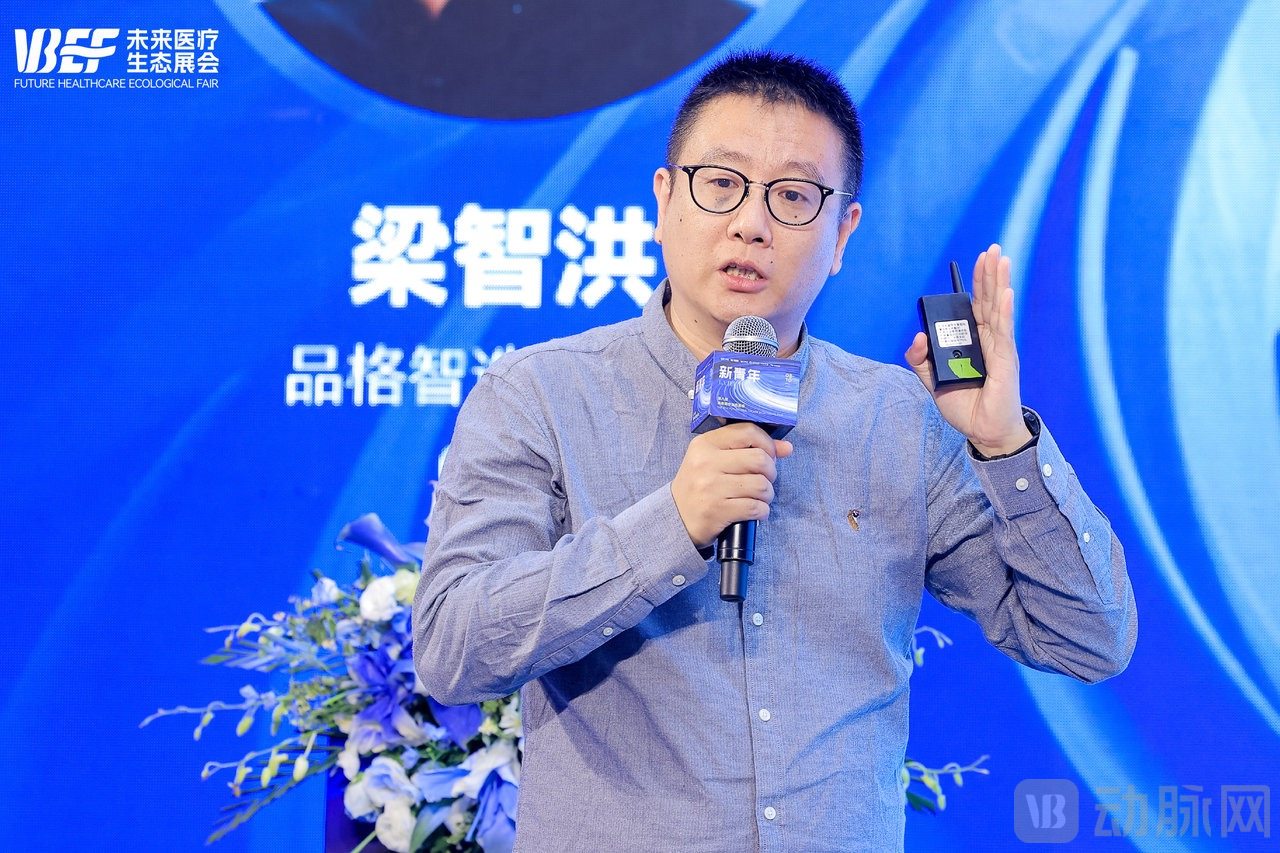
Liang Zhihong, Founder and CEO of PinGe Intelligent Manufacturing
Yang Caohua, CTO of Tianrui Diagnostics, shared insights on “Current Status, Progress, and Challenges in the Application of Automated Sample Pre-treatment for Clinical Mass Spectrometry”In recent years, liquid chromatography-tandem mass spectrometry (LC-MS/MS) has attracted significant attention from the investment community; however, its adoption in mid-sized hospitals remains suboptimal. This is primarily due to the immaturity of high-throughput applications in automated sample pretreatment technologies. Sample pretreatment is a critical step in mass spectrometry analysis, directly impacting both result accuracy and turnaround time. Currently, domestic manufacturers have developed integrated pretreatment workstations by improving upon liquid handling workstation technologies, yet achieving full automation still poses challenges. Retrofitting liquid handling workstations for LC-MS/MS pretreatment faces difficulties in realizing high-throughput processing. Although magnetic bead-based methods offer the highest degree of automation, they are constrained by cost and assay dependency issues.
Our company has developed two systems: one is a pretreatment system based on the extraction method, and the other is a pretreatment system based on the magnetic bead method. The combination of the two can achieve automation of the entire methodology and is compatible with different domestic mass spectrometry brands. Tests conducted using automated instruments have shown that accuracy and precision are generally superior to manual pretreatment.
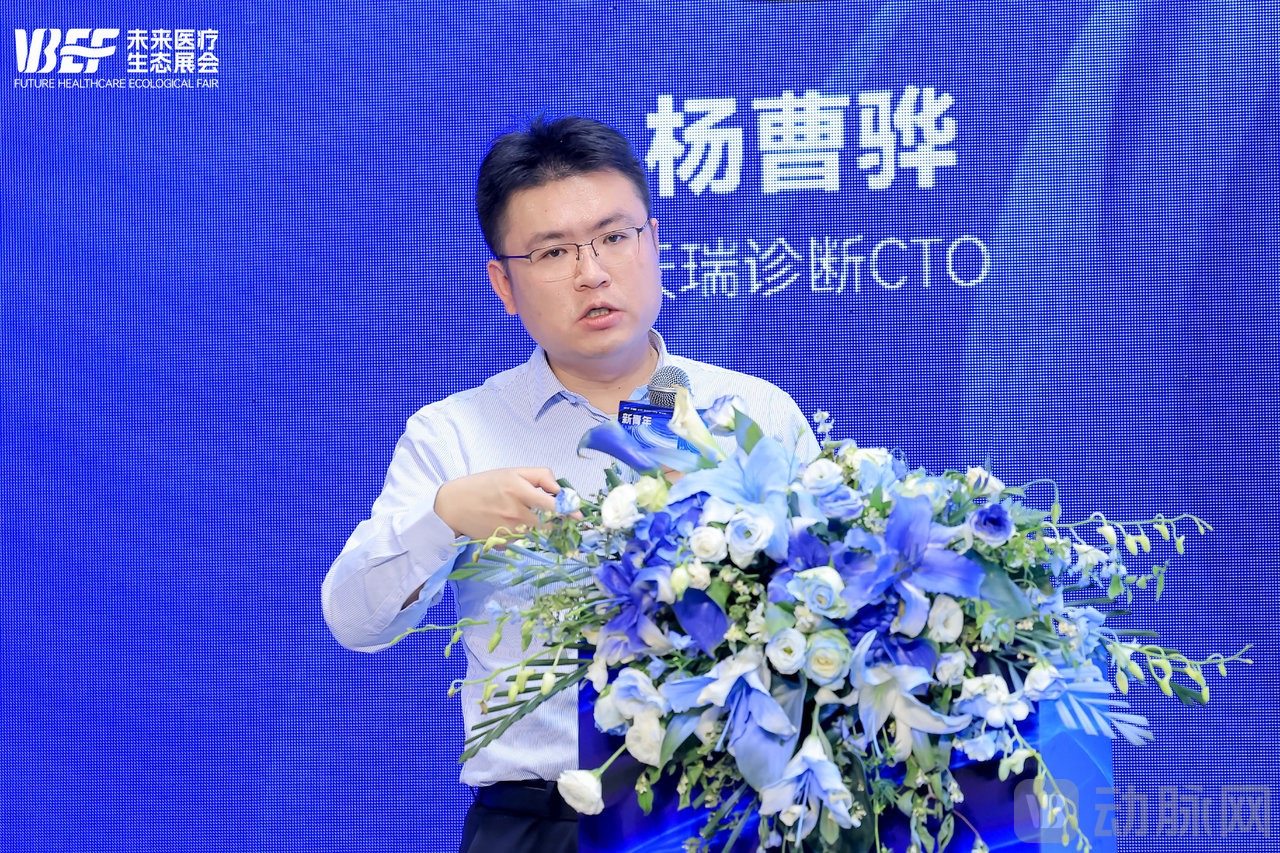
Yang Caohua, CTO of Tianrui Diagnostics
Ms. Wang Jingjing, Director of the Product Marketing Center at MGI Tech, delivered a keynote presentation titled “Omics Frontier Laboratory DCS Lab: Empowering the Localization and Global Development of Life Science Laboratories”As introduced, the DCS Lab Global Research Empowerment Initiative, launched by MGI Tech, focuses on cutting-edge omics technologies such as genomics, cytomics, and spatial omics. By promoting large-scale cross-omics research, the initiative aims to trigger major scientific breakthroughs and help top-tier researchers worldwide establish internationally leading, large-scale, and standardized multi-omics frontier laboratories, thereby advancing frontier life sciences research and industry development.
The DCS Lab adopts a modular and standardized design, facilitating rapid deployment and upgrades, thereby significantly saving time and enhancing research efficiency. Taking the standardized DCS Lab as an example, it requires only 100–150 square meters of space and includes the DNBSEQ-T7 sequencing platform with supporting automation equipment, single-cell sequencing tools, and spatial omics research tools. Six months ago, MGI completed the construction of a laboratory from scratch at the Hong Kong Science Park in just 42 days. This seamless end-to-end process, from laboratory design to equipment installation, demonstrated MGI’s capability to rapidly and efficiently build highly automated, intelligent, one-stop laboratories for its users. Currently, DCS Labs are being continuously established worldwide, including at the Haihe Laboratory of Cell Ecosystem in Tianjin, the National Cancer Centre Singapore, and the Shanghai Center for Brain Science and Brain-Inspired Technology, showcasing their potential and impact in advancing life science research and applications. By promoting the development of life technologies through the DCS Lab, MGI is committed to making scientific research tools more accessible, helping researchers achieve new breakthroughs in precision medicine, proteomics, and cytomics, and thereby providing more effective solutions for human health.
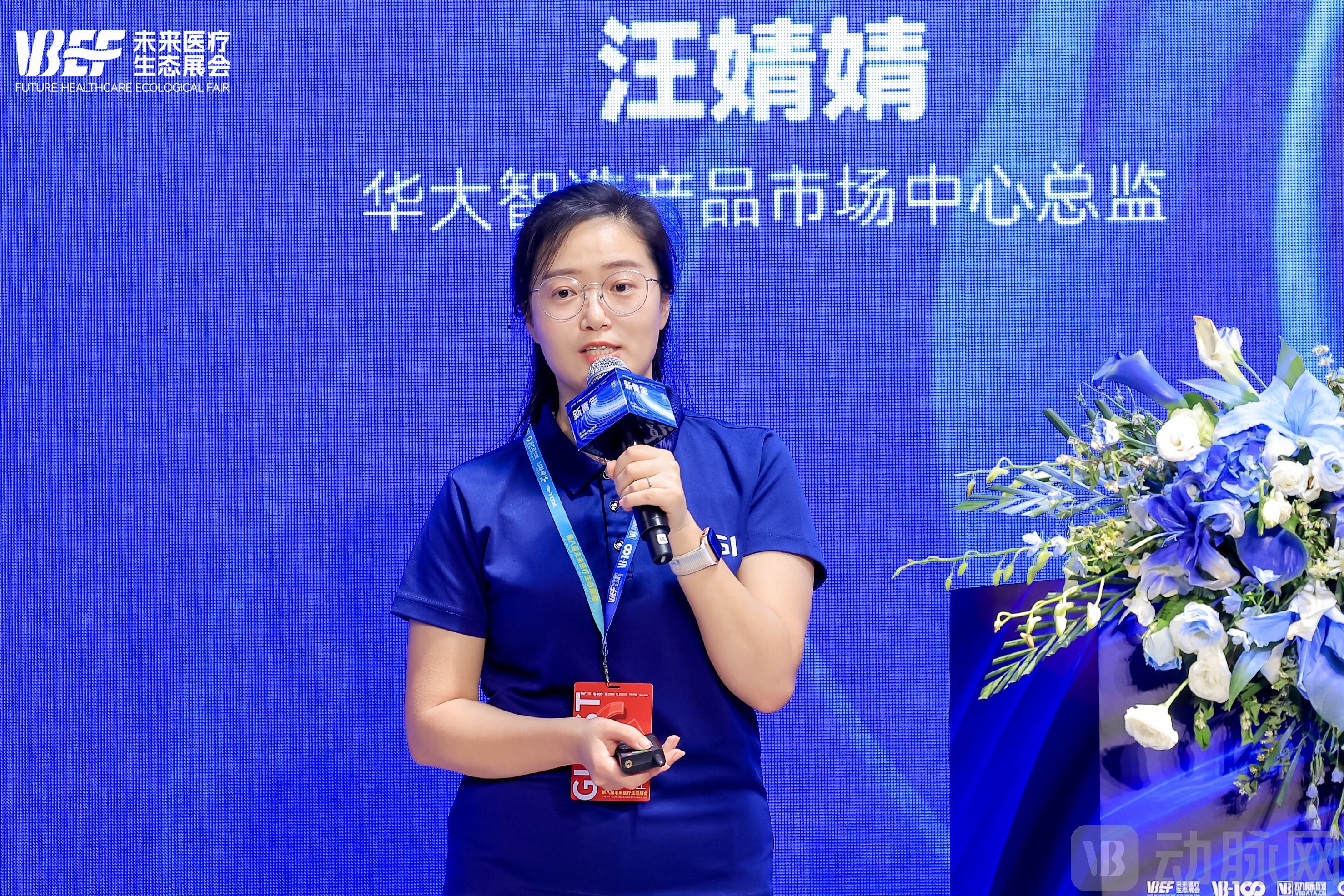
Wang Jingjing, Director of Product Marketing Center at MGI Tech
Ms. Yang Wenjun, Vice President of New Yier Biotechnology, shared her insights on “How to Drive High Performance, High Throughput, Digitalization, and Standardization of PCR Instruments”She stated that digital PCR technology is demonstrating significant advantages in the detection of minimal residual disease in tumors and rapid testing for severe infections, owing to its high sensitivity and absolute quantification capabilities. New羿 Bio (Xinyi Biology) focuses on technological innovation in digital PCR and has developed multiple product series ranging from standalone units to integrated systems. Among these, the integrated digital PCR system enables fully automated, assembly-line operations, achieving high-sensitivity and high-throughput detection. New羿 Bio has also participated in the formulation of national industry standards for digital PCR, promoting the digitalization and standardization of the sector. Meanwhile, the company has developed molecular POCT (point-of-care testing) products that integrate sample preparation with detection, thereby simplifying operational procedures and enhancing user experience.
Clinical demand is the primary driver of technological advancement. New Yier Biotech has already developed a range of applications on its digital PCR platform, covering oncology, infectious diseases, and eugenics. The company seeks to establish partnerships with hospitals and centers for disease control and prevention to translate these technologies into clinical practice, thereby addressing medical needs and enhancing public health.
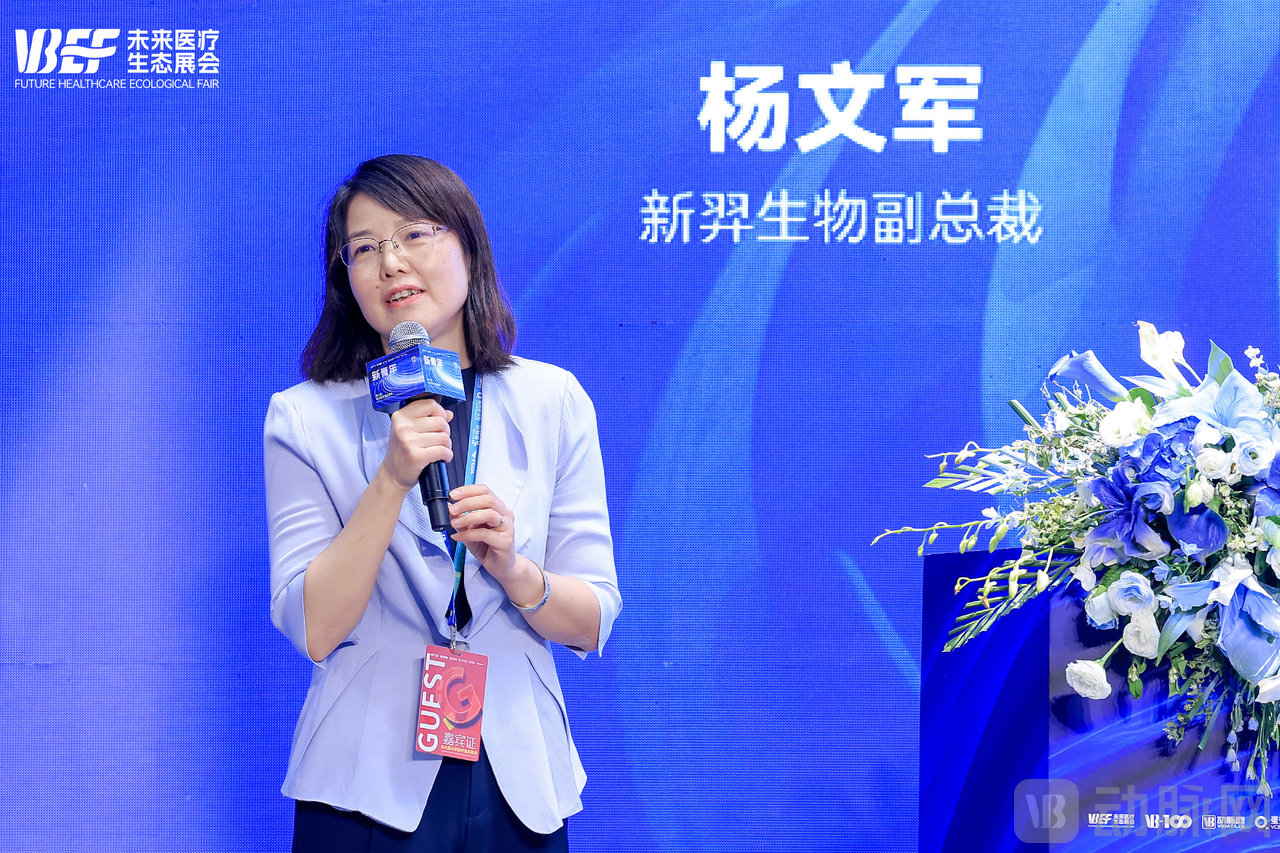
Yang Wenjun, Vice President of New Yee Biotech
Parallel Development of Multiple Technological Pathways to Drive China-Specific, Differentiated Global Competition
Subsequently, Song Yizhi, a researcher at the Suzhou Institute of Biomedical Engineering and Technology, Chinese Academy of Sciences, and Chief Scientist of the National Key R&D Program; Liang Zhihong, Founder and CEO of PinGe Intelligent Manufacturing; Liu Tiefu, Founder/CEO of Cenglang Biology; and Dai Chen, Managing Director of Hetang Venture Capital, jointly participated in a roundtable discussion on the theme “Domestic Substitution and Global Expansion: The Inevitable Path for the Growth of Laboratory Instruments and Equipment.”
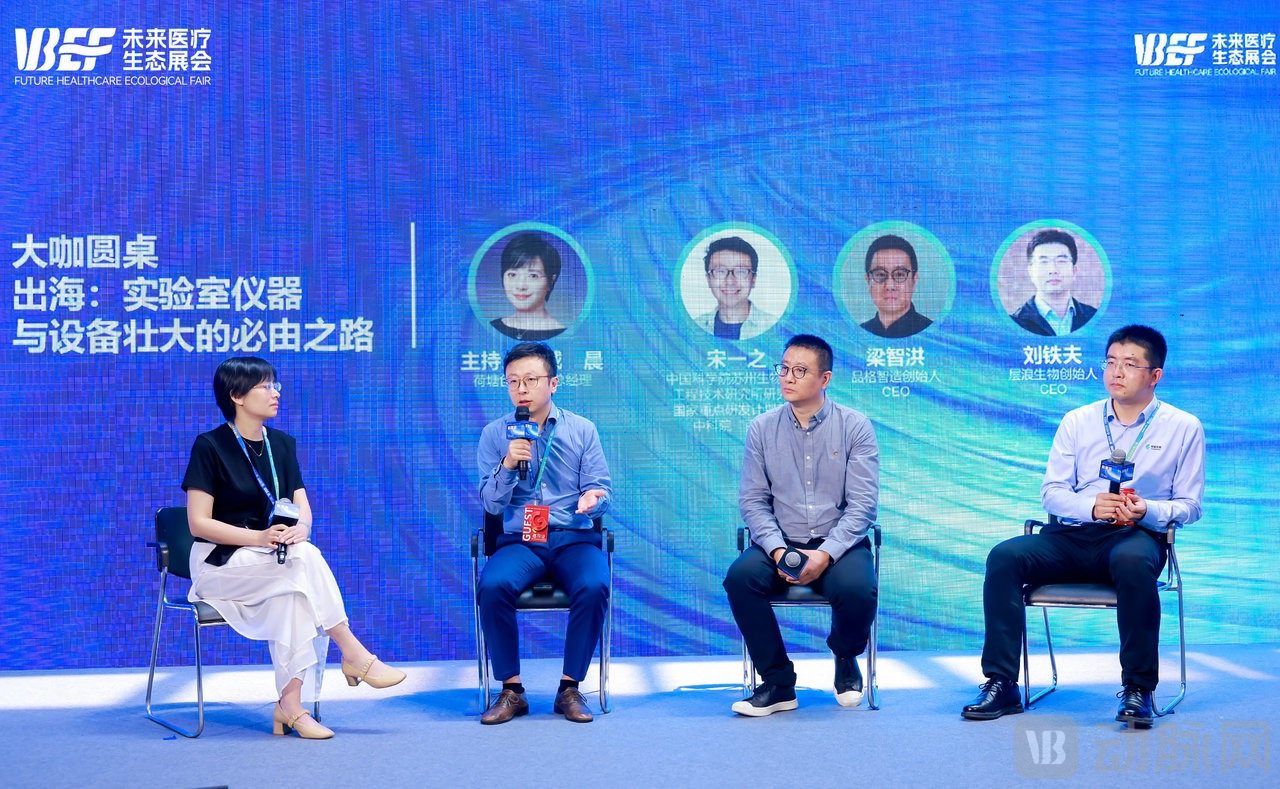
Roundtable Discussion
Dai Chen:In the field of laboratory instruments and equipment, what current developments and trends have you observed?
Song Yizhi:In recent years, the pace of updates and replacements for scientific instruments has accelerated, with new models or functional upgrades released annually, representing a positive change for users. However, the durability of modern instruments appears to have declined, with issues frequently arising within a year; manufacturers tend to favor repairs or promote new products.
Liang Zhihong:The future landscape of scientific instrumentation will be characterized by the parallel development of multiple technological pathways and a flourishing diversity of approaches. Intelligent devices will replace manual labor in simple, repetitive tasks, yet each technological pathway retains its unique characteristics. While traditional foreign instrument manufacturers focus on deepening their established technical expertise, we are exploring novel methods such as robotics and flexible technologies to address unmet experimental needs in the market. These diverse technological means will enable us to tackle various laboratory challenges with greater richness and flexibility.
Liu Tiefu:Over the past two decades, “Made in China” has been gradually transitioning to “R&D in China,” with R&D centers increasingly relocating to China. Particularly in the field of flow cytometry, domestic R&D and design are poised to become the global center.
Dai Chen:As a foundational infrastructure industry for life sciences research, the value of “domestic substitution” for laboratory instruments and equipment is increasingly evident. What is the current status of domestic substitution in the field of laboratory instruments and equipment, particularly in the area of high-end analytical instruments? What are the main challenges faced?
Song Yizhi:The process of domestic substitution is primarily divided into three stages: first, “offering lower prices for comparable products”; second, “providing superior quality for comparable products”; and third, “offering unique products unavailable from competitors.” We are currently in the transitional phase from “offering lower prices for comparable products” to “providing superior quality for comparable products.” At present, China demonstrates strong R&D capabilities in instruments such as flow cytometers, mass spectrometers, next-generation and third-generation sequencing platforms, gel imaging systems, and low-temperature sample storage equipment, with products competitive against mid-range foreign models. However, a gap remains compared to international counterparts in high-end models, such as advanced platforms for spatial transcriptomics. It is expected that a gradual transition from “providing superior quality for comparable products” to “offering unique products unavailable from competitors” will be achieved in the future.
Domestic scientific instruments still face three major challenges in achieving import substitution. The first is the issue of user confidence, which needs to be gradually overcome by providing better services and demonstrating the advantages of domestically produced instruments. The second is the need for independent innovation and breakthroughs in key core components, such as detectors, lasers, and precision fluid control parts—areas that, although small, remain critical bottlenecks. Both national strategic planning and corporate development must prioritize their layout and advancement. The third challenge lies in originality; China’s scientific instrument industry needs to develop innovative products with independent intellectual property rights. In the future, there is an expectation for more autonomously developed, original instruments and equipment that offer unique capabilities unavailable elsewhere, similar to the nanoflow cytometer.
Dai Chen: What breakthroughs have domestic companies achieved in promoting the localization of laboratory instruments and equipment, and in which areas do they still need to catch up? Please share your practical experience from your own perspective.
LiangZhihong:Life sciences emphasize biodiversity, and so too should laboratory instruments, equipment, and technological approaches. Domestic substitution must not only compete with foreign brands in terms of technical capabilities and cost efficiency within specialized niches, but also explore new technological pathways and methods to address unmet needs in laboratories. Cross-disciplinary integration is key; leveraging smart devices and the Internet of Things (IoT) can accelerate the translation of theory into practice. The domestic substitution of instruments and equipment is not merely a matter of technological competition, but rather a convergence of multi-disciplinary technologies, employing diverse technical directions, strategies, and means to achieve desired outcomes.
Liu Tiefu:Currently, domestic instrument and equipment manufacturers have achieved notable success in the clinical market, but face challenges in achieving import substitution within the scientific research sector, necessitating continued efforts. This disparity arises because the clinical market prioritizes a balance among product performance, stability, and cost, whereas research users place greater emphasis on product value. Cenglang Bio currently ranks among the leaders in China in terms of product premiumization and is committed to further advancements in this area. The primary challenge lies in talent gaps; while domestic R&D teams tend to be younger and less experienced compared to seasoned international experts, there remains significant room for development and substantial market potential for technological innovation and market substitution in China as experience accumulates.
Dai Chen:Against the backdrop of accelerating global expansion by China’s healthcare industry, some domestic manufacturers of laboratory instruments and equipment are exploring overseas market opportunities while remaining deeply rooted in the local market. What is the current landscape for the international expansion of laboratory instruments and equipment? What specific challenges do different overseas markets present, and what key considerations should be taken into account?
Liu Tiefu: The global expansion strategy for the instrumentation and equipment industry can draw lessons from the medical device sector, starting with developing countries before gradually extending to regions such as the Middle East, Southeast Asia, and Latin America. This process requires time; however, with the robust growth of China’s scientific research sector, continuous improvements in product quality, cost efficiency, and service capabilities will increasingly strengthen its competitiveness in the international market.
Liang Zhihong:In the context of globalization, many emerging enterprises are evaluating their product competitiveness. Whether starting in foreign markets first or expanding overseas after deeply cultivating the domestic market, differentiated competition is key. International markets place greater emphasis on differentiated features and problem-solving capabilities than on brand recognition; therefore, technological pathways and product differentiation are crucial approaches to enhancing the competitiveness of products going global. Amidst the intense domestic competition, we not only focus on cost advantages but also give unique consideration to solution differentiation and cost-effectiveness. Furthermore, our robust supply chain further strengthens the competitiveness of Chinese enterprises in international expansion.
Dai Chen:Please summarize the future outlook for laboratory instruments and equipment in one sentence.
Song Yizhi:“The next three years are a critical juncture. It is hoped that domestic scientific instrument manufacturers will seize the policy protection period, so that in three years’ time they can blossom worldwide, much like the new energy vehicle industry.”
Liu Tiefu“Compete beyond China, expand globally, excel in your craft, and secure the future.”
Liang Zhihong: "Integrating scientists' theoretical innovations with engineers' technological innovations to achieve competitive, China-made alternatives with distinct Chinese characteristics."
Laboratory instruments and equipment form the foundation of scientific research and serve as a driving force for technological innovation. They play a crucial role in promoting the translation of scientific achievements in life sciences, the research and development of innovative drugs and therapies, and the exploration of clinical applications. We hope that this forum will help industry professionals gain a better understanding of the current status and trends of the sector from the perspectives of policy, industry, technology, and market, thereby further advancing technological innovation and industrial upgrading in the laboratory instrumentation and equipment industry, and accelerating the process of domestic substitution and globalization in this field.
It is believed that in the near future, China’s laboratory instrumentation and equipment industry will witness greater technological innovation and industrial upgrading, enabling it to enter the broader global market with confidence and make more significant contributions to the development and advancement of the global healthcare sector.