

Leyi Bio: Gas Molecules as a 'New-Quality' Diagnostic Power for Early Gastrointestinal Diseases
Disease identification through odor differentiation has existed since ancient times. With advancements in separation technologies, it has become possible for gas molecules to play a role in medical diagnostics. Due to advantages such as being non-invasive, convenient, and precise, this approach has emerged as one of the fastest-growing segments within the global in vitro diagnostics industry.
As is well known, the Helicobacter pylori (Hp) urea breath test has become an industry “benchmark.” According to the 2022 global report on non-invasive Hp diagnostic reagents published by the renowned international research firm “The Insight Partners,” the global market size for non-invasive Helicobacter pylori testing was USD 596 million, and is projected to reach USD 800 million by 2028, with a compound annual growth rate (CAGR) of 4.4%, wherein the urea breath test accounts for a significant share.
Another market report from the same year also warrants industry attention. According to a report by UK-based data analytics firm Persistence Market Research, the global market for breath analyzers with clinical diagnostic value in the digestive system—specifically those detecting methane and hydrogen—is projected to grow at a compound annual growth rate (CAGR) of 3.7%, rising from $32.5401 billion in 2022 to $40.4426 billion in 2028.
A large-scale multinational study involving 73,076 adult respondents across 22 countries revealed that over 40% of the global population suffers from functional gastrointestinal disorders (FGIDs), with a prevalence rate of approximately 34.4% in China. Characterized by primary symptoms such as diarrhea, constipation, abdominal bloating, dyspepsia, and abdominal pain, these complaints account for 50%–70% of outpatient visits to gastroenterology departments in China.
However, this disease often does not present with mucosal lesions under conventional gastrointestinal endoscopy, making it difficult to elucidate the etiology. Consequently, the current diagnosis and treatment of functional gastrointestinal disorders (FGIDs) rely heavily on physicians’ clinical experience, lacking precise, effective, and non-invasive diagnostic tools. This symptomatic approach—addressing only the immediate complaints without targeting the underlying cause—has led to persistently high rates of recurrence and follow-up visits for FGIDs.
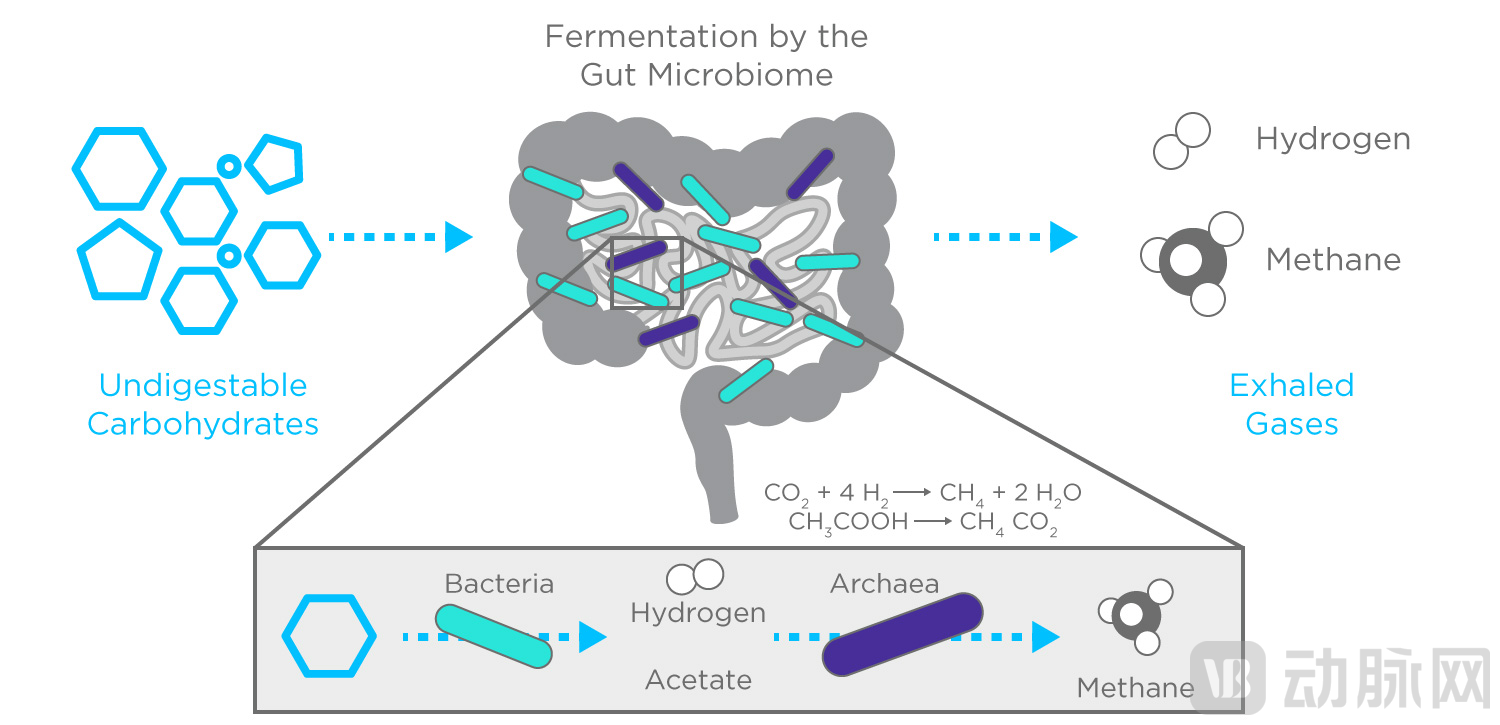
Around 1965, Nature, Gastroenterology, and The New England Journal of Medicine published studies demonstrating that neonates do not produce methane or hydrogen within the first 12 hours after birth. This finding indicated that microbial fermentation is the sole source of intestinal methane and hydrogen. This hypothesis was further validated when significant hydrogen release was observed in fasting subjects following carbohydrate ingestion. Experimental studies also revealed that exhaled hydrogen can serve as an indicator of intestinal hydrogen production. Consequently, hydrogen and methane generated by microbial fermentation of various substrates diffuse across the intestinal mucosa into the bloodstream, reach the alveoli via systemic circulation, and are expelled through pulmonary gas exchange. This mechanism provides a basis for diagnosing functional gastrointestinal disorders, such as small intestinal bacterial overgrowth (SIBO).
Demand drives the market, while industry accelerates demand. In recent years, the Chinese government has successively introduced policies such as the "14th Five-Year Plan for the Development of the Medical Equipment Industry" and the "Action Plan for High-Quality Development of the Medical Equipment Industry (2023–2025)," encouraging the procurement of domestically produced medical equipment and accelerating the substitution of imported medical devices. Against this backdrop, Bioleya®, the dedicated equipment for methane and hydrogen breath testing under Leyi Biology, was launched to break foreign technological monopolies and achieve leading domestic autonomy. Adopting a fixed-platform gas chromatography method that complies with both the international "gold standard" and China’s national standards, it obtained the first Class II National Medical Device Registration Certificate in this application area in 2021.
In 1955, PerkinElmer launched the world’s first commercial gas chromatograph. In 1978, QuinTron introduced the world’s first hydrogen gas chromatograph for detecting carbohydrate malabsorption. In 2021, Leyi Bio launched China’s first hydrogen, methane, and carbon dioxide gas chromatograph.
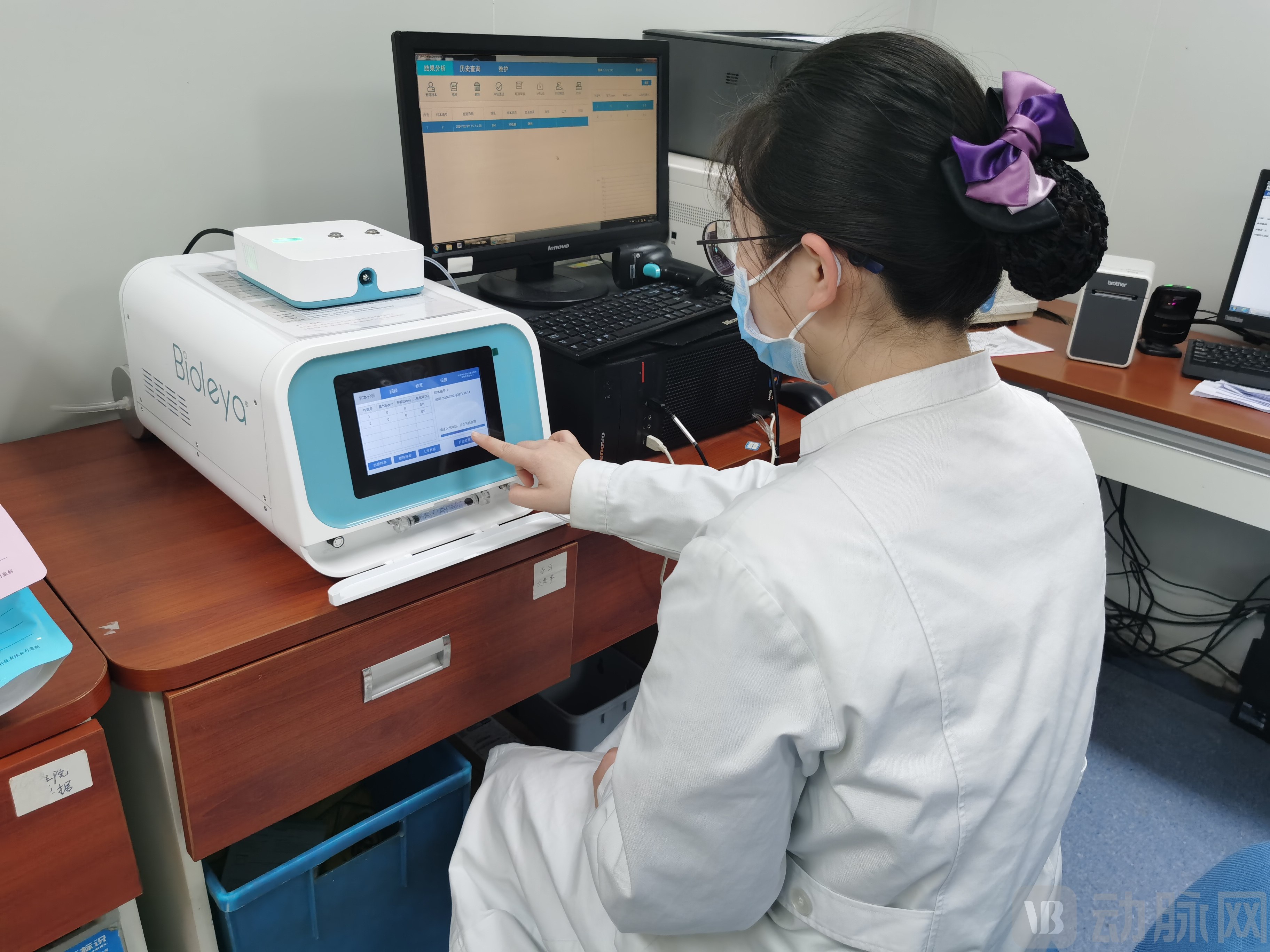
Gas, as a carrier gas, features small volume, light weight, and ease of operation, breaking through the trace (parts per million, ppm, 10-6) Measurement of hydrogen and methane concentrations, with confirmed application value in the continuous analysis of alveolar hydrogen and methane following substrate ingestion.
In an interview with VCBeat, Ms. Lu Kailun, Founder and Chairwoman of Leyi Bio, stated that British Nobel laureates A.J.P. Martin and R.L.M. Synge first proposed in the 1950s that the mobile phase in chromatography could be a gas, thereby predicting the feasibility of gas chromatography. Since then, this gas-based separation method has become an industry-recognized “classic.”
The Chinese national standard “Determination of trace hydrogen in gases—Gas chromatographic method (GB/T 8981-2008)” also confirms that gas chromatography is the standard method for measuring hydrogen and can be applied in the medical field. The Rome Consensus statement, “Methodology and indications of H2-breath testing in gastrointestinal diseases,” points out that “Stationary dedicated gaschromatographs represent the gold standard for hydrogen determinations in breath.”
In medical practice, clinicians have observed distinct odors in the exhaled breath of patients with specific conditions: a "fruity" odor in diabetes, a "musty" or "moldy" odor in advanced liver disease, a "fishy" odor, a "urinous" odor in renal failure, and a "putrid" odor in lung abscesses. In contrast, more than 99% of gases produced by the human intestinal tract are odorless, including nitrogen, oxygen, carbon dioxide, hydrogen, and methane. Odorous gases, such as ammonia, hydrogen sulfide, indole, skatole, and volatile amines, constitute less than 1%.
The complexity of metabolomics, the impact of varying dietary habits and structures on gas ratios, as well as challenges in effective sample collection, concentration of gas samples for analysis, and non-uniform distribution during breath testing procedures, all constrain the accuracy of gas-based molecular diagnostics.
According to Ms. Lu Kailun, international consensus guidelines on methane and hydrogen breath tests have been published successively since 2007, standardizing quality control procedures and precautions before and during testing. In terms of sample storage and detection, Leyi Bio has repeatedly refined its consumables and equipment. For instance, the composite coating technology used in consumables enables long-term storage of test samples, ensuring stability; while the multi-point calibration function of the equipment reduces confounding factors related to sample concentration and distribution, ensuring reproducibility.
Consensus guidelines and hardware optimization have, to some extent, addressed issues affecting accuracy; however, the lack of standardization and localization of analytical methods remains a key reason why imported equipment has dominated the Chinese market for half a century, and even poses significant challenges to global imitation and industrialization.
Based on this, Leyi Bio employs gas chromatography to generate chromatograms plotting the elution time and concentration of each component from the chromatographic column, leveraging differences in their retention times. The identity of each component is determined based on its peak elution time and sequence. The subsequent step involves analysis. In contrast to conventional detectors commonly used in petrochemicals and environmental monitoring—such as the destructive hydrogen flame ionization detector (FID) and the non-destructive thermal conductivity detector (TCD)—Leyi Bio incorporates large-scale data from the Chinese population. By integrating chromatographic profiles with computational analytics, it develops logic algorithms and integrated chips tailored to population-specific characteristics. Further validation is then conducted using standard gases at various high and low concentration combinations.
This not only addresses the issue of data accuracy and localizes the data, but also circumvents numerous challenges associated with detectors, such as high temperatures, high-risk conditions, consumable usage, cleaning, and quality control.

“New Quality” has moved from the realm of physics into the tide of ecological development. So, what is “New Quality”? Simply put, it refers to new properties, characteristics, functions, and laws arising from qualitative change. Against the backdrop of profound global changes unseen in a century, the emergence of “New Quality” and “New Quality Diagnostic Power” in the fields of healthcare and life sciences represents a natural evolution aligned with major trends and underlying logic.
Methane and Hydrogen Breath Tests: Why They Have the Potential to Become a “New-Quality” Diagnostic Power Lies in Their Unchanging Underlying Principles. Normal human metabolism does not produce methane or hydrogen; all methane and hydrogen in exhaled breath are metabolic byproducts generated during the fermentation of substrates by gut microbiota. By selecting different substrates based on their properties, these tests may yield new diagnostic value across emerging disease spectra.
According to professional materials shared by the Leyi Bio team, in recent years, beyond its application in functional gastrointestinal disorders, the European Society for Paediatric Gastroenterology Hepatology and Nutrition (ESPGHAN) published a consensus statement in 2022. First, it provided recommendations on the prerequisites, preparation, and interpretation of breath tests. Second, it offered guidance on the utility of hydrogen breath tests for lactose and fructose, as well as other carbohydrate substrates. Furthermore, the consensus recommended combined methane and hydrogen breath testing for diagnosing small intestinal bacterial overgrowth (SIBO), fat malabsorption, and gastrointestinal transit time, as well as for diagnosing and monitoring treatment of pancreatic exocrine insufficiency.
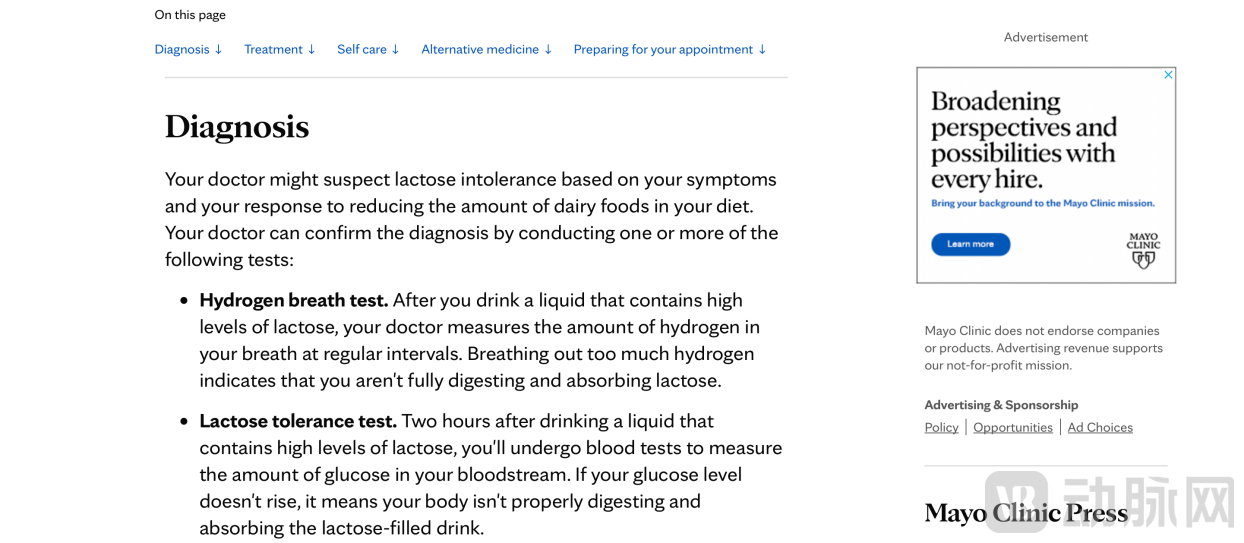
Furthermore, the official website of the Mayo Clinic provides specific information on the use of hydrogen breath testing for diagnosing lactose intolerance. Cedars-Sinai Medical Center in Los Angeles supports home sampling for methane and hydrogen breath tests and offers testing services.
The diversification of application areas and even specific scenarios for methane and hydrogen breath tests indicates that more clinical centers will adopt this technology for routine examinations and early health screening in the future.
Deepening expertise in breath molecular diagnostics to empower physicians and serve the public has always been the founding mission of Leyi Bio. Since its establishment in 2016, the Leyi Bio team has dedicated eight years to research and development. Recognized for its multidimensional advantages in innovation, clinical value, and social impact, the company has received unanimous endorsement from professional organizations such as the Ministry of Science and Technology of the State Council and the China Association for Science and Technology, and was awarded First Prize in the “China Medical Device Innovation and Entrepreneurship Competition.”
Furthermore, the company is continuously driving academic advancement. It is reported that, with the joint support of gastroenterology experts across China, the company has launched three key initiatives: the first nationwide multicenter study on methane and hydrogen breath tests and their applications; the first nationwide survey assessing cognitive awareness among gastroenterologists; and the development of the first edition of Chinese Expert Consensus. These efforts aim to establish rational diagnostic criteria tailored to the Chinese population, help clinical specialists gain a more comprehensive understanding of functional gastrointestinal disorders, increase attention to early-stage digestive diseases, and construct standardized diagnostic and treatment protocols suitable for tiered diagnosis and treatment systems. By integrating gas molecule diagnostic technology with “new-quality” diagnostic capabilities, these initiatives seek to better manage the gastrointestinal health of the Chinese population.