

How Can the Cardiovascular Industry Reach New Heights? Insights and Recommendations from the Cardiovascular Innovation Forum
As national volume-based procurement (VBP) programs are launched for coronary stents, occluders, and defibrillators, and as pilot schemes for provincial-level and broader regional procurement continue to emerge for pacemakers, balloons, and electrophysiology consumables, the normalization of centralized procurement will undoubtedly exert a significant impact on the cardiovascular industry, substantially compressing corporate profit margins. In the face of policy pressures and an increasingly mature market, how much value remains in the cardiovascular sector? What will its future trajectory look like? On another front, with the continuous iteration and upgrading of cutting-edge scientific technologies, the development of the cardiovascular industry will rely more heavily on the close integration of technological innovation and clinical practice. Intelligent and precise products, along with personalized and precision services, are becoming key trends shaping the future of the cardiovascular industry. In what other dimensions will innovation emerge through integration with advanced technologies? How can artificial intelligence, big data, and other technologies expand their application scenarios within the cardiovascular field?
On May 10, at the Cardiovascular Innovation Forum, co-hosted by VCBeat and Xiamen University Affiliated Cardiovascular Hospital during the 8th Future Medical Ecosystem Exhibition, Wang Yan, President of Xiamen University Affiliated Cardiovascular Hospital; Wang Tianmiao, Honorary Director of the Robotics Institute at Beihang University; Shen Li, Secretary-General of the Chinese Cardiovascular Doctors Innovation Club (CCI) and Chief Physician of the Department of Cardiology at Zhongshan Hospital Fudan University; Jiang Tianjiao, Dean of VCBeat Research Institute; Zhong Wei, Chief Scientist and Co-founder of Yixin Medical; Li Yingjun, Chairman of the Medical Animal Experiment Expert Committee of the Chinese Association of Research Hospitals and General Manager of Tonghe Litai; Shan Bo, Chief Technology Officer for the Healthcare Industry at MathWorks; Wang Yueyue, Managing Partner at Tianchao Capital; Pei Zhiqiang, Deputy Secretary-General of the Chinese Cardiovascular Doctors Innovation Club; Yang He, Founder, Chairman, and CEO of Weimai Medical; Zhang Lei, Vice President of Operations at Pulflow Technology; Zhao Xusheng, Founder of Hengsheng Medical; Dou Jiangwei, General Manager of the Business Development Center at Aolvxin; and Chen Fan, Business Director of the Investment Banking Division at Guosen Securities, jointly shared insights and engaged in discussions on the outlook, technological frontiers, and industrial transformations in the cardiovascular sector. They analyzed the future directions, pathways, and models of cardiovascular development to support high-quality innovation in the industry. Jiang Peiyuan, Partner at Tunan Capital, served as the forum moderator.

Wang Yan, President of Xiamen University Affiliated Cardiovascular Hospital
Wang Yan, President of Xiamen University Affiliated Cardiovascular HospitalShared with everyone"Clinical-Driven Integration of Medicine and Engineering, Innovation Empowering Industrial Development"Keynote Address. With improvements in quality of life and increased longevity, there is substantial demand for innovative cardiovascular devices despite their high costs, as the patient population with relevant indications continues to grow. The market for implantable devices holds enormous potential in China, South America, Southeast Asia, and other regions. He outlined the development journey of Xiamen Heart Center: as a major hub in China’s cardiovascular field, the center not only provides clinical care but also commits to scientific research and innovation, such as performing transcatheter mitral valve interventions using 5G and robotic technologies. He pointed out that while robot-assisted cardiovascular interventional procedures show great promise with technological advancements, long-term prognostic outcomes still face challenges. From a clinical perspective, he expressed optimism about the significant market potential of tricuspid valve procedures and looked forward to breakthroughs in the research and development of domestically originated heart valves.

Shen Li, Chief Physician of the Department of Cardiology at Zhongshan Hospital Affiliated to Fudan University and Secretary-General of the China Cardiovascular Innovators Club (CCI)
Shen Li, Chief Physician of the Department of Cardiology at Zhongshan Hospital, Fudan University, and Secretary-General of the China Cardiovascular Doctors Innovation Club (CCI)In"China's Cardiovascular Device Innovation Outlook"In his keynote address, he noted that in recent years, the research and development of cardiovascular devices in China has faced a “tale of two extremes”: on one hand, it has received strong national support; on the other, investment in the sector has declined rapidly. He believes that in the future, structural heart disease—particularly valve innovation—may emerge as a new hotspot; the internationalization of intravascular imaging and functional assessment devices will accelerate; techniques such as sympathetic denervation and left ventricular assist devices (LVADs) are returning to the spotlight; and R&D efforts for LVADs are gaining momentum. The advancement of these technologies and devices will provide more options and possibilities for the diagnosis and treatment of cardiovascular diseases. Finally, he emphasized the importance of integrating medicine with engineering and the critical role of basic research in driving future disruptive technologies.

Jiang Tianjiao, Dean of VCBeat
Jiang Tianjiao, Dean of VCBeatIn“Creating with Heart: How to Build New Quality Productive Forces in the Cardiovascular Industry”During the thematic sharing session, he summarized the framework of “Three Beliefs, Two Reminders, and One Inevitable Trend”: believing that China’s cardiovascular device market will grow tenfold over the next decade; believing that China can develop globally leading device products; and believing that global cardiovascular giants will emerge from within China. He emphasized never overlooking differentiation and safety throughout the innovation process, and noted that AI-powered surgical robots represent an inevitable future trend. He argued that the high demand for cardiovascular disease management, the extensive depth and breadth of the cardiovascular field, and the gap in penetration rates between China and developed countries collectively constitute a solid foundation for industry development. China has the capability to develop globally leading products, while the continuous advancement of medical-engineering collaboration and translation signals China’s leading position in global medical device innovation, with the potential to give rise to global medical device giants. “Innovation in cardiovascular devices is, in fact, a crucial component of new quality productive forces,” he concluded.
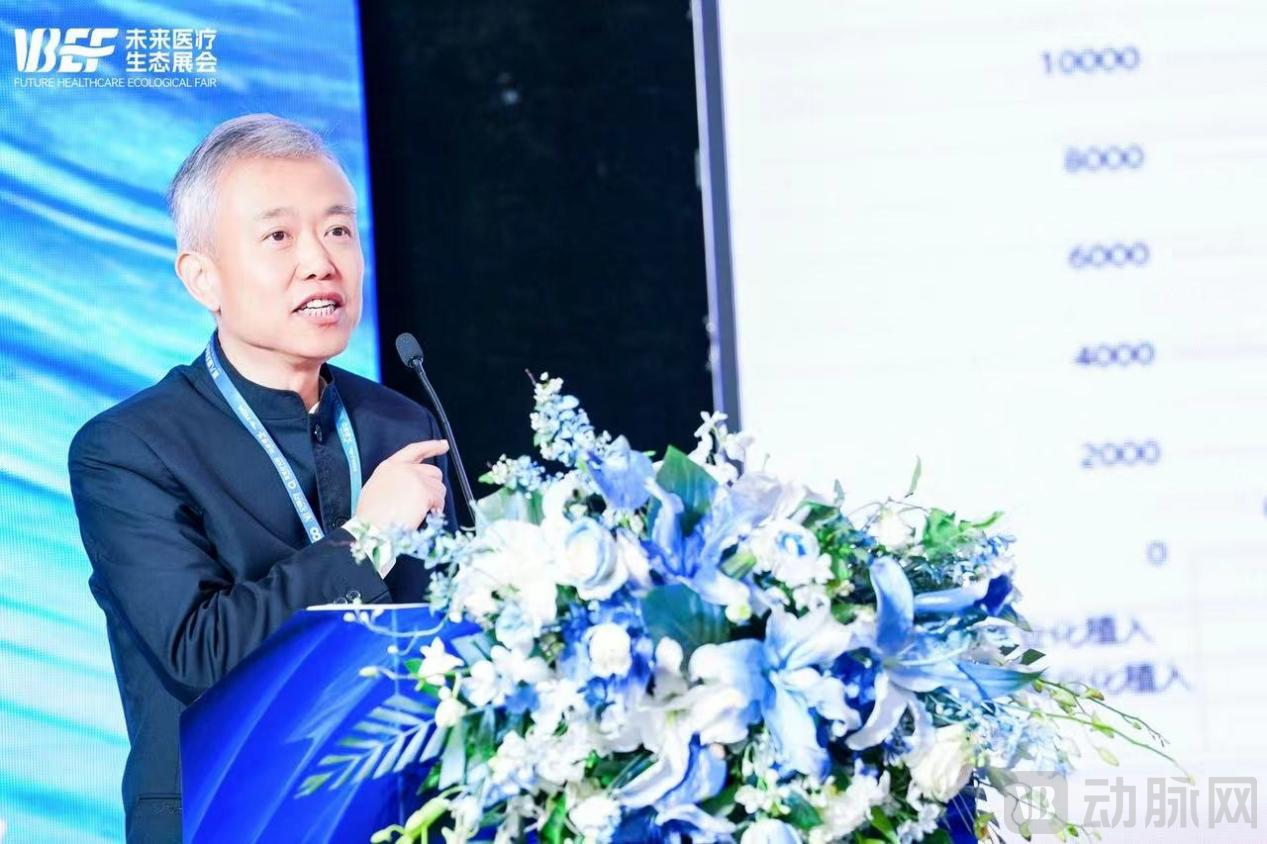
Zhong Wei, Chief Scientist and Co-founder of Yixin Medical
Zhong Wei, Chief Scientist and Co-founder of Yixin MedicalOn the forum《Progress in the Innovative R&D of Valve Intervention Devices》Keynote Address. He demonstrated, with detailed data, that innovation in the valve industry is accelerating rapidly, holding immense potential for growth. China has made significant progress in the field of TAVR and is the first country worldwide to apply interventional valves made from new materials in clinical practice. “In the innovative R&D of interventional valve devices, both structural and material innovations are crucial.” He noted that treatment for valvular heart disease is rapidly transitioning from traditional open-heart surgery to minimally invasive interventional therapy. The field of interventional valve devices is currently the most dynamic area of global medical device innovation. Chinese enterprises have already emerged as notable players in nearly all categories of valve devices, with domestically produced interventional valve devices now evolving from imitation to original innovation.

Li Yingjun, Chairman of the Expert Committee on Medical Animal Experiments of the Chinese Research Hospital Association and General Manager of Tonghe Litai
Li Yingjun, Chairman of the Expert Committee on Medical Animal Experiments under the Chinese Research Hospital Association, and General Manager of Tonghe LitaiIn"Animal Experiments Boost Innovation in Domestic Medical Devices"In his keynote address, he stated that innovation is particularly critical in the medical device sector. Innovation in medical devices places greater emphasis on safety, characterized by strong iterative development but a relatively slow pace. How can medical devices achieve compliant innovation? He elaborated on the key stages of innovative development in the medical device industry, covering the entire process from concept to product commercialization, and underscored the indispensable role of animal studies in the safety evaluation of medical devices. He pointed out that animal studies are required for implantable and interventional materials, active medical devices, and Class I medical devices, among others. He shared the challenges encountered in preclinical animal studies regarding physical and efficacy evaluations, and emphasized the importance of preclinical animal studies and biocompatibility testing for implantable medical devices.

Bo Shan, Chief Technology Officer for the Healthcare Industry at MathWorks
Shan Bo, Chief Technology Officer of MathWorks’ Healthcare IndustryIn“Model-Based Design Facilitates Cardiovascular Device Development”He shared how MathWorks, leveraging its two core products, MATLAB and Simulink, employs Model-Based Design to help enterprises efficiently develop cutting-edge products, identify potential issues early, and reduce later-stage correction costs. He cited collaboration cases with Tesla, Johnson & Johnson, Abbott, Medtronic, the University of Auckland, and the FDA, elaborating on how Model-Based Design enables rapid simulation-driven modification iterations and closed-loop validation. Computational medicine uses mathematical models to simulate human anatomical, physiological, and pharmacological processes for early-stage simulation and closed-loop analysis. Based on this, MathWorks can support and facilitate early design verification and clinical evaluation of medical devices, working with partners to drive industry innovation.

"Roundtable: The Path to Breakthrough for Domestic Innovative Cardiovascular Devices Amidst the Capital Winter"
During the roundtable discussion titled “The Path to Breakthrough for Domestic Innovative Cardiovascular Devices Amid a Capital Winter,” Zhong Wei, Chief Scientist and Co-Founder of Yixin Medical; Li Yingjun, Chairman of the Expert Committee on Medical Animal Experiments of the Chinese Research Hospital Association and General Manager of Tonghe Litai; and Shan Bo, Chief Technology Officer for the Healthcare Industry at MathWorks, engaged in an insightful discussion moderated by Wang Yueyue, Managing Partner of Tianchao Capital. The conversation centered on innovation breakthroughs and future development for cardiovascular companies.
Where Will Future Innovations in China's Cardiovascular Field Lie? Zhong WeiWe believe that China boasts the market with the greatest potential worldwide. As its international influence continues to grow, Chinese cardiovascular device products have shifted from integrated or incremental innovation to innovation leadership. This transition has empowered us to pursue self-transcendence with greater confidence and achieve genuine breakthroughs in innovation.Li YingjunIt is believed that confidence in innovation within China’s medical device sector stems from its large population and patient base; clinical needs are the core of innovation, expert feedback and emerging clinical demands serve as the source of innovation, and policy adjustments are crucial to the industry’s innovative development.Dan BoHe argues that China’s cardiovascular sector has benefited from the “engineer dividend” and market growth driven by an aging society. Although companies demonstrate a strong spirit of innovation, they still require policy and capital support to break through development bottlenecks. He emphasizes that, in the process of innovation, enterprises must strive to overcome path dependence, looking beyond superficial forms to focus on the underlying logic and philosophy.How Should Companies Respond to Challenges and Seize Development Opportunities Amid a Capital Winter? Wang YueyueIt is recommended that companies stay grounded in product development, focus on cultivating differentiated capabilities, and actively expand into overseas markets.Zhong WeiThe medical device industry is viewed as a sunrise sector, with at least 50 to 100 years of growth potential remaining. Amid the capital winter, investors should seek out innovative enterprises with unique advantages in niche segments, avoiding blind pursuit of hot trends, while companies should prioritize product safety and differentiation.Li YingjunConfident in the Development of Cardiovascular Devices: Amid Fierce Competition, Self-Rescue Is a Critical Question for Enterprises to Address. Overcoming Difficulties and Persisting in Innovation Are Imperative Paths to Follow.Dan BoIt was stated that, in the current environment, enterprises have a stronger willingness to innovate and are inclined to seek methods that enable genuine innovation and rapid iteration. The speed of iteration largely determines the pace and cost of innovative R&D. By optimizing the model design process, enterprises can significantly accelerate innovation cycles, reduce the costs of developing cutting-edge technologies, enhance competitiveness, and help innovative companies stand out quickly.

Wang Tianmiao, Honorary Director of the Robotics Institute at Beihang University
Wang Tianmiao, Honorary Director of the Robotics Institute at Beihang University"Bringing everyone a theme of""Development of Surgical Robots in the Cardiovascular Field"...’s insightful presentation. In recent years, China has seen a surge in approvals for innovative medical devices, with numerous talented entrepreneurs dedicating themselves to innovation in this field, demonstrating the vitality and potential of China’s medical device industry. Notably, medical robots and high-end consumables are emerging as key drivers leading the innovation trend. How can homogeneous competition be addressed? What are the future development trends? He provided a detailed analysis and offered his recommendations. He proposed that the integration of AI and robotics represents a historical opportunity for interdisciplinary collaboration between medicine and engineering, which innovative enterprises should seize. Medical robots should serve as intelligent assistants rather than fully automated surgical systems, thereby leveraging the clinical expertise of department directors at major Chinese hospitals. Finally, he argued that the government should incentivize hospitals and universities to increase their investment in the research and development of innovative medical devices.
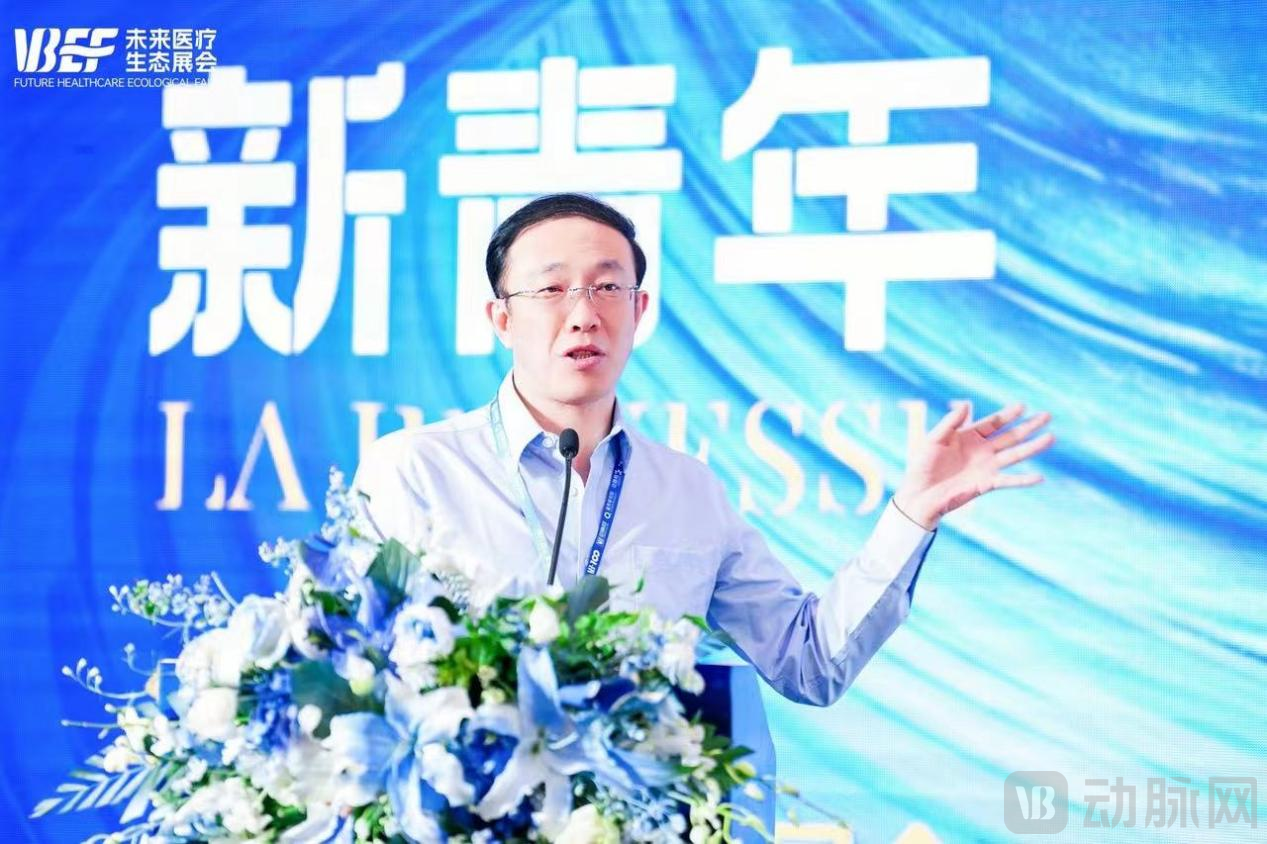
Wang Yan, President of Xiamen University Affiliated Cardiovascular Hospital
Wang Yan, President of Xiamen University Affiliated Cardiovascular HospitalCentered around"Building a Big Data Platform to Support the Prevention and Treatment of Cardiovascular Diseases"Delivered an insightful presentation. He first noted that while the use of big data in the prevention and control of cardiovascular diseases has achieved significant results, challenges remain in data collection and utilization. He pointed out that although China possesses vast data resources, the majority have not been standardized or integrated, ultimately rendering them ineffective. “Big data from the ESC (European Society of Cardiology) is at the core of innovative development in clinical medicine.” He expressed hope that, through standardized management, the establishment of prospective data platforms, and government support, nationwide cardiovascular data in China could be integrated in the future to enhance data quality and representativeness. Currently, addressing the challenges in integrating cardiovascular big data in China requires joint efforts from experts, enterprises, and government departments to promote the effective application of data in clinical practice and support the prevention and treatment of cardiovascular diseases.

Deputy Secretary-General of the China Cardiovascular Physicians Innovation Club, Pei Zhiqiang
Pei Zhiqiang, Deputy Secretary-General of the China Cardiovascular Physicians Innovation ClubWith the theme of"Reflections on the Application of Artificial Intelligence in Cardiovascular Intervention"In his speech, he shared his insights and reflections. He highlighted the extensive applications of artificial intelligence (AI) in the field of cardiovascular intervention, where AI assists physicians in disease diagnosis and condition assessment by analyzing big data from electrocardiograms (ECGs), ultrasounds, and digital subtraction angiography (DSA) images. Furthermore, AI facilitates treatment delivery through robotic systems and remote surgical technologies. Additionally, AI is employed in surgical simulation systems to provide patient education and training. Looking ahead, the integration of AI and robotics will enable more efficient and precise medical procedures in the catheterization laboratory. Meanwhile, he emphasized that while AI applications in healthcare enhance predictive capabilities and convenience, they also entail risks and limitations; thus, current medical decision-making still requires human oversight and ethical considerations.

Yang He, Founder, Chairman and CEO of Vmai Medical
Yang He, Founder, Chairman, and CEO of Vmai MedicalAround"Prospects for the Combined Application of Interventional Surgical Robots and DSA in the Cardiovascular Field"The speaker expanded on his topic. He noted that while the past emphasis was on benefits for physicians, the current focus has shifted toward patient benefits, with the goal of enhancing efficiency and usability. He argued that for surgical robots to surpass human capabilities in specific areas, two key elements are required: first, supporting clinical practice on the foundation of safety, such as through the introduction of haptic feedback technology; and second, designing products with efficiency and ease of use as primary objectives. Addressing pain points in interventional robotics, such as variability in individual precision and surgical efficiency, Weimai Medical proposed a coordinated “Eye-Hand-Brain” solution. This approach integrates interventional surgical robots as the “hands,” Digital Subtraction Angiography (DSA) systems as the “eyes,” and an AI decision-making platform as the “brain.” The aim is to create more efficient and safe “productivity tools” that foster innovative development within the cardiovascular industry.

Zhang Lei, Vice President of Operations at MaiFlow Technology
Zhang Lei, Vice President of Operations at PulseFlow TechnologyIn"Expansion of Hemodynamics in Precision Diagnosis and Treatment of Cardiovascular and Cerebrovascular Diseases"In his thematic presentation, he mentioned that PulseFlow Technology has been committed to bridging the entire pan-vascular field—encompassing both cardiovascular and cerebrovascular systems—through hemodynamics to achieve precise diagnosis and treatment. The company’s core technologies primarily include hemodynamics, finite element analysis, and artificial intelligence, which have already been applied in areas such as coronary and neuro-interventional procedures. Currently, focusing on the cardiovascular sector, PulseFlow Technology has developed a relatively comprehensive product portfolio covering various stages from consultation and imaging examinations to treatment, with some penetration into pre-PCI assessment. He stated that the company will continue to explore integrated solutions for screening, diagnosis, and treatment in the future, shifting focus not only to the treatment phase but also leveraging hemodynamics for early-stage screening. Meanwhile, achieving effective integration of algorithms with hemodynamics to enable real-time computation has become a key area of future attention.

Zhao Xusheng, Founder of Hengsheng Medical
Zhao Xusheng, Founder of Hengsheng MedicalIn“Comprehensive Solutions for the Treatment of Coronary Heart Disease: From Diagnosis to Treatment”He shared his observations and insights on the topic. He noted that although medical devices for treating heart failure and coronary artery disease (CAD) are continually emerging, a single product can no longer meet market demands. Consequently, combining multiple devices to create a closed-loop system for interventional CAD treatment has become a key objective for the future. Summarizing Hengsheng Medical’s specific explorations and practices, he emphasized that the ultimate critical challenge in interventional CAD treatment is addressing calcification. A multimodal combination centered around the catheterization laboratory has become pivotal in the field of CAD treatment, with different calcification management strategies selected based on the severity of calcified lesions. In the future, catheterization laboratories will become more integrated, consolidating equipment employing diverse therapeutic technologies to deliver higher-quality medical services.

Dou Jiangwei, General Manager of the Business Development Center at Aolüxin
Dou Jiangwei, General Manager of the Business Development Center at OLV NewAt“Innovation and Translation of Cardiovascular and Cerebrovascular Devices”In his thematic presentation, he noted that unlike traditional medical device manufacturers, Aolvxin, as a platform-based enterprise, not only engages in medical-engineering collaboration projects but also provides companies with services encompassing R&D, regulatory approval, and manufacturing. He emphasized that a standard pathway for medical-engineering collaboration involves clinical experts identifying clinical pain points, formulating hypotheses or key questions, exploring technical approaches through medical-engineering integration, and ultimately identifying the optimal solution to address these clinical pain points. The journey of an innovative medical device from product development to clinical application involves multiple stages, including design, prototyping, and testing, while the translation of medical devices into clinical practice is even more complex. Consequently, innovating collaborative models and exploring new pathways for development have become important directions for many companies to consider.

Roundtable Discussion
Roundtable Discussion, inChen Fan, Business Director of the Investment Banking Division, Guosen Securitiesunder the auspices of,Yang He, Founder, Chairman and CEO of Weimai Medical; Zhang Lei, Vice President of Operations at Pulflow Technology; Zhao Xusheng, Founder of Hengsheng Medical; Dou Jiangwei, General Manager of the Business Development Center at AoluxinJointly revolving around "How Artificial Intelligence Empowers Technological Innovation in Cardiovascular Diagnosis and Treatment》engaged in lively discussions and sharing on this topic.
Focusing on the Advances and Transformations Achieved by Artificial Intelligence in the Field of Cardiovascular Diagnosis and Treatment,Zhao XushengIt stated that artificial intelligence has had a profound impact on various aspects, ranging from CT-derived fractional flow reserve (FFR) and OCT-derived optical flow ratio (OFR) to 3D stent simulation and comprehensive lumen assessment.Yang HeIt was mentioned that the application of artificial intelligence has evolved from computing power and recognition to intraoperative decision support, with real-time decision-making emerging as a key future direction.Zhang LeiIt is pointed out that when integrated into clinical practice, artificial intelligence can accelerate the formation of physicians’ diagnostic reasoning through data collection and intervention, thereby enabling more diversified and clearer judgments under assisted diagnosis.Dou JiangweiStarting from gastrointestinal products, it is mentioned that artificial intelligence can help reduce physicians’ workload and minimize repetitive tasks. What new trends and technological innovations will AI bring to the field of cardiovascular diagnosis and treatment in the future?Zhang LeiIt indicates that future artificial intelligence will inevitably develop toward standardization and process optimization, enabling early judgment at the screening and health examination stages.Yang HeA key focus for future development will be balancing the tension between pricing and payment, addressing funding challenges in medical insurance, and delivering better services to patients.Zhao XushengIt is believed that artificial intelligence can deliver more scientific and precise solutions in the management of lesions and disease conditions, thereby improving accuracy and efficiency.