

Forum on Smart Wellness and Technology-Driven Active Aging Successfully Concluded
On May 9, 2024, the Smart Health and Elderly Care and Active Aging Development Forum, hosted by VB100, VCBeat, and Eggshell Research Institute, and co-organized by Shanghai Ruoyouling Enterprise Consulting, was successfully held at the Yizhuang Yichuang Exhibition Center in Beijing.
In January this year, the General Office of the State Council issued the “Opinions on Developing the Silver Economy to Enhance the Well-being of the Elderly,” marking China’s first specialized policy document dedicated to supporting the growth of the silver economy. The “Opinions” define the silver economy as the aggregate of economic activities centered on providing products and services to older adults, as well as preparing for the aging stage. This sector is characterized by its broad scope, extensive industrial chains, diverse business models, and substantial growth potential. The document also calls for intensified efforts to foster innovative business models in the fields of smart health and elderly care, encourages financial institutions to support the launch of a wider range of products tailored to older consumers, and strengthens backing for the development of elderly care facilities and projects. The issuance of this comprehensive mobilization directive for the “silver economy” signals the official arrival of Year One of the silver economy era.
Data from the National Bureau of Statistics shows that by the end of 2023, China’s population aged 60 and above reached 296.97 million, accounting for 21.1% of the national population, among whom those aged 65 and above numbered 216.76 million, representing 15.4% of the national population. This marks China’s entry into a moderately aging society. The scale and structure of China’s elderly population are characterized by a large base, rapid growth, and an intense trend. Meanwhile, relevant surveys indicate that the disability rate among Chinese seniors aged 65–75 is very high, revealing a significant gap from the goal of healthy aging and posing numerous challenges to elderly care services.
Addressing the common pain points in the development of the health and wellness industry, this forum invites leading academic and industry practitioners to explore how the sector can synergize with technology to unleash new momentum, thereby driving active aging through interdisciplinary exchange. Drawing from diverse backgrounds in industry, academia, and research, the speakers will provide an in-depth analysis of current domestic and international theories and practices in smart health and wellness care.
Professor Yao Yao, Research Fellow and Doctoral Supervisor at the China Center for Health Development Research, Peking University"IElderly Care Needs, Trends, and Prospects for Smart Elderly Care in China》
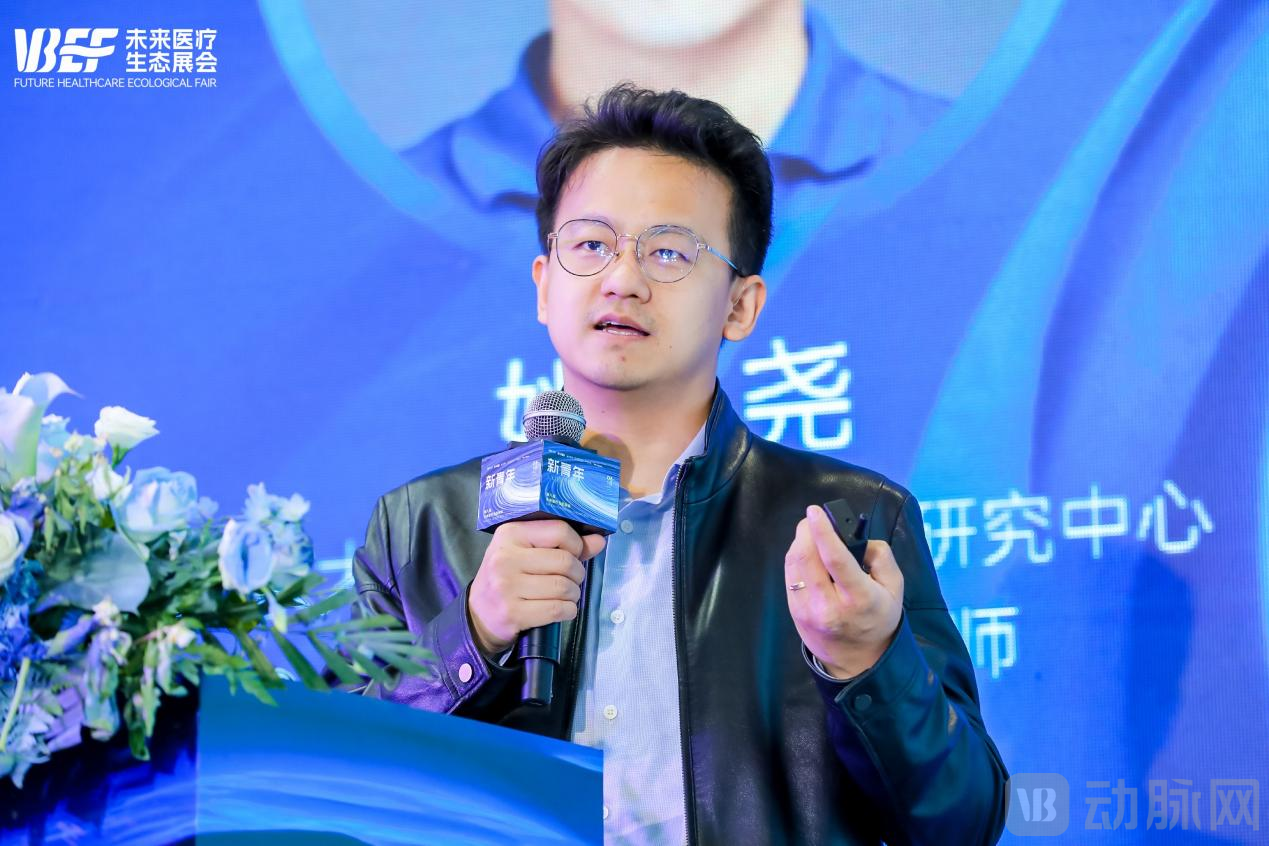
Yao Yao, Research Fellow and Doctoral Supervisor at the China Health Development Research Center, Peking University
Professor Yao has long served as the academic leader for young professionals in the field of elderly care, guiding his team in their dedicated exploration of China’s health and wellness sector. Professor Yao highlighted three major backgrounds driving the development of the domestic health and wellness industry: first, the proportion of the elderly population is expected to rise rapidly over the next decade; second, the traditional model of family-based caregiving is becoming increasingly unsustainable; and third, rural elderly care issues are becoming more prominent, with more related policies to be introduced under the overarching framework of rural revitalization. Meanwhile, Professor Yao shared recent research findings published in The Lancet, one of the four premier medical journals, on how China can advance toward healthy aging.
He also outlined six future research directions from the perspective of medical and educational practitioners: first, healthcare and telemedicine services; second, smart medical devices tailored to the practical usage needs of the elderly; third, health management and prevention; fourth, intelligent assistive devices; fifth, social interaction and mental health; and sixth, smart home environments.
Jiang Xianquan, Chairman and CEO of Boyin Hearing, on "Current Status and Development Trends of China's Hearing Aid Industry"
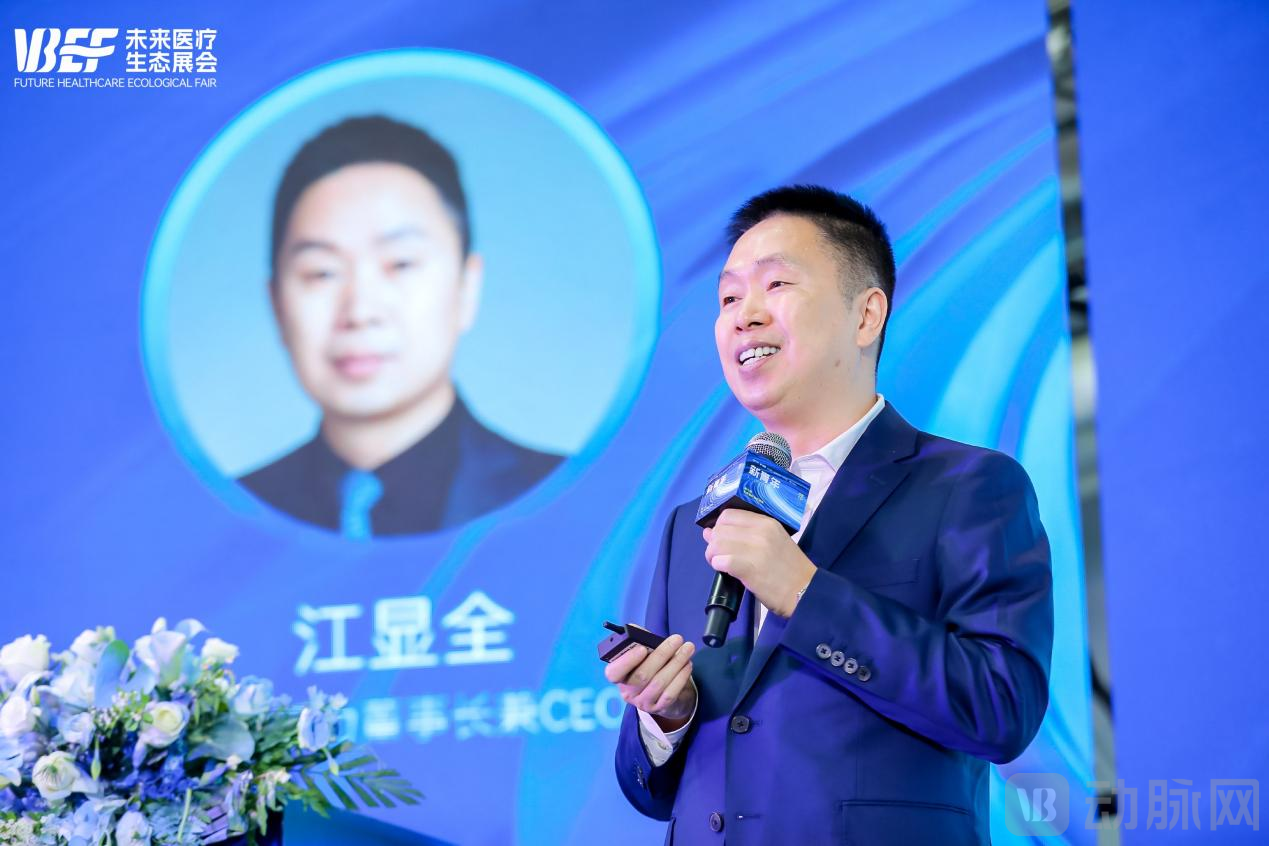
Jiang Xianquan, Chairman and CEO of Boyin Hearing
Mr. Jiang holds multiple positions, serving as a member of the Hearing Rehabilitation Committee under the Rehabilitation Specialty Committee of the Chinese Medical Association, a member of the Shanghai Mobile Internet Industry Promotion Committee, and the head of the Shanghai R&D Base for Intelligent Hearing Assistive Technology at the China Assistive Technology Research Institute. With 18 years of experience as a senior executive in foreign enterprises within the hearing aid industry, he has deeply cultivated China’s hearing healthcare sector. The company he leads, Boyin Hearing, was recognized as one of Shanghai Minhang District’s Emerging Sci-Tech Entrepreneurial Enterprises in 2023. He noted that with the accelerating aging of China’s population, the number of individuals with hearing impairment has increased significantly, creating a large and rapidly growing market. Although the current penetration rate of hearing aids in China remains low, primarily due to high prices, domestically produced hearing aids are expected to gain greater market acceptance through technological innovation and cost optimization.
Boyin Hearing has launched multiple innovative products, such as electronically controlled pneumatic valve hearing aids, bone conduction hearing aids, and receiver-in-canal (RIC) hearing aids, with designs focused on enhancing user comfort and experience. The company is also actively exploring new technologies, including direct connectivity, over-the-counter (OTC) hearing aids, and artificial intelligence, to achieve intelligent and personalized customization of hearing aids. Mr. Jiang remains optimistic about the future development of the hearing aid industry, believing that the integration of more AI technologies can significantly improve the quality of life for the elderly and help them better integrate into society.
CarnegieMellon UniversityGao Nan, Ph.D. in Artificial Intelligence and Co-founder of a Digital Health Company: "Overseas Development and Domestic Exploration of Digital Rehabilitation"
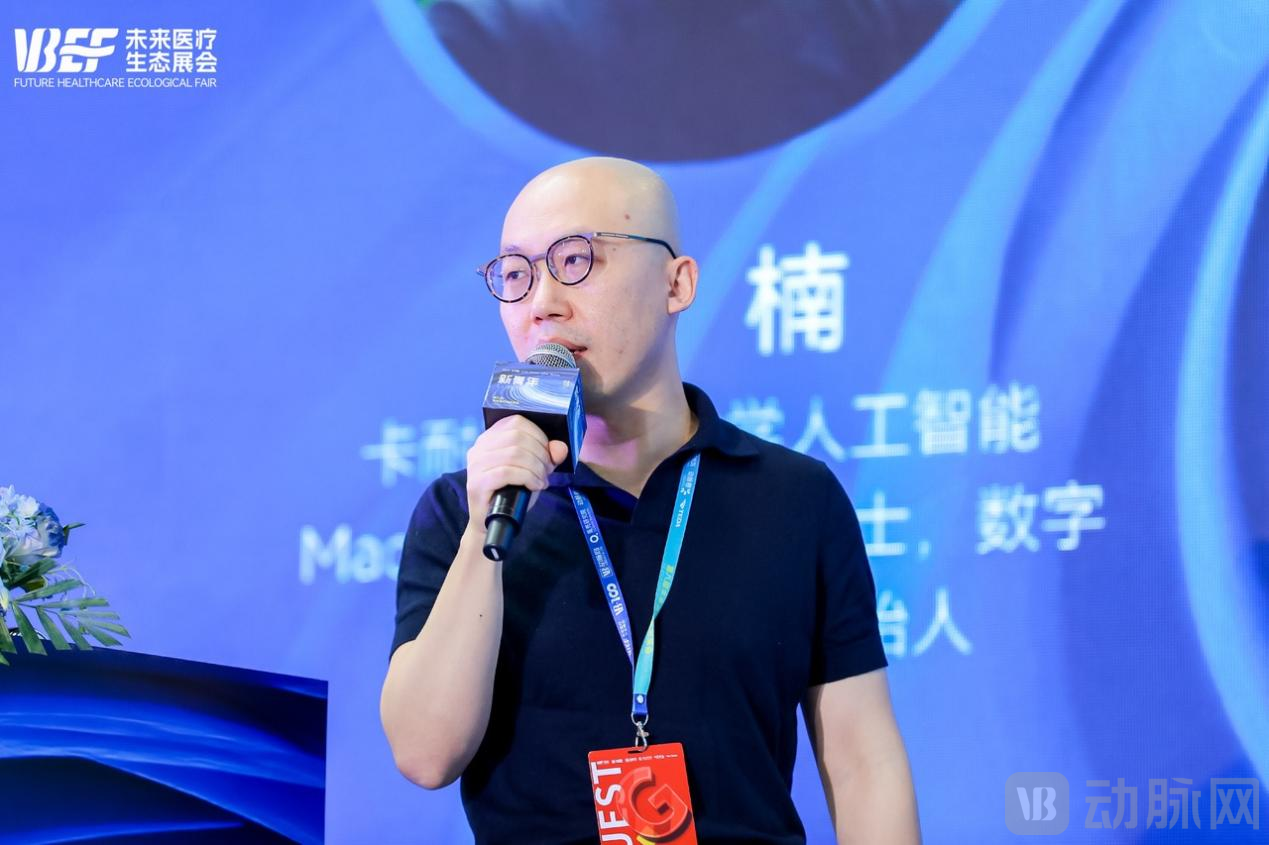
Gao Nan, Ph.D. in Artificial Intelligence from Carnegie Mellon University and Co-founder of a Digital Health Enterprise
In his remarks, Dr. Gao Nan noted that after domestic digital rehabilitation products simply replicated U.S. designs, they struggled to resonate with users upon entering the local market. Currently, product homogenization is severe; in the future, developers should focus on creating more differentiated products that better align with Chinese users’ perceptions and expectations.
Data and market observations indicate substantial demand for rehabilitation services; however, the fundamental issue of payment mechanisms remains unresolved. Meanwhile, digitalization serves as an enabling tool that must be integrated with market dynamics and diverse population needs to ensure the long-term development of rehabilitation, including digital rehabilitation.
Wu Yaqin, Head of Business Cooperation, China, at YavoTotal"New Developments in Health and Elderly Care Driven by Artificial Intelligence"
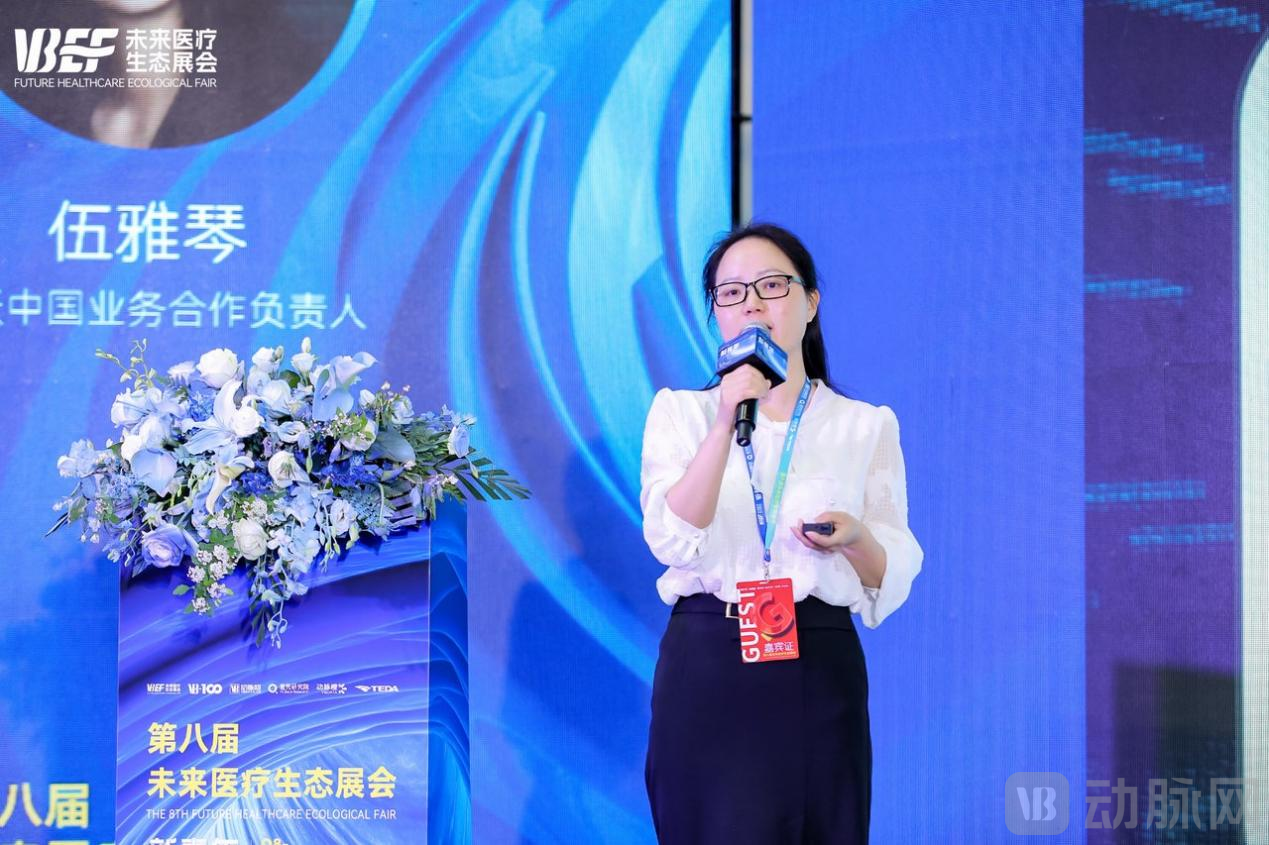
Wu Yaqin, Head of Business Cooperation, YaWo China
Yavo is a U.S. technology company headquartered in California, with over 25 years of experience providing support and services to healthcare enterprises. Over the years, it has delivered information technology services to renowned international medical companies such as Pfizer and Medtronic. Yavo China has long been dedicated to the development of artificial intelligence technologies and the provision of service support in the fields of general health and elderly care.
In her remarks, Ms. Wu Yaqin highlighted numerous future opportunities for the practical application of AI in healthcare. For instance, service providers can leverage AI to access individual medical data, thereby enhancing patient engagement; automate clinical documentation to alleviate the administrative burden on healthcare professionals; and employ panoramic clinical intelligence, which integrates diverse data sources to improve diagnostic capabilities. Smart elderly care projects can address challenges such as gait screening, exercise rehabilitation, and companionship for individuals with dementia through customized collaborations.
Roundtable Discussion:Technology-Driven Active Aging
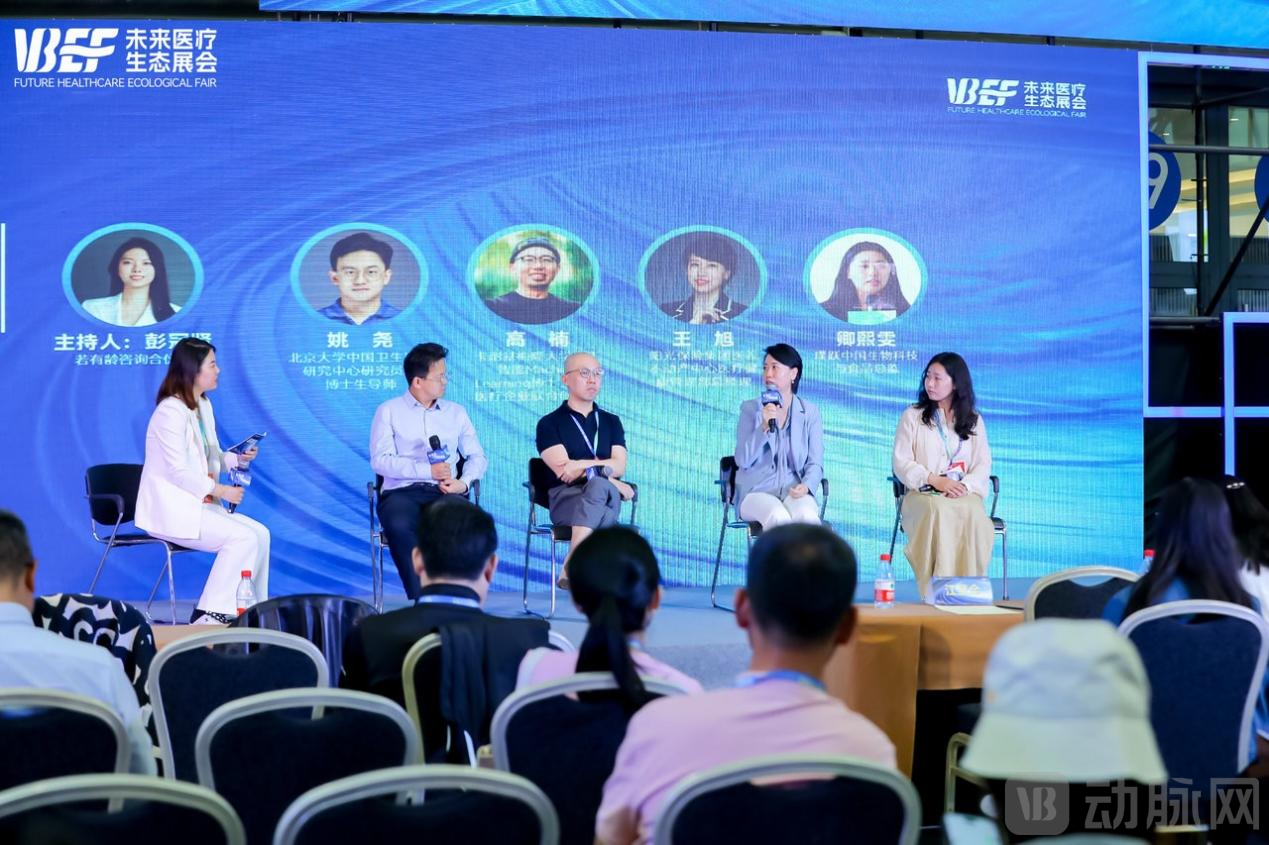
Photo of the Roundtable Forum
During the roundtable session, moderated by Peng Guanxian, Partner at Ruoyouling Enterprise Consulting, participants included Professor Yao Yao, Researcher and Doctoral Supervisor at the China Health Development Research Center of Peking University; Gao Nan, Ph.D. in Artificial Intelligence from Carnegie Mellon University and Co-founder of a digital health company; and Wang Xu, General Manager of the Medical and Health Management Department at the Elderly Care and Real Estate Center of Sunshine Insurance Group.and Qing Xiwen, Director of Biotechnology and Food at Plug and Play China,Joint participation and focus on“Technology-Driven Active Aging” sparked intellectual exchange and discussion.
Professor Yao Yao, a researcher and doctoral supervisor at the China Center for Health Development Research of Peking University, noted several intriguing observations from his practice: the needs of older adults differ somewhat from traditional medical orientations. Given the limited rehabilitation nursing resources and healthcare workforce in China, is it feasible to establish geriatric departments with specialized clinical focuses, integrated with health management decision-support systems, to jointly empower wellness and care for the elderly? This area holds substantial future market potential.
In facing the future of the industry, it is essential to optimize and adjust our contemporary culture of filial piety. Integrating home-based elderly care with market-oriented caregiving services is seen as a major trend for the future; accordingly, providing supporting services or products holds significant value.

Roundtable Discussion with Yao Yao, Research Fellow and Doctoral Supervisor at the China Center for Health Development Research, Peking University
Gao Nan, co-founder of a digital health enterprise and holder of a Ph.D. in Artificial Intelligence from Carnegie Mellon University, stated that, given his background in AI research, he sees artificial intelligence empowering the elderly care and wellness industry in three key aspects. First, it enhances service capabilities. Through wearable devices and AI-powered vision technology, we essentially assist rehabilitation therapists and other service providers in documenting the entire rehabilitation process in a more precise, standardized, and quantifiable manner. Second, it improves service efficiency. Tools like ChatGPT facilitate language-based interactions. Since current rehabilitation services are labor-intensive—particularly for elderly care, which emphasizes emotional companionship—there is a need for someone to communicate with seniors in real time and address their psychological and physiological concerns promptly. ChatGPT and similar tools can enable 24/7 interaction with the elderly. Third, it elevates the overall service experience. AI interactions and design should be tailored to specific scenarios based on the diverse needs of older adults, creating age-appropriate user interfaces. This area warrants greater consideration and investment from entrepreneurs.
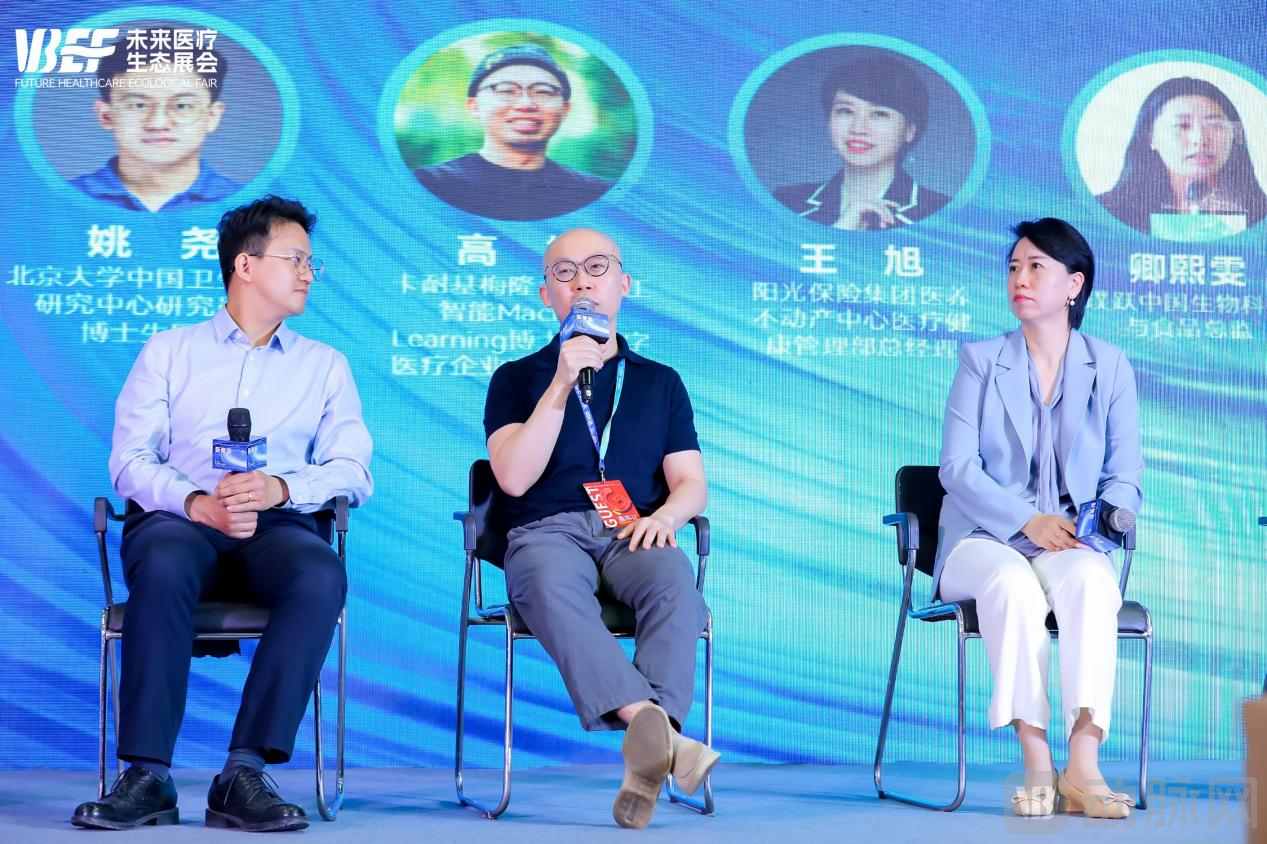
Roundtable Discussion with Gao Nan, Ph.D. in Artificial Intelligence from Carnegie Mellon University and Co-Founder of a Digital Health Company
Wang Xu, General Manager of the Medical Health Management Department at Sunshine Insurance Group’s Medical and Elderly Care Real Estate Center, noted that Sunshine Insurance has actively positioned itself in the elderly care sector. This includes establishing the first large-scale general hospital invested by the insurance industry, as well as two CCRC (Continuing Care Retirement Community) facilities, among many other innovative business model practices. In fact, insurance and health-elderly care services have excellent synergies: one serves as the payer, and the other as the service provider, forming a robust closed-loop ecosystem. It is believed that if these two sectors are to strengthen their collaboration and achieve greater success, each must fully leverage its respective value. As an insurer owning a large-scale general hospital, Sunshine Insurance is also actively exploring health management models—including integrated medical and elderly care, rehabilitation, and other business formats better aligned with the needs of the elderly population.
She also noted that while technology possesses immense capabilities, it must be applied with discernment—knowing what to do and what not to do. Efforts should focus on leveraging intelligent solutions, including digital capabilities in elderly care, artificial intelligence (AI), and other smart technologies, to address critical pain points, thereby exerting a positive impact on the industry as a whole. Furthermore, technology and science can never be separated from humanistic considerations. For instance, without offline human support, the adoption of technology faces significant resistance and obstacles. She believes that a deeper integration and mutual empowerment between technology and humanism will hold greater promise for the future.

Roundtable Discussion with Wang Xu, General Manager of the Medical Health Management Department, Healthcare and Elderly Care Real Estate Center, Sunshine Insurance Group
Qing Xiwen, Director of Biotechnology and Food at Plug and Play China, offered observations from the perspective of an investor and early-stage accelerator. First, they are optimistic about the life expectancy of Chinese people, projecting it to exceed the national target set for 2030. In fact, individuals born in the 1990s and 2000s are highly likely to reach a life expectancy of 100 to 120 years. There is a growing expectation to extend the physiological state typical of one’s 40s well into one’s 60s. This may involve targeting aging mechanisms, as well as the precise identification and targeted release of biomarkers, including the regulation of chemical reactions such as pro-aging processes within senescent cells and immune responses.
The second point is that they have a bolder vision: future hospitals will undoubtedly feature more granular scenarios and are gradually undergoing transformation. The goal is to shift hospital-based scenarios progressively toward health management settings, which inherently involves the multi-dimensional integration of big data, personalized nutritional monitoring, home-based testing, and even early warning systems.
Third, regarding the four major challenges facing the elderly, she emphasized enhancing mobility, addressing brain development and cognitive decline, and integrating care for the digestive system and nutrition, among other areas of concern. She also called for the aging industry to look beyond mere prospects, scale, and structural changes, and instead embrace a path filled with humanistic care. As everyone will eventually grow old, she expressed hope that individuals can age more healthily, gracefully, and proactively in this sector.
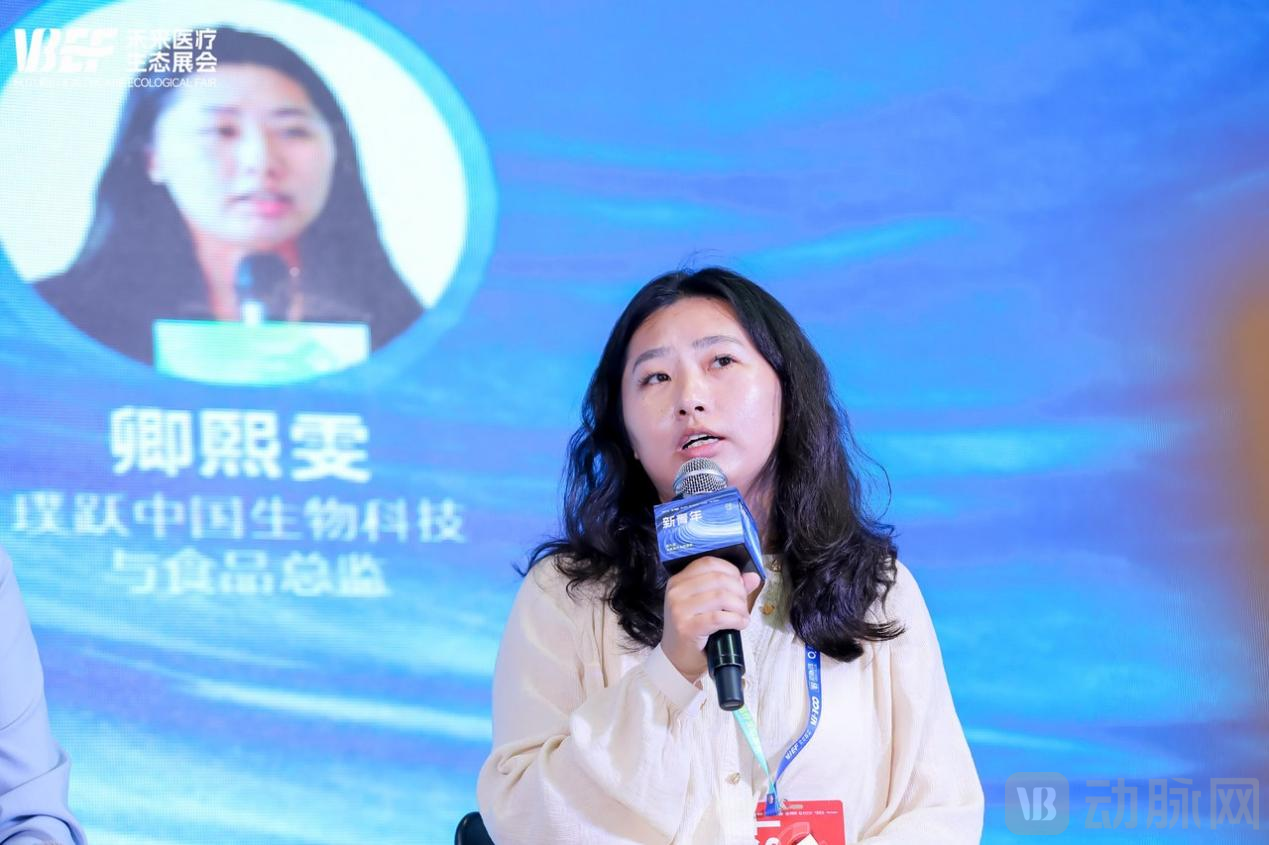
Qing Xiwen, Director of Biotech and Food at Plug and Play China, Roundtable Discussion
Youling has always remained committed to focusing on international theories and practices in elderly care and wellness. As a professional consulting firm in the health and wellness sector, we bring together global experts and scholars in the aging industry, centering on the genuine needs of middle-aged and older adults, industry development, and the generation of sector-specific insights. We are dedicated to providing clients with innovative, professional, and actionable solutions for elderly care and wellness.
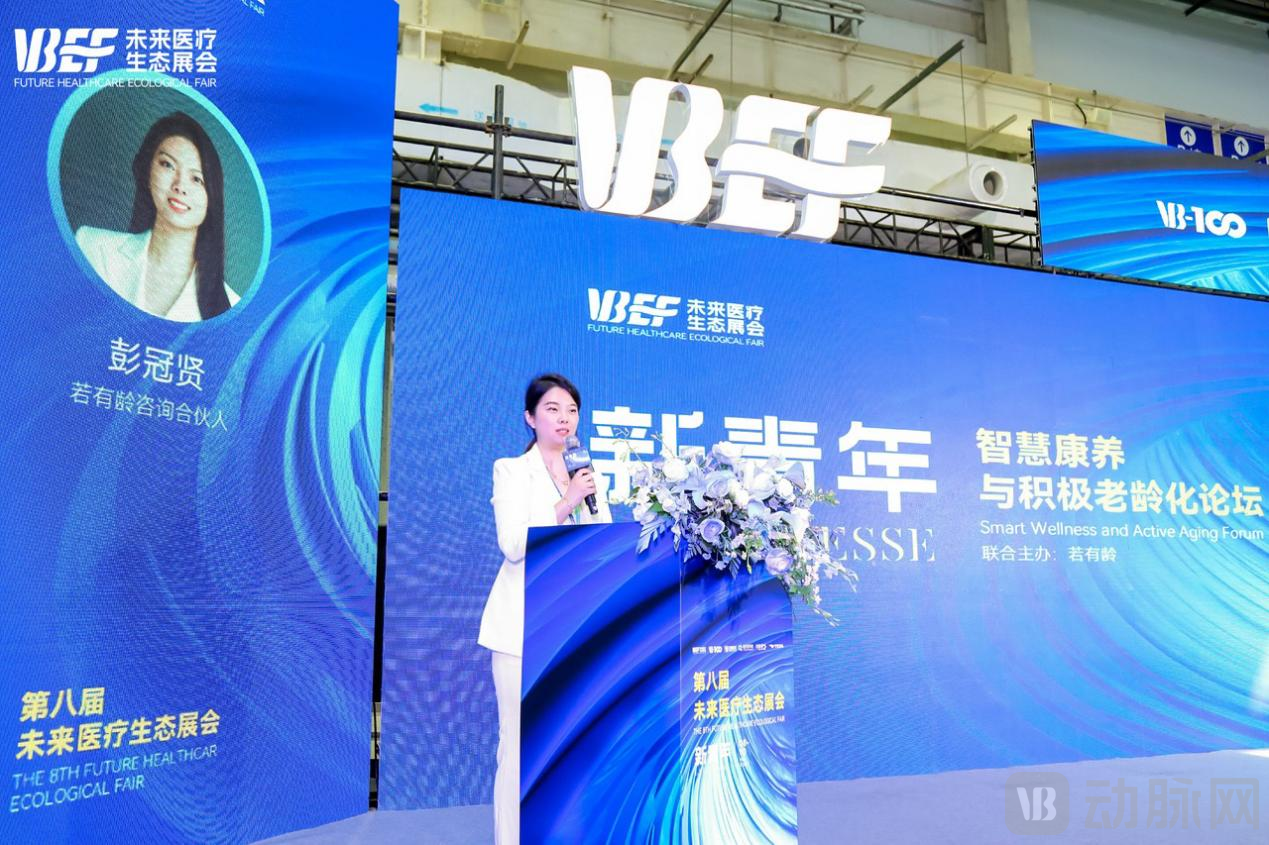
Peng Guanxian, Partner at Ruoling Consulting, Moderated the Forum
As a co-organizer of the forum, Youling aims to take further actions to promote the integration of industry, academia, and research within this sector, and to actively explore methodologies that contribute to achieving active aging through our own unique approach.
Health is the outcome of a complex system; no innovation within any single system can alone drive a transformation in healthspan. Population aging is not an inherent societal problem, nor is there a fixed solution to the challenges it poses. Addressing these challenges requires coordinated changes and collaborative development across multiple systems and organizations within society. Thus, achieving active aging remains a significant and long-term endeavor, necessitating concerted efforts from all sectors of society. We will continue to focus on strategies for responding to aging, inviting experts from various fields to engage in in-depth discussions and to pool talent and intelligence in pursuit of active and healthy aging.