

Forum on Brain Science Innovation and Development Successfully Concludes, Paving the Way for a New Era of Intelligent Advancement
Human civilization has developed for thousands of years, and research in the field of the brain has always been regarded as human science's“The Ultimate Frontier” is the most elusive jewel in the crown of scientific research. The prevalence of the unknown implies infinite possibilities for exploration, and scientists have never ceased their efforts to probe this high-tech, cutting-edge field. Since the onset of China’s 14th Five-Year Plan period, brain science has been explicitly designated as a key priority for national technological innovation. With robust support from national strategies, brain science is entering a phase of rapid growth, giving rise to a new trillion-yuan industry rooted in brain science that is quickly taking shape.
This forum will take a whole-industry-chain perspective on brain science, starting from the upstream softFrom hardware devices and midstream brain science products to downstream application areas, with scientists, clinical experts, entrepreneurs, investors, and industry service institutions as the core threads, we jointly explore new thinking and new paths for the future development of China’s entire brain science industry. On the morning of May 9, 2024, byVCBeat,VB100 in Collaboration with the Chinese Stroke AssociationThe 8th Future Healthcare Ecosystem ExpoThe sub-forum on “Innovative Development in Brain Science” was successfully held at Conference Room 4 of the Beijing·Beiren Yichuang International Convention and Exhibition Center.
The conference was held atJia Yan, Director of the Healthcare and Life Sciences Division at China RenaissancePresided over, the forum first entered the keynote speech session.Academician Jiang Tianzi, Director of the Brain Network Group Research Center at the Institute of Automation, Chinese Academy of SciencesSharing “Precision Diagnosis and Treatment Methods and Equipment for Brain Diseases Guided by the Brainnetome Atlas”Tianzi JiangAcademicianThe importance of the Brainnetome Atlas and its applications in brain science research were introduced in detail. He pointed out that although traditional brain atlases have a long history, they suffer from coarseness and inconsistencies with modern research findings. Jiang TianziAcademicianThe team adopted a novel approach that transcends the limitations of traditional atlases to create a high-resolution brainnetome atlas. This atlas not only achieves fine-grained parcellation of the brain in vivo but also provides connectivity information between brain regions, serving as a vital tool for neuroscience research. — Tianzi JiangAcademicianIt is emphasized that the high resolution and comprehensiveness are the most prominent features of the Brain Network Atlas. It not only displays the functional and structural characteristics of various brain regions but also reveals the connectivity patterns among them. This work holds significant importance for understanding the mechanisms of brain function and advancing the diagnosis and treatment of brain disorders.,Particularly for diseases such as Parkinson's disease,PrecisionTreatmentthe key role in。

Jia Yan, Director of the Healthcare and Life Sciences Division at China Renaissance
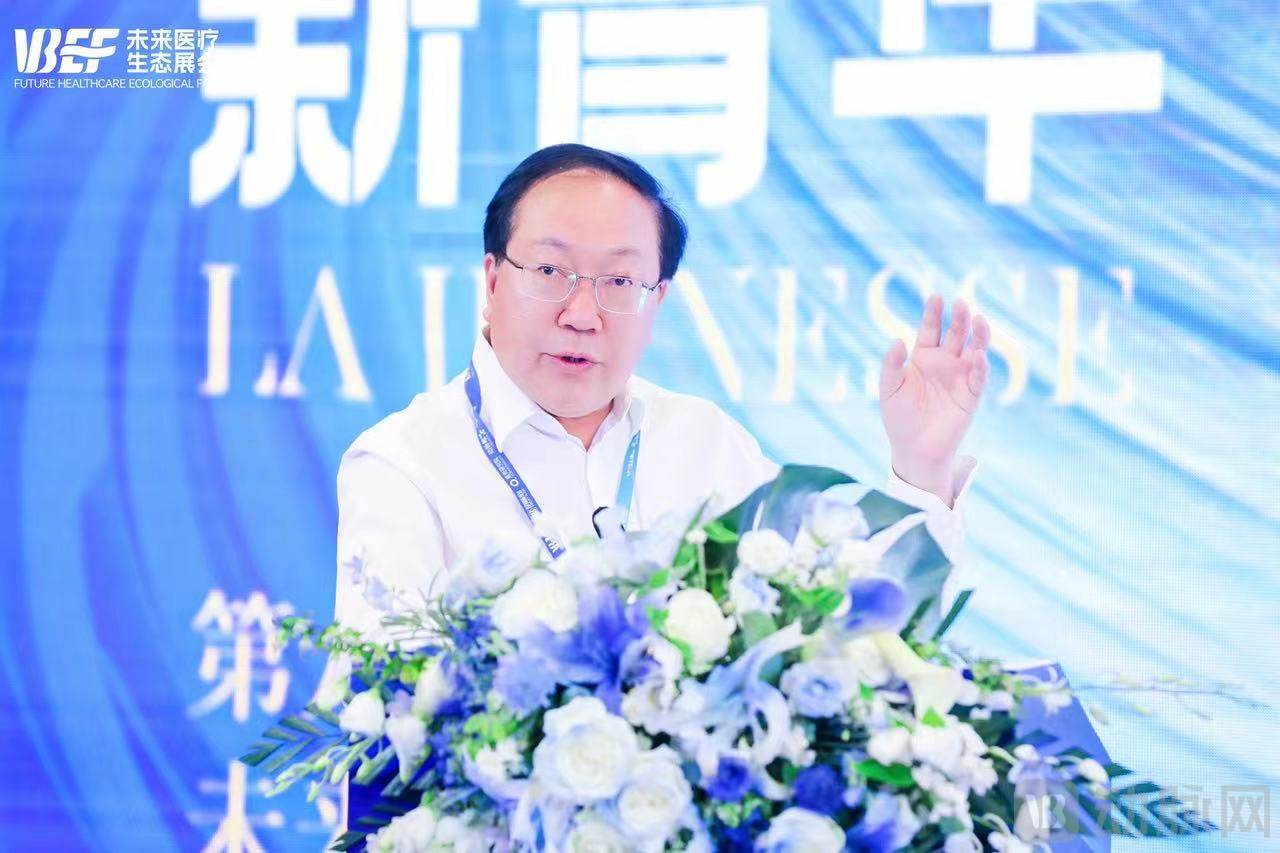
Jiang Tianzi, Director of the Brain Network Group Research Center at the Institute of Automation, Chinese Academy of Sciences
Mr. Xu Anding, Vice President of the Chinese Stroke Association and Former President of the First Affiliated Hospital of Jinan UniversityIn his presentation titled “The Path to Cerebral Cytoprotection in Ischemic Stroke,” Mr. Xu Anding emphasized the high prevalence and severity of stroke in China, particularly the high rates of disability and mortality associated with cerebral infarction. He pointed out that although the medical community has dedicated efforts over the past few decades to identifying effective neuroprotective agents, the high failure rate of clinical trials underscores the challenges in translating basic research into clinical applications. He stressed the importance of shifting from single-neuron protection to comprehensive cerebral cytoprotection. Successful clinical studies must adhere to the rigor of clinical trial design, adopting principles of multi-target, multi-pathway, and multi-phase comprehensive protection. Furthermore, he called for strengthening the scientific rigor in the design and implementation of basic research to improve the success rate of clinical translation in cerebral cytoprotection.

Vice President of the Chinese Stroke Association, Former President of the First Affiliated Hospital of Jinan UniversityXu Anding
Shao Yangxue, Senior Researcher at VCBeatMs.Performed《"2024 Research Progress and Clinical Application Analysis Report on Brain-Computer Interfaces"In his sharing, he pointed out that brain-computer interface (BCI) technology demonstrates advantages through multidisciplinary integration, yet faces challenges including technological gaps, bottlenecks in clinical translation, and ethical and privacy concerns. While China boasts a substantial volume of research, there is a deficiency in clinical studies and practical applications. Government support is expected to accelerate technological translation, with university achievements offering new avenues for investment. The investment landscape has undergone shifts, with the market becoming more cautious. Response strategies include optimizing management, collaborative R&D, precision marketing, public science education, and focusing patents on precision and user experience. Shao Yangxue emphasized that addressing these challenges requires concerted efforts from multiple stakeholders to promote the sustainable development and commercialization of BCI technology.

Shao Yangxue, Senior Researcher at VCBeat Institute
Ms. Li Lingling, Deputy Director of Administration, Chongqing Brain and Intelligence Science CenterIn her speech titled “Building a High Ground for Sci-Tech Innovation and Cultivating an Industrial Ecosystem for Brain and Brain-Inspired Sciences,” she introduced the development progress of the Chongqing Center for Brain and Intelligence Science and highlighted Chongqing’s practical initiatives in the field of brain and brain-inspired science. She emphasized that, as a relatively young municipality directly under the central government, Chongqing possesses a solid foundation for advancing brain and brain-inspired sciences, supported by a comprehensive industrial system and abundant application scenarios. She noted that Chongqing is currently building modern manufacturing clusters, with particular attention to the development of emerging life science industries such as brain and brain-inspired technologies, and through the construction ofCore scenarios such as “Industrial Brain + Future Factory” are driving the high-quality development of the manufacturing sector. Furthermore, she pointed out that Chongqing boasts a solid foundation for technological innovation and a strong talent pool in brain science research, and has established multiple innovation platforms and industry-academia-research alliances, providing robust support for the advancement of brain and brain-inspired sciences.

Li Lingling, Deputy Director of Administration at the Chongqing Center for Brain and Intelligence Sciences
Next,Founder of Zhentai Intelligence andMr. Wang Haochong, CEOIn his presentation on “Research and Development of General-Purpose Brain-Computer Interface Technology and Its Industrial Application,” he discussed the profound impact and current challenges of brain-computer interface (BCI) technology. He proposed that general-purpose BCI represents the ultimate endpoint for the field’s future development and emphasized the need for joint efforts by industry and academia. He pointed out that the advancement of BCI depends on a deeper understanding of brain cognition, noting that current knowledge of neural mechanisms remains insufficient.10%. He shared the company’s explorations in the field of rehabilitation, including case studies demonstrating the restoration of lower-limb sensory and motor control using VR robots and brain-controlled exoskeleton technology, thereby showcasing the feasibility of these technologies. Wang Haochong emphasized that a solid scientific foundation, an in-depth understanding of neural mechanisms, and technological maturity are prerequisites for commercial application.
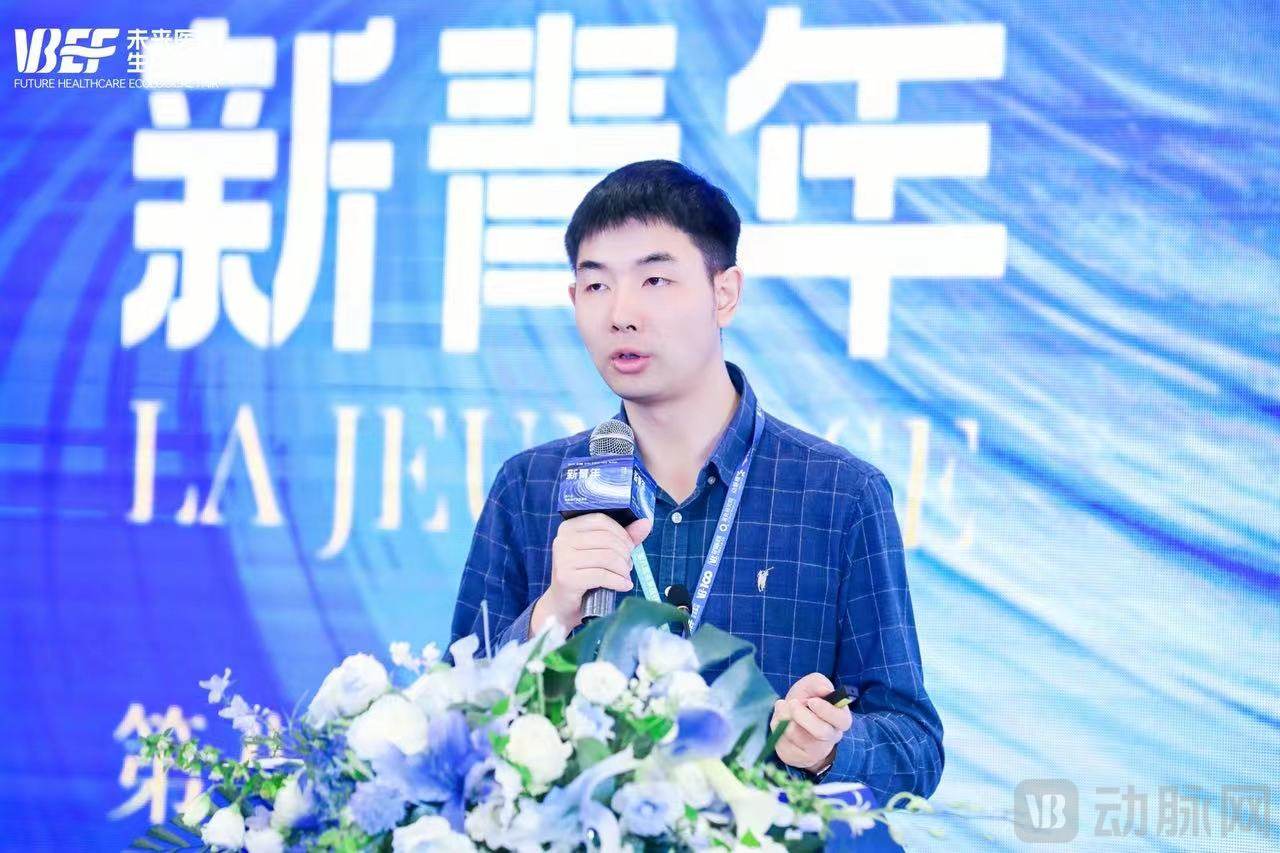
Founder of Zhentai Intelligence andCEOWang Haochong
Xuzhishi TechnologyMr. Kang Cheng, CEOHe then shared insights on “The Application of Digital Therapeutics in Chronic Brain Diseases,” using his company’s digital therapeutics as a case study. He noted that with increasing social pressure, the number of patients with related conditions has risen, while traditional treatment methods face challenges such as high costs and a shortage of specialized professionals. Mr. Kang Cheng introduced how his company’s products, centered on virtual reality and artificial intelligence, leverage software-based interventions to effectively improve treatment efficiency and patient adherence.In 2020, the company obtained China’s first license for virtual reality (VR) in healthcare and began marketing its products both domestically and internationally. Clinical trials demonstrated that these digital therapeutics significantly improved patients’ cognitive function recovery within three months, achieving outcomes 15% better than those of traditional manual interventions. Kangcheng also highlighted the practical benefits of the products in hospital settings, including enhanced patient adherence and reduced workload for healthcare professionals. The application of the company’s products in pediatric care has further demonstrated their appeal to children and advantages in facilitating natural interaction. Currently, the products are being used in over 300 hospitals and have successfully expanded into overseas markets.

Xu Zhi Shi TechnologyCEOKangcheng
Finally, the forum entered the roundtable discussion session, hosted byModerated by Ms. Jia Yan, Director of the Healthcare and Life Sciences Division at China Renaissance Capital, Founder of Kunmai Medical,CEO Sheng Jingwei, Founder and CEO of Zhaoyang Doctor Lin Zhaoyu, Founding Partner and CEO of Pudao Capital Lu Yancen, and CEO of Xuzhishi Technology Kang ChengJointly share and discuss around the theme of “The Path to Innovation through Collaborative Domestication of the Brain Science Industry Chain.”
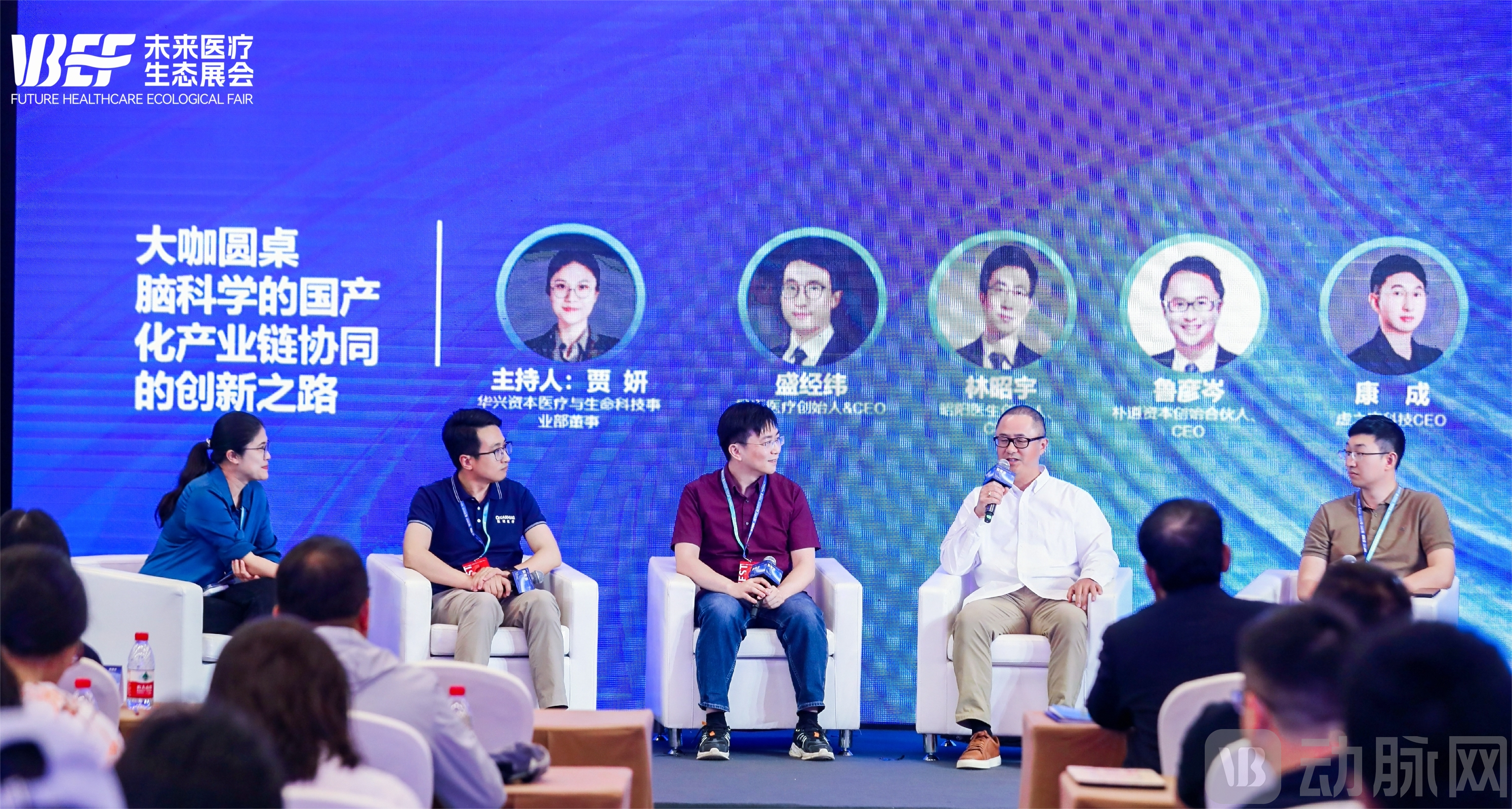
Roundtable Discussion: The Path to Innovation through Collaborative Domestic Industry Chains in Brain Science
Mr. Sheng Jingwei, Kunmai MedicalThe company’s devices, which focus on detecting electromagnetic activity in the brain, have broad application prospects in neurosurgery and mental health disorders.Mr. Lin Zhaoyu, Founder of Zhaoyang DoctorIt emphasized the need for new diagnostic tools and treatment regimens in the field of psychiatry, as well as the role of internet hospitals in applying new technologies.Mr. Lu Yancen, Founding Partner of Pudao CapitalAnalyzed investment opportunities in the field of brain science, with a particular focus on areas such as brain-computer interfaces and Alzheimer’s disease treatment.Xu Zhi Shi TechnologyMr. Kang Cheng, CEODiscussed medical devices for the treatment of cognitive impairment, as well as the application of virtual reality technology in psychiatry.
During the discussion, participants generally agreed that despite certain advances in the field of brain science, challenges remain in areas such as technological breakthroughs, health insurance policy support, and the translation of research findings into practical applications.Mr. Sheng JingweiIt was pointed out that the high demand for brain science tools presents market opportunities, but the coupling between the industry sector and research institutions still needs to be strengthened.Mr. Lin ZhaoyuIt was mentioned that despite the substantial investment in scientific research funding, the number of outcomes that can be practically implemented and applied remains limited.Mr. Lu YancenEmphasizing that investment opportunities in brain science are at an early stage, but the path to commercialization is long, with reimbursement issues being the core challenge.Mr. Kang ChengIt was mentioned that the absence from medical insurance coverage is a major obstacle to the promotion of new medical products.
Looking ahead, the panelists expressed optimism about the future prospects of brain science.Mr. Sheng Jingweibelieves that,New diagnostic and therapeutic technologies are expected to be implemented within 3–5 years, while more innovative tools and therapies are likely to emerge in 5–10 years.Mr. Lin ZhaoyuIt is anticipated that more efficient diagnostic and therapeutic methods will emerge in the field of psychiatry and psychology.Mr. Lu YancenPrediction,New brain-computer interface therapeutic devices will emerge within 3–5 years, while in the long term, revolutionary technologies such as memory uploading may appear in the field of brain science.Mr. Kang Cheng, adopts a relatively conservative stance, believing thatOver the next 3–5 years, focus will be placed on the research and development of multimodal diagnostic approaches, while new diagnostic and therapeutic methods may gain widespread acceptance within 5–10 years.
Overall, the panelists believe that although the field of brain science faces numerous challenges, it is poised to achieve technological breakthroughs and industrialization in the future, driven by both national policy support and market demand.