

Accelerating Innovation and Clinical Translation of Regenerative Biomaterials by Aligning with Market Demand and Enhancing Product Competitiveness
With significant advantages in material properties, biocompatibility, and biodegradability, bio-regenerative materials have rapidly become the foundation of the entire biomedical engineering field and one of the most dynamic sectors in the economic system.
The research and development of bio-regenerative materials is not merely a simulation and replication of the functions of natural biological materials, but also a deep interdisciplinary integration involving materials science, biology, chemistry, and clinical medicine. The incorporation of cutting-edge technologies such as 3D printing, nanotechnology, and gene editing has injected new vitality into the development of bio-regenerative materials.
In recent years, driven by strong international policy support and sustained stable demand from the upstream sector of the industry, the development space for bio-regenerative materials has become increasingly vast. However, in the process of translating innovative technologies into clinical applications, significant industrialization challenges remain, including issues related to biocompatibility, durability, stability, and production costs.
From May 7 to 10, 2024, the 8th Future Healthcare Ecosystem Expo, themed “New Youth,” was officially held at the Beijing·Beiren Yichuang International Convention and Exhibition Center. The event was organized by VB100, VCBeat, Eggshell Research Institute, and Artery Orange, co-organized by the Tianjin Economic-Technological Development Area (TEDA), and conducted in strategic cooperation with the Management Committee of Tianjin Binhai Zhongguancun Science Park and the Beitang Bay Digital Economy Industrial Park. As one of the most anticipated highlights of the conference, the Biomaterials Regeneration Forum concluded successfully on the afternoon of May 10.
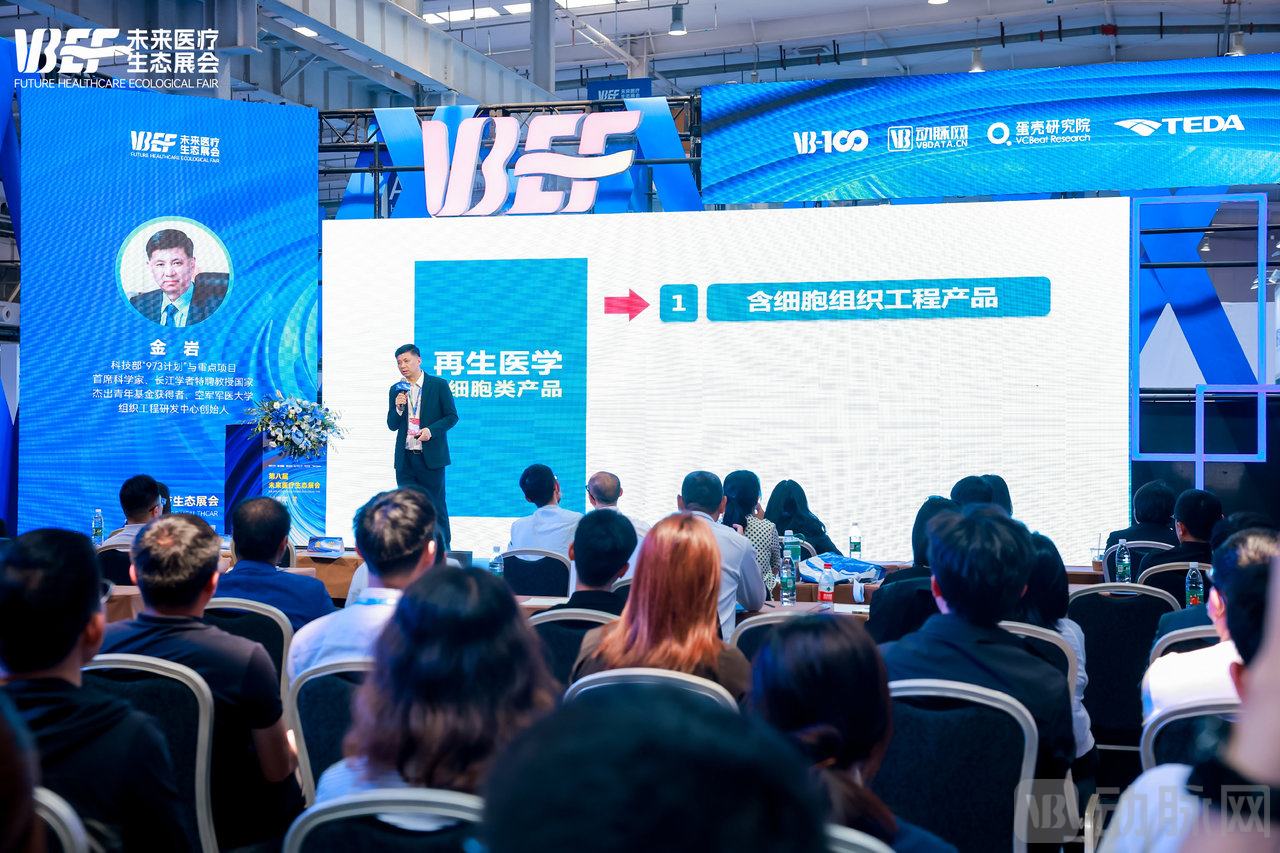 Conference Venue
The Bio-Regenerative Materials Forum invited a cross-sectoral group of partners from government, industry, academia, research, healthcare, and investment communities to engage in in-depth discussions on the translation and clinical implementation of bio-regenerative materials. Distinguished participants included Jin Yan, Chief Scientist of the Ministry of Science and Technology’s “973 Program” and Key Projects, Changjiang Scholar Distinguished Professor, recipient of the National Science Fund for Distinguished Young Scholars, and founder of the Tissue Engineering Research and Development Center at Air Force Medical University; Ai Hua, Professor at the National Engineering Research Center for Biomaterials of Sichuan University and Fellow of the International Union of Societies for Biomaterials Science and Engineering; Jiao Yanli, Senior Researcher at VCBeat Institute; Yang Xi, Co-founder and CEO of Nuopu Regenerative Medicine; Li Qiang, General Manager of the SFM Division of Aotai Kang; Sun Lin, Founder and Chairman of Saidikang; and Jiang Fangfang, Investment Director at Daoyuan Capital.
Interdisciplinary Integration and Multi-Technology Application to Accelerate the Clinical Adoption of Bio-regenerative Materials Across Multiple Fields
The sub-forum featured two major segments: “Keynote Speeches” and “Roundtable Discussions,” which delved into the opportunities and challenges in technological innovation, clinical implementation, and multi-field applications of bio-regenerative materials in China.
In the keynote session, participating experts shared insights on key issues such as the opportunities and challenges of bio-regenerative materials, pain points in clinical applications, and development trends.
Professor Jin Yan, Chief Scientist of the Ministry of Science and Technology’s “973 Program” and Key Projects, Changjiang Scholar Distinguished Professor, recipient of the National Science Fund for Distinguished Young Scholars, and founder of the Tissue Engineering Research and Development Center at Air Force Medical University, delivered a presentation titled “Development Strategies and Translational Applications of Cell-Based Regenerative Medicine Products.”He pointed out that, given the historical opportunity presented by the rapid development of biomaterials, the development of bio-regenerative materials must place greater emphasis on the interactions between materials and human tissue cells. Particular attention should be paid to factors such as the application sites for tissue cells, the technologies involved, and how these materials exert regenerative effects or support other therapeutic functions after implantation. Meanwhile, Professor Jin Yan highlighted two key technical approaches in regenerative medicine: tissue engineering and the development of stem cell-based therapeutics.
In the field of tissue engineering technology, he provided a detailed introduction to the clinical trials and market launch of China’s first tissue-engineered product—tissue-functional skin—developed by the Tissue Engineering Research and Development Center of the Air Force Medical University, and discussed the applications of tissue engineering technology in other fields. Regarding stem cell drugs, Professor Jin Yan focused on the complexity and challenges of stem cell drug development, their relationship with diseases and aging, and introduced the innovative role of cell aggregate technology in stem cell drug development. He highlighted the difficulties and progress in stem cell-mediated organ regeneration, including the regeneration of the liver, kidneys, heart, and dental pulp.
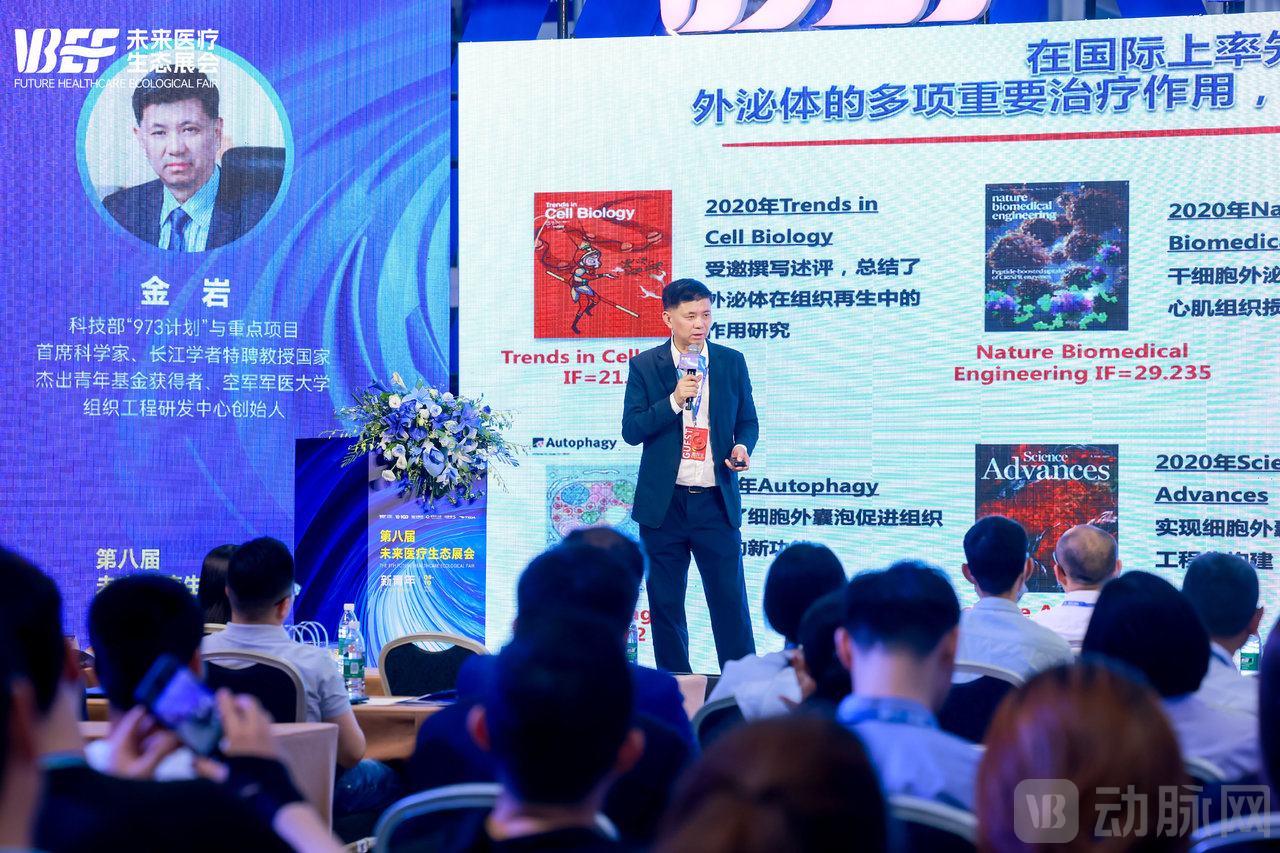 Prof. Jin Yan
Professor Ai Hua, a professor at the National Engineering Research Center for Biomaterials of Sichuan University and a Fellow of the International Union of Societies for Biomaterials Science and Engineering, shared insights on “Opportunities and Challenges in Bio-regenerative Materials.”He noted that the development of tissue engineering technology is primarily driven by clinical needs. Extracellular matrix materials have already found relatively widespread application, and organs derived from gene-edited animals offer new hope for regenerative medicine. However, in the tissue engineering design of bioregenerative materials, it is essential to comprehensively consider factors such as the heterogeneity of human tissues and surface interface properties. As a non-invasive dynamic observation method, imaging technology facilitates the long-term evaluation of implant status and therapeutic efficacy. Meanwhile, the impact of regulatory science, definitions, standards, and other factors on product development and translation should also be taken into account. Furthermore, Professor Ai Hua proposed that bioregenerative materials may evolve toward intelligent manufacturing and the integration of passive and active medical devices in the future.
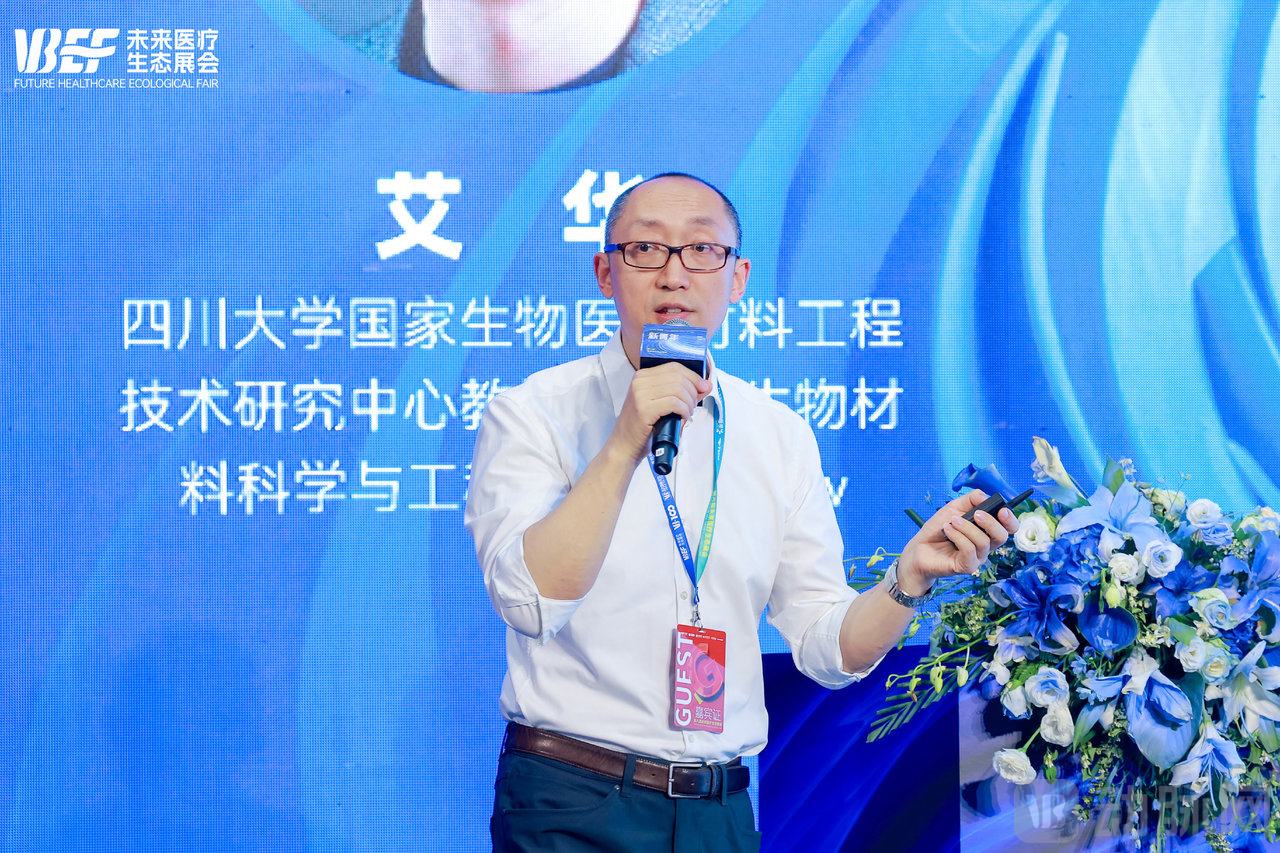 Prof. Ai Hua
Ms. Jiao Yanli, Senior Researcher at VCBeat Institute, shared the "2024 Industry Research Report on Bioregenerative Materials."She noted that the research and development prospects for the bio-regenerative materials industry are becoming increasingly promising, with capital market attention on bio-regenerative materials continuing to rise. In the future, bio-regenerative materials will evolve toward addressing a broader range of indications, requiring both research institutions and enterprises to extend their technological capabilities through independent R&D and collaborations, thereby fostering the integrated development of biomaterials, stem cells, and tissue engineering technologies. Meanwhile, in her report, Ms. Jiao Yanli provided an in-depth analysis of three key areas—bone repair, trauma repair, and regenerative aesthetics—highlighting the strategic layouts and progress of Chinese bio-regenerative material companies.
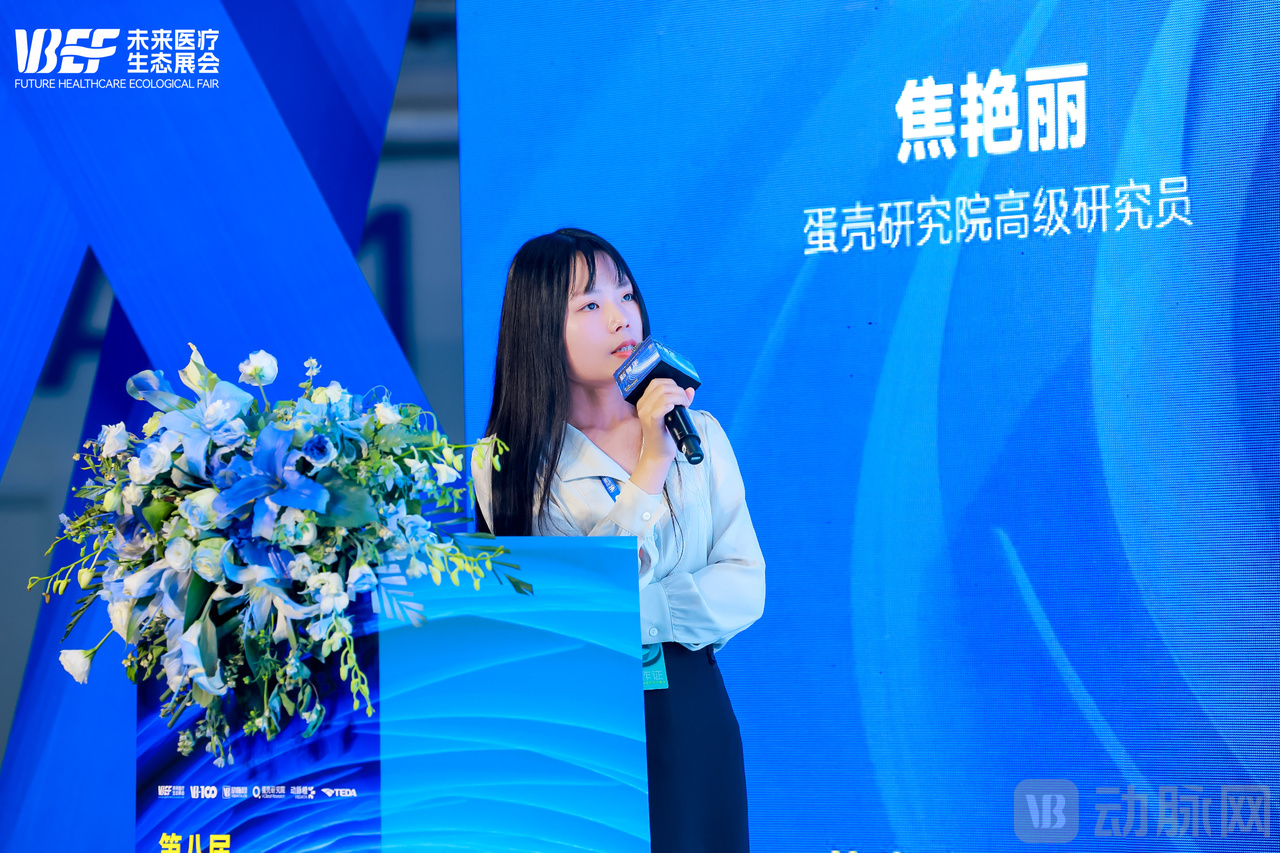 Jiao Yanli
Ms. Yang Xi, Co-founder and CEO of Nuopu Regenerative Medicine, shared insights on “The Current Status and Future of Clinical Applications of 3D Printing Technology Based on Bio-regenerative Materials.”She noted that the development of biomaterials and cell science, along with the convergence of diverse technologies, is driving the continuous advancement of the regenerative medicine sector, with bio-3D printing technology holding certain technical advantages in the field of bio-regenerative materials. In this domain, bio-3D printing enables more precise structural control spanning from the macroscopic to the microscopic level, particularly by establishing three-dimensional technical platforms and leveraging engineering approaches to achieve mass customization. Meanwhile, Yang Xi showcased Nuopu Regeneration’s innovative work in bio-3D printing, including infrastructure development, material screening, and digital manufacturing processes. He also elaborated on the company’s experience in building its product technology framework and conducting scientific validation during product development. Currently involved in four provincial-ministerial and national-level research projects, Nuopu Regeneration aims to address a series of uncertainties in the early stages of product development through the establishment of academic society and group standards, thereby promoting superior solutions for tissue regeneration applications in terms of scalability, cost control, and medical accessibility.
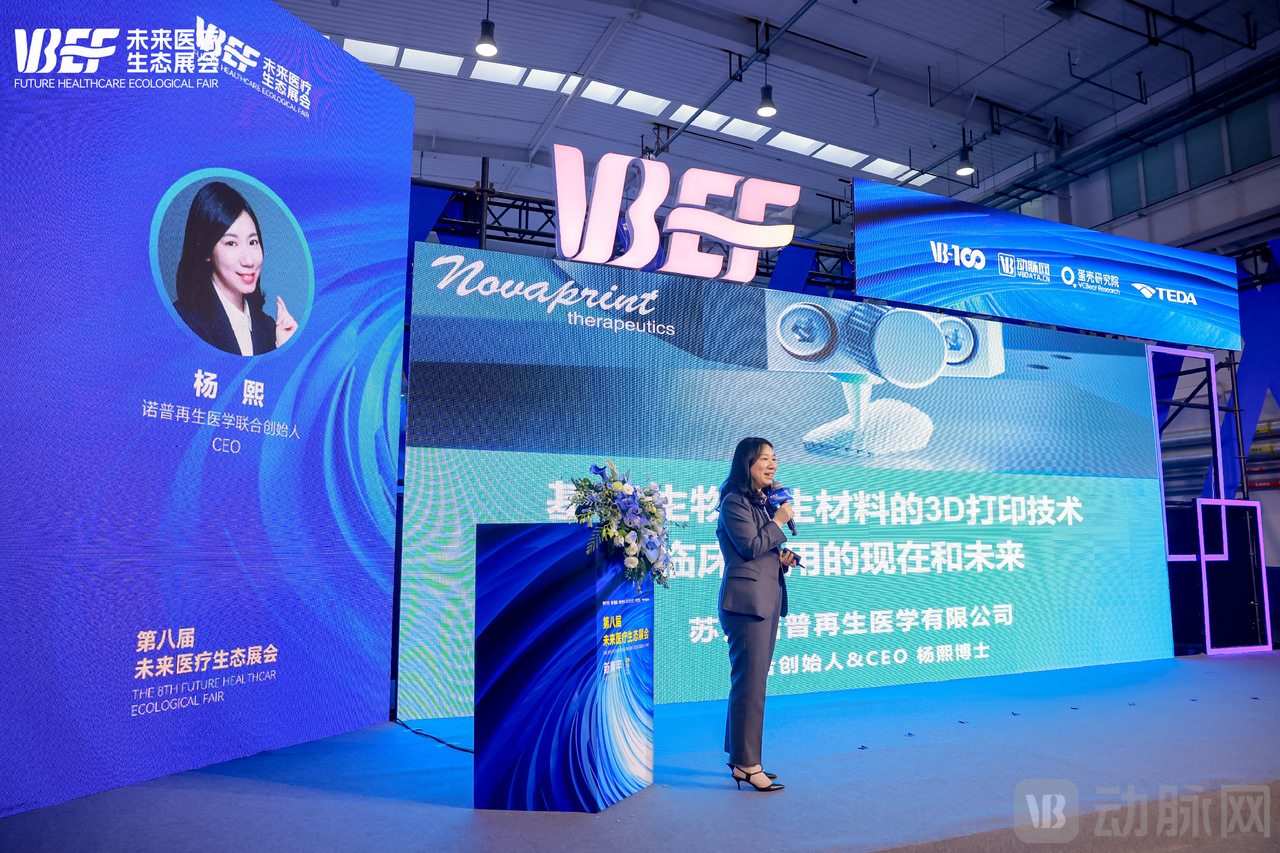 Yang Xi
Mr. Li Qiang, General Manager of the SFM Division at Aotai Kang, shared insights on “Applications and Innovations of Regenerative Biomaterials in Guided Tissue Repair and Organ Regeneration.”He pointed out that, driven by factors such as policy support and market demand, the overall demand for medical aesthetic materials is growing rapidly; however, it remains essential to maintain a rational approach and carefully evaluate one’s own capabilities and the overall barriers to entry in this field. Li Qiang specifically shared application cases of regenerative biomedical materials, such as silk fibroin, in plastic and aesthetic surgery, burn and trauma care, orthopedics, and cardiovascular medicine. He emphasized Aotai Kang’s four core technologies and process advantages in the silk fibroin sector, noting that the translation of scientific achievements in the silk fibroin industry must take into account factors such as biocompatibility, biodegradability, and compatibility with tissue-induced regeneration.
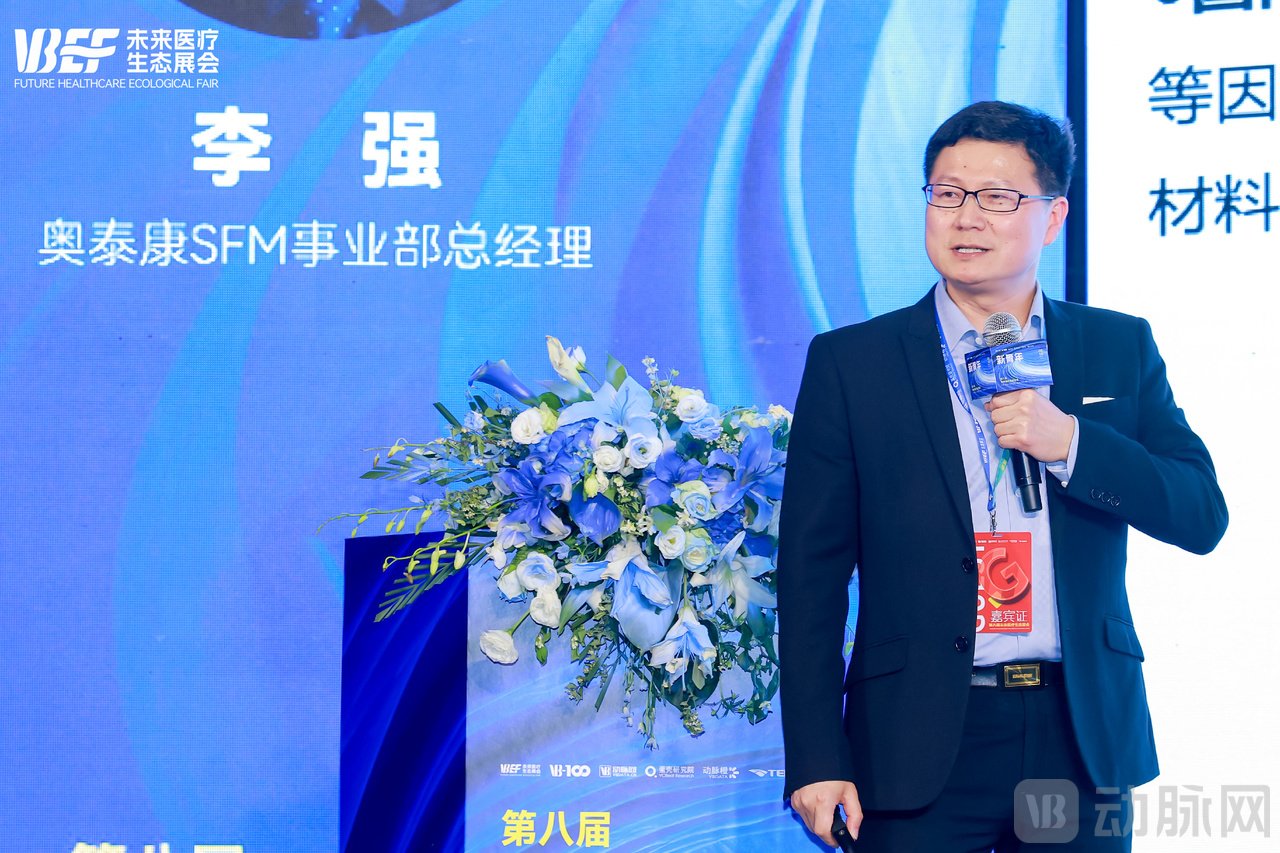 Li Qiang
Li Tong, a representative of the Cydecare team, shared insights on “Innovation and Clinical Application of Biosynthetic Regenerative Materials in Skin Wound Repair.”She noted that biosynthetic regenerative materials possess four key characteristics: biocompatibility, tunability, the capacity to carry bioactive substances, and multifunctionality, which can help address some of the current challenges in clinical wound repair. Li Tong demonstrated the efficacy of Saidikang products across the four stages of skin wound healing and presented their clinical application results through case examples. Saidikang aims to define biosynthetic regenerative materials as a platform, integrating bioinformatics, 3D bioprinting technology, and materials such as stem cells, endothelial cells, or growth factors. By collaborating with partners in the field and actively engaging with regulatory authorities, the company seeks to accelerate the clinical translation of biosynthetic materials.
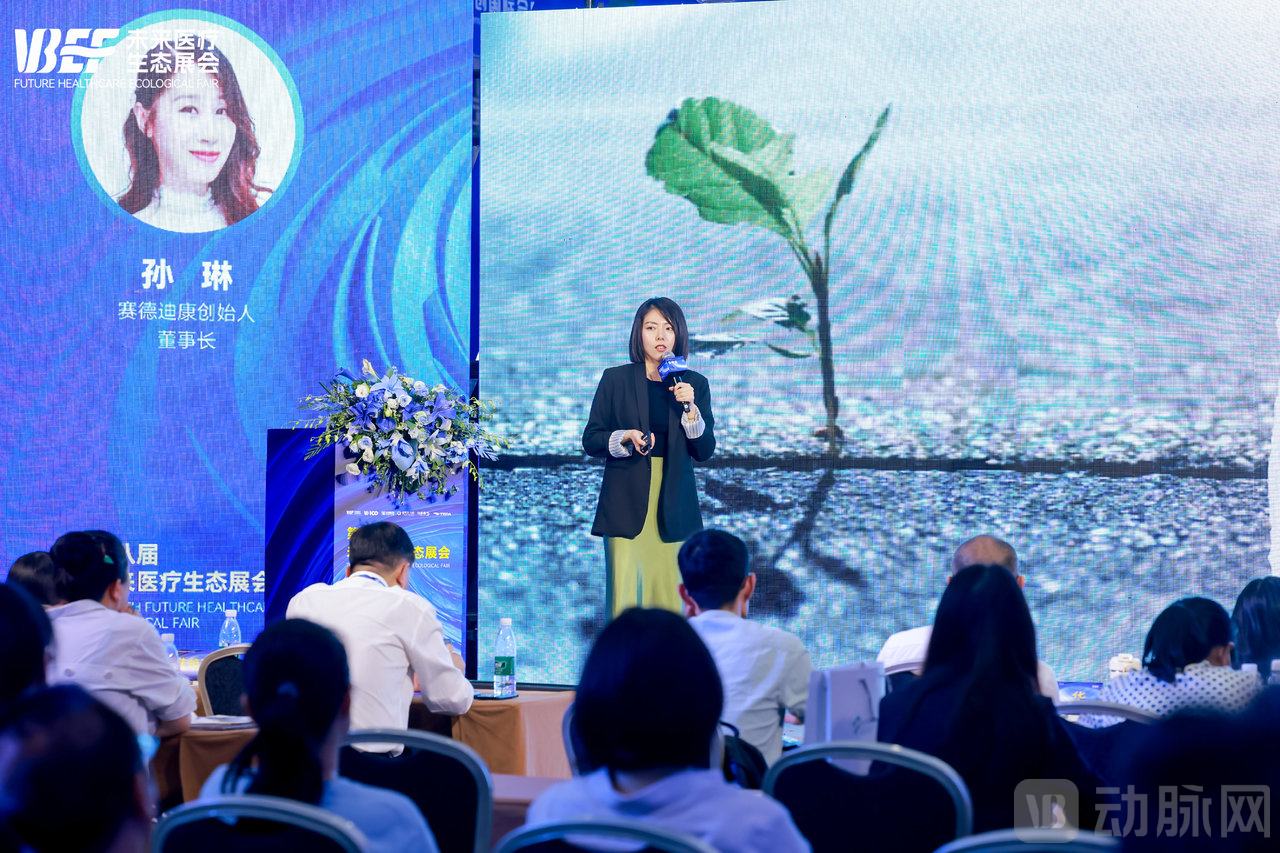 Li Tong
Seize Market Demand, Build Product Competitiveness, and Accelerate the Translation and Implementation of Bio-regenerative Materials
Subsequently, Professor Jin Yan, Chief Scientist of the Ministry of Science and Technology’s “973 Program” and Key Projects, Changjiang Scholar Distinguished Professor, recipient of the National Science Fund for Distinguished Young Scholars, and founder of the Tissue Engineering R&D Center at Air Force Medical University; Professor Ai Hua from the National Engineering Research Center for Biomaterials at Sichuan University and Fellow of the International Union of Societies for Biomaterials Science and Engineering; Mr. Li Qiang, General Manager of the SFM Division at Aotai Kang; and Ms. Jiang Fangfang, Investment Director at Daoyuan Capital, jointly shared insights and engaged in discussions on the theme of “Innovative Translation and Clinical Implementation of Bio-regenerative Materials.”
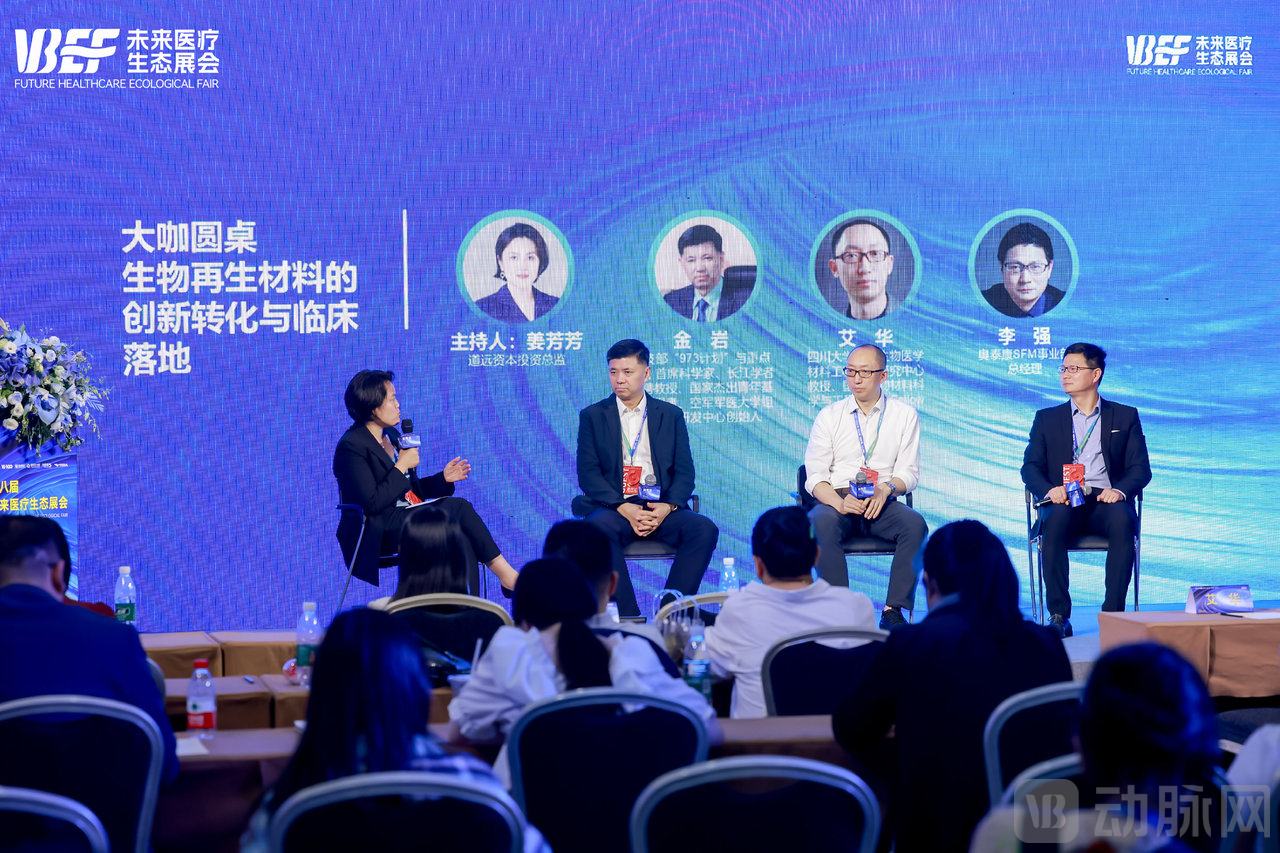 Roundtable Discussion
Jiang Fangfang: In light of the current development status of the upstream and downstream industrial chains for bio-regenerative materials in China, what is the most urgent task at hand?
Jin Yan: The focus of our discussion today is how to rapidly bring materials to market as products and introduce them into clinical applications. Having been deeply involved in the entire process—from basic research to clinical studies, technology transfer, and industrialization—I have gained profound insights. Particularly in the field of biomaterials research, there is an abundance of talent; leading universities and institutions have gathered numerous outstanding researchers and published a substantial volume of high-quality findings internationally. However, professionals skilled in product development remain relatively scarce, resulting in a significant gap compared to advancements in cutting-edge biomaterial development. This disparity primarily stems from safety concerns during the product development process, as well as the challenges posed by the need for long-term observation of efficacy after the product is introduced into the human body.
I am fully aware that from upstream R&D to product development, even with highly innovative technologies and profound insights, we cannot immediately translate them into marketable products. Therefore, bridging the gap between these two stages is an urgent challenge we must address. Only by doing so can we assume a leading role in the global biomaterials sector, a goal that requires our collective efforts.
Ai Hua: According to our society’s research, an analysis of the material checklist for the “Open Competition” mechanism reveals that supply chain constraints on regenerative biomaterials are less severe than those affecting traditional metals and polymers. This indicates that we possess greater source-level autonomy and influence in the field of regenerative biomaterials.
Secondly, in terms of the composition of corporate members within the society, they were previously concentrated mainly among traditional medical device manufacturers. However, recently, we have observed an increasing number of companies related to regenerative biomaterials entering this field.
Overall, the regenerative biomaterials sector is demonstrating robust growth momentum. I am confident that, driven by these favorable factors, the field will usher in an even brighter future.
Li Qiang: My research primarily focuses on regenerated biomaterials based on silk fibroin. Initially, silk fibroin was mainly applied in the cosmetics industry, particularly as a common additive in creams and emulsions. Within this industrial chain, upstream suppliers provide raw silk fibroin materials for cosmetics, while downstream players are manufacturers of silk fibroin-based cosmetic products. Currently, Aotai Kang has introduced silk fibroin into a new field—medical devices. We have developed silk fibroin raw materials for medical device applications, which can be formulated in solution, gel, or membrane forms.
From a market perspective, although silk fibroin has become a star material in the spotlight, its market share remains low compared to collagen. However, given the inherent advantages of the material, it is predictable that a large number of enterprises will enter the silk fibroin field, jointly promoting the development of the silk fibroin material market. Since Aotai Kang expanded into CDMO services in 2014, we have accumulated nearly 100 mature technologies and industrialization experiences, with many projects already licensed or transferred through agreements with listed companies. Our goal is to help them customize silk fibroin products, industrialize equipment and facilities, and layout production lines by sharing these technologies and experiences, thereby enabling them to enter the silk fibroin field more quickly.
Currently, silk fibroin has also become a hot investment area, but the industry chain still needs improvement. I firmly believe that with more participants joining and the industry chain being perfected, the silk fibroin industry will make significant progress, and the future is full of hope.
Jiang Fangfang: How to Overcome the Challenges Between Scientific Research and Clinical Translation of Cell-Based Products?
Jin Yan: Cell-based products play a central role in regenerative medicine, biomaterials, and tissue engineering. From its initial definition, tissue engineering products emphasize the inclusion of living cells; however, this definition has limitations. Fundamentally, our goal is to achieve regeneration and functional recovery of damaged tissues and organs, while the inclusion of cells should be determined based on the specific nature of the tissue and cellular injury.
Although cell-containing products have clear objectives, they face challenges such as high manufacturing costs, significant R&D difficulties, numerous technical hurdles, and stringent regulatory requirements. Therefore, not all products need to incorporate cells. Of course, for more complex and difficult-to-regenerate tissues and organs, such as large organs, cell-containing products will be essential.
Regardless of whether the product contains cells, we must focus on how it interacts with cells and the microenvironment after entering the human body to promote the regenerative process. Implanted materials need to interact with multiple systemic cellular networks, including the bone marrow and the central nervous system. During product development, a deep understanding of regenerative mechanisms is essential to ensure that the product is not merely a simple filler, but rather an agent capable of activating and initiating biological interactions, ultimately achieving seamless integration with local tissues.
Our ultimate goal is to achieve highly integrated regeneration, enabling implants to become an integral part of the human body, with the involvement of both the vascular and immune systems. Therefore, when discussing cell-based products, we should adopt this comprehensive perspective to scientifically consider the design and development of biomaterial products, thereby ensuring the efficacy and safety of the final product.
Jiang Fangfang: How should clinical or market demands for bio-regenerative materials be considered in terms of product innovation and design?
Ai Hua: When translating outstanding biomaterials research into practical applications, we need to focus on multiple aspects. Generally, materials scientists may fail to fully consider clinical needs during the translation of results. Taking dental implants as an example, the strength of current implants is no longer the primary issue; rather, it is more likely a problem of interface integration, meaning poor fusion between the implant and the patient's own bone socket or failure due to infection. Because such research is highly application-oriented, close collaboration with clinicians is particularly important. We cannot focus solely on material properties while ignoring actual clinical needs. Otherwise, we may end up with materials that are unsuitable for clinical use, leading to wasted resources and delays.
Furthermore, academic societies and industry associations play a significant role in facilitating the translation of research findings into practical applications. Industry associations are primarily composed of entrepreneurs, whereas academic societies bring together experts, scholars, and physicians, while also including outstanding entrepreneurs as well as specialists in regulatory affairs and testing evaluation. This platform creates a robust ecosystem; through exchange and collaboration, we can broaden our horizons and gain a deeper understanding of products and the industrialization process, thereby fostering product innovation and design.
Jiang Fangfang: As a key participant in the upstream of the bio-regenerative materials industry chain, what other areas can companies focus on?
Li Qiang: The field of biomaterials is vast, with silk fibroin representing a significant branch. Its superior products often stem from the technological transfer of academic and research institutions or from market feedback, particularly clinical experience in hospitals. For the further development of silk fibroin, I believe we need to focus on strengthening two key directions:
First, strengthen collaboration with universities to facilitate the successful translation of their advanced technological achievements into market-ready products. Academic research typically prioritizes technical sophistication and comprehensiveness, whereas enterprises place greater emphasis on practicality and the principle of simplification during industrialization—namely, streamlining product formulations to meet regulatory approval requirements and ensure safety. Therefore, building upon university-developed technologies, we must make corresponding adjustments and optimizations in line with market demands and regulatory standards to guarantee product safety, efficacy, and competitiveness.
Secondly, by focusing on market demand and leveraging the superior properties of silk fibroin, we can develop composite materials with other substances to create products that better meet market needs. Currently, there is strong demand for biomaterial fillers in the market. Silk fibroin, with its unique tunable biodegradability, biocompatibility, and bioactivity, offers new avenues for product development. By aligning with market demands, we can explore the combined application of silk fibroin with other materials to develop higher-performance, safer, and more reliable products that satisfy diverse market requirements.
Jiang Fangfang: What are the critical elements that cannot be overlooked in the industrialization process of bio-regenerative materials?
Jin Yan: As Class III medical devices, bio-regenerative materials have a prolonged market launch cycle, ranging from five to six years at the shortest, and potentially extending to eight or nine years. Therefore, we must exercise extreme caution when selecting R&D directions. First and foremost, it is critical to ensure the product can successfully reach the market; otherwise, all R&D efforts will be in vain. Secondly, upon market entry, the product must not only be competitive but also meet clinical needs to secure favorable returns in the marketplace. Hence, preliminary feasibility studies are of paramount importance and should not be based merely on subjective assumptions or blind trend-following.
Scientific validation requires extensive data collection and cannot be conducted in isolation. We must also monitor international development trends, understand the real-world clinical needs, and assess whether our products can effectively address these challenges. Meanwhile, product competitiveness cannot be overlooked.
In the early stages of research and development, we should actively engage in extensive communication and collaboration with researchers and clinical experts in relevant fields. By leveraging their experience and recommendations, we can avoid unnecessary detours and more accurately align with market demands and product direction. Furthermore, product usability is another key factor that warrants careful consideration.
Ai Hua: Regarding the relationship among industrialization, technology, and corporate operations, we need to clarify the following points: First, an excellent project or technology does not directly equate to a company’s success. Although good projects or technologies serve as the cornerstone for establishing a company, relying solely on them may be insufficient to sustain overall corporate operations. Only when these projects or technologies are transformed into core technologies and further developed into a series of products can they form a competitive company. For example, if university technology transfer involves only a single project, it may not be sufficient to support the comprehensive operations of a company.
Secondly, when selecting a direction for industrialization, we should make decisions based on our own technological advantages. Although certain sectors (such as medical aesthetics) currently enjoy high market热度, competition in the to-C (consumer-facing) market is often more intense. Therefore, we need to carefully evaluate our R&D capabilities and unique strengths to choose a track that best suits us.
Finally, regarding regulatory issues in the process of innovation translation, we need to prioritize communication with regulatory authorities. Understanding and adhering to relevant regulations and regulatory requirements is crucial for early-stage product development, approval, and subsequent market entry. Therefore, I recommend that stakeholders gain a thorough understanding of the regulatory policies pertaining to innovative medical devices to facilitate more effective communication with regulatory bodies and enhance the likelihood of successful product commercialization.
Li Qiang: I have gained profound insights into industrialization. Since our inception in 2006, we have been committed to transforming university technologies into practical products and advancing the industrialization process. However, the path from academic technology to medical device products is fraught with twists and challenges for enterprises. We personally engaged in multiple industrialization projects, collaborating with universities, hospitals, and research institutions for technology transfer, while investing substantial time and capital. In retrospect, however, we found that our approach lacked precision. Although we initially aimed to drive industrialization independently, after being acquired in 2019, a review by the Aotai Kang team revealed that, with the involvement of professional teams, the original three-year cycle could be shortened to one to one and a half years, and costs reduced to 50% of the initial amount. Therefore, partnering with suitable professional teams may more effectively accelerate industrialization. Finally, regarding the industrialization of product technologies, it is advisable to prioritize the patient perspective and always uphold the principles of safety and efficacy.