

Inside the 'Most Innovative Square Mile in the World': Over 100 IPOs Born Here, 19 of Top 20 Pharma Companies Established R&D Presence
In the early hours of the morning, the R&D buildings in Boston-Cambridge-Kendall Square remain brightly lit.
Before long, as the first rays of morning sunlight pierced through the clouds, the city began to come alive once again.
Many people may have heard the inspirational story of “Los Angeles at 4 a.m.,” but this week we personally experienced “Boston at 4 a.m.”
Like midnight in broad daylight, life science innovations continue to take root, sprout, and bear fruit here.
In May 2024, VCBeat was invited to Boston, USA, for a week-long study and interview tour, engaging in extensive exchanges with innovation hubs and laboratories near the Boston-Cambridge-Kendall Square area.
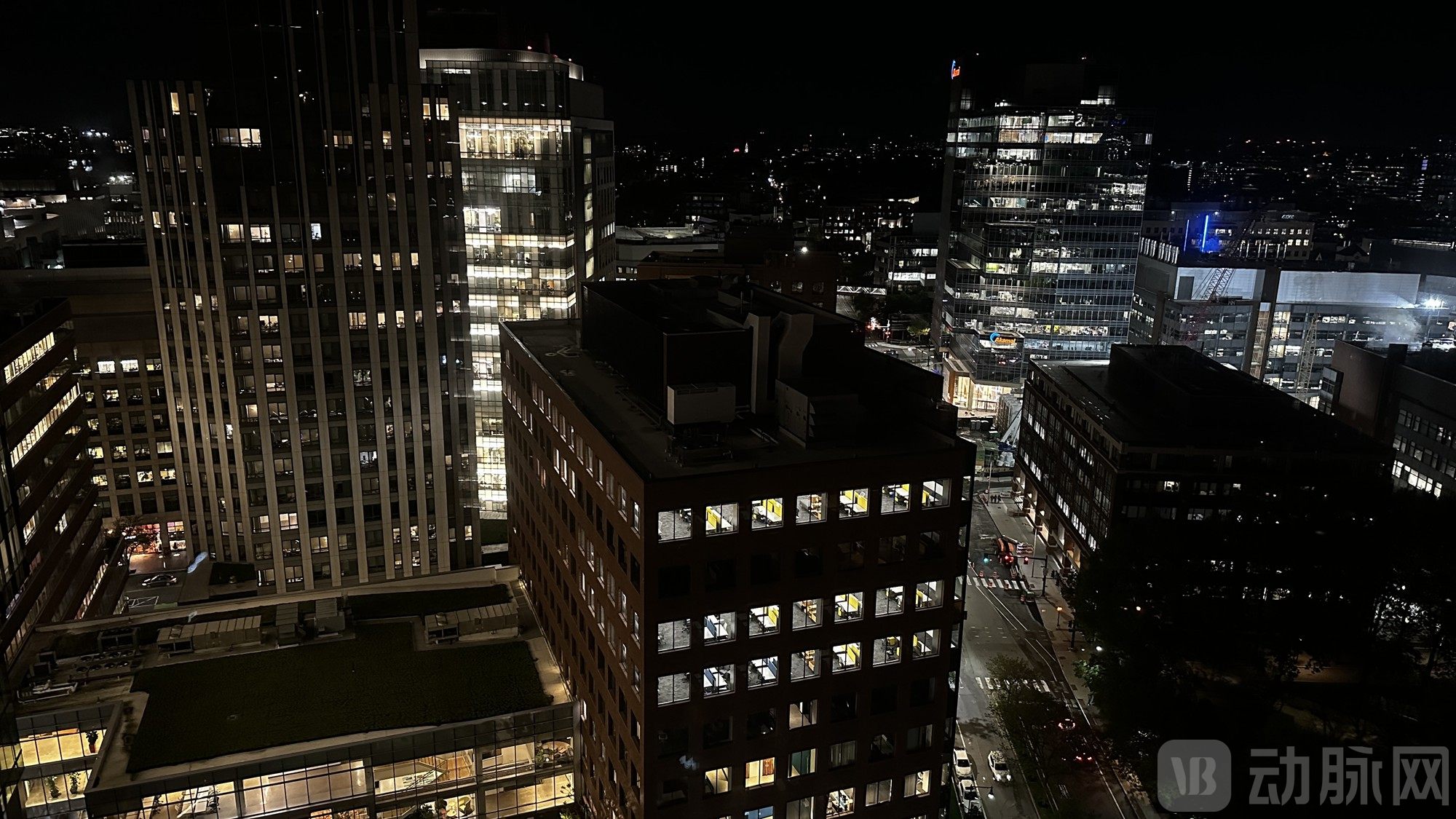
Dawn in Kendall Square, Photo by VCBeat
From Industrial Ruins to a Life Sciences Hub
Our destination for this trip is Boston-Cambridge Kendall Square, hailed as “the most innovative square mile on the planet.”
It is reported that the area is currently home to more than 200 life sciences companies, over 80 venture capital firms, and upwards of 850 startups, making it the most concentrated hub for biotechnology companies worldwide.
We also queried the VCBeat database to search for innovative enterprises in the Boston and Cambridge areas, revealing that more than 500 local biopharmaceutical companies have secured financing, with over a hundred having successfully completed initial public offerings (IPOs) or been acquired by major pharmaceutical companies.
In its early days, Kendall Square was a salt marsh along the Charles River. From the American Civil War to the first half of the 20th century, it served as an industrial hub, primarily manufacturing products such as bicycle tires, soap, telescope lenses, and table tennis paddles.
By the mid-1940s, its industrial landscape underwent a dramatic transformation as numerous companies relocated in search of cheaper labor, gradually turning the area into an industrial wasteland. With corporate decline and rising unemployment among residents, the region rapidly lost its vitality.
From a traditional industrial hub to an innovation highland for biopharmaceuticals, Kendall Square has become the architect of the U.S. biopharmaceutical industry’s rise from its infancy to global leadership.
In *A Short History of American Innovation* by Jonathan Gruber, it is recounted that during its most difficult times, the mayor of Cambridge sought assistance from MIT, the renowned “resident” of Kendall Square. In 1960, MIT President James Rhyne Killian announced the acquisition of the former Lever Brothers soap manufacturing site and its development into an office complex nicknamed “Technology Square.”
Thus, the seeds of innovation were sown.
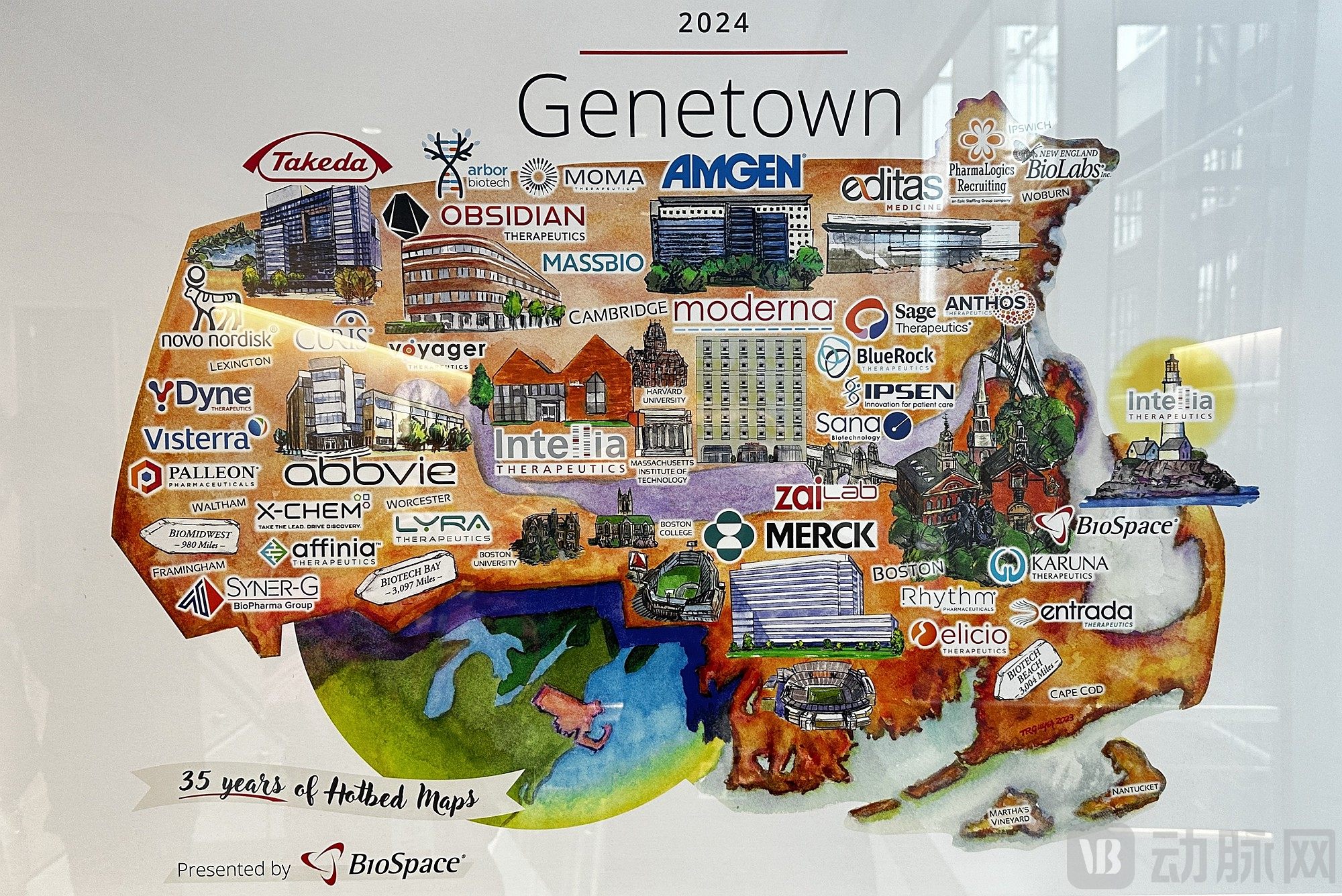
Genetown in the Boston-Cambridge area is home to a large cluster of biotech companies. Photo by VCBeat
In the field of life sciences, Professor Salvador Luria founded the MIT Cancer Center in 1974, assembling a “dream team” of molecular biologists that included five Nobel laureates.
Among them, Professor Phillip Sharp, a Nobel laureate from the Massachusetts Institute of Technology (MIT), initially founded a recombinant DNA technology company in Geneva. Subsequently, seeking to locate the company as close as possible to his laboratory, he moved its headquarters to Kendall Square in 1982, laying the foundation for what is now Biogen, a pioneer in the field of neuroscience.
Fostered by a robust ecosystem, Genzyme (acquired by Sanofi-Aventis for $21 billion) relocated its headquarters here in 1990, and Millennium Pharmaceuticals (acquired by Takeda Pharmaceutical for $8.8 billion) was founded here in 1993.
Currently, among the world’s 20 largest pharmaceutical companies, 19—excluding Roche—have established innovation R&D centers here.
Within our view, pharmaceutical company buildings are everywhere, with MNCs such as Bayer, Novartis, Pfizer, Biogen, Merck, and Amgen being particularly prominent, alongside a cluster of globally renowned biotech firms including Moderna, Karuna, and Beam Therapeutics.
Many Chinese biotech firms have also established a presence here, often guided by the “Boston experience” when formulating their strategies.
Innovation Stems from Scientific Research, Inseparable from MIT and Harvard
Innovation requires a conducive environment, capital, and, most importantly, talent—elements that have collectively created the “right timing, favorable location, and strong human support” for Kendall Square.
Along the scenic Charles River, Kendall Square features a well-planned and aesthetically pleasing building layout that not only emphasizes innovative designs for research and office spaces but also creates a comfortable environment integrating living and entertainment.
Massachusetts’ support for Kendall Square is also evident, as the area has attracted top-tier global venture capital firms, with investment volumes long surpassing tens of billions of dollars. In the four-year economic development plan released in December 2023 by Massachusetts Governor Maura Healey, the slogan “Leading Future Generations” was explicitly put forward, prioritizing life sciences and healthcare above all other sectors.
Beneath Kendall Square lies the Red Line subway, constructed in 1897 as the first subway system in the United States. The two-stop journey from “Kendall/MIT” to “Harvard” connects two world-renowned research universities: the Massachusetts Institute of Technology (MIT) and Harvard University, which ranked first and fourth globally, respectively, in the “2024 QS World University Rankings.”
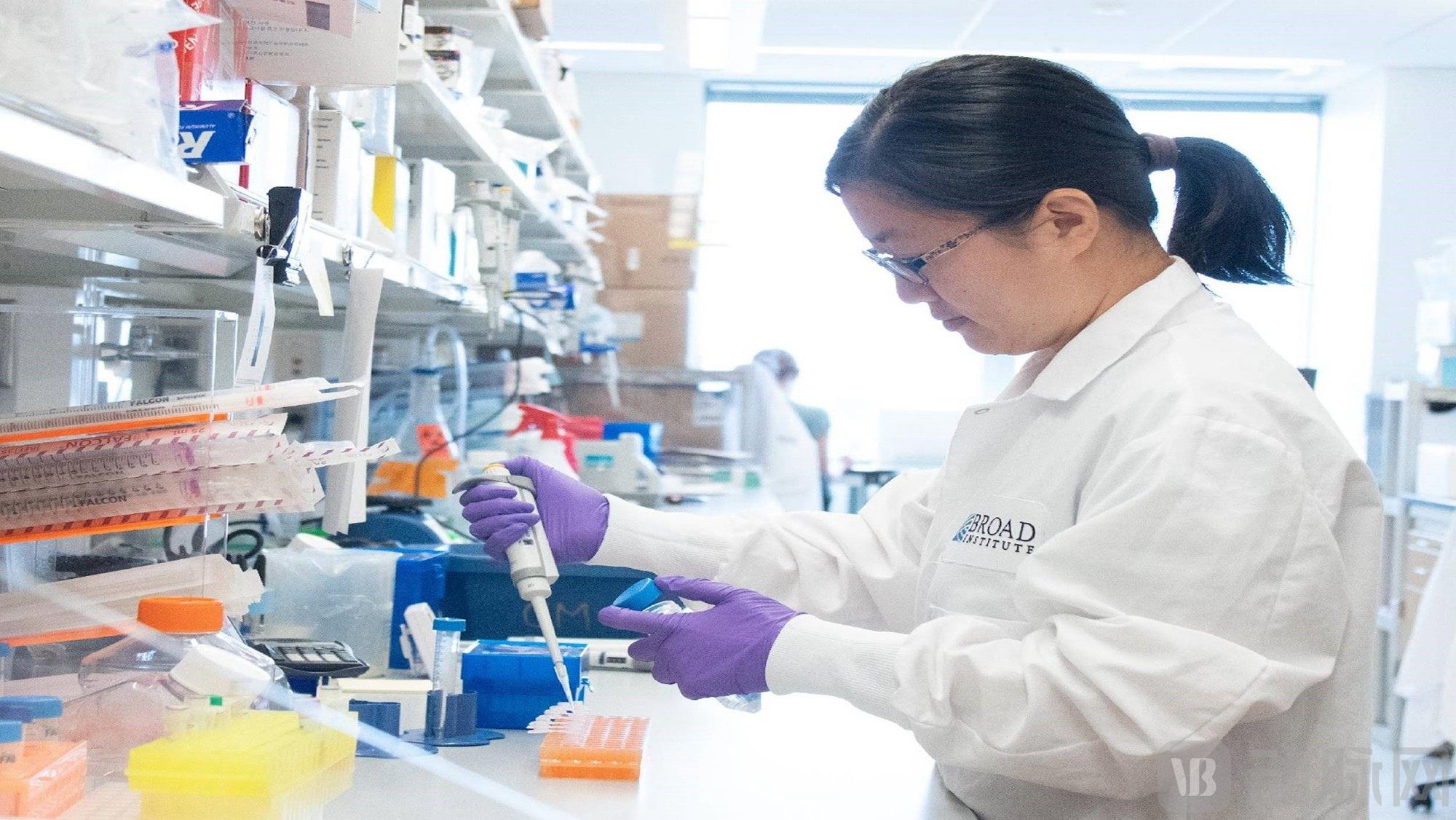
Researchers Conduct Experiments at the Broad Institute. File Photo
A large number of the world’s leading companies, institutions, and research institutes are clustered around the “Kendall/MIT” area. The Broad Institute, located at 415 Main Street in Cambridge, Massachusetts, is one of our destinations on this trip and serves as a crown jewel of life sciences research for both MIT and Harvard University.
The Broad Institute was founded in June 2003 with the goal of systematically elucidating the genetic basis of diseases and developing effective methods for prevention, diagnosis, and treatment. By establishing a cross-institutional collaborative innovation mechanism known as the “Two Universities and One Institute” model, it promotes exploratory experiments that foster interdisciplinary integration, institutional synergy, and cross-sector collaboration. Over the past 20 years, the Broad Institute has become one of the world’s leading research centers.
The 7th floor of the Broad Institute houses the Precision Cardiology Laboratory, established in partnership with Bayer. According to Dr. Carla Klattenhoff, the laboratory’s director, Bayer and the Broad Institute began their collaboration in oncology in 2013 and expanded into cardiovascular therapeutics in 2015. Founded in 2018, the Precision Cardiology Laboratory aims to leverage innovative technologies to gain a deeper understanding of cardiovascular diseases and identify new drug targets.
In the laboratory, it was even difficult to distinguish between Bayer’s scientists and those from Boehringer. This joint R&D team structure established a high degree of synergy from the ground up, enabling both parties to better realize value creation through co-management and decision-making, as well as project and intellectual property sharing.
Cardiovascular disease is one of the leading causes of death globally, accounting for 32% of total mortality according to World Health Organization statistics, with annual death figures showing an upward trend. A heart attack kills millions of cardiomyocytes, leaving the heart in a weakened state. As the human body cannot regenerate cardiomyocytes on its own, heart transplantation remains the only clinically viable option for patients with heart failure. Given the high cost of whole-heart transplantation and the scarcity of donors, the exploration of cell therapy has become a prominent area of research.
Staff at the Broad Institute demonstrated to us the entire workflow—from modeling and staining to screening—as well as their patented cell culture dishes. The underlying principle involves using induced pluripotent stem cells (iPSCs) to better recapitulate and culture cardiomyocyte progenitor cells, which are then delivered via transport and injection to damaged cardiac regions to promote regeneration and functional recovery. Currently, this approach remains in the preclinical research stage.
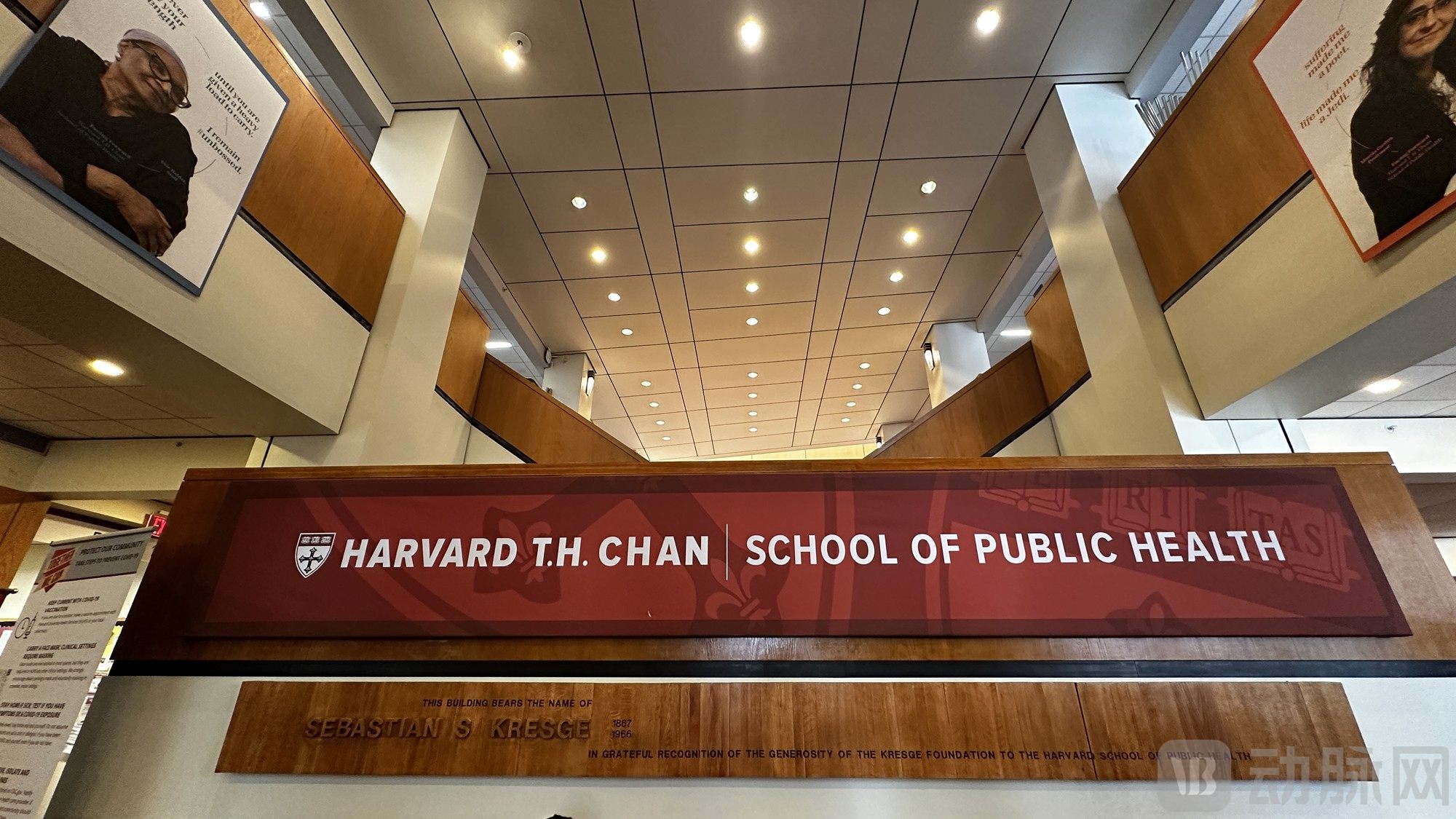
Harvard T.H. Chan School of Public Health. Photo by VCBeat
Not only at the Broad Institute, but also at the Harvard T.H. Chan School of Public Health (formerly the Harvard School of Public Health), a century-old institution, Professor Timothy Rebbeck, a Fellow of the American Association for Cancer Research, presented to us the school’s research achievements in cancer prevention and early detection.
Liquid biopsy is a precision diagnostic technology that Professor Timothy Rebbeck particularly anticipates and views with optimism.
An intriguing topic is that the United States and China face similar challenges in the field of liquid biopsy, namely that the specificity and sensitivity of liquid biopsy remain significantly inadequate, and there is currently a lack of effective commercialization pathways. The primary R&D funding for this sector comes from government agencies and venture capital firms. Regardless of location, cost and time investment are unavoidable considerations in technological innovation.
Beyond Harvard Medical School lies the renowned Longwood Avenue, where Boston Children’s Hospital, Brigham and Women’s Hospital, Beth Israel Deaconess Medical Center, Dana-Farber Cancer Institute, and Joslin Diabetes Center pass by our view. Not far away stands Massachusetts General Hospital. These affiliated medical institutions of MIT and Harvard University have become synonymous with “the top hospitals in the United States and even worldwide.”
If MIT and Harvard have made Kendall Square the “innovation heart” of U.S. biomedical research, then the continuous influx of industrial innovation investment and incubation constitutes its true “blood-supply system.”
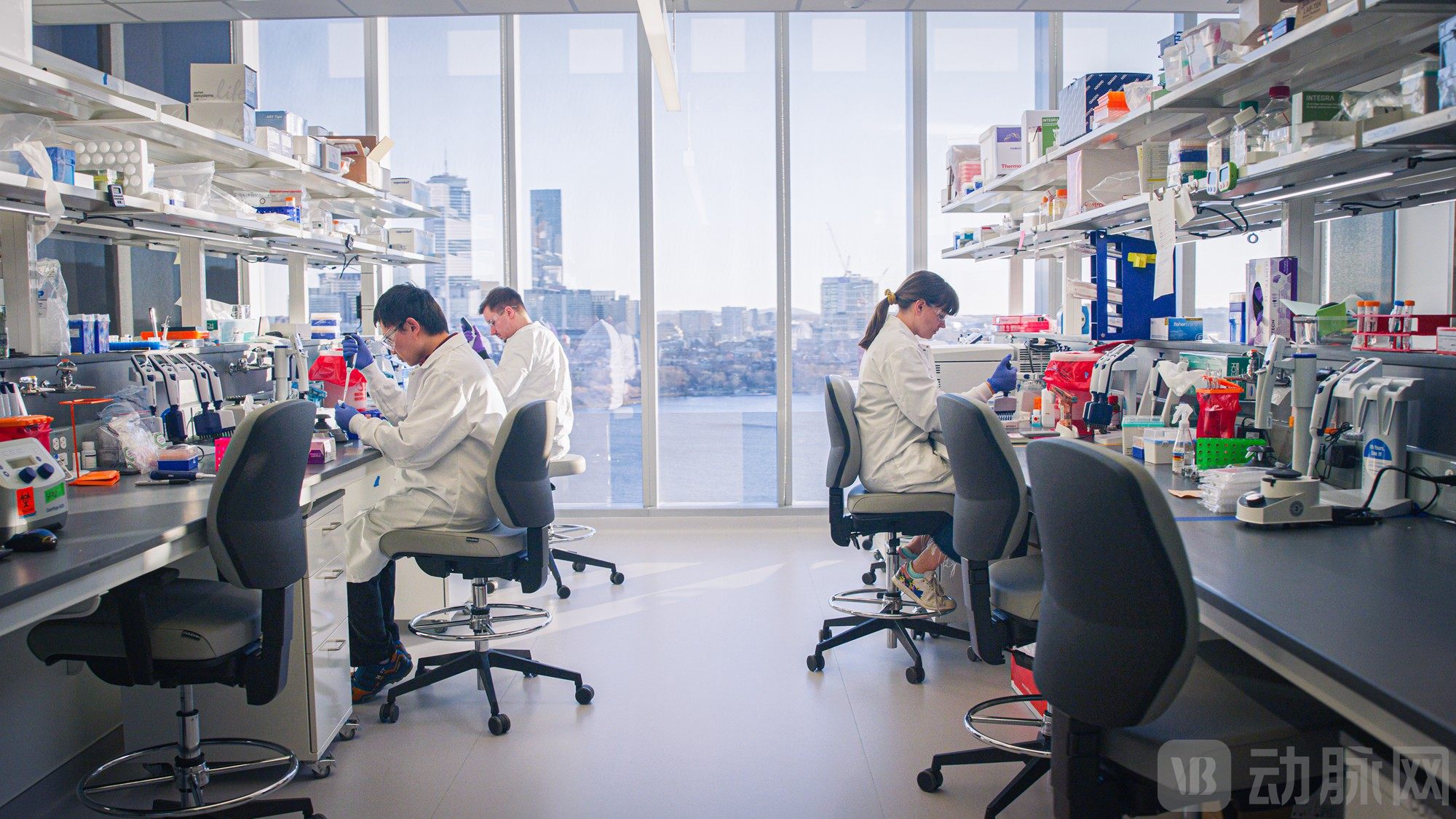
Staff conducting experiments at the Bayer Research and Innovation Center. File photo
In 2022, Kendall Square welcomed a new addition—the Bayer Research and Innovation Center (BRIC). With an investment of $140 million, this facility serves as the home for Bayer’s precision molecular oncology research team.
Previously, Bayer acquired the chemical proteomics platform Vividion for $1.5 billion, launching key programs that include multiple precision oncology targets as well as precision immunology targets.
In the past, Bayer rose to prominence in the field of liver cancer with sorafenib and regorafenib; now, to strengthen its position in oncology, prostate cancer has become a key strategic entry point.
Nubeqa (darolutamide) and Xofigo (radium [223Ra] dichloride injection), two marketed products, have enabled Bayer to accumulate significant advantages in the field of prostate cancer treatment.
The former is an oral androgen receptor inhibitor (ARi) approved for the treatment of non-metastatic castration-resistant prostate cancer (nmCRPC) and metastatic hormone-sensitive prostate cancer (mHSPC). Currently, Nubeqa has also been included in China’s National Reimbursement Drug List.
The latter is currently the first and only targeted alpha therapy (TαT) approved with proven ability to extend survival in male patients with metastatic castration-resistant prostate cancer (mCRPC).
Furthermore, since acquiring Noria Therapeutics and PSMA Therapeutics in 2021, Bayer has established a pipeline of actinium-225 (Ac-225)-labeled radiopharmaceuticals targeting prostate-specific membrane antigen (PSMA).
As of June 2023, Bayer’s radiopharmaceutical conjugate (RDC) pipeline comprised nine candidate drugs. Among them, BAY 3546828, a candidate with both first-in-class and best-in-class potential, initiated Phase I clinical trials for the treatment of prostate cancer in September 2023.
In addition to oncology, cell and gene therapies are also a key research focus of the Bayer Research and Innovation Center. Therefore, the Center is also tasked with strengthening collaboration between Bayer’s R&D division, its subsidiaries, and external partners such as the Broad Institute.
Within Bayer’s strategy, therapeutic innovation in the healthcare sector is primarily divided into three stages: small-molecule drugs, macromolecular and targeted therapies, and cell and gene therapies. For indications that currently lack significant therapeutic efficacy or effective treatment options, cell and gene therapies hold the potential to deliver new breakthroughs in the future.
According to FDA data disclosed in Q3 2023, there are currently 29 approved products in the cell and gene therapy sector, with approximately 3,800 pipelines under development.
Globally, dozens of cell and gene therapies for the treatment of tumors, acquired diseases, and genetic disorders have already been approved for market launch, while investigational products targeting neurodegenerative diseases, cardiovascular diseases, autoimmune disorders, and other fields are also receiving widespread attention.
According to Doug Danison, Head of Commercial Strategy and Operations for Bayer’s Cell and Gene Therapy Business within the Pharmaceuticals Division, Bayer currently has seven pipeline assets in clinical development, with a strategic focus on therapies for debilitating and refractory diseases such as Parkinson’s disease and congestive heart failure.
In recent years, Bayer has invested more than €3.5 billion in building its cell and gene therapy platform, including the acquisition of BlueRock Therapeutics to enter the iPSC field and the acquisition of AskBio to secure an AAV (adeno-associated virus) vector platform. These companies serve as Bayer’s key partners and subsidiaries in the cell and gene therapy sector, with other collaborators including Mammoth Biosciences and Acuitas Therapeutics.
BlueRock is dedicated to developing engineered cell therapies in the fields of neurology, cardiology, and immunology by leveraging its induced pluripotent stem cell (iPSC) platform. The company currently maintains a pipeline of nine products; its lead program for Parkinson’s disease has entered clinical stages, while its pipelines for neurodegenerative diseases and hereditary retinal disorders are poised to advance into clinical research.
AskBio is a gene therapy company based on adeno-associated virus (AAV) vectors, with a pipeline comprising preclinical and clinical-stage candidates for the treatment of neuromuscular, central nervous system, cardiovascular, and metabolic disorders. These include therapies for Pompe disease, Parkinson’s disease, and congestive heart failure, as well as licensed clinical candidates for the treatment of hemophilia and Duchenne muscular dystrophy.
In terms of indication selection, Parkinson’s disease research occupies a prominent position in the product pipelines of both BlueRock and AskBio.
BlueRock is developing a cell therapy using dopaminergic precursor cells derived from pluripotent stem cells (PSCs), aiming to reinnervate the brain and restore lost dopaminergic function; AskBio’s gene therapy aims to upregulate a naturally occurring gene in the brain that is responsible for the expression of GDNF (glial cell line-derived neurotrophic factor) protein. This protein helps rescue and stimulate the gradually dying neurons responsible for producing dopamine.
Whether leveraging cell therapy or gene therapy, research and breakthroughs in neurological diseases are of paramount importance. Utilizing continuously innovative technologies to address unmet clinical needs represents the true essence of scientific research and the value that scientists strive most to realize.
Bayer has established its Co.Lab global co-creation platform in China, the United States, Germany, and Japan. Pictured is Bayer Co.Lab Cambridge. Photo by VCBeat
In addition to therapeutic research, Bayer has established the Co.Lab global co-creation platform in China, the United States, Germany, and Japan to better incubate and promote outstanding startups and early-stage innovative projects in the fields of cell and gene therapy and oncology as part of its ecosystem development efforts.
According to Dr. Friedemann Janus, Global Head of Co.Lab, Co.Lab will select early-stage innovations with significant growth potential in the fields of cell and gene therapy and oncology from around the world. In addition to providing advanced laboratory equipment and shared office spaces, Bayer offers these startups professional expertise and entrepreneurial mentoring, helps them connect with the global pharmaceutical industry ecosystem and innovation collaboration networks, and further seeks to explore opportunities for deeper collaboration to accelerate and enhance the development of these projects.
Currently, Co.Lab in Cambridge, Massachusetts, is home to eight startups in the fields of cell and gene therapy and oncology. Meanwhile, Bayer has partnered with the Shanghai Frontier Industry Innovation Center for Biomedicine to jointly establish a Co.Lab facility in Zhangjiang, Shanghai. This will be Bayer’s largest co-creation space in the Asia-Pacific region. The Shanghai Co.Lab is scheduled to officially open in September 2024, and recruitment for its first cohort of tenant companies is currently underway.
Innovation: Originating in Research, Realized through Incubation
It took over 50 years of forced transformation from an industrial hub to create the Kendall Square we know today. While we take its current innovative vitality for granted, this achievement is the result of cultivation across generations and multiple economic cycles. Doing something well once is not difficult, but sustaining innovation requires a continuous drive. A review of its successful experience reveals many contributing factors; here, we attempt a brief summary along the lines of “Infrastructure – Talent Empowerment – Sustainable Ecosystem.”
Physically, Kendall Square leaves us with the strongest impression of a unique charm that blends numerous high-tech, modern buildings with older architecture in an organic way. In terms of design, the area emphasizes openness and inclusivity: laboratories within the buildings are clean, transparent, and bright, offering beautiful views of the Charles River through floor-to-ceiling windows. The design also highlights interactivity in public spaces, with coffee bars, libraries, and open meeting areas for group discussions being ubiquitous. Built on this foundation, Kendall Square has become not only a fertile ground for scientific research but also a mixed-use innovation district integrating life and entertainment, allowing scientists to fully appreciate the beauty of life beyond their work with cold instruments.
Talent is the primary driving force behind a region’s capacity for sustained innovation, and here, talent is in abundant supply. Kendall Square’s rise as the world’s most influential biotech hub is inextricably linked to the “empowerment” provided by the innovative talent pools of the Massachusetts Institute of Technology (MIT) and Harvard University. The two-stop subway ride from “Kendall/MIT” to “Harvard” connects the lifeblood of top-tier talent in the United States and even globally. Behind this robust supply-side talent base lies the continuous output of scientific research achievements.
Innovation demands cost and time; even institutions like MIT and Harvard cannot achieve it overnight. The sustainable development of the biotechnology ecosystem does not hinge on suddenly creating a blockbuster product or accumulating a certain amount of financing. Taking the cell and gene therapy sector as a point of comparison, if the characteristics of small-molecule drugs are determined by their chemical structures, then those of biologics are defined by their manufacturing processes. In terms of pipeline volume and technological proficiency, China is no longer lagging behind—and may even surpass—the United States. However, the entire industry still has a long way to go in process development and manufacturing. Meanwhile, talent development, capital investment, and the accumulation of experience all require greater patience from us.
As conveyed by Bayer’s scientists, once freed from financial concerns, we can devote ourselves more fully to research aimed at addressing unmet clinical needs. Many of our current studies are still in their early stages, and we require time to explore the technologies involved, ultimately striving to deliver solutions for patients’ diseases.