

Shanghai Jiao Tong University Spin-off Xicari Revolutionizes Cardiovascular Health Screening with AI-Powered Millimeter-Wave Biomedical Radar
Is there a technology that is comfortable and imperceptible, respects user privacy, and can accurately detect vital signs?
The answer is yes.
Millimeter-wave biological radar technology is being widely applied in numerous fields, including elderly care, infant monitoring, patient surveillance, early health screening, and sleep tracking, due to its ability to perform unobtrusive, non-contact, and precise detection of users' vital signs.
Hicali is precisely such a company dedicated toApply millimeter-wave bio-radar technology to the fields of cardiac health, respiratory health, and sleep health, and develop high-precision, non-contact vital signs monitoring products and solutions.company.
ThisIncubated by the research team at Shanghai Jiao Tong UniversitySince its establishment, the company has won numerous awards in the fields of healthcare and artificial intelligence. At the First National Digital Health Innovation Application Competition in 2023, hosted by the National Health Commission, the team, in collaboration with Ruijin Hospital affiliated to Shanghai Jiao Tong University School of Medicine, won the first prize in the Medical Artificial Intelligence thematic competition.
This also stems from the high recognition of Xikali team's millimeter-wave biological radar technology,In 2023, Hongnuo Venture Capital exclusively invested tens of millions of yuan in Xikali.
Mr. Wang, a 72-year-old man, was one of the early adopters of Xikali’s cardiovascular health screening product. At the time of recruitment, he had just been admitted to the Cardiac Care Unit (CCU) of a top-tier tertiary hospital in Shanghai due to a myocardial infarction. After undergoing stent implantation in two blood vessels, Mr. Wang was successfully discharged. However, his daughter, Ms. Liu, remained concerned about his post-discharge prognosis: How long would the stents last? And how could they detect warning signs before another heart attack occurred? Driven by these concerns, Ms. Liu enrolled her father as an early user in Xikali’s program.
Upon hearing that he would need to undergo health monitoring, Mr. Wang was initially resistant. However, after learning that the Xikali under-bed biological radar monitoring system offers “non-invasive, truly imperceptible” features—requiring no wearable devices, enabling contactless monitoring, and needing no additional operation after installation—he readily accepted the monitoring.
Hicaly’s non-intrusive cardiac health monitoring device was installed under Mr. Wang’s bed. After approximately one month of home-based monitoring, the device detected an increased frequency of arrhythmia episodes and abnormally elevated heart rate, triggering a cardiac health alert that recommended Mr. Wang seek follow-up care at a hospital. Subsequent clinical evaluation confirmed that Mr. Wang had developed dilated cardiomyopathy as a sequela of myocardial infarction. Under medical guidance, he initiated pharmacological treatment, thereby preventing further disease progression due to delayed intervention.
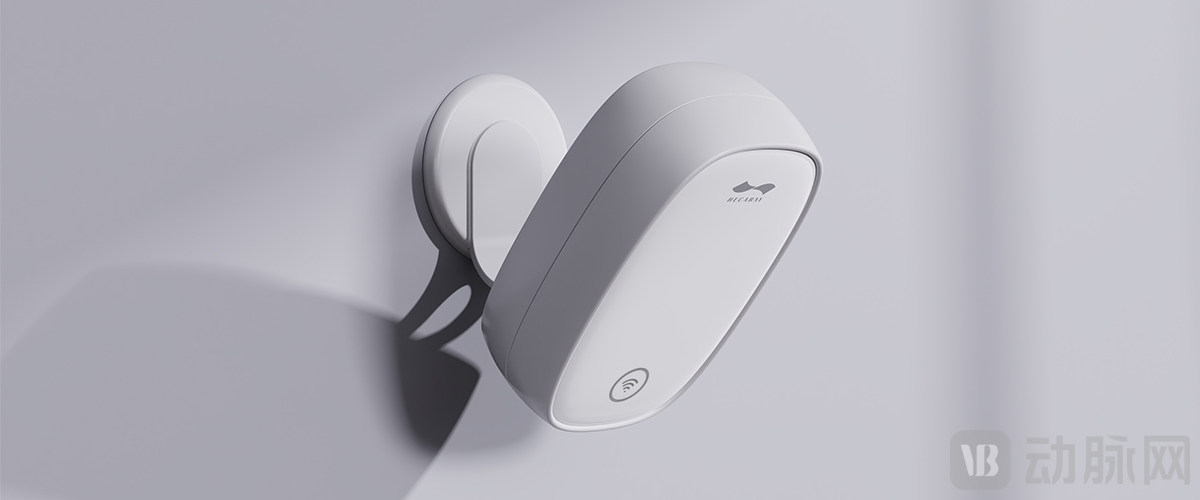
Hika Vital Signs Monitoring Device
This is preciselyXikali’s Vision: To empower users with seamless, precise, and cost-effective health screening through cutting-edge bio-radar technology, enabling early detection and treatment of diseases.
In terms of specific sub-sector selection within the life and health industry,Xikali pioneered its entry into two fields: monitoring of chronic cardiopulmonary diseases and sleep monitoring.On one hand, the relevant field itself has a huge unmet market demand; on the other hand, there is a certain patient base in this area, which enables Xikali to build solutions and update its algorithms based on data.
From the perspective of chronic cardiopulmonary diseases, China currently has an estimated 330 million patients with cardiovascular disease. Among them, approximately 1 million people suffer from acute myocardial infarction (AMI) each year, with a mortality rate as high as 30%. Even for those who are successfully discharged after emergency treatment, the mortality rate within one year post-AMI remains as high as 20%, due to the numerous complications that follow. Cardiovascular diseases severely impact people's life, health, and safety.
Historically, due to technological limitations, patients—particularly those with cardiac conditions—have struggled to monitor their heart health in a timely manner. They typically needed to schedule an appointment with a physician, register for the visit, undergo a series of hospital-based tests, wear a Holter monitor for over 24 hours, and then consult the doctor to interpret the data before reaching a diagnosis. This complex diagnostic process has resulted in limited patient awareness regarding the progression of their condition. Furthermore, the lack of immediate data feedback has led to poor adherence to disease management protocols, often causing patients to miss the optimal window for intervention during acute episodes.
From the perspective of sleep health, influenced by factors such as the fast-paced social environment, the prevalence of insomnia among adults in China has reached 38.2%, with over 300 million Chinese adults suffering from sleep disorders. Furthermore, some individuals face issues such as sleep apnea, which leads to decreased blood oxygen levels during sleep, increases cardiovascular burden, and impairs sleep quality; in severe cases, it can even result in sudden death. Regarding infants and young children, more than 74% of premature infants suffer from conditions such as intermittent hypoxia, mouth breathing, and lethargy, creating strong demand for related sleep and respiratory monitoring. However, clinical practice predominantly relies on polysomnography (PSG), which typically requires use in specific hospital settings. This approach presents several pain points, including difficulty in scheduling appointments, uncomfortable sleep environments, and adverse effects on infant skin.
A deep understanding of the market and demand in the fields of cardiopulmonary chronic disease monitoring and sleep monitoring has enabled Xikali to launch a range of monitoring devices for applications such as sleep monitoring, bedridden vital signs monitoring, apnea monitoring, and cardiopulmonary chronic disease monitoring. AndIts unobtrusive and hands-free nature also makes it suitable for long-term health monitoring of the elderly, children, and individuals with chronic cardiovascular and cerebrovascular diseases.It is reported that Hikari achieves a monitoring error of less than 1 bpm for respiratory rate, less than 2 bpm for heart rate, and less than 10 minutes for sleep timing. Its accuracy exceeds 90% for both sleep apnea and arrhythmia monitoring.
Currently, multiple institutions have successively entered into collaborations with it.Xikali sells its solutions and technical services to well-known companies such as Taibao Homecare, Fushoukang, and Wanda Information. Its solutions have covered more than 20 provinces in China and expanded to overseas clients., thereby achieving nighttime safety protection and disease risk early warning for the elderly.
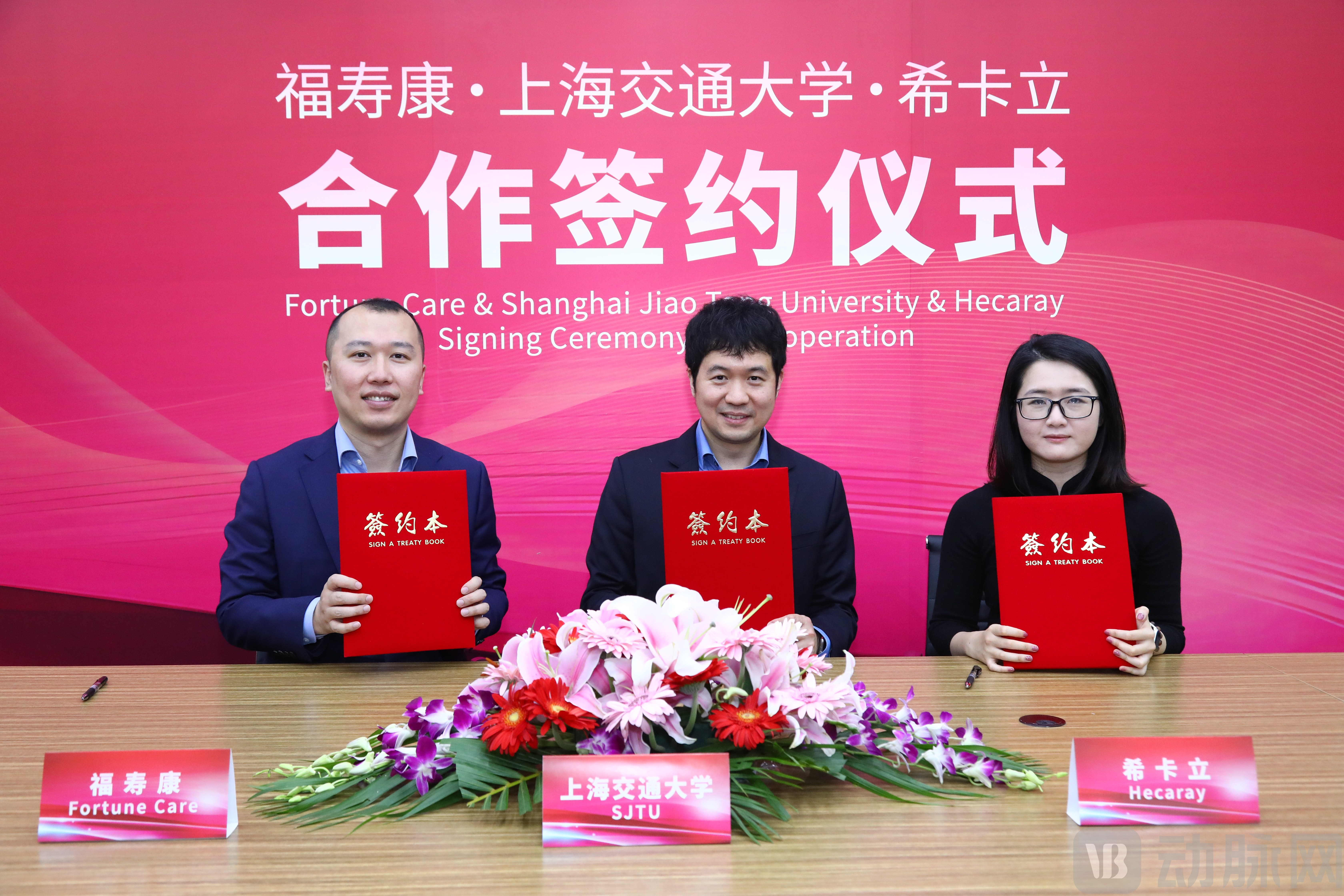
Xicali Technology and Fushoukang Group Establish Strategic Partnership
Capable of being performed in a non-intrusive, non-contact manner,Develop a product for long-term tracking of 25 chronic cardiopulmonary diseases, including arrhythmia, atrial fibrillation, chronic obstructive pulmonary disease (COPD), and sleep apnea, as well as sleep quality.Related to the advanced technology behind Xikali.
When mentioning Xikali, one cannot overlook its spiritual core figure—Professor Gu Changzhan, the founder of Xikali and a professor at Shanghai Jiao Tong University. Behind Professor Gu’s entrepreneurial journey lies a story of an overseas-educated high-tech talent dedicating himself to serving his homeland.
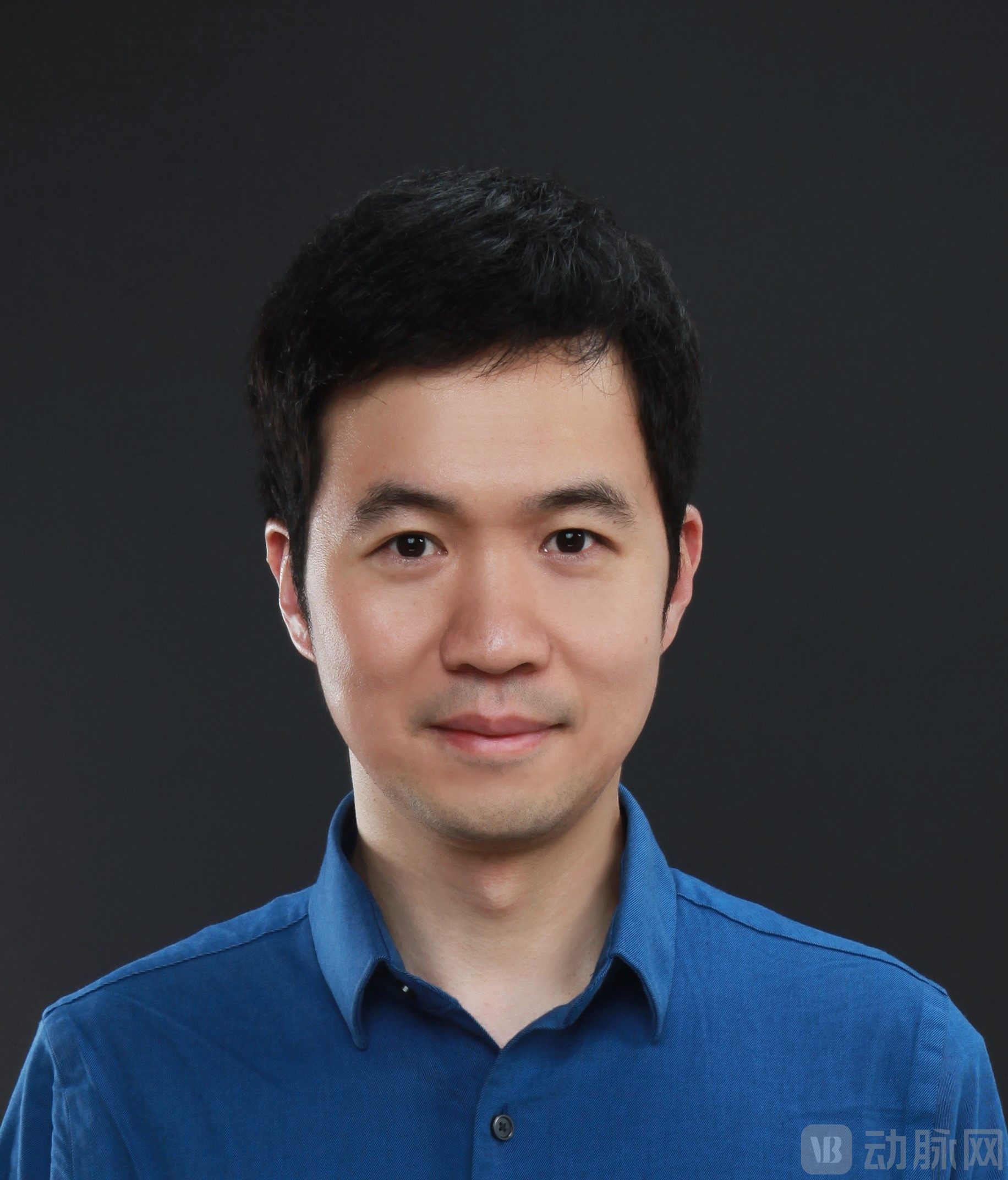
Gu Changzhan, Chairman and Chief Scientist of Xikali, Associate Professor at Shanghai Jiao Tong University, core member of the State Key Laboratory of Radio Frequency Heterogeneous Integration and the Key Laboratory of Artificial Intelligence Education. He has presided over or participated as a key researcher in more than 10 national, provincial, and ministerial-level projects, including those funded by the National Natural Science Foundation of China and the National Key R&D Program, as well as collaborative projects with key enterprises.
As early as 2007, he had already begun researching bio-radar, becoming one of the pioneers in this field in China. Before returning to China in 2019, Professor Gu Changzhan worked at Google’s headquarters in Silicon Valley, where, as a key technical contributor, he participated in research on millimeter-wave radar gesture interaction technology at Google ATAP and led the design of the radar module for the Google Pixel 4 smartphone.As the Head of RF Technology, Professor Gu participated in the development of the world’s first consumer-grade millimeter-wave radar chip and the world’s first consumer hardware product integrating millimeter-wave sensing technology.
Through his deep involvement in the project, he came to realize that China possesses the most comprehensive consumer hardware product supply chain system in the world. This realization motivated him, with his extensive research and industrial experience in consumer-grade millimeter-wave technology, to return to China. In 2019, he joined Shanghai Jiao Tong University. The subsequent outbreak of the pandemic shifted societal perspectives on disease and health, which also influenced his entrepreneurial decisions to some extent. In 2022, Xikali was established.
During preliminary industry research, the Xikali team identified a core issue: the unsuitability of existing millimeter-wave radar chips for medical applications. The vast majority of such chips are designed for automotive scenarios, and most products are based on chip manufacturers’ reference designs, resulting in significant homogenization. In contrast, Xikali seeks to achieve product customization at the foundational level to acquire more valuable medical-grade data, thereby establishing its competitive moat from the data perspective.
On the one hand, Professor Gu Changzhan’s professional experience at global technology giants has played a role.Domestic research teams specializing in radar largely focus on signal processing, relying on outsourced partnerships or directly procuring commercial turnkey solutions based on radar chips. In contrast, Professor Gu Changzhan’s research expertise lies in RF systems. He participated in RF chip development at leading semiconductor companies such as Marvell and, during his tenure at Google, served as the head of RF systems, helping to define the world’s first consumer-grade radar chip. Through this work, he has accumulated substantial know-how in the hardware fundamentals of radar systems.
On the other hand, the Xikali team relies on the State Key Laboratory of Radio-Frequency Heterogeneous Integration, led by Academician Mao Junfa., focusing on the research transition from “integrated circuits” to “integrated systems” in the post-Moore era, and exploring the use of heterogeneous integration technology routes to enhance the performance of millimeter-wave chips.
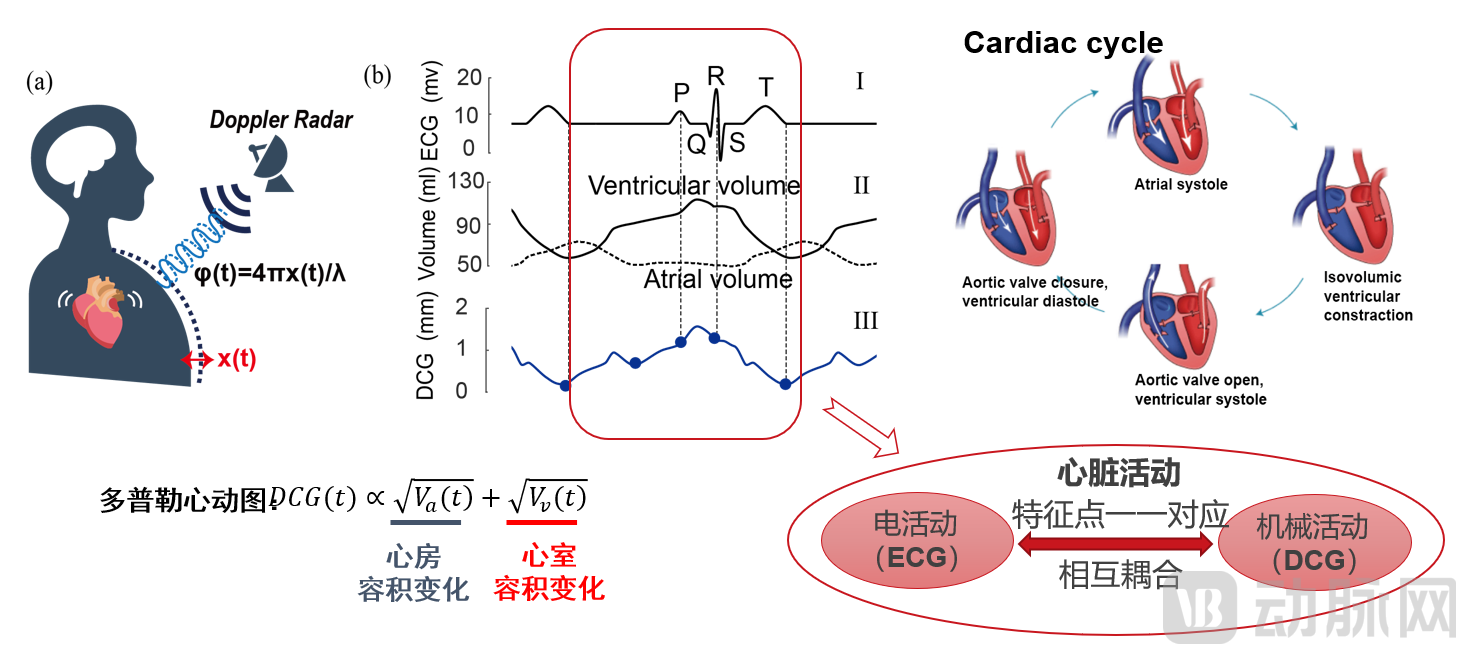
Building on this foundation, the Hicali team independently developed key components such as full-duplex antennas, antenna-in-package (AiP) chips, and DC-coupled intermediate frequency amplifiers. In collaboration with strategic partners, they customized the development of a high-performance, low-cost biological radar system-on-chip (SoC), upon which they developed customized vital signs detection algorithms.The Xikali team has pioneered an alternative approach by achieving technological breakthroughs at the foundational level of radar hardware, thereby acquiring high-fidelity vital sign signals and laying the groundwork for the advancement of biomedical radar toward medical-grade applications. Building on this breakthrough, the team has enabled the detection of critical medical-grade parameters, such as respiratory phase information and cardiac Doppler echocardiograms, further enhancing product performance. Furthermore, through their fully self-developed, full-stack software-hardware integrated biological radar system, Xikali has successfully reduced overall hardware costs.
Recently, in recognition of Professor Gu Changzhan’s outstanding contributions and significant influence in the field of biomedical radar research, the IEEE Engineering in Medicine and Biology Society (EMBS) specially invited him to collaborate with physicians from Shanghai General Hospital affiliated with Shanghai Jiao Tong University School of Medicine, the International Peace Maternity and Child Health Hospital, Ruijin Hospital, and other institutions. Together, they published an invited review article titled “A Review on Recent Advancements of Biomedical Radar for Clinical Applications” in IEEE Open Journal of Engineering in Medicine and Biology, a prestigious academic journal in the biomedical field. The paper summarizes recent breakthroughs in miniaturization, sensitivity, signal processing, and machine learning within the biomedical radar domain, as well as future development trends in clinical diagnosis, elderly care, and healthcare services, garnering widespread attention from the industry.
To realize the application of science and technology in the medical field, the integration of medicine and engineering is indispensable.
Leveraging the abundant resources of Shanghai Jiao Tong University’s affiliated hospitals,The Xikali team has established technical collaborations with multiple renowned Grade A tertiary hospitals in Shanghai, accumulating over 5,000 hours of extensive clinical data. The stability and reliability of this data have been doubly validated through both laboratory testing and hospital-based clinical verification.It is worth noting that Shanghai Jiao Tong University has established an internal fund for interdisciplinary research in medicine and engineering to support the implementation of technologies in healthcare settings. The fund applications are led by clinicians from the Shanghai Jiao Tong University School of Medicine, ensuring that the needs originate from actual frontline clinical practice. Ranked first nationwide in clinical medicine, the School of Medicine boasts more than ten top-tier affiliated hospitals, thereby facilitating the rapid conduct of clinical research.
Currently,The Hikari team collaborates with various hospitals and departments based on specific needs, with cooperation areas including sleep monitoring, vital signs detection, cardiovascular disease screening, and infant and child monitoring.For example, with the support of the Key Project of the Medical-Engineering Interdisciplinary Research Fund at Shanghai Jiao Tong University, in collaboration with the International Peace Maternity and Child Health Hospital affiliated with Shanghai Jiao Tong University School of Medicine, they addressed the challenge of intermittent hypoxia in preterm infants by proposing a bio-radar-based apnea detection method, andAI-Powered Intelligent Detection of Neonatal Apnea Based on Large Clinical Data Models, currently collaborating with a well-known brand of infant incubators to facilitate the commercialization of medical devices; for cardiovascular diseases, it is partnering with Ruijin Hospital and the Sixth People's Hospital, both affiliated with Shanghai Jiao Tong University School of Medicine, focusing on Doppler echocardiography in clinical settings, currentlySuccessfully identified various cardiovascular diseases, including atrial fibrillation, in outpatient triage using millimeter-wave Doppler echocardiography technology; its collaboration with Ruijin Hospital was selected for the Top 30 list of the SAIL Awards at the 2023 World Artificial Intelligence Conference, andWon the First Prize in the Medical Artificial Intelligence Theme Competition of the 1st National Digital Health Innovation Application Contest, hosted by the National Health Commission.
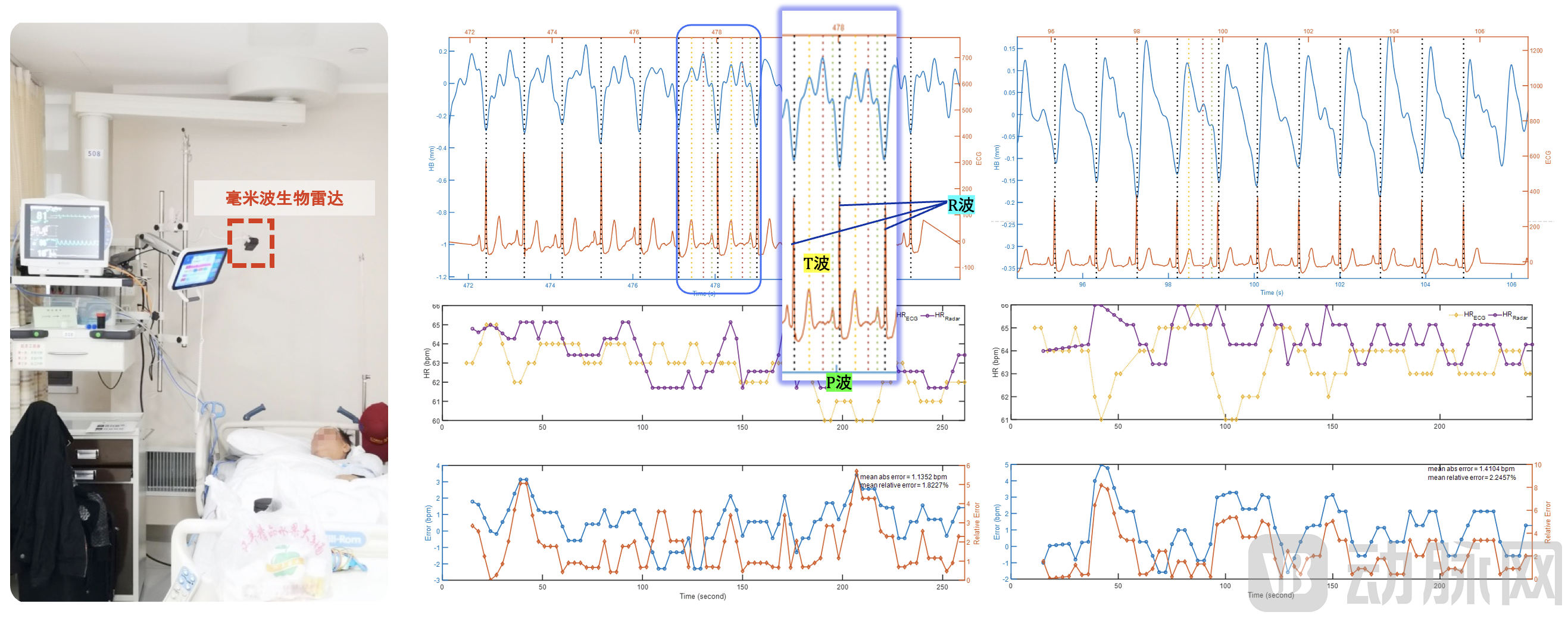
Data Validation in the Cardiac Care Unit of a Grade A Tertiary Hospital in Shanghai. As shown in the figure, the cardiac rhythm waveform can be accurately extracted from the radar waveform, demonstrating high consistency with the reference electrocardiogram in terms of both waveform cycle and details.
Leveraging collaborations with Grade A tertiary hospitals, and empowered by extensive real-world clinical cases, large volumes of medical gold-standard data, and substantial physician input for AI model training,Xikali has achieved two major breakthroughs: first, at the data layer, its biological radar can collect more accurate cardiopulmonary data; second, at the application layer, leveraging accumulated disease algorithms, its AI brain can provide precise early warnings for diseases.
From the data layer perspective,The Hicali team recently proposed a novel vector demodulation algorithm, VAD, which addresses the issues of IQ mismatch and time-varying DC offset in existing algorithms. This enablesBiological radar can effectively collect and analyze data even in extreme scenarios, ensuring the quality of input information for the disease analysis brain.In tests conducted at a top-tier (Grade A tertiary) hospital in Shanghai, the experiment involved five subjects of different genders, body types, and cardiac conditions. The results demonstrated that the new demodulation algorithm could more accurately measure heart timing information, thereby enabling more precise calculation of R-R and R-T intervals, with average accuracies reaching 97% and 93%, respectively. These findings have recently been published in IEEE Transactions on Microwave Theory and Techniques, a leading academic journal in the field of microwaves, and two invention patents have been filed. This signifies that Xikali’s millimeter-wave biological radar can stably and accurately detect cardiac health data even under non-ideal conditions.
At the application layer, Xikali has recently updated and iterated on two algorithms: "Sleep Apnea Detection" and "Cardiac Disease Screening."
The assessment of sleep apnea is itself based on multidimensional parameters, including respiratory rate, amplitude, and phase during sleep. In experiments conducted at tertiary hospitals, Xikali has completed three major upgrades to its AI model:
1) Accurately detects sleep apnea in various sleeping positions (prone, supine, and lateral);
2) It can accurately monitor three types of apnea patterns: OSA (obstructive), CSA (central), and hypopnea;
3) Accurate detection of sleep apnea is achievable across different sleep stages, including deep sleep, light sleep, and REM sleep, despite variations in sleep patterns.
Experimental measurements showed that the accuracy of the respiratory rate interval (RRI), inspiratory duration (ID), and expiratory duration (ED) measured by the team's bio-radar reached 97%, 93%, and 92%, respectively, whichIt provides an accurate and convenient monitoring method for home-based sleep apnea, indicating its potential to become part of the future Medical Internet of Things (MIoT). Additionally, research has identified a novel approach to assisting sleep stage classification using respiratory information, thereby enhancing the accuracy of sleep staging derived from millimeter-wave biological radar outputs.
In the realm of cardiac disease screening, studies have demonstrated that reduced R-R interval variability serves as an early predictive marker for conditions such as congestive heart failure, left ventricular dysfunction, coronary artery disease, and diabetic neuropathy. Furthermore, long-term monitoring of R-R intervals can be utilized for post-disease prognosis assessment, including the surveillance of recurrent events in survivors of acute myocardial infarction.
In the electrocardiogram (ECG) testing room of a Grade A tertiary hospital in Shanghai, Xikali simultaneously deployed a bio-radar system, which accurately collected R-R and R-T interval data from 60 patients. This data was fed into a cardiac disease diagnostic model, which successfully identified four types of heart conditions—atrial fibrillation, premature atrial contractions, sinus tachycardia, and sinus bradycardia—with results consistent with those derived from ECG analysis.This breakthrough holds significant implications for the long-term management of heart disease, enabling early screening and prognostic monitoring of cardiovascular diseases in a comfortable and unobtrusive manner.
Currently, the Xikali team continues to expand its collaborations with hospitals, further integrating millimeter-wave biological radar into medical diagnostics. As this technology advances, we believe that companies like Xikali will introduce fundamentally new diagnostic approaches to the healthcare industry, propelling it toward an era of non-intrusive, precision diagnostics.