

Innovating Elderly Care Models Amid Rising Global Burden of Geriatric Mental and Cognitive Disorders
Dementia (Alzheimer’s Disease and Related Dementias) is a progressive neurodegenerative disorder of the central nervous system, with primary symptoms including memory decline, cognitive impairment, and deterioration of behavioral abilities. In recent years, the prevalence of dementia in China has been rising year by year. Studies show that the number of individuals aged 60 and above living with dementia in China has reached 15.07 million, accounting for 25.5% of the global total; among these, the number of patients with Alzheimer’s disease has reached 9.83 million.
The situation is undoubtedly very severe.
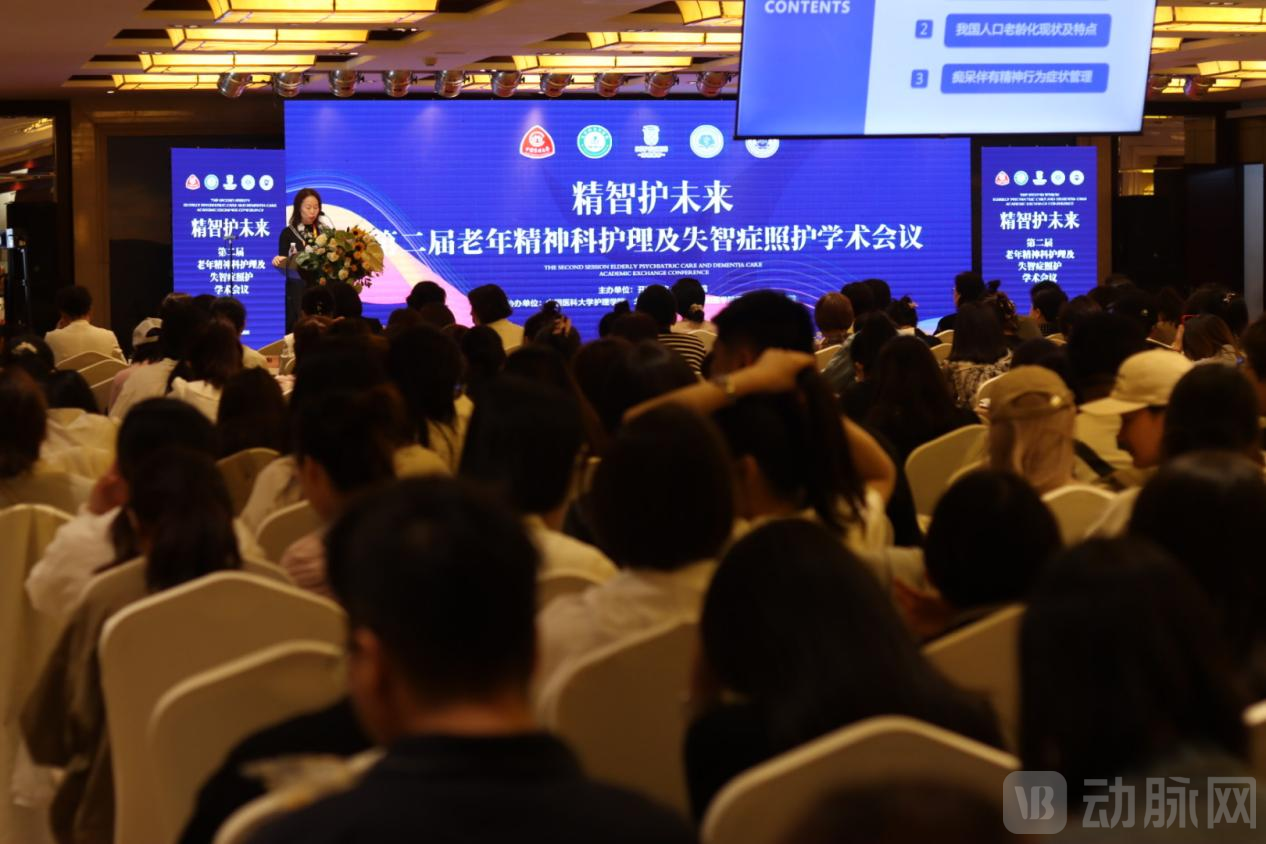
Amidst the growing demand for services driven by an increasingly aging population, a severe shortage of medical resources, and a challenging market landscape, some healthcare institutions have defied the trend by pioneering new approaches in medical services, particularly in the care of elderly patients with cognitive and mental disorders. At the “2nd Academic Exchange Conference on Geriatric Psychiatric Nursing and Dementia Care,” hosted by Kaixin Medical’s Shenyang Jing’an Hospital and co-organized by Beijing Huilongguan Hospital and the Nursing Home of China Medical University, discussions centered on how to deliver high-quality nursing care for elderly patients.
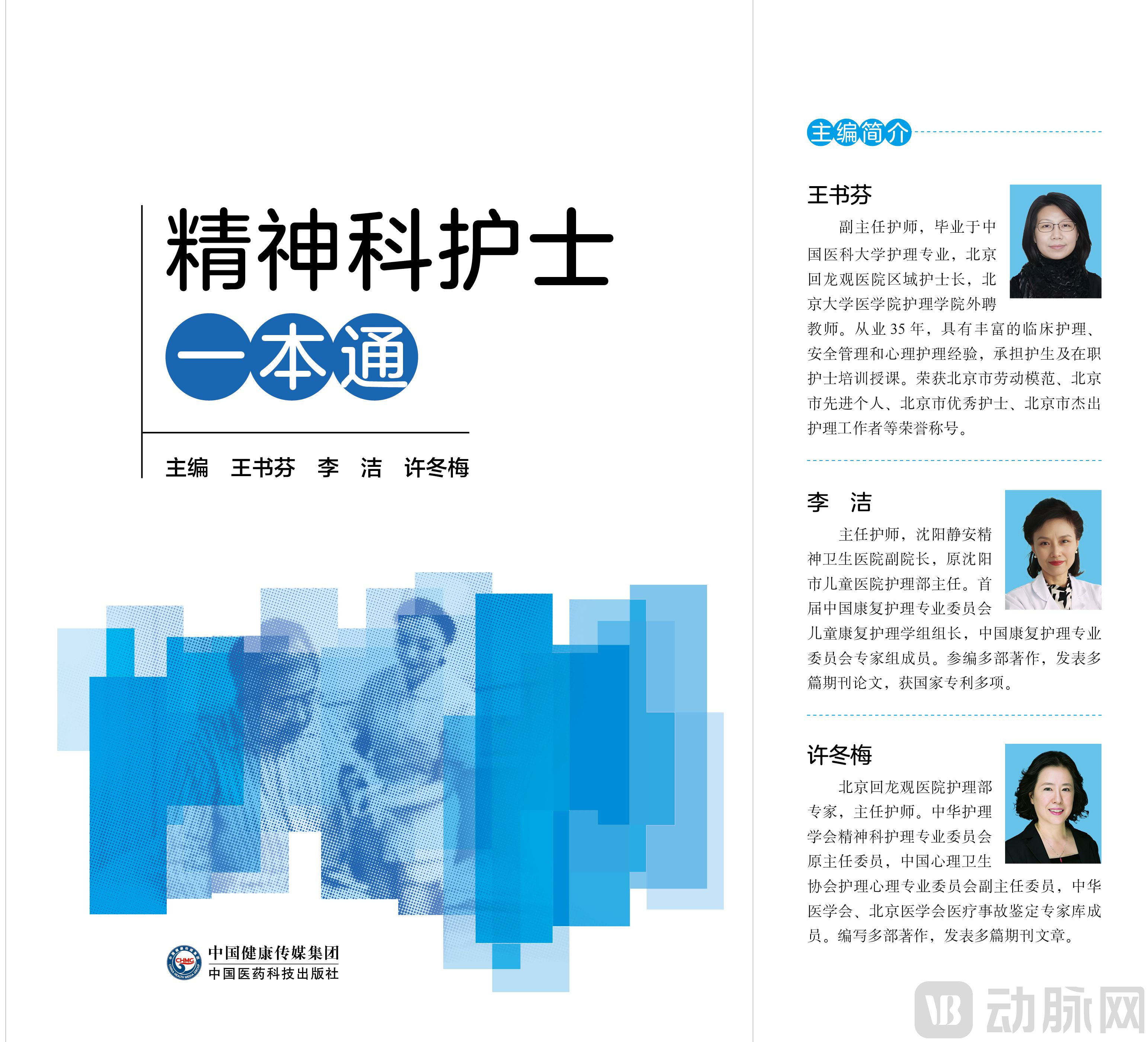
It is worth noting that the latest 2024 edition of A Comprehensive Guide for Psychiatric Nurses was also released at this conference. The book was edited by Wang Shufen, Regional Head Nurse at Beijing Huilongguan Hospital; Li Jie, Deputy Director of Kaixin Medical·Shenyang Jing’an Hospital; and Xu Dongmei, Nursing Department Expert at Beijing Huilongguan Hospital, among others, and was jointly compiled by experts from multiple specialized mental health institutions and psychiatric nursing teams across China. As a professional reference for psychiatric nursing, the book is structured around core competencies in psychiatric nursing, grounded in nursing theory, and organized according to psychiatric nursing tasks. It is suitable for psychiatric nursing practitioners and managers, as well as community and family caregivers providing patient care.
Currently, while there is strong demand for daily living assistance and medical care among the elderly population, numerous challenges persist, including a weak foundation for eldercare services, a shortage of geriatric specialists and nursing staff, and inconsistent levels of caregiving expertise. The convening of this conference is dedicated to enhancing the overall capacity and quality of elderly care, and to better addressing current societal challenges through distinctive, innovative models.
From a national perspective, China recognized early on that healthy aging is a strategic, cost-effective approach to addressing population aging. The country aims to achieve this goal by promoting health across the entire life cycle for the aging population (shifting the focus of elderly health interventions to middle-aged and younger adults and implementing chronic disease management), ensuring health throughout the entire process (from prevention, treatment, and rehabilitation to palliative care), fostering holistic health (encompassing physical, mental, and social participation), and enhancing comprehensive health literacy (such as improving physical literacy to enable proactive health management).
Various medical institutions are conducting their own explorations in promoting healthy aging.
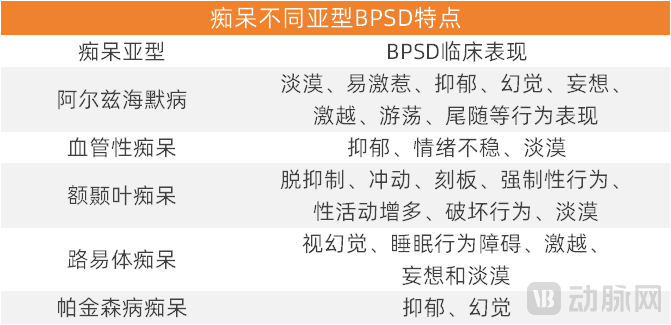
In theDementia with Behavioral and Psychological Symptoms of Dementia (BPSD)Following a comprehensive analysis from the perspectives of clinical manifestations, different subtypes, and etiology, Xu Dongmei, former Director of the Nursing Department and expert at Beijing Huilongguan Hospital, pointed out issues such as nursing staff’s insufficient experience in non-pharmacological management of Behavioral and Psychological Symptoms of Dementia (BPSD) and inadequate education for caregivers, andEmphasizing non-pharmacological management based on BPSD not only helps prevent and improve behavioral and psychological symptoms of dementia in patients, but also promotes the minimization of medication use, thereby reducing patient burden.
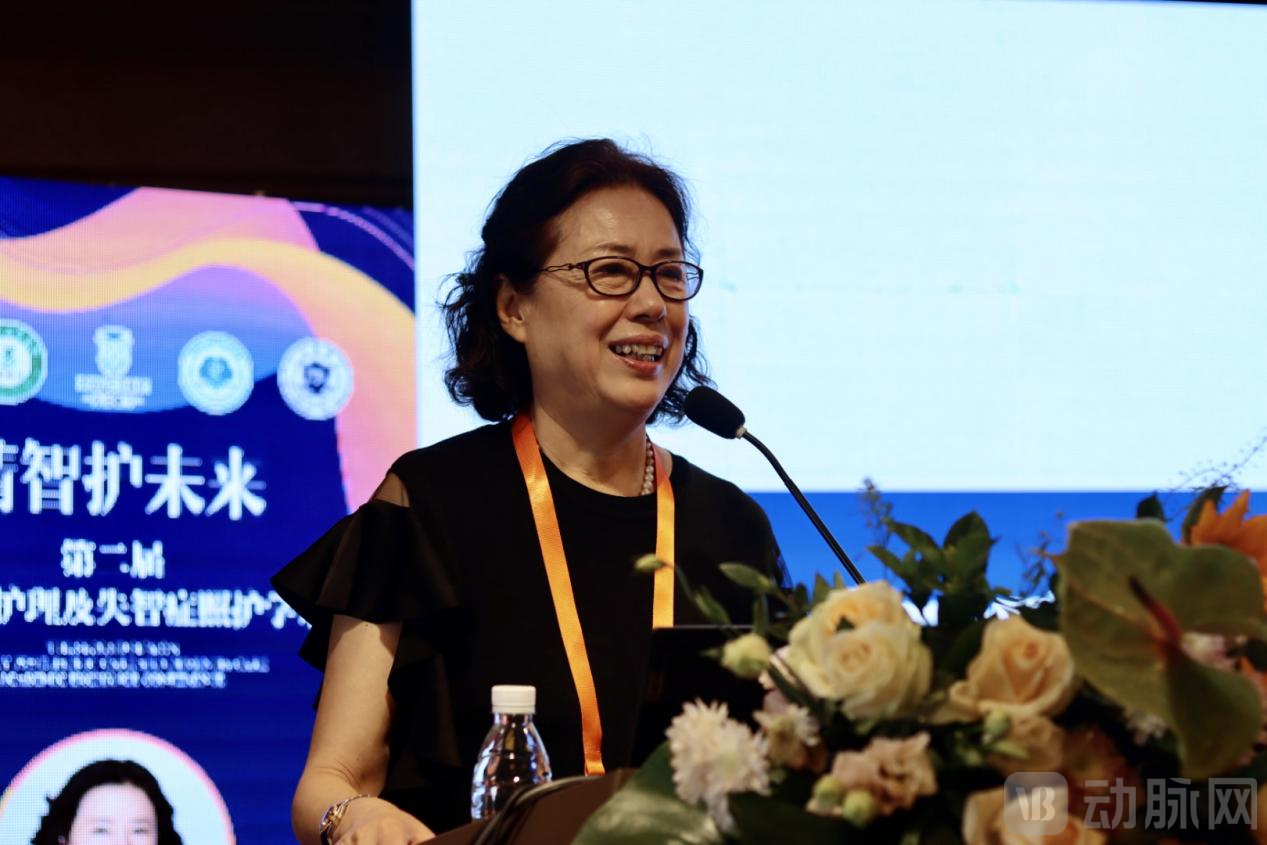
Xu Dongmei, Expert and Former Director of the Nursing Department at Beijing Huilongguan Hospital
The prevalence of chronic insomnia among the elderly population currently stands at 38.2%. In response toInsomnia and daytime sleepiness in elderly patients, Shao Jing, Director of the Nursing Department at Beijing Huilongguan Hospital, stated that in the treatment of patients with insomnia, in addition to pharmacological therapy, options include Cognitive Behavioral Therapy for Insomnia (CBT-I), physical therapies (such as Transcranial Magnetic Stimulation [TMS], Cranial Electrotherapy Stimulation [CES], EEG biofeedback, light therapy, and music therapy), rehabilitative Traditional Chinese Medicine therapies, and exercise therapy. For nursing staff, in the clinical management of sleep problems among elderly patients,It is essential to assess patients’ sleep disorders based on both subjective and objective evaluations, create favorable sleep conditions for patients, and correctly administer hypnotic medications to help them reestablish quality sleep patterns.
Elderly patients may also present with a variety of psychiatric disorders.33.1% of individuals aged 60 and older currently exhibit depressive symptoms.Elderly patients with depression exhibit high suicide rates, low recognition rates, and low consultation rates. The comorbidity rate of depression and anxiety disorders is as high as 78.5%. Furthermore, elderly patients with anxiety and depression often present with somatic symptoms or cognitive impairment. Li Xia, Head Nurse of the Geriatrics Department at Peking University Sixth Hospital, pointed out that when managing elderly patients with anxiety and depression, in addition to conducting reasonable and effective daily risk assessments,During nursing care, it is essential to strengthen the management of critical processes, implement protective restraints when necessary, provide psychological support, and carry out diverse rehabilitation activities to promote patient recovery.
Can other developed countries offer more valuable insights for the care of elderly individuals with dementia?
How to achieve “meaningful care” in the care of patients with dementia is the topic explored by Professor Liu Yu, a professor at the School of Nursing, China Medical University. She emphasized that,Care for elderly individuals with dementia should not focus solely on improving their cognitive function and quality of life; it must also take into account caregivers’ burden, emotional well-being, physical health, economic costs, and quality of life.The activities listed by the Alzheimer's Association of Australia for elderly people with dementia, however,Prioritize the patient’s individualized characteristics and integrate them with their daily lifestyle habits., such as walking, cleaning, and planting in daily activities; sensory activities such as color sorting, finger painting, and knot tying; and personal care such as hand massage and nail trimming. In addition, horticultural therapy, particularly participatory horticultural therapy compared to appreciative horticultural therapy, can provide greater benefits for patients.
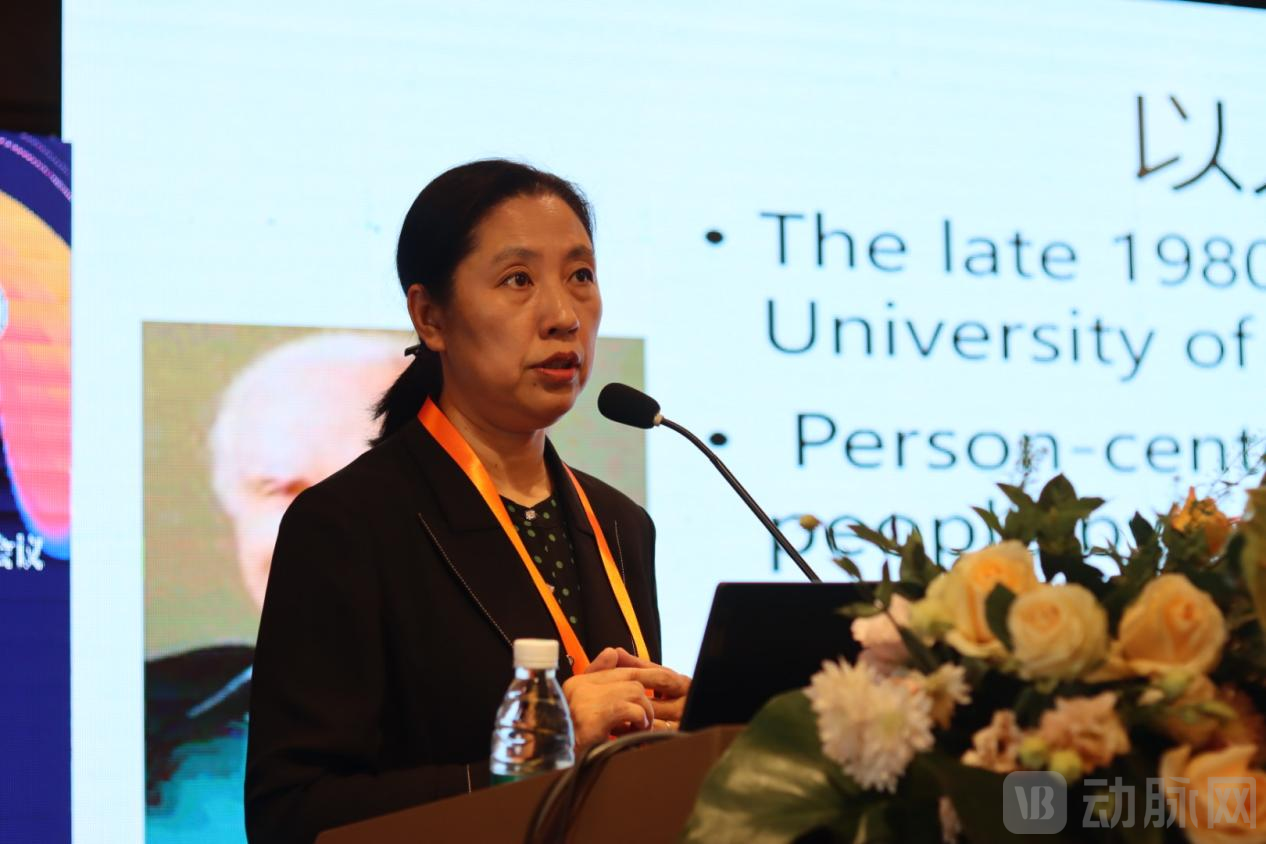
Professor Liu Yu, School of Nursing, China Medical University
Is rehabilitation necessary for patients who have already developed Alzheimer’s disease? Today, the answer is undoubtedly yes. However, Professor Yu Fang, a Fellow of the American Geriatrics Society and a Member of the American Academy of Nursing, has pointed out that, at that time, U.S. Medicare did not provide coverage for rehabilitative therapy for Alzheimer’s patients due to a lack of supporting data. One of her studies demonstrated the impact of exercise on cognition—Standardized and personalized exercise interventions can effectively delay the progression of cognitive decline in patients with cognitive impairment.
Domestic and international explorations have undoubtedly advanced care nursing to some extent. However, challenges persist. In hospital settings, how to better address the fragmentation and discontinuity of services remains an enduring focus of discussion.
As early as 2017, the WHO’s “Global Action Plan on Dementia” proposed avoiding fragmentation of services and enhancing the continuity of dementia prevention and care. The integrated care model thus emerged.
The so-called integrated care model actually encompasses two core elements—First, integrate care resources required by the elderly to achieve seamless coordination among different service providers, thereby eliminating fragmented and siloed services. Second, address the personalized needs of the elderly throughout the entire service process by providing comprehensive services, including daily living assistance, medical healthcare, rehabilitation nursing, and health promotion.
It may seem easy, but its implementation requires healthcare institutions to possess considerable strength—
At the macro level, system integration must be achieved by combining health system services with social care services to provide continuous care for the entire population;
At the meso level, organizational and professional integration is required to establish joint governance mechanisms across organizations and build interprofessional collaborative partnerships based on shared capabilities, responsibilities, and other factors;
At the micro level, clinical integration must be achieved to meet diverse individual needs, enabling patients, caregivers, and family members to jointly participate in care decision-making and coordination.
Furthermore, greater emphasis must be placed on the integration of digital systems during clinical integration, while standardized integration across the entire service process requires heightened attention throughout the full continuum of care.
These aforementioned constraints have, to some extent, hindered the implementation of integrated care services in China. In the process of implementation, some institutions have placed greater emphasis on providing continuous care within hospitals while neglecting out-of-hospital service needs. Building on insights gained from studying Japan’s Tokushukai (the largest medical group in Japan and the third-largest globally), Seiwakai, and the University of Bradford in the UK, Kaixin Medical’s Shenyang Jing’an Hospital has innovatively proposed an “Integrated Care Model” pathway that incorporates the HSH model.
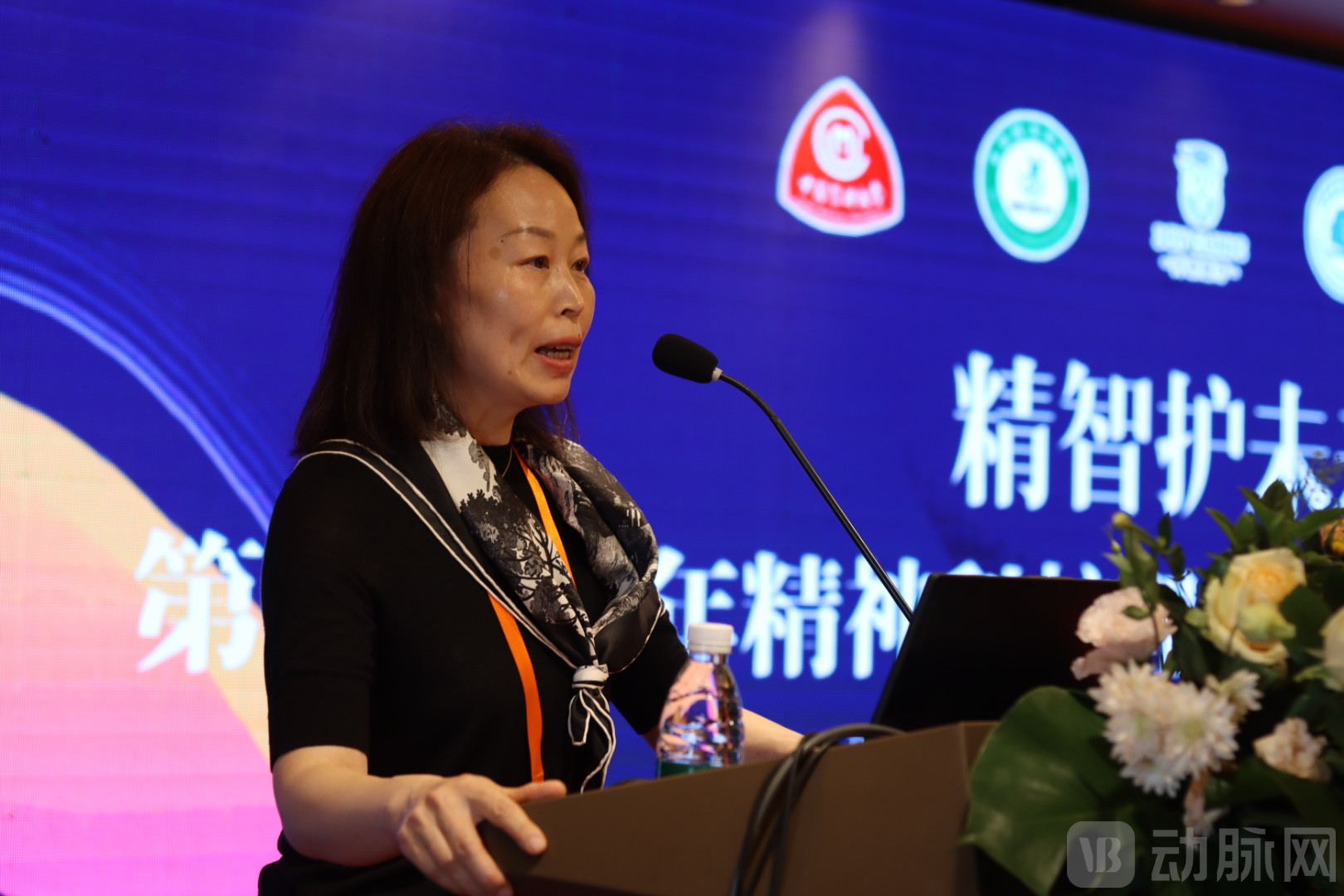
Cao Li, CEO of Kaixin Medical
It is reported that the company has established more than 300 community-based internet clinics in Liaoning Province, reaching a population of up to 5 million. Leveraging capabilities such as AI-assisted diagnosis, it has standardized services and reduced costs, thereby further benefiting patients by enabling early detection and treatment. Cao Li, CEO of Kaixin Medical, also pointed out that Shenyang Jing’an Hospital is currently accelerating the adoption of an integrated innovation model incorporating the HSH framework, to the benefit of patients and their families—
From the perspective of system design, project integration and innovative top-level planning have enabled the effective consolidation of medical, elderly care, rehabilitation, nursing, and palliative care resources within the region.Such initiatives include joining the Specialty Nursing Case Management Alliance and collaborating with the School of Nursing at China Medical University to develop key clinical nursing disciplines, thereby further enhancing the hospital’s medical service capabilities.
From the perspective of delivering continuous care, patients may undergo the entire process from in-hospital to out-of-hospital settings.To better facilitate the provision of continuous care, a Hospital-Community-Home (HSH) model has been established. In this process, to optimize service delivery, a project manager system is adopted, with the position of Senior Nurse Manager created to coordinate professional hospital consultations, communication with family members, and post-discharge follow-up.
From the perspective of the service itself, the adoption of a multidisciplinary consultation model has further improved service accessibility.Upon a patient’s initial admission to the hospital, medical experts, nutrition specialists, rehabilitation therapists, and international wound and ostomy care nurses conduct comprehensive consultations to develop personalized care plans. Specialist nurses provide non-pharmacological “4+1” interventions for elderly patients with dementia, encompassing cognitive stimulation, exercise training, activities of daily living (ADL) training, social interaction, and self-directed training. Leveraging more than 20 invention patents held by the hospital—including “a demonstration and monitoring device for rehabilitation training of daily living skills in individuals with cognitive impairment” and “a hand-brain functional training system for cognitive impairment”—the facility ensures enhanced service delivery.
Technological and therapeutic innovations are continuously transforming the delivery of healthcare services.For example, the hospital delivers integrated medical and elderly care services through intelligent device technologies. Leveraging a smart health cloud service platform and deploying sensors, smart wristbands, and other devices, it enables health monitoring for older adults, along with real-time dynamic surveillance and instant alerts. The platform and its smart management system are used to meet patients’ individualized needs. Intelligent robots have been introduced to strengthen patient education and support rehabilitation, among other functions. In addition, the hospital collaborates with multiple research institutions to conduct scientific research on novel therapies for mental disorders, gradually establishing a professional database based on genetic, gut microbiome, and clinical phenotype studies that is shared with the academic community.
An integrated care model based on the HSH framework, combined with innovative technologies and therapies, may offer a promising solution to the current challenges in caregiving.
According to relevant data, it took France 115 years, Sweden 80 years, the United Kingdom 50 years, and Germany 45 years to enter an aging society.
In contrast, China took only 27 years.
China’s population aging is characterized not only by its rapid pace but also by its large scale (a vast elderly population) and heavy burden (with over 40 million people who are disabled or partially disabled).
Currently, a comprehensive societal framework for adapting to population aging has yet to be fully established, and the situation is undoubtedly quite severe.
At present, it is even more critical for industry practitioners to engage in innovative exploration. By applying innovative technologies, concepts, and models, we can better deliver elderly care services, including those for dementia patients. This approach not only further meets the personalized needs of patients but also liberates healthcare professionals from burdensome and complex tasks, thereby creating greater value for an aging society. In this process, healthcare institutions that create value will undoubtedly receive positive feedback from society while providing services to patients.