

BD Boom and Sustained Innovation Cycle: Where Is the Nucleic Acid Therapeutics Industry Headed?
On May 9, the “8th Future Medical Ecology Exhibition” witnessed a climax in discussions on innovative drugs. In the morning, the RNA Therapeutics Forum, co-hosted by VCBeat New Medicine and Xingcheng Biotech with support from Panlin Capital and Fuxian Capital, convened under the theme “Collective Milestones in RNA: Moving Forward.” The sub-forum brought together stakeholders from industry, academia, research, and investment to further promote exchange and collaboration between pharmaceutical companies, CDMO service providers, and suppliers, while delving into R&D strategies, financing trends, and the business development boom in RNA therapeutics.
Over the past five years, the RNA sector has witnessed the rise of mRNA vaccines, the market launch of oligonucleotide therapies, and explosive growth in business development (BD) deals. It has also faced a reshaping of the commercial logic for mRNA therapeutics, along with new dynamics and explorations in cross-disciplinary applications. Undeniably, RNA therapeutics—highly promising yet fraught with challenges—has long become a major therapeutic area that cannot be ignored.
As innovative enterprises are swept toward two distinctly different paths, steadfast commitment to innovation and collaborative progress remain the enduring foundation of the industry chain. Though approaches differ, the destination may be the same: Has the moment arrived to transcend market cycles? VBInsight has curated highlights from the RNA Therapeutics Sub-forum, aiming to provide the industry with fresh insights and perspectives.
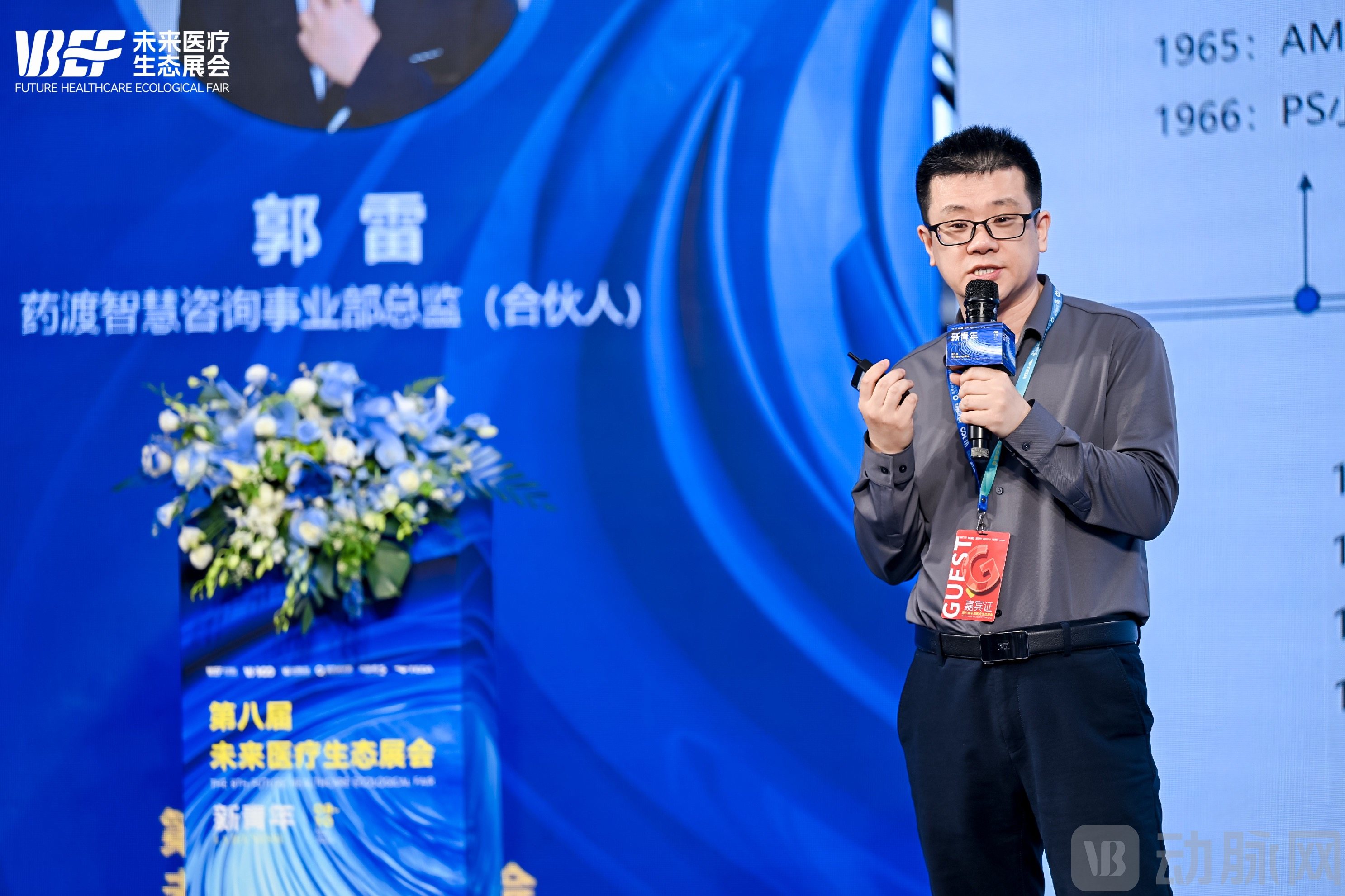 Guo Lei, Director (Partner) of the PharmaDJ Smart Consulting Division, Delivers Keynote Speech on “Key Milestones in RNA Drug Development and Future Prospects”
Over the past two years, nucleic acid therapeutics have expanded from niche areas into broader therapeutic fields. With the successive market approvals of small nucleic acid drugs, there is a growing consensus that chronic diseases represent a viable development pathway. For instance, domestic antisense oligonucleotide (ASO) pipelines have shifted their focus beyond rare diseases to target hepatitis B, oncology, and common chronic conditions; meanwhile, representative domestic small interfering RNA (siRNA) products are primarily focused on hepatitis B and cardiovascular diseases.
Since 2023, the number of business development (BD) deals has surged significantly, with more than 30 transactions globally, primarily focusing on rare diseases. From 2021 to 2024, we have also observed a rapid increase in the participation of Chinese companies in BD deals, while the focal point within specific sectors has shifted from mRNA to small nucleic acid therapeutics. Once this field truly crosses the threshold beyond rare diseases and enters the large market for common chronic conditions, the nucleic acid drug market will experience substantial growth.
In the mRNA field, it is not easy to replace traditional infectious disease vaccines—which have a long-established track record of protective efficacy—with mRNA vaccines, and such a transition is unlikely to be achieved in the short term. From a commercial perspective, mRNA vaccines may find greater opportunities in oncology. They can be paired with AI-assisted technologies for neoantigen screening and are capable of encoding dozens of neoantigens, thereby effectively preventing tumor escape. When combined with immune checkpoint inhibitors, such as PD-1 antibodies, they enable comprehensive combination therapies.
On one hand, nucleic acid therapeutics are gradually entering the relatively common field of chronic diseases, aiming to capture market share with more affordable pricing. On the other hand, domestic innovative pharmaceutical companies have already participated in global market competition. An analysis of global pipelines reveals that many foreign biotech firms still focus primarily on rare diseases, driven by favorable policies, market demand, higher success rates, and better cost-effectiveness, resulting in relatively less involvement in the chronic disease sector. From this perspective, while developing rare disease therapies in China faces numerous challenges, there is a greater willingness to target common chronic diseases. By leveraging their engineering advantages and dividends, Chinese companies may soon gain a competitive edge in the chronic disease sector, enabling more products to expand overseas in the future.
On a broader scale, while China accounts for one-third of the global R&D efforts in cell therapies and antibody drugs, its share in nucleic acid drug development is notably small. This indicates that domestic companies entered the field relatively late and are currently in the early stages of development, suggesting that significant opportunities may lie ahead. Chinese biotech firms are moving forward somewhat prematurely; at this juncture, what is needed is the convergence of exceptional talent (“Qianlima”) and discerning supporters (“Bole”). These supporters could be investment institutions or large multinational corporations (MNCs) from abroad.
Looking back at a century of pharmaceutical development, the earliest biopharmaceuticals were vaccines. The first vaccines consisted of whole organisms—whether inactivated viruses or bacteria—followed by recombinant proteins, and then nucleic acid therapeutics. In essence, we have been moving backward along the central dogma, arriving now at nucleic acid drugs, which effectively bypasses the traditional approach of protein-based therapeutics.Regardless of the type of RNA-based therapeutic, the core mechanism lies in modulating protein expression, including inhibition, activation, and regulation. Nucleic acid therapeutics represent a new class of drugs that have advanced upon the foundation of protein-based therapeutics. With well-defined mechanisms of action, superior druggability, and higher clinical development success rates, they hold strong market prospects for the future.
Riding the Wind with “Novelty,” Breaking Waves with “Difference”: How Chinese-Made Small Nucleic Acid Drugs Are Leading the Third Wave of Modern Pharmaceutical Innovation
The first roundtable on RNA therapeutics focused on the hottest recent topic: business development (BD) milestones in the small nucleic acid sector. Key discussion points included how domestic innovative companies can build differentiated competitiveness, establish internationalization strategies, and form key BD partnerships with multinational corporations (MNCs). The session was moderated by Li Yuhui, Founding Managing Partner and Chairman of Panlin Capital. Panelists included Liang Zicai, Founder, Chairman, and CEO of Ribo Life Science; Ding Baoquan, Founder of Dina Yuansheng and Researcher/Doctoral Supervisor at the National Center for Nanoscience and Technology; and Wan Jinqiao, Chairman, General Manager, and Co-founder of Chengdu Xianyan Biotechnology.
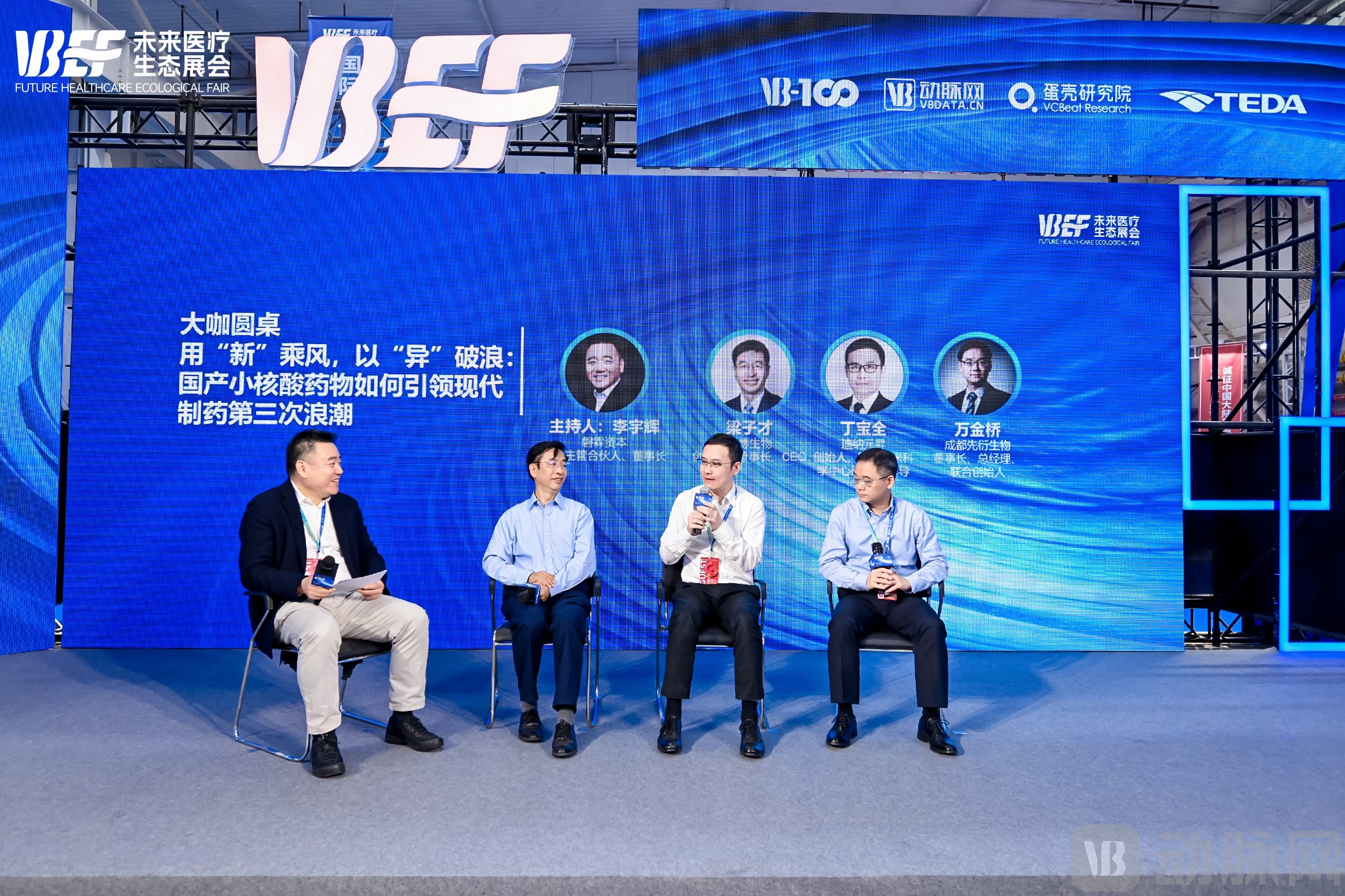
Li Yuhui, Founding Managing Partner and Chairman of Panlin CapitalIndicates:From an industrial perspective, the biopharmaceutical sector is already experiencing significant momentum, making it an optimal time for professional venture capital firms to intensify their strategic investments.Specifically, in the oligonucleotide industry, indigenous independent innovation is gradually bearing fruit, building upon existing international scientific achievements. In terms of technology, breakthroughs have been made in overcoming the bottlenecks of oligonucleotide drug delivery, which are expected to address the industry’s pain points in extrahepatic targeted delivery and unlock application potential. Furthermore, advancements in chemical modification technologies have significantly enhanced the stability of oligonucleotides and improved their targeting specificity.
In terms of indications, the successful approval of Inclisiran, the world’s first small nucleic acid drug for non-rare diseases, demonstrates the broad prospects of small nucleic acid therapies expanding from rare disease treatment to the management and prevention of major diseases. Domestic companies are accelerating their strategic layout in niche sectors such as cardiovascular and cerebrovascular diseases, metabolic disorders, and oncology, addressing significant unmet medical needs. Regarding commercialization, the accelerated global approval of small nucleic acid therapeutics has galvanized industry participation, prompting innovative pharmaceutical companies to expedite clinical development and leading large pharmaceutical enterprises such as Qilu Pharmaceutical and CSPC Pharmaceutical Group to enter the field. Notably, several major business development (BD) deals secured by domestic companies since the beginning of this year further underscore the international recognition of Chinese small nucleic acid enterprises.
Ding Baoquan, Founder of Dina Yuansheng and Researcher/Ph.D. Supervisor at the National Center for Nanoscience and TechnologyIndicates:Small nucleic acid therapeutics have been thoroughly validated from an industrial to a market perspective, offering a promising opportunity for China to achieve rapid advancement and overtake competitors on the global stage. Delivery systems targeting tissues beyond the liver represent a vast blue ocean in this field.Dina Yuansheng aims to achieve differentiation in its pipeline. In addition to employing traditional chemical conjugation technologies, the company has developed DNA nanocarriers with precisely controllable size and shape. Furthermore, we quantitatively modify targeting ligands at multiple sites on the surface of these nanocarriers to enhance localization and enrichment in target organs. Through this differentiated approach, we seek to identify niche opportunities or breakthroughs for treating indications beyond liver diseases.
Wan Jinqiao, Chairman, General Manager, and Co-founder of Chengdu Xianyan BiologyIndicating that advances in the field of nucleic acid therapeutics have expanded the druggable target space for innovative drugs, transformed disease treatment paradigms, and ushered in a new phase of clinical therapeutic exploration through ultra-long-acting drug delivery technologies.In the future, this field should be driven by patient needs to identify medicines and therapeutic approaches that deliver tangible benefits to patients.Xianyan Derivatives adopts a global perspective, “going out” through collaborative development while “bringing in” overseas best practices in academic research, disease understanding, and regulatory frameworks. This dual-pronged approach not only advances the field but also enhances the company’s core competitiveness.
Liang Zicai, Founder, Chairman, and CEO of Ribo Life ScienceIndicates:Given the diversity of druggable targets, the variety of delivery methods, and a favorable safety profile, the small nucleic acid industry boasts substantial room for differentiated innovation, making widespread hyper-competition within the sector unlikely.The number of druggable targets for siRNA far exceeds that for small-molecule and antibody drugs. Extrahepatic delivery approaches are more diverse than hepatic delivery methods, creating differentiation in delivery systems. The superior safety profile of oligonucleotide therapeutics further enables differentiation in combination therapies across a two-dimensional landscape. Through a global strategy, Ribo Life Science has been able to attract more talent, offset institutional limitations inherent in a single market, and achieve its transformation from an R&D-focused company to a commercialized enterprise.
Reshaping Business Logic and Cross-Disciplinary Applications: New Expectations for mRNA Therapies
The second roundtable discussion shifts its focus to another hot sector within RNA therapeutics: mRNA therapy. In recent years, mRNA vaccines have experienced a surge in popularity followed by a decline from their once-exalted status. In this post-pandemic era, how are mRNA startups undergoing transformation seeking new avenues for adjustment and upgraded growth? What emerging opportunities are arising in terms of business models and cross-disciplinary applications? The roundtable was moderated by Lin Guanyu, Executive General Manager of Fuxian Capital. Participants included Shan Yongqiang, General Manager of the Global Innovation Center at Henlius; Wang Xiao, CEO of Pharmaron; Zhang Yi, Vice President of Comedix; and Liu Xiao, Vice President of Business and Marketing at Xingcheng Bio.
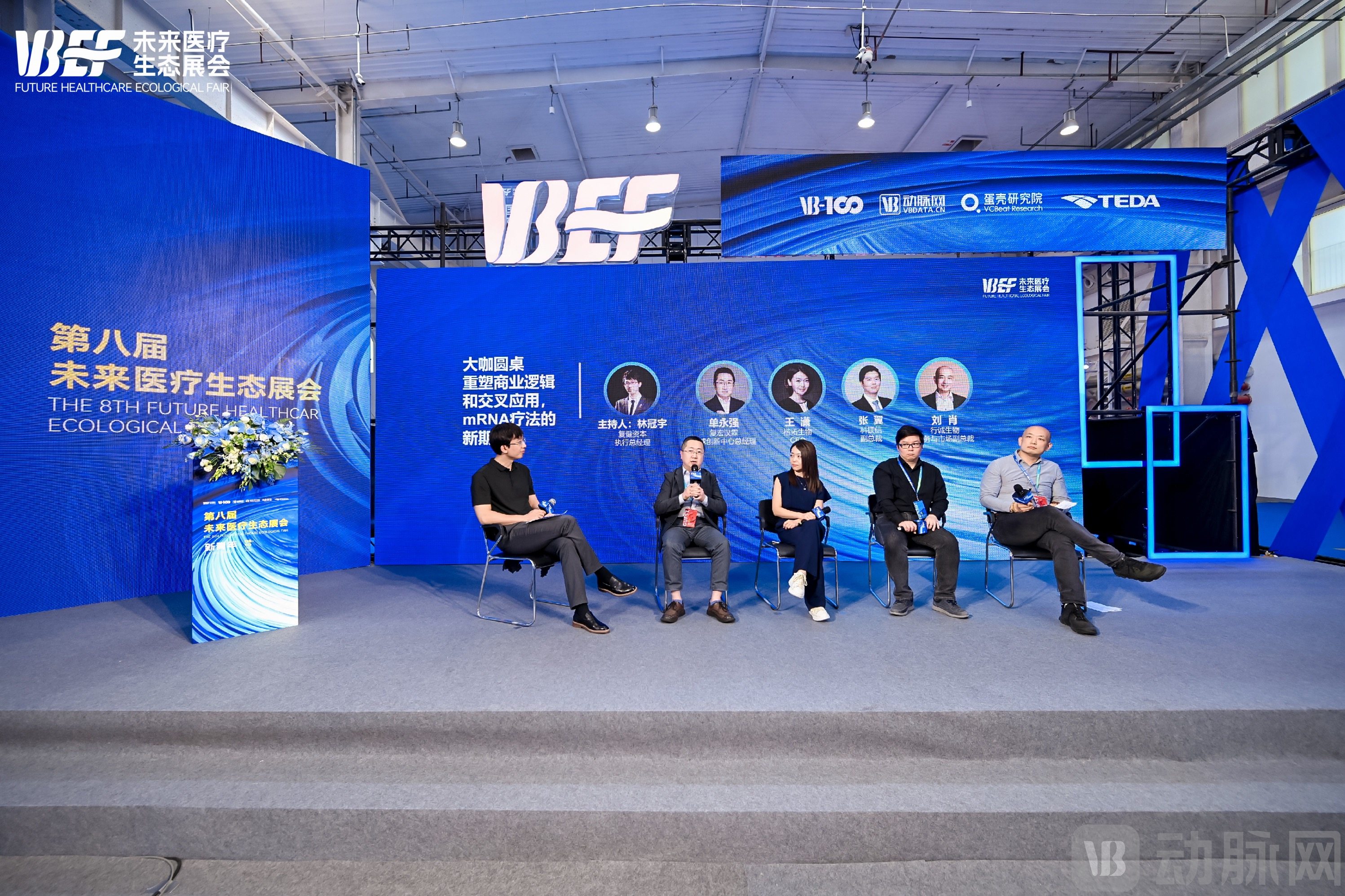
Shan Yongqiang, General Manager of Henlius Global Innovation CenterIn the past few years, mRNA vaccines have accelerated the development of mRNA as a therapeutic modality. However, the targeted delivery of mRNA remains an unresolved challenge, limiting its broader application. Yet, just as siRNA sparked the third wave of new drug development after overcoming its delivery hurdles, I am highly optimistic that mRNA could usher in the fourth wave of new drug development in the near future, once key issues such as targeted delivery are effectively addressed.
Henlius is a biopharmaceutical company primarily focused on antibody and ADC products. We consider mRNA to be a potential iterative direction and game changer for antibody and protein therapeutics, capable of accelerating the R&D process of antibody drugs. Therefore, we have made forward-looking strategic investments in the field of mRNA therapeutics.Amid the winter chill in the broader biopharmaceutical industry, mRNA drug development must return to the essence of “product creation.” Whether discussing business development (BD) partnerships or overall corporate growth, products that offer clinical value, address unmet clinical needs, and have the potential for future market approval remain the core competitiveness of innovative drug companies. It is essential to carefully consider which technologies are best suited for specific disease areas and targets before developing products with promising prospects.
Zhang Yi, Vice President of KemeixinIt indicates that for domestic mRNA pharmaceutical companies, the "momentum" gained in recent years has given rise to many highly distinctive startups, which have achieved technological breakthroughs and established unique advantages in one or multiple segments of the value chain.The key to breaking through after the “initial momentum” is “collaboration.” The mRNA drug development process involves numerous intricate details, with each step resembling a link in a chain; the weakest link determines whether the pipeline can advance to an Investigational New Drug (IND) application.Therefore, weak links must rely on external collaboration and strong areas to work with partners in strengthening and optimizing the mRNA value chain, thereby achieving better therapeutic outcomes.
Dr. Wang Xiao, Co-founder and CEO of WuXi AppTecstated that Citoxlab was founded and grew during the pandemic, with a professional focus on the innovative applications of nucleic acid technologies. Its business segments cover the entire process development and manufacturing workflow for DNA, RNA, and lipid nanoparticles (LNPs). Over the past three years, the development of the mRNA industry has far exceeded our initial expectations. From emergency use authorization to currently hot areas such as personalized cancer vaccines, in vivo cell therapy, and gene editing, mRNA, as a cutting-edge technology, has seen vigorous exploration and early-stage strategic deployment across various fields. Correspondingly,When confronted with the ever-expanding application demands at the forefront, Kaituo must maintain a high degree of specialization while also demonstrating acumen and flexibility, leveraging differentiated CMC strategies and production capacity scales to align with diverse application directions.From large-scale commercial vaccines and drugs to personalized medical solutions, WuXi Biologics provides corresponding processes, production lines, and quality systems to help customers improve efficiency and control costs. We hope that our joint efforts will enable RNA therapies to navigate market cycles with greater resilience.
Liu Xiao, Vice President of Business and Marketing at Xingcheng BiotechIt suggests that, given the current sufficient availability of Class II vaccines (inactivated vaccines or antibody-based vaccines), it remains questionable whether mRNA vaccines can successfully break through in terms of future development directions.However, mRNA therapeutics still hold significant potential in addressing unresolved issues and unmet clinical needs.The second is biological vaccines, with veterinary vaccines representing a direction for improving economic efficiency. The third is personalized cancer vaccines, which may represent the next frontier akin to CAR-T therapy. The fourth involves combination therapies using mRNA vaccines alongside other drugs and antibodies.
Join Forces to Drive RNA Therapy Development: Stable, Fast, and Cost-Effective
The third-phase roundtable focused on more practical issues: As RNA therapy innovations continue to advance, gradually entering pipeline collaborations and the Investigational New Drug (IND) stage, how can supply chains and innovative companies work together to promote RNA therapy development that is “stable, fast, and cost-effective”? Moderated by Liu Xiao, Vice President of Business and Marketing at Xingcheng Bio, the panel included Lü Piping, Vice President of Xinghe Disai; Ma Kai, Founder of Jingrui Bio; Liu Kankan, Senior Investment Director at Fuxian Capital; and Li Junhui, Vice President of Scientific and Technical Production and CTO at Xingcheng Bio.
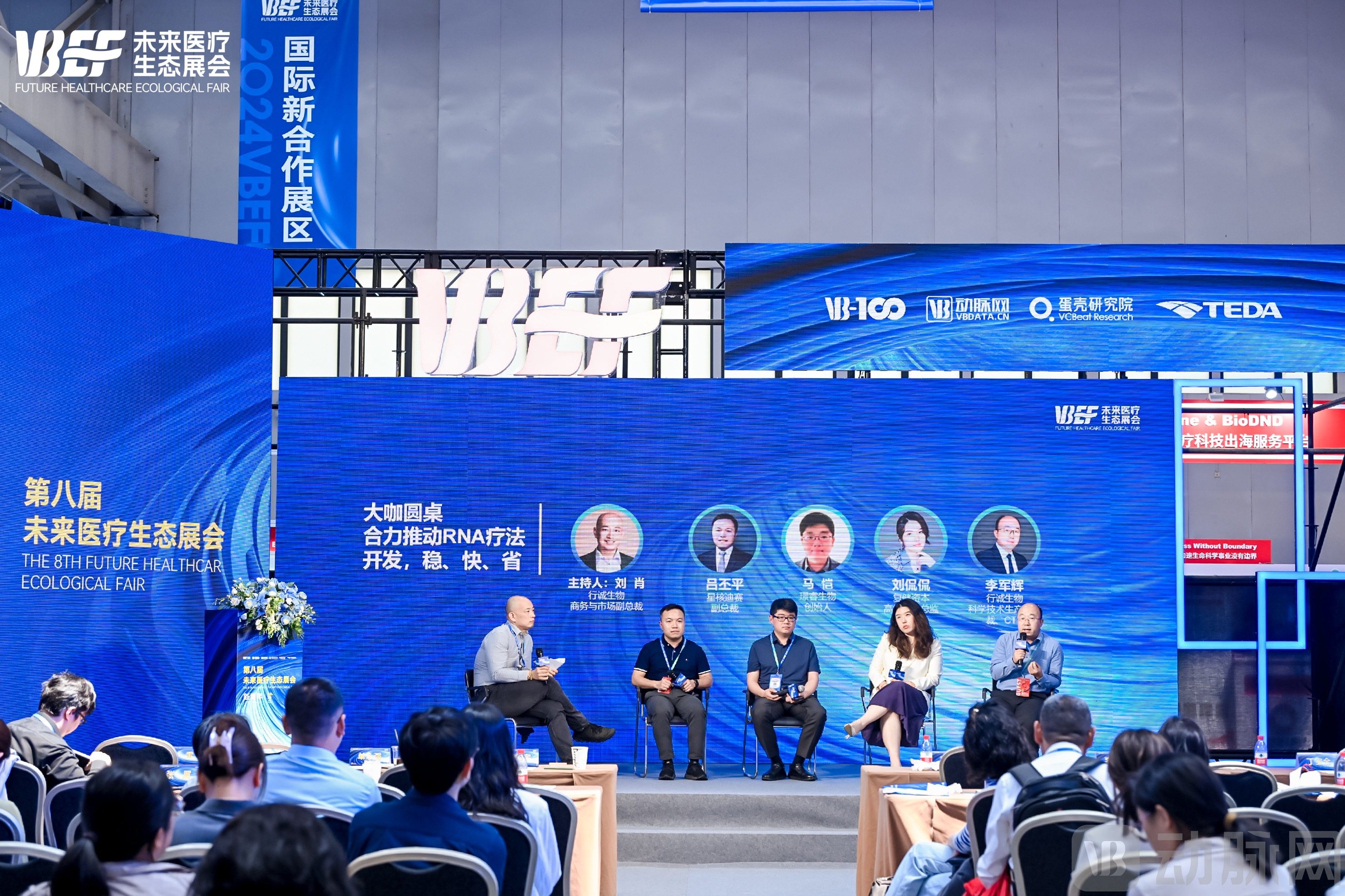
Liu Kankan, Senior Investment Director at Fuxian CapitalStatement: The market for nucleic acid therapeutics is well-defined, with emerging hotspots attracting significant investor interest. Fuxian Capital has long focused on this sector, with its target selection criteria aligned to the stage of sector development. In the early stages of sub-sector growth, Fuxian prioritized teams with relevant international industry experience and strong execution capabilities, enabling them to achieve Investigational New Drug (IND) approval in the shortest possible time. To date, the first wave of companies has emerged.The challenges facing second-wave companies have become the new focus: Is the team’s clinical execution strong? Does it possess extensive experience in clinical operations? Can its innovation capabilities meet the demands of international competition? Are there individuals with a strong background in nucleic acid biology who can support the development of novel targets? Only through a comprehensive evaluation of these factors can a company ensure that it remains at the forefront over the next two to three years.
Lu Piping, Vice President of Xinghe DisaiXinghe Dice has developed two distinctive delivery platforms with differentiated advantages: one enabling localized, specific expression and the other targeting hepatic parenchymal cells. Leveraging these platforms, the company has built a diverse pipeline of products with independent intellectual property rights. Given the broad applicability of these two specialized delivery platforms, while pursuing independent R&D, we are also actively establishing multifaceted collaborations with major pharmaceutical companies both domestically and internationally. This includes deepening strategic partnerships and expanding overseas through cooperation on product pipelines as well as delivery platform technologies.In addition to ensuring that products are sufficiently attractive, global expansion must also account for the sustainability of manufacturing processes and compliance with regulations in various countries.Therefore, while developing our pipeline products, we have also developed a novel continuous manufacturing system, striving to meet stringent overseas regulatory requirements in terms of process flow, environmental impact, and cost control. Furthermore, the company has engaged experienced experts from various fields to oversee operations, ensuring strategic planning is proactively established from the perspectives of project initiation, R&D, industrialization, business development (BD), and global expansion.
Ma Kai, Founder of Jingrui BiotechJingrui Biotechnology focuses on innovation in delivery systems, addressing technical pain points in the market to advance the development of extrahepatic delivery for nucleic acids and biopharmaceuticals. Meanwhile, Jingrui Biotechnology adopts a business development (BD)-first strategy, planning corporate and team R&D and growth based on the short- and long-term practical value of its pipeline.In the domestic market environment, small companies must build up the ability to rapidly achieve self-sustaining cash flow within a few years.Successful business development (BD) collaborations often require trust built over an extended period. As Jingrui Biotech is in its early stages of establishment and team formation, we aim to engage with potential partners at this initial phase to understand their pipeline priorities and perspectives on disease markets. By leveraging our technology platform, we seek to collaboratively strategize indication positioning and integrate our internal R&D pipeline logic according to partner needs.
Li Junhui, Vice President of Production and CTO at Xingcheng BiotechnologyIt indicates that CMC is currently a hot topic in the fields of cell and gene therapy (CGT) and nucleic acid therapeutics because, for these innovative areas, standardized platform processes have not yet been established, and fixed process workflows remain undeveloped. Both manufacturing processes and technical routes are still in the stages of exploration and development. Innovations from supply chain enterprises aim to address genuine industry pain points, helping innovative companies reduce costs, simplify processes, and ensure batch-to-batch consistency, thereby ultimately resolving CMC challenges.Faced with a capital winter, we need to jointly establish an ecosystem encompassing R&D, CDMO, raw material supply, and the provision of domestically produced equipment, thereby building a supply chain with distinct Chinese characteristics to better compete in the international market.