

Century-Long Life: The Greatest Opportunity in the Elder Care Industry, Says Bu Jiangyong of Tianyu Elder Care
The first conversation with Bu Jiangyong, founder of Tianyu Pension, took place in 2022.
“Technology is the key to breaking through in the elderly care industry”—this theme offers a refreshing perspective. Yet, as this massive market evolves rapidly, how is Shanghai Tianyu Pension Service Co., Ltd., a leader in eldercare technology, embracing new industry opportunities?
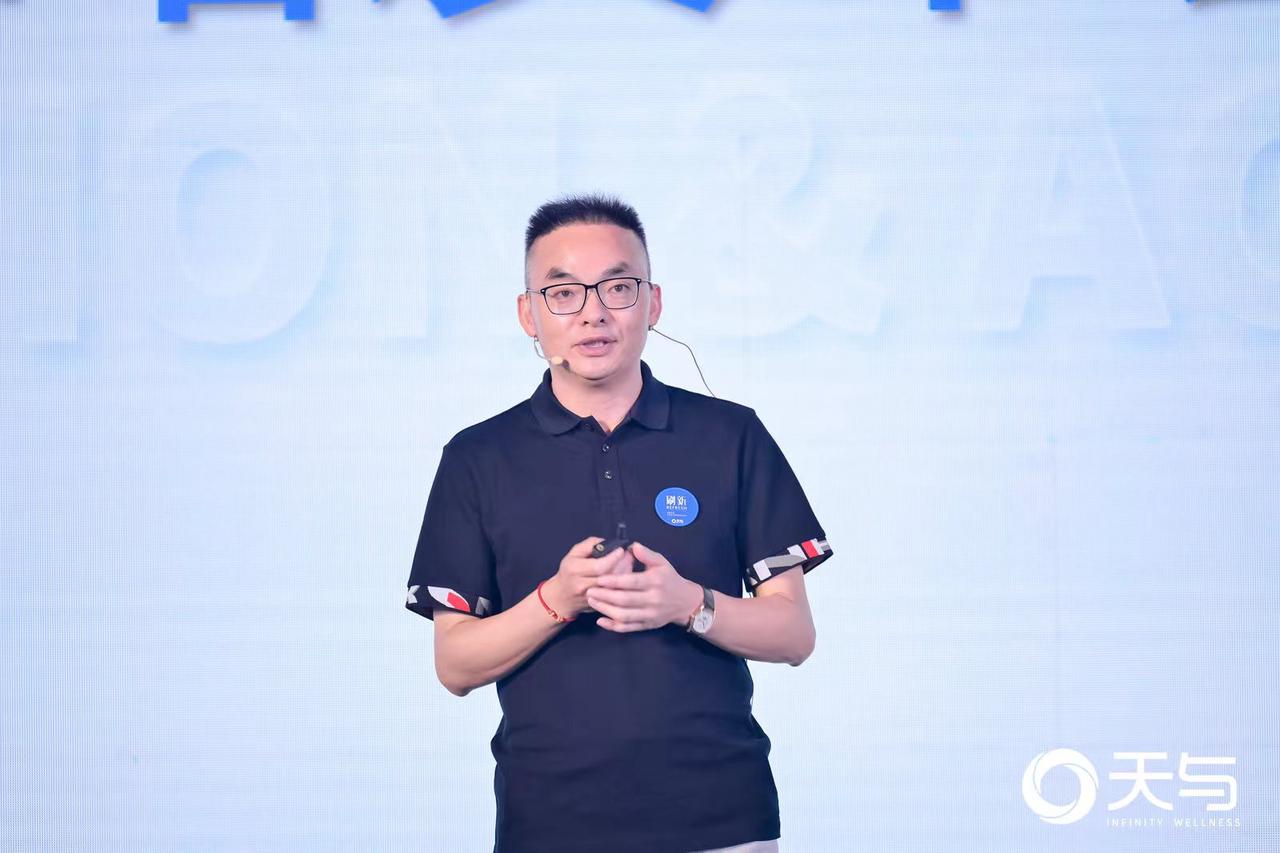
In their second conversation after a 16-month interval, Bu Jiangyong shared: “As an entrepreneur, I feel incredibly fortunate that Tianyu is increasingly growing into the vision I had at the start of my venture.“Centered on elderly care services, Tianyu’s infrastructure has become increasingly robust, with its digital and intelligent capabilities undergoing continuous iteration. The spirit of innovation is deeply ingrained in Tianyu’s DNA, enabling the company to reach a new milestone approximately every six months.”
For Bu Jiangyong, achieving a win-win outcome within the silver economy ecosystem, thereby enhancing industry supply standards and enabling seniors to live centenarian lives, has been the enduring vision since the founding of Tianyu.
The expanding base of the elderly population and the accelerating pace of aging are common trends in the development of human society, as well as a fundamental national condition that China will face for a considerable period in the future. In response, the state has attached great importance to this issue and adopted proactive measures. In January 2024, the State Council promulgated the "Opinions on Developing the Silver Economy and Enhancing the Well-being of the Elderly," commonly known as the "National No. 1 Document," which explicitly calls for the development of both the silver economy for the elderly stage and the pre-aging economy for the pre-elderly stage.
However, a larger population base and favorable policy winds will not instantly spur the elderly care market into action. Bu Jiangyong pointed out: “The true opportunity in the silver economy lies in the 100-year life of the longevity era. With the advent of the longevity era, many industries are worth re-segmenting.”
Extended longevity is reshaping the structure of human life, as the traditional three-stage model—comprising education, work, and retirement—gradually fades away, giving rise to a multi-stage life trajectory. Contemporary individuals remain relatively young after retirement and are eager to actively engage in society, continuing to contribute their value. Most people are unwilling to merely “lie flat” in old age; instead, they place greater emphasis on fulfilling spiritual needs such as travel, social interaction, lifelong learning, and re-employment. Nevertheless, the decline in physical function is inevitable.
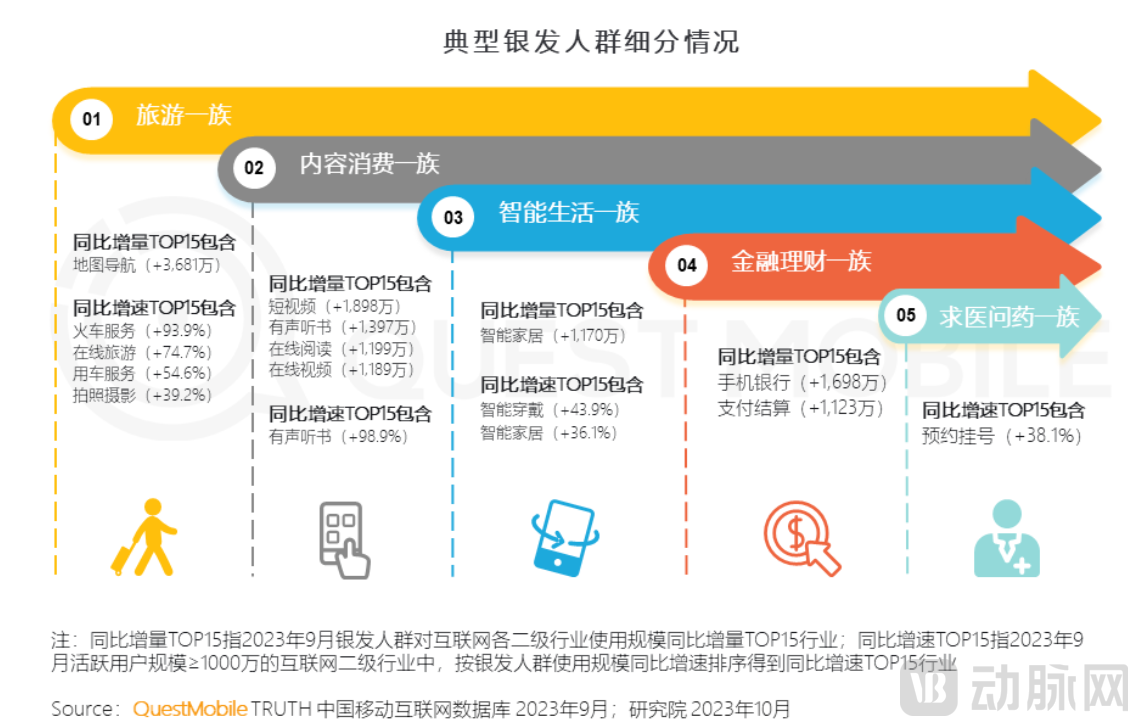
Source: “QuestMobile 2023 Silver Economy Insight Report”
From vitality to end-of-life, individuals typically experience approximately 20 years of independent living at home, followed by a palliative care phase characterized by partial or total disability. Throughout this prolonged journey, the home serves as the most critical spatial and temporal setting. Within the home environment, core needs such as safety alerts, convenient living aids, chronic disease intervention, and emotional support for older adults should be met with high-quality provisions. Furthermore, solutions addressing these needs must be integrated rather than fragmented. For instance, by collecting behavioral data from older adults, it is possible to not only address safety concerns but also predict potential medical risks and provide corresponding care and comfort.A 100-year life should be an opportunity for enjoyment, not an inevitable journey toward the loss of capability and dignity.
In addition, Bu Jiangyong highlighted another critical point: the transformations in the elderly care industry in the post-pandemic era. The three-year pandemic undoubtedly served as a period of digital education and widespread adoption, which, coupled with the extensive use of smartphones, is bridging the digital divide facing older adults. Furthermore, due to the various restrictions imposed on elderly care facilities during the pandemic, seniors are increasingly inclined to plan their retirement lives within home settings. Consequently, smart caregiving and telemedicine services are bound to become standard components of home-based elderly care.
It is widely acknowledged that the sector boasts broad demand, a vast market, and favorable policy support. However, disparities in knowledge and capabilities have resulted in a high barrier to entry for the industry. Many eager participants are keen to enter the market, yet crafting satisfactory answers to the “what” and “how” questions requires a prolonged period of learning and exploration, often incurring significant trial-and-error costs. Meanwhile, established players face persistent challenges, including difficulties in service management, substantial audit pressures, ambiguous market willingness to pay, limited scalability of service scenarios, and diseconomies of scale.
The most critical point is that elderly care is inseparable from human services, which are inherently difficult to quantify and standardize. The inconsistency in service quality not only prevents users from forming stable expectations, significantly reducing their willingness to pay and hindering marketization, but also affects the settlement and subsidization of government-purchased services.
Since its inception, Tianyu has positioned itself as a digital infrastructure platform for the elderly care industry, leveraging digitalization and intelligence to address industry pain points. It continuously enhances elderly care services and social infrastructure, striving to become an expert in the elderly care sector.
Tianyu persists in driving digital transformation within the industry. Through refined management via digital operations, it not only enables real-time tracking of project progress and revenue assurance but also significantly mitigates operational risks, enhances personnel efficiency, and achieves cost reduction and efficiency gains. Tianyu’s digital system integrates multiple technologies—including positioning correction, automatic audit algorithms, and image and facial recognition—to standardize and transparentize the entire service process (pre-service, in-service, and post-service), thereby improving user satisfaction with high-quality services.
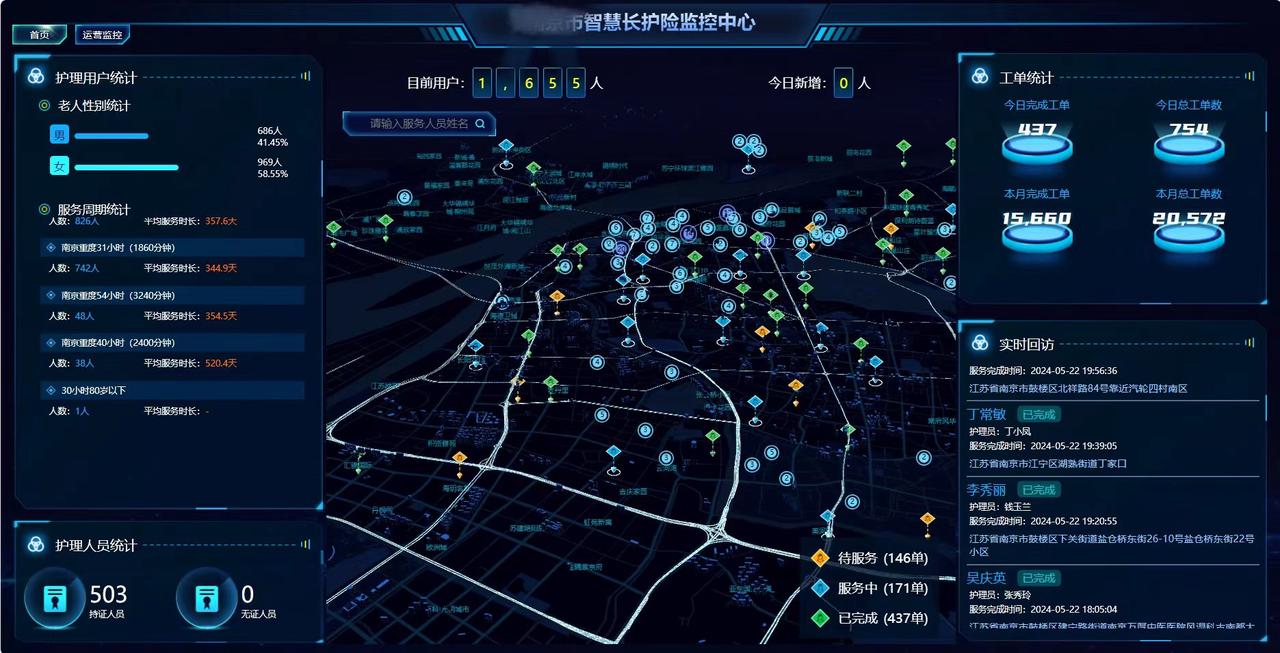
In addition to the expected stability of services, the professionalism of service delivery significantly influences users’ willingness to pay. Tianyu has been continuously improving its talent development system and established a vocational training school for elderly care practitioners, supplying its service teams with qualified professionals in areas such as in-home care services and long-term care insurance (LTCI) services.
Beyond this, Tianyu is expanding the depth and breadth of home-based care services through continuously upgraded intelligent solutions. Its fully self-developed millimeter-wave radar smart sensing devices, coupled with AI algorithms that are constantly optimized for real-world scenarios, comprehensively safeguard users’ core needs such as safety and health. In conjunction with online elderly care stewards, these innovations facilitate a smart transformation from “passive” to “proactive” care. Furthermore, Tianyu Internet Hospital extends traditional home-based services to professional medical standards, achieving a comprehensive upgrade in the integration of medical and elderly care.
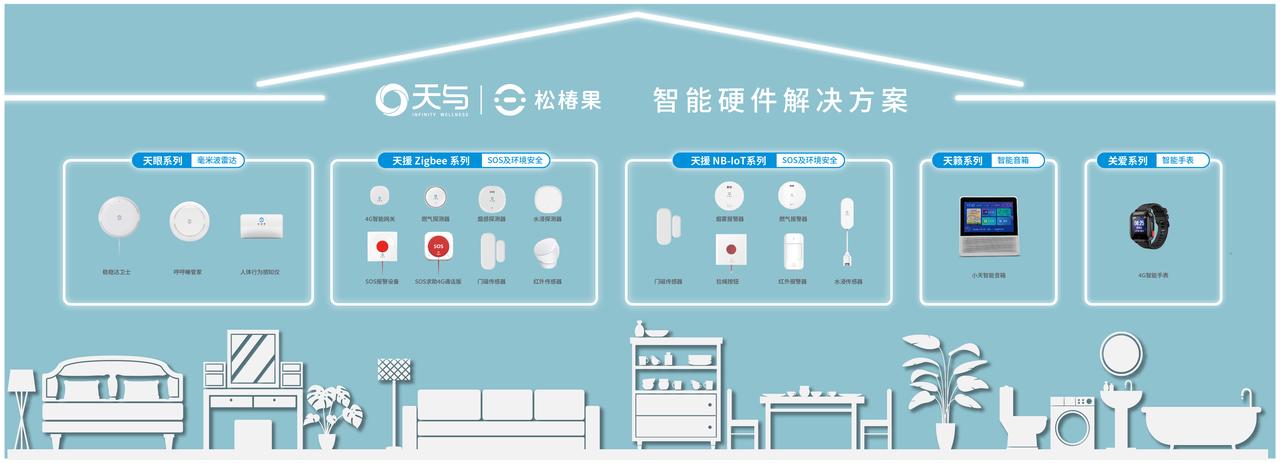
In less than six years since its establishment, Tianyu has built a comprehensive service system spanning home care, long-term care insurance, meal assistance, home hospital beds, and elderly care service guidance centers. It has also developed the Songchun Guo Elderly Care Technology Platform, serving millions of seniors across more than 186 districts and counties in 23 provinces and municipalities—including Beijing, Shanghai, and Tianjin—with love and technology.
Since May 2023, Tianyu has officially opened the Songchun Guo Technology Platform to its peers in the silver economy sector:
Tianyu Songchunguo’s full-suite intelligent hardware and AI data analytics capabilities empower players in the silver economy—including commercial insurers, pharmaceutical and healthcare providers, and elderly care institutions—to significantly expand their service scenarios. These tools help them better understand users, deliver personalized and precise services, establish genuine and effective emotional connections with users, and drive incremental demand. Tianyu Songchunguo’s digital system solutions enable more regional service providers to achieve high-quality delivery capabilities with minimal upfront investment and trial-and-error costs.
Tianyu’s comprehensive elderly care infrastructure and industry expertise enable full-spectrum empowerment, helping resourceful and mission-driven partners enter the elderly care sector with lower barriers. To date, Tianyu and its partners have expanded across China, including Zhejiang, Shaanxi, Hainan, Liaoning, Guangdong, and Gansu provinces, establishing multi-modal collaborations in hardware supply, platform deployment, and full-stack solutions.
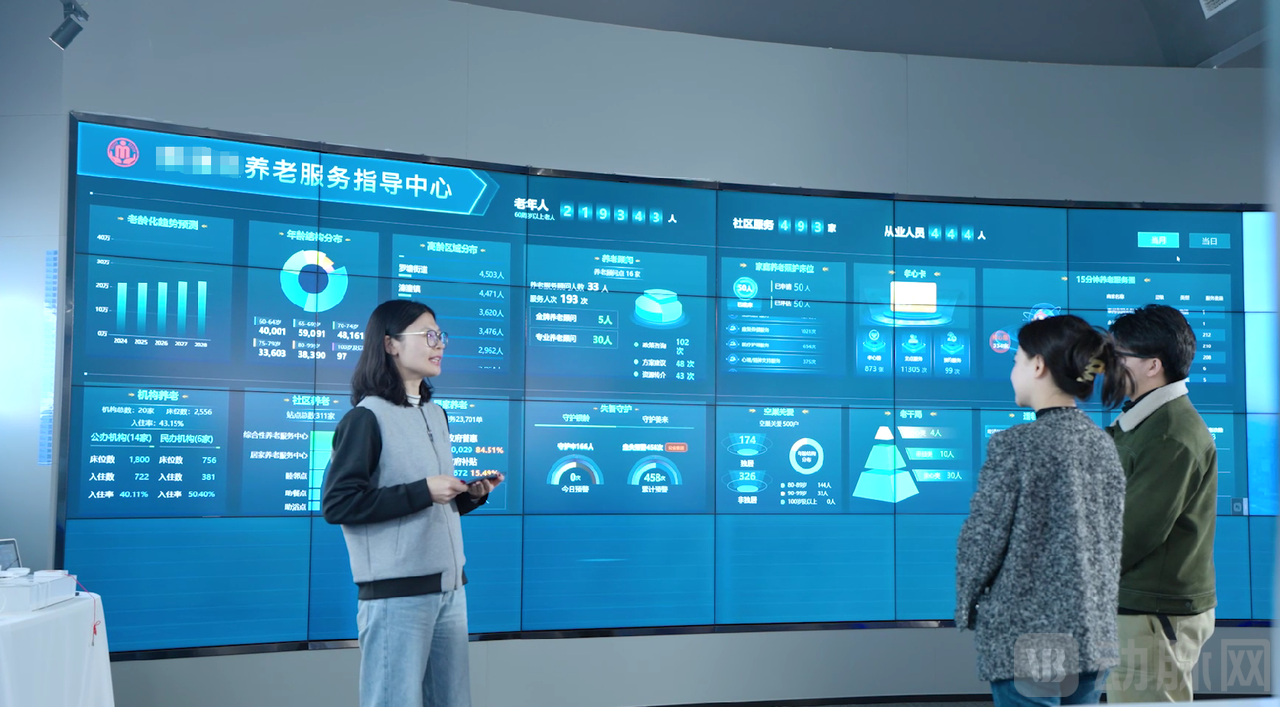
Regarding collaboration with B-side enterprises, Bu Jiangyong highlighted several key points:Understand our partners’ businesses better than they do; every challenge faced by our partners is Tianyu’s responsibility; the ultimate goal is to drive our partners’ success.“Only by engaging more participants in the silver economy can we accelerate the improvement of supply standards across the entire elderly care market; only by establishing symbiotic strategic partnerships with customers to achieve ecosystem-wide win-win outcomes can we better drive technological iteration, thereby benefiting the century-long lives of 300 million seniors.”
“Returning to the essence, the core of elderly care services is still people.”At the end of the interview, Bu Jiangyong stated that for Tianyu and other ecosystem partners in the silver economy, meeting the essential needs of the elderly and establishing strong connections are key to maximizing market transaction value and building sustainable corporate competitiveness.
For the 90% of elderly individuals who will spend the latter half of their lives at home, the most critical needs are guaranteed safety, physical and mental well-being, and sustained social connectivity. Addressing these core needs, Tianyu has established an “Elderly Care Steward” system leveraging intelligent solutions and internet-based telemedicine capabilities, ensuring that every senior has access to a care expert who deeply understands their specific requirements.
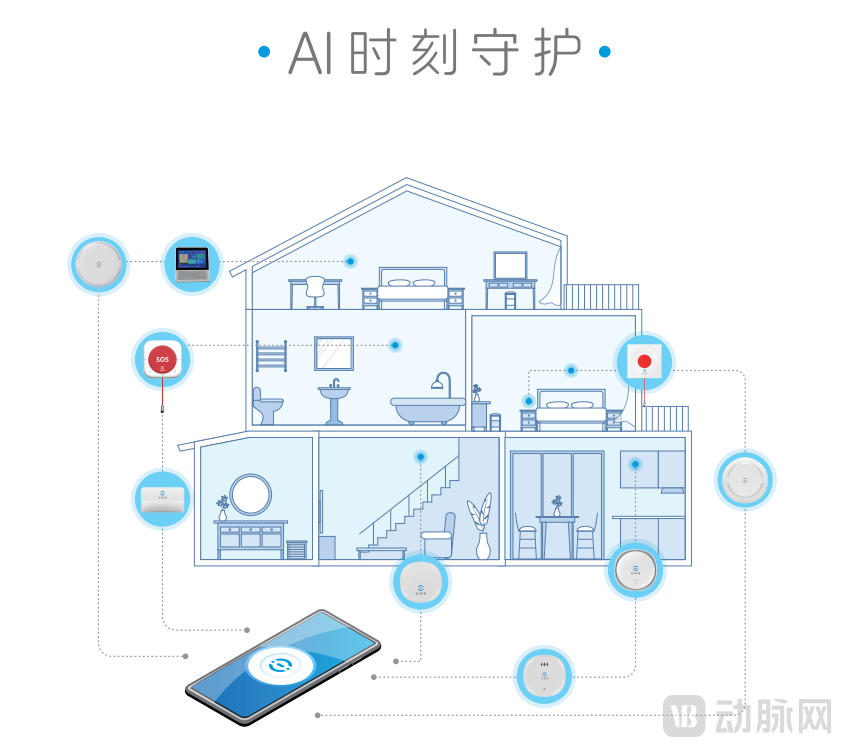
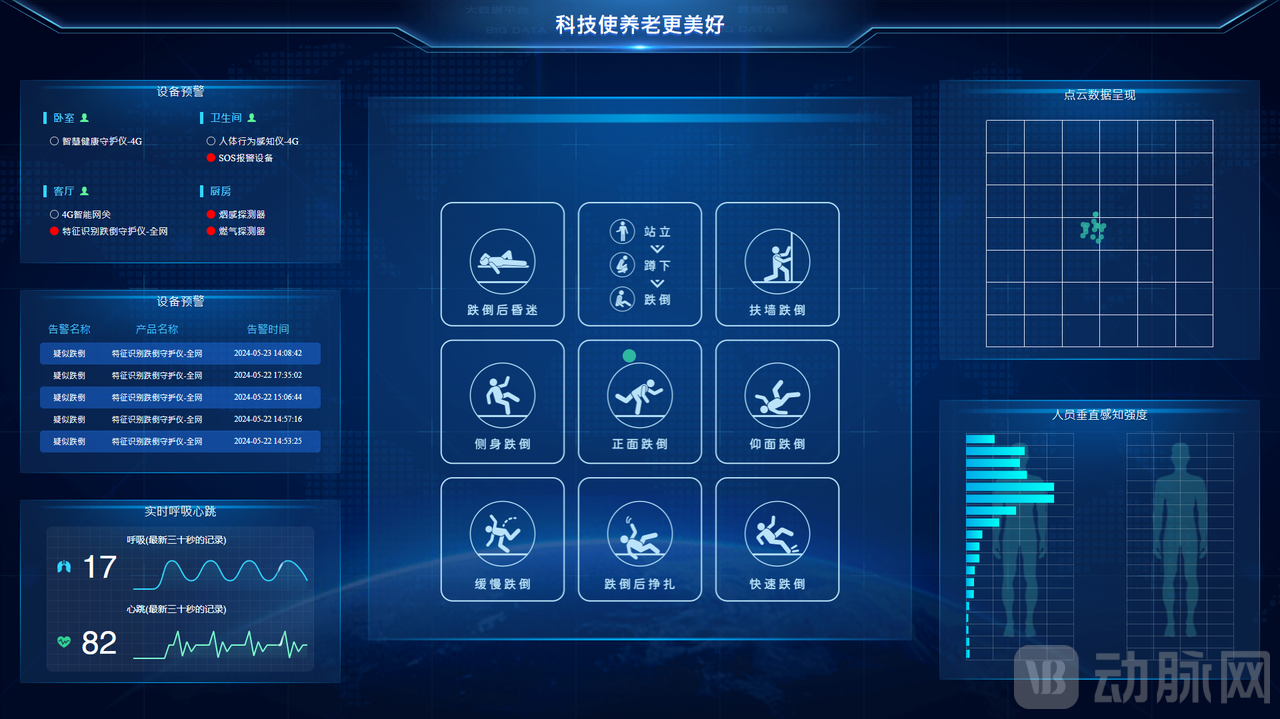
In the context of safety, Tianyu’s millimeter-wave radar product, “Wenwenda Guardian,” captures user behavioral data in real time without compromising user privacy. When the device detects a fall, it immediately sends an alert to the backend system. The 24/7 online concierge team responds promptly, coordinating with emergency services (police at 110 and medical assistance at 120) as well as designated emergency contacts, thereby minimizing the subsequent risks associated with falls. In the future, with continued data enrichment and algorithm optimization, the system will analyze behavioral patterns such as gait and walking speed to predict anomalies in advance, nipping potential dangers in the bud.
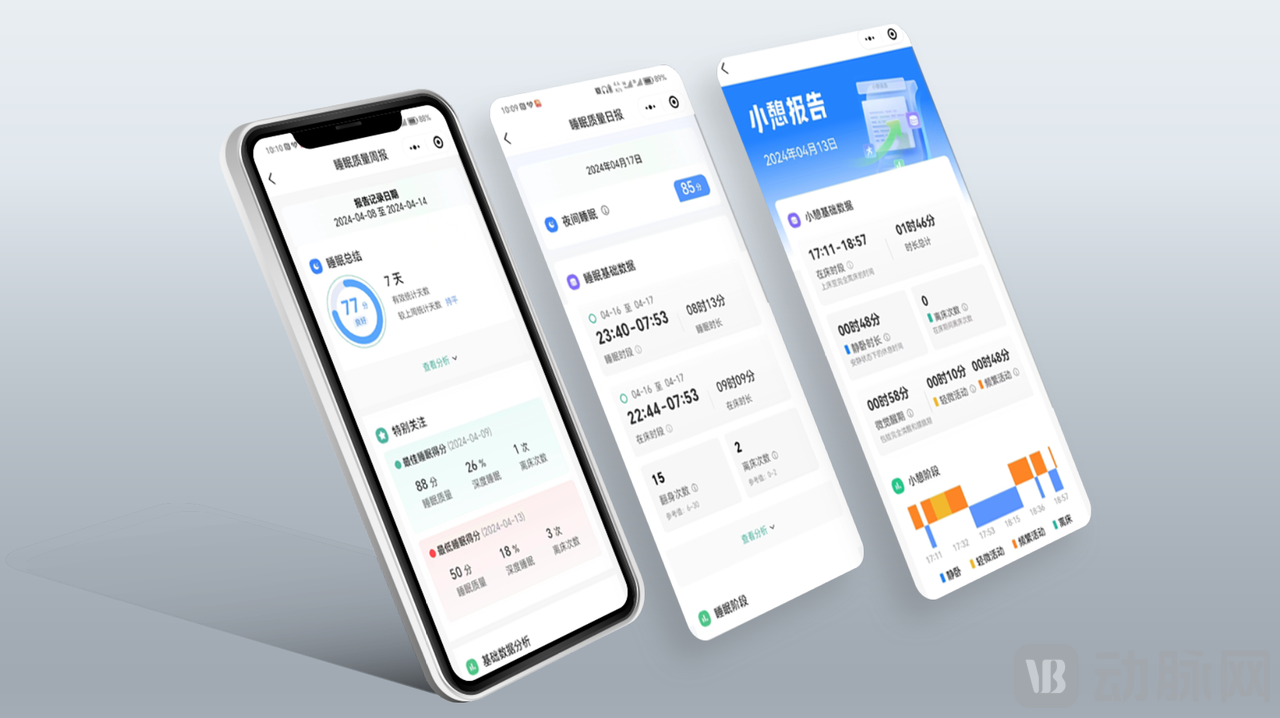
In the health sector, Tianyu’s Songchun Guo millimeter-wave radar product, “Huhu Sleep Manager,” captures real-time data such as respiratory rate and heart rate, records sleep onset time, light and deep sleep stages, and bed-exit events, intelligently analyzes sleep quality, and regularly delivers health reports. The new version introduces modes for napping, extended rest, and anti-environmental interference, better aligning with the actual needs of elderly users. The Elderly Care Steward provides personalized lifestyle support based on user profiles, fostering deep engagement with users. When changes in a user’s health status are detected, it promptly guides them to seek medical attention, thereby maximizing value for the user.
In addition, Tianyu Internet Hospital has incorporated specialized services such as fall prevention, sleep management, and pain management into its core service scenarios. This approach closely addresses the critical needs of the elderly population, provides robust support for intelligent solutions, and establishes a complete service loop.
In the end, Bu Jiangyong said this:“The human body is akin to a precisely engineered instrument, with complex and robust physiological systems featuring numerous redundant components. Aging is the process by which these primary and backup components gradually deteriorate. While the entire system does not collapse instantaneously, it will eventually reach complete exhaustion. What Tianyu aims to do is to leverage equipment and algorithms to accurately identify severely worn components within the system, enabling timely maintenance and care to slow down aging. Only in this way can we help every senior citizen embrace a centenarian life with greater ease and optimism.”