

Returning to Clinical Needs and Driving Commercial Value: How to Capture Opportunities in Today's CGT Landscape? — CGT Therapy Forum at the 8th Future Healthcare Ecosystem Expo
On the afternoon of May 9, the CGT Therapy Forum and the “No Need to Engage in Cutthroat Competition; Go Further” CGT Industry Upgrade [VBEF], co-hosted by VBInsight New Medicine and Xingcheng Bio, with support from Panlin Capital and Fosun Health Capital, kicked off at the “8th Future Healthcare Ecosystem Expo.” The event brought together more than 20 distinguished guests from government, industry, academia, research, healthcare, and investment sectors, who engaged in in-depth discussions on pathways for CGT industry upgrading from diverse perspectives.
In recent years, the cell and gene therapy (CGT) industry has witnessed remarkable momentum, with over 50 CGT therapies approved for market launch worldwide. Notably, China experienced a surge in approvals in 2023. CGT products are breaking boundaries across multiple dimensions, continuously expanding into new clinical applications to address significant unmet medical needs. According to FDA projections, 10 to 20 CGT products are expected to receive global approval annually starting from 2025, injecting substantial confidence and anticipation into the industry.
Behind the frenzy of the “Golden Decade,” the cell and gene therapy (CGT) industry chain continues to face numerous challenges in technological innovation, industrial infrastructure, chemistry, manufacturing, and controls (CMC), commercialization, and payment mechanisms. In this new landscape, how can innovative companies build a product portfolio with differentiated competitiveness and strong commercial prospects? Furthermore, how can diverse innovative resources facilitate industry integration and promote the synergistic development of supply chains, industrial ecosystems, and business development (BD) networks? VCBeat New Medicine has compiled highlights from the forum’s discussions, aiming to provide the industry with fresh insights and perspectives.
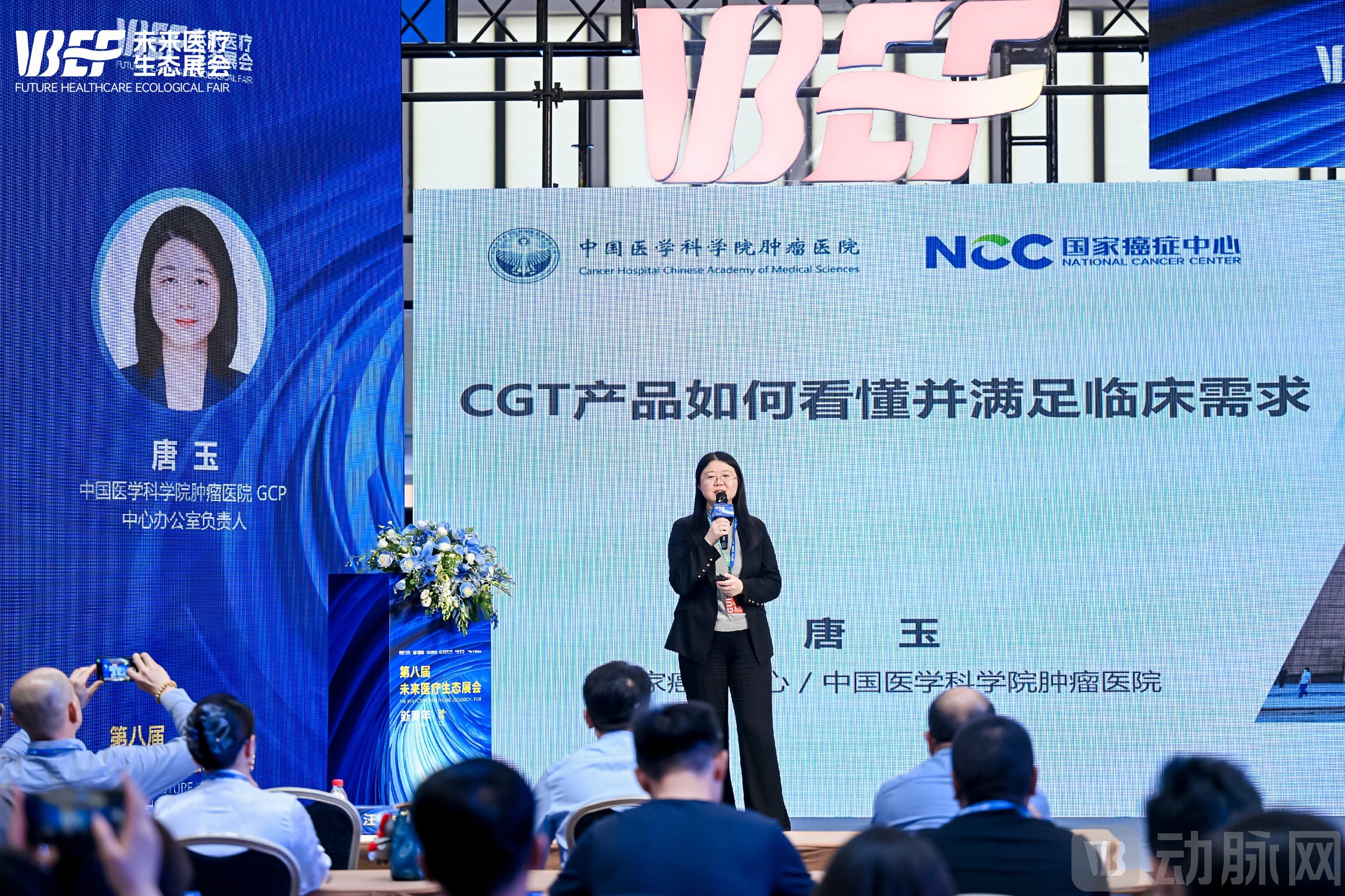
Tang Yu, Head of the GCP Center Office at the Cancer Hospital of the Chinese Academy of Medical Sciences, Delivered a Keynote Speech Titled “From a Clinical Perspective: How to Understand and Meet Clinical Needs for CGT Products”
Clinical value is the core objective of new drug development and a shared pursuit among all professionals in the biopharmaceutical and healthcare sectors. The exploration of clinical needs in relation to the value of new drugs permeates the entire drug development process. The key to aligning clinical needs with the value of new drugs lies in close collaboration and early-stage communication between clinicians and R&D teams. True clinical value is achieved by identifying better solutions to address clinical needs—whether through greater efficacy, enhanced safety, improved ease of use, broader accessibility, or an elevated patient experience.
From a product perspective, the demand side must gain a deep understanding of the specific health issues that potential target populations seek to address, what solutions are currently available, what outcomes these solutions can achieve, where their shortcomings lie, and where improvements can be made. Physicians need to clearly articulate the problems to be solved, including the current circumstances faced by cancer patients, distinguishing between conditions where the primary goal is extending survival and those where the focus is on improving quality of life.
On the R&D front, it is essential to gain a deep understanding of the characteristics of the drug or technology under development, identify the advantages of current assets compared with existing standard-of-care treatments, and evaluate whether the available technologies and products can effectively address the needs raised by clinicians. What are the distinctive features of the drug? What is the most appropriate or most likely clinical value it can deliver in practice?
The development of innovative drugs requires continuous adjustments based on the current clinical landscape, necessitating early and in-depth collaboration between clinicians and R&D teams. Throughout each clinical trial, we must consistently consider: What is the ultimate issue that the clinical development aims to resolve? What specific problems do we seek to address at each stage and within each experiment? We strive to find scientifically sound and reasonable answers to these questions, while ensuring cost-effectiveness and operational feasibility.
A major hallmark of CGT drugs is their rapid action. Compared with traditional small-molecule drugs and even antibody-based therapeutics, CGTs exert more direct modulation of human physiological functions, involving shorter mechanistic pathways and yielding faster feedback. Furthermore, the technological iteration of next-generation CGT products is itself proceeding at a remarkably rapid pace.The traditional “ten-year” R&D cycle no longer aligns with the current pace of technological iteration. Therefore, we need to integrate clinical value considerations into every stage of CGT drug development from an earlier point—a process that involves continuous interplay between product characteristics and clinical needs.
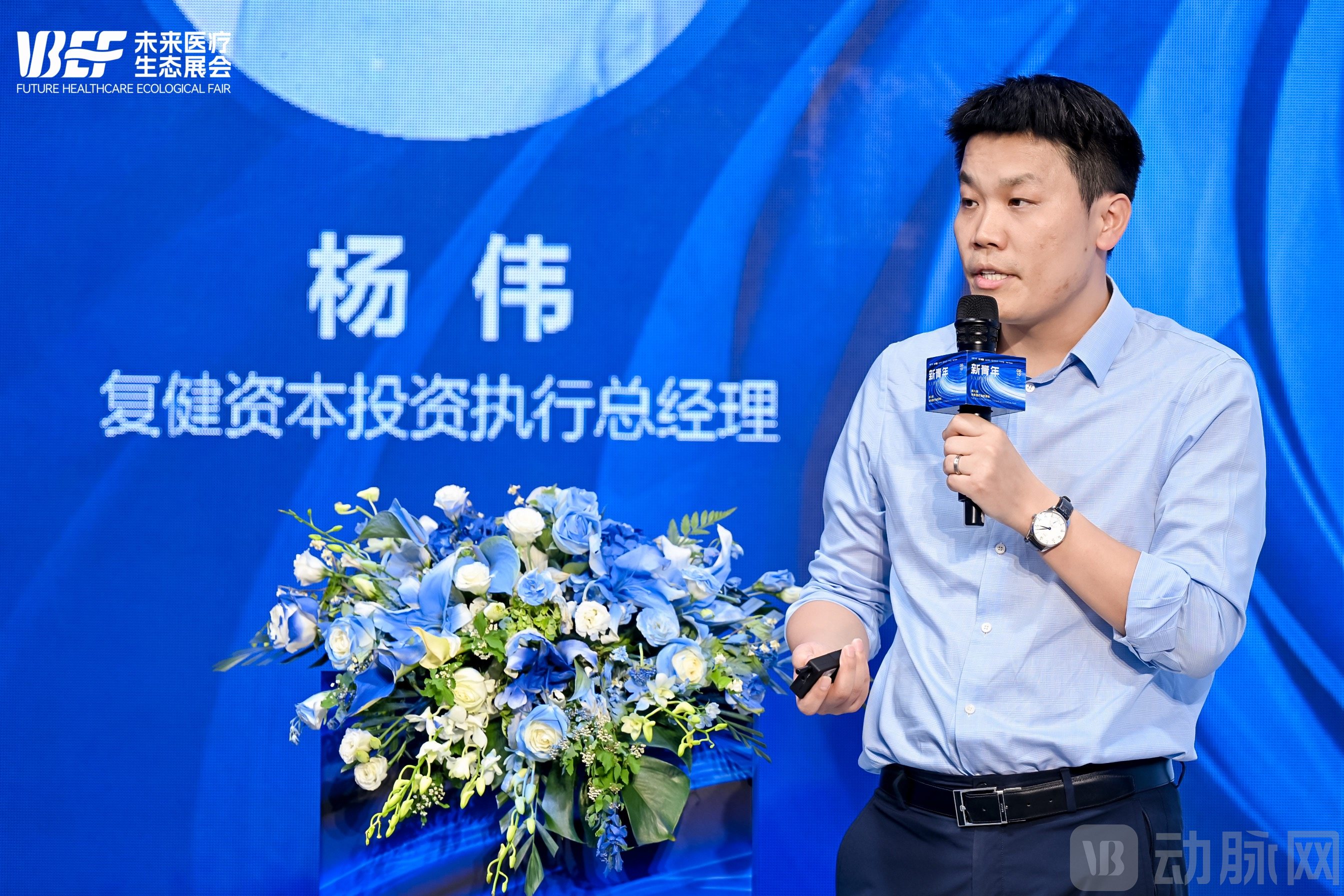
Yang Wei, Executive General Manager of Investment at Fuxian Capital, Delivers Keynote on “Underlying Logic of CGT Investment”
From the perspective of commercialization potential realization, cell and gene therapy (CGT) still faces considerable uncertainties, including efficacy improvements driven by technological iterations, inadequate reimbursement systems, lengthy manufacturing lead times, and the extent of impact from existing therapeutic modalities. Meanwhile, diverse solutions are continuously emerging, such as varied technical pathways for immune cells and the development of universal CAR-T therapies, which have also attracted significant attention from the capital markets.
Meanwhile, the challenges of product commercialization and financing have spurred more rational reflection: Where does the clinical value of universal CAR-T lie? Are the pathways for clinical development and regulatory approval clearly defined? What patient population is required to support clinical trials, and what are their baseline characteristics? In the field of solid tumors, where the thresholds for clinical development and efficacy are high, both autologous and universal CAR-T products must consider whether their clinical benefits (efficacy and durability) justify their high prices.
Compared with overseas markets, the realization of commercial value for CAR-T in China involves a longer cycle, prompting investors to focus more on identifying the key breakthroughs in commercial value and assessing whether these can deliver positive returns to investors or the market.
Furthermore, the highly discussed topics of “cost reduction” and business development (BD) for overseas expansion in China require rational consideration from innovative enterprises and investors: Where exactly can the production costs of CAR-T therapies be reduced? Through what pathways can these costs be lowered? Are these pathways feasible? Will cost reductions compromise clinical value? Currently, the CMC, supply chain, and industrial chain for antibody drugs and small-molecule drugs produced in China are highly mature. However, due to the customized nature and complex manufacturing processes of cell and gene therapy (CGT) products, overseas expansion faces greater challenges, including more complex technology transfer and cold-chain infrastructure development.
The field of autoimmune diseases presents an excellent opportunity for exploration and a new breakthrough point for Cell and Gene Therapy (CGT). On one hand, as the second-largest pharmaceutical market globally, the autoimmune sector features a large patient population, prolonged disease courses, and relatively longer survival rates. On the other hand, the long-term therapeutic effect achieved through a single administration of CAR-T therapy aligns well with the needs of patients with autoimmune diseases. When evaluating the high pricing of CAR-T therapies over a ten-year horizon, both the market and patients may perceive the cost as relatively affordable.
Many innovative companies both domestically and internationally are already making strategic moves in this area. For instance, Kyverna, the first company to receive clinical approval for CAR-T therapy targeting lupus nephritis, recently completed an oversubscribed IPO raising $319 million. An increasing number of cell and gene therapy (CGT) companies are adjusting their strategic pipelines, shifting their focus from oncology to the development of treatments for autoimmune diseases.
As CGT and CAR-T therapies return to the foundational framework of innovative drug investment, it is essential to adhere to a dual orientation toward clinical and commercial value, thereby maintaining strategic consistency amidst market volatility. Investors must not only thoroughly understand unmet clinical needs and product differentiation but also determine what real-world problems the product can solve and assess the actual size of the target patient population, thus enabling more rational judgment and decision-making.
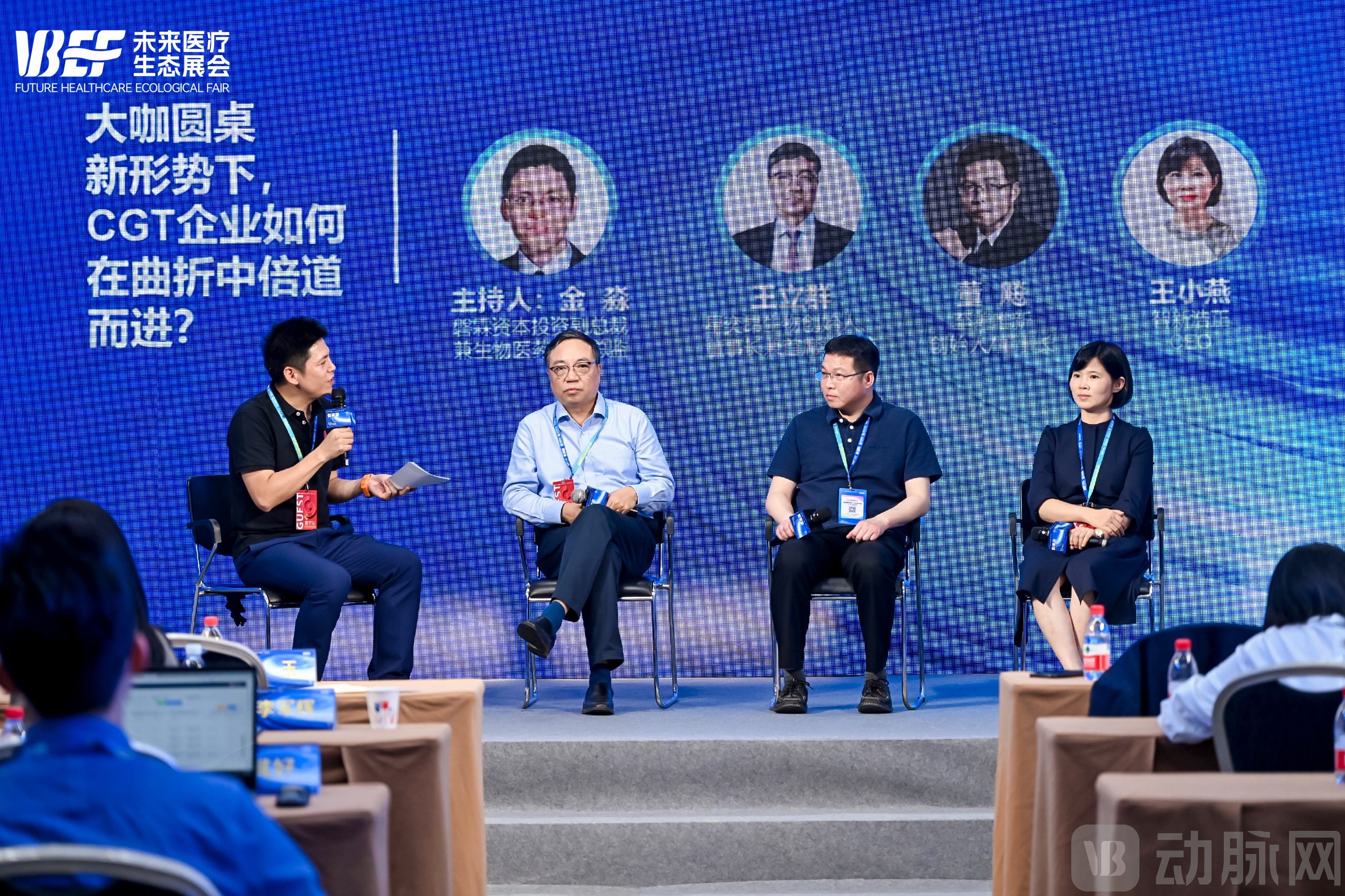
The inaugural roundtable featured Wang Liqun, Founder, Chairman, and CEO of Xingyi’ang Biotechnology; Dong Biao, Founder and Chairman of Zhishan Weixin; and Wang Xiaoyan, CEO of Zhixin Haozheng. Moderated by Jin Miao, Investment Vice President and Director of Biopharmaceutical Investments at Panlin Capital, the panel discussed overall industry development trends in cell and gene therapy (CGT) under the new landscape, as well as the commercialization challenges and opportunities across various sub-sectors.
Jin Miao, Vice President of Investment and Director of Biopharmaceutical Investment at Panlin CapitalIt indicates that although cell and gene therapy (CGT) has encountered occasional setbacks in recent years, the positive signals have been more prominent. In 2023, the FDA approved a total of 55 innovative drugs, seven of which were CGT therapies, accounting for 13%. On the industry front, Legend Biotech’s BCMA CAR-T product achieved sales revenue of $500 million in 2023. In terms of mergers and acquisitions, AstraZeneca acquired Gracell Biotechnologies for $1.2 billion at the end of 2023. Furthermore, several domestic iPSC regenerative medicine projects have entered clinical stages, reaching a level comparable to, or even synchronized with, their international counterparts.
Amid the spiral upward trajectory of development in the cell and gene therapy (CGT) sector, Panlin’s medical team has maintained a strong bullish outlook and continued to strategically invest in this field. Its portfolio includes Zhixin Haozheng, which leverages regenerative islet technology to treat type 1 diabetes; Zhishan Weixin, which utilizes recombinant adeno-associated virus (rAAV) technology to address genetic disorders and neurodegenerative diseases; and Xingyi’ang, a company focused on the research and development of iPSC-CAR-NK cell therapies.
Wang Liqun, Founder/Chairman and CEO of Xingyi'ang BiotechIt is noted that while cell and gene therapy (CGT) project initiation often emphasizes addressing “unmet clinical needs,” market analysis is equally critical when integrating into the R&D systems of multinational corporations (MNCs). Equal attention must be paid to both unmet clinical needs and potential commercialization, with patient accessibility being key to commercial success. The induced pluripotent stem cell (iPSC) sector is developing rapidly, with treating solid tumors and achieving universal (“off-the-shelf”) therapies emerging as future breakthrough directions; furthermore, its applications can be extended to non-oncology therapeutic areas such as autoimmune diseases. Process development for cell therapies largely determines the clinical safety and efficacy of the product. Additionally, global expansion requires a high degree of innovation and the ability to generate data that interests MNCs, thereby seeking opportunities for co-development of overseas markets with MNCs.
Dong Biao, Founder/Chairman of Zhishan WeixinIt indicates that we must consider the commercialization of cell and gene therapy (CGT) in the context of China’s domestic landscape and our understanding of pharmaceuticals. First, comprehensive market research should be conducted from the early stages; second, clinical needs and clinical value must be addressed; third, production costs should be reduced while ensuring therapeutic efficacy and quality; and fourth, the reimbursement system must be taken into account. By “focusing” on the most critical issues within the sector, Zhishan Weixin has undertaken disruptive work in two areas: first, significantly reducing the cost of gene therapy production; and second, exploring the possibility of repeated dosing with AAV-based therapies.
Wang Xiaoyan, CEO of Zhixin HaozhengIt was stated that ZhiXin HaoZheng focuses on the research and development of in vitro tissue and organ regeneration, with its current primary emphasis on in vitro pancreatic islet tissue regeneration. The team recently published related papers and completed the first case of autologous islet tissue transplantation for a patient following kidney transplantation in 2021. The patient has been insulin-free for three years, achieving functional cure. In vitro islet regeneration represents an inevitable trend in diabetes treatment. Given the large population of diabetic patients in China, there is an expectation to achieve functional cures for patients with insulin-dependent diabetes. In future regulatory submissions in China and overseas, ZhiXin HaoZheng plans to proactively communicate with relevant experts and regulatory agencies in different countries regarding clinical protocols, thereby better leveraging patient population data for international applications.
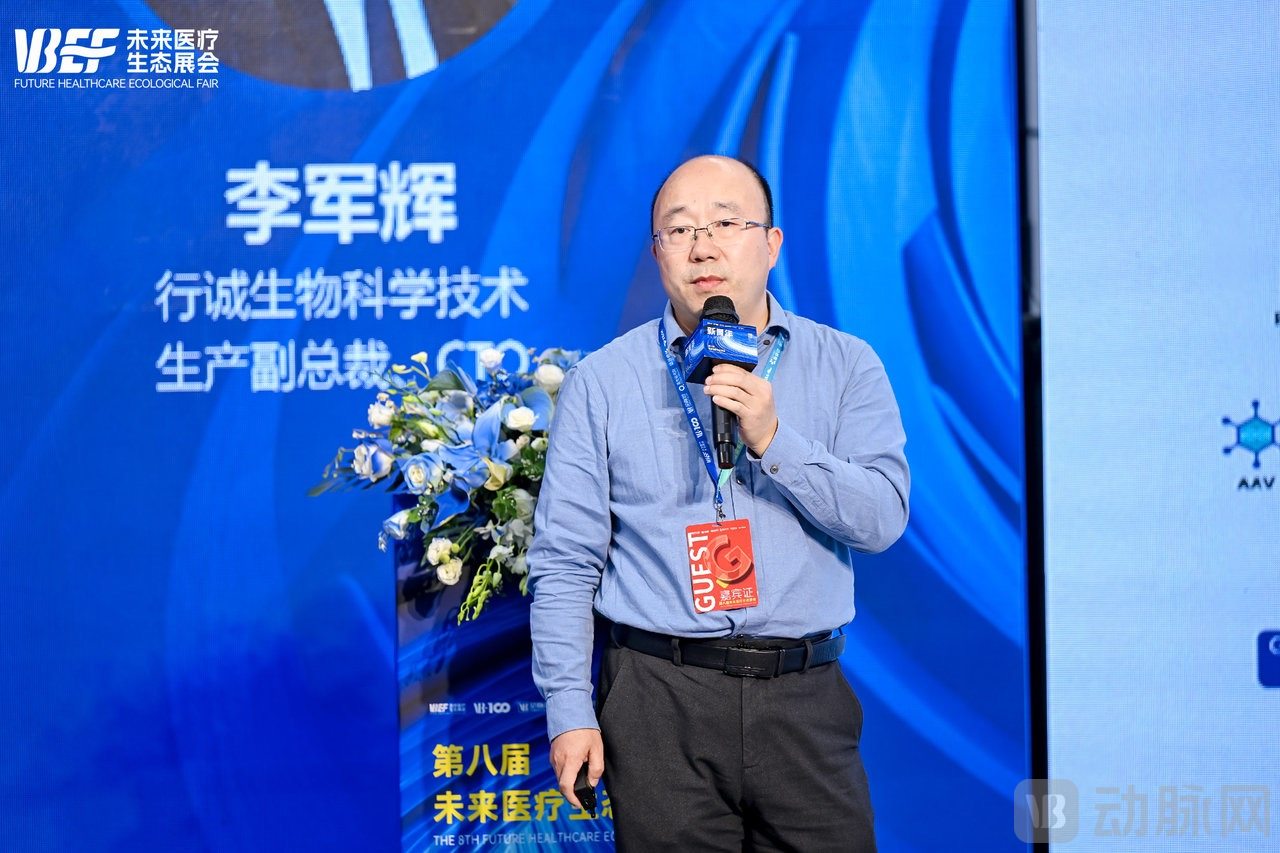
Li Junhui, Vice President of Production and CTO at Xingcheng Biotechnology, delivered a presentation titled “Key CMC Considerations in Gene Therapy Drug Development.”
Li Junhui introduced that Xingcheng Biotech has deeply established a preparation platform for viral vectors, with a particular focus on plasmids used as raw materials for AAV virus packaging. Plasmids have extensive applications, including in both viral and non-viral vectors; however, in the early days, their high production costs could account for 40%–50% of total viral production expenses. Through process optimization and technological innovation, Xingcheng Biotech has provided robust technical support for the large-scale manufacturing of CGT drugs. The company innovatively launched a leading chromatography-free production process and an innovative continuous plasmid lysis system, featuring single-use equipment sets that completely eliminate the risk of cross-contamination. These technologies are now applicable to mRNA production, reprogramming plasmids, and viral vector packaging, with multiple GMP batches already produced.
Xingcheng Bio’s philosophy is to begin with the end in mind, prioritize process excellence, and uphold quality as paramount. We assist clients in addressing issues such as cost control, process transfer and changes, and commercialization during the early stages of drug design. Meanwhile, Xingcheng Bio has made significant efforts to substitute imported products with domestically manufactured alternatives for production equipment, including consumables and QC instruments, thereby taking into account clients’ future competitiveness and production costs.
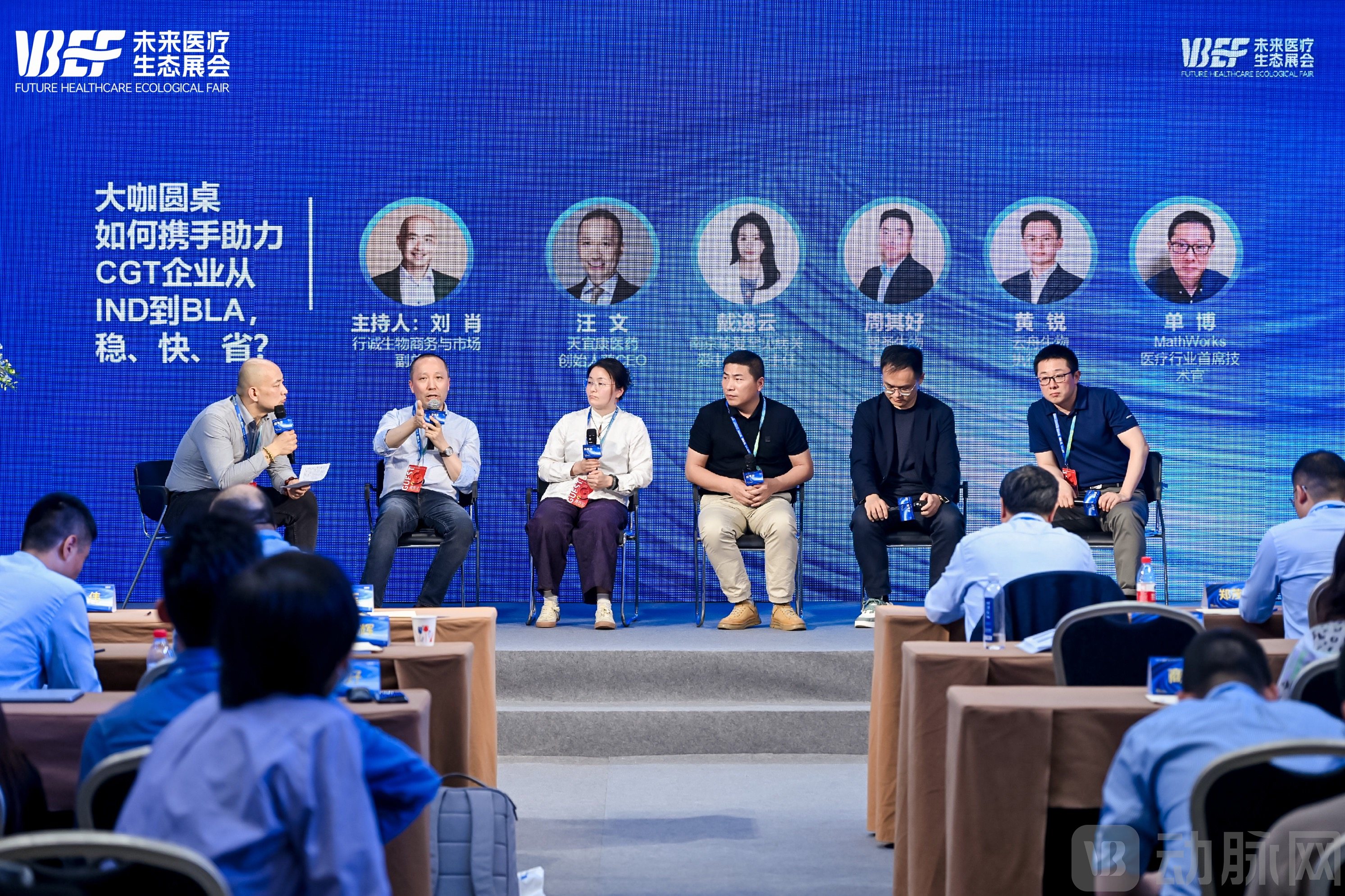
The second roundtable focused on extensive collaboration and co-development across the CGT industry chain. It brought together representatives from innovative pharmaceutical companies, supply chain enterprises, and the broader industrial ecosystem to discuss how multi-stakeholder synergy can support stable, rapid, and cost-effective production and development throughout the entire lifecycle of CGT enterprises, thereby driving industrial upgrading and iteration. The session was moderated by Liu Xiao, Vice President of Business and Marketing at Xingcheng Bio. Panelists included Wang Wen, Founder and CEO of Tianyikang Pharmaceutical; Dai Yiyun, Executive Director of Nanjing Zhi’ai Rare Disease Care Center; Zhou Qihao, Vice President of Yeasen Biotechnology; Huang Rui, Executive President of VectorBuilder; and Shan Bo, Chief Technology Officer for the Healthcare Industry at MathWorks.
Wang Wen, Founder and CEO of Tianyikang PharmaceuticalPerspective: From the standpoint of finished pharmaceutical products, stability, speed, and cost-efficiency are all critical. In terms of prioritization, stability is paramount. It is essential to determine whether products manufactured using novel processes, technologies, and methods are comparable to existing products in terms of efficacy and safety. For instance, if an existing product enables 50% of patients to achieve a stable complete response (CR), whereas a product produced via new processes and methods only allows 30% of patients to achieve CR, or if relapse occurs within three months post-infusion, such new processes and technologies lack viability. “Stability” entails ensuring therapeutic efficacy on a new foundation while striking a proper balance with “cost-efficiency,” thereby improving accessibility by enabling more patients to benefit from highly effective treatments. Regarding “speed,” I believe that as long as the direction of drug development is correct, the length of the journey is not a concern. The future direction of cell and gene therapy (CGT) drugs is clear: next-generation products can only replace existing ones if they demonstrate improved clinical efficacy and safety. Observing currently marketed products reveals that early-stage design is crucial for commercialization and market prospects, with process costs and design also playing significant roles.
Dai Yiyun, Executive Director of Nanjing Zhi'ai Rare Disease Care CenterIt is worth noting that the majority of patients we encounter are children with rare diseases. Their lives are perhaps destined to be filled with challenges and hardships, leaving them little time to experience either the beauty or the cruelty of the world, as they spend most of their time battling their illnesses. In many cases, the cost of medication is not the primary concern; rather, the critical issue is whether effective treatments are available at all. The field of rare diseases faces certain bottlenecks and challenges. For severe, intractable, and life-threatening rare conditions, patients and their families undoubtedly prioritize “speed.” With no time to wait or weigh the potential risks of a drug—since they may not survive long enough to face subsequent issues or side effects—rapid access to available medication is the best possible news. Other rare diseases involve a prolonged and painful process, where patients experience a progressive, slow decline toward death from birth onward. For these patients, the priority is “stability,” meaning safe and effective medications that make the patient’s experience and the overall disease course safer and more comfortable.
Zhou Qihao, Vice President of Yeasen BiotechnologyIt is stated: As a supply chain enterprise, we firmly believe that products originate from design. During the design phase, it is essential to consider customer needs and even the needs of their end users, ultimately focusing on stability, speed, and cost-efficiency—that is, product efficacy, safety, consistency, and accessibility for end users. Regarding “stability,” suppliers are required not only to ensure product performance but also to address raw material compliance and facilitate regulatory filings. To this end, we have established stringent quality system testing and release standards, and filed Drug Master Files (DMFs) for all core raw materials to meet customers’ needs for dual submissions in both China and the United States.
“Speed” is a critical demand we observe from our clients. Beyond ensuring raw material supply and regulatory compliance, collaboration across the upstream and downstream value chains is equally vital. Each innovative company possesses its own technological strengths; therefore, both parties should adopt a more open and inclusive approach when communicating and resolving issues, fostering thorough exchange and collaborative innovation. The demand for “cost efficiency” has become particularly pronounced among enterprises in recent years. This not only addresses the requirement for accessibility of end-user pharmaceuticals but also serves as a crucial factor in safeguarding client profitability and ensuring long-term sustainable development. Furthermore, whether for client companies or supply chain partners, it is essential to avoid cutthroat competition that erodes profit margins. Such practices deprive companies of the capital needed for new product development and operational activities, ultimately harming the entire industry.
Huang Rui, Executive President of VectorBuilderYunzhou Biotech: Adults Don’t Make Trade-offs; We Want Speed, Stability, and Cost-efficiency. For a supply chain enterprise, stability is paramount. Viewed from an outcome-oriented perspective, it serves as the most critical cornerstone for business development. In terms of saving lives, we must establish a solid foundation of stability while simultaneously accelerating speed. Achieving cost-efficiency requires collective efforts across society, including process innovation, cost reduction, collaborative partnerships, support from charitable foundations, and national reimbursement systems with government subsidies. By fostering open cooperation in technology, we can better empower the industry. We also aim to enhance drug R&D through improvements in manufacturing processes and production efficiency, leveraging faster technological advancements to make cell and gene therapy (CGT) drugs more affordable for patients.
Bo Shan, Chief Technology Officer for the Healthcare Industry at MathWorksMathWorks primarily assists clients in the biopharmaceutical industry with data analysis, image processing, and pharmacokinetics (PK) and pharmacodynamics (PD) modeling within their R&D workflows. In layman’s terms, we do not eliminate essential tasks; rather, we leverage tools and automation to replace tedious and time-consuming laboratory work. This approach strikes an optimal balance between stability and speed, helping pharmaceutical companies reduce costs and save time by sharing our expertise and methodologies.
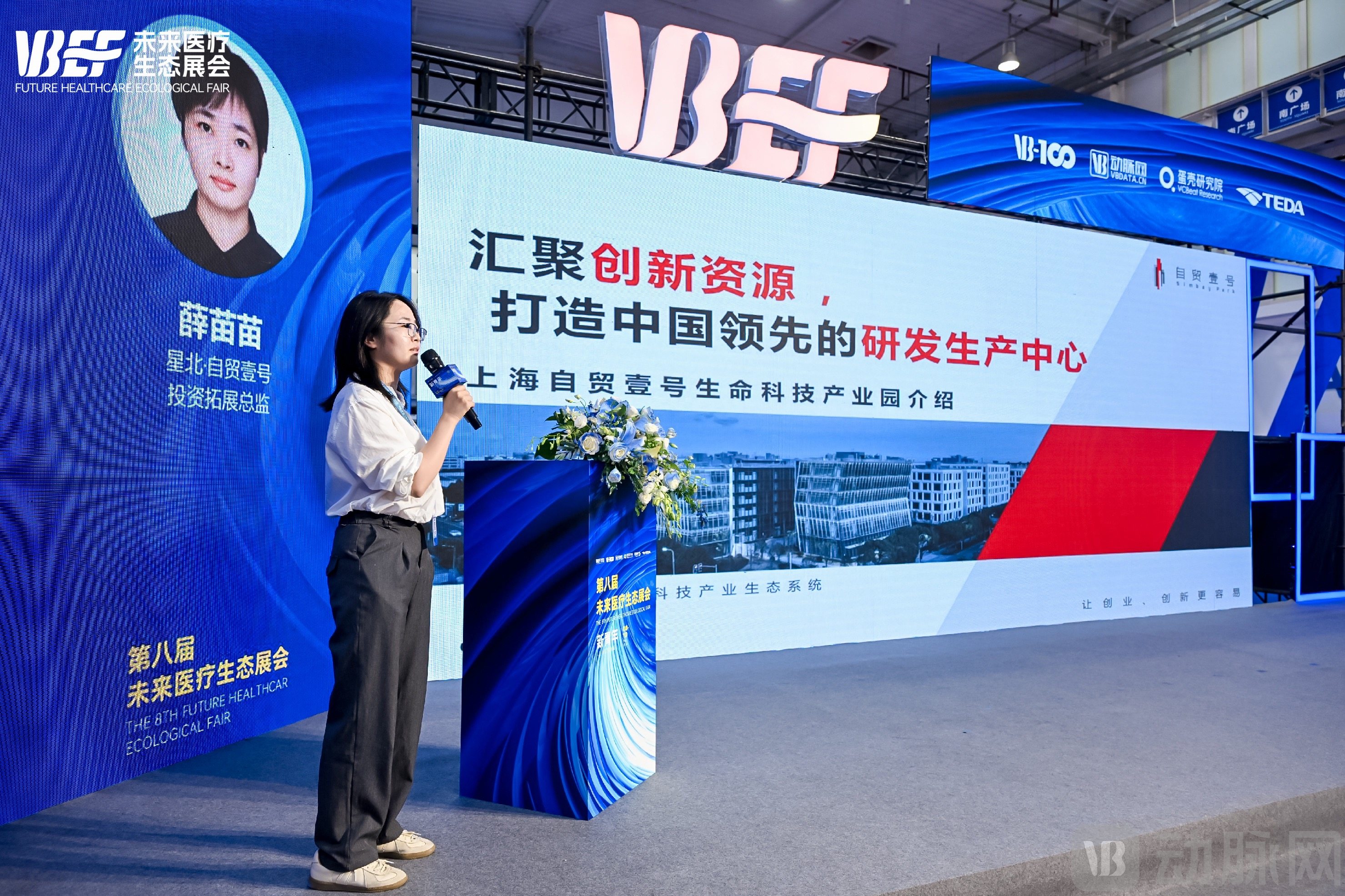
Xue Miaomiao, Investment and Expansion Director at Xingbei Free Trade Zone No. 1, Delivered a Keynote Presentation Titled “Aggregating Innovation Resources: Building China’s Leading R&D and Manufacturing Center”
Xue Miaomiao noted that, compared with overseas markets, China’s biomedical industry has a low rate of translation of scientific and technological achievements into practical applications, and is characterized by long development cycles, high returns, high risks, and high technological intensity. Meanwhile, many companies also face challenges in commercializing technologies as products and navigating the post-launch market for pharmaceuticals. From the perspective of a specialized biomedical industrial park, Free Trade Zone No. 1 has aggregated key industry resources and built a biomedical industry ecosystem over four years.
Xingbei FTZ No.1 Life Science and Technology Industrial Park (hereinafter referred to as “Xingbei·FTZ No.1”) is located in the Waigaoqiao Free Trade Zone in Pudong New Area, Shanghai. Invested, operated, and managed by Xingbei Group, the park has a total gross floor area of 360,000 square meters and a total investment exceeding RMB 3.5 billion. It aims to become a specialized industrial park in China focused on the biopharmaceutical sector. Xingbei·FTZ No.1 is committed to fostering the development of advanced therapies (cell and gene therapy), innovative drugs (antibodies and antibody-drug conjugates [ADCs]), high-end medical devices, and CXO platform enterprises.
Xingbei Free Trade Zone No. 1 has attracted a large cluster of high-quality biopharmaceutical companies with industry-leading positions in niche sectors, overseas-returnee startup projects, and other high-end pharmaceutical enterprises, thanks to its superior geographic location and advanced infrastructure. It has successively been awarded professional titles such as Shanghai Cell and Gene Therapy Demonstration Park, Shanghai Municipal Incubator, Accelerator, Pudong Specialized Industrial Park, and Pudong Large Enterprise Open Innovation Center. As a source of innovation in China’s biopharmaceutical sector and an ecological community for the development of the life sciences industry, Xingbei Free Trade Zone No. 1 has demonstrated its leading position in driving industry growth and promoting technological innovation.
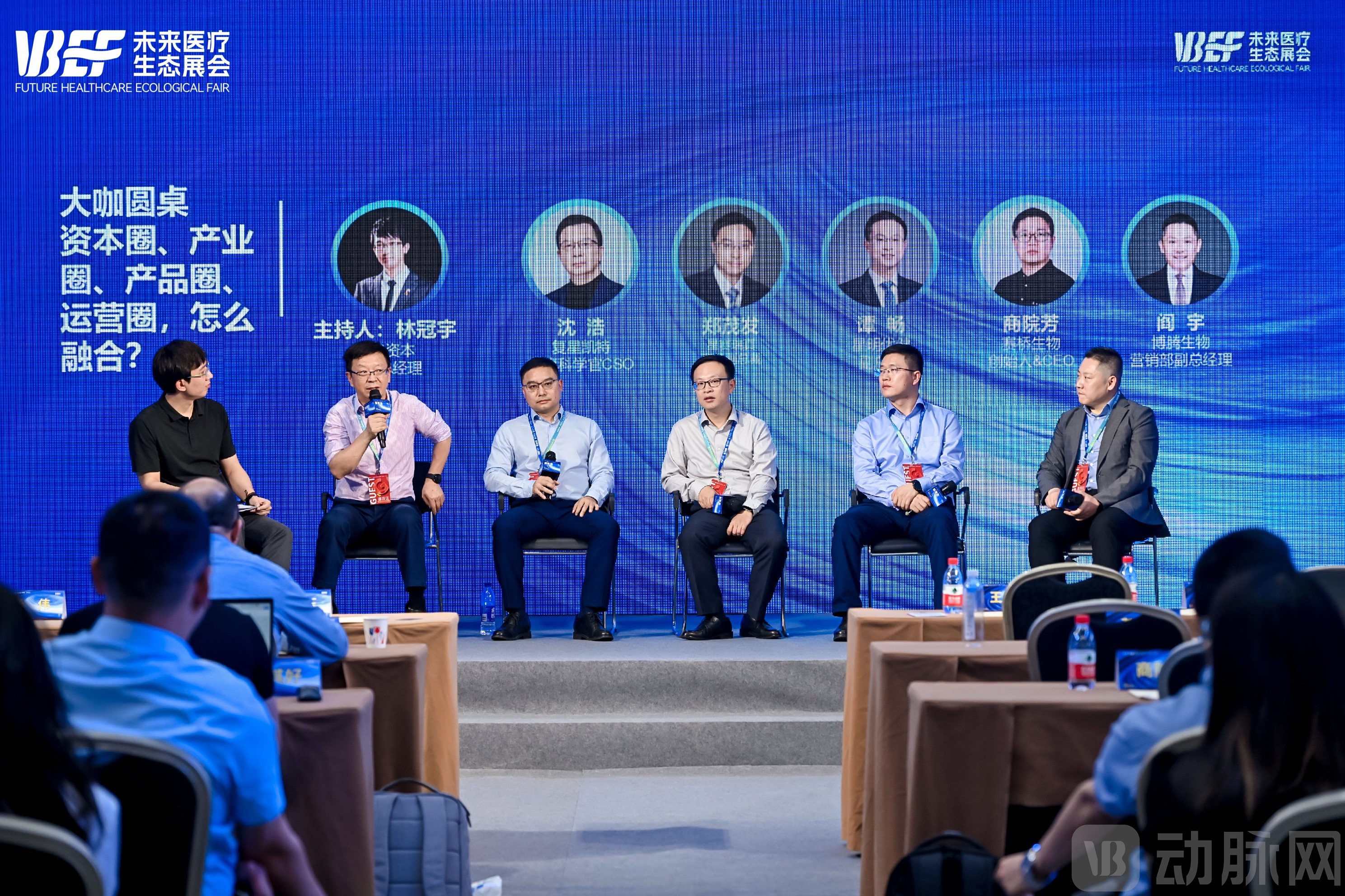
The final roundtable featured Shen Hao, Chief Scientific Officer (CSO) of Fosun Kite; Zheng Maofa, Senior Vice President of Xingsai Ruizhen; Tan Chang, Vice President of Xingming Youjian; Shang Yuanfang, Founder and CEO of CytoNiche Biotechnology; and Yan Yu, Deputy General Manager of the Marketing Department at Porton Bio. Moderated by Lin Guanyu, Executive General Manager of FJ Capital, the panel discussed how to better integrate the capital, industry, product, and operational sectors to achieve win-win cooperation and empower industrial development.
Shen Hao, Chief Scientific Officer (CSO) of Fosun KiteIt was stated that Fosun Kite has grown from a startup to a company with nearly 500 employees over the past few years. It has made significant efforts to bring its products to market, achieved numerous "firsts" in China, and gained valuable knowledge and experience in the process. Currently, the major challenge facing CAR-T therapy is affordability. From a pharmacoeconomic perspective, the price of RMB 1.2 million is relatively affordable compared to global markets; however, we estimate that only 5% of patients in China can currently afford it. To address this issue, Fosun Kite has taken a multi-dimensional approach, making substantial efforts in insurance collaboration, operational coordination, and quality control cost management. Of particular note is the newly introduced payment model this year: patients receiving Yikaida® infusion will undergo efficacy evaluation three months post-treatment. If complete response (CR) is not achieved, they may be eligible for a refund of up to 50% of the treatment cost. We hope these initiatives will enable more patients to access the medication.
Zheng Maofa, Senior Vice President of Xingsairui ZhenStatement: During periods of capital constraint, it is even more critical to live within our means and prudently utilize our limited financial reserves. I believe there are two key points: first, clearly defining what to do and what not to do; second, implementing refined operational strategies. For instance, adopting an asset-light model and collaborating with peer partners in China’s cell and gene therapy (CGT) industry chain are important approaches to reducing costs. XingSai RuiZhen has considered the issue of cost allocation for later-stage cell therapies since its early design phase, focusing on allogeneic stem cell regenerative medicine transplantation as a replacement therapy. Currently, the company has two pipelines aimed at addressing the shortage of organ donors through stem cell technologies.
Regarding the current trend of many domestic biotech companies pursuing business development (BD) and license-out deals. To use an analogy, launching a new drug startup is akin to a swimming competition. Whether you choose freestyle, breaststroke, or butterfly, the goal is simply to reach the finish line. It is crucial to conserve energy before reaching the end, ensuring you have enough reserve for a final sprint. BD, initial public offerings (IPOs), and company acquisitions are merely different exit channels. The form of exit—whether partial or full—is simply a strategic choice made at a specific point in time. Startups are like football players in an intense match. Each player must not only demonstrate individual differentiation but also collaborate closely with teammates, representing the entire upstream and downstream industry chain. Only through such synergy can one become the Most Valuable Player (MVP), help their respective niche sector stand out, and benefit the entire industrial ecosystem.
Tan Chang, Vice President of Xingming YoujianStatement: Xingming Youjian is an incubated enterprise of the Fukan Capital New Drug Innovation Fund. From the outset, we conducted thorough and in-depth market analysis alongside the founding team. Balancing innovation with risk, we ultimately selected broad-spectrum gene therapy for degenerative eye diseases—a sector characterized by high technical barriers yet substantial market demand and a large addressable market. Robust clinical data are key to attracting capital interest. Two and a half years after its establishment, we have already accumulated more than one year of Investigator-Initiated Trial (IIT) data. In terms of expenditure, we have adopted a cost-efficient, asset-light operational model, refraining from building manufacturing facilities and instead directing greater investment into pipeline R&D. As a result, the company continues to operate on a stable and sound footing.
In the past two years, many Chinese companies have made a strong start in business development (BD), injecting significant confidence into the industry. The BD pipeline or products must be globally leading, with the goal of ranking first in China and among the top three worldwide; at the very least, they should secure second place in China. On this basis, innovative enterprises need to consider the global competitive landscape, such as adopting different pricing strategies domestically and internationally, to explore models for product commercialization and corporate globalization.
Shang Yuanfang, Founder & CEO of CytoNexus BioStatement: As an upstream provider of high-performance tools and supply chain solutions, Saiqiao Biology was initially positioned as a leading equipment supplier. However, we later realized that merely providing equipment, hardware, and new infrastructure would be insufficient to deliver higher performance and automated processes for cell and gene therapy (CGT). We now observe that the commercialization of cell therapies is exploring future-oriented, large-scale closed-loop business models, which impose stringent cost requirements. In response to these needs, Saiqiao Biology has adjusted its product portfolio in three key areas: First, deploying next-generation production equipment with enhanced product performance and iterative process optimization. Second, leveraging high-performance modules to build one-click production and preparation systems, thereby reducing reliance on manual labor and facility footprint. Third, introducing novel methods in the testing phase and establishing a new generation of tool systems, thereby creating an integrated innovation paradigm that combines tools and processes.
During the capital winter, cutting off limbs to survive is one option, but we can also seek better alternatives. First, adopt a more tightly coordinated model across the industry—not merely a simple 1+1 addition, but rather an aggregation of resources and exploration of new business models. Second, upstream and downstream companies should leverage their strengths in key pipelines, join forces to shorten commercialization cycles, reduce future production costs, and advance R&D through small, rapid steps.
Yan Yu, Deputy General Manager of the Marketing Department at Porton BiopharmaIt stated: As a CDMO, Porton Biopharma places great emphasis on early-stage communication with clients during product development, particularly in the commercial development of new technologies and industrialization platforms. The company’s development strategy is to first establish CMO and CDMO capabilities, and then gradually expand into CRO services. Throughout the industrialization process, Porton Biopharma provides comprehensive services, including hardware facilities, quality assurance, operational management, and supply chain management, to support all stages from preclinical research to clinical trials. This one-stop integrated service system helps startups reduce costs and provides support along their path to industrialization.
During downturns in the capital market, companies should avoid short-sighted self-rescue measures. While not immediately fatal, such actions can undermine long-term development. In the long run, having a clear R&D strategy and comprehensive top-level planning is crucial. This not only ensures the smooth operation of R&D activities but also helps identify new projects with significant commercial potential. What the industry truly needs are investors with strategic vision and industrial insight, rather than those focused solely on short-term financial returns. In the resource-constrained "winter," close collaboration between enterprises becomes particularly critical. By setting and executing clear Objectives and Key Results (OKRs), companies can jointly explore opportunities, divide labor, and collaborate to drive project progress, thereby increasing success rates and reducing costs.