

PANVIS Enables World's Longest-Distance Remote Coronary Intervention: Shanghai-Kashgar 5G-Connected Robotic PCI Breakthrough
Dreams
Coronary heart disease (CHD) is a major threat to human health. As of 2023, the number of CHD patients in China had reached 11.39 million, with the mortality rate showing a continuous upward trend in recent years, particularly in rural and economically underdeveloped regions. Percutaneous coronary intervention (PCI) is currently the primary treatment for CHD. However, as the number of patients increases, the challenge of providing timely and effective care to critically ill patients with complex conditions has become increasingly prominent, especially due to the relative scarcity of medical resources in remote areas.
Faced with such significant challenges,Academician Ge Junbo’s team from Zhongshan Hospital, Fudan University, in collaboration with Shenzhen Aibo Hechuang, jointly developed the PANVIS robotic system, which enables remote, precise control for pan-vascular interventional surgeries, with the aim of delivering standardized, advanced medical technologies to patients in remote areas.. This surgical robot system has achieved the following core technical elements:Precision-controlled devices, high-bandwidth low-latency networks, stable and seamless operational experience, and surgical proficiency in managing complex scenarios.
Kashgar, Xinjiang, is a crossroads at the heart of the Eurasian continent and a key hub in China’s Belt and Road Initiative. To enhance the level of medical security in the Kashgar region, Shanghai has been providing paired assistance to Kashgar since 2010. Medical aid teams from Zhongshan Hospital Affiliated to Fudan University have taken turns in this mission, working jointly with the Second People’s Hospital of Kashgar to promote the development of regional medical technology.
Academician Ge Junbo’s team has joined hands with the Second People’s Hospital of Kashgar to facilitate mutual exchanges by dispatching key specialists for guidance and collaborative learning, thereby building a communication bridge between the cardiology departments in Shanghai and Kashgar. By continuously introducing advanced technologies and concepts to Xinjiang, the initiative ensures that patients in Kashgar benefit from “Shanghai’s top-tier medical expertise.”
To enable patients in Kashgar, and even those in all “Belt and Road” countries and regions in the future, to benefit from the advanced concepts and medical technologies of the Department of Cardiology at Shanghai Zhongshan Hospital, Academician Ge Junbo and Professor Shen Li led their medical team and R&D personnel from Aibo Hechuang to address various challenges and overcome numerous difficulties. They repeatedly conducted local and remote animal experiments to validate interventions for bifurcation lesions, continuously exploring the scientific basis for the application of ultra-long-distance interventional surgical robots. Ultimately, they achieved“Zero-Distance” Shanghai-Kashgar Medical Collaboration: Making Long-Distance Clinical Interventional Surgery Possible
Practice
During a joint consultation involving Academician Ge Junbo’s team and the Department of Cardiology at the Second People’s Hospital of Kashgar, a 53-year-old Uyghur patient with a complex clinical condition expressed hope for treatment using the “Shanghai Zhongshan technique.” The patient had undergone right coronary artery stent implantation one month prior due to an acute inferior wall myocardial infarction and recently returned to the Second People’s Hospital of Kashgar due to recurrent chest pain. After thoroughly reviewing the patient’s medical records and obtaining prior approval from the hospital’s Ethics Committee, Academician Ge and his team decided to perform the procedure using a remote vascular interventional robot. This initiative aimed to introduce this novel medical technology and advanced therapeutic concepts to the Kashgar region.
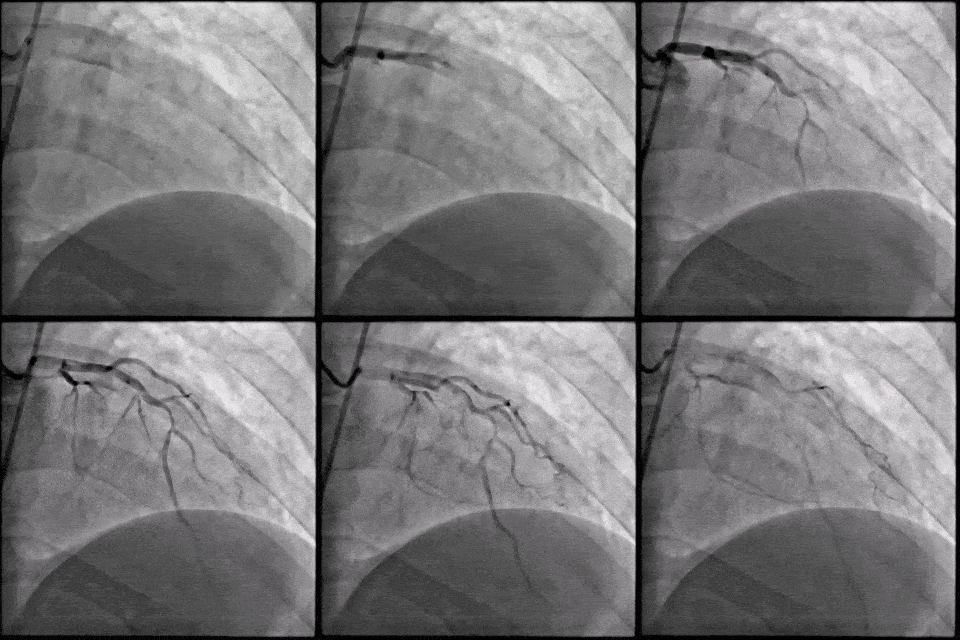
[DSA Figure 1. Angiography of the Left Coronary Artery Before Treatment]
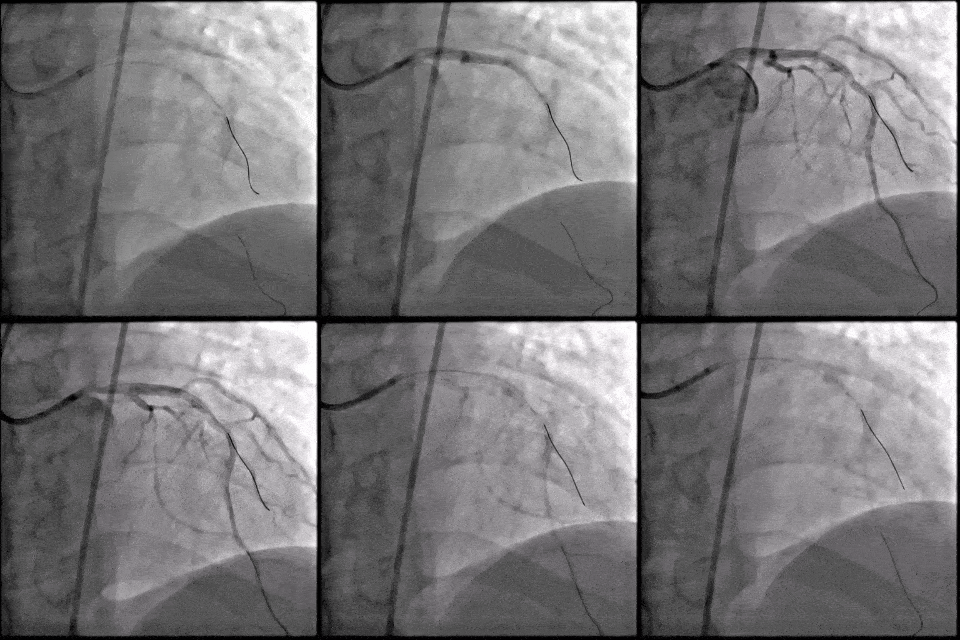
【DSA Figure 2. Stent Deployment in the Left Anterior Descending Artery】
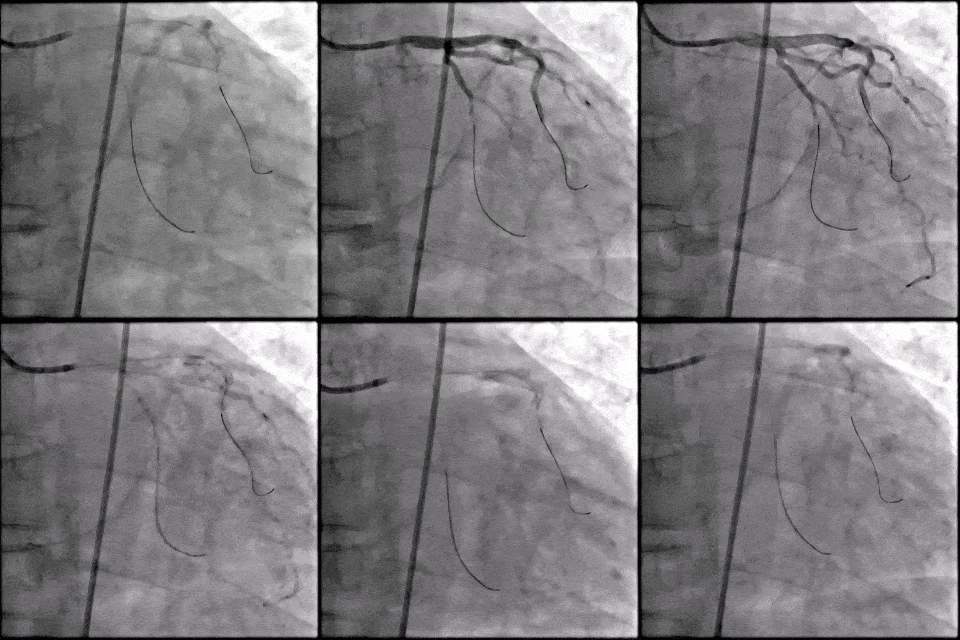
[DSA Image 3. The guidewire of the circumflex branch successfully passed through the lesion]
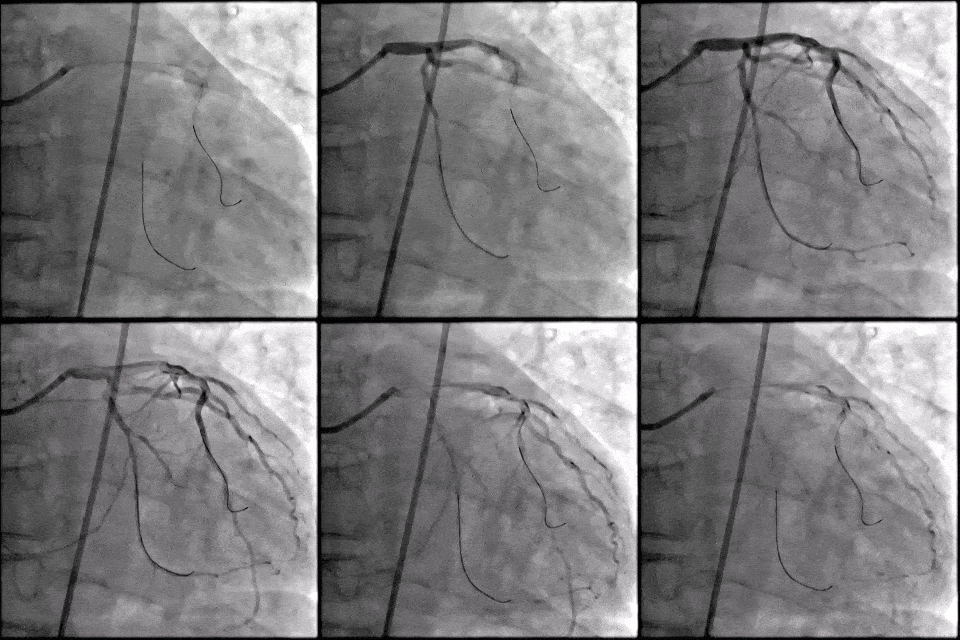
[DSA Figure 4. Angiography at the End of Treatment]
At 8:00 a.m. on May 28, Academician Ge Junbo’s team successfully established a live connection with the catheterization laboratory of the Second People’s Hospital of Kashgar from the Zhongwei Hall on the 16th floor of Building 16 at Zhongshan Hospital, officially commencing the Shanghai–Kashgar remote surgery. At 8:35, after femoral artery access was established in the catheterization laboratory of the Second People’s Hospital of Kashgar, Xinjiang, left and right coronary angiography revealed an 85% severe stenosis in the mid-segment of the left anterior descending (LAD) artery; the stenosis was located at a vascular bifurcation and adjacent to a myocardial bridge. Furthermore, the mid-segment of the left circumflex (LCx) artery was nearly occluded, characterized by a thin, tortuous vessel with diffuse lesions. At 8:59,Academician Ge, operating from Shanghai using the master console of the PANVIS COF vascular intervention robot, advanced the guiding catheter to the ostium of the left coronary artery. He navigated both the main branch guidewire and the side-branch protection guidewire through the stenotic lesion, advancing them to the distal segments of the left anterior descending (LAD) artery and the diagonal branch to establish a rail system. Leveraging the robot’s micro-adjustment capability, he avoided the myocardial bridge and deployed one stent with sub-millimeter precision. After successfully treating the LAD lesion, Academician Ge remotely fine-tuned the guidewire’s direction by twisting the mechanical joystick, smoothly crossing the near-total occlusion in the left circumflex (LCx) artery. Given the relatively small vessel caliber and diffuse nature of the lesion, he opted for plain balloon angioplasty. Immediate angiography revealed negligible residual stenosis, thereby avoiding additional stent implantation.10:10, all guidewires and catheters were withdrawn; the procedure was completed successfully.
Throughout the entire surgical procedure, Academician Ge personally performed the operation remotely, engaging in in-depth communication with the physicians at Kashgar Second People’s Hospital. He provided detailed explanations of every technical nuance and shared his expertise, offering profound inspiration and substantial benefits to the young scholars involved.
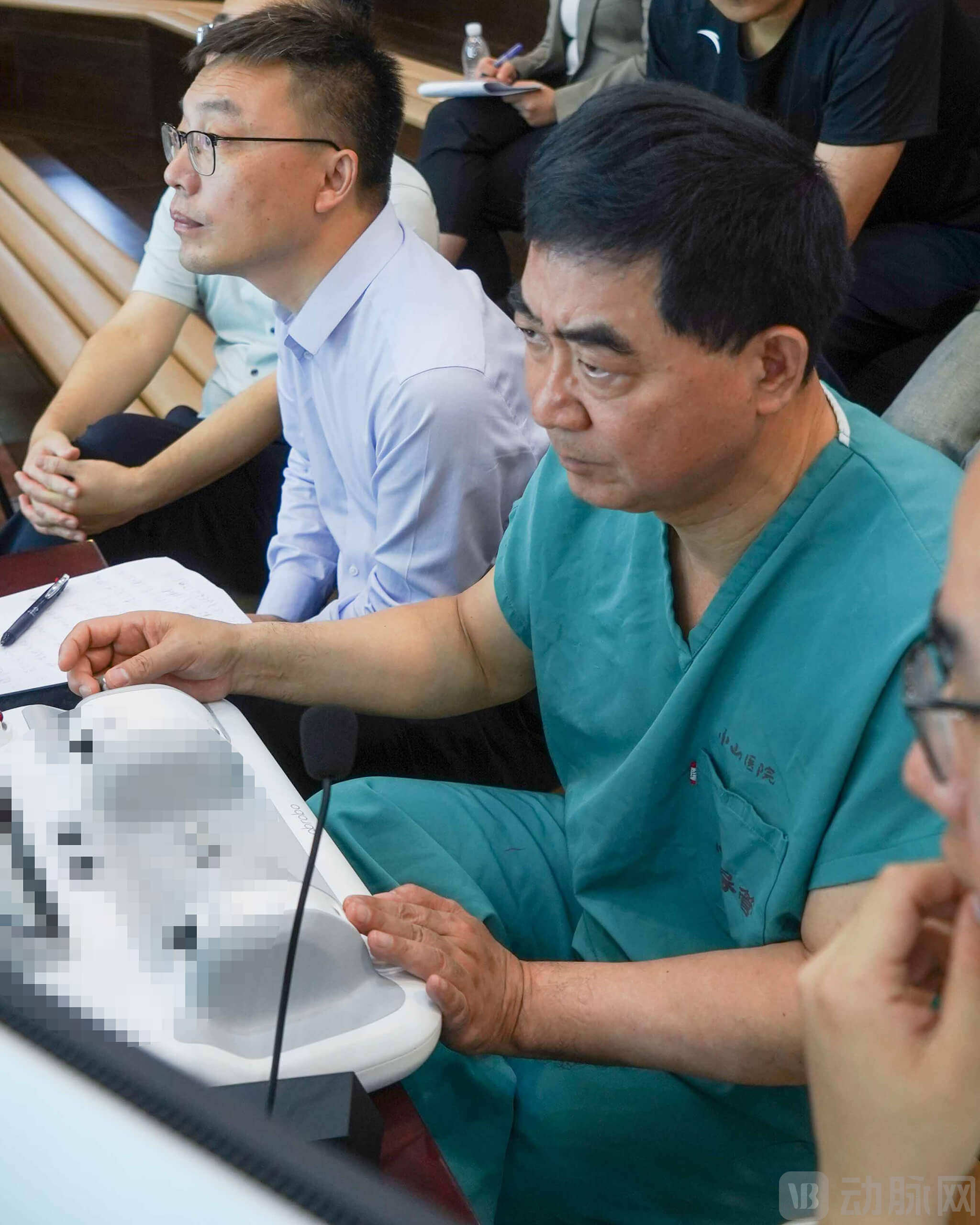
[Figure 1. Academician Ge Junbo performing a pan-vascular interventional surgery using a robotic system]
Future
This robotic telesurgery, spanning 5,200 kilometers, marks the longest-distance cardiovascular interventional procedure ever performed globally! Leveraging the PANVIS pan-vascular interventional surgical robot—independently developed with proprietary intellectual property by Shenzhen Aibo Hechuang—and combining it with China’s world-leading basic network infrastructure and 5G communication technology, the most advanced vascular interventional concepts and techniques from the Department of Cardiology at Shanghai Zhongshan Hospital were delivered to Kashgar, a key frontier city in western China. This achievement not only meets the demand for complex cardiovascular interventional treatments in remote areas but also provides a new model for exploring future medical technology exchanges among “Belt and Road” countries.
This remote surgery has truly achieved “zero-distance” cardiovascular interventional procedures between Shanghai and Kashgar, fully demonstrating the core technical advantages of the PANVIS pan-vascular interventional robot developed by Aibo Hechuang, including low latency, precise delivery, stable and smooth operation, and comprehensive coverage of the entire robotic surgical workflow. We believe that combining robotics with 5G technology offers new approaches to addressing the unequal distribution of medical resources. Vascular interventional robots integrated with advanced artificial intelligence, coupled with modern communication technologies, can merge expertise and concepts from different regions within the same temporal and spatial framework, enabling more patients with coronary heart disease to overcome geographical barriers and access consistent, high-quality medical care.
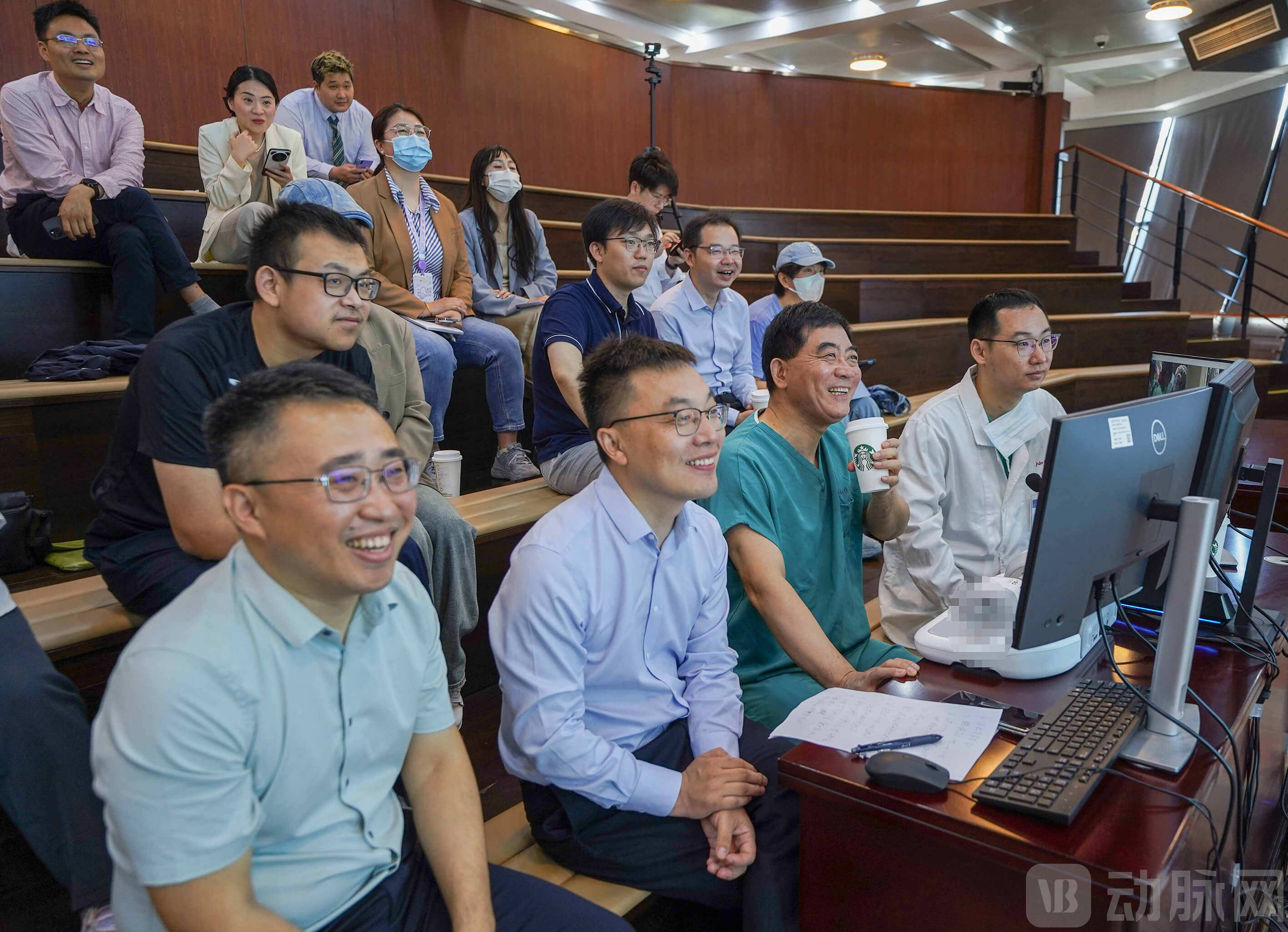
[Figure 2. Successful Completion of Robot-Assisted PCI Procedure]
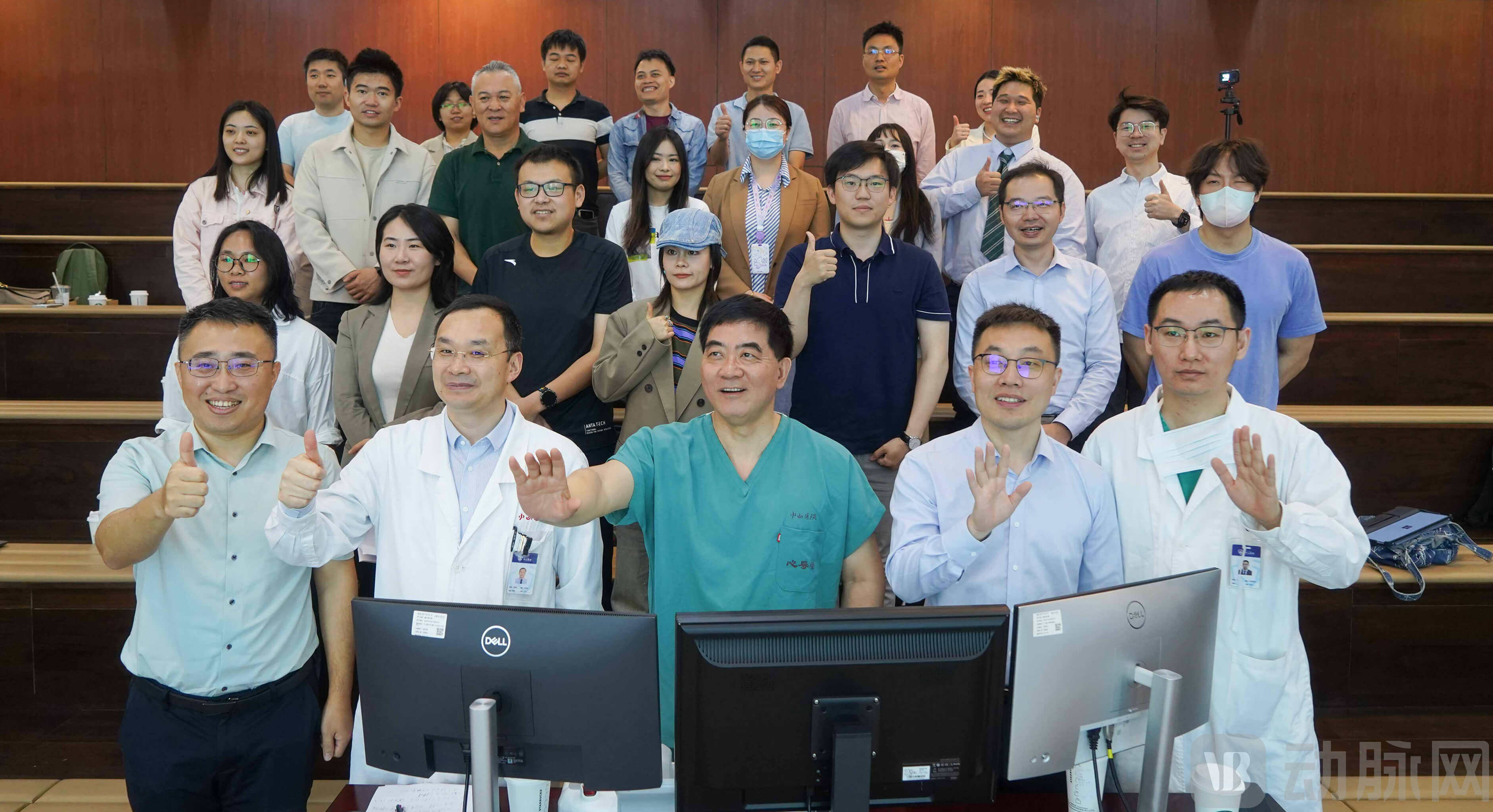
[Figure 3. Postoperative Group Photo in the Conference Room of Zhongshan Hospital, Shanghai]
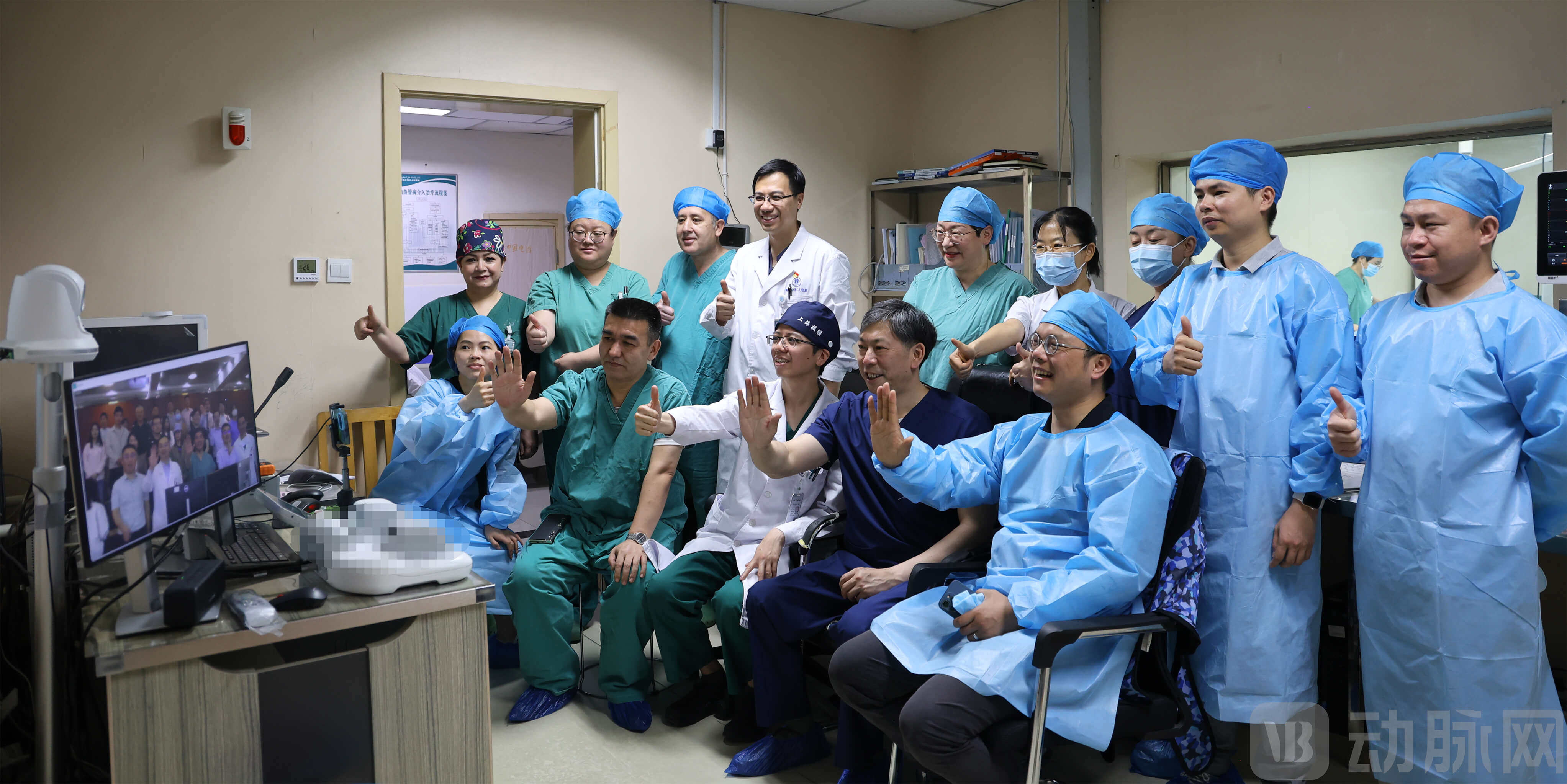
[Figure 4. Postoperative group photo in the catheterization laboratory of the Second People's Hospital of Kashgar]
Acknowledgements
The surgery was successfully completed under the coordination of Dr. Song Zhenju, Vice President of Zhongshan Hospital Affiliated to Fudan University, and Dr. Chen Weihua, President of the Second People's Hospital of Kashgar.
Zhongshan Hospital: Ge Junbo, Shen Li, Pei Zhiqiang, Wang Rui, Zhu Minghui, and other team members.
Kashgar No. 2 People's Hospital: Chen Qingxing, Ablimit Jamal, Mamateli Tursun, Aimaitijiang Mamat, Cai Yuming, Nueramina Tursun, Li Fangfang, and other team members.
All members of Shenzhen Aibo Hechuang Medical.
All Members of Shanghai Xinuo Medical
Thanks to every explorer who contributed to this surgery.
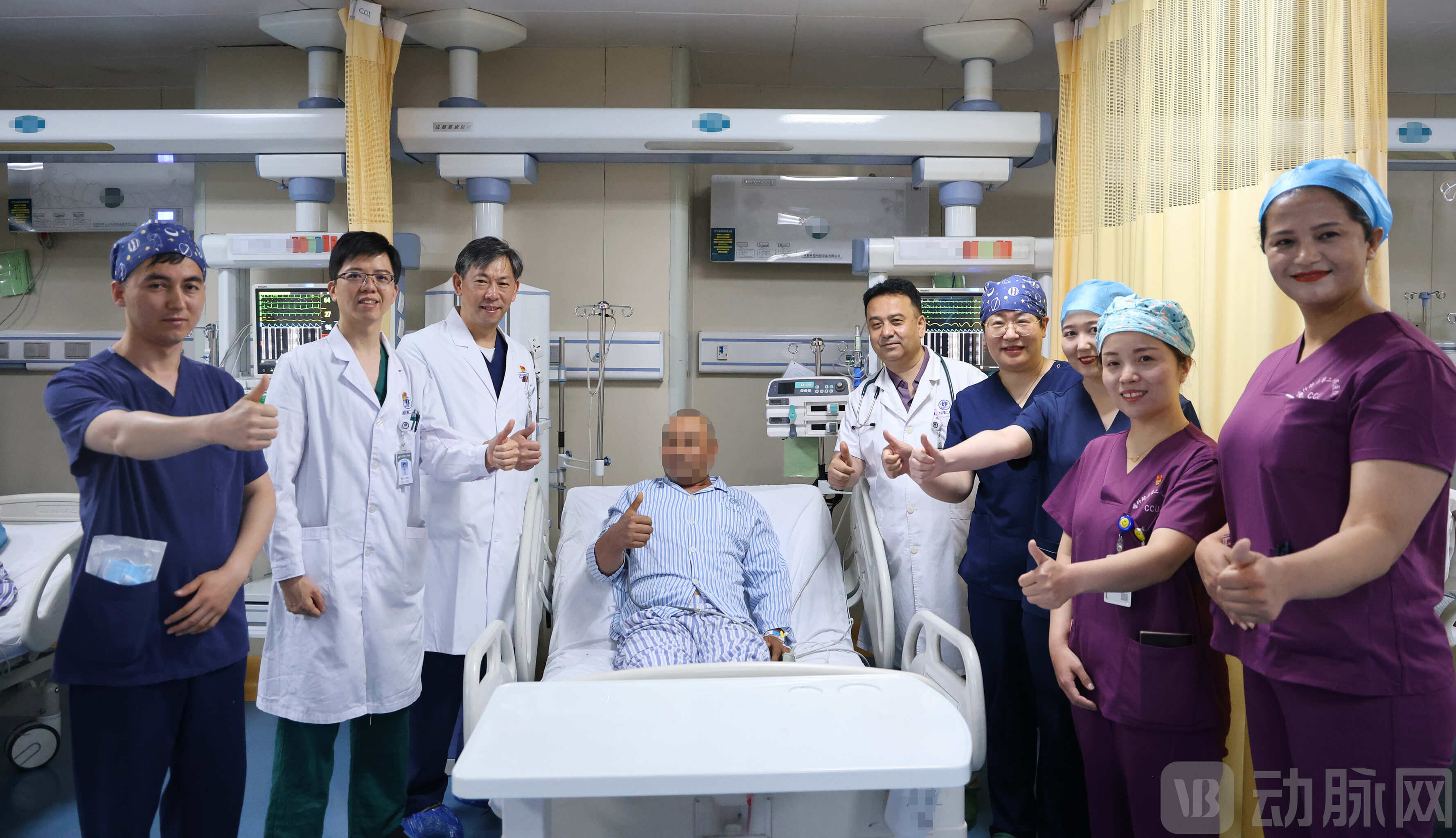
[Figure 5. Patient expresses gratitude to the physician during postoperative recovery]
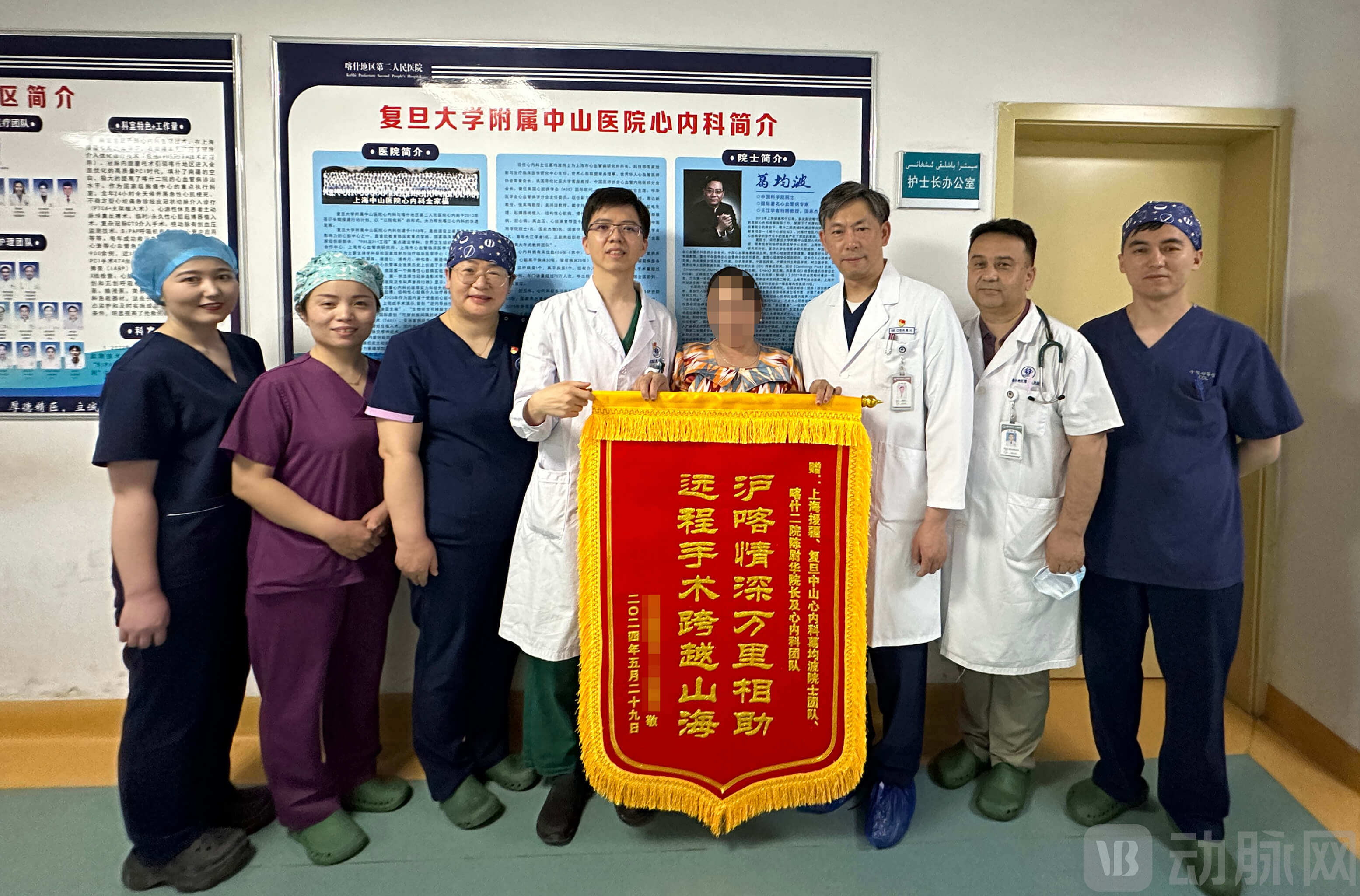
[Figure 6. The patient's family expresses gratitude to the medical provider]