

How a County of One Million People Produced Four Medical IPOs
A county-level city with a population of one million is emerging as a star hub for medical innovation in China. This place is called Jiangyin.
According to the official data released this year,Jiangyin has gathered more than 430 biopharmaceutical companies., which places it at the forefront among China’s county-level regions. Among these, four medical enterprises have completed initial public offerings (IPOs), including Litong Biotechnology, Sihuan Biological, Caina Shares, and Hualan Shares; additionally, Fenghe Medical has also filed its prospectus.
In the primary market,Jiangyin’s Medical Innovation Companies Also Frequently Secure FinancingFor example, Bai’ao Da completed a new round of financing amounting to hundreds of millions of yuan, Pulai Medicine completed its Series E financing, Beta Pharma secured its Series D funding, Zecheng Biology raised its Series B+ round, and Beiruisen obtained its Series A financing...
It should be noted that,A decade ago, Jiangyin’s biopharmaceutical industry was virtually nonexistent. Today, however, the city has developed a robust biopharmaceutical industrial cluster led by modern traditional Chinese medicine and encompassing niche sectors such as biopharmaceuticals and medical devices. The industry’s revenue has surpassed RMB 20 billion, demonstrating strong growth momentum.
In just a few short years, how has Jiangyin crafted a new narrative for the development of its medical innovation industry? What key strategies underpin its remarkable achievements?
Within China’s county-level administrative landscape, Jiangyin has consistently maintained a leading position in terms of economic performance.
Taking GDP as an example. In 2023, although the population of Jiangyin was 1.78 million,The gross domestic product reached a staggering RMB 496.051 billion. This figure not only ranks second among all county-level administrative divisions in China but also surpasses that of most provincial capital cities in the central and western regions, making it a standout performer.
However, despite Jiangyin’s current prominence, it has also faced challenges stemming from an overreliance on traditional industries and the need to optimize its economic structure.
Since the 1980s, Jiangyin, a county-level city that rose rapidly amidst the reform and opening-up policy, has established a development path dominated by traditional manufacturing industries such as textiles and chemicals, earning it the reputation of “China’s No. 1 Industrial County.” However, entering the second decade of the 21st century, with the nationwide industrial transformation, the traditional model dominated by single-sector manufacturing began to lose momentum, and development risks increased significantly.
In the face of the current situation, Jiangyin has not rested on its laurels but has actively shed the label of “a county strong in traditional industries” left by its past. It is not only continuously transforming its development model in its six pillar industries—steel and metallurgy, textiles and apparel, automotive and marine equipment, chemical fibers, and machinery—but has also begun toVenturing into emerging industries such as biomedicine, thereby providing new momentum for economic growth.
From a temporal perspective, there are two critical periods.
First, in 2013, Jiangyin established the Biopharmaceutical Industrial Park within the Jiangyin High-Tech Zone and formulated and issued biopharmaceutical industry policies, thereby embarking on a journey of medical innovation. Second, in 2021, Jiangyin released the “14th Five-Year Plan for the Development of Strategic Emerging Industries,” which stated that Jiangyin would build a distinctive biopharmaceutical industry hub in the Yangtze River Delta, further fueling the development of the local medical innovation sector.
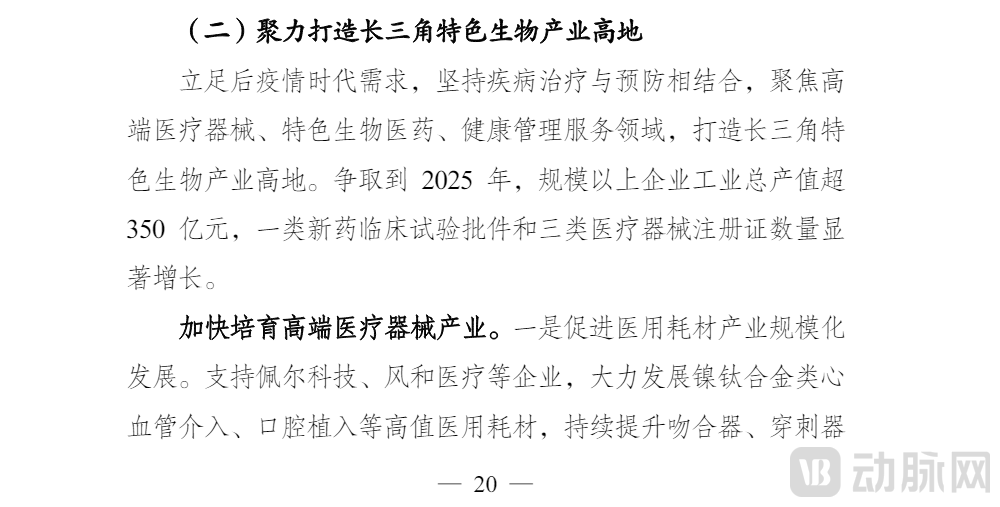 (Jiangyin’s “14th Five-Year Plan” for the Development of Strategic Emerging Industries, Image source: official government website)
In this regard, Jiangyin has established a series of carrier platforms, including the High-Tech Zone Biomedical Innovation Port, Xiake Bay Life and Health Industry Valley, Lingang Biopharmaceutical Industrial Park, Comprehensive Bonded Biomedical Industry Special Zone, and the 121 Future Industrial Park.
Jiangyin High-Tech Industrial Development Zone serves as the primary hub for the development of Jiangyin’s life and health industry. It began strategically positioning its biopharmaceutical sector in 2011 and has frequently introduced supportive policies in recent years. For instance, in 2020, the zone rolled out special support measures for the life and health industry, with the initial disbursement of reward and subsidy funds reaching RMB 16 million. In the following years, these policies were continuously optimized and adjusted to progressively expand their coverage.
Beyond policy support, Jiangyin High-Tech Zone has also made continuous efforts to expand and improve its innovation carriers. For instance, the Jiangyin 121 Future Industrial Park officially opened in January this year, with the first batch of 24 projects settling in. These projects cover areas such as high-end medical devices and biopharmaceutical technical services, including three fund- and platform-based initiatives.
Moreover, the Jiangyin High-Tech Zone has leveraged its science and technology innovation enclaves established in Beijing, Shanghai, Shenzhen, and other cities to vigorously attract sci-tech innovation projects to participate in the Park’s Innovation and Entrepreneurship Competition, with nearly half of these projects falling within the biopharmaceutical sector.
From the perspective of industrial development, projects and talent often complement each other. In this regard, Jiangyin High-Tech Industrial Development Zone has spared no effort in attracting talent. Official data show that by the end of last year, the zone had introduced 325 high-level professionals with master’s degrees or higher in the life and health sector, including 60 overseas high-level talents. It had recruited 15 experts under the National Major Talent Projects, 30 provincial “Mass Entrepreneurship and Innovation” talents and teams, and 30 Wuxi Taihu Lake talents and teams. Additionally, it had established nine academician workstations and six Nobel Prize laureate research institutes.
The overall implementation effect is evident.According to data disclosed by Xinhua Daily, Jiangyin High-Tech Zone has gathered more than 170 life and health enterprises, including 25 high-tech enterprises, forming a distinctive industrial chain integrating five sectors: modern traditional Chinese medicine, medical devices, innovative drugs, CXO (contract research, development, and manufacturing organizations), and biological products with technical services. This cluster includes representative biomedical enterprises such as Tianjiang Pharmaceutical, Pulead Pharmaceutical, Fenghe Medical, Libo Pharmaceutical, BerryGen, BioDuro, and Biocytogen.
In addition, Jiangyin plans to further improve the innovation ecosystem chain of “basic research + technological breakthroughs + industrialization of achievements + sci-tech finance + talent support,” thereby streamlining the innovation pipeline to achieve more breakthroughs in the field of medical innovation.
It is not difficult to see that Jiangyin has embarked on a journey of medical innovation and achieved significant progress.
Benefiting from continuous accumulation in the field of medical innovation,In recent years, a cohort of medical innovation and entrepreneurship powerhouses has emerged in Jiangyin, attracting capital firms to conduct due diligence and make investments.
Data from the VCBeat database shows that since 2023 alone, a host of investment firms—including Sinovest Capital, CMB International Capital, Huajin Capital, PICC Capital, Infinity Capital, GF Xinde, and Hongzhang Capital—have made substantial equity investments. This influx of capital has drawn greater industry attention to medical innovation enterprises in Jiangyin.
Take Bio-Asia, which recently completed a new round of financing amounting to hundreds of millions of yuan, as an example. The company primarily focuses on the research and development, production, and sales of the entire industrial chain for microbial probiotics. It possesses patented strains, core production equipment, and commercial-scale mass production capabilities, holding nearly 100 patents.
Specifically,Bio-Asia's product portfolio includes probiotic powders, ODM probiotic products, dairy blends, and livestock fermentation agents.These products primarily serve the health and wellness, pharmaceuticals, dairy, food, and modern agriculture sectors, and are exported to 20 countries and regions across the Americas, Europe, and Australia.
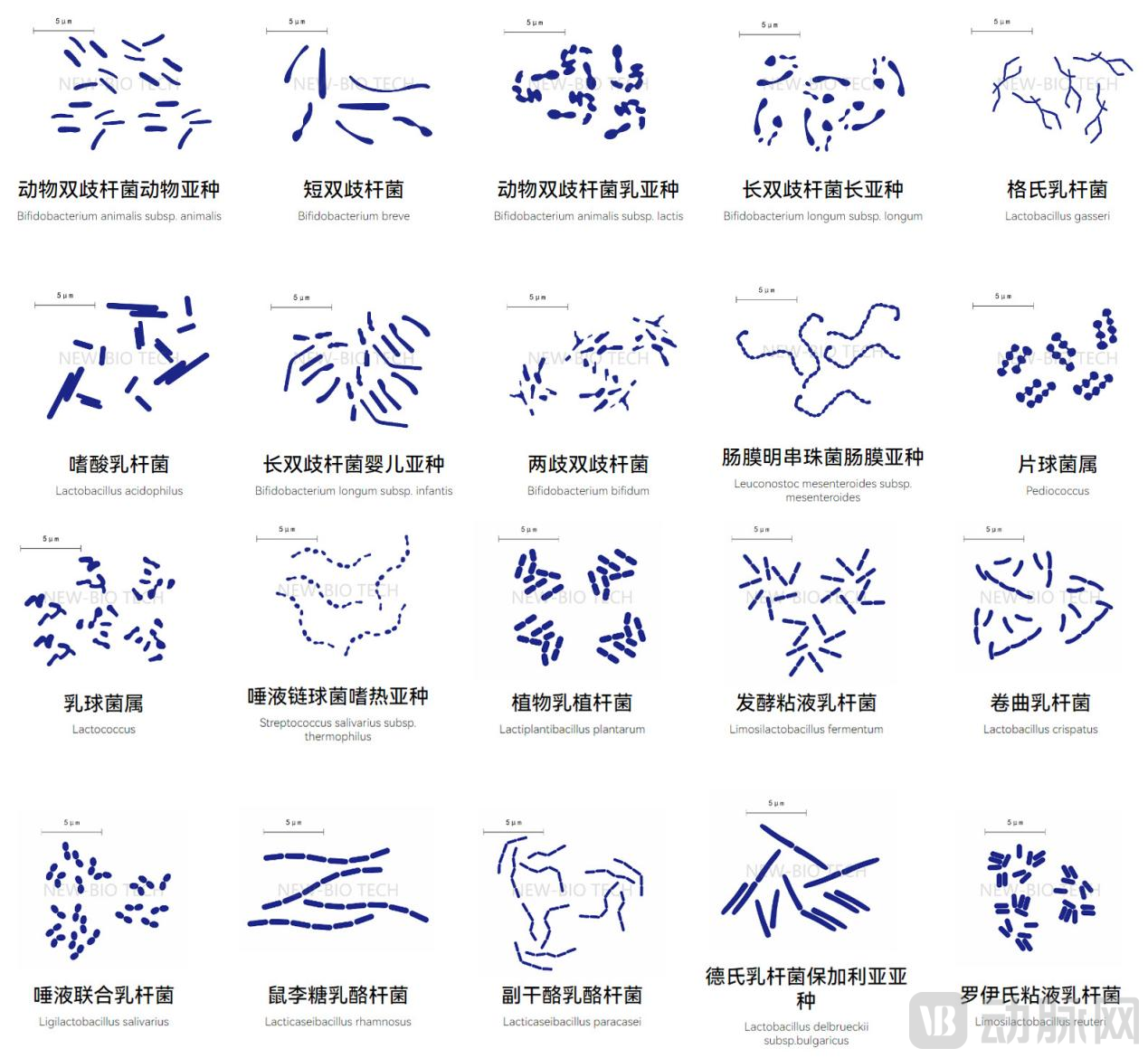 (Bio-Australia Probiotic Raw Materials. Image source: Company official website)
Another example is Plai Pharma, which has secured multiple rounds of financing and has focused on the research and development of peptide-based and chemical drugs for the past 15 years. In terms of R&D, Plai Pharma has established a research team led by Dr. Michel, a Nobel Laureate, and Dr. Hawkins, a Fellow of the Royal Society of Canada. The company operates the Michel Biomedical Research Institute (Jiangyin) and the Robert (Jiangyin) Foreign Academician Workstation.
Chen Yuxin, Chairman of Pulay Pharma, once told VCBeat that the company had mastered an effective method for designing antimicrobial peptides. Its antimicrobial peptide drugs are all novel antimicrobial peptide molecules obtained through de novo peptide design technology. By modifying the hydrophobicity, amphipathicity, and helicity of the antimicrobial peptides, their toxicity to the human body has been reduced.
In terms of its product pipeline, Pulai Pharma has currently launched a range of peptide formulations targeting various indications, including antimicrobial peptides and antitumor peptidomimetics, available in diverse dosage forms such as peptide sprays, suppositories, inhalants, and injectables. The company is also engaged in the research and development of peptide drug candidates in the fields of anti-infection and oncology.
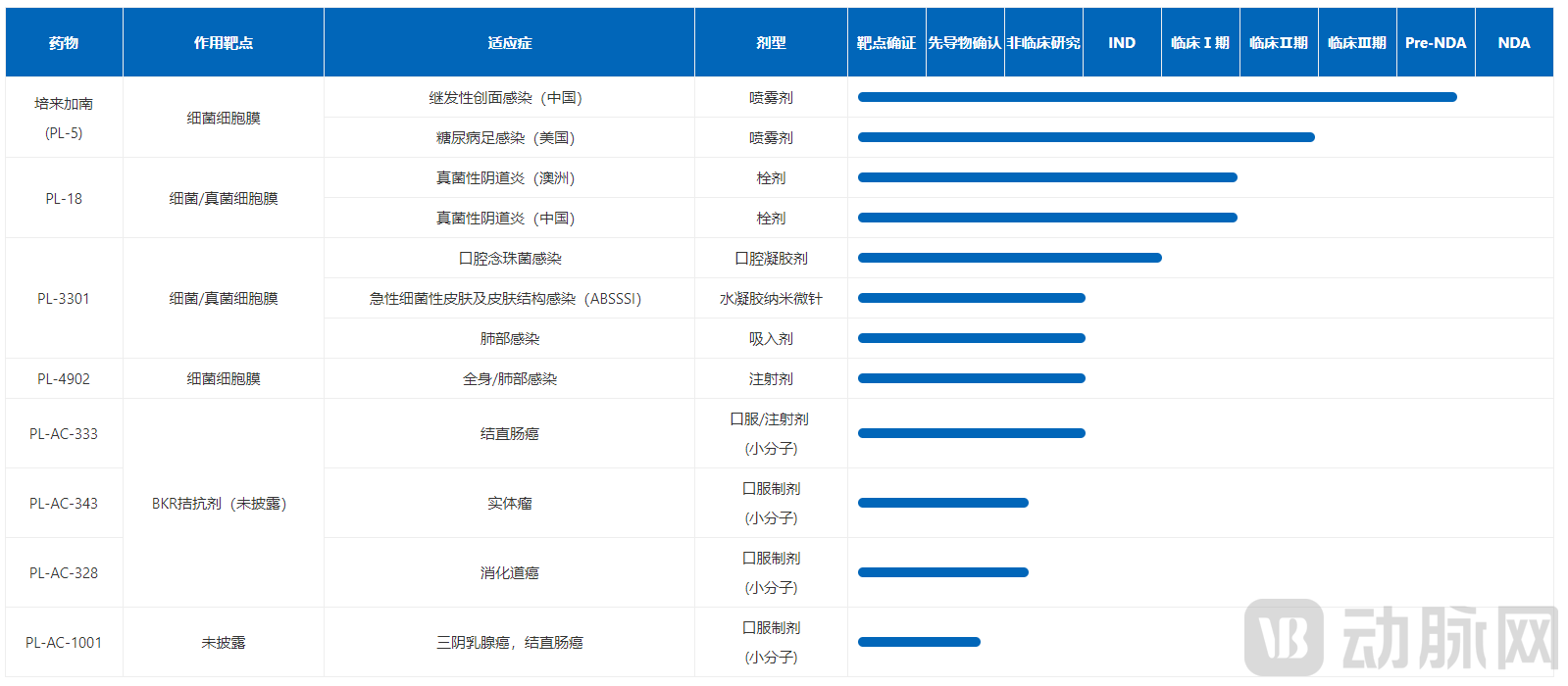 (Pulai Medicine's R&D Pipeline. Image source: Corporate official website)
Fenghe Medical, which is racing toward an IPO, specializes in minimally invasive surgical instruments and consumables. According to its prospectus, Fenghe Medical has established a comprehensive product portfolio, including endoscopic staplers (such as electric and manual endoscopic staplers), open staplers, and other minimally invasive surgical instruments (such as trocars, ligation clips, and clip appliers).
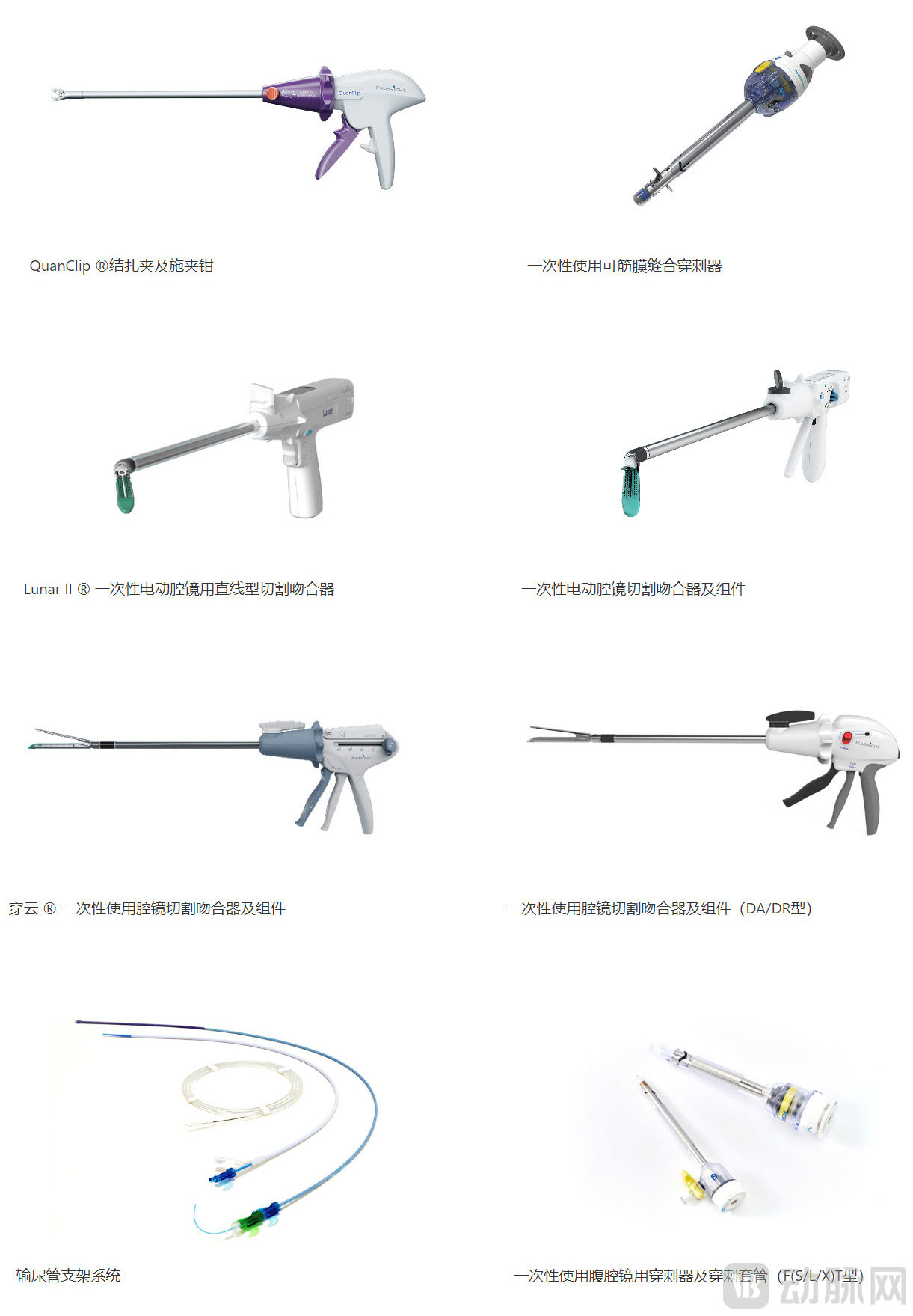
(Some product images of Fenghe Medical are sourced from the company’s official website)
According to Frost & Sullivan’s analysis, in terms of sales revenue, Fenghe Medical ranked among the top three in China’s electric endoscopic stapler market in 2022; it ranked first in the export market for domestically produced electric endoscopic staplers; and in China’s manual endoscopic stapler market, the company ranked eighth overall and sixth among domestic brands.
Of course, in addition to external capital, Jiangyin is also building a larger medical venture capital ecosystem locally.In August 2023, Jiangyin High-Tech Zone was approved to establish a RMB 3 billion fund of funds for emerging industries, aiming to provide financial support to relevant enterprises by building a multi-tiered industrial fund matrix featuring a “master-feeder” structure and coordinated city-district linkage.
Additionally,International expansion has become an inevitable path for China's medical innovation industry.In this regard, local governments across China are also attaching great importance to the issue. For instance, last year, the Jiangyin Commerce Department compiled the “2023 Compendium of Policies on Outbound Investment,” which was promptly distributed to various administrative divisions and relevant enterprises. Building on this foundation, the department actively organized outbound investment enterprises to participate in activities such as overseas investment security training sessions, thematic seminars on strategies for responding to outbound investment challenges, and forums on the high-quality development of cross-border trade. These efforts aim to help enterprises secure various policy support measures and create a favorable environment for their “going global” initiatives.
Supported by policies, an increasing number of medical innovation enterprises in Jiangyin are choosing to expand overseas.Taking Fenghe Medical as an example, the company established a wholly-owned subsidiary in Hamburg, Germany, to serve as its overseas marketing center and technical exchange platform. Meanwhile, Fenghe Medical’s prospectus noted that its products have successfully entered multiple international markets, including Europe, Latin America, the Middle East, and Asia, and are sold in more than 90 countries and regions worldwide, such as Germany, Italy, Spain, the Netherlands, Brazil, Mexico, Saudi Arabia, Ecuador, Peru, and Turkey.
From the influx of capital for due diligence and direct investment, to the construction of a multi-tiered local industrial fund matrix, and government support for corporate internationalization, Jiangyin’s medical innovation ecosystem is becoming increasingly robust.
And this is precisely becoming the fertile ground for the growth of Jiangyin’s elite teams in medical entrepreneurship and innovation.
The immense market potential of the medical innovation industry is attracting active strategic deployment across China, with unprecedented levels of policy support, investment intensity, and implementation speed.
The underlying reasons are not difficult to understand. On the one hand,The immense opportunities within the medical innovation industry can provide strong momentum for future economic growth in local governments., and promote the transformation and upgrading of the local economy, attract investment, create job opportunities, and drive the development of related industrial chains.
On the other hand,The medical innovation industry, particularly the biopharmaceutical sector, is a national strategic priority, as it not only impacts public welfare and livelihoods but is also closely tied to national security.In this regard, the Outline of the 14th Five-Year Plan for National Economic and Social Development and the Long-Range Objectives Through the Year 2035 of the People’s Republic of China explicitly lists the biopharmaceutical industry as a strategic emerging industry for “seizing the initiative in future industrial development.”
Therefore, vigorously developing the medical innovation industry at present is both necessary and urgent.
However, in the actual development of the industry, how to build a suitable ecosystem for medical innovation industries is a difficult and mandatory question facing local governments.
After all,The high returns in the medical innovation industry come with significant risks, requiring long-term incubation, accumulation, and sustained support.Take Tuttlingen, a key hub of global county-level industrial clusters, as an example. With a population of only 35,000, it is home to more than 400 medical technology companies and enjoys such titles as “Europe’s Largest Medical Device Industrial Cluster,” “World Medical Technology Center,” and “Global Capital of Surgical Instruments.”
The origins of Tuttlingen’s medical industry can be traced back to the 1860s. At that time, Gottfried Jetter brought advanced surgical instrument manufacturing techniques from Paris to Tuttlingen and established a small workshop, which later became the renowned Aesculap. The success of the Aesculap model revealed industrial opportunities for Tuttlingen, prompting vigorous efforts to promote the clustered development of the local medical device industry.
However, Rome was not built in a day. It was not until nearly a century later (1955), when the number of medical device manufacturers in Tuttlingen exceeded 149, that the region achieved rapid expansion of its products in the European market and became one of the centers for medical technology innovation in Europe. After more than half a century of further development, the Tuttlingen medical device industry cluster has matured, gradually forming a consolidated industrial cluster led by two global giants, Aesculap and KLS Martin, thereby solidifying its prominent position in the field of medical innovation.
How Was Tuttlingen’s Innovation Ecosystem Established? The core lies in engaging diverse stakeholders and providing comprehensive services—including scientific research, talent development, funding, and regulatory support—to foster cluster-based development. Taking technological R&D as an example, Tuttlingen has undertaken three major initiatives: First, it actively collaborates with universities such as the University of Freiburg, the University of Tübingen, and the University of Ulm to jointly establish medical technology training institutions, laying a solid foundation for industrial technological advancement. Second, it has increased financial investment to support R&D efforts by innovative enterprises. Third, it has strengthened regulatory oversight; the Medical Devices Authority conducts regular site visits to companies and requires product updates every three years.
As can be seen, building an ecosystem is not an overnight endeavor; neither local governments nor participating enterprises can afford to rush. Therefore,It is critically important to nurture the market with patience, respect market dynamics, and maintain a sufficient level of market openness.For instance, policy support is crucial during the early stages of corporate development; however, once innovative enterprises have matured, they should be subjected to market validation rather than being afforded excessive protection.
Undoubtedly, along the long journey of medical innovation, the entire industry still faces many challenges to be resolved. It requires the collaboration and efforts of all stakeholders in the ecosystem, represented by Jiangyin, to better provide Chinese solutions to a series of global medical challenges.
But believe that as long as you are on the path, you will eventually reach the shore of innovation.
References:
“Jiangyin High-Tech Zone Accelerates Its Rise Toward the ‘Sunrise Industry’” — Xinhua Daily
http://www.js.xinhuanet.com/20231028/9da7c31cc83f4caca287de588a1516be/c.html
“Jiangyin Enterprises’ ‘Going Global’ Efforts Become More Substantial and Steady” — Jiangyin Government Official Website
https://www.jiangyin.gov.cn/doc/2023/08/02/1170848.shtml