

Wang Jingjing of GHIC: Targeting China's Golden Decade in Medical Devices and Hunting for Innovation Seeds
2024Year5Month10Day,“The 8th Future Healthcare Ecosystem Expo”has officially come to a close.One of the Sub-forums of This ConferenceForum on the Commercialization of Scientific Research Outcomes: Focusing on Development Trajectories, Innovation, and Collaboration, inviting experts and scholars from home and abroad, as well as from the business, academic, and investment communities, to jointly explore“Innovative Pathways for Bridging the ‘Last Mile’ in Translating Scientific Research Achievements: Ecological Development and Industrial Symbiosis”
At the conference, Wang Jingjing, Executive Director of the Global Healthcare Innovation Center (GHIC), delivered a keynote address titled “Pathways and Practices for Translating Achievements in Medical-Engineering Integration into Commercial Outcomes,” engaging with guests and attendees to explore successful routes for commercializing academic research findings. VCBeat has compiled and edited the highlights of her insightful presentation.
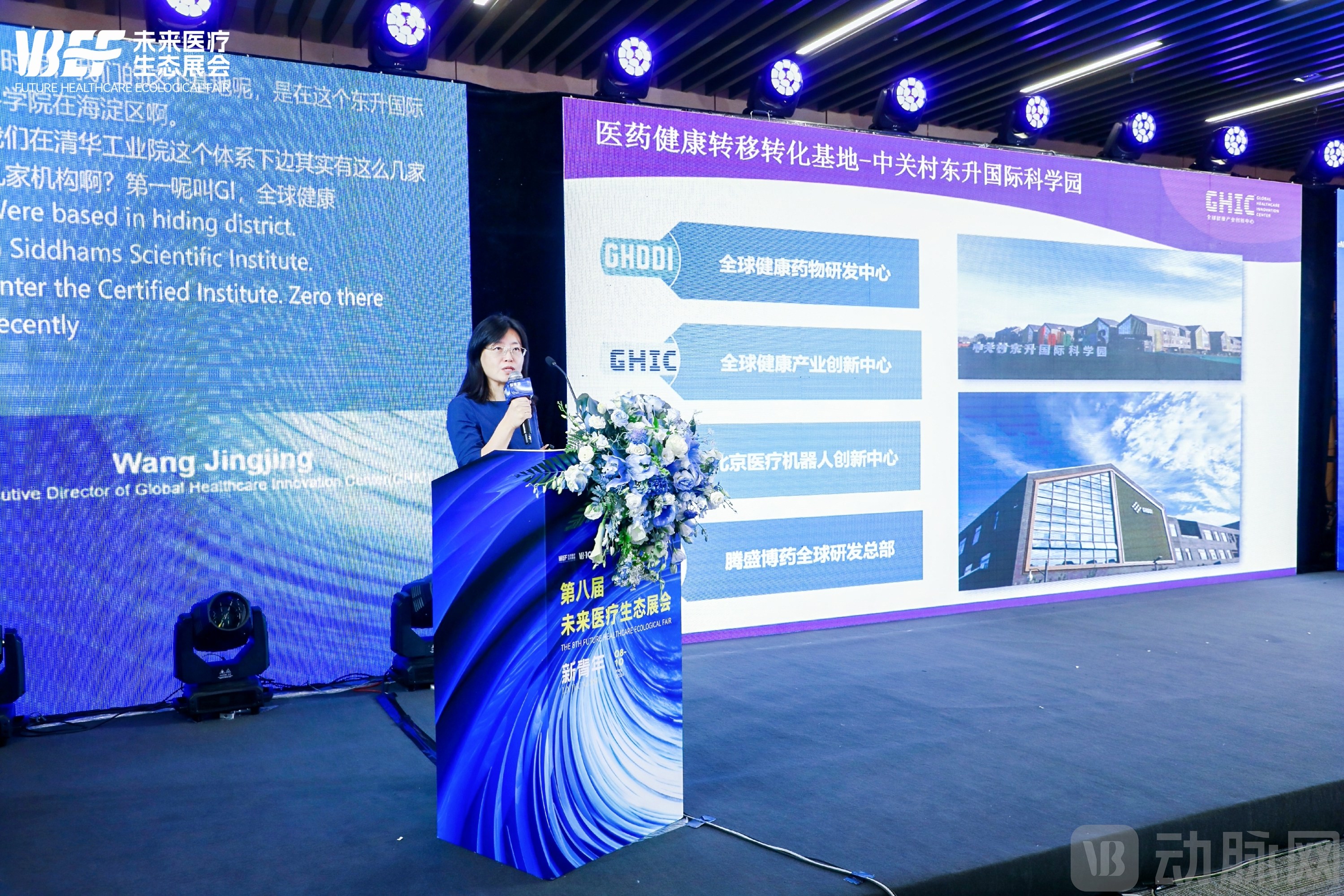
Wang Jingjing, Executive Director of the Global Health Industry Innovation Center
The Global Health Industry Innovation Center was established in 2016 by the Beijing Tsinghua Industrial R&D Institute. It aims to connect global medical innovation technologies and resources, strengthen the translation of scientific and technological achievements, facilitate the effective implementation and development of innovative technologies in medical devices, diagnostics, and services, and provide comprehensive support for early- to mid-stage projects.
Since joining the Global Health Industry Innovation Center, where she has been engaged in incubation and commercialization efforts, Wang Jingjing has gained profound insights into the translation of scientific and technological achievements in the medical device sector. She candidly remarked, “Medical device products vary significantly in type and nature, encompassing a broad spectrum of disciplinary knowledge. It requires the integration of diverse fields such as electronics, optics, information technology, transmission technology, artificial intelligence, and materials science. Moreover, for medical devices with smaller scale and volume, it is even more challenging to consolidate such a wide array of resources.”
“Generally speaking, it takes 3–5 years for Class II medical devices to go from R&D to market launch, while Class III devices require 5–7 years or even longer. Therefore, throughout this extended cycle, in addition to scientists or companies themselves needing to define their products well, substantial resource investment is actually required across the entire process of R&D, regulatory submission, certification acquisition, and sales. What the Global Health Industry Innovation Center aims to do is to build a deep-support platform for global healthcare innovation technologies, identifying innovative seeds and providing comprehensive support,” Wang Jingjing continued.
How does GHIC, as a supporting platform, assist the innovation process amid numerous uncertainties?
As a vital bridge for the translation of scientific and technological achievements, GHIC aggregates high-quality resources from leading domestic and international research institutions, top-tier universities and colleges, clinical hospitals, and industry alliances to promote the integration of medicine and engineering. The platform focuses on streamlining two key translation pathways: first, integrating complex engineering disciplines with medical science to establish an interdisciplinary med-tech platform; and second, facilitating proof-of-concept validation and regulatory approval for innovative ideas, thereby accelerating their transformation into marketable products.
Wang Jingjing explained, “From the perspective of clinical physician training, doctors typically understand which clinical problems need to be addressed, but they face significant challenges in the research and development (R&D) phase. Conversely, it is not easy for engineers to truly gain a deep understanding of clinical practice. There exists a substantial barrier between the two that is difficult to bridge single-handedly.”
To promote the interdisciplinary and industrial integration of medicine, facilitate in-depth exploration and understanding of medicine by enterprises, investors, and cross-disciplinary professionals, and jointly drive innovation in the medical industry, GHIC has launched the “Healthcare Industry Leadership Innovation Development Program.” This program provides leaders in medical innovation with comprehensive, professional, and systematic opportunities to study medicine, thereby reshaping the medical knowledge framework, fostering an innovative ecosystem that integrates clinical practice with technology and industry, and accelerating the translation and implementation of scientific and technological achievements.
From 2015 to 2021, the global medical device market grew at a compound annual growth rate (CAGR) of 6%, while the Chinese market grew at 18%. The market sizes are projected to reach $583.4 billion and RMB 1,076.9 billion, respectively, in 2023.
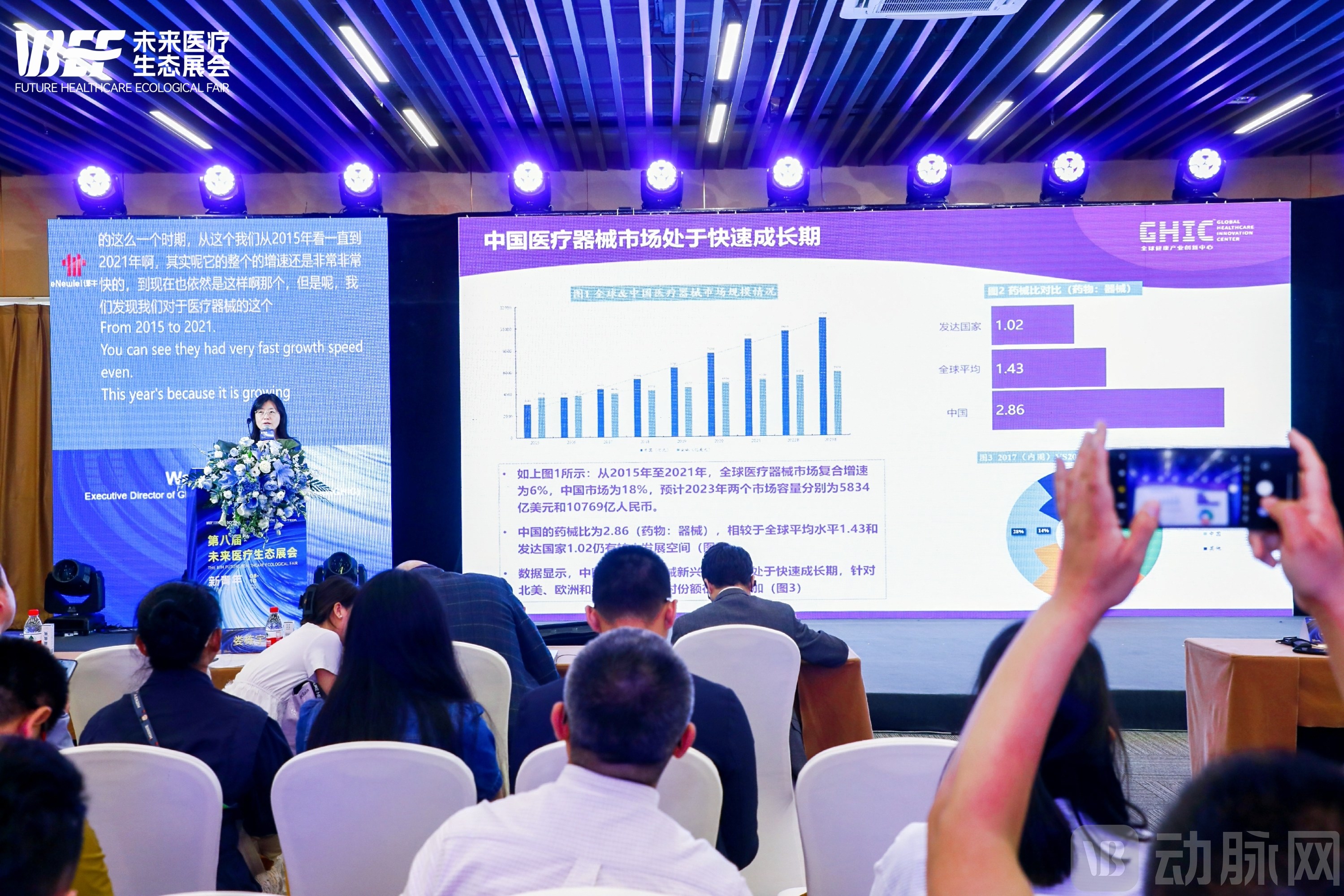
The Chinese Medical Device Market Is in a Period of Rapid Growth
“In many developed countries, the ratio of pharmaceutical to medical device consumption remains basically at 1:1. However, China exhibits a significant imbalance in this regard, with investment in drug R&D far exceeding that in medical device R&D. This indicates substantial growth potential for China’s medical device market, and the Chinese market is expected to maintain a period of rapid development in the future,” said Wang Jingjing.
This potential can also be glimpsed from the development history of China’s medical device industry.
The Chinese medical device market started relatively late but can be broadly divided into three distinct phases. The period from 1990 to 2000 marked Phase 1.0, characterized by an agency model in which domestic companies primarily acted as distributors for foreign brands in China. From 2000 to 2010, the market entered Phase 2.0, featuring a C2C model where domestic firms began achieving import substitution in certain low- to mid-end medical devices, such as low-value consumables like infusion sets. Since 2010, the Chinese medical device market has progressed into Phase 3.0, gradually transitioning from “Me too” to “Me better” in various mid- to high-end segments. During this phase, a large number of listed companies have emerged in the Chinese market, exemplifying China’s independent innovation capabilities.
Meanwhile, the market for translating scientific research achievements has also undergone tremendous changes amid this process of breakthroughs at every level. “In the past, it was widely believed that physicians should focus on patient care and professors on teaching. Today, however, physicians, professors, and the market alike are considering how to systematically transform knowledge, technologies, or patents into products with both clinical and market value, rather than simply leaving them shelved,” said Wang Jingjing.
More importantly, although the research achievements of many Chinese professors and physicians are no less than, or even ahead of, those abroad, their practical translation is constrained and hindered by a range of real-world factors. Therefore, a dedicated team focused on translation and commercialization is essential to assist them in converting these achievements into marketable products, thereby driving innovation from the “bookshelf” to the “store shelf.”
BCG research indicates that the model for translating scientific and technological achievements has gradually shifted from a purely investment-driven development approach to a new paradigm that combines industrial investment with accelerators and incubators, thereby promoting the deep integration of emerging technologies and industries. Moreover, the growth rate of this new model has surpassed that of the traditional industry-only development model.
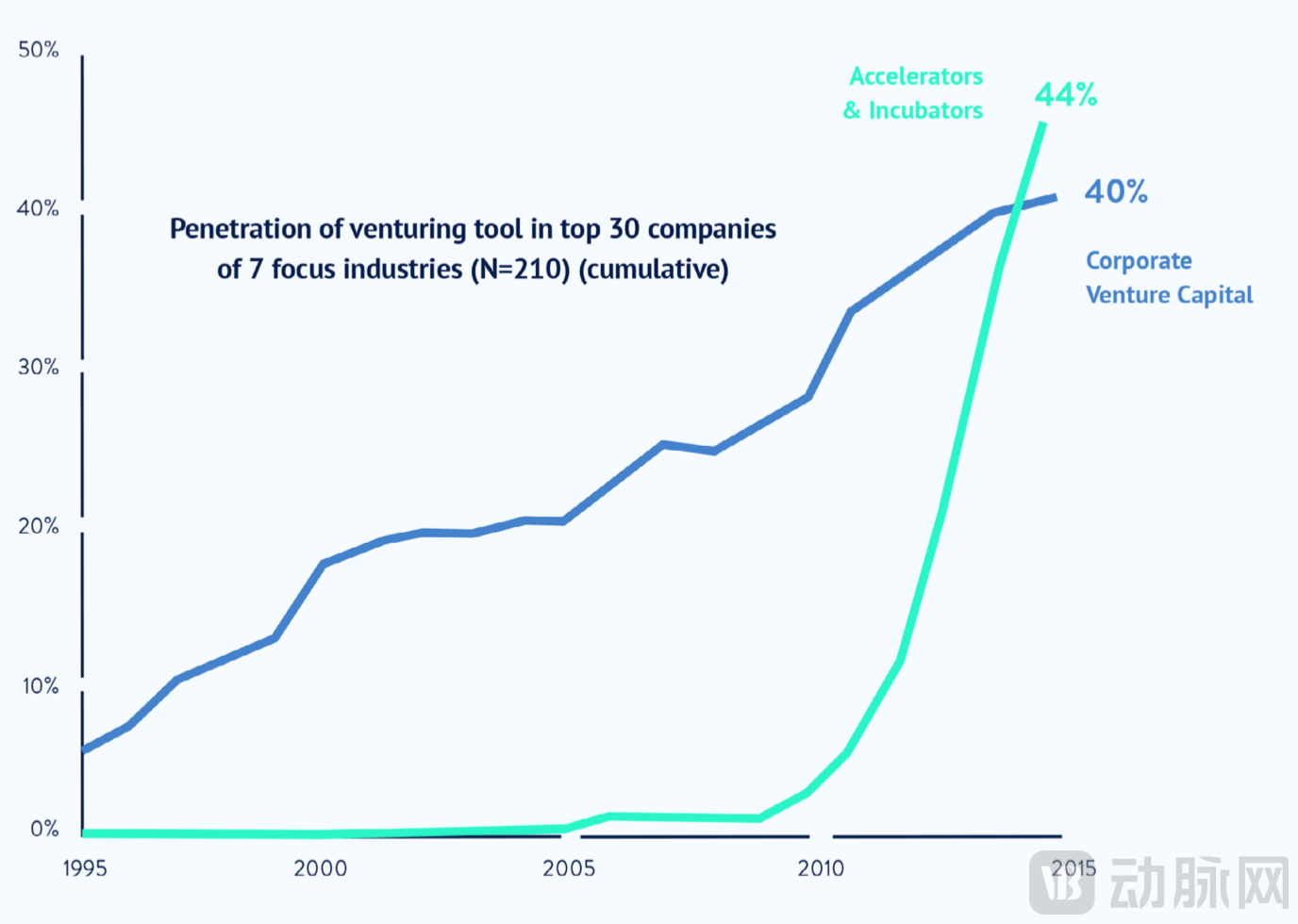
Source: BCG
On one hand, incubators and accelerators can effectively integrate various resources from government, industry, academia, research, and application sectors to establish an industrial ecosystem, thereby significantly enhancing the effectiveness of transferring and commercializing scientific and technological achievements. On the other hand, support platforms can provide end-to-end services covering the entire lifecycle—including R&D, commercialization, and investment and financing—to facilitate the rapid growth and development of startups and improve their success rates.
Wang Jingjing stated, “As a platform supporting the translation of medical device innovations, GHIC frequently assists physicians and professors with no prior entrepreneurial or commercialization experience in planning appropriate pathways for technology transfer. This includes guidance on when to establish a company, when to seek financing, and how to obtain regulatory clearance. These interconnected steps and critical timing considerations are often lacking among physicians and professors at the outset of their ventures.”
Under the technology transfer model of the Tsinghua Industrial Development Institute, GHIC integrates three essential elements: an innovation project discovery platform, a commercialization platform, and a collaborative innovation empowerment platform. Together, these three platforms constitute GHIC’s multi-domain innovation framework.
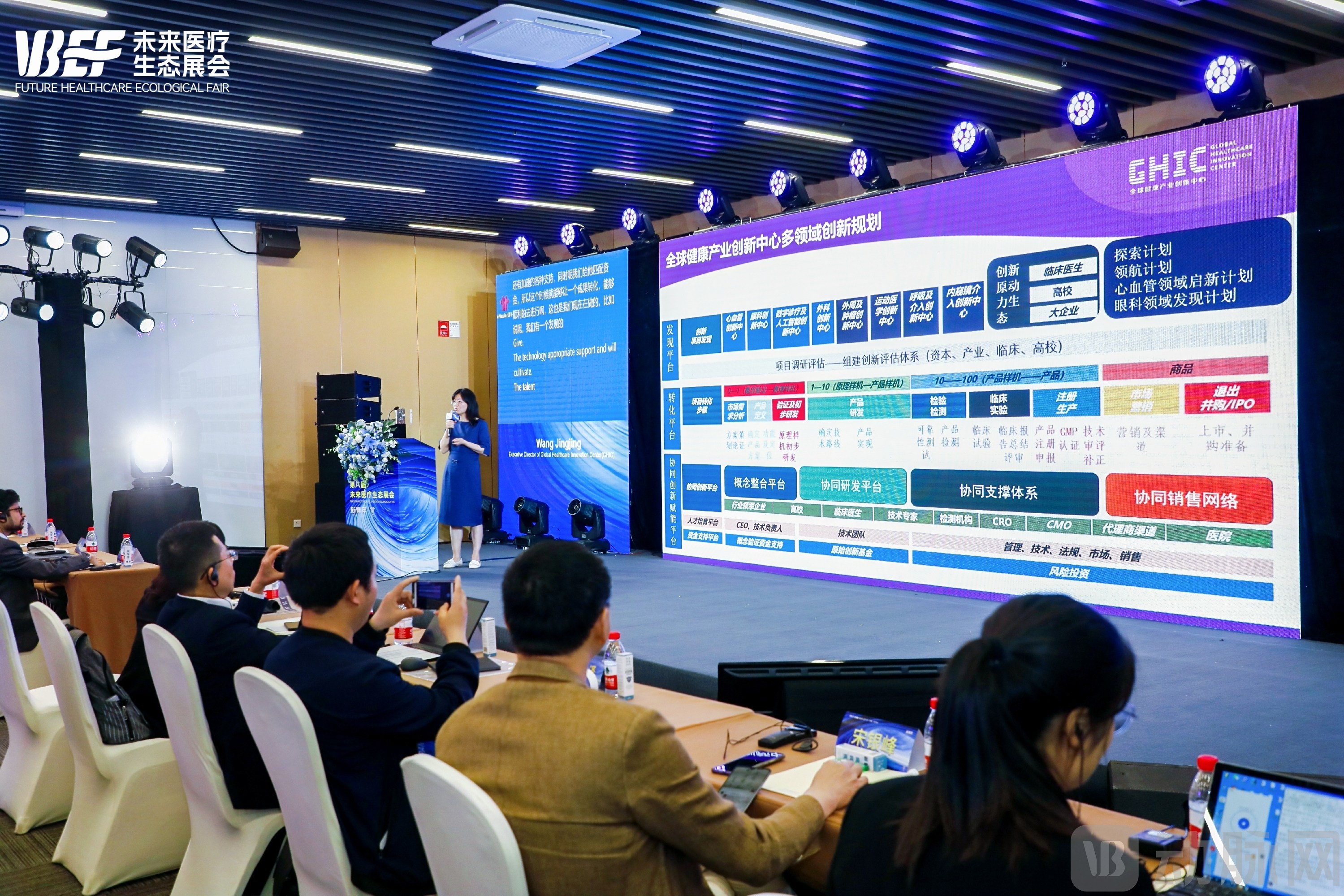
GHIC Multi-Disciplinary Innovation Plan
Wang Jingjing stated, “The three major platforms effectively interconnect the various systems. Specifically, the Innovation Platform is responsible for identifying key technologies and facilitating technology transfer, thereby channeling these innovative technologies into the commercialization pipeline. Subsequently, the Translation Platform provides end-to-end support services aligned with the project commercialization process, ranging from proof of concept to final marketing. As an interdisciplinary platform integrating medicine, industry, academia, and research, the Collaborative Innovation Empowerment Platform leverages its advantages in clinical resources and talent aggregation to help startups achieve dynamic integration of industrial resources.”
According to reports, in 2023, GHIC’s first batch of Proof-of-Concept (PoC) Centers in Beijing screened 57 projects out of 506 submissions and ultimately incubated six companies. Wang Jingjing stated, “Through professional assessment, projects with a higher level of maturity will proceed directly to the technology transfer stage. Projects at an earlier stage will enter the proof-of-concept phase, while those requiring further development will be integrated into our ecosystem to allow for continued refinement. Meanwhile, the Center will provide methodological support to facilitate a continuous innovation cycle, from ideation and product development to commercialization.”
Currently, a number of Chinese medical device companies have emerged as global leaders. Wang Jingjing also believes that with the continuous improvement in the conversion rate and success rate of scientific and technological achievements, both technology transfer and the development of China’s medical device industry will have a more promising and brighter future.