

Roche China Accelerator Drives Leapfrog Development of Innovative Drugs through Disruptive Innovation: An Interview with Dr. Qiusong Tang
AI-driven drug discovery is emerging as a significant trend in the pharmaceutical sector, poised to bring about cutting-edge transformation by enhancing R&D efficiency, reducing costs, and accelerating the market launch of new drugs. With continuous advancements in AI technology, AI-driven drug discovery is expected to strongly propel the development of personalized precision medicine in the future.
Numerous multinational corporations (MNCs) and biotech firms are actively embracing the wave of AI-driven drug discovery, making significant strategic investments. Notably, Roche Pharma’s forward-looking collaborations with AI pharmaceutical companies, along with the innovative explorations conducted by the Roche Accelerator in China, deserve particular attention. Currently, the Roche Accelerator is building a healthcare innovation ecosystem in China based on the standard of “disruptive innovation,” thereby supporting Chinese innovations in expanding to global markets.
On May 22, BEYOND EXPO 2024 grandly opened in Macau.Centered on the theme “Embracing the Unknown,” BEYOND EXPO 2024 brought together cutting-edge ideas from the global technology sector, offering participants profound insights and a distinctive international perspective.
Dr. Tang Qiusong, Head of the Roche China Accelerator, attended the conference and discussed the pivotal role of AI in pharmaceutical innovation and its future development trends at the forum titled “AI-Driven Drug Discovery and Development: Revolutionizing the Pharmaceutical Industry.”VCBeat took this opportunity to conduct an exclusive interview with Dr. Tang, gaining insights into how the Roche China Accelerator is not only actively exploring advancements in AI-driven drug discovery but also demonstrating forward-thinking leadership in pharmaceutical innovation and in empowering China’s local healthcare innovation ecosystem.
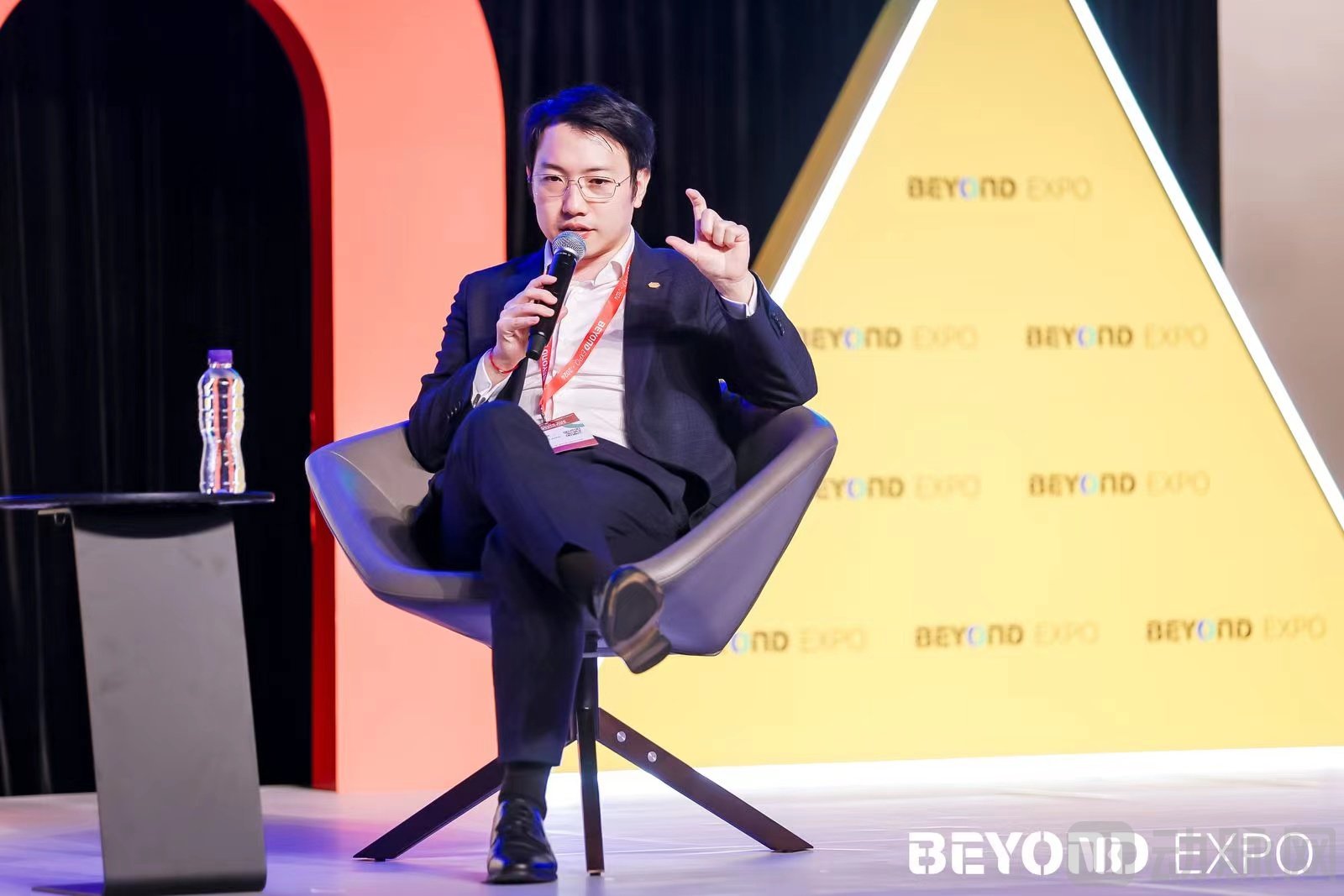
Dr. Tang Qiusong, Head of Roche China Accelerator
AIPossesses Transformative Potential in the Innovative Drug R&D Process
At the BEYOND EXPO 2024, Dr. Tang Qiusong noted that drug discovery is a protracted process characterized by high risks and substantial costs. Throughout this journey, it is particularly crucial to collaborate with top-tier talent across various disciplines to contribute to drug discovery. Artificial intelligence serves as a prime example of an aid in drug discovery and development; AI holds transformative potential throughout the entire R&D process of innovative drugs. In addition to shortening the drug development cycle and accelerating progress, AI facilitates the identification and discovery of new drug targets, as well as the design of diverse novel therapeutics, including small molecules, antibodies, and peptides.
Dr. Tang pointed out that AI technology is disruptively transforming the entire process of drug development. In the early stages of drug discovery, such as identifying suitable targets or investigating the biological context of diseases, AI can assist in rapidly screening and ranking candidates to pinpoint promising targets for experimental validation by researchers. During the molecular design and optimization phase, AI can fully leverage its advantages—for instance, by analyzing protein crystal structures to identify suitable binding sites or designing small-molecule drugs—thereby significantly reducing the workload associated with experimentation and synthesis. When drugs enter the clinical stage, AI can, to a certain extent, accelerate patient screening and enrollment, while also aiding in the formulation of clinical trial protocols and the selection of clinical endpoints.
In the future, AI technology is likely to be widely adopted in the field of drug discovery to optimize timelines and the entire drug development process. Pharmaceutical companies will place significant emphasis on leveraging AI—particularly algorithms and data—to enhance R&D efficiency. To extract valuable insights from data, companies need to harness and strengthen their computational capabilities and algorithms. Meanwhile, Dr. Tang emphasizes that combining proprietary algorithms developed by startups with existing algorithms at large corporations will help address complex challenges and drive industry innovation. This cross-company collaboration and algorithm integration are expected to yield significant impacts in the short term, bringing exciting new developments to the field of drug discovery.
Establishing a New Ecosystem for Medical Innovation and Proactively StrategizingAIPharmaceutical Companies
Dr. Tang Qiushong recognizes the critical role of AI in drug discovery and has actively explored and implemented AI technology strategies through the Roche China Accelerator. In its pursuit of leveraging AI to empower drug discovery and development, the Roche China Accelerator is building a new healthcare innovation ecosystem to foster partnerships among companies across diverse disciplines.
Although the Roche China Accelerator is a relatively young entity, it rests on a solid and profound historical foundation when viewed against the backdrop of Roche Pharma’s three decades of strategic commitment to China. According to reports, Roche established Roche R&D (China) Ltd. in Shanghai’s Zhangjiang Hi-Tech Park as early as 2004. This facility marked Roche’s first R&D center in an emerging market and was the first wholly foreign-owned R&D center established by a multinational pharmaceutical company in Shanghai, primarily focusing on drug research and early-stage development. In 2019, Roche made an additional investment of RMB 863 million to upgrade this facility into the new Roche Innovation Center Shanghai (RICS), which was further upgraded to the Roche Innovation Center China (CICoR) in 2022.
In 2021, the Roche China Accelerator, with an investment of nearly RMB 300 million, was launched with support from the government and strategic partners. As Roche’s first self-established and operated accelerator globally, it aims to accelerate the development of healthcare innovation in China and empower the construction of a local healthcare innovation ecosystem. In September 2023, the Roche China Accelerator building, located in the core area of Zhangjiang Hi-Tech Park in Pudong New Area, Shanghai, was completed and officially put into operation. Covering an area of over 5,000 square meters, the facility provides member companies of the Roche China Accelerator with advanced laboratory equipment, office spaces, and collaborative areas.
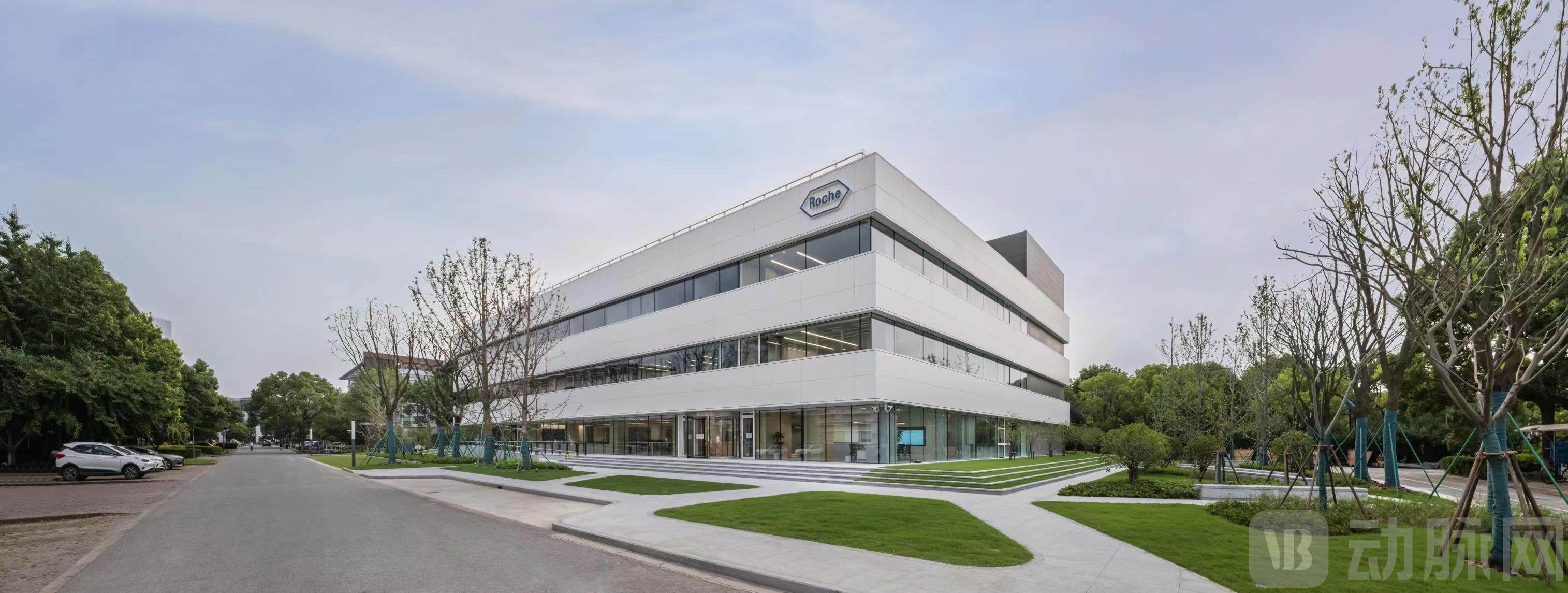
Roche China Accelerator Building
In selecting member companies, the Roche China Accelerator adheres to “disruptive innovation” as one of its most critical screening criteria, with a particular focus on three areas: unique biological insights, innovative technology platforms, and proprietary algorithms or data in the fields of artificial intelligence and digitalization.The Roche China Accelerator aims to identify startups driving disruptive innovation in these fields and support the translation of their scientific achievements.
Within the strategic layout of the Roche China Accelerator, artificial intelligence and digital solutions represent a key focus area. “Artificial intelligence and machine learning will play a pivotal role in future drug discovery. At Roche, we are leveraging AI to advance both our internal R&D and external collaborations,” stated Dr. Tang when discussing the impact of AI on drug discovery.
Dr. Tang believes that the three cornerstones of artificial intelligence are algorithms, computing power, and data. Currently, Roche is collaborating with external partners worldwide to advance drug discovery by combining Roche’s internal data with partners’ algorithms and computing capabilities. Genentech, a member of the Roche Group, has partnered with NVIDIA, the AI chip giant, leveraging NVIDIA’s world-leading accelerated computing capabilities integrated with artificial intelligence to enhance Genentech’s AI research initiatives and accelerate the discovery and development of new therapies and drugs. Meanwhile, Genentech has acquired Prescient Design, a startup specializing in machine learning and generative protein design algorithms, to utilize machine learning for identifying, optimizing, and designing antibodies, with the aim of expediting antibody therapies into clinical trials and benefiting patients sooner.
Among the member companies of the Roche China Accelerator, several have integrated laboratory experimentation with artificial intelligence to facilitate drug discovery. For instance, Metagenomi applies AI technologies to optimize drug formulations and enable targeted delivery. Its high-efficiency platform addresses challenges in drug design, enhances drug efficacy, optimizes physicochemical properties, and ensures precise targeting of intended organs, thereby minimizing potential side effects. Huashen Zhiyao, which focuses on macromolecular drug design, leverages its proprietary algorithms for antibody protein structure prediction and antibody engineering. By using AI to identify antibody-binding sites that are difficult to detect through traditional experimental methods, the company improves antibody specificity and binding affinity. Chengyuan Technology, a startup specializing in peptide therapeutics, employs AI algorithms to design cyclic peptides, opening new avenues for drug development against targets previously considered undruggable, such as transcription factors.
Dr. Tang stated, “We believe that the integration of experimentation and artificial intelligence has the potential to bring about a revolutionary shift in our drug discovery paradigm and deliver potentially breakthrough therapies for patients.”
Using “disruptive innovation” as the criterion, we have empowered more than ten Chinese local startups.
Roche China Accelerator selects member companies based on the criterion of “disruptive innovation,” extending well beyond the field of AI-driven drug discovery. In fact, Roche China Accelerator fosters innovative collaboration models, focusing on a wide range of cutting-edge medical areas, including innovative drug R&D, diagnostics and personalized medicine, artificial intelligence (AI), and digital solutions. By leveraging Roche’s robust scientific research capabilities and commercialization strength, the accelerator aims to support the growth of high-quality local innovative enterprises and accelerate early-stage product development and clinical translation.
Currently, the open collaboration model of the Roche China Accelerator provides substantive support to startups from multiple perspectives, tailored to their diverse needs. For instance, the accelerator building in Pudong, Shanghai, offers member companies advanced laboratory equipment and office space. The facility houses biology, chemistry, and BSL-2 laboratories, and is equipped with more than 20 sets of shared laboratory instruments, meeting the flexible research and operational needs of resident startups and helping them enhance R&D efficiency. Meanwhile, the accelerator provides startups with a range of resources, including access to funding, partnership opportunities, and R&D expertise, and develops customized guidance plans based on each company’s individual needs to accelerate the translation and implementation of scientific achievements.
Since its launch, the Roche China Accelerator has achieved numerous breakthroughs through the joint efforts of various partners.Dr. Tang told VCBeat, “This year marks the third year of the Roche China Accelerator. To date, nearly 20 companies have emerged from more than 400 applicants to become member companies of the accelerator.”These companies have achieved distinct accomplishments in their respective research fields. Their innovations span not only big data- and algorithm-driven areas such as artificial intelligence, functional proteomics, and real-world data, but also novel biological mechanisms including protein degradation, phase separation, epigenetics, and apoptosis, as well as diverse therapeutic modalities such as small molecules, biologics, RNA therapies, and cell therapies. Furthermore, existing member companies have established more than ten research and early-development partnerships with Roche’s China Innovation Center (CICoR).
With the comprehensive support of Roche China Accelerator, member companies achieved multiple breakthroughs in scientific research and innovation during the first half of this year.
Looking at the development of China’s innovative drug sector, the Roche China Accelerator has played a pivotal role by actively identifying and supporting high-potential local startups, thereby driving the R&D and commercialization of innovative medicines and facilitating the global expansion of Chinese innovation. We look forward to the Roche China Accelerator achieving more distinctive accomplishments and helping propel China’s innovative drug industry toward leapfrog development.