

Chuanglian Wangjie Files IPO Prospectus: Integrated Construction and Operation Model to Unlock Regional Smart Elderly Care Data Value
Smart Health and Elderly Care, as a critical domain extensively involving technological applications and service innovations within the medical industry, is increasingly becoming one of the key directions for the future development of the healthcare sector. In addressing the current societal challenge of population aging, Smart Health and Elderly Care has demonstrated immense development potential.
On May 8, 2024, at the Peking University Health Science Center & Guanghua School of Management Healthcare Industry Leadership Salon held during the VBEF Future Healthcare Ecosystem Exhibition organized by VCBeat, Wang Dongyuan, Executive President of Chuanglian Wangjie, delivered an insightful presentation on the theme of “Digital and Intelligent Healthy Aging Models in ‘Community + Home’ Settings,” drawing upon the company’s recent business developments.
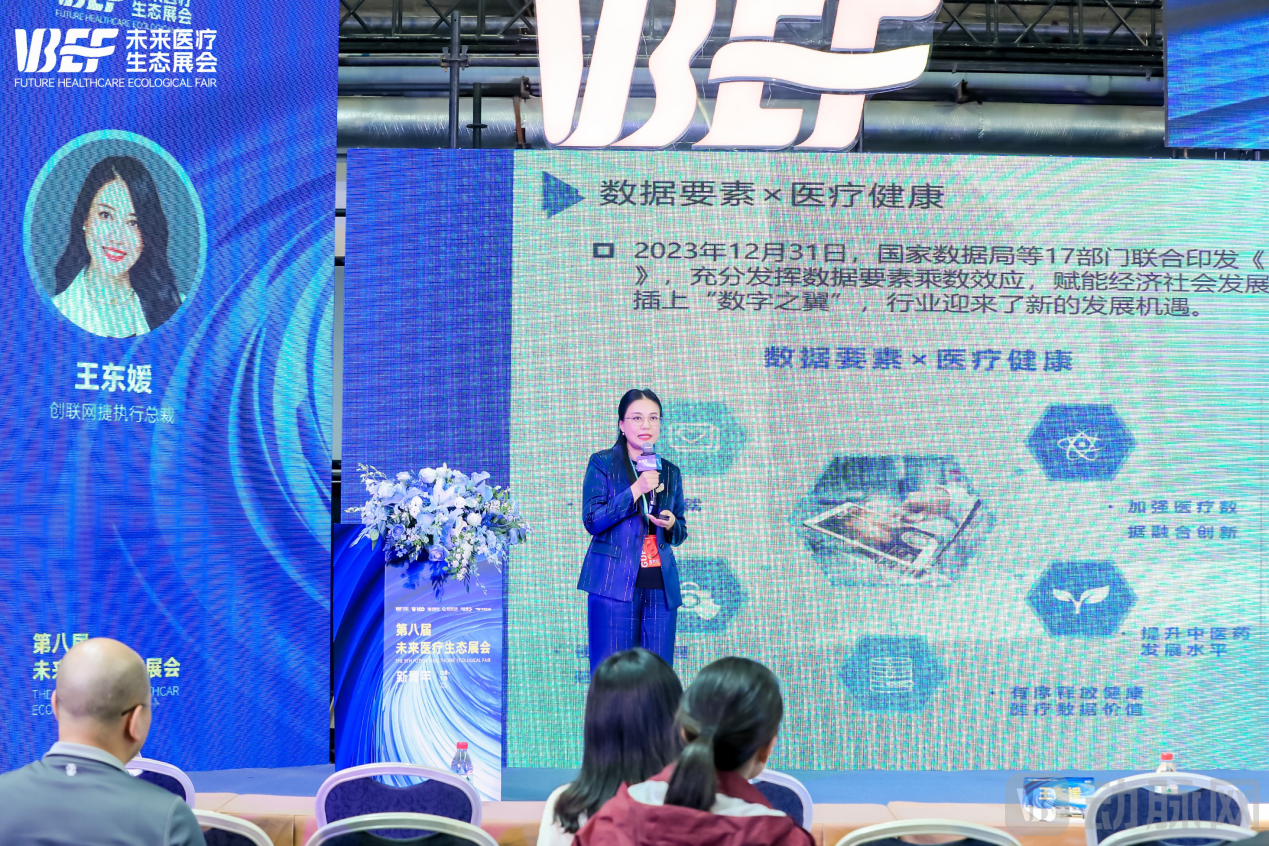
When addressing the rationale for exploring health and wellness models in home and community settings, Wang Dongyuan pointed out that given the increasingly prominent issue of population aging, the public has paid extensive attention to related fields. Over the past two decades, the rapid development of the internet was driven by the demographic dividend; in the next ten years, China’s elderly population is projected to exceed 300 million and approach the 400 million mark. This vast demographic possesses substantial wealth accumulation and demonstrates a significantly heightened emphasis on health. Therefore, over the coming two decades, how to effectively capture the “health dividend” from the elderly population will become a critical issue.
From a policy perspective, both the National Health Commission and the Government Work Report explicitly emphasize leveraging internet technologies to promote the robust development of the community-based elderly care industry. Meanwhile, by establishing an integrated, continuous medical service system encompassing prevention, diagnosis, treatment, and rehabilitation, and employing grid-based management approaches, comprehensive services can be provided to the elderly population, thereby driving the sustained growth of the broader health industry.
Moreover, in January 2024, the General Office of the State Council issued the “Opinions on Developing the Silver Economy to Enhance the Well-being of the Elderly” (hereinafter referred to as the “Opinions”), emphasizing that the development of the silver economy is crucial to the overall national development and the well-being of the people. The “Opinions” have clearly put forward guiding principles for development across multiple sectors, including elderly care products, smart health and elderly care, rehabilitation assistive devices, anti-aging, pension finance, elderly tourism, and age-friendly renovations.
Furthermore, the “Data Element × Healthcare” initiative is gaining significant momentum. On December 31, 2023, the National Data Administration, together with 16 other departments, jointly issued the Three-Year Action Plan for “Data Element ×” (2024–2026), aiming to fully leverage the multiplier effect of data elements to empower economic and social development. The “Data Element × Healthcare” action, in particular, has equipped the healthcare sector with “digital wings,” ushering in new opportunities for industry growth.
Wang Dongyuan believes that, given the current economic landscape differs from the past, entrepreneurship can no longer rely solely on individual efforts but must instead leverage the platform economy. Within the platform economy, the role of data is particularly critical and significant.
Moreover, the mode of market entry has undergone significant changes. Against the backdrop of the “Internet Plus” era, investors, individuals, and cross-industry participants primarily relied on “Internet Plus” to drive transformations in mainstream healthcare service models. However, in new scenarios dominated by data as a key factor of production, institutions such as local governments, health commissions, big data bureaus, and hospitals have begun to play a leading role. For enterprises, further in-depth exploration is still needed to determine how to leverage intelligent technologies to create high-quality services and products. Nevertheless, the national government has clearly outlined the future direction: strengthening the innovative integration of medical data, enhancing the overall development level of Traditional Chinese Medicine (TCM), and systematically unlocking the potential value of health and medical data.
Regarding healthcare access, national policies have clearly issued practical guidelines. In advancing the tiered diagnosis and treatment system, emphasis is placed on the principles of initial consultation at primary care institutions, two-way referrals, coordination between different levels of care, and separate management of acute and chronic conditions. Meanwhile, in pursuit of the overarching goal of building a Healthy China, efforts are dedicated to establishing lifelong electronic health records for all individuals and developing a population-wide health information platform.
However, at the same time, challenges related to medical care and elderly care have become increasingly prominent. Currently, home-based elderly care, particularly the “last mile” issue, has not been effectively addressed. The coordination mechanism among communities, residents, and health departments remains to be improved, data security management needs further strengthening, and the investment costs for building data platforms remain high. These issues require urgent resolution. In addition, the silver economy faces multifaceted challenges in its localization process, including the quality of services, products, and platforms.
In this regard, Wang Dongyuan stated, “In the healthcare services sector, particularly in elderly care, there is an urgent need to establish a local service platform led by the government and collaboratively built by enterprises. From the hospital’s perspective, we also aspire to continuously enhance patients’ medical experience and persistently explore pathways for high-quality development, thereby meeting the society’s growing health needs.”
New Digital-Intelligent Health and Elderly Care Solutions Focused on “Community + Home” Scenarios
Addressing the “community + home” scenario, how can a comprehensive and precise new digital-intelligent health and elderly care solution be built to effectively resolve current pain points? Wang Dongyuan emphasized three core measures: first, establishing a remote outpatient system that integrates specialized medical consortia with primary healthcare institutions to optimize the allocation of medical resources and improve service efficiency; second, implementing a family-centered health gatekeeper system to ensure that every family member receives professional and meticulous health management services; and third, leveraging blockchain technology to enable secure authorization and sharing of health data, thereby safeguarding personal privacy while facilitating the formation of healthcare data elements and promoting the circulation and application of information.
In this process, the focus is on the special demographic of “the elderly and the young,” with particular emphasis placed on the elderly population. Building on this priority, Wang Dongyuan has taken the lead in directing attention to this sector. Leveraging Chuanglian Wangjie’s professional digital-intelligent health and elderly care service system, she aims to provide the elderly with a more convenient, efficient, and personalized health management experience.
Chuanglian Wangjie has four major shareholders: B-Soft, Lianzhong Wisdom, Zhejiang University Insigma Group, and Sanjie Investment. It relies on the Institute of Computer Innovation Technology at Zhejiang University for technical support.
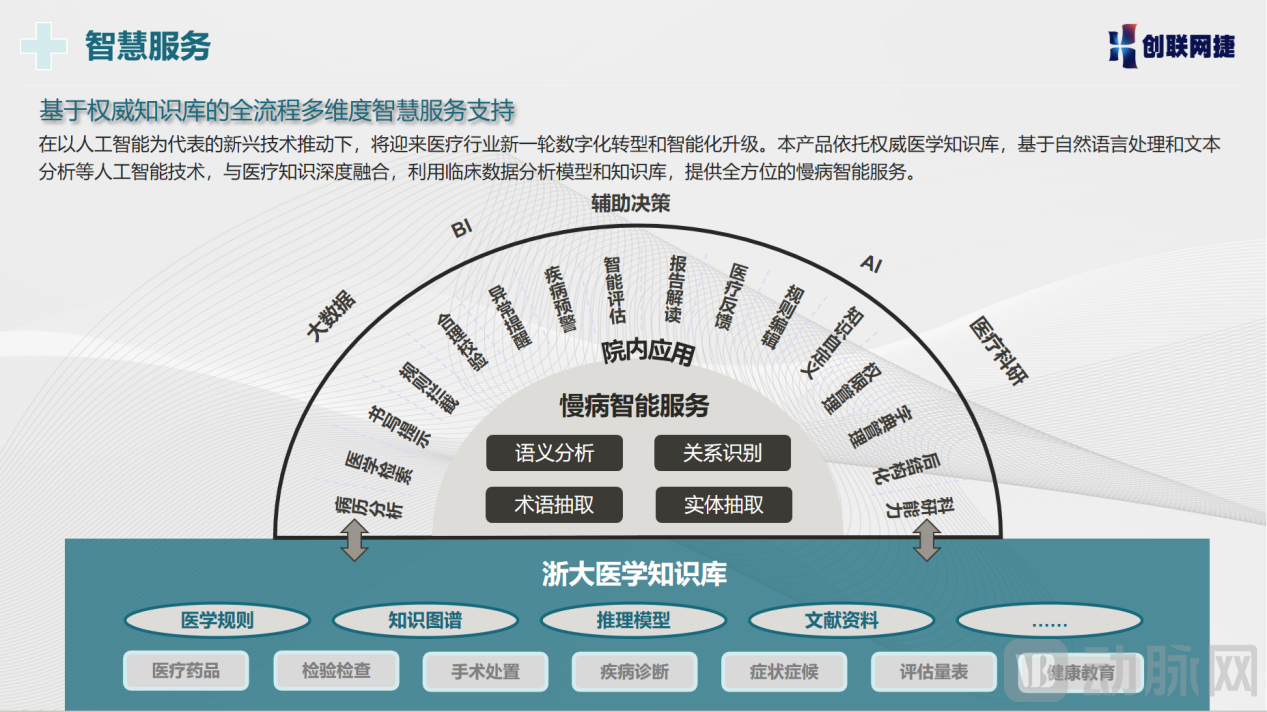
When discussing Chuanglian Wangjie’s digital-intelligent health and elderly care solutions, Wang Dongyuan began with the core strategic connotations of Healthy China, exploring an integrated chronic disease management solution that covers the entire process, all regions, and all levels, in alignment with the national certification system for county-level chronic disease management centers. To this end, Chuanglian Wangjie leverages its Chronic Disease Clinical Decision Support System (CDSS) as a key tool, built upon the Zhejiang University medical knowledge base, and utilizes AI-assisted capabilities to achieve full-process intervention in chronic disease management. Meanwhile, it maximizes the “boundary-breaking” role of the chronic disease management platform by integrating “community + home” scenarios, enhancing collaboration between management centers and primary healthcare institutions. By combining this with an authoritative knowledge base, the Chronic Disease CDSS facilitates the top-down “dissemination and immersion” of authoritative medical knowledge, thereby improving diagnostic and treatment capabilities at the grassroots level. Furthermore, with the aid of the AI Chronic Disease Assistant, medical staff and managers can more effectively address the “last mile” of chronic disease management, providing “integrated” nursing and wellness services as well as “dual-prescription” interventions—combining health education prescriptions with medication prescriptions—for chronic disease patients and high-risk populations. Ultimately, through the tripartite synergy of the Chronic Disease CDSS, the chronic disease management platform, and the AI Chronic Disease Assistant, orderly coordination is achieved among “community, home, and healthcare” sectors and across “county, township, and village” levels.
In the current healthcare landscape, internet-based medical consultations have indeed enhanced the comprehensiveness of the consultation process to a certain extent. However, there remain many unmet needs in offline clinical care. Therefore, it is crucial and important to establish a comprehensive and well-coordinated diagnosis and treatment system. This system should cover multiple key components, including laboratory testing, medication delivery, rehabilitation services, and chronic disease management, to ensure that patients receive holistic and continuous medical care.
It is worth noting that medical insurance expenditures for patients with chronic diseases already account for a significant proportion—up to 70% to 80%—of total medical insurance spending. This situation not only reflects the urgency of chronic disease management but also underscores the importance of improving chronic disease management systems to alleviate the burden on medical insurance funds. Therefore, we should take the chronic disease management system as an entry point to continuously improve and optimize diagnosis and treatment systems, thereby providing more efficient and precise medical services to meet the needs of a broad patient population. Against this backdrop, Chuanglian Wangjie is not only committed to building a chronic disease management system but also actively establishing cross-regional specialized medical consortiums and telemedicine collaboration systems to promote the comprehensive enhancement of healthcare services.
Leveraging her extensive IT experience, Wang Dongyuan proposed an innovative concept of integrated construction and operations. She emphasized that the future operational vision should directly guide the development of products and platforms, ensuring a high degree of alignment between the two. Specifically, considerations should include optimizing the service portal, enhancing the regulatory platform, enriching medical service content, refining operational management processes, clarifying the development direction of the industry platform, exploring methods to improve nursing services, and innovating approaches to insurance integration. These measures aim to build a more comprehensive digital and intelligent health and elderly care platform.
Furthermore, to ensure the platform’s data support capabilities, the "Resident Full-Lifecycle Health and Medical Records," as the core infrastructure of the platform’s big data, will receive full attention and be effectively utilized, providing robust support for the platform’s continuous development and optimization.
Data Elements × Healthcare: Driving Innovation in Service Models
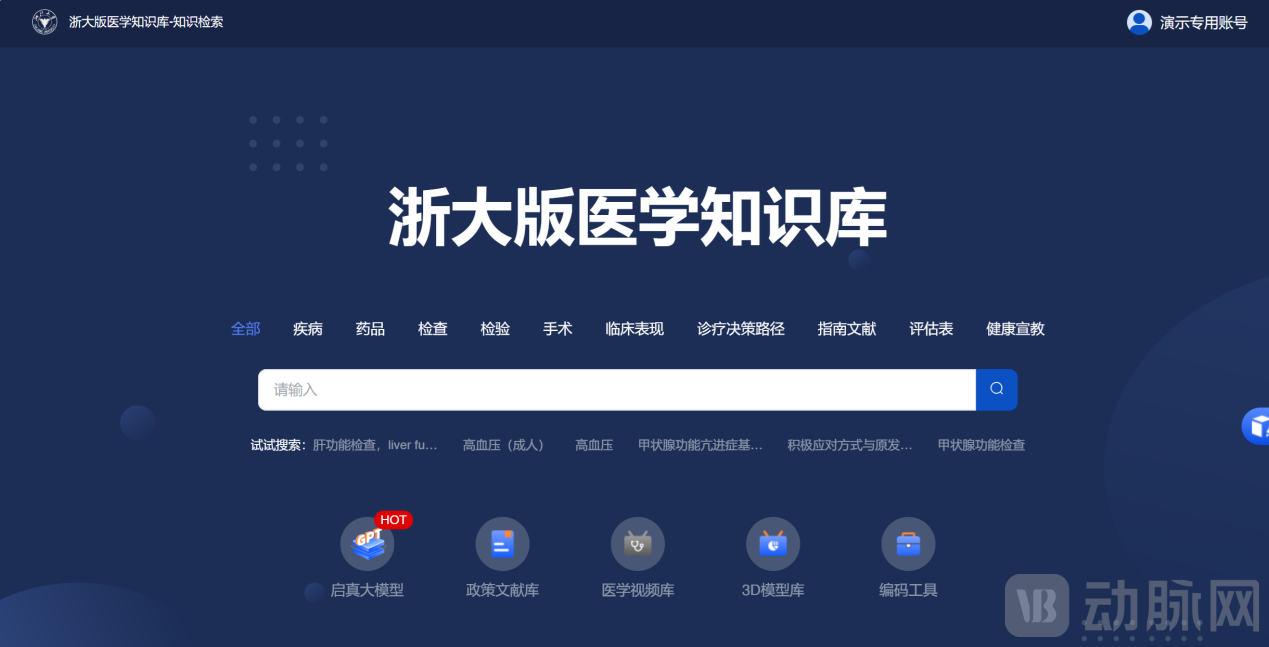
Furthermore, chronic disease management requires support from a knowledge base. Leveraging an authoritative medical knowledge base and integrating artificial intelligence technologies such as natural language processing and text analysis with medical expertise, Chuanglian Wangjie has established its own proprietary knowledge base. By utilizing clinical data analysis models alongside this knowledge base, the company provides comprehensive intelligent support for chronic disease management. In 2024, Chuanglian Wangjie’s knowledge base is expected to be deployed in 200 institutions, adding 200 new users.
Wang Dongyuan provided an in-depth analysis of the construction of an industrial ecosystem driven by the “Data Element ×” initiative, refining eight core dimensions based on the Guidelines. These dimensions encompass the refined development of elderly care services, the efficient integration of medical and health resources, the intelligent upgrading of daily consumption, the frontier leadership of technical services, the quality enhancement of entertainment and leisure, the widespread and deepened provision of elderly education, the steady innovation of pension finance, and the sustainable development of senior housing real estate. By building and effectively operating a comprehensive platform, the initiative aims to fully meet the diverse daily needs of the elderly population, thereby promoting the collaborative construction and healthy development of the entire industrial ecosystem.
Regarding the introduction of rehabilitation and nursing services, Wang Dongyuan emphasized the importance of health and elderly care services in “home- and community-based” settings. She noted that although traditional rehabilitation and nursing care are mostly provided within hospitals, with companies primarily focusing on medical assistance, auxiliary medical support, and caregiver services, rehabilitation and nursing care in the home environment are equally critical. Of course, to currently deliver such rehabilitation and nursing services on a home-visit basis, it is essential to ensure that patients have applied for long-term care insurance and that there is an adequate number of professional service personnel to guarantee the smooth provision of these services.
Finally, Wang Dongyuan emphasized that Chuanglian Wangjie has established an extensive industrial cooperation network and leading big data processing technologies on both the supply and operational sides of data elements. By connecting with data demand through its industrial ecosystem platform, the company has proactively positioned itself to implement health industry data applications across various scenarios. Chuanglian Wangjie aims to collaborate with local governments to help achieve strategic goals in the broader health industry by building digital-intelligent elderly care systems and establishing regional chronic disease management centers, thereby playing a positive role in good governance, public benefit, enterprise support, and industry promotion. Meanwhile, it continuously improves all aspects of regional chronic disease management and pharmaceutical distribution, enriches “community + home” elderly care services centered on rehabilitation nursing, and promotes the improvement and development of a regional ecosystem led by the health and elderly care industry.