

Bang'er Orthopedics' Cheng Dong: Digital and Intelligent Orthopedics Will Help Patients Avoid or Minimize Surgery
The market may soon welcome the “first listed company in chain orthopedic medical services.”
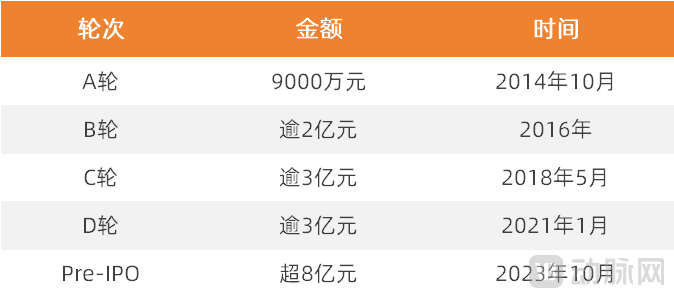
From 2014 to 2023, over the course of nine years, Banger Orthopedic Hospital Group Co., Ltd. forged ahead through numerous challenges and completed multiple rounds of financing. Its investors included leading firms such as Qiming Venture Partners. The latest round was closed in October 2023, securing over RMB 800 million in Pre-IPO funding. This round brought the company’s cumulative fundraising total to nearly RMB 2 billion, signaling that Banger Orthopedic is approaching a critical milestone in its IPO sprint.
How Did Banger Orthopedics Grow into the “Giant” It Is Today?
In May this year, the new campus of Hangzhou Banger Orthopedic Hospital, the flagship hospital under Banger Orthopedics with 800 beds planned in accordance with the standards for tertiary orthopedic specialty hospitals, was inaugurated and officially commenced operations. VCBeat took this opportunity to speak with Cheng Dong, founder and chairman of Banger Orthopedics.
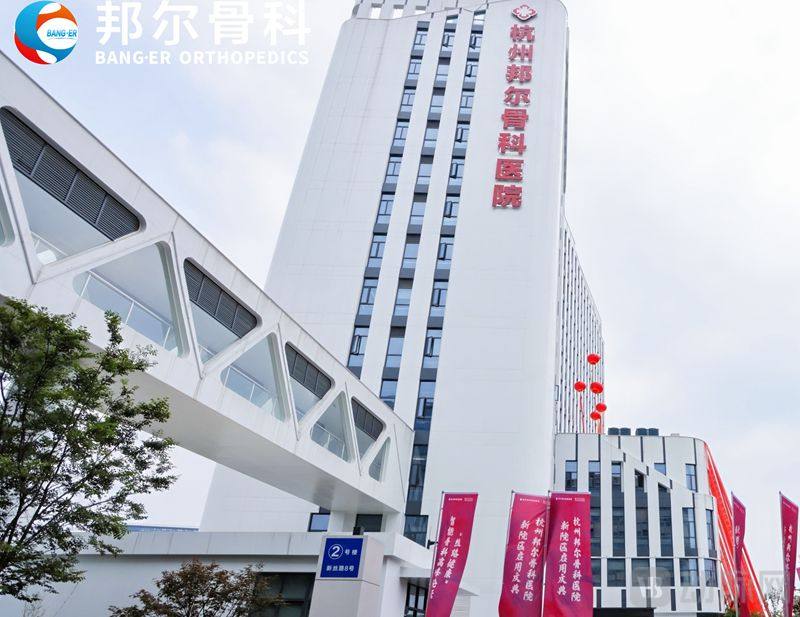
A review of the development journey of Banger Orthopedic Hospital Group Co., Ltd. cannot be separated from three key words: “orthopedics,” “grassroots,” and “chain operation.”
From the perspective of orthopedics as a foundational specialty, the field is extensive, encompassing various subspecialties such as joint surgery, spinal surgery, trauma orthopedics, and hand and foot surgery. In China, the concurrent trends of population aging and a surge in sports participation among young people have led to new shifts in the spectrum of orthopedic conditions. First, deepening aging has resulted in a high prevalence of degenerative diseases, including cervical spondylosis, lumbar spine disorders, and joint pathologies, contributing to a significant burden of geriatric orthopedic conditions. Second, with the rising health and fitness awareness among the domestic youth demographic, improper exercise techniques have given rise to sports-related bone injuries and other musculoskeletal disorders. Furthermore, in the digital era, increased reliance on smart electronic devices such as smartphones has expanded the population of “phubbers,” leading to a rise in spinal and vertebral diseases. The substantial patient base with orthopedic conditions has, to some extent, driven up market demand across the prevention, diagnosis, treatment, and rehabilitation continuum; however, current orthopedic services fail to adequately meet these needs.
The orthopedics market undoubtedly holds great promise.
Cheng Dong, who studied under Academician Chen Zhongwei, known as the “Father of International Microsurgery,” has acquired extensive training and rich clinical experience in hand surgery and joint surgery at several leading orthopedic hospitals. Guided by his identity as an orthopedic surgeon and his belief in “striving for a world free of disease,” he has chosen a more accessible path, centered on the essence of medical care, to bring advanced orthopedic technologies and high-quality services to the general public, thereby improving therapeutic outcomes while further reducing patients’ physical and financial burdens.
Ultimately, this also led him to focus his attention on the grassroots level—
Currently, China's medical resources still face the characteristic of uneven regional distribution. From the perspective of healthcare service delivery,A significant concentration of high-quality medical resources is often found in economically developed regions.This imbalance in medical resources across regions is also reflected in the provision of orthopedic services. For patients at the primary care level, there is a clear demand for diagnosis and treatment, yet fundamental issues such as difficulty and high cost in accessing medical care remain unresolved. Although the national initiative to decentralize high-quality medical resources to the grassroots level has led to some improvement, the challenges in diagnosing and treating diseases at the primary care level persist.
For Cheng Dong, the question of whether to expand from urban areas down to the grassroots level or from the grassroots level up to urban areas is a dilemma facing many medical institutions. However, this is not an issue that Banger Orthopedics needs to confront. The answer is definite—Banger Orthopedics has chosen to focus its strategy on the primary care level, bringing high-quality medical services down to the grassroots.
Banger Orthopedics has established a three-tier medical system of “base + satellites.”Within this system, hospitals are closely interconnected, achieving integrated management of personnel, finances, and materials. By strategically locating hospitals in provincial capitals, prefecture-level cities, and county-level cities, Banger Orthopedics has expanded from Zhejiang Province to East China and nationwide. “Medical resources in provincial capitals are relatively abundant; the focus should be directed ‘downward,’ with priority given to meeting the healthcare needs at the grassroots level,” Cheng Dong repeatedly emphasized.
Perhaps the more critical question is how to replicate this model horizontally,Implementing the “chain-style” development of orthopedic medical institutions to address the current challenges faced at the grassroots level.
In fact, as early as 2000, Cheng Dong had already begun exploring hospital operations. In 2000, the bankrupt Wenling Huaxin Hospital turned a profit within one year; in 2003, the bankrupt Changxing Orthopedic Hospital achieved profitability within two years. The success of these operational explorations gave Cheng Dong the confidence to undertake another challenge: in 2006, the bankrupt Yuhang Renji Hospital transitioned from gynecology to orthopedics and turned a profit within three years. It was also in that year that Hangzhou Banger Orthopedic Hospital was officially established.
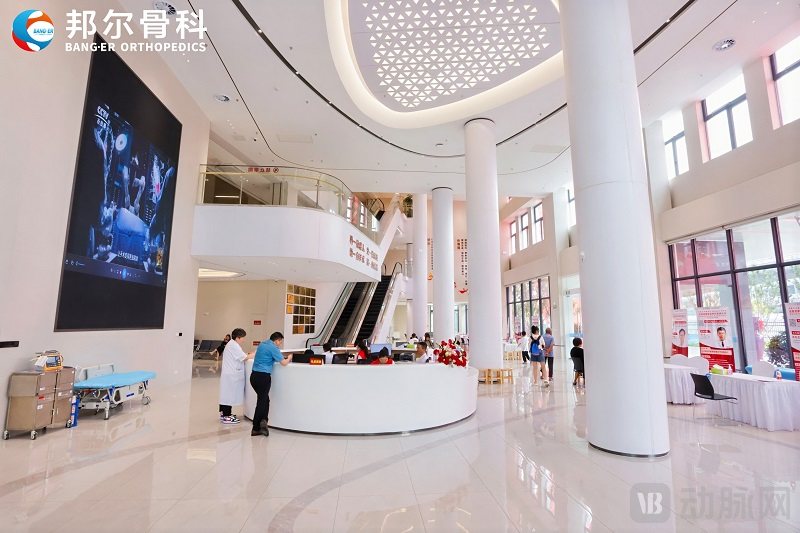
Banger Orthopedic Hospital New Campus
Currently, Banger Orthopedics directly operates 18 medical institutions, including 17 hospitals established to secondary or tertiary standards and one internet hospital. As of the end of May, Banger Orthopedics has grown into a large specialized orthopedic hospital group with 6,000 available beds, over 40,000 annual surgeries, and approximately 750,000 annual outpatient and emergency visits.
The aforementioned achievements are closely tied to Banger Orthopedics’ chain-style management and group-based operations. What Cheng Dong speaks of with particular enthusiasm is the hospital’s core essence: its distinctive specialties and reputation. In its operational expansion, Banger Orthopedics has leveraged its strong reputation to achieve rapid growth. Central to this success is the standardization of services, which is underpinned by standardized processes and technical protocols.
Countless “heart-wrenching” patient stories have unfolded one after another at Banger Orthopedic Hospital—
A patient in Quzhou with lower limb amputation and tissue defect; replantation of bilateral upper limbs in a patient from Zhejiang; reconstruction for defects in the “Four-Finger Ninth Sister”; replantation of a palm crushed into seven fragments; replantation of 17 segments of single-hand amputations; replantation of severed fingers in a one-year-old toddler...
Fortunately, most stories have relatively positive outcomes. Take the case of “17-segment finger amputation,” which holds the world record for the highest number of single-hand digital amputations with successful postoperative survival and functional recovery. During the procedure, a team of 12 doctors collaborated intensively for 21 hours, placing more than 1,000 sutures. This case was published in the article “Current Status and Prospects of Replantation and Reconstruction” and included in the 2012 Microsurgery Volume of the Chinese Encyclopedia, titled “Selected Difficult Microsurgical Cases.”
Numerous similar surgeries have been performed at Banger Orthopedic Hospital.According to statistics from Banger Orthopedic, the hospital currently performs over 40,000 surgeries annually, with Level III and Level IV orthopedic procedures accounting for approximately 50% of the total orthopedic surgical volume.It may be necessary to clarify that, in clinical practice, orthopedic surgeries are classified into four levels based on complexity, with Level III and Level IV procedures generally representing the most complex types of orthopedic surgery.
Level I surgeries primarily refer to debridement, reduction of fractures and dislocations of the extremities, or skeletal traction.
Level II surgeries mainly include traumatic tendon repair, management of simple open fractures, and treatment of minor surgical trauma.
Level III surgeries mainly refer to internal fixation of complex fractures of the extremities and diaphysis, intra-articular fracture surgery, management of complex hand trauma, orthopedic corrective surgery, debridement of major joint lesions, etc.;
Level 4 surgeries primarily refer to procedures involving the cervical spine, such as anterior and posterior cervical approaches, hemiarthroplasty or total joint arthroplasty (including revision surgeries), and corrective surgery for scoliosis.
The successful execution of the aforementioned surgeries is attributable to Banger Orthopedics’ accumulated expertise and its adoption of cutting-edge technologies, such as surgical robots—
The accumulation of talent is undoubtedly crucial. From a historical development perspective, Banger Orthopedics has been dedicated to the orthopedic medical services sector for over 20 years. During this period, the company implemented comprehensive strategic initiatives in areas such as departmental development and talent acquisition.In light of the challenges associated with chain expansion, Banger Orthopedics is prioritizing the development of management talent alongside professional medical personnel. Regarding the cultivation of medical professionals, Cheng Dong noted that Banger Orthopedics primarily relies on its internal training programs. Currently, a significant number of physicians at Banger Orthopedics have been with the organization since graduation and have advanced to the position of Chief Physician. Furthermore, Banger Orthopedics typically staffs each department with more medical personnel than strictly necessary. This strategy serves two purposes: it accelerates the training of medical professionals, and it builds a talent reserve to support the future expansion of its chain facilities.
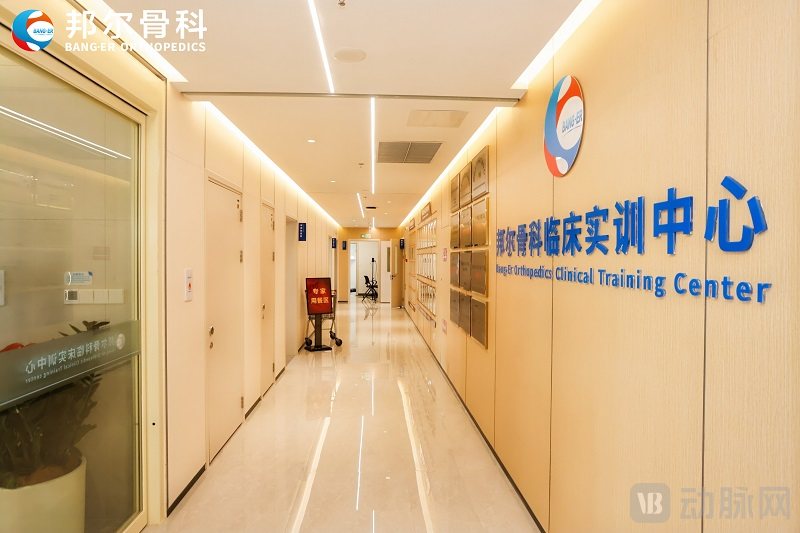
Meanwhile, Banger Orthopedics is also leveraging external resources to enhance its own scientific research and academic capabilities—for instance, by partnering with Genesis HealthCare, the largest rehabilitation service provider in the United States, to establish the Bangruishi Rehabilitation Center and propel China’s rehabilitation industry toward world-class standards; collaborating with U.S. Preferred to create a high-end orthopedic center while providing physicians with opportunities for exchange and training in the United States; jointly establishing an Academician Workstation with Academician Shi Xuemin of the Chinese Academy of Engineering to elevate research proficiency; and inheriting the Pingluo Guo’s Bone-Setting tradition to develop a distinctive system for treating bone diseases.
This May, coinciding with the official unveiling of the new campus of Hangzhou Banger Orthopedic Hospital (formerly Yuhang Orthopedic Hospital), Banger Orthopedics also appointed several leading experts in the orthopedic industry as strategic advisors and established a professional disciplinary committee—
Appointed Professor Chen Shiyi, former Director of the Department of Sports Medicine at Huashan Hospital Affiliated to Fudan University, as Strategic Advisor and Chief Expert in Sports Medicine for Banger Orthopedic Hospital Group; appointed Professor Zhang Xianlong, Director of the Department of Joint Surgery and Deputy Director of the Department of Orthopedics at Shanghai Sixth People's Hospital Affiliated to Shanghai Jiao Tong University, as Strategic Advisor and Chief Expert in Joint Surgery for Banger Orthopedic Hospital Group;
Banger Orthopedic Hospital Group has established six professional committees, namely: Spine Surgery, Joint Surgery, Hand and Foot Surgery, Trauma, Non-Surgical Management of Neck, Shoulder, Waist, and Leg Pain, and Sports Medicine. The academic leaders are as follows:
Professor Yan Shigui, Former Director of the Department of Orthopedics, The Second Affiliated Hospital of Zhejiang University School of Medicine
Professor Ye Zhaoming, Director of the Department of Orthopedics, The Second Affiliated Hospital of Zhejiang University School of Medicine
Professor Tong Peijian, Director of the Department of Orthopedics and Traumatology, The First Affiliated Hospital of Zhejiang Chinese Medical University
Professor Lin Xiangjin, Former Director of the Department of Orthopedics, The First Affiliated Hospital, Zhejiang University School of Medicine
Professor Zhang Chun, Former Director of the Department of Orthopedics at Zhejiang Provincial Tongde Hospital
Professor Yang Xiaodong, Director of the Department of Hand Surgery, Zhejiang Provincial People's Hospital
In terms of hospital planning, Banger Orthopedics has built a specialized "large specialty + small general" diagnosis and treatment system based on its distinctive development model of "major orthopedics + major rehabilitation."On one hand, orthopedics encompasses a wide range of subspecialties. Hospitals under Banger Orthopedic are specialized or small general hospitals featuring expertise in trauma orthopedics, hand and foot surgery, spinal surgery, joint surgery, neck-shoulder-waist-leg pain management, traditional Chinese medicine (TCM) orthopedics and traumatology, and rehabilitation. These facilities meet the specialized diagnostic and treatment needs of orthopedic patients. On the other hand, surgical candidates must meet specific indications for surgery and require postoperative recovery to facilitate their swift return to society. In addition to adopting the “comprehensive orthopedics + comprehensive rehabilitation” design philosophy, Banger Orthopedic has established numerous supporting departments. For example, since some elderly patients may suffer from chronic conditions such as hypertension and diabetes, Banger Orthopedic leverages its chronic disease management departments to stabilize these conditions before proceeding with orthopedic surgery and rehabilitation.
In terms of hospital construction, Banger Orthopedics has opted to adopt cutting-edge technologies, including “surgical robots.”Hu Xubo, Managing Partner at Qiming Venture Partners, once stated that when participating in Banger Orthopedics’ Series C financing round, “we were primarily drawn to Banger’s technological advantages in its specialized focus on orthopedics.” These technological strengths are reflected not only in the expertise and number of specialists within its departments but also in Banger Orthopedics’ adoption of advanced technologies.
Departmental equipment is, of course, of paramount importance. All hospitals under Banger Orthopedic are equipped with Class 100 laminar flow clean operating rooms. Many of these facilities feature a wide array of advanced medical devices, including 1.5T MRI scanners, 16- to 64-slice spiral CT scanners, 500mA programmable X-ray machines, mobile C-arm surgical X-ray systems, imported color Doppler ultrasound systems, complete Smith & Nephew arthroscopy suites, Gyrus ACMI radiofrequency ablation systems, and microendoscopes for intervertebral disc surgery.Notably, the introduction of orthopedic surgical robots deserves special mention. Currently, all 11 hospitals under Banger Orthopedic Hospital Group are equipped with orthopedic surgical robots.Robot-assisted orthopedic surgery offers advantages such as minimal invasiveness, high precision, a reduced learning curve for surgeons, and standardized surgical procedures, making it a significant innovation to alleviate the current shortage of medical professionals.Precision, digitalization, and intelligence in orthopedics will undoubtedly become new profit growth drivers for the specialty, representing an inevitable trend in industry development.
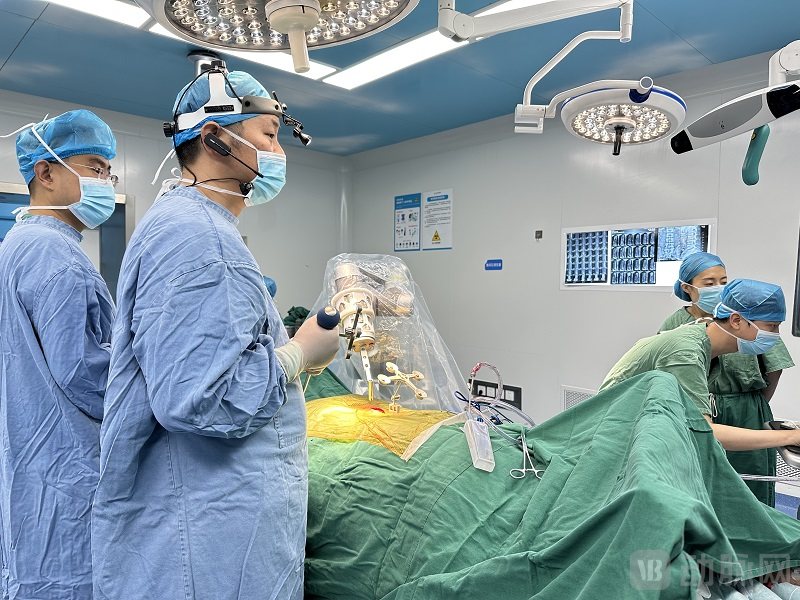
Cheng Dong pointed out, “In the past, surgeries might have required a 20 cm incision to remove steel plates, whereas surgical robots now need only an opening of a few millimeters. This can significantly reduce patient bleeding, improve postoperative outcomes, further enhance surgical safety, and even help address the shortage of physicians at primary healthcare facilities.”Currently, Banger Orthopedics has performed over 5,000 robot-assisted orthopedic surgeries, covering dozens of procedures in the fields of spine, trauma, and joint surgery.Cheng Dong also believes that orthopedic surgical robots can be applied to a wider range of orthopedic procedures in the future, and that their capabilities in intelligent surgical planning and smart surgery will be further enhanced based on accumulated data.
In fact, as early as 2019, Banger Orthopedics took the lead in introducing the “Tianji” orthopedic surgical robot. Leveraging 5G technology and collaborating with Beijing Jishuitan Hospital affiliated to Capital Medical University, Zhengzhou Renji Hospital, and other institutions, it performed efficient remote surgeries on patients thousands of miles away by operating the “Tianji” orthopedic robot. It accomplished the world’s first simultaneous remote spinal surgeries (four procedures assisted by robots) and remote trauma surgeries (four procedures assisted by robots) across four provinces and five cities. This undoubtedly demonstrated the application prospects and potential of orthopedic surgical robots in remote treatment. In 2023, Banger Orthopedics further extended this approach by introducing the Stryker Mako smart joint robot, thereby expanding the clinical application scenarios of orthopedic surgical robots at Banger Orthopedics.
Perhaps it is necessary to add that Banger Orthopedics’ vigorous promotion of minimally invasive surgical robots is, in fact, the result of implementing its own treatment philosophy: “to enable patients with bone injuries and neck, shoulder, waist, and leg pain to undergo no surgery or minimal surgery.” By adopting orthopedic surgical robots, procedures can be performed in a minimally invasive manner, further reducing patient trauma and facilitating faster recovery.
This philosophy also represents an inheritance of the Pingluo Guo’s Orthopedic Bone-Setting Technique from Luoyang, Henan, which advocates“Adopt a conservative approach over minimally invasive procedures, and minimally invasive procedures over surgery for the treatment of bone diseases.”of the tiered treatment concept.
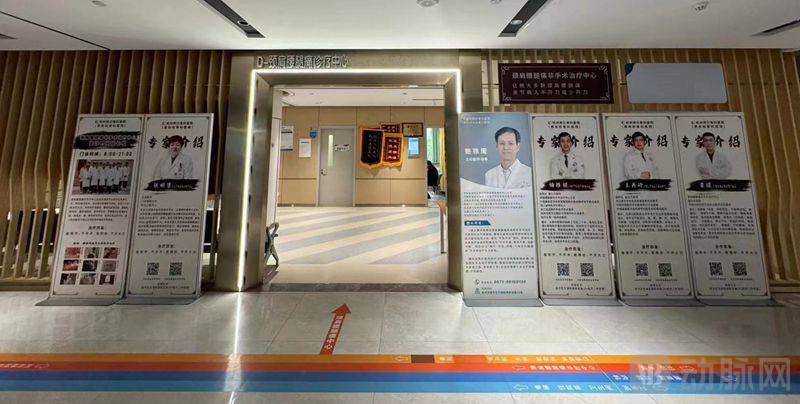
According to reports, hospitals under the Banger Orthopedic Hospital Group have established Non-Surgical Centers for Neck, Shoulder, Waist, and Leg Pain. These centers inherit the Luoyang Pingle Guo’s Bone-Setting Technique, a national intangible cultural heritage, by integrating this traditional bone-setting expertise with modern medical concepts. Employing more than 50 therapeutic methods, they provide systematic treatment for conditions such as cervical spondylosis, lumbar disc herniation, lumbar spinal stenosis, lumbar spondylolisthesis, frozen shoulder, hip and knee osteoarthritis, avascular necrosis of the femoral head, and adolescent idiopathic scoliosis. Notably, nearly 70% of patients who would otherwise require surgical intervention for disc-related issues have been successfully managed through systematic conservative treatment.
Regarding the philosophy of surgical treatment, Cheng Dong emphasized that avoiding surgery or minimizing invasive procedures is more aligned with patients’ best interests.Banger Orthopedics aims to enable recovery for some patients with specific conditions through systematic, non-surgical treatments. Even when surgical intervention is necessary, the hospital strives to perform minimally invasive procedures to reduce both the physical burden and financial costs for patients. Cheng Dong candidly admitted, “Non-surgical treatment is actually more challenging than surgical treatment,” yet this remains one of the key visions he holds for Banger Orthopedics.
Although global investment in the healthcare sector has declined somewhat due to the broader economic environment, capital continues to flow into the industry. According to data from VCBeat, there were 3,076 primary market investments in the global healthcare sector in 2023, with total financing reaching $57.4 billion. In China, 1,300 primary market financing deals were completed in the healthcare industry in 2023, amounting to a total of $10.9 billion.
High-quality private specialized medical service providers remain a key focus for capital investment.
From the primary market perspective, Lu Daopei Medical Group, a specialized medical group for hematological diseases, still completed a Series B+ financing round of over RMB 100 million during the pandemic; Banger Orthopedics, a chain orthopedic medical service institution, also successively completed its Series D and Pre-IPO financing rounds during the pandemic.
The secondary market also serves, to some extent, as an indicator of the future growth potential for these primary-market projects. A significant number of high-quality private healthcare institutions have already listed on the secondary market. In 2020, Hygeia Oncology Group went public, drawing widespread attention; in 2021, Gushengtang, a new TCM healthcare service platform, made its debut as the first publicly traded company specializing in traditional Chinese medicine (TCM) medical services, garnering sustained interest. Other healthcare providers, including Chaoju Eye Care, Huaxia Eye Hospital Group, He’s Eye Hospital, Purui Eye Hospital, Sanbo Brain Hospital, and Meizhong Jiahe, have also embarked on their IPO journeys...
As an important supplement to public medical services, private medical services will undoubtedly play an increasingly significant role in the overall market. Within this “vast universe,” we may soon witness a rising star that brings new vitality to the healthcare sector and meets patients’ expectations.