

Digital Marketing in MedTech Comes of Age: How Industry Stakeholders Achieve Breakthrough Growth Through Efficient Integration
China's medical device industry is entering a new period of transformation.
On the one hand, Chinese medical device manufacturers have achieved relative maturity in production technologies and supporting supply chains; on the other hand, national policies—such as deepening healthcare system reforms and promoting domestically produced equipment—are driving the industry into a new phase of development.
As the medical device industry becomes more consolidated and product iterations accelerate, many smaller companies with relatively narrow product lines face the risk of being eliminated.

In this era of profound transformation, how to pivot and break through impasses while sustaining their own development has become a question that medical device companies must confront.
Against the backdrop of the orderly expansion of categories covered by centralized volume-based procurement, along with the continuous rise in localization rates and market concentration, corporate sales capabilities and R&D innovation have inevitably become focal points—requiring companies to strengthen their core competencies on one hand, while enhancing marketing effectiveness on the other.
Among these, digital marketing is undoubtedly playing an increasingly important role.
Medical device companies are not unaware of the profound changes underway in the industry.
A significant number of medical device enterprises have long recognized the importance of leveraging digital marketing tools. Many have even initiated strategic deployments in digital marketing, pinning their hopes on rapidly implementing these initiatives through either self-developed or third-party digital marketing systems. However, reality often falls short of expectations; numerous such attempts have yielded minimal results or have quietly fizzled out.
Behind these failed attempts, one reason may be attributed to the unique characteristics of the healthcare industry, which make it difficult for companies to replicate digital marketing models and strategies from other sectors; another reason may lie in companies’ insufficient understanding of digital marketing, with a lack of strategic planning for digital marketing in their “top-level design.”

“During the process of digital transformation, ‘top-level design’ is particularly critical. Only after founders and corporate leaders shift their mindsets can ‘top-down’ attempts at digital marketing bear fruit in the future.” It is precisely due to the lack of this awareness that “digital marketing in most enterprises remains stuck at the stage of traditional marketing or ‘Internet Plus’ marketing.”
Jin Rong, Co-founder and CMO of Yilu Kuaijian, has repeatedly mentioned in public that marketing has different stages of development. He pointed out that it can be divided into five stages: traditional marketing, Internet + marketing, big data marketing, AI marketing, and omni-channel marketing; to help medical device companies achieve breakthrough growth, it is necessary to push enterprises into a higher level of digital marketing stage, better solving many pain points faced by enterprises in the marketing process.
According to research by Yilu Kuaijian, most medical device manufacturers on the market face numerous challenges, including difficulties in market expansion, the dual pressures of effectiveness control and cost containment, and data asset management. Medical device companies are eager to achieve precise identification and outreach to target customers, enhance marketing efficiency, enable rapid and accurate dissemination, and further improve sales conversion rates. In addition, some enterprises have demands for digital marketing management tools, as well as for the accumulation and long-term operation of digital assets.
Among the aforementioned requirements,One of the most critical needs is undoubtedly to achieve efficient connectivity across the upstream, midstream, and downstream segments of the healthcare industry where enterprises operate. This enables products from upstream medical device manufacturers to be more rapidly distributed through midstream channel partners to downstream healthcare institutions, thereby enhancing the conversion of product sales.Historically, an information gap existed between medical device manufacturers and distributors, making it difficult for both parties to achieve efficient outreach.
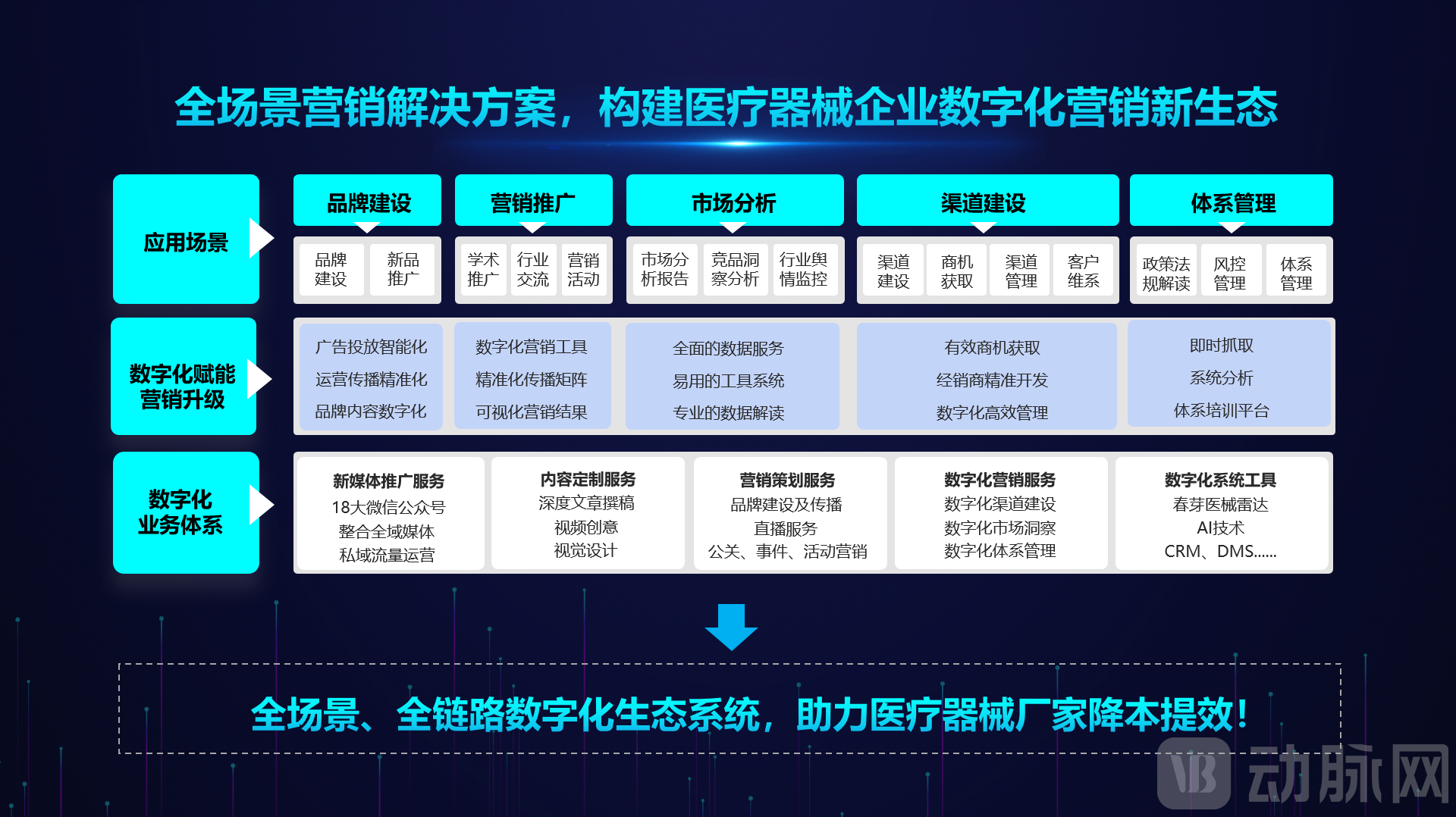
Yilu Kuaijian directly addresses this core need by providing digital marketing solutions—encompassing data insights, databases, SaaS systems, and content support—to empower medical device companies in their marketing efforts, facilitate more effective promotion, and “achieve efficient matching between medical device manufacturers and distributors.”
“We have effective levers. By leveraging data generated from our own new media matrix, live-streaming platforms, distributors and tender information data systems, knowledge-payment platforms, video digitalization production centers, offline alliances, departmental solution research, as well as research on new products, technologies, and trends, we empower manufacturers through data applications. We transform content into data intake channels and apply the collected data to achieve efficient connectivity across the upstream, midstream, and downstream segments,” said Jin Rong.
Using examples may better illustrate the effectiveness of Yilu Kuaijian in empowering enterprise digital marketing.
Yilu Kuaijian once generated as many as 260 prospective channel partners for a medical device company through a single promotional campaign; facilitated efficient hospital adoption for a company specializing in early diabetes screening, resulting in equipment installations at multiple leading hospitals; and helped another enterprise build a digital marketing platform that recouped its investment within the first year, with the digital system continuing to drive economic benefits for the company.
Over the years of its development, Yilu Kuaijian has seen numerous such collaboration examples. Currently, Yilu Kuaijian has partnered with more than 300 medical device companies, including internationally renowned enterprises such as GE Healthcare, Philips Healthcare, Siemens Healthineers, Roche Diagnostics, and Boston Scientific, as well as leading domestic manufacturers like Mindray, Neusoft Medical, Sonoscape, Edan Instruments, Sinocare, and Beijing Wantai.
Deepening collaboration has enhanced Yilu Kuaijian’s understanding of the industry, enabling it to provide tailored solutions that meet the specific needs of medical device companies at different stages of development—
For innovative startups, the goal is to facilitate rapid commercialization. In the past, innovative products typically enjoyed a lengthy period of market exclusivity, ensuring optimal revenue generation. However, with the overall product lifecycle now shortened, imitators often emerge much more quickly. This necessitates that companies prioritize commercialization strategies even before product launch. Relying on traditional methods, such as hiring sales teams to expand market reach, often results in low efficiency and an unfavorable return on investment.
For growth-stage enterprises, we help further strengthen their brands. Currently, domestic companies in China need to urgently enhance awareness in multiple areas, such as branding, compared to foreign enterprises. In the past, medical device companies only needed to obtain a device registration certificate for a specific product to rapidly achieve commercialization. However, under the trends of centralized procurement and high-quality hospital development, hospitals are placing greater emphasis on the clinical value of products and corporate branding. For most companies, brand perception remains limited to visual design; in reality, branding often encompasses all aspects of an enterprise, including its people, operations, and assets.
For mature enterprises, we facilitate streamlined operations. To reach China’s 1.4 billion people, it is not feasible to rely solely on labor-intensive strategies; instead, more efficient methods are required for information dissemination and delivery. By efficiently integrating industry-leading resources, we can undoubtedly provide superior resource support to enhance corporate operations.
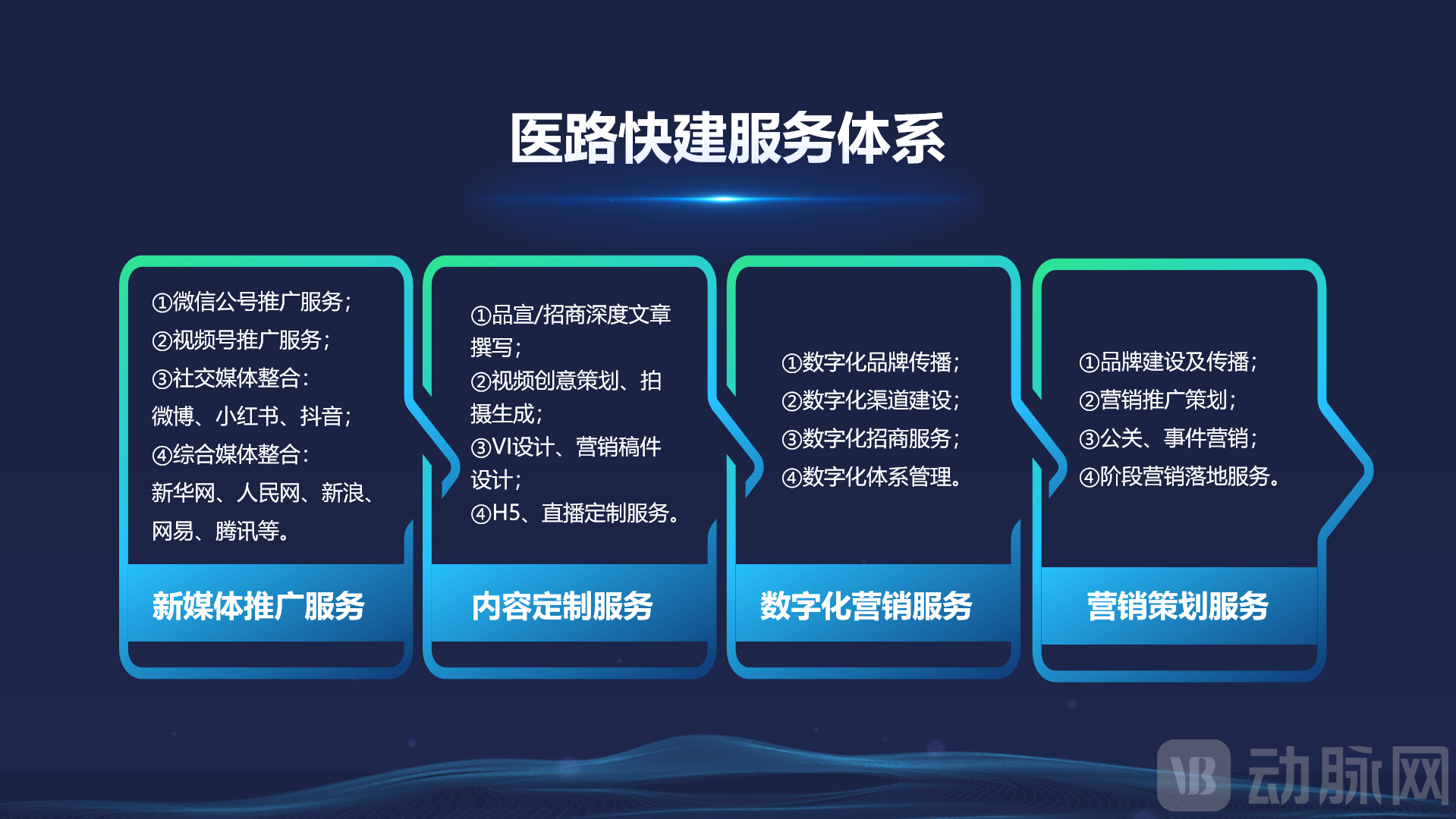
Past development has enabled Yilu Kuaijian to provide a comprehensive, closed-loop service spanning content creation, distribution, and outcome enablement. What sets Yilu Kuaijian apart from other digital marketing firms is its stronger emphasis on being “results-oriented.” As Jin Rong puts it, the company is committed to “doing the hard things” and “earning the money that’s difficult to make.”
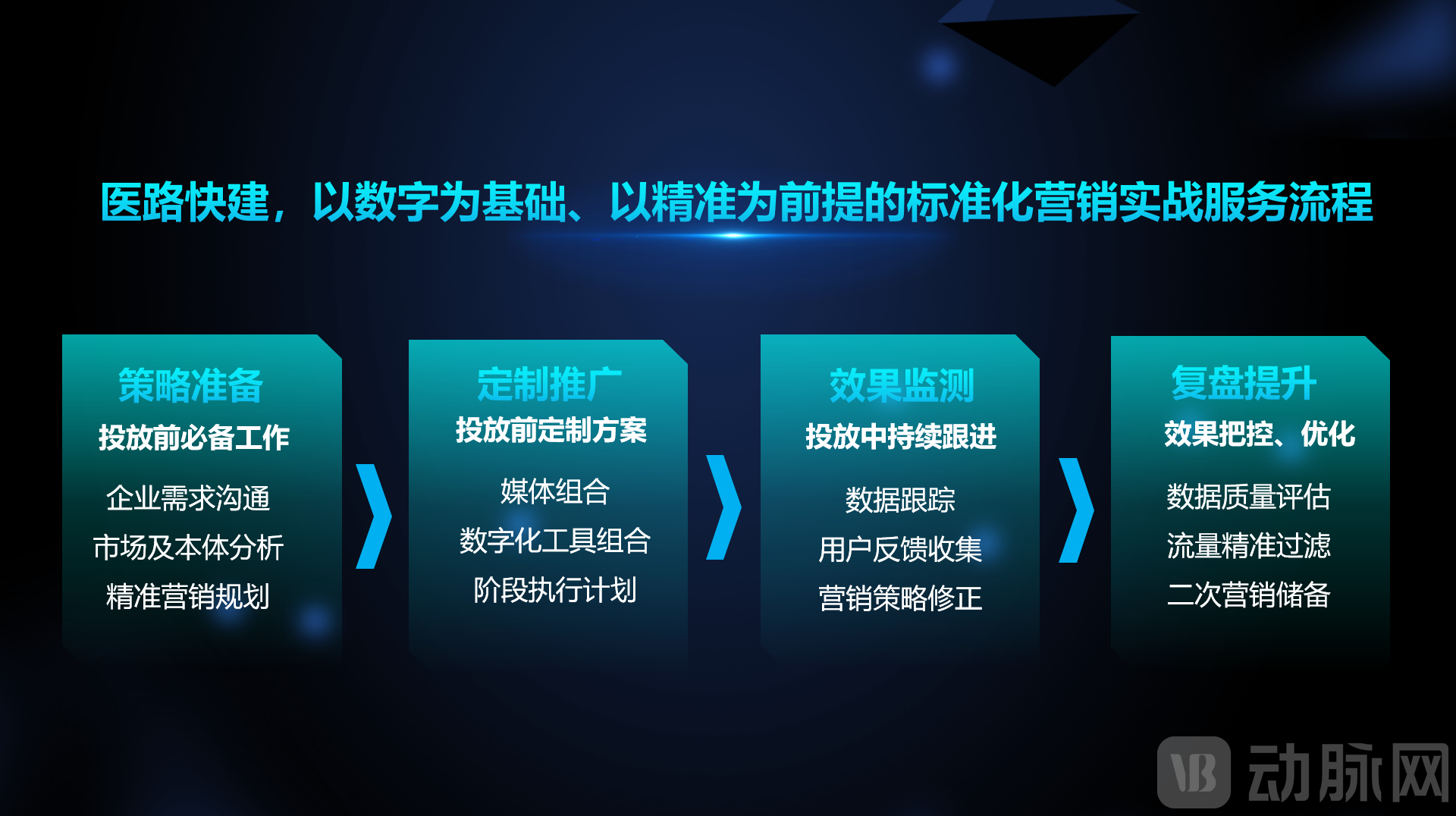
Yilu Kuaijian’s strong confidence stems from its deep accumulation in the field of digital marketing—
First, it possesses a clear and unique understanding of the entire digital marketing landscape.
Unlike most companies venturing into digital marketing, Yilu Kuaijian chose not the relatively mature pharmaceutical sector, but the medical device field, which lacks a well-established system. Yilu Kuaijian opted to be “the first to dare.” This decision was driven by two factors: on one hand, it recognized the red-ocean competition saturating digital marketing in the pharmaceutical industry; on the other, it identified unmet needs among medical device manufacturers. Jin Rong’s years of experience in marketing also made him aware of the significant growth potential within the medical device sector.
Second, it provides medical device manufacturers with efficient communication support tools.
From 2015 to 2020, Yilu Kuaijian gradually built a matrix of 18 major WeChat official accounts, covering various groups such as distributors, physicians, private hospitals, and primary care doctors. It established more than 500 healthcare industry communities. From 2020 to 2023, Yilu Kuaijian further unleashed its capabilities. During this period, as the pandemic hindered offline channel expansion for medical device manufacturers, Yilu Kuaijian rapidly assisted these manufacturers in expanding their channels. Consequently, Yilu Kuaijian developed a results-oriented model that gained recognition from enterprises. It was also during this phase that Yilu Kuaijian progressively built a digital marketing system tailored to the needs of medical device manufacturers. In 2024, with the launch of Yilu Kuaijian’s data resource integration platform, marking the completion of its data application system, medical device manufacturers and distributors were enabled to achieve precise and efficient matching and communication.
Third, it possesses the capability to establish deep linkages with channel partners.
Jin Rong noted that the key to deep integration with distributors lies in how value is created for them. Throughout this process, Yilu Kuaijian’s new media matrix, database, live-streaming system, and offline alliances continuously generate data. While disseminating industry insights, these resources drive shifts in distributors’ mindsets and significantly facilitate their connections with medical device manufacturers. Meanwhile, Bedeng Medical Group, the parent company behind Yilu Kuaijian, operates a digital supply chain platform serving 150,000 distributors. The group’s intelligent manufacturing products also empower the entire ecosystem. Furthermore, Yilu Kuaijian’s digital marketing solutions can better integrate these components, enabling the continuous upgrading and iteration of comprehensive solutions.
By building digital channels,Yilu Kuaijian addresses challenges inherent in traditional channel development, such as information asymmetry between supply and demand, difficulties for enterprises in identifying suitable distributors, cumbersome channel management, and low efficiency due to prolonged timelines. It facilitates effective opportunity acquisition, precise distributor development, and efficient digitalized management.
For Jin Rong, the more critical aspect is that medical device manufacturers and distributors, leveraging the “communication bridge” built by Yilu Kuaijian, continuously establish and accumulate trust. This has also made Yilu Kuaijian an insurmountable “moat.”
Currently, the market is generally characterized by a rather pessimistic sentiment. However, for Nanjing Yilu Kuaijian Medical Technology Co., Ltd., the overall market development prospects remain positive.
A major contributing factor is the advancement of policies such as centralized volume-based procurement and DIP/DRG.It has further facilitated the digitization of medical information, enabling the state to make decisions and deploy strategies based on digital data. The digitization and transparency of healthcare scenarios have also allowed for the restructuring of industry order. The application of data will become increasingly important. It will also assist digital enterprises in achieving data “integration” in the future, thereby further driving their own development under policy incentives.
In this process, both medical device manufacturers and distributors need to make corresponding adjustments. From the manufacturers’ perspective, many equipment and consumables suppliers have historically lacked clinical data, distribution-channel data, and management-level data; thus, their foundational digital infrastructure requires further strengthening. From the distributors’ perspective, they need to better structure their product portfolios and provide standardized solutions tailored to specific hospital departments, potentially integrating products from multiple manufacturers, with the ultimate goal of serving patients and clinical practice. These demands will further drive the development of the digital marketing sector in which Nanjing Yilu Kuaijian Medical Technology Co., Ltd. operates.
Another significant advantage is the advancement of large AI model technology.Training based on large AI data models will bring about changes and adjustments across the entire industry. For instance, it may be possible to use large language models to make partial predictions regarding which medical device manufacturers’ equipment better aligns with the needs of healthcare institutions. Meanwhile, the relevant databases built by Nanjing Yilu Kuaijian Medical Technology Co., Ltd., along with its previously generated transaction data, will enable the company to gain a first-mover advantage in “data.”
For Yilu Kuaijian, amidst the industry’s rapid development, it will further empower the entire sector and better facilitate connectivity across the upstream, midstream, and downstream segments of the industrial chain. Jin Rong emphasized, “Yilu Kuaijian is not merely ‘Yilu Kuaijian’ in its own right, but rather the ‘Yilu Kuaijian’ for the entire industry.” Ultimately, Yilu Kuaijian will continue to advance toward omni-channel marketing, thereby more effectively driving the growth of digital marketing and the medical device industry.