

RuiYiYaoDa Partners with Pharma and Insurance Firms to Advance Innovative Payment Models and Build a Digitalized Managed Healthcare Ecosystem
As the country further deepens healthcare security system reforms and builds a multi-tiered healthcare security framework, commercial health insurance is ushering in new development opportunities. The outbreak of the pandemic has also heightened public health awareness, thereby further expanding the commercial health insurance market. However, the sector still faces numerous challenges, such as relatively homogeneous product offerings and insufficient accessibility for individuals with pre-existing conditions.
On June 6, 2024, the “Conference on Building a Digital-Intelligent Managed Healthcare Service Ecosystem and Signing Ceremony for SOPHMED’s Strategic Partners,” hosted by SOPHMED, was successfully held at the Pullman Shanghai Skyway Hotel. Representatives from numerous organizations attended, including Betta Pharmaceuticals, Astellas Pharma, Merck China, BeiGene, Chipscreen Biosciences, Pfizer, IQVIA, Taikang Online, the China Non-Public Medical Institutions Association, Luca Healthcare, and Xuyou Insurance Technology. The conference featured discussions on the development of a multi-tiered medical security system, diversified payment mechanisms for innovative pharmaceuticals, and the integrated development of the pharmaceutical and insurance sectors.
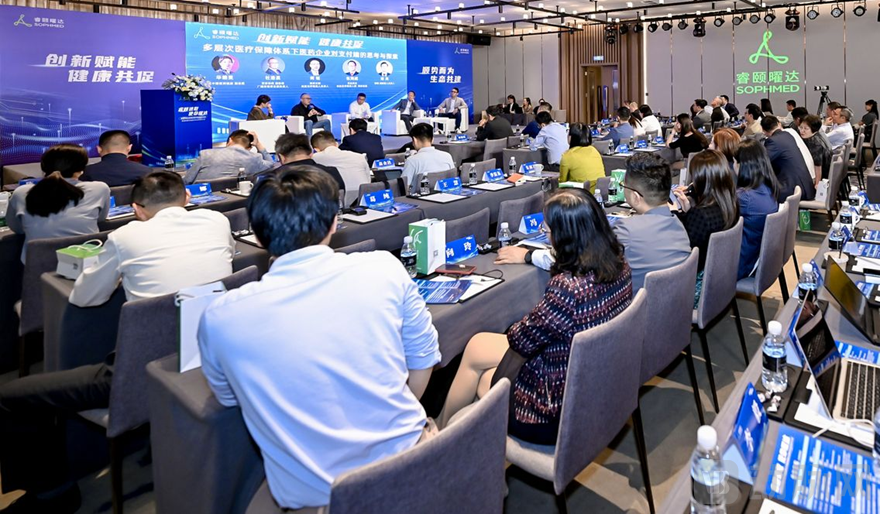
Zhan Haitao, Founder, Executive Director, and CEO of SOPHMED, pointed out in his address that “the commercial health insurance sector is in the ascendant, yet it faces significant challenges. Substantial issues remain in both coverage for individuals with pre-existing conditions and the provision of insured services. The development of commercial health insurance urgently calls for in-depth integration and innovation across all sectors of the industry.”
Notably, at this conference, SOPHMED established strategic partnerships with insurers and innovative pharmaceutical companies such as Taikang Online, Betta Pharmaceuticals, IQVIA, and Chipscreen Biosciences. These collaborations aim to drive integrated innovation across the industry while further enhancing patient access to pharmaceuticals and medical devices.
Currently, patients continue to face challenges in accessing pharmaceuticals. Due to imperfect payment mechanisms and other factors, many patients are unable to afford high-cost innovative drugs. Additionally, issues such as supply shortages frequently affect rare disease medications.
How to address the issue of patients’ access to medicines by establishing a commercial health insurance ecosystem has become one of the challenges facing industry practitioners.
Zhan Haitao, Founder, Executive Director, and CEO of SOPHMEDIt is pointed out that there is an urgent need to build a patient-centric commercial health insurance ecosystem. Currently, in the process of promoting the construction of a multi-tiered medical security system, there is significant room for growth in out-of-pocket payments covered by commercial insurance. Furthermore, from a demographic perspective, there are obvious gaps in coverage for the middle-aged and elderly populations as well as individuals with pre-existing conditions, necessitating innovation in payment models. In addition, existing commercial insurance products fail to meet patients’ personalized needs, often resulting in a low sense of gain among patients. SOPHMED bridges the gap between the health industry and commercial insurance, achieving cross-sector integration and innovation. This facilitates the transition from “preventive care before disease onset” to “preventing disease progression after diagnosis,” thereby promoting the implementation of customized, digital-intelligent management solutions. In 2023, SOPHMED’s services covered 26 provinces and municipalities, serving over 14,000 patients and processing more than 960,000 boxes of claimed medications, effectively extending the Duration of Therapy (DOT). SOPHMED aims to collaborate with ecosystem partners to further build a customized, digital-intelligent comprehensive health management platform, benefiting a broad range of patients.
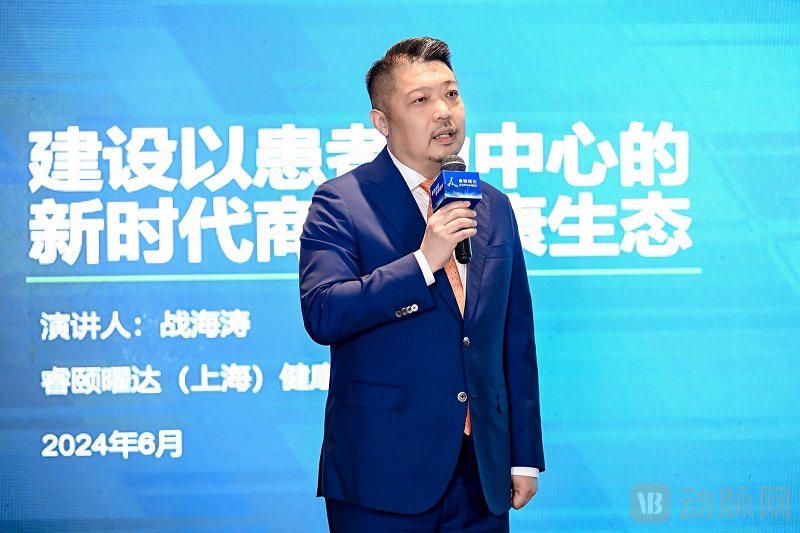
Zhan Haitao, Founder, Executive Director, and CEO of SOPHMED
Liu Feng, Vice President of Beta PharmaHe shared insights on the dilemmas and breakthroughs in innovative payment models. He pointed out that the value of innovative payments for various stakeholders is reflected in reducing payment risks, enhancing drug accessibility, promoting more reasonable product pricing, and supporting the development of innovative enterprises. From an overall perspective, most commercial health insurance products currently cover only healthy individuals, with only a few inclusive supplementary medical insurance plans (Huiminbao), specific disease insurance policies, and outcome-based insurance initiatives launched by pharmaceutical companies covering patients with pre-existing conditions. The problems are also evident: the overall enrollment rate in commercial health insurance remains unsatisfactory; while Huiminbao has improved drug affordability to some extent, it faces challenges such as difficulties in scaling up and high barriers to entry for pharmaceutical company participation. He stated that the future development of innovative payment models will still require multi-party collaboration.
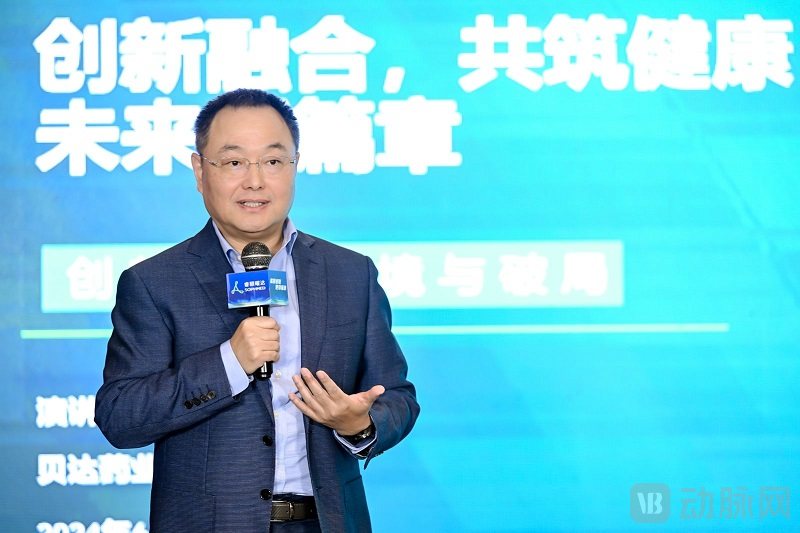
Liu Feng, Vice President of Beta Pharma
Wu Dai, Senior Director of Government Affairs and Market Access at AstellasIt is pointed out that exploring innovative payment systems is imperative. On the one hand, against the backdrop of a global economic downturn, coupled with China’s rapidly aging population, the national medical insurance fund is under increasing pressure. On the other hand, in terms of pharmaceutical sales, driven by policies such as medical insurance cost containment, the in-hospital market has continued to shrink, while sales through offline brick-and-mortar pharmacies and online pharmacies have further grown. Against this broader background, diversified innovative payment models—including charitable assistance, inclusive commercial health insurance, and innovative payment solutions—will help further reduce the financial burden on patients and improve drug accessibility. Astellas is currently further exploring diversified innovative models to support the development of China’s multi-tiered healthcare security system.
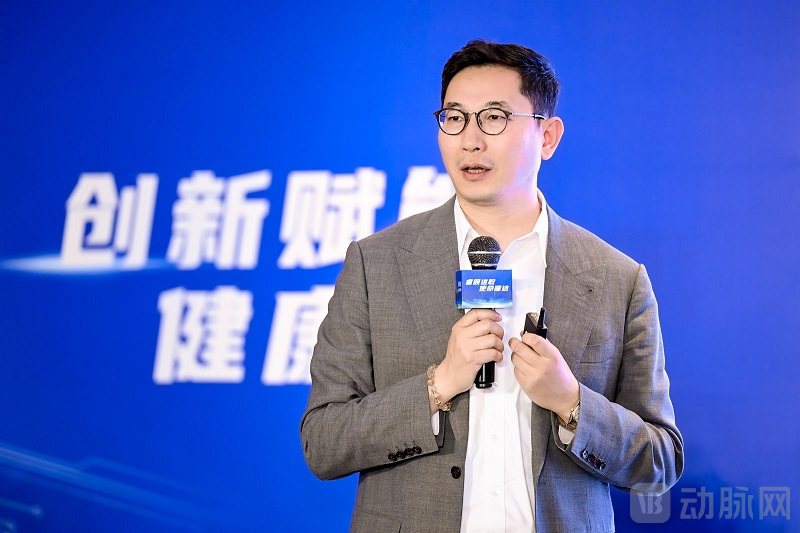 Wu Dai, Senior Director of Government Affairs and Market Access at Astellas
Hu Haomin, Vice President of Merck China’s Healthcare BusinessModerated the roundtable forum “Pharmaceutical Companies’ Reflections and Explorations on the Payer Side under a Multi-tiered Medical Security System.” Du Haochen, Vice President and Head of Broad Market Business at BeiGene; He Ming, Head of Commercialization and Market Access at Chipscreen Biosciences; Bao Haiwei, Commercial Director of the Business and Market Access Department at Beta Pharma; and Hu Hao, Head of Innovative Access at Pfizer, engaged in in-depth discussions on pharmaceutical companies’ explorations and expectations in the field of innovative payment solutions.

Attendees unanimously agreed that innovative payment models require deep integration among healthcare providers, pharmaceutical companies, and insurers. Innovative payment should not merely focus on lowering out-of-pocket costs for patients; while ensuring the accessibility of drugs and medical devices and benefiting a broader patient population, it must leverage deep, innovative collaboration among healthcare institutions, pharmaceutical enterprises, and insurance companies to achieve comprehensive screening, diagnosis, treatment, and management across the entire patient disease journey, ultimately realizing multi-party win-win outcomes within the ecosystem.
In July 2023, seven departments in Shanghai jointly issued the "Several Measures on Further Improving the Multi-Payer Mechanism to Support the Development of Innovative Drugs and Medical Devices in Shanghai," proposing to strengthen the coordinated synergy among "medical insurance, healthcare services, and pharmaceuticals," establish and improve a multi-payer mechanism, promote the inclusion of more high-quality innovative drugs and medical devices into the coverage of basic medical insurance and commercial health insurance, and enhance the accessibility and affordability of innovative drugs and medical devices.
Policies are further driving the integration of pharmaceuticals and insurance. Beyond pharmaceutical companies, the importance of insurers and healthcare service providers is self-evident.
Shao Wenbin, Vice President and General Manager of Business Solutions, Greater China, IQVIAHe shared insights on the cross-sector integration and innovation between the pharmaceutical industry and commercial health insurance. He pointed out that China has essentially established a multi-tiered healthcare security system centered on basic medical insurance; however, under the dominant position of basic medical insurance, patients still face issues such as excessive financial burden for medical expenses, with a large number of drugs still requiring out-of-pocket payment. Commercial health insurance can clearly help alleviate the pressure on basic medical insurance. In 2019, the government further implemented policies to encourage and support the development of commercial health insurance, leading to deeper integration between the pharmaceutical sector and commercial health insurance. In his view, commercial health insurance is expected to further participate in healthcare management in the future, transforming from a final payment instrument into a comprehensive health management tool covering the entire disease lifecycle. During this process, commercial health insurance will lean towards integrated payment models for specific diseases, thereby further feeding back into industry development and innovation. It will also achieve integration with medical resources and other elements, promoting the implementation of tiered diagnosis and treatment systems, and helping patients access convenient and high-quality diagnostic and therapeutic care pathways.
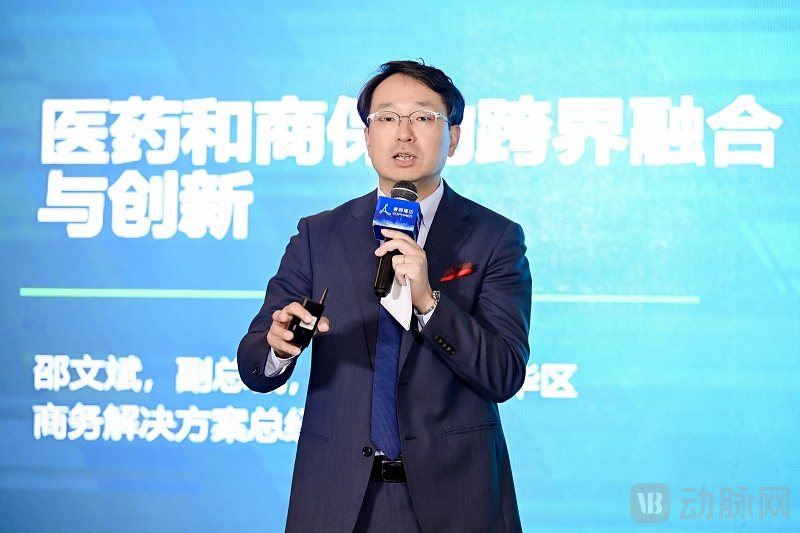 Shao Wenbin, Vice President and General Manager of Business Solutions, Greater China, IQVIA
Ding Junfeng, Vice President of Taikang OnlineShe shared insights on how industrial convergence is ushering in a new era of diversified payment mechanisms. She pointed out that both the demand and supply sides are currently experiencing rapid development, creating an urgent need for commercial insurance to fulfill its role as a complementary payer. Under these new circumstances, commercial health insurance must continuously expand its insured population, actively collaborate with the pharmaceutical industry, and gradually improve diversified payment mechanisms to enhance the accessibility of innovative drugs and medical devices. This will facilitate the transformation of commercial health insurance from a mere financial instrument for risk coverage into a provider of high-value healthcare services.
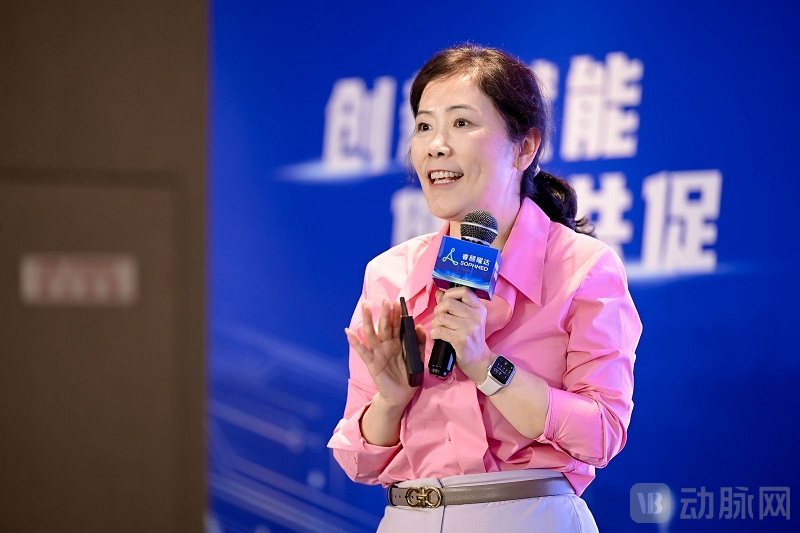 Ding Junfeng, Vice President of Taikang Online
Hao Deming, Executive Vice President and Secretary-General of the China Non-Public Medical Institutions AssociationIt was emphatically pointed out that non-public medical institutions play a significant role in the multi-tiered healthcare security system. Compared with public medical institutions, non-public medical institutions are more focused on consumer-oriented healthcare and place greater emphasis on both ends of the disease continuum: screening and diagnosis, as well as rehabilitation. The integration of non-public medical institutions with commercial health insurance can further guide insured customers, empowering them to undergo disease screening through advanced equipment and technological means, thereby facilitating the implementation of tiered diagnosis and treatment. In this process, high-quality services are provided to insurance customers, achieving differentiated operations distinct from those of public medical institutions. He noted that there is still substantial room for development and exploration in the commercial health insurance sector at present. Between high-end medical insurance and mass-market “million-yuan” medical insurance, the broad market for mid-to-high-end comprehensive and specialized disease health insurance remains to be fully tapped.
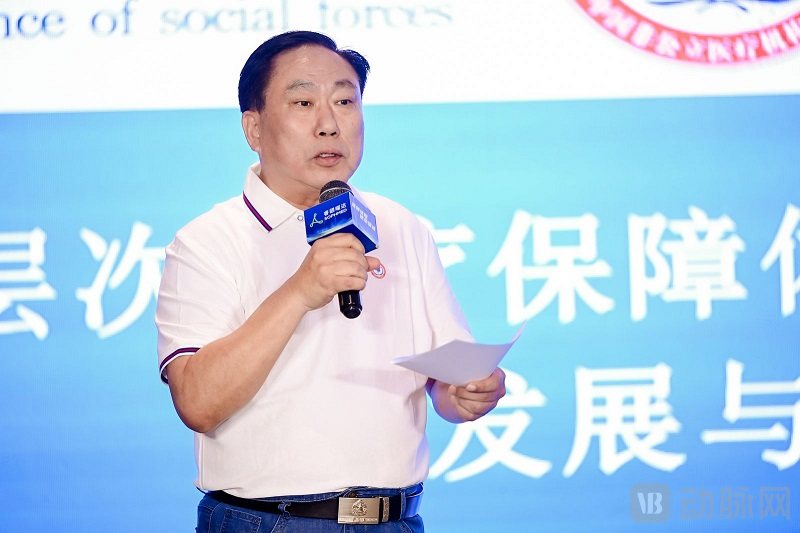 Hao Deming, Executive Vice President and Secretary-General of the China Non-Public Medical Institutions Association
Qin Mengyang, Head of Commercial Insurance and Innovation, IQVIA ChinaModerated the roundtable discussion on “Integration and Practice of an Innovative Healthcare and Wellness Ecosystem in the New Normal.” Mao Yan, Deputy Director of the Talent Technology Services Department at the China Non-Public Medical Institutions Association; Zhang Ting, Head of Industrial Development within the Health Insurance Business Unit at Taikang Online; Chen Si, Founder and CEO of Luca Healthcare; and Hu Yuan, Chief Actuary at Xuyou InsurTech, among others, engaged in discussions centered on building a healthcare and wellness ecosystem and the future development of commercial health insurance.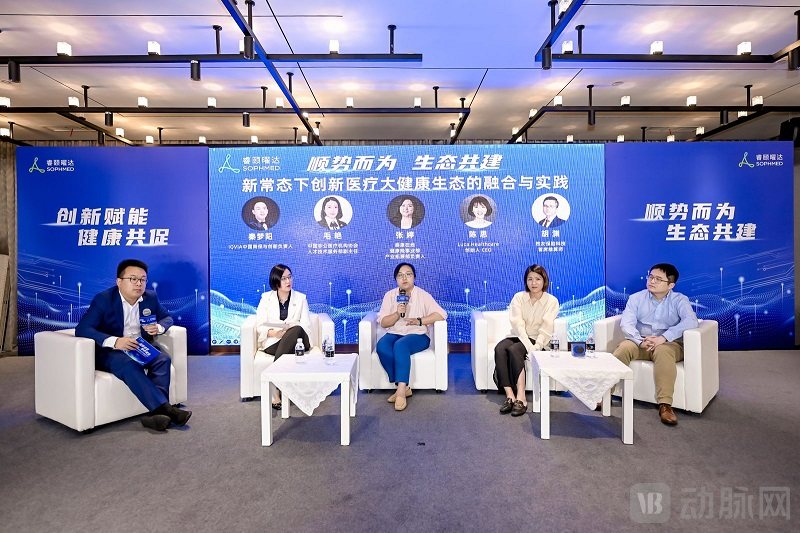
Attendees noted that the integration of the broader healthcare ecosystem is an irreversible trend. Currently, commercial health insurance products still suffer from a mismatch with customer needs, leaving a large number of individuals with non-standard health conditions excluded from coverage. Participants expressed hope that commercial insurance will better demonstrate its value in the future by further curating high-quality medical services and linking innovative pharmaceuticals and medical devices, thereby better supporting patients through ecosystem connectivity and interaction. In this process, the adoption of advanced digital technologies will further facilitate early disease detection and prediction of disease progression, enhancing patient management and delivering more personalized services.
It is worth mentioning that,At this conference, SOPHMED entered into strategic partnerships with insurance companies such as Taikang Online and innovative pharmaceutical enterprises including Betta Pharmaceuticals, IQVIA, and Chipscreen Biosciences.
From the perspective of partners, Taikang Online is among the first batch of internet insurance companies in China. Since its establishment in 2015, it has been committed to providing innovative and efficient insurance services. Beta Pharma is a listed company dedicated to drug research and development and clinical applications, offering patients effective and safe therapeutic regimens. IQVIA is a global leader in advanced analytics, technology solutions, and clinical research services for the life sciences industry, continuously driving innovation and development in the healthcare sector by integrating data, technology, and expertise in health and medicine. Chipscreen Biosciences is a pioneer in the field of original innovative drugs in China, as well as the first enterprise approved for listing on the STAR Market and the first biopharmaceutical company to go public. It focuses on the research and development of original innovative drugs in five major areas: oncology, metabolic diseases, autoimmune diseases, central nervous system disorders, and antiviral therapies, providing patients with affordable, clinically urgent, and revolutionarily effective mechanism-based innovative drugs.
Multi-party collaboration will undoubtedly drive further integration of healthcare, pharmaceuticals, and insurance across the industry.
Among these, the partnership between SOPHMED and Taikang Online will further explore new models of innovative commercial insurance services; the collaboration with Beta Pharma aims to integrate the “insurance + healthcare” model and further develop innovative solutions for pharmaceutical products; the cooperation with IQVIA will deepen bilateral engagement in the fields of medical data and technology; and the partnership with Chipscreen Biosciences seeks to further discuss new business models and promote the development of a comprehensive healthcare service ecosystem.
SOPHMED will provide innovative integrated commercial health insurance solutions and patient management services to multiple large listed pharmaceutical companies and multinational pharmaceutical corporations during the course of collaboration; furthermore, by partnering with leading insurance companies to develop innovative integrated commercial health insurance solutions and patient management services, it will assist these insurers in offering more insurance products that align with medical scenarios and patient needs.
Achieving these outcomes is also attributable to SOPHMED’s core strengths. The company’s core team members all possess backgrounds in the pharmaceutical and healthcare sectors. Driven by industry needs, SOPHMED has leveraged commercial insurance tools and channels to build an ecosystem that deeply integrates pharmaceuticals, patients, and insurance, thereby fostering innovation and development within the industry. SOPHMED has already established a patient-provider integrated management system with independent intellectual property rights. Centered on patients, this system delivers services encompassing “commercial insurance benefits, supplemental payment solutions, health management, and private-domain operations.”
As strategic partnerships are forged across sectors, the deep, innovative integration of healthcare, pharmaceuticals, and insurance is paving the way for a win-win future.
For pharmaceutical and medical device companies, support from multi-payer systems will further facilitate market expansion, enhance patient access to medications, and extend duration of therapy (DOT);
For insurance institutions, this will further drive them to enhance their differentiated service capabilities, access new channels, and achieve further expansion of the health insurance market;
Most importantly, patients will benefit from greater access to pharmaceuticals and medical devices, further reducing their out-of-pocket healthcare costs and enhancing their overall care experience.
Ultimately, the implementation of innovative payment models will not only support the development of a multi-tiered medical security system but also undoubtedly contribute further to the Healthy China initiative, truly bringing “health” to every citizen.