

Domestic Hearing Aid Market Soars as Local Players Break Foreign Monopoly
With annual exports of 14.3176 million units, a patient population exceeding 220 million, and a market size surpassing RMB 6 billion, the hearing healthcare sector boasts fertile ground for rapid growth, much like the ophthalmology and dentistry segments within the consumer healthcare industry.
However, for a long period in the past, approximately 95% of the global hearing aid market share remained dominated by the five major hearing groups (Sonova, Demant, GN ReSound, WS Audiology, and Starkey). These companies established extremely high entry barriers through offline fitting channels in the high-end hearing aid market, high-end product supply chains, and proprietary R&D systems. Consequently, the domestic hearing sector has not experienced a market boom comparable to that seen in the ophthalmology and dentistry sectors.
Nevertheless, the accumulation of domestic hearing aid manufacturers in this sector has been like a seed, steadily taking root in the soil. After many years, the seed has finally sprouted, exhibiting robust growth.
Since the beginning of this year, the hearing health sector has not only welcomed the entry of domestic medical imaging giants, accelerating breakthroughs in core technologies, but also seen Chinese hearing aid manufacturers such as BOIN Hearing Technology (SH) Co., LTD. frequently intensify their efforts in this field. By leveraging multiple dimensions—including technological innovation, industry-academia-research collaboration, public welfare initiatives, international exchanges, and channel expansion—these companies are driving the R&D iteration and widespread adoption of domestically produced hearing aids, thereby addressing the critical bottlenecks facing China’s hearing aid industry.
According to VCBeat’s data, BOIN Hearing first signed a strategic cooperation agreement with Sichuan Nursing Vocational College in March 2024 to jointly plan the establishment of the BOIN Hearing Rehabilitation Industry College. This initiative aims to integrate industrial and academic resources to promote deep alignment and coordinated development between talent cultivation and the acoustics industry.
At the “BOIN Hearing 5th Anniversary Celebration” held on June 6, the company finalized multiple strategic collaborations: first, partnering with the China Hearing Medicine Development Foundation to launch the “Yi Er Action – BOIN Ear Care Public Welfare Program”; second, joining hands with the University of Southampton in the UK to establish a summer camp program; and third, signing a strategic cooperation agreement with Sichuan Zhenghexiang (Group) Health Pharmacy Chain Co., Ltd.
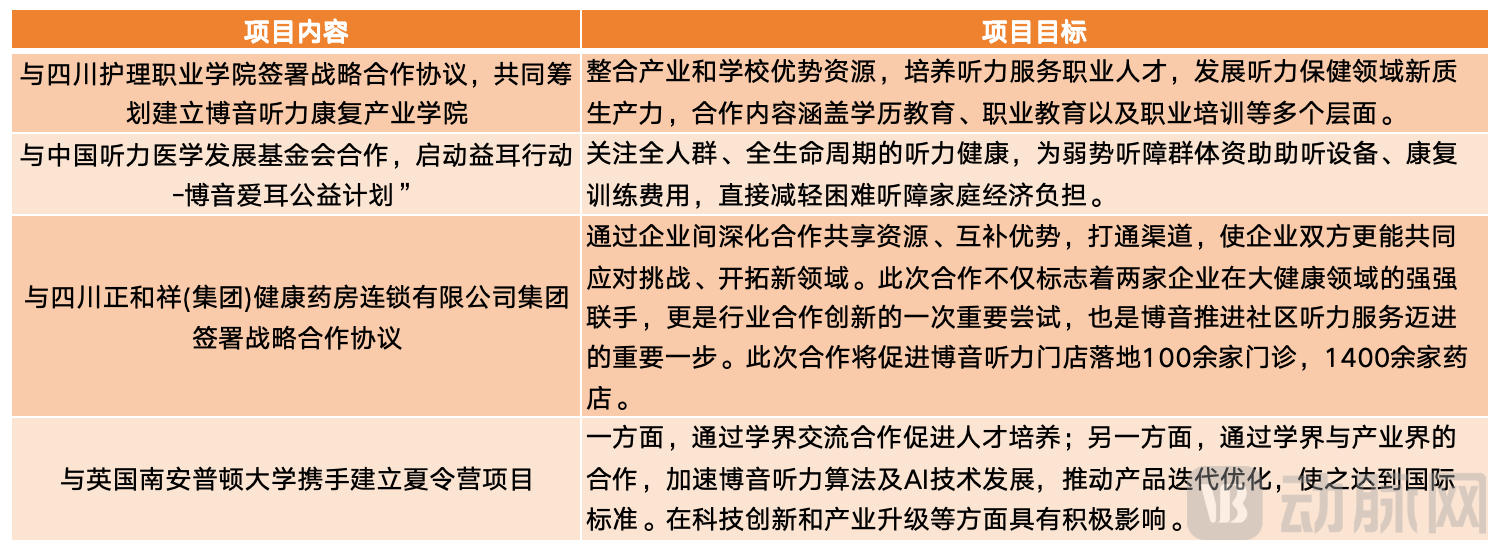
Key Development Highlights of BOIN Hearing in 2024
(Statistics as of the publication date)
At a critical juncture in the development of China’s hearing health sector, BOIN Hearing is undoubtedly leveraging its technological prowess, market influence, and deep industry-academia-research collaborations to enhance the technical standards and market competitiveness of domestically produced hearing aids, thereby creating greater possibilities for the growth of the hearing industry.
According to data from "The Current Status and Development Trends of Hearing Health in China," the number of elderly people aged 65 and above with hearing impairments in China has reached 120 million. As the trend of population aging intensifies, the number of deaf individuals will continue to rise. However, the high cost of hearing aids, often exceeding tens of thousands of yuan, along with the need for replacement every 3-5 years, makes them unaffordable for those who need them most. Data from the Centers for Disease Control and Prevention shows that the penetration rate of hearing aids in China is only about 5%, far below the over 30% penetration rate seen in developed countries such as the United States.
To address this issue, domestic manufacturers are actively tackling core technological challenges in chips and algorithms to enhance product quality and reduce costs. Meanwhile, they are vigorously building distribution channels to provide individuals with hearing impairments more convenient and affordable access to hearing aids.
Notably, in addition to corporate entities, the China Hearing Medicine Development Foundation is also committed to advancing hearing medicine and providing assistance to individuals with hearing impairments. As the only national foundation in China dedicated specifically to the development of hearing medicine and aid for the hearing-impaired, it has continuously expanded its scope and methods of assistance since its establishment in 1995. The foundation has successfully implemented multiple public welfare projects with nationwide influence, cumulatively providing aid and funding to over 200,000 beneficiaries. Furthermore, it has established public welfare partnerships with 316 rehabilitation institutions and special education schools, as well as 202 hospitals across China, to address hearing impairment issues.
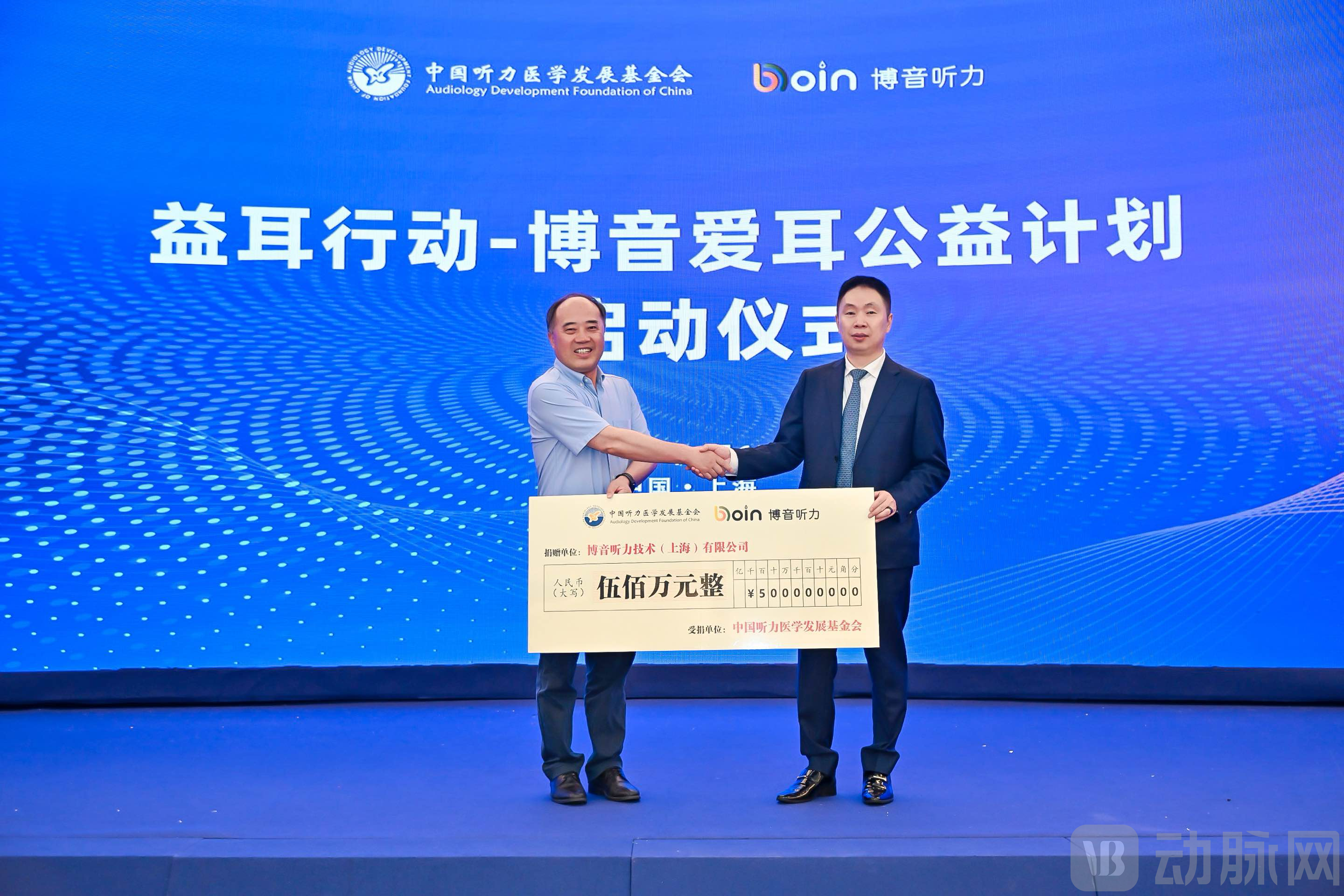
Against this backdrop, BOIN Hearing has joined forces with the China Hearing Medicine Development Foundation to focus on hearing health across all populations and throughout the entire life cycle. Together, they have launched the “Yi Er Action – BOIN Ear Care Public Welfare Program,” which provides financial assistance for hearing aids and rehabilitation training to disadvantaged individuals with hearing impairments, thereby alleviating the economic burden on families facing financial hardships and improving the quality of life for people with hearing loss.
In the future, the China Hearing Medicine Development Foundation will actively implement major national strategic initiatives such as Healthy China and Rural Revitalization, promote the decentralization and equitable distribution of medical resources, strengthen support for adults and the elderly with hearing impairment, and broaden its international perspective to achieve the strategic goal of “going global and bringing in.” BOIN Hearing will work closely with the China Hearing Medicine Development Foundation to accelerate this process, increase the penetration rate of hearing aid usage, and empower both corporate and industry development.
To truly increase the penetration rate of domestically produced hearing aids, it is crucial to establish a diverse product portfolio and build comprehensive online and offline distribution channels, in addition to subsidizing hearing devices and rehabilitation training costs for vulnerable populations with hearing impairments.
Therefore, at the “BOIN Hearing 5th Anniversary Celebration,” the company established a partnership with Sichuan Zhenghexiang (Group) Health Pharmacy Chain Co., Ltd. Group (hereinafter referred to as “Zhenghexiang”). By deepening inter-enterprise cooperation to share resources, leverage complementary strengths, and integrate channels, both parties are better positioned to jointly address challenges and explore new frontiers.
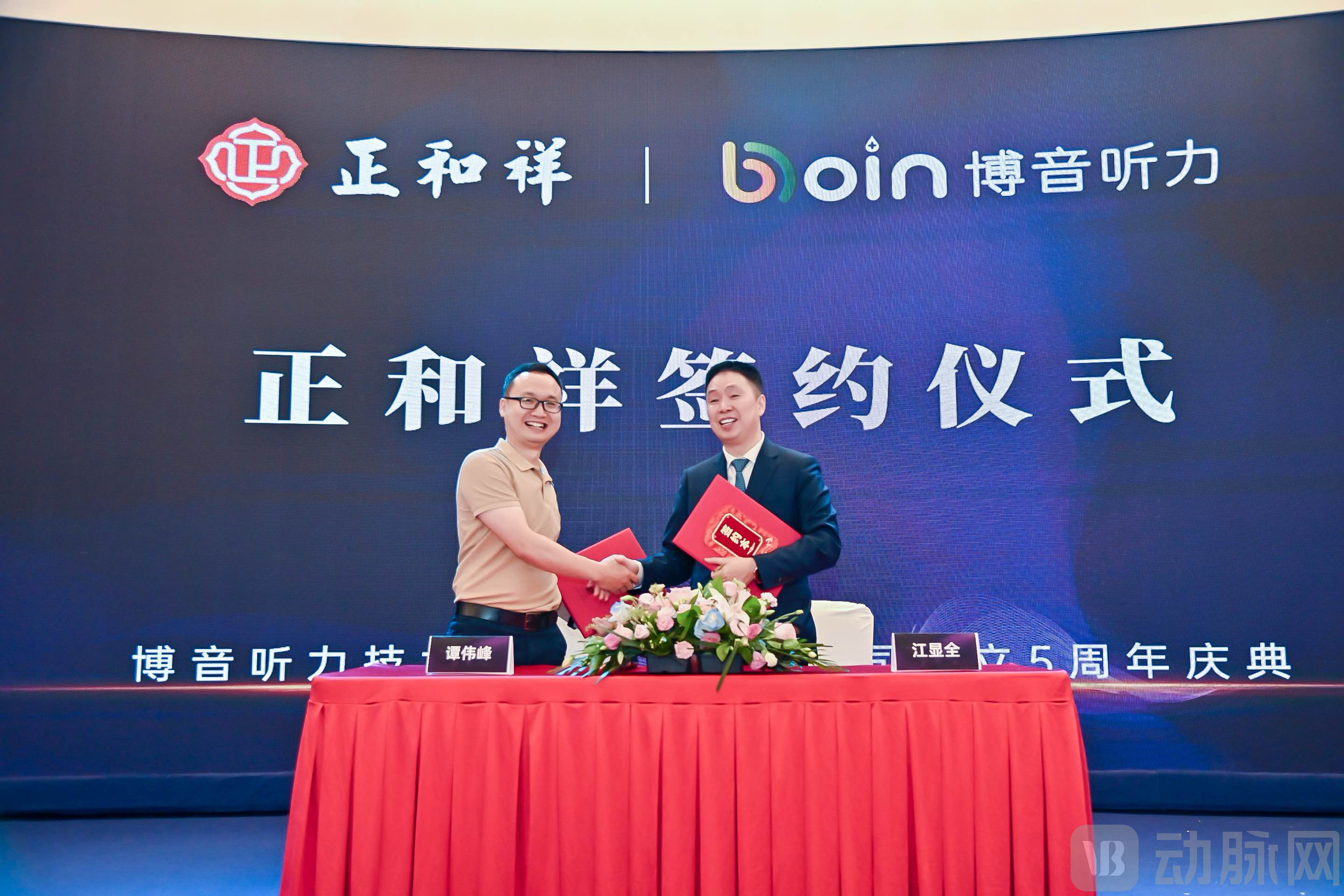
It is understood that Zhenghexiang is a comprehensive health industry group specializing in directly operated pharmacy chains, franchised pharmacy chains, clinic chains, pharmaceutical wholesale, insurance services, internet hospital services, prescription circulation services, and e-commerce operation agency. The group owns nine retail chain companies, one franchised chain company, three wholesale companies, one clinic chain company, one insurance sales company, and one company dedicated to internet hospital operations.
Moreover, Zhenghexiang operates more than 1,500 self-run stores, including 1,450 pharmacies and 48 clinics. These stores are widely distributed across multiple provinces and municipalities, such as Sichuan, Guizhou, Chongqing, and Hunan, serving over 10 million active members.
Zhenghexiang’s existing industry expertise will subsequently support BOIN Hearing’s market expansion and help increase the penetration rate of hearing aid products.
This partnership will enable faster access to potential users, enhancing brand awareness and influence. This collaboration not only marks a strong alliance between the two companies in the broader health and wellness sector but also represents a significant attempt at innovative industry cooperation and an important step forward for BOIN in advancing community hearing services. The partnership will facilitate the placement of BOIN Hearing outlets in over 100 clinics and more than 1,400 pharmacies.
Given that the current supply of hearing healthcare professionals in China, both in terms of quantity and professional competency, falls far short of actual demand—with only approximately 12,000 hearing healthcare specialists nationwide, equivalent to one specialist per 100,000 people—and considering that the five major hearing aid groups have established extremely high entry barriers through their R&D systems, BOIN Hearing has forged a partnership with the University of Southampton in the United Kingdom.
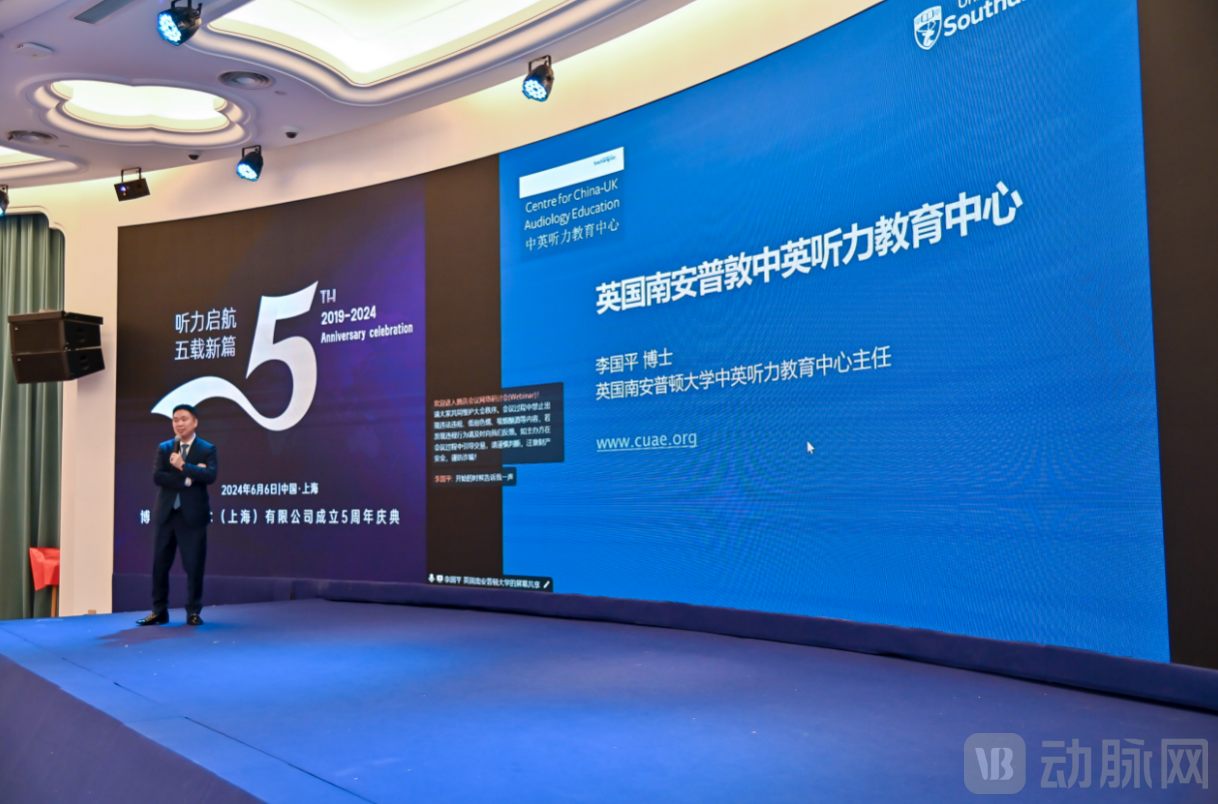
On one hand, it enables students from Sichuan Nursing Vocational College to study at the University of Southampton in the UK, fostering talent development through academic exchange and cooperation to address the shortage of hearing healthcare professionals in China. On the other hand, it promotes the development of BOIN Hearing’s algorithms and AI technologies through industry-academia collaboration, driving product iteration and optimization to meet international standards and laying the foundation for future global expansion.
This collaboration will undoubtedly have a positive impact on talent development, technological innovation, and industrial upgrading.
In January this year, China officially issued its first policy document titled “Opinions on Developing the Silver Economy and Enhancing the Well-being of the Elderly.” The document clearly outlines the overall requirements to promote coordinated development of public welfare undertakings and industries, accelerate the scaled, standardized, clustered, and branded development of the silver economy, and cultivate high-end, sophisticated products and high-quality service models.
The silver economy, catering to hundreds of millions of elderly individuals and their families, is undoubtedly becoming a new pivot for the development of the healthcare industry. Meanwhile, the hearing industry, closely linked to the silver economy, is at a critical turning point. Amidst these opportunities, the key to gaining a competitive edge lies in enterprises’ proactive efforts to address industry pain points and break through developmental bottlenecks.
In June 2019, BOIN Hearing established its national operations center in Shanghai, initiating independent R&D of hearing aid-related products and building a domestic brand. The R&D center was officially established in 2020. In 2021, the company was recognized as a Shanghai-based Small and Medium-sized Sci-Tech Enterprise. In 2022, BOIN Hearing’s behind-the-ear (BTE) hearing aids were included in the catalog published by the Ministry of Industry and Information Technology (MIIT). In 2023, it obtained Shanghai’s first registration certificate and production license for domestically manufactured air-conduction hearing aids. In 2024, its independently developed “Tangchao” series of medical-grade hearing aids was launched on the market.
The journey has been far from easy. After years of dedicated research and development, BOIN Hearing has successfully navigated the complex challenges of core technology development, mastered underlying technologies, and achieved the integration of hearing aid chips with Bluetooth and other chips into independently packaged multi-core chips. This innovation offers an alternative to top-tier international hearing aid and personal sound amplification product (PSAP) solutions, featuring ultra-low costs, superior compatibility, and multifunctionality. As of May 2024, BOIN Hearing has obtained 36 patents, 130 trademarks, and 26 software copyrights. Additionally, BOIN Hearing Technology (SH) Co., LTD and Shenzhen Aodi Acoustics Technology Co., Ltd. have each been approved for Medical Device Production Licenses.
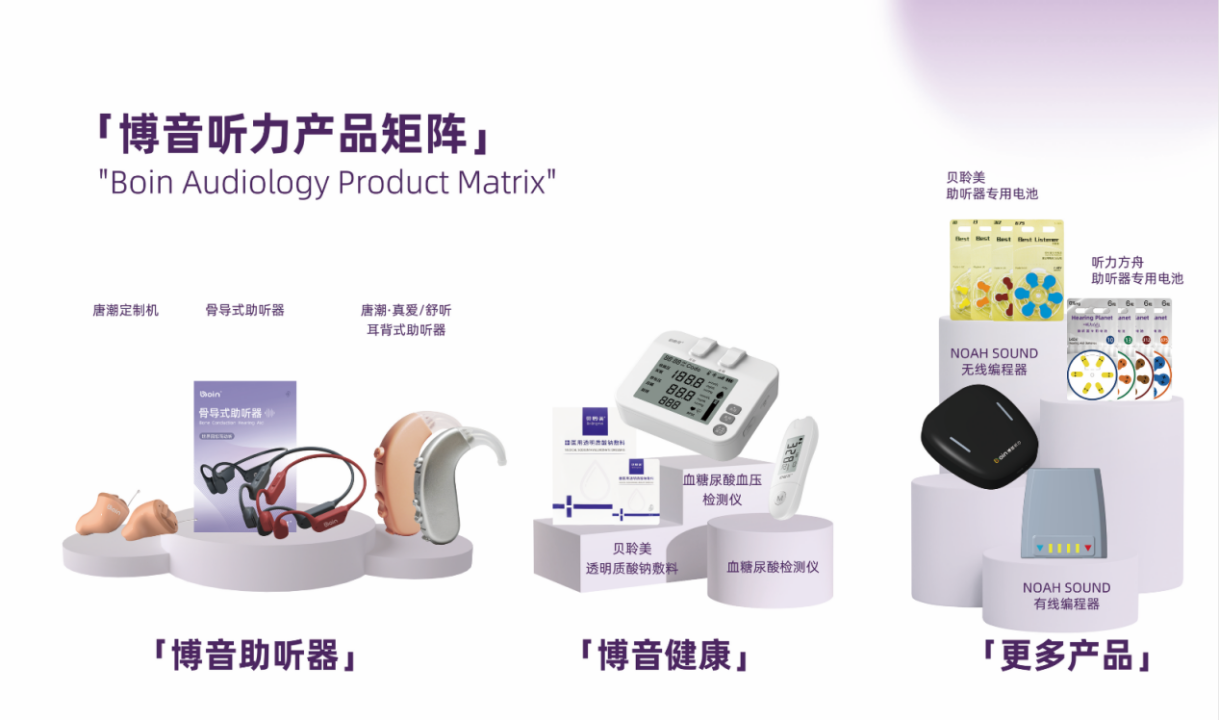
Jiang Xianquan, founder of BOIN Hearing, previously worked at one of the top five global hearing aid manufacturers. With profound insights into market channels, sales strategies, and product R&D directions, he has led the company to overcome core technical challenges. Currently, BOIN Hearing is focused on the commercialization of its hearing aid products, addressing key pain points in the hearing care sector through initiatives such as talent development and industry-academia-research collaborations.
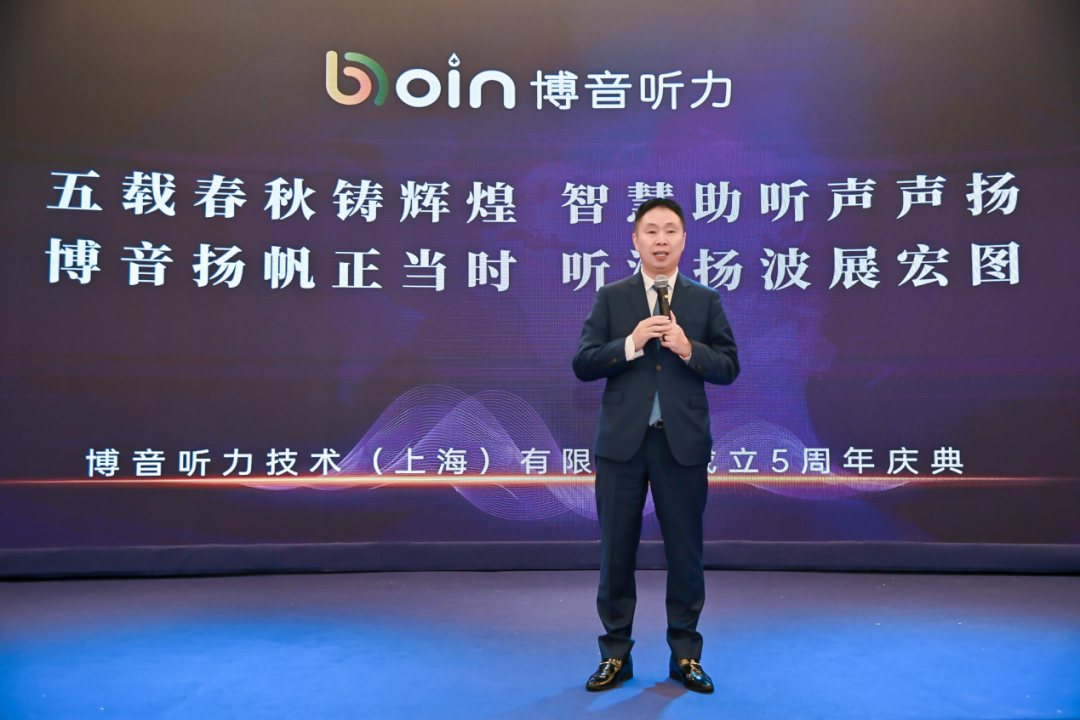
With the development of domestic hearing aid manufacturers such as BOIN Hearing, China’s hearing care sector is poised for robust growth, enabling more individuals with hearing impairments to access hearing aid products.