

Xinguang Bio Completes Tens of Millions RMB Pre-A Financing to Advance Portable Dialysis Machine for Home and Community-Based Therapy
XBP
Hemodialysis Consumables Developer
VCBeat learned at the earliest opportunity,Shanghai Xinguang Biopharmaceutical Co., Ltd. (hereinafter referred to as “XBP”)Announced the completion of aHaimaide VC,Shanghai Highpower Industrial Co., Ltd.A tens-of-millions Pre-A financing round co-invested with existing shareholders.
Hemodialysis (HD) and peritoneal dialysis (PD) are the primary treatments for uremia. In China, there are over one million dialysis patients, with hemodialysis accounting for 85%–90% of cases. These patients must visit dialysis centers three times a week for treatment, continuing this routine for life. In contrast to frequent visits to dialysis centers, home-based dialysis has garnered significant attention due to its numerous advantages.
First, patients can choose to receive treatment at home or in a dialysis center based on their lifestyle and work habits. They can also develop personalized dialysis regimens, opting for longer duration or higher frequency sessions, thereby achieving a better balance among daily life, work, and treatment, which effectively improves health outcomes and quality of life. Second, home dialysis allows for treatment during the night or even while sleeping, freeing up substantial blocks of daytime hours. This enables patients to reintegrate into their personal and professional lives, helping to improve income and economic conditions, reducing the risk of poverty due to illness, and alleviating the financial burden on families. Finally, during outbreaks of infectious diseases, home dialysis can significantly reduce the risk of cross-infection.
Despite the numerous advantages of home dialysis, the global adoption of home hemodialysis (HHD) still faces challenges. The primary reason is that existing home hemodialysis machines on the market are expensive and complex to operate, resulting in substantial costs for purchase and use by ordinary households. Additionally, the requirement of 120 liters of water for dialysate per session is another limiting factor.
XBP, founded in 2018 at Fudan Science Park, is dedicated to making dialysis technology more accessible, enabling over three million uremia patients worldwide to return to normal lives.
In 2019, XBP became one of the first companies to settle into JLABS@Shanghai, with an incubation period exceeding four years. During this time, the company successfully mastered high-barrier core technologies for applying enzymes in the field of blood purification. Focusing on home dialysis, it has gradually developed a comprehensive solution encompassing dialysis consumables, vascular interventions, and portable dialysis machines.
XBP has filed over seven international PCT patents centered on its enzyme-based blood purification technology platform, with three entering the national phase, two granted as Chinese invention patents, and one granted as a U.S. invention patent, bringing its total patent portfolio to approximately 50 patents.
The company’s first independently developed product—the portable dialysis platform—is a pioneering innovation in China.It employs a unique dialysate regeneration technology, eliminating the need for complex water treatment systems.The entire system weighs only 8 kg, reduces fixed capital investment by 70%, and is portable and rapidly deployable, offering distinct advantages in primary care hospitals, home settings, epidemic outbreaks, and war zones.
Notably, XBP’s portable dialysis machine abandons the traditional power mechanism based on tubing and peristaltic pumps, instead adoptingPneumatic Diaphragm Pump Technology. This innovation not only significantly improves flow accuracy and reduces equipment costs, but also greatly simplifies operational procedures.The integration of consumables into a cartridge-based design enables fully automated device operation. Through various cartridge modules, the platform offers multiple therapeutic functions, including hemodialysis, peritoneal dialysis, and continuous renal replacement therapy (CRRT).Operators simply need to insert the cartridge into the device to enable one-touch operation, significantly reducing the professional requirements and learning curve for nurses.
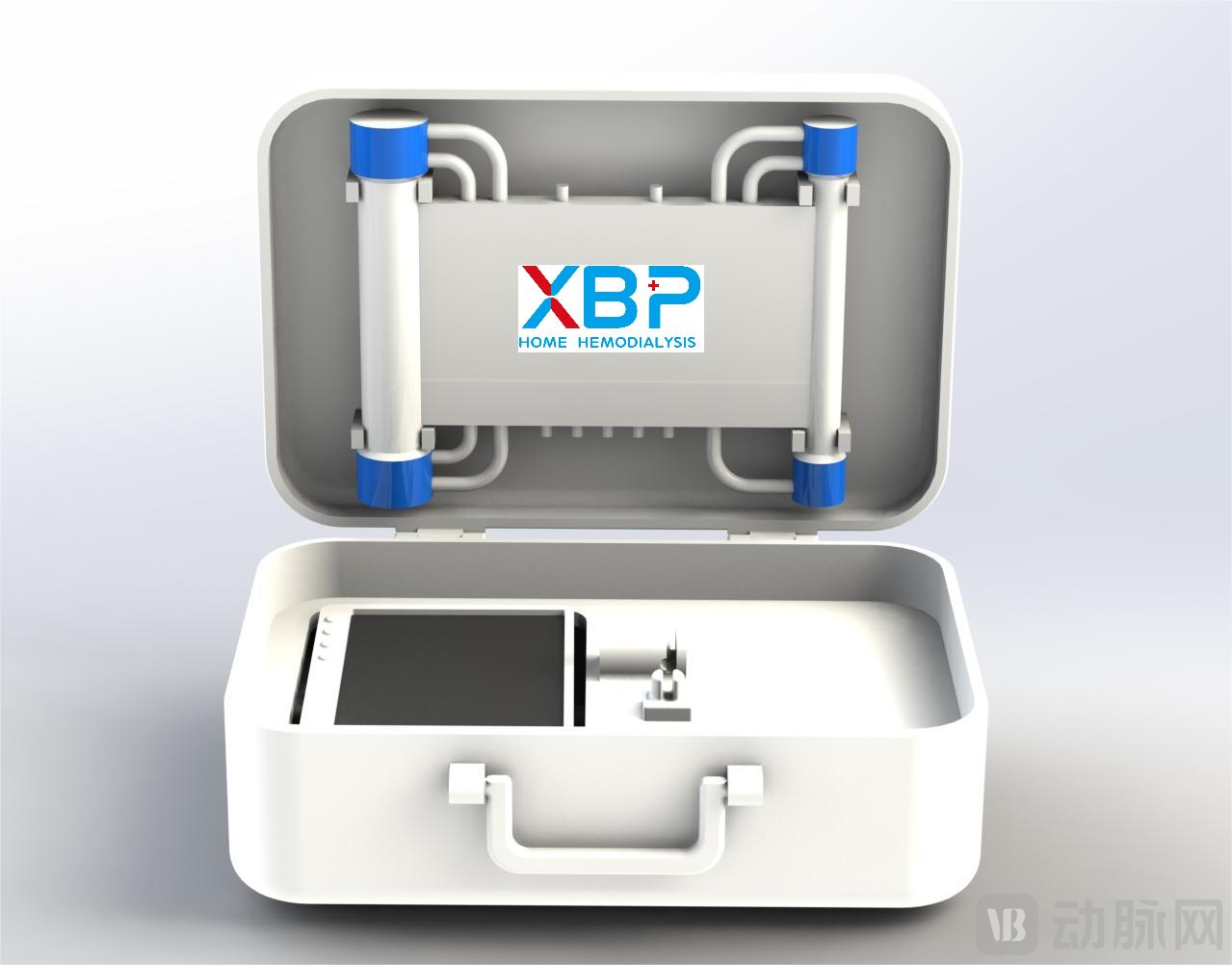
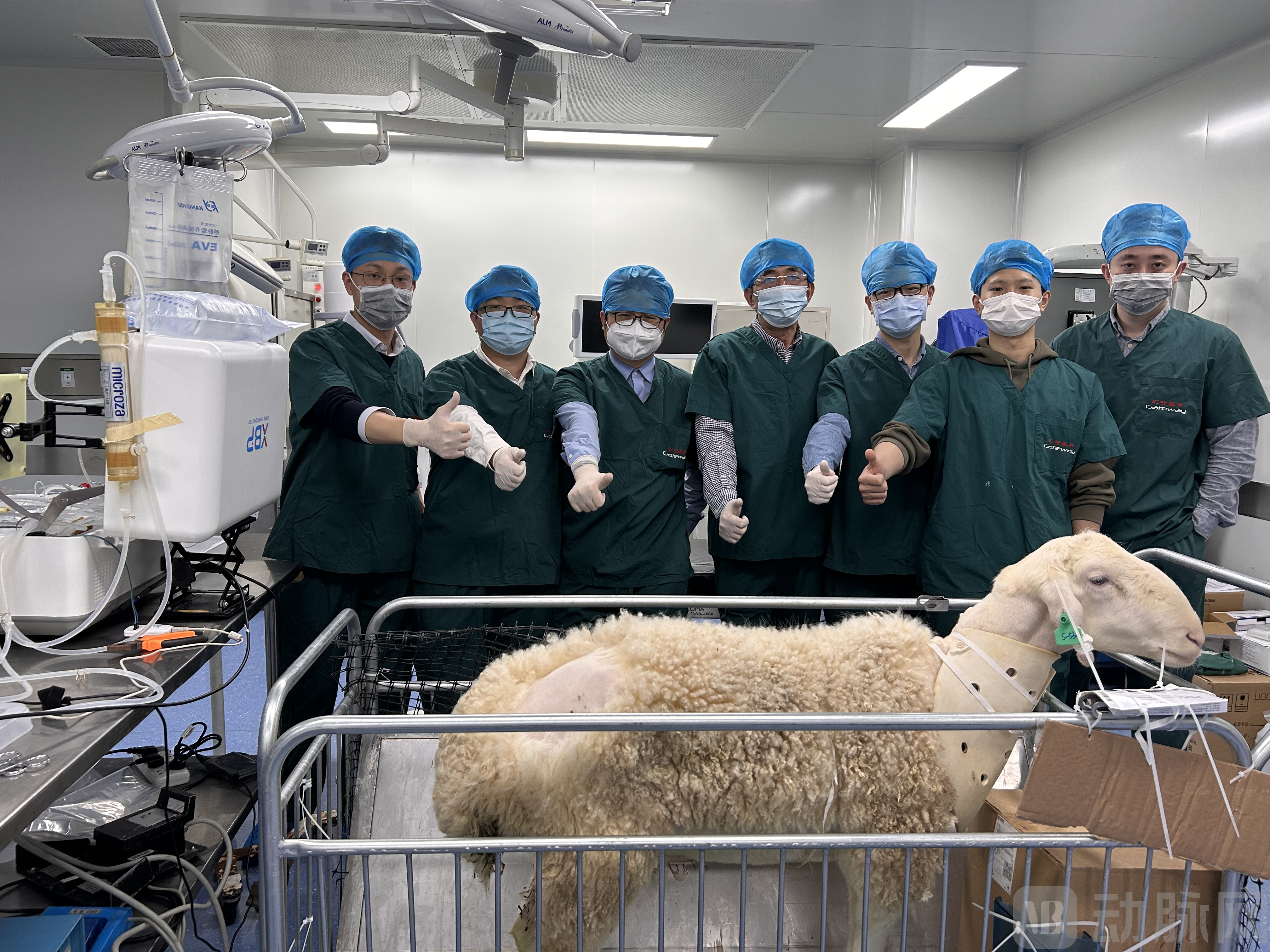
Currently, XBP has successfully developed the second-generation engineering prototype and has verified the feasibility of its advanced technology and design through rigorous testing.According to Li Xianghai, founder of XBP, the device has completed large-animal testing in sheep, using a model with complete loss of renal function. After nine treatments over 21 days, the animals’ mental status and various physiological indicators all met clinical standards.
Regarding the acquisition of this round of financing,Li Xianghai, Founder of XBPIt stated: “As an essential and high-frequency life-sustaining intervention, dialysis treatment is a daily necessity for peritoneal dialysis patients, while hemodialysis patients must travel to dialysis centers every other day for four-hour sessions. This undoubtedly imposes significant inconvenience on their daily lives and work. In response to the challenges posed by the pandemic, XBP has actively aligned with the national policy of tiered diagnosis and treatment, striving to decentralize this essential, high-frequency, and standardized therapeutic service to primary care hospitals and home settings. Our goal is to enable patients to receive treatment at nearby primary care facilities, allow urban patients to undergo home-based therapy, and explore wearable and implantable continuous treatment modalities in the future. These efforts aim to help patients reintegrate into normal life and work, thereby fundamentally transforming the treatment and management paradigm for kidney disease. As a recipient of the Qipu Seed Award and a founding member of VCBeat 50, we extend our gratitude to the VCBeat 50 Healthcare Entrepreneurship Elite Club for providing XBP with in-depth guidance during this round of financing.”
Zhai Jingbo, Partner at Haimaide Venture Capital“XBP participated in the ‘HiMed BD Medical Innovation Camp’ in May 2021 and was successfully selected for a three-month intensive incubation program at the ‘HiMed BD Accelerator.’ The HiMed Medical Innovation Collaboration Platform provided one-on-one mentoring to accelerate its development, helping the company redefine customer needs and target markets while refining its business model. Since completing the program, the project has garnered increasing interest from investors. The founders and team have demonstrated resilience, adaptability, and rapid growth. We look forward to the imminent market launch of XBP’s portable hemodialysis machine, which will benefit hemodialysis patients and empower primary care hospitals.”
About Haimaide Venture Capital
Haimaide Venture Capital, established in 2015, leverages the HiMed Medical Innovation Acceleration Cooperation Platform to focus on early-stage investments in the healthcare sector. The fund’s partners bring successful entrepreneurial experience and extensive industry resources, with deep expertise in medical collaboration, technology transfer, incubation, and investment. The firm currently manages two funds and has successfully invested in more than 30 early-stage healthcare startups.