

Nangua Health, China's First Clinically RCT-Validated Medical Food Supplier with Over 90% Health Management Efficacy, Files for IPO
The “Report on the Nutrition and Chronic Disease Status of Chinese Residents (2020)” shows that in China, there are 420 million people with hypertension, 200 million people with dyslipidemia, and 121 million people with diabetes, ranking first globally. According to Frost & Sullivan, the chronic disease management market accounted for 69.6% of China’s healthcare expenditure in 2019, and this proportion is expected to continue rising in the future.
Unhealthy lifestyles are the primary cause of chronic diseases and a critical factor affecting the management outcomes for patients with these conditions. Among these, poor dietary habits are a major contributor to the increased prevalence of chronic diseases. Reasonable dietary practices and precision nutrition have become key strategies in the prevention and control of chronic diseases.
However, in the past, the demand for medical meals was primarily concentrated in hospital settings. During hospitalization, physicians would issue dietary orders for some patients. There were two ways to follow these dietary prescriptions: either patients and their families prepared meals according to the doctor’s instructions, or they dined at the hospital cafeteria. Without detailed professional guidance, the former approach made it difficult to achieve precise nutritional balance, while the latter typically offered “mass-produced” meals, making it even more challenging to provide personalized meal planning, precise nutrition, and palatability.
Therefore, despite significant demand, the medical nutrition sector remains largely underserved, failing to adequately meet people’s needs for precision nutrition. Meanwhile, public awareness of medical nutrition in China is insufficient, with most individuals relying on physician education. Furthermore, hospitals have not implemented strict requirements or regulations regarding patient adherence to nutritional intervention prescriptions, resulting in low patient compliance.
After gaining profound insights into these pain points,Xiaomayi Doctor Group (Shenzhen) Co., Ltd.Opting to enter the market for distress relief, andPioneered the new track of "medical nutrition."The company was established in 2015, with the mission to “reduce the incidence and mortality rates of chronic diseases in households by 80% and improve household health indices.”After nine years of dedicated development, the company has successfully created over 300 prescription medical food products and an AI-based chronic disease management system, establishing a medical nutrition dietary solutions platform—“Nangua Health”—to provide innovative health management solutions for Chinese families.
Zhang Zhenying, Founder and CEO of Pumpkin HealthA serial entrepreneur, Director of the Food Standards and Nutritional Health Branch of the China Health Management Association, Director of the Guangdong Food Safety Society, and Director of the Dalian Food Association. He specializes in product model design, marketing planning, and software system development, with eight years of experience in nutritional dietary R&D and chronic disease management.
In 2015, Zhang Zhenying connected with several experts in cardiology, endocrinology, and nutrition who were conducting research on chronic disease management following percutaneous coronary intervention (PCI). Their study focused on the impact of patients’ out-of-hospital lifestyle on the rate of repeat revascularization procedures. They approached Zhang Zhenying’s team to develop a chronic disease management system. Recognizing the significant scientific value of this research, Zhang Zhenying provided pro bono assistance to help physicians follow up with over 40,000 chronic disease patients by 2017. During this process, it was discovered that the core pain points in chronic disease management were the inability to address precise nutritional dietary needs and poor patient adherence to dietary recommendations. Consequently, Zhang Zhenying decided to devote herself fully to solving these two major challenges.
And this transition has also beenCo-founder and CTO, Dr. Cong Jiadiand the endorsement and support of three nutritional food professionals. As a Ph.D. in Quantitative Economics from Dongbei University of Finance and Economics and an M.Sc. in Economics from the University of York, UK, Cong Jiadi excels in big data model construction, big data analysis, and research, making outstanding contributions to the establishment of the underlying technical data infrastructure for Pumpkin Health’s R&D management system and supply chain management system. Consequently, Zhang Zhenying assembled a young founding team born in the 1990s, with expertise in chronic disease treatment, nutrition, food processing, and data model construction.
“Over the years, we have been learning as we go, because there was no such industry as ‘medical nutrition’ in the past; it is we who pioneered this new track,” Zhang Zhenying introduced to VCBeat.Medical dietary services involve multiple disciplines, including clinical medicine, preventive medicine, nutrition, and food science. These services require preservative-free formulations and impose stringent requirements on food preparation, preservation, precision in nutrient content, taste, and variety. The company has successfully overcome these challenges.
Moreover,Pumpkin Health has achieved a breakthrough in the industry, becoming China's first medical diet brand with clinical RCT scientific validation.Pumpkin Health has entered into an exclusive technical collaboration agreement with the Chinese Preventive Medicine Association for the “Research on Personalized Dietary Interventions for Chronic Diseases and High-Risk Populations.” Furthermore, the company has jointly conducted the “Pumpkin Health Meal Weight Management Study” with Beijing Sport University, and collaborated with Beijing Friendship Hospital on clinical research such as the “Evaluation of the Effects of Dietary Intervention on Cardiovascular Risk Factors in Patients with Hypertension Complicated by Obesity.”Multiple clinical studies and medical evidence have successfully demonstrated the efficacy of “Pumpkin Health Medical Diet” in the adjunctive treatment and prevention and control of chronic diseases.
On March 18, 2022, the National Health Commission issued the Guidelines for the Construction and Management of Clinical Nutrition Departments, requiring general hospitals at Level II and above, as well as specialized hospitals in oncology, pediatrics, psychiatry, and other fields, to establish clinical nutrition departments. Among the seven construction requirements, two specifically address medical diets. The review criteria for tertiary Grade A hospitals (or assessments for achieving this designation) stipulate that hospitals must adhere to indications and principles for the application of various types of inpatient diets, implement execution pathways for dietary orders, offer a comprehensive range of medical diets, and meet the clinical needs of patients for dietary therapy.
On September 28, 2023, the National Health Commission, the National Administration of Traditional Chinese Medicine, and the National Disease Control and Prevention Administration jointly issued the “Notice on Issuing the Technical Specifications for National Medical Service Items (2023 Edition),” which included the preparation of specialized disease-specific dietary formulas under “treatment fees” in the national medical service charging items.
Driven by policy support, the medical nutrition industry has garnered greater attention and recognition, with its services explicitly included in hospital fee schedules.
Leveraging favorable policies, evidence-based support, and clinical recognition, Pumpkin Health has become a key medical dietary partner for hospitals in China, having established business collaborations with over 200 Grade A tertiary hospitals.
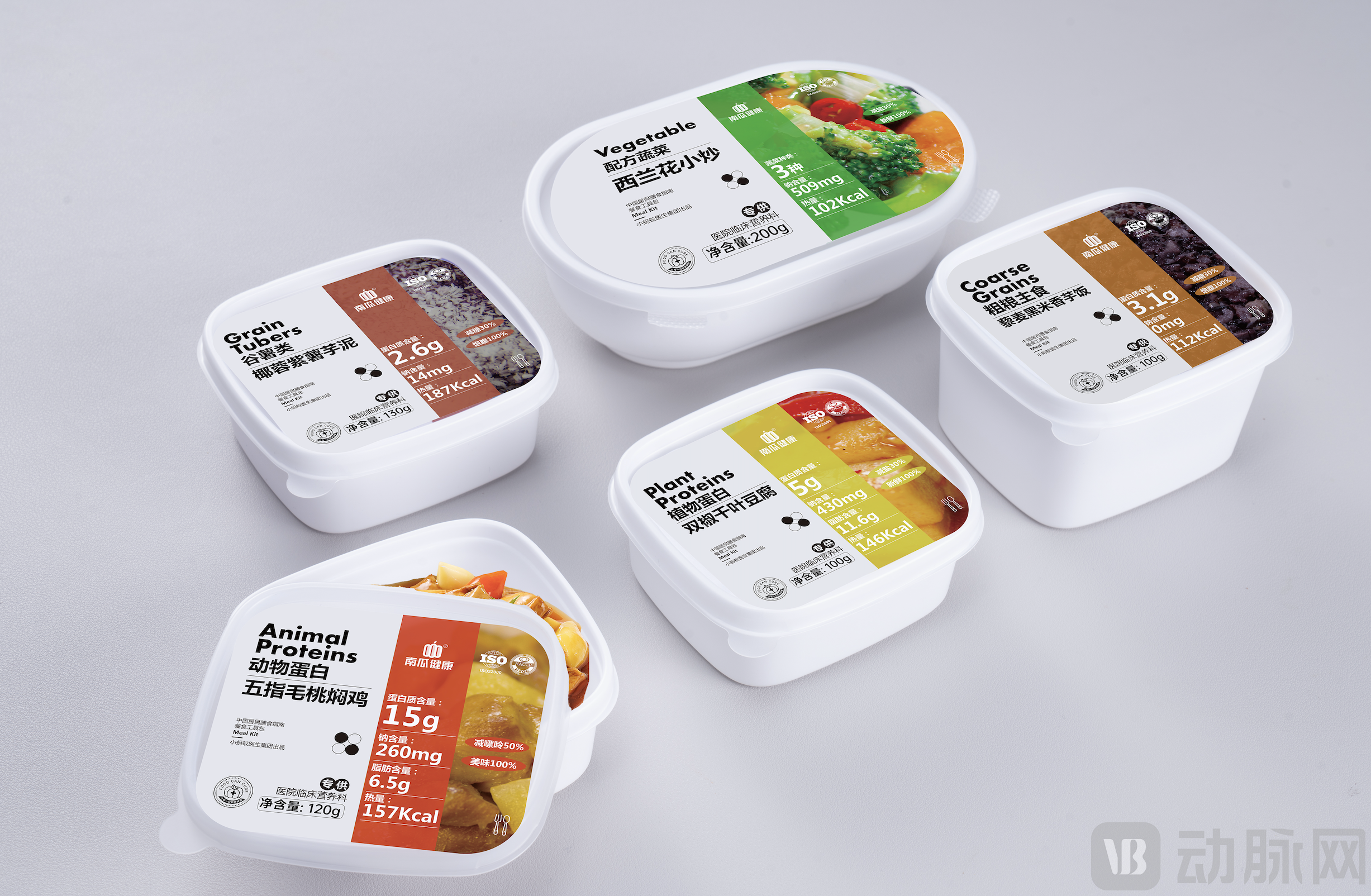
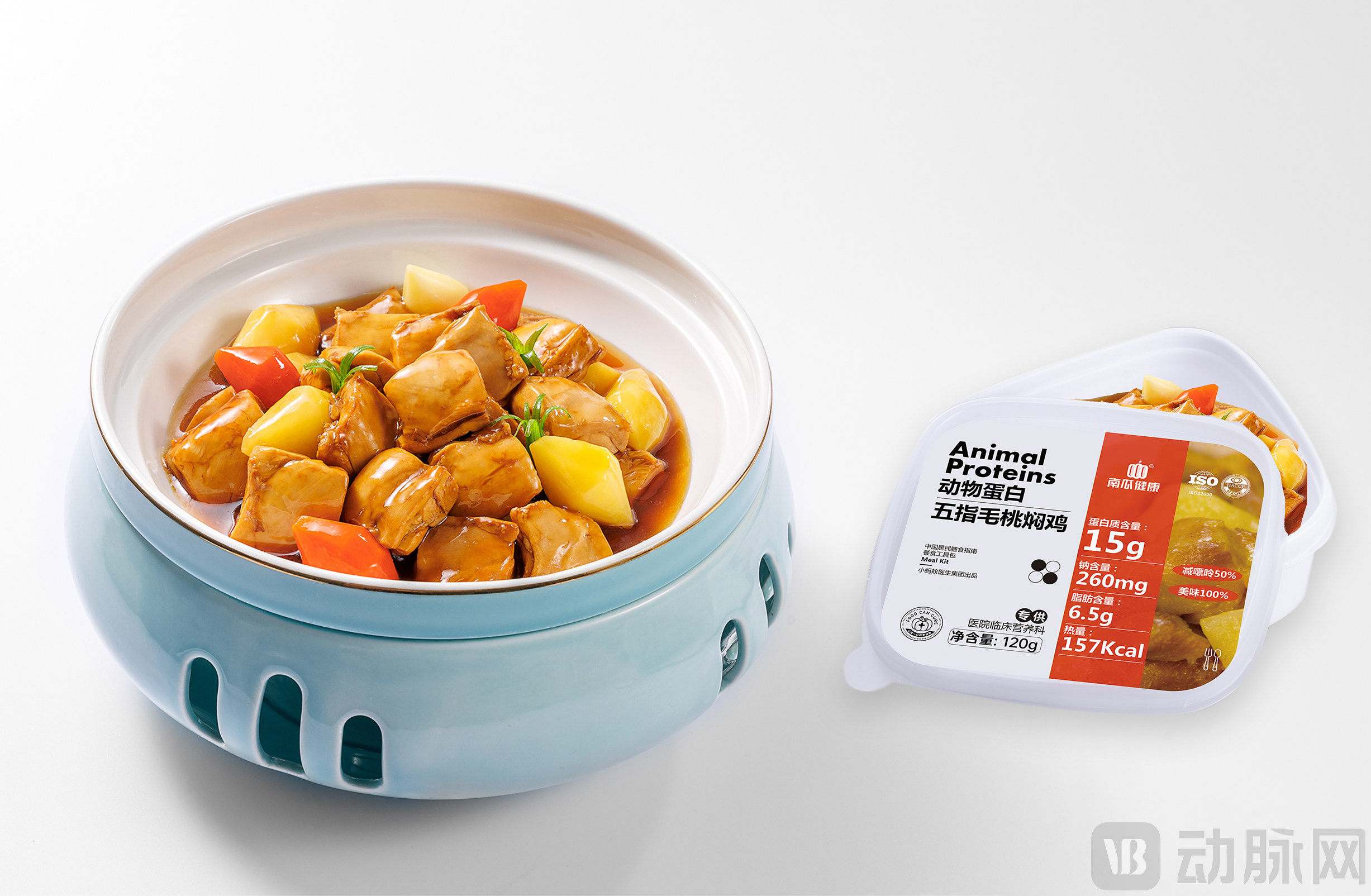
Pumpkin Health Medical Nutrition Dietary Toolkit
Leveraging China’s first-of-its-kind modular digital medical meal kit, Pumpkin Health has standardized, functionalized, and prescribed Chinese cuisine. By adopting the concept of modular meal kits, it enables precise nutrition and adjunctive therapeutic effects through daily dietary intake.Specifically, this medical dietary toolkit features five major technical highlights:
First, functionalization.By strictly controlling the content of macro- and micro-elements in dishes through proprietary techniques such as low-sodium cooking, low-glycemic index (GI) preparation, purine removal from ingredients, and fat-reduction technology, we achieve functional nutritional ratios that provide adjunctive therapeutic benefits for chronic diseases both within and outside hospital settings.
Second, instrumentalization.Multiple SKUs with small-portion packaging, classified and formulated based on nutrient content, facilitate physicians in prescribing personalized medical nutrition therapies tailored to patient needs. These products can be freely combined into dietary regimens suitable for individuals with obesity, diabetes, hypertension, hyperuricemia, hyperlipidemia, kidney disease, cancer, or those in postoperative recovery. Pumpkin Health’s meal kits categorize ingredients into animal protein, plant protein, whole-grain staples, formulated vegetables, and tubers. Notably, the animal protein kits are available in precise portions of 5g, 10g, 15g, and 20g.
Third, standardization.Pumpkin Health has integrated GMP standards for pharmaceutical production with HACCP standards for food production, developing scalable manufacturing processes and corporate production standards. The company strictly adheres to medical dietary formulas and processing workflows to achieve standardized mass production, with nutrient content in each dish controlled at the milligram level. Furthermore, the company maximizes the retention of dietary nutrients through 21 patented processing procedures and ensures the health efficacy and taste of its meals through more than 20,000 experiments.
Fourth, diversification.Based on the principle of nutritional balance through dietary diversity, we provide more than 25 different ingredients daily, iterate over 20 flavor profiles every three months, and launch monthly meal plans tailored to regional characteristics and seasonal availability. The menus are developed with the direct involvement of China’s Top Ten Master Chefs, offering unique meals seven days a week to enhance patient adherence to medical diets through rich sensory experiences.
5. Facilitation.Freshness is locked in using vacuum rapid cooling and liquid nitrogen spraying technologies, with cold-chain delivery directly to your door. Simply microwave for 2–3 minutes before eating.

Centralized Kitchen Standardized Production
Currently, Pumpkin Health has established a complete digital supply chain and service chain, ensuring safety, controllability, and traceability, thereby forming exclusive production barriers. Moreover,Its customer base includes not only in-hospital patients but also the large consumer population outside hospitals. Currently, Pumpkin Health has established a distributor network covering 16 provinces and regions.
Nangua Health has established a comprehensive end-to-end service workflow for non-pharmacological interventions in chronic disease management. Its application scenarios span both in-hospital and out-of-hospital settings, encompassing three core modules: examination and profile establishment, assessment and prescription issuance, and follow-up intervention. Initially, physicians conduct examinations, consultations, and dietary surveys to create medical records or health profiles, and then issue prescriptions, including dietary plans, exercise regimens, and lifestyle improvement strategies. Subsequently, Nangua Health provides precise nutritional meal planning, customizing breakfast, lunch, and dinner according to individual nutritional needs, with careful calculation of the nutrient content and caloric value for each meal.
Meanwhile, the company adopts a collaborative management model involving physicians, dietitians, and health managers. Physicians conduct consultations and lifestyle assessments; dietitians develop personalized health management plans based on medical advice and assessment results; and health managers are responsible for monitoring and reminding users during the implementation of these plans.
Within hospitals, this service is primarily applied in the departments of endocrinology, cardiology, weight management, and clinical nutrition. By implementing lifestyle interventions during the early stages of chronic diseases such as diabetes and hypertension, it can address the issue of lifelong medication dependence for the majority of chronic disease patients. Furthermore, intensive lifestyle interventions can effectively reduce the incidence of complications associated with chronic diseases. Outside hospital settings, the service is mainly utilized by health examination institutions and health management centers. Currently, Pumpkin Health’s chronic disease management system can assign 300–400 tags to each user, leveraging user persona data analysis to improve patient adherence.
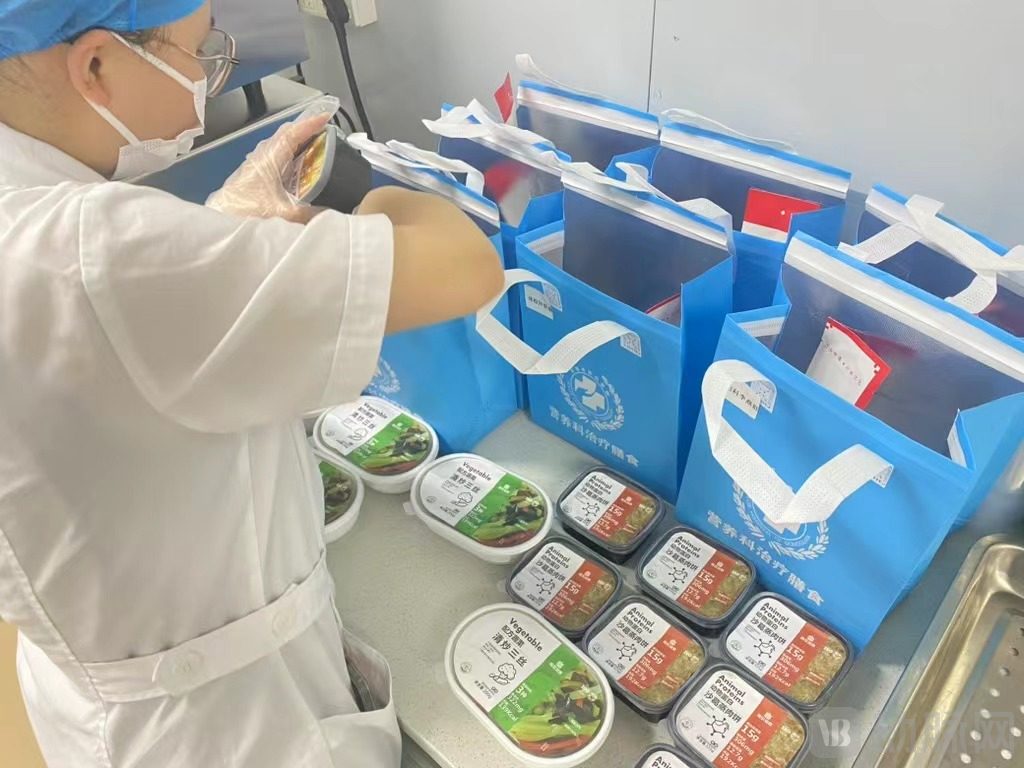
The Clinical Nutrition Department of the hospital is preparing meals.
In addition, the company has collaborated with Tencent’s Hunyuan large language model to develop a specialized AI vertical model for nutritional dietetics. This model enables personalized dietary recommendations based on individual user profiles, including height, weight, and health conditions. Furthermore, by deeply integrating nearly a decade of Pumpkin Health’s experience in chronic disease management services, the model extends the application of nutritional meal planning and chronic disease management to a broader range of scenarios.
“Many companies have previously offered nutritional meal planning and nutrition management systems, but the biggest challenge has been implementation. The feasibility and effectiveness of recipe execution remain uncertain, leading to ineffective health management,” whileBy leveraging a comprehensive chronic disease management service system and ready-to-use medical dietary kits, Pumpkin Health has addressed the challenges of execution and adherence in precision nutritional diets, achieving a health management effectiveness rate of over 90%.
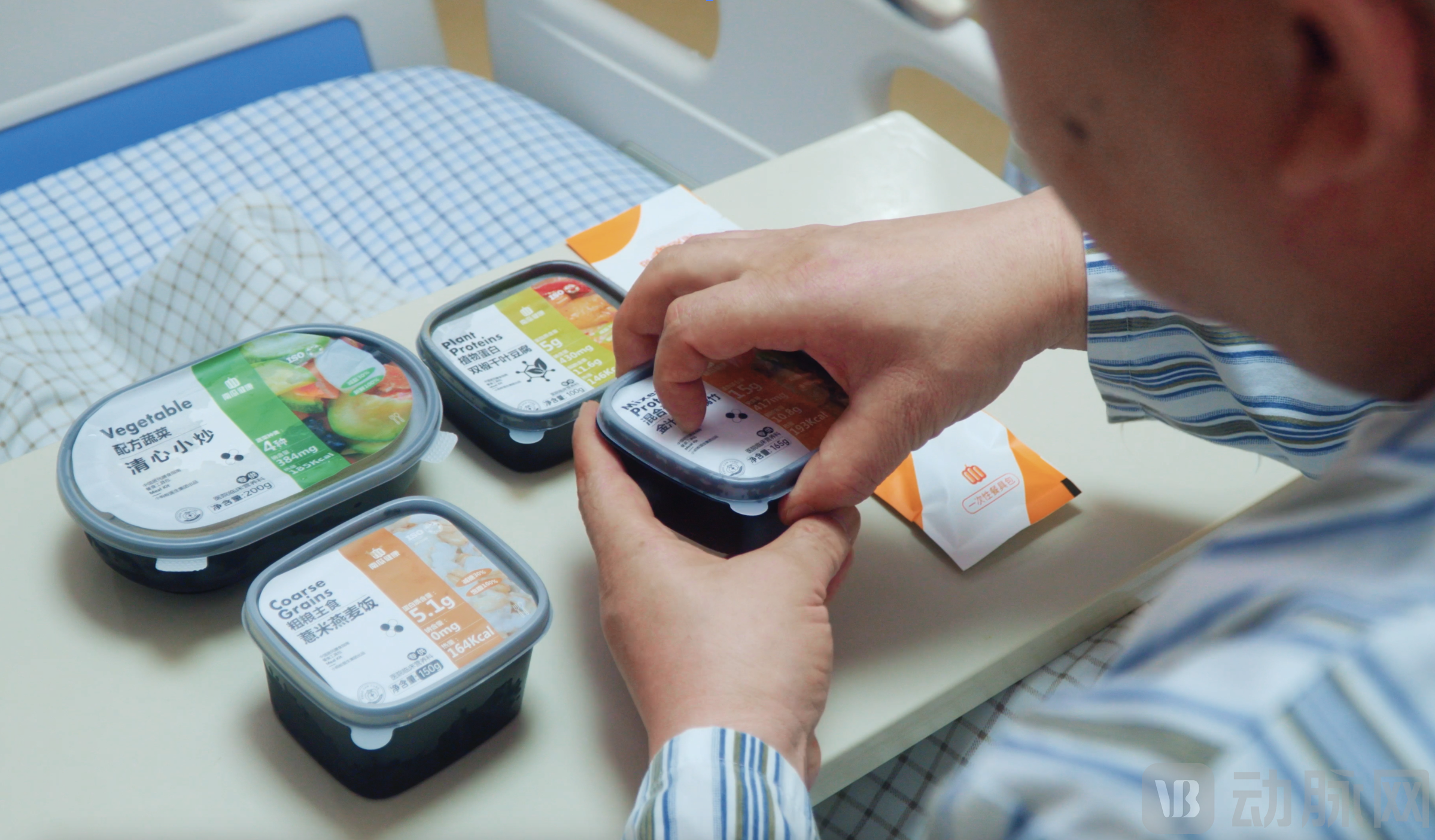
The patient dines at the bedside.
Currently, Pumpkin Health has entered into an exclusive partnership with JD Health, under which JD.com handles direct sales while Pumpkin Health is responsible for product offerings and backend service solutions.
In 2021, Nangua Health won the Second Prize among the Top 100 finalists in the National Finals of the Tsinghua Alumni Association’s “Three Innovations” Competition.Some judges awarded us high scores because they believe Pumpkin Health has provided significant inspiration to the National Health Commission. Historically, chronic disease management has relied primarily on pharmaceutical and medical interventions. In the future, however, the general public will be able to prevent and control chronic diseases through their daily diet. This undoubtedly represents an effective approach to alleviating the burden on both the healthcare system and medical insurance funds.,” said Zhang Zhenying.
Driven by the Healthy China development strategy, reducing the incidence of chronic diseases through proactive health management will become a major trend. It is for this reason that Zhang Zhenying predicts that medical nutrition therapy will penetrate into more households in the future. “Some research and practice in the United States have already confirmed that medical nutrition therapy can effectively reduce medical insurance expenditures by 16%, andWe have also confirmed, through one year of operations at a Grade 3A hospital, that the use of medical meals can indeed reduce health insurance expenditures by 15%–20%.”
In the short term, Pumpkin Health will expand its sales channels by introducing a "Light Medical-Nurturing" series tailored for sub-health populations in gyms, health management centers, and wellness clubs, as well as a "Food-Nurturing" series designed for fast-moving consumer goods (FMCG) channels such as supermarkets and e-commerce platforms, thereby enhancing public awareness of this healthy dietary model. In the long run, Pumpkin Health aims to promote the wellness culture of Traditional Chinese Medicine (TCM) food therapy, demonstrating that Chinese cuisine is not only delicious and healthy but also effective in disease prevention and control. Through the global dissemination of healthy dietary culture, the company seeks to foster a deeper understanding of China worldwide.