

China's Pharma Companies Head South: Singapore Emerges as the Gateway to Southeast Asia — 2024 HIEA Overseas Park Tour Successfully Concludes
“Go global or go home.” Since 2023, this “maxim” has been echoing continuously within China’s innovative pharmaceutical industry and has become a consensus. Data from VCBeat shows that in 2023, there were nearly 70 overseas licensing deals for Chinese innovative drugs, representing a 32% increase compared to the full year of 2022. For the first time, the number of projects licensed out by Chinese innovative pharmaceutical companies exceeded the number of projects licensed into China from overseas. Meanwhile, the number of new drugs approved by the U.S. Food and Drug Administration (FDA) with domestic involvement also grew rapidly last year.
Influenced by the global pandemic, international politics, and economic conditions, Chinese pharmaceutical companies have shifted their overseas expansion focus to Southeast Asia, designating Singapore as a key destination within the “Asian market” segment. According to CPhI Insight data, the Southeast Asian pharmaceutical market reached $40 billion in 2020, with annual revenue growth in the sector projected to exceed 11% over the next five years. This substantial market growth potential has attracted global pharmaceutical companies seeking new opportunities. Since last year, global mRNA vaccine leaders such as BioNTech and Moderna, along with Chinese biopharmaceutical firms including Junshi Biosciences, WuXi AppTec, GenScript Biotech, and Fosun Pharma, have successively established operations in Singapore.
To drive the development of its pharmaceutical industry, Singapore has introduced a range of favorable policies covering manufacturing, R&D, talent development, financing, and the regulatory environment, thereby helping global biopharmaceutical companies and related professionals achieve better growth in Singapore.
Heading to Southeast Asia, with a Focus on Singapore: The “2024 HIEA Overseas Industrial Park Tour – Opportunities in Southeast Asia and Global Expansion,” jointly organized by Legend Capital and the Healthcare Innovation Ecosystem Alliance (HIEA), was successfully held on June 6–7. The event brought together leading Chinese healthcare companies for in-depth exchanges and matchmaking with Singaporean government agencies and local enterprises, further exploring business collaboration opportunities for Chinese medical firms in Southeast Asia and facilitating the global expansion of China’s healthcare innovation industry. Nearly 100 attendees participated, and VCBeat was invited to attend and provide on-site coverage.
From Indonesia to Singapore: Localization Strategy Drives Regional Collaboration for Overseas Expansion
Prior to the recent event in Singapore, Legend Capital was invited earlier this year to host the second “China-Indonesia Healthcare and Biotechnology Investment Forum” in Jakarta, bringing together stakeholders to explore the development trajectories and opportunities in the healthcare and biotech sectors of both countries. Within Legend Capital’s systematic investment framework for Southeast Asia, Indonesia and Singapore play distinct roles.
In 2020, Legend Capital made its first move in Southeast Asia by investing in Etana, a well-known local pharmaceutical company in Indonesia. In 2022, the team co-established Rxilient Health with CMS Pharmaceutical in Singapore. In 2023, it joined forces with CMS MEDICAL VENTURE PTE. LTD., a wholly-owned subsidiary of CMS Pharmaceutical, as well as Rxilient Health, a non-wholly-owned subsidiary, and Pharmaron to jointly invest in PharmaGend Global Medical Services Pte. Ltd. (“PharmaGend”), completing the acquisition of a Singapore-based manufacturing facility to launch contract development and manufacturing organization (CDMO) services for pharmaceutical formulations in Southeast Asia.
As an emerging market with significant sales potential in Southeast Asia, Indonesia can rapidly drive the development of its local biopharmaceutical industry by leveraging Chinese capital and technology. Meanwhile, Singapore has become a regional hub for biopharmaceutical manufacturing and R&D in Southeast Asia, as well as a “bridgehead” for Chinese pharmaceutical companies expanding into the region, thanks to its open financial market access, thriving offshore financial services, stable policy expectations, diversified markets, and varied business environment.
According to statistics from Enterprise Singapore, as of 2022, more than 7,000 multinational corporations had established operational entities in Singapore, with 4,200 of them setting up regional headquarters there. After surveying 189 economies worldwide, the World Bank has recognized Singapore as the “freest place to do business” globally, and it has even become Asia’s largest financial center.
The event on the 6th was held at PharmaGend’s headquarters. Mr. Wang Junfeng, Co-Chief Investment Officer and Executive Committee Member of Legend Capital, delivered the opening remarks. Mr. Wang extended his welcome and gratitude to Chinese enterprises for traveling to Singapore to participate in this event. He expressed hope that, through mutual exchanges between leading Chinese companies and local Singaporean institutions and enterprises, stakeholders could pool their wisdom and efforts to support the global expansion strategies of Chinese pharmaceutical companies and the development of the Southeast Asian pharmaceutical sector. By seizing historical opportunities, implementing strategic deployments, and expanding business boundaries, the industry can achieve shared growth. Establishing a Southeast Asia strategy has become a consensus among Chinese health industry players seeking global expansion. It is hoped that HIEA, as an open, innovative, and international platform, together with Legend Capital’s investment layout in key nodes and infrastructure categories in Southeast Asia, will pave the way for the global expansion strategies of Chinese pharmaceutical enterprises and foster mutual growth.
The theme of the first half was “Singapore Policies and Opportunities in the Southeast Asian Healthcare Market.” Louise Ho, Vice President of Healthcare at the Singapore Economic Development Board (EDB), first outlined the advantages of Singapore as a “bridgehead” for Chinese companies expanding into Southeast Asia. She pointed out that Singapore is currently the preferred location for multinational pharmaceutical companies to establish their regional headquarters. Most international pharmaceutical giants have chosen Singapore as their Asian regional headquarters and are investing in production facilities for antibodies, vaccines, and antibody-drug conjugates (ADCs), as well as building CRDMO infrastructure. Meanwhile, with its multiple advantages in finance, talent, and logistics, along with multi-market coverage across Southeast Asia, a forward-looking regulatory environment, a rich partner ecosystem, a competitive business environment, and abundant R&D and innovation investment resources, Singapore is well-positioned to serve as a bridgehead for China’s pharmaceutical industry going global. As a high-end pharmaceutical manufacturing hub, it can facilitate the production and export of Chinese pharmaceutical products to markets in Europe, the United States, and Southeast Asia.
Xie Caihan, Head of Greater China Capital Markets at Singapore Exchange Group (SGX), offered in-depth insights into how healthcare companies can leverage Singapore’s advantages for international expansion, beginning with the city-state’s strengths as a business and financial hub. She pointed out that Singapore effectively integrates resources across Southeast Asia and boasts multiple advantages, including access to financing, internationalization capabilities, regulatory policies, clear market rules and procedures, and professional services. These strengths have already attracted numerous unicorn companies, supporting regional enterprise development and providing healthcare firms with a standardized, transparent business environment and growth opportunities. Ms. Xie also introduced the processes and support available for primary and secondary listings in Singapore, expressing her hope to establish long-term, full-lifecycle partnerships with companies by building a deeply collaborative Singapore capital ecosystem and maintaining clear listing management procedures.
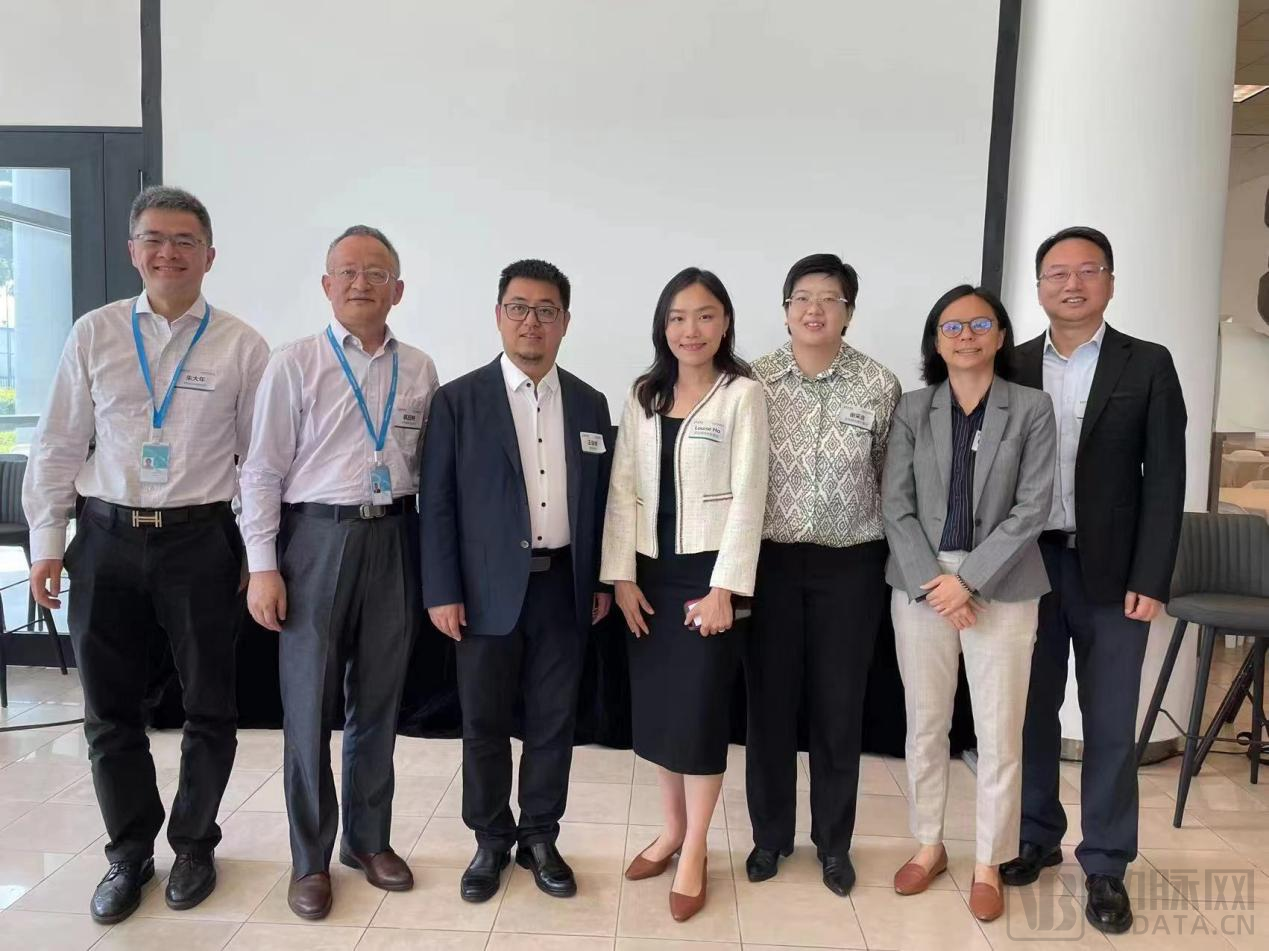 Third from left: Mr. Wang Junfeng, Co-Chief Investment Officer and Executive Committee Member of Genbridge Capital; fourth from right: Ms. Louise Ho, Vice President of Healthcare at the Singapore Economic Development Board (EDB); third from right: Ms. Xie Caihan, Head of Greater China Capital Markets at Singapore Exchange Group (SGX)
Hong Tan, Managing Director at Legend Capital, went on to elaborate on the firm’s rationale for deploying healthcare investments in Southeast Asia. He stated that amid shifts in the international landscape, the supply side of regionalized global expansion has grown in importance. Currently, Chinese pharmaceutical companies going global must integrate localization strategies; this new model of international expansion is a key reason why Legend Capital has sequentially established its presence in Singapore and Indonesia. To date, Legend Capital has invested in nearly 150 healthcare enterprises, building a comprehensive “R&D, production, sales, and distribution” lifecycle ecosystem within its healthcare portfolio. By providing business enablement across the industrial value chain, the firm looks forward to collaborating with more partners to “co-create desirable ventures and share success with like-minded allies.”
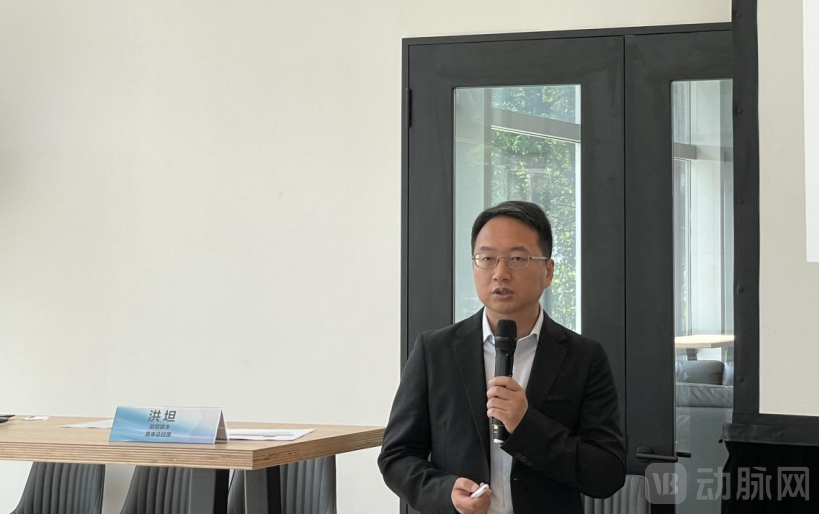 Hong Tan, Managing Director of Legend Capital
Subsequently, Rxilient, Etana, and Anvita, three local companies based in Indonesia and Singapore, provided overviews of their business operations. Paul Koolenbrander, CEO of Rxilient, believes that the Southeast Asian market, particularly in the areas of innovative drugs and medical devices, is poised for a period of rapid development similar to what China experienced over the past 10–15 years. According to Paul, Rxilient, as a platform company dedicated to innovative pharmaceuticals, has established branches in ten markets across Southeast Asia and the Middle East and forged solid partnerships with numerous enterprises in these regions. The company is also actively advancing the market launch of several innovative drugs. Paul particularly emphasized that Rxilient holds significant advantages in drug registration and commercialization in the Southeast Asian and Middle Eastern markets, primarily due to its deep understanding of local markets and extensive regional experience. Furthermore, the company boasts a management and operational team composed of industry elites, who possess not only profound market insights but also strong capabilities in identifying market opportunities and driving business growth. Leveraging these strengths, Rxilient is gradually expanding its influence in the global pharmaceutical sector.
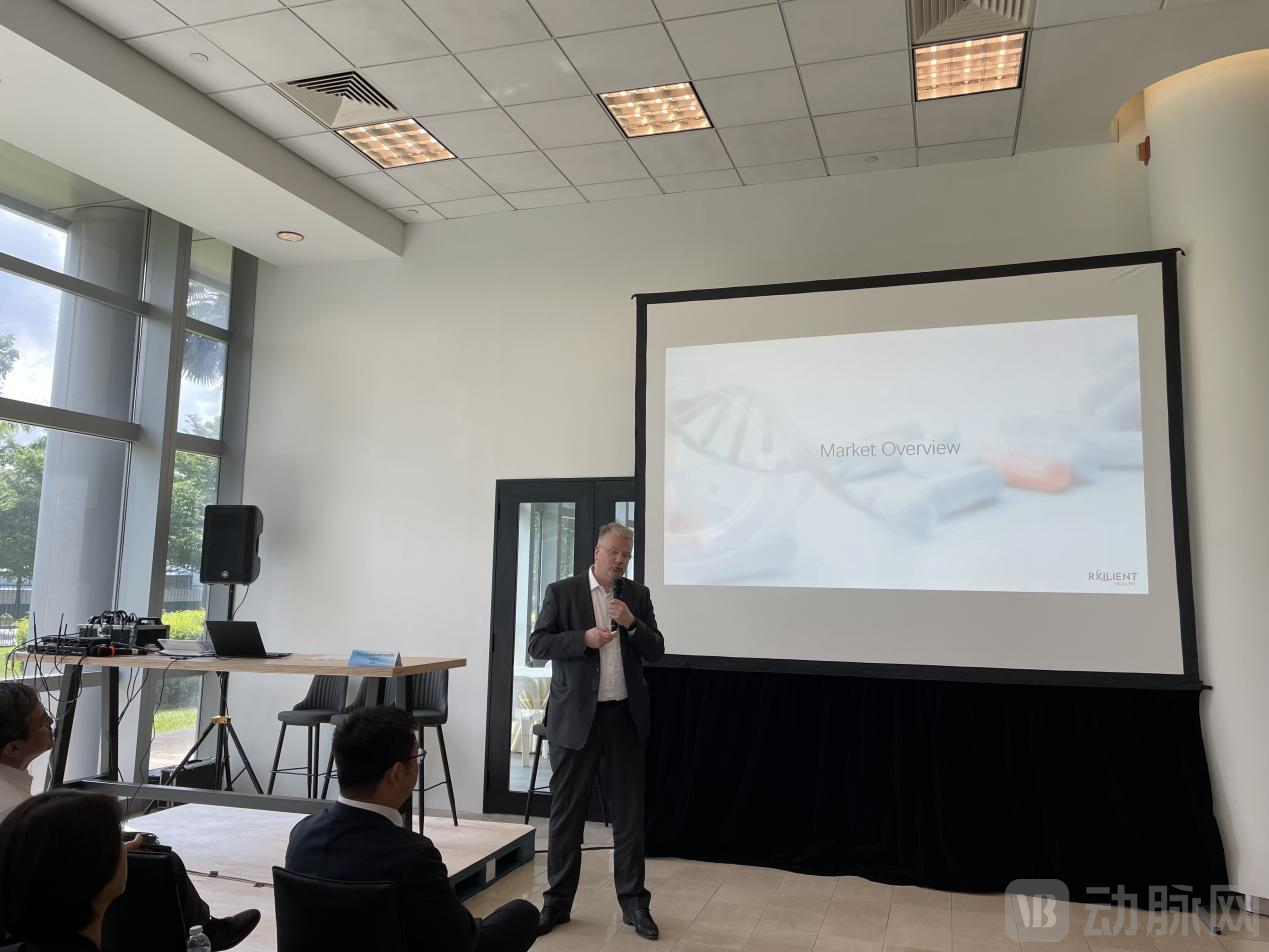 Rxilient CEO Paul Koolenbrander
Nathan Tirtana, CEO of Etana, highlighted the challenges and opportunities facing Indonesia’s healthcare industry and shared the company’s experience in local manufacturing, policy reform, and international collaboration. Nathan stated that Etana focuses on innovative, high-value products in oncology, anti-infectives (including vaccines), and metabolic diseases such as diabetes and GLP-1 receptor agonists. Leveraging its strengths in drug registration, securing national health insurance coverage, and establishing sales channels across major hospitals in Indonesia, Etana is well-positioned to provide localized solutions for global partners with innovative products, including Chinese pharmaceutical companies. The company looks forward to introducing more innovative medicines to the Indonesian market, enhancing their accessibility and affordability, and ultimately improving the quality of healthcare for the Indonesian people.
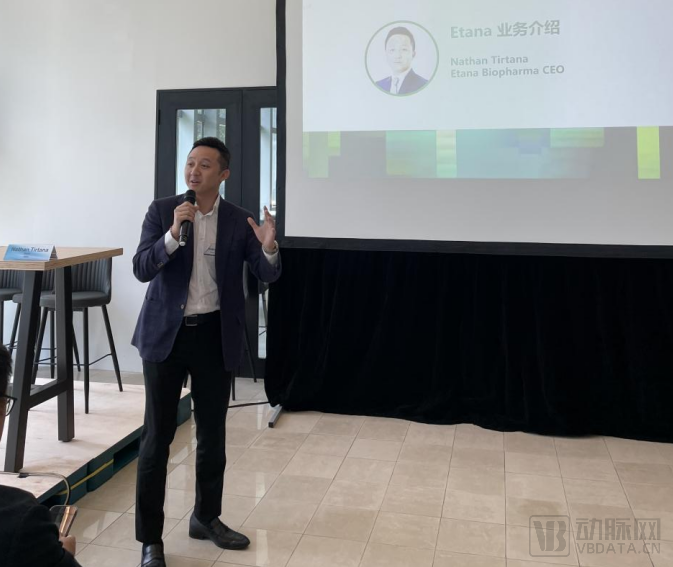 Etana CEO Nathan Tirtana
Robert Ellerson, Commercial Director of Anvita, introduced the specific business operations of PT Anvita Pharma Indonesia, an Indonesian company focused on the production of active pharmaceutical ingredients (APIs) and small-molecule drugs. Robert highlighted that Anvita leverages its advanced API production facilities, Good Manufacturing Practice (GMP) certification, and supportive government policies promoting local manufacturing. Benefiting from the shift in the Indonesian market from branded generics to pure generics, as well as government procurement policies that prioritize products with high local content, the company is planning to expand its product portfolio and production capacity, broaden its formulation pipeline, and provide contract development and manufacturing organization (CDMO) services. It also plans to establish a new API facility in 2025, aiming to obtain U.S. FDA approval by 2027 to enter the U.S. and European markets. As China has already become a global leader in the API and formulation industries, Anvita looks forward to collaborating with Chinese API and formulation companies to expand and deepen its technological capabilities and product lines, offering flexible and efficient API and formulated products to serve the Indonesian and global markets.
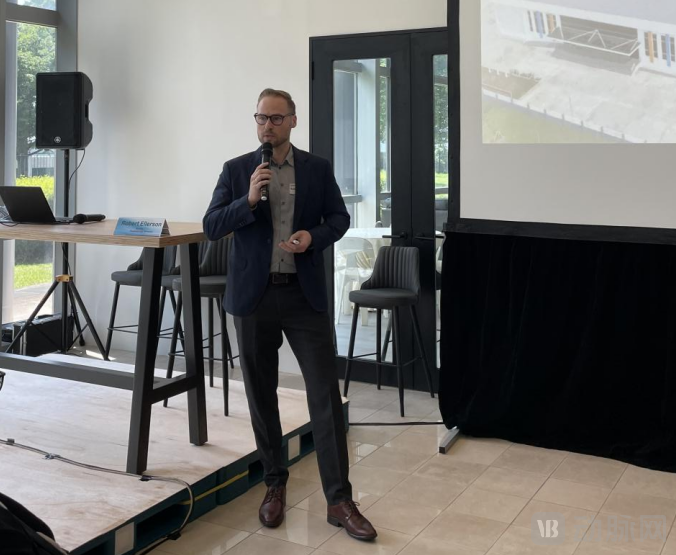 Anvita Commercial Director Robert Ellerson
Gaining Insights into Target Markets, Optimizing Cost and Quality: Leveraging Singapore’s International Advantages to Drive the Globalization Strategy of Chinese Pharmaceutical Companies
From Rxilient to PharmaGend, the closed-loop “new globalization” strategy of a Chinese pharmaceutical company is gradually taking shape: developing new drugs in China, leveraging Singapore as a formulation manufacturing base to achieve “Made in Singapore,” and selling to global markets.
The theme of the afternoon session on the 6th was “Discussion on Development Opportunities for Formulations in Southeast Asia.” Chinese, Indonesian, and Singaporean enterprises, along with relevant investment and financing groups, gained an in-depth understanding of PharmaGend, a new model for Chinese pharmaceutical companies expanding overseas. During the afternoon tour of the PharmaGend park, attendees had the opportunity to visit PharmaGend’s production lines, workshop spaces, QA/QC laboratories, and technology transfer laboratories, thereby gaining insights into the company’s equipment layout planning. According to Han Yinglin, CEO of PharmaGend, the PharmaGend factory is located in the Tuas Biomedical Park in Singapore, covering a total area of approximately 60,000 square meters, with nearly 30,000 square meters of developed production facilities. In terms of production capacity, leveraging advanced machinery, integrated quality systems, and leading IT infrastructure, the facility currently has an annual output of 1 billion tablets and hard/soft gelatin capsules. Its goal is to serve the global formulation market in an efficient and cost-competitive manner.
Xie Ruwei, Senior Director of Production and Engineering at PharmaGend, and Sandeep Lavalekar, Senior Director of Quality and IT, respectively shared insights into PharmaGend’s production operations system designed for global supply. They demonstrated its capabilities in data integrity, quality management, and control systems, which comply with cGMP regulations across multiple countries and meet the standards required for serving the global market.
Subsequently, Zhu Danian, President of PharmaGend, moderated a roundtable discussion featuring Hong Tan, Managing Director at Legend Capital; Han Yinglin, CEO of PharmaGend; Xie Ruwei, Senior Director of Production and Engineering at PharmaGend; Paul Koolenbrander, CEO of Rxilient; He Lian, Head of Global Regulatory Affairs at Rxilient; and Zhang Shuqiang, Board Secretary and Senior Finance Director at Lianya Pharmaceutical. The panelists exchanged insights on corporate global expansion, addressing topics such as facility establishment, cross-cultural team management, technology transfer, and market access. They emphasized the importance of understanding target market demands and optimizing cost and quality, while highlighting methodologies for leveraging the international advantages of Southeast Asian countries, particularly Singapore, to drive the globalization strategies of Chinese pharmaceutical companies.
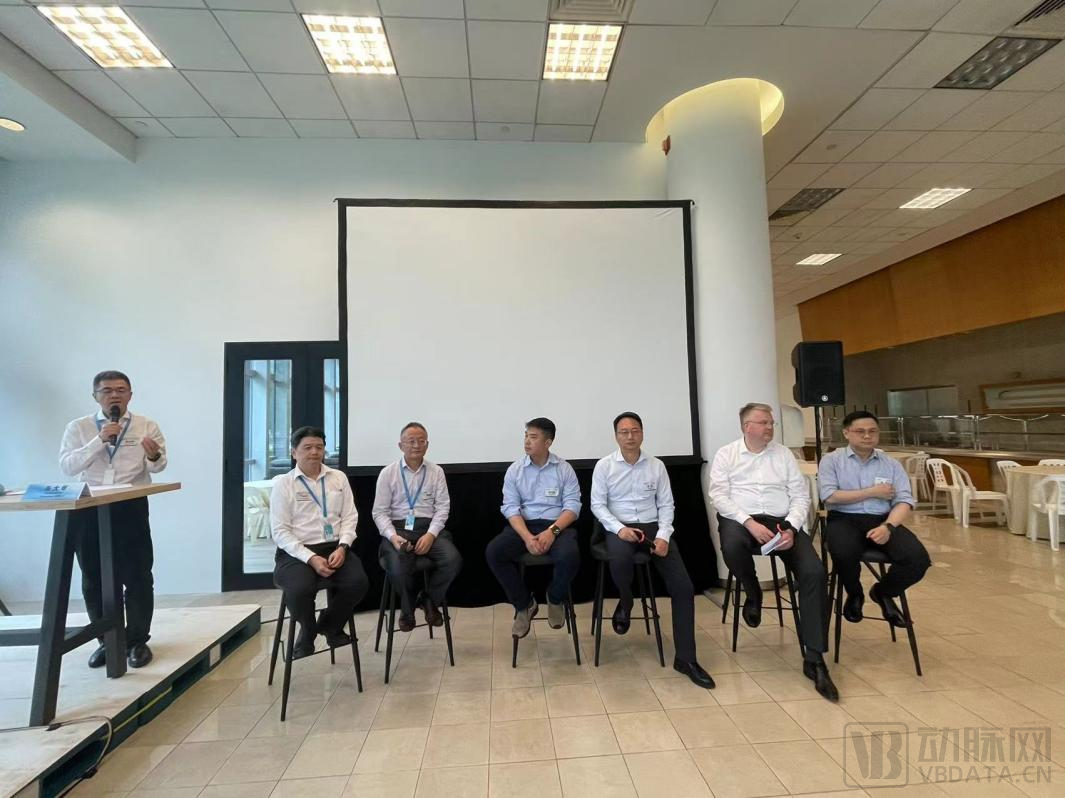 Roundtable Discussion
Hong Tan believes that Chinese pharmaceutical companies should consider not only exporting their products but also exporting their services. Before going global, they must clearly define their motivations and strategies for addressing challenges, with the ultimate goal of securing orders and profits in overseas markets. “The core competitiveness of Chinese pharmaceutical companies in overseas markets lies in cost-effectiveness—reducing costs while ensuring quality. Achieving mutual growth in both the domestic and international markets to build globally competitive enterprises is a key consideration for every pharmaceutical company expanding abroad.”
During the process of global expansion, multiple speakers noted that enterprises face challenges related to technology transfer, factory management, varying policy support, and cultural and linguistic differences. Consequently, it is essential to consider the strategic significance of establishing manufacturing facilities in different regions. As an international hub, Singapore offers advantages such as high global recognition, transparent regulations, and abundant talent resources, making it a key platform for the internationalization strategy of pharmaceutical companies.
Singapore: The Beachhead for Chinese Innovative Drugs Going Global
The morning session on June 7, titled “Healthcare Innovation Opportunities in Singapore and Southeast Asia,” was held at the Temasek Life Sciences Laboratory campus. The event kicked off with a keynote presentation by Dr. Li Keying, Co-CEO of Temasek Life Sciences Accelerator Pte Ltd (TLA), on the theme “Singapore: The Bridgehead for Chinese Innovative Drugs Going Global.” Dr. Li emphasized that Singapore can serve as a springboard for Chinese R&D to go international and as a bridgehead for the globalization of China’s pharmaceutical industry. He highlighted advantages such as supportive policies, geographic location, professional talent, and preferential tax rates. Singapore’s neutral status, well-developed R&D ecosystem, and access to funding channels can facilitate corporate growth and foster international cooperation. Additionally, Singapore can promote pharmaceutical collaboration between China and other countries, such as India, expand market reach, and drive the global application of Chinese pharmaceutical technologies.
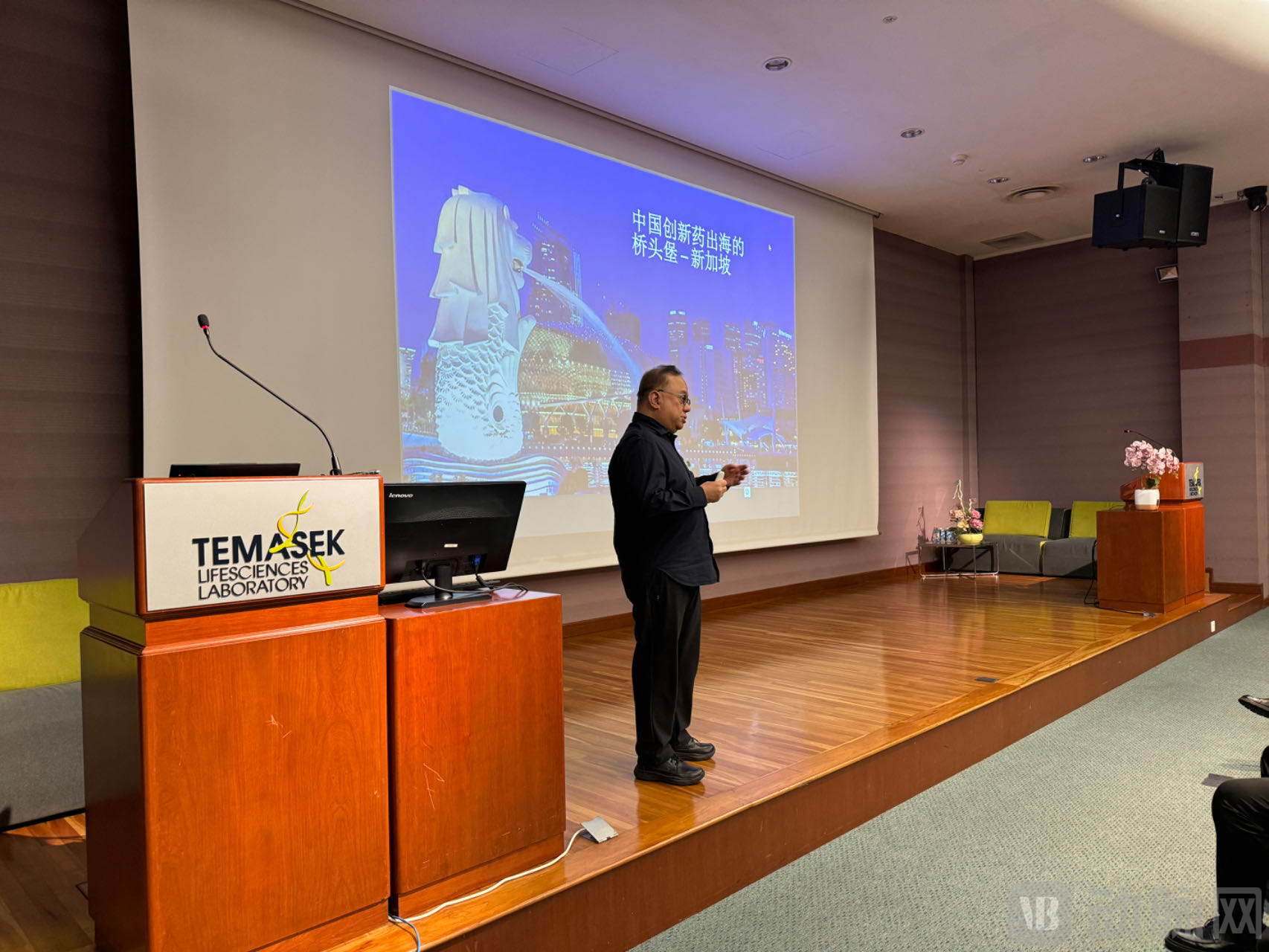 Dr. Li Keying, Co-CEO of TLA (Temasek Life Sciences Accelerator Pte Ltd)
TLA is dedicated to facilitating the commercialization of life sciences research projects, including early-stage investment expertise analysis and accelerated incubation. As the fund manager for the Temasek Life Sciences Innovation Fund (“TLIF”), TLA disseminates the research and innovation concepts of the Temasek Life Sciences Laboratory (“TLL”), injecting venture capital and industry best practices to support the early-stage development of startups.
Benjamin Lee (Assistant Director, Communications & Engagement) introduced the historical development, five pillars, and three key development priorities of Action Community for Entrepreneurship (ACE). He also stated that the organization supports Singapore-based startups regardless of nationality, working closely with the government, enterprises, capital firms, and educational institutions to promote ecosystem building and global connectivity.
Qi Fei, Executive Director of Legend Capital, delivered a keynote presentation on “Innovation in China’s Biopharmaceutical Industry.” He pointed out that China’s pharmaceutical industry is undergoing rapid internationalization and innovative upgrading, shifting from “me-too” drugs to “first-in-class” therapies, with significant growth in new drug pipelines and domestic regulatory approvals. In response to policy pressures and market dynamics, China’s biopharmaceutical sector is building an ecosystem that supports original innovation and collaborating with global enterprises. Seizing this opportunity, Legend Capital will continue to drive industrial upgrading and the translation of innovations into practice, fostering global cooperation through TLA in Singapore.
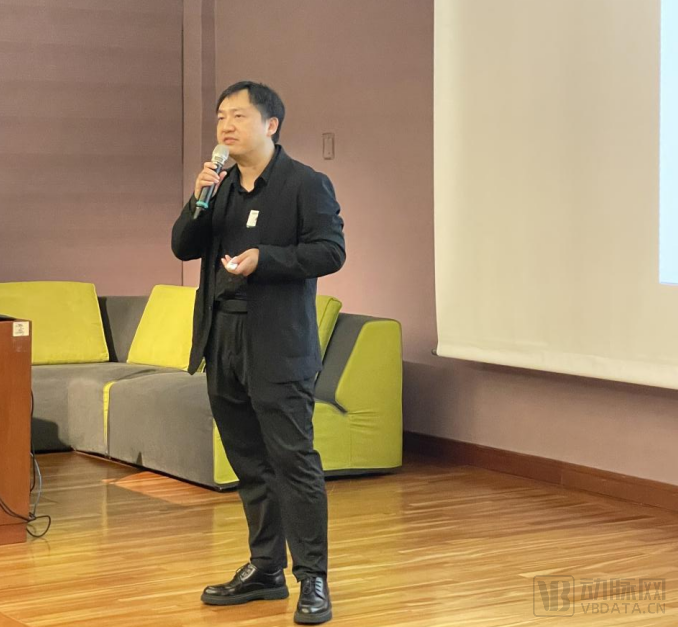 Qi Fei, Executive Director of Legend Capital
During the roundtable discussion, Wang Haotian, Investment Director at Legend Capital, moderated the session on “Reflections and Exchanges on Chinese Innovation Going Global.” The panelists included Neo Kah Yean, Senior Director at A*STAR; Wang Fenghua, Founder and CEO of Longxin Biologics; Dr. Li Keying, Co-CEO of TLA (Temaseque Life Sciences Accelerator Pte Ltd); Song Xu, Founder of Lingtaike Biologics; and Yang Hanshuo, Founder and CSO of Zhenyu Biologics. They shared insights and engaged in discussions on strategies, advantages, and challenges for Chinese pharmaceutical companies expanding into Singapore and pursuing internationalization. Topics covered included supply chain management, corporate operations, intellectual property, differences in market access, product registration and sales, scientific research translation, and enterprise incubation. As an agency promoting scientific research and technology transfer in Singapore, A*STAR serves as a bridge connecting academia and industry for collaborative development, facilitating cooperation between Chinese innovative enterprises and Singapore’s R&D talent. Legend Capital aims to leverage Singapore’s open scientific research platform to foster collaboration between domestic and international enterprises and research institutions, enhance the efficiency of technology transfer, and accelerate the global expansion of Chinese innovative drugs.
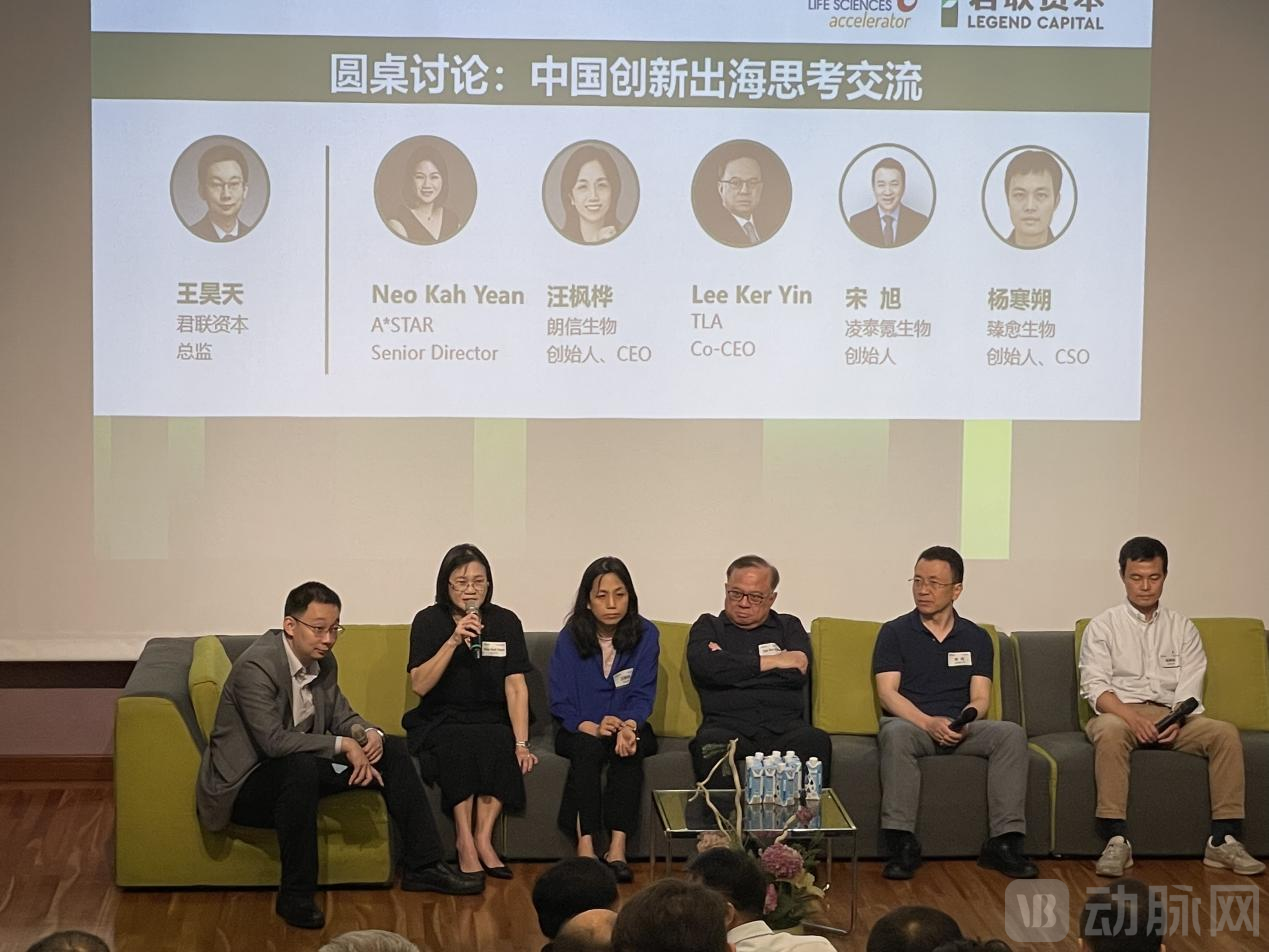 “Roundtable on Reflections and Exchange Regarding the Global Expansion of Chinese Innovations”
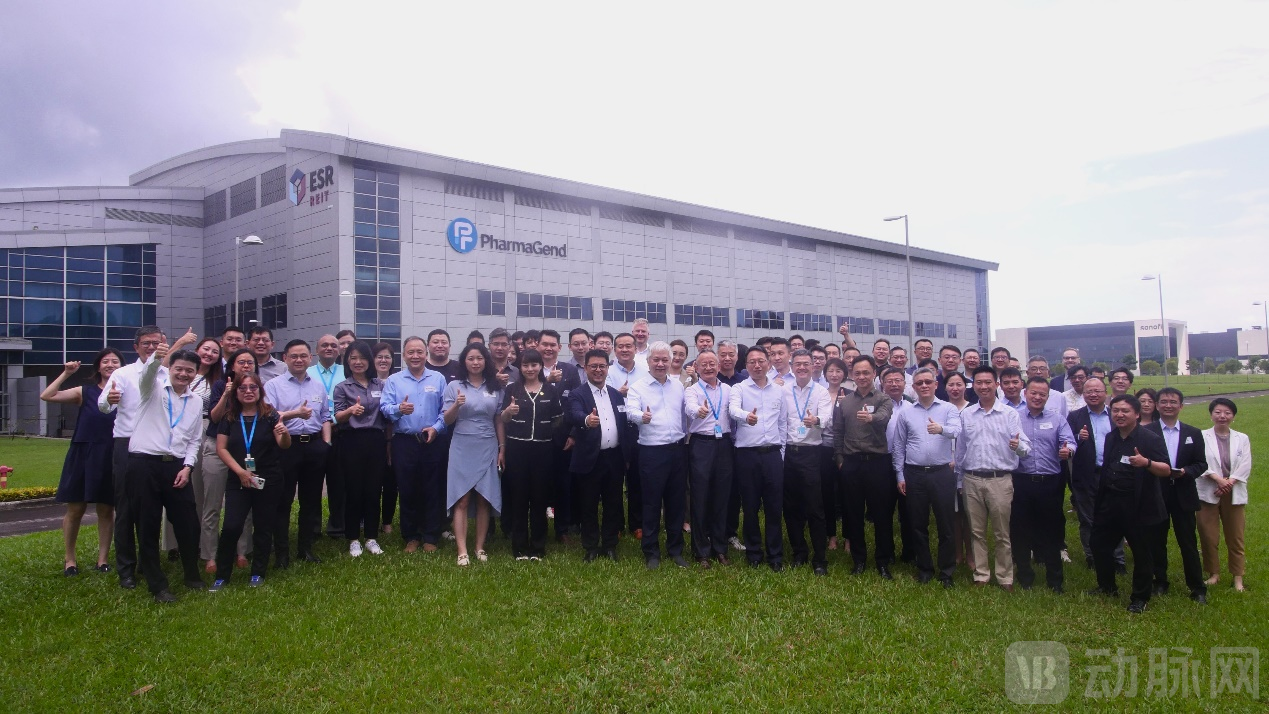
Over the course of the one-and-a-half-day event, delegates from Chinese, Singaporean, and Indonesian companies, as well as relevant industrial parks and investment institutions, visited the PharmaGend factory and the TLA Park. They gained in-depth insights into Singapore’s production and R&D parks, biotechnology and funding policies, talent resources, and business environment.
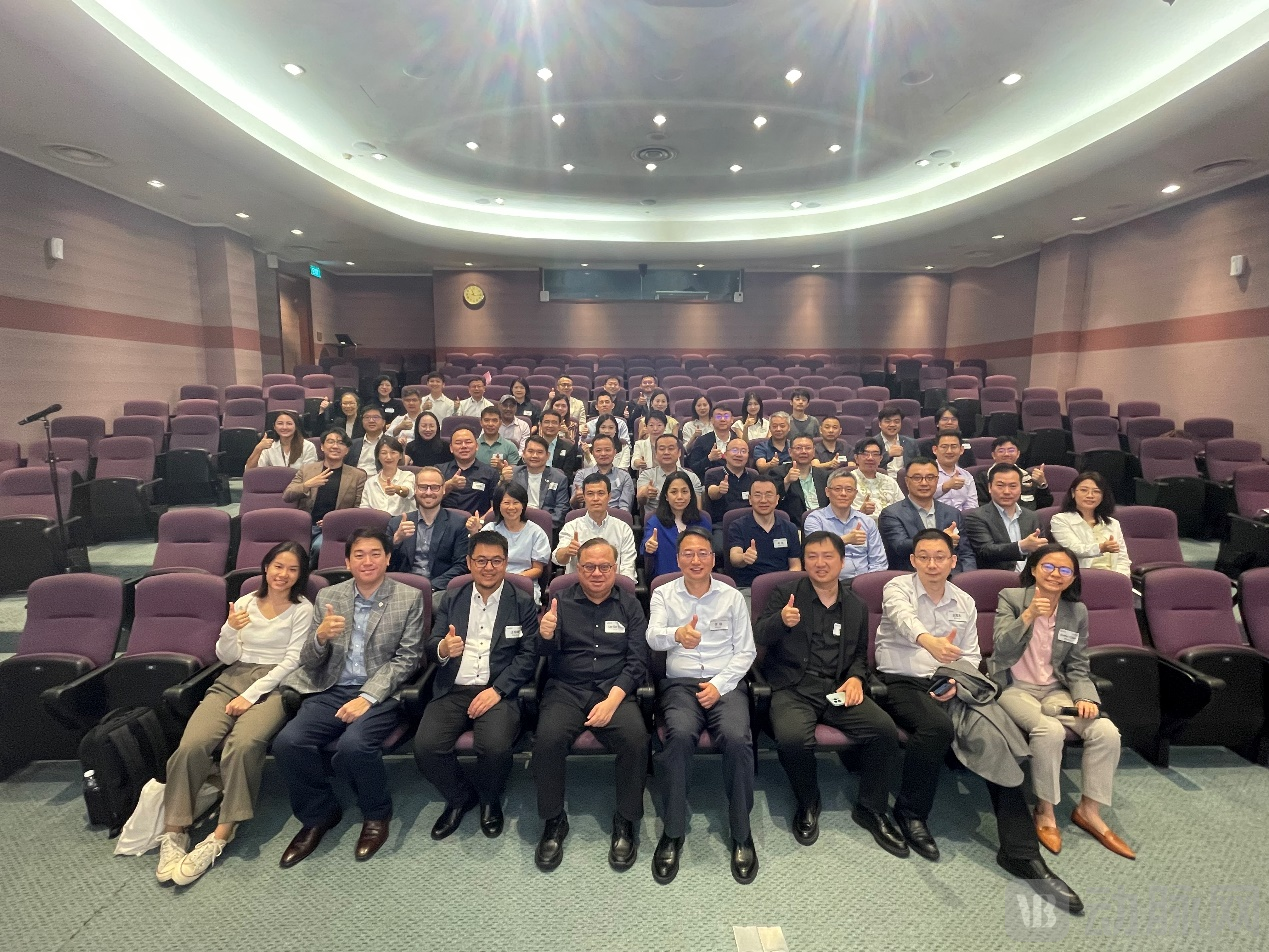
After years of accumulation, China’s innovative drug industry has entered a phase of leapfrog development, making global expansion an imperative. In navigating this international journey, Chinese pharmaceutical companies should establish clear global strategic objectives, pacing, and methodologies, proactively setting sail and leveraging both domestic and overseas market resources to avoid drifting with the tide. With the “2024 HIEA Overseas Industrial Park Tour – Opportunities in Southeast Asia and Global Expansion” as a new starting point, Singapore is poised to play a pivotal strategic role as a key bridgehead for entering the Southeast Asian market. Moving forward, VCBeat will continue to monitor the dynamics of Chinese enterprises expanding into Southeast Asia, providing support for their market growth in the region.