

Singularity Medical Unlocks a New Frontier in Organ Medicine with Breakthrough 'Ex Vivo Organ Revival' Technology
On July 23, 2017, an unusual event occurred at the First Affiliated Hospital of Sun Yat-sen University in Guangzhou—a patient with liver cirrhosis complicated by small hepatocellular carcinoma successfully underwent the world’s first “blood-flow-preserving” liver transplantation, solving the global challenge of ischemia-reperfusion injury in organ transplantation.
The American Journal of Transplantation hailed it as “a milestone in the history of organ transplantation,” included it in the Global Guidelines for Clinical Application of Innovative Technologies in Organ Transplantation, and recommended its worldwide adoption.
Leveraging the “non-ischemic liver perfusion system” used in this surgical case, along with its underlying core technology—ex vivo organ preservation technology—Singularity Medical has gained recognition from various stakeholders in the industry. The company has not only been certified as a Guangdong Provincial Specialized, Refined, Differential, and Innovative Enterprise and a Guangdong Provincial High-Tech Enterprise, but also received support from the National Key Research and Development Program’s key special project on “Disruptive Technology Innovation” in 2023. In the capital market, it has attracted significant interest from investors, completing three rounds of financing within a short period...
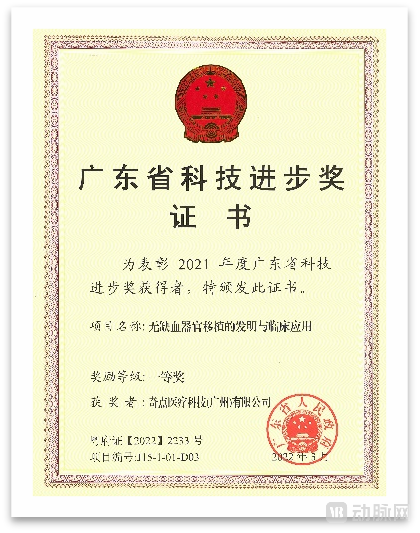
Singularity Medical Wins First Prize in Guangdong Provincial Science and Technology Progress Awards
All these honors stem from this ex vivo organ preservation technology. Building on this technology and guided by the vision that organ medicine is poised to become “China’s next new frontier leading global development,” Singularity Medical is firmly establishing organ transplantation as its “base camp” while exploring other niche segments within the field of organ medicine.
Meanwhile, leveraging ex vivo organ preservation technology, Singularity Medical has also launched a series of innovative products to address development challenges in organ donation, isolated organ therapy, organ research, and organ-based drug screening.
Ex vivo organ preservation technology is the product of in-depth collaboration between Singularity Medical and the organ transplant team at The First Affiliated Hospital of Sun Yat-sen University.
The First Affiliated Hospital of Sun Yat-sen University is one of the earliest hospitals in China to carry out organ donation and transplantation, and it has been a pioneer and promoter of the second wave of liver transplantation in the country. Since its establishment, the hospital has successfully performed China’s first major organ transplant, the first liver transplant under extracorporeal venous bypass, and the first infant heart transplant. The first multi-organ transplant surgery in Asia, conducted by the hospital in 2004, garnered nationwide attention. To date, the First Affiliated Hospital of Sun Yat-sen University has become one of the primary centers for clinical major organ transplantation in China.
Professor He Xiaoshun, the current Chief Scientist at Singularity Medical, studied under Professor Huang Jiefu, the leading figure in China’s transplant medicine sector, Chairman of the China Organ Donation Committee, and Honorary Chairman of the Chinese Society for Organ Transplantation. Professor He is the former Vice President of the First Affiliated Hospital of Sun Yat-sen University and the academic leader of its Organ Transplant Center. He has also received numerous honors, including being named one of China’s Top Ten Figures in Scientific and Technological Innovation in 2017 and a National Outstanding Scientific and Technological Worker.
Professor He Xiaoshun, who has dedicated decades to the fields of ischemia-free organ transplantation, organ donation, multi-organ transplantation, and combined organ transplantation, has gained profound insights into the clinical needs of organ transplantation. He is deeply aware of the regrets and misfortunes caused by numerous technical pain points in clinical organ transplantation, as well as the necessity and urgency for China to strengthen its voice as a major power in the international medical community.
This has driven him to venture into the fields of technical research and product development, with the ambition to fill the current market gap in tools for organ research through entirely original Chinese innovation. In doing so, he has attracted a team of elite “Singularity” talents who boast strong professional expertise and backgrounds in leading medical device companies.
In the field of organ medicine, which places significant emphasis on the integration of medicine and engineering, the Singularity Medical team has successfully translated Professor He Xiaoshun’s concept of “ex vivo organ preservation” into tangible products tailored to diverse scenario-based needs. Furthermore, building upon this technology, Professor He Xiaoshun has innovatively proposed the concept of organ medicine and seeks to collaborate with more industry partners to jointly advance the development of this discipline.
The underlying reasons were thoroughly explained by Professor Zhao Qiang, Chief Physician at the Organ Transplant Center of the First Affiliated Hospital of Sun Yat-sen University, Deputy Director of the Horizontal Projects Division of the Sun Yat-sen University Academy of Advanced Studies, and CTO of Singularity Medical. Currently, most research focuses either on the whole-body level or on the cellular and molecular levels. However, exploration at the organ level remains virtually uncharted. Since many diseases originate and progress at the organ level, studying and treating diseases from this perspective may be more direct and effective than approaches targeting cells or molecules. Therefore, it is both necessary and critical to devote significant effort to research and treatment at the organ level.
Accordingly, Singularity Medical is firmly advancing the development of organ medicine.
So, which specific niches in organ medicine can be advanced by ex vivo organ maintenance technology?
At this stage, Singularity Medical’s answer lies in eight key sectors: organ transplantation, organ donation, isolated organ therapy, organ emergency care, organ research, organ support, organ-based drug screening, and organ education.
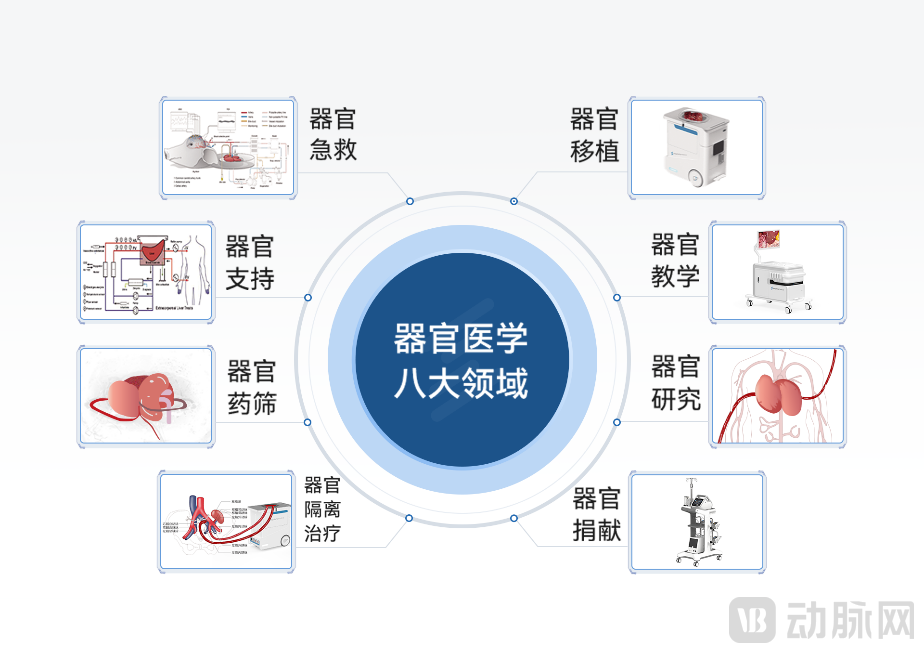
Singularity Medical’s Strategic Layout Across Eight Key Domains in Organ Medicine
Among these, organ transplantation is the first application scenario of this technology and also the foundation upon which Singularity Medical built its business.
The reason is that traditional organ transplantation primarily relies on hypothermic preservation to protect donor organs; however, this method may lead to ischemic injury, thereby compromising transplant efficacy or even causing graft failure. Consequently, ischemic injury has remained an “inherent flaw” in the 70 years since the advent of modern organ transplantation technology.
Singularity Medical’s ex vivo organ preservation technology, along with the “Ischemia-Free Liver Perfusion System” developed based on this technology, can effectively address the challenge of ischemia-reperfusion injury in organ transplantation.
By reconstructing extracorporeal blood circulation, this system supplies blood and oxygen to ex vivo organs, maintaining normal hepatic physiological function without interrupting blood flow. This innovation overturns the traditional method of static cold storage, substantially mitigating ischemia-reperfusion injury in donor organs, significantly improving transplant outcomes, and propelling organ transplantation into the “era of warm transplantation.”
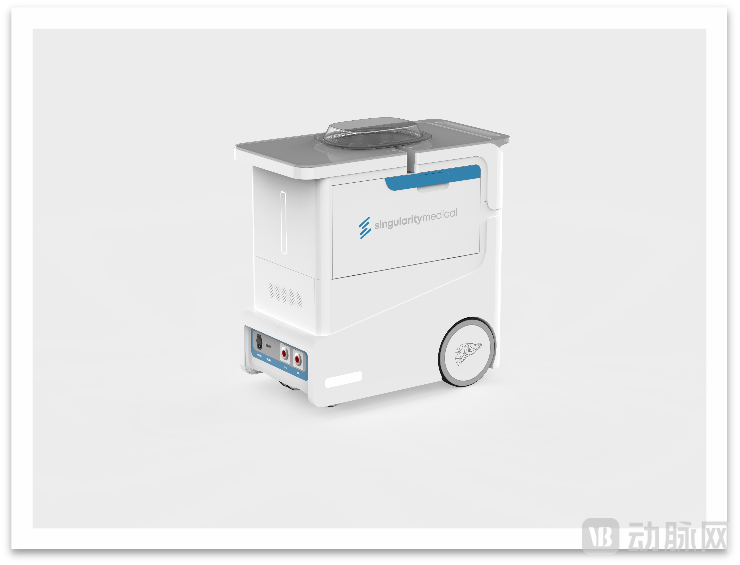
Singularity Medical Pioneers Multi-Organ Preservation System (Registered Name: Ischemia-Free Liver Perfusion System Life-X100)
Specifically, the device is designed in a “cart” configuration. The top section features a container for holding ex vivo organs, while the lower section houses systems such as a fully magnetically levitated blood pump, an oxygenator, and a filter embolus trap. These components simulate human physiological mechanisms to provide blood and oxygen supply to the organs, thereby addressing the challenge of ischemic injury in organ transplantation.
Leveraging this device, the team at The First Affiliated Hospital of Sun Yat-sen University successfully performed 260 cases of ischemia-free liver transplantation. Follow-up results demonstrated that the incidence of post-reperfusion syndrome in patients undergoing ischemia-free liver transplantation decreased by 92.1%, the peak level of alanine aminotransferase (ALT), a marker of liver injury, dropped by 77.7%, the one-year survival rate increased by 9.8%, and long-term transplant outcomes were significantly improved.
Currently, the product has passed the review by the Center for Medical Device Evaluation of the National Medical Products Administration in a single step and has officially entered the Special Review Procedure for Innovative Medical Devices. Relevant announcements indicate that Singularity Medical’s non-ischemic liver perfusion system is the first device applicable to non-ischemic liver transplantation and the first normothermic mechanical perfusion product in China, demonstrating significant clinical application value.
In addition to organ transplantation, Singularity Medical is currently making rapid progress in two major sectors: organ education and organ donation.
Singularity Medical’s rationale for entering the organ teaching market is that, on one hand, educational products can be rapidly brought to market, enabling capital recovery to fund subsequent R&D.
On the other hand, standardized surgical teaching is the top priority in the training of surgical residents. However, China faces challenges such as insufficient opportunities for young and middle-aged physicians to serve as lead surgeons, a lack of hands-on practice, an imperfect training system, and a severe shortage of resources for advanced animal experimental training.
Furthermore, traditional laparoscopic surgical training, whether in the era of plastic models or virtual simulators, has certain training deficiencies. For instance, virtual simulator training suffers from inherent flaws such as unrealistic scenarios, inaccurate haptic feedback, and delayed response.
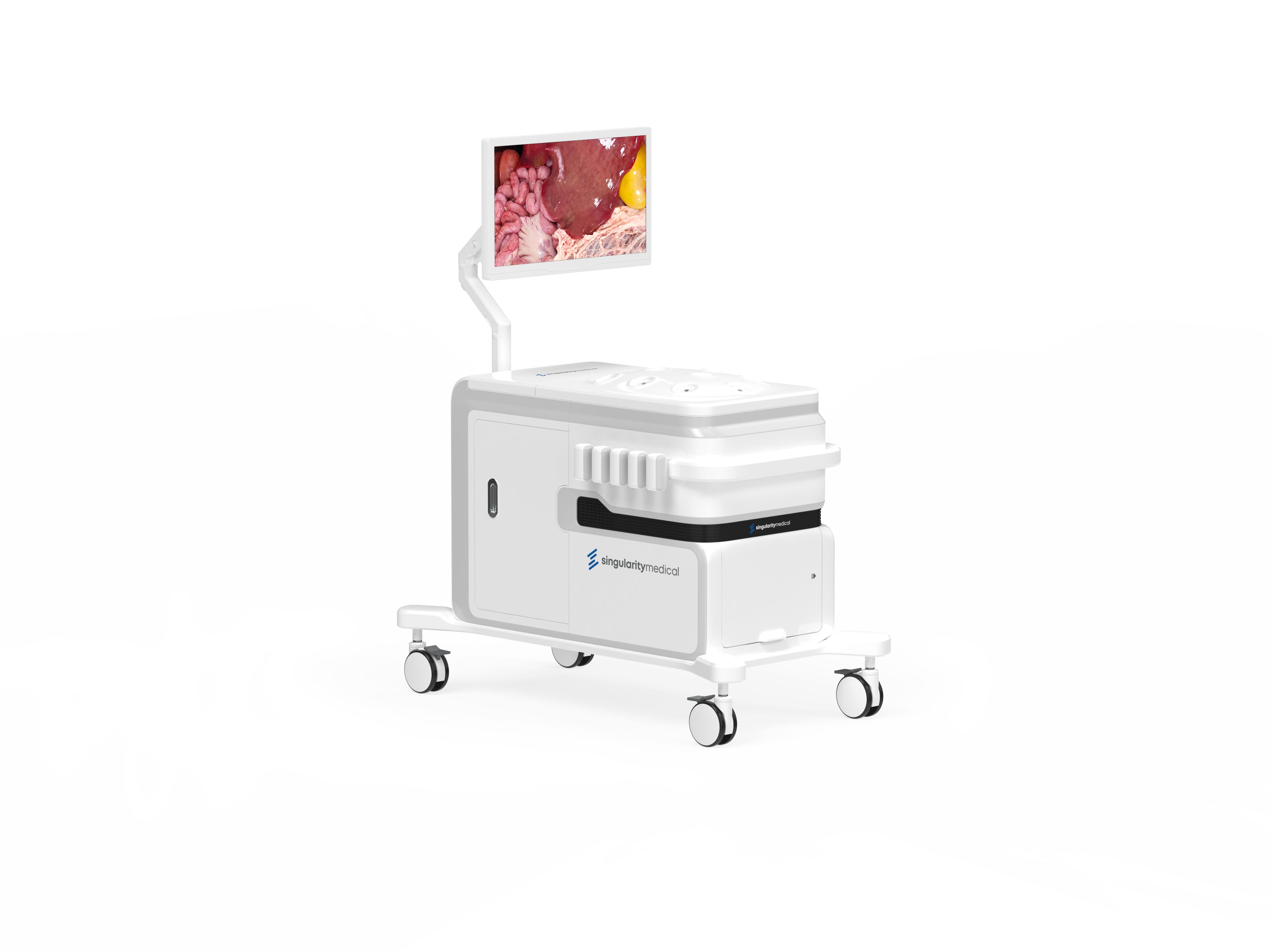
Singularity Medical’s ex vivo organ preservation-based live-organ laparoscopic training system employs normothermic mechanical aerobic perfusion to sustain the viability and elasticity of whole abdominal organs from food-grade pigs, thereby enabling hemorrhage upon vascular injury and closely replicating real surgical scenarios.
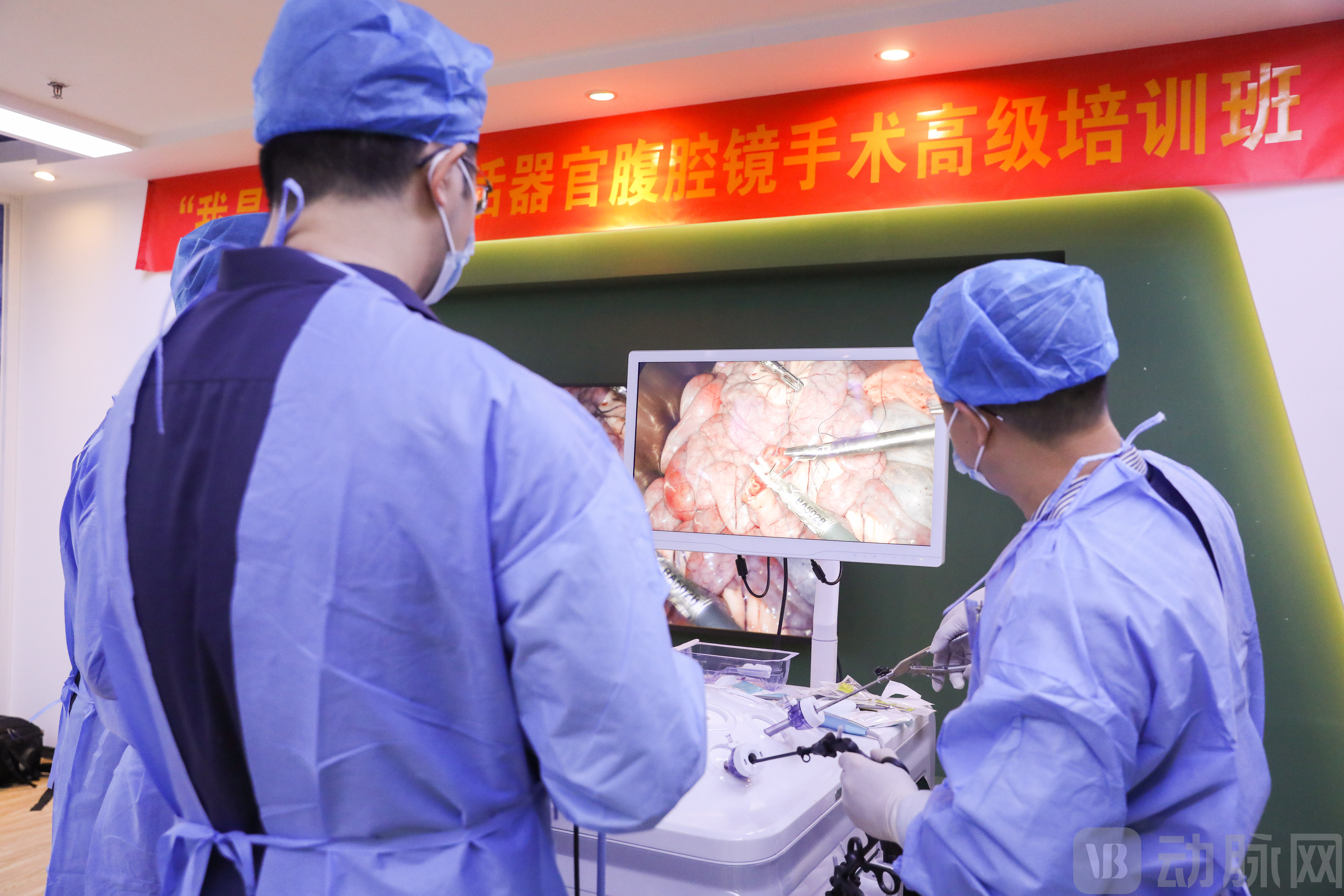
Moreover, the dedicated irrigation module integrated into this product monitors irrigation pressure, flow rate, and temperature, and provides alerts for abnormal conditions. The accompanying laparoscopic console also enables direct video recording and image capture of surgical procedures, facilitating post-training review and analysis.
Currently, the Singularity Medical live-organ laparoscopic training system has been deployed and is in use at affiliated hospitals of Sun Yat-sen University, Southern Medical University, Capital Medical University, Wuhan University, and other institutions, receiving positive evaluations from trainee physicians.
As for the layout of organ donation, it is because clinical practice at this stage mostly adopts organs from brain-dead patients. However, the clinical proportion of brain-dead patients is far less than that of cardiac-death patients, resulting in a relatively small number of organ donations worldwide and forming a development problem of supply falling short of demand in clinical organ transplantation.
In response, Singularity Medical has launched the “Organ Saver” device, which enables the successful use of organs from donation after circulatory death (DCD)—a source previously inaccessible through conventional methods. This innovation is expected to increase the organ supply by more than 50%, thereby alleviating the shortage of donor organs. According to Singularity Medical, the company is currently planning close collaborations with intensive care units at major tertiary hospitals to accelerate clinical trials of the product.
In addition to the three major niche sectors—organ transplantation, organ education, and organ donation—that have already yielded commercialized products, Singularity Medical has also made corresponding progress in its layout across other niche sectors.
Strengthening basic research is an essential path toward achieving high-level scientific and technological self-reliance and strength, and the strategic layout of organ medicine in the field of organ research is also an integral part of enhancing China’s capacity for basic research.
Recently, Singularity Medical’s multi-organ preservation system has been featured consecutively in authoritative international journals in the fields of organ transplantation and hepatology—*American Journal of Transplantation* and *Hepatology*. Serving as a research tool assistant, it has driven high-yield scientific outputs.
The paper demonstrates that, as an experimental instrument, this product maintains discarded diseased livers ex vivo, establishes human disease organ models, and conducts controlled experimental studies in combination with perfusion-based drug administration, thereby further elucidating the mechanisms of disease and exploring novel therapeutic strategies.
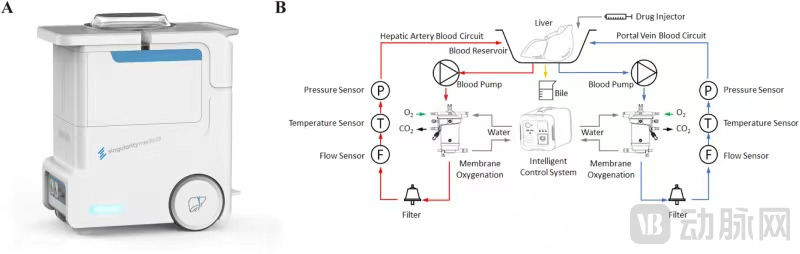
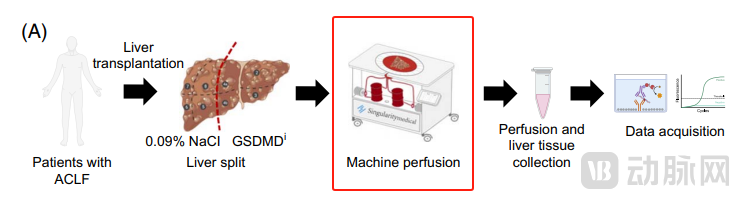
Singularity Medical’s Multi-Organ Preservation System (registered name: Life-X100 Ischemia-Free Liver Perfusion System) facilitates organ-level research, with related scientific achievements published in the prestigious international journals American Journal of Transplantation and Hepatology, which are authoritative in the fields of transplantation and hepatology.
Specifically, on one hand, by leveraging ex vivo organ preservation technology, this product transforms diseased organs removed during surgery from medical waste into valuable resources. It addresses the challenge of unrealistic existing medical research models by constructing human disease organ models that closely align with clinical scenarios and are clinically oriented. This approach not only circumvents the “hidden” barriers of time, cost, and ethics associated with live animal experiments but also opens up a new dimension for research using organs as the fundamental unit. This facilitates the study of organ disease mechanisms and the exploration of corresponding therapeutic strategies, thereby avoiding the limitations of molecular-level studies being too microscopic and human-level studies being too macroscopic.
On the other hand, the successful publication of the paper also demonstrates that the technical logic of Singularity Medical’s Multi-Organ Maintenance System has withstood scrutiny under international standards, thereby expanding potential research perspectives in organ medicine for China’s medical researchers and providing a new generation of scientific research tools.
Meanwhile, this product could become a powerful tool for disease research and new drug development, helping to accelerate the process of innovative drug R&D in China and driving transformation in the global pharmaceutical R&D market and tumor marker market.
In addition to organ research, Singularity Medical has also achieved breakthrough clinical progress in its layout for ex vivo organ isolation therapy.
In October 2023, under the guidance of Professor He Xiaoshun’s team, the world’s first case of targeted therapy for liver cancer was successfully completed. Supported by Singularity Medical’s multi-organ maintenance system, the lobe of the patient’s liver harboring the tumor was “isolated” to receive chemotherapy drugs at concentrations significantly higher than normal. This approach directly inactivates the tumor without affecting other organs in the body, substantially reducing the risk of tumor metastasis and postoperative recurrence. Furthermore, it spares patients the suffering associated with systemic chemotherapy, thereby achieving organ-specific targeted therapy.
During the interview, Professor Zhao Qiang also introduced to VCBeat the organ protection therapy projects that have successfully undergone clinical trials. Taking abdominal aortic aneurysm resection as an example, this procedure similarly involves prolonged ischemia of relevant organs. Supported by Singularity Medical’s Multi-Organ Preservation System, continuous renal perfusion can be maintained, thereby overcoming previous surgical contraindications and transforming previously inoperable cases into procedures with relatively lower risks.
Furthermore, for clinical acute liver failure induced by drugs, the liver retains the potential to recover function after surviving the critical period. Therefore, Singularity Medical also envisions using a multi-organ maintenance system to provide patients with an extracorporeal liver support during this critical phase, allowing the “external” liver to be removed once recovery is achieved, thereby avoiding the need for direct liver transplantation. Currently, this concept has made substantial progress in animal studies, successfully saving the lives of anhepatic pigs for three days for the first time in large-animal model experiments.
Thus, we have gained a comprehensive understanding of Singularity Medical’s practical directions and related progress in the field of organ medicine. Nevertheless, it must be emphasized that this does not mark the endpoint of Singularity Medical’s exploration in organ medicine.
The reason is that since the state first explicitly proposed the development of “new quality productive forces” in September 2023, clarifying the connotation of new quality productive forces and exploring pathways for their development have become top priorities for emerging industries across China. As an important component of life sciences, organ medicine has naturally become an integral part of this national imperative.
In this context, Singularity Medical calls for sincere collaboration among all industry stakeholders, not only to jointly explore the eight major development directions in organ medicine mentioned above but also to venture into other areas.
As Professor Zhao Qiang stated, “A single flower blooming does not make spring; only when a hundred flowers bloom together does the garden fill with spring.” The capabilities and imaginative potential of any single enterprise are bounded, whereas the power of collective effort is limitless. Organ medicine holds promise as an emerging field in which China can lead global medical advancement. We are eager to collaborate with all stakeholders across the industry to seize new opportunities in the organ medicine market.