

China Launches Multicenter Bone Phenotype Database for Standardized Osteoporosis Diagnosis and Treatment
To implement the "Outline of the Healthy China 2030 Plan," establish an integrated health framework in the Yangtze River Delta, integrate regional medical and health resources, leverage high-level medical institutions, promote the linkage and sharing of medical resources, optimize the medical and health service system, comprehensively enhance the prevention, control, and treatment capabilities for major diseases, and foster the development of new quality productive forces in healthcare, the "Chinese Population Multicenter Bone Phenotype Database" project was launched in Shanghai on June 13, 2024. This initiative was jointly initiated and organized by Shanghai Sixth People’s Hospital Affiliated to Shanghai Jiao Tong University School of Medicine and the Shanghai Institute of Nutrition and Health, Chinese Academy of Sciences, in collaboration with the First Affiliated Hospital of Anhui Medical University, Jiangxi Provincial People’s Hospital, Kunshan Traditional Chinese Medicine Hospital, Shandong Provincial Hospital, Shanghai InnovaMed Medical Technology Co., Ltd., and Xiangshan County First People’s Hospital Medical Health Group (listed above in alphabetical order). The establishment of this project marks a significant step forward in achieving data unification, diagnostic standardization, and high-quality treatment for bone densitometry across hospitals in the Yangtze River Delta region.
The goal of this project is to collect data from 100,000 healthy individuals over five years, establish a gold standard for diagnosis using dual-energy X-ray absorptiometry (DXA) bone densitometers, achieve standardization of osteoporosis diagnosis in the Chinese population, enhance the independent research and development capabilities of domestically produced medical equipment, and promote the development of the entire bone health industry.
The conference kicked off with an enthusiastic opening address by Professor Zhang Zhenlin, Director of the Department of Osteoporosis and Bone Diseases at Shanghai Sixth People’s Hospital Affiliated to Shanghai Jiao Tong University School of Medicine.

Professor Zhang stated, “China is currently an aging society, with a growing demand for bone mineral density (BMD) testing. As a crucial tool for assessing osteoporosis and fracture risk, dual-energy X-ray absorptiometry (DXA) plays a significant role in improving the skeletal health of the elderly population in China. As a specialist in osteoporosis and bone diseases, I find the lack of data standardization to be a major challenge in clinical diagnosis. The quality of BMD reference databases provided by domestic brands varies considerably, and there is no unified standard. Different DXA devices utilize different databases, leading to inconsistencies in diagnostic and follow-up results. Establishing this database will help standardize diagnostic and follow-up outcomes for patients in the Yangtze River Delta region, thereby reducing unnecessary repeat examinations.”
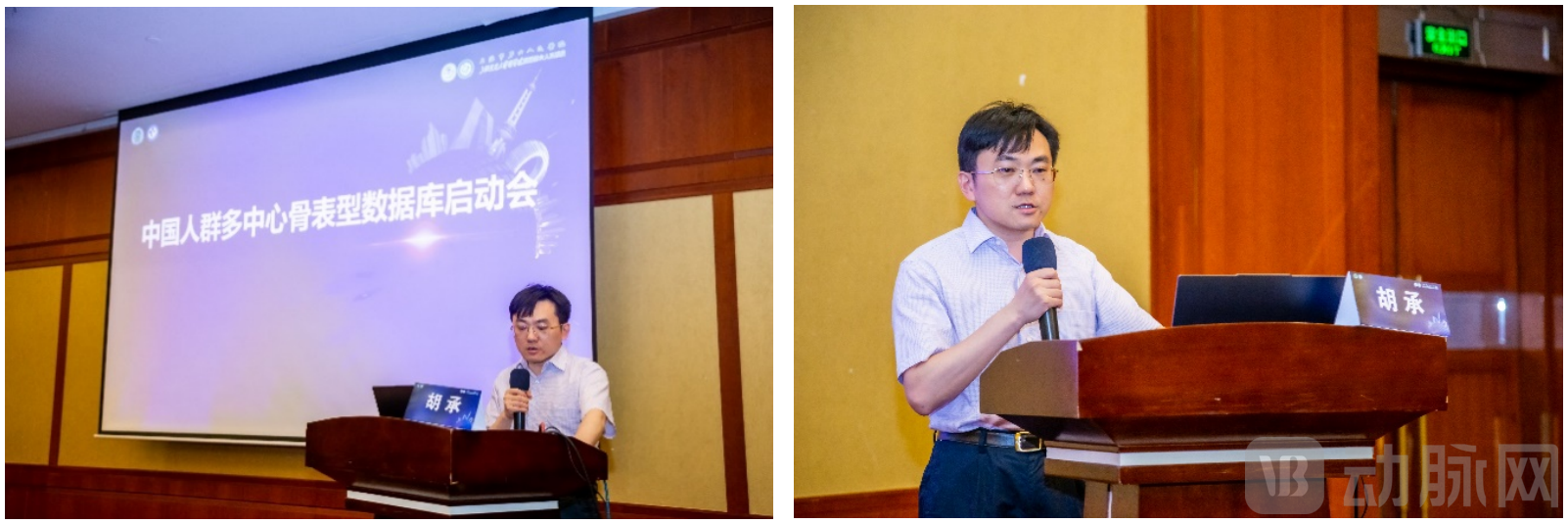
Hu Cheng, Vice President of Shanghai Sixth People’s Hospital Affiliated to Shanghai Jiao Tong University School of Medicine, emphasized, “The launch of this project not only marks a significant milestone for Shanghai Sixth People’s Hospital Affiliated to Shanghai Jiao Tong University School of Medicine in research on osteoporosis and bone diseases, but also represents the hospital’s contribution to fostering new quality productive forces in China’s bone densitometry industry. As a National Center for Orthopedic Medicine, Shanghai Sixth People’s Hospital Affiliated to Shanghai Jiao Tong University School of Medicine has the obligation and responsibility to promote the development of the entire bone densitometry sector, establish strategic alliances among industry, academia, and research institutions, collaborate with enterprises and universities, leverage its clinical strengths, jointly overcome foreign technological chokepoints and monopolistic barriers, and develop medical devices and related databases better suited to China’s national conditions.”
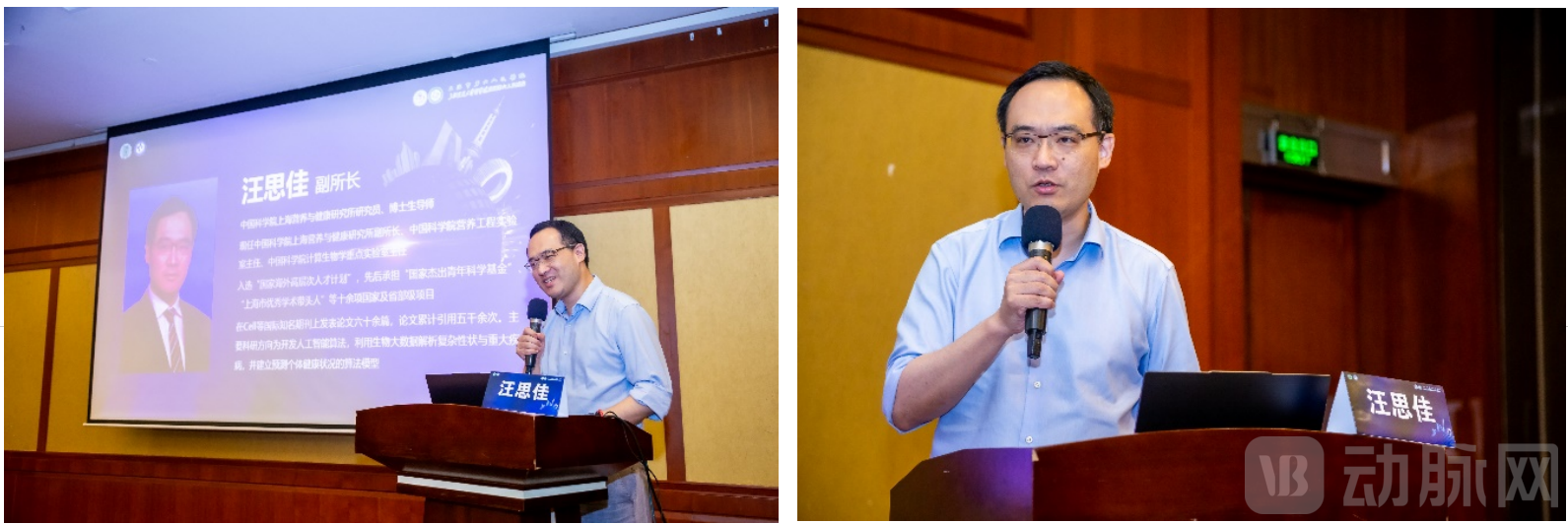
“As the Shanghai Institute of Nutrition and Health, Chinese Academy of Sciences, we focus on the prevention and control of major chronic diseases and the promotion of healthy aging. Oriented toward safeguarding people’s lives and health, we, as a national research team, bear an undeniable responsibility. Bone health is a key target for shifting healthcare interventions upstream, aligning closely with our institute’s core missions. Five years ago, our institute initiated a strategic collaboration with the Sixth People’s Hospital Affiliated to Shanghai Jiao Tong University School of Medicine. The current project, the ‘Multi-Center Bone Phenotype Database for the Chinese Population,’ represents another strong alliance between scientific research and clinical practice, holding significant importance for the development of bone health and the bone phenotype industry in China. The multi-center database will provide a broader research platform for our scientific endeavors and offer more robust scientific evidence for predicting a wider range of diseases,” said Deputy Director Wang Sijia of the Shanghai Institute of Nutrition and Health, Chinese Academy of Sciences.
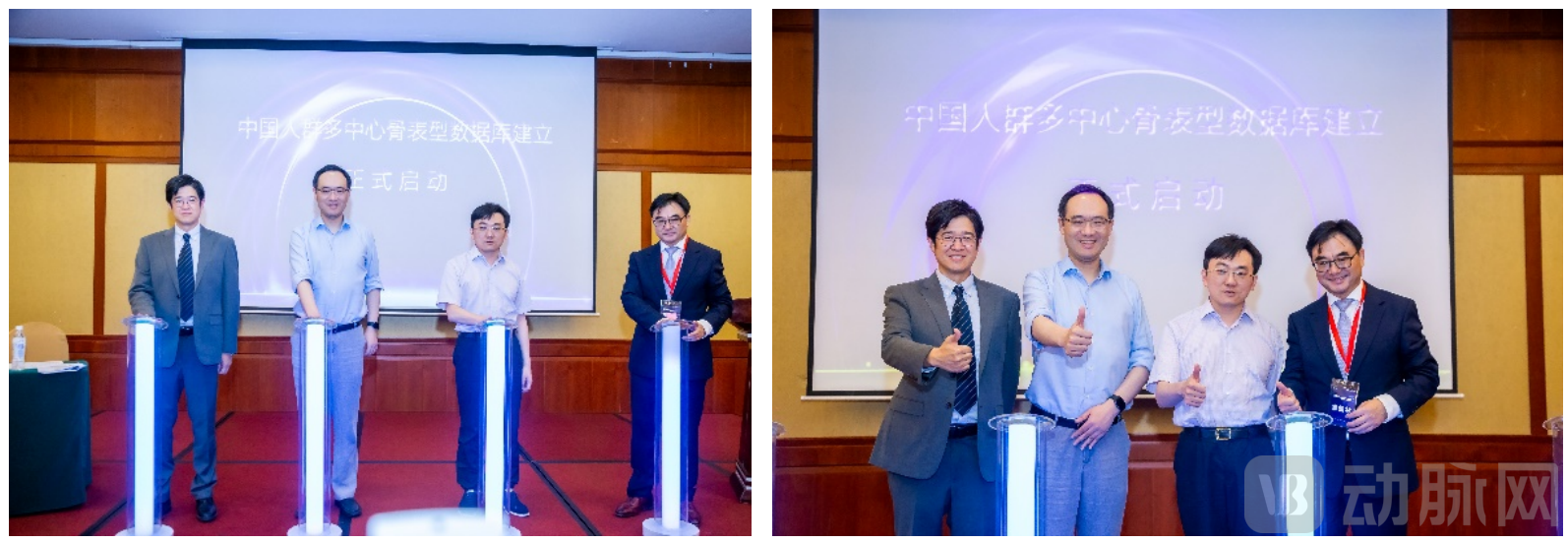
Subsequently, Professor Yue Hua, Deputy Director of the Department of Osteoporosis and Bone Diseases at Shanghai Sixth People’s Hospital Affiliated to Shanghai Jiao Tong University School of Medicine, presided over the grand launch ceremony of the “Chinese Multi-center Bone Phenotype Database.” Attendees included Associate Director Wang Sijia from the Shanghai Institute of Nutrition and Health, Chinese Academy of Sciences; Vice President Hu Cheng from Shanghai Sixth People’s Hospital Affiliated to Shanghai Jiao Tong University School of Medicine; Professor Zhang Zhenlin, Director of the Department of Osteoporosis and Bone Diseases at Shanghai Sixth People’s Hospital Affiliated to Shanghai Jiao Tong University School of Medicine; and Mr. Fu Xiaogang from Shanghai Innova Medical Technology Co., Ltd. They participated in the launch ceremony and awarded plaques to the first batch of member units collaborating on the database.
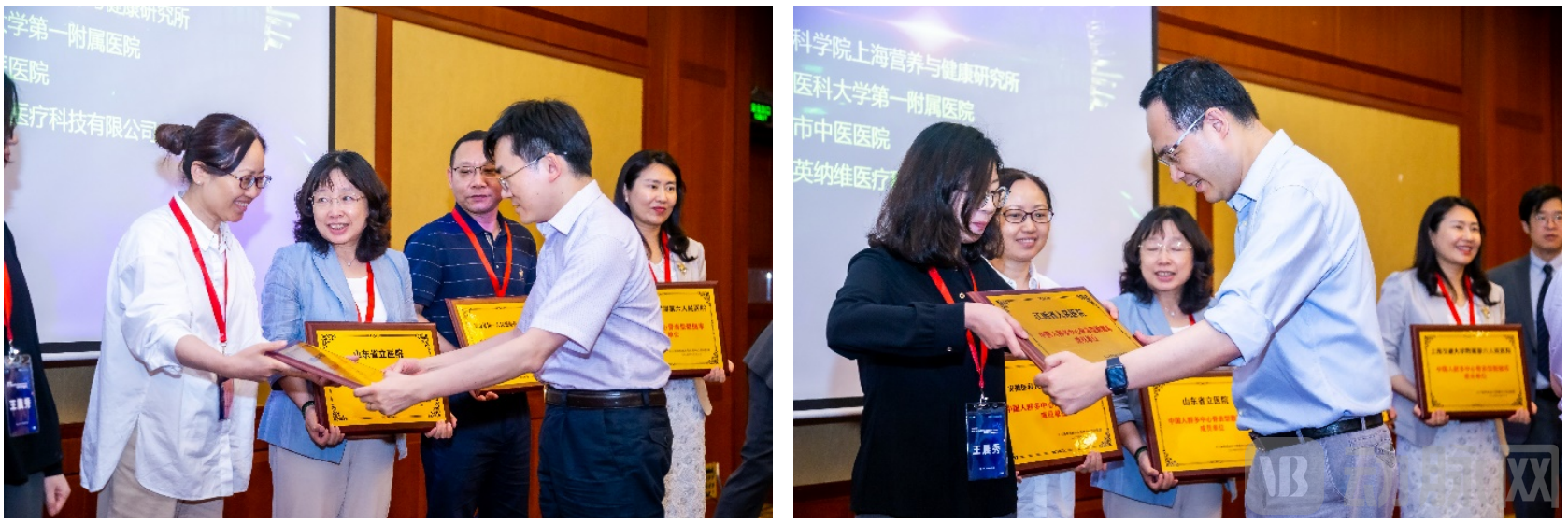

The initial cohort of collaborative member units includes: The First Affiliated Hospital of Anhui Medical University, Jiangxi Provincial People's Hospital, Kunshan Traditional Chinese Medicine Hospital, Shandong Provincial Hospital, Shanghai Innovi Medical Technology Co., Ltd., and Xiangshan County First People's Hospital Healthcare Group (the above entities are listed in alphabetical order).
Professor Zhang Zhenlin outlined the future prospects and development of this database. He expressed the hope to establish a multi-center database through collaboration among the first batch of hospitals, research institutions, and enterprises in the Yangtze River Delta region, jointly formulate diagnostic criteria, and completely put an end to the chaotic practice of diagnosing bone mineral density (BMD) status in Chinese individuals using standards derived from other ethnic groups. This initiative aims to build trust among physicians and patients regarding BMD measurement and the quantitative diagnosis of osteoporosis. In the future, by leveraging the Yangtze River Delta as a foundation and extending its influence across China, the project seeks to contribute to the realization of national health for all.