

Vinsent Surgical Robot Completes Animal Trials, Poised to Become First General-Surgery-Focused Robotic System
In the first quarter of 2024, Suzhou Wisent Medical Robot Co., Ltd. (hereinafter referred to as “Wisent Robot”) passed the full-performance testing for its surgical laparoscopic robot system (hereinafter referred to as “Wisent Surgical Robot”) under the *Technical Requirements for Endoscopic Surgical Instrument Control Systems* at the Beijing Institute for Medical Device Testing, with product registration progressing steadily.
Meanwhile, the Vicent surgical robot system and its dedicated robotic consumables—including the world’s first robotic automatic tissue closure clip, leading robotic staplers, and a portfolio of 30 robotic energy surgery devices covering ultrasonic scalpels, bipolar, and monopolar instruments—have successfully completed preclinical animal studies for medical devices, fully validating the products’ excellent design.Received high praise for its superior intraoperative positioning performance, excellent control capabilities, and outstanding stability of the robotic arm., and there were no significant differences in safety and efficacy compared with the control group,The results of animal studies support the further development of clinical trials for this project.
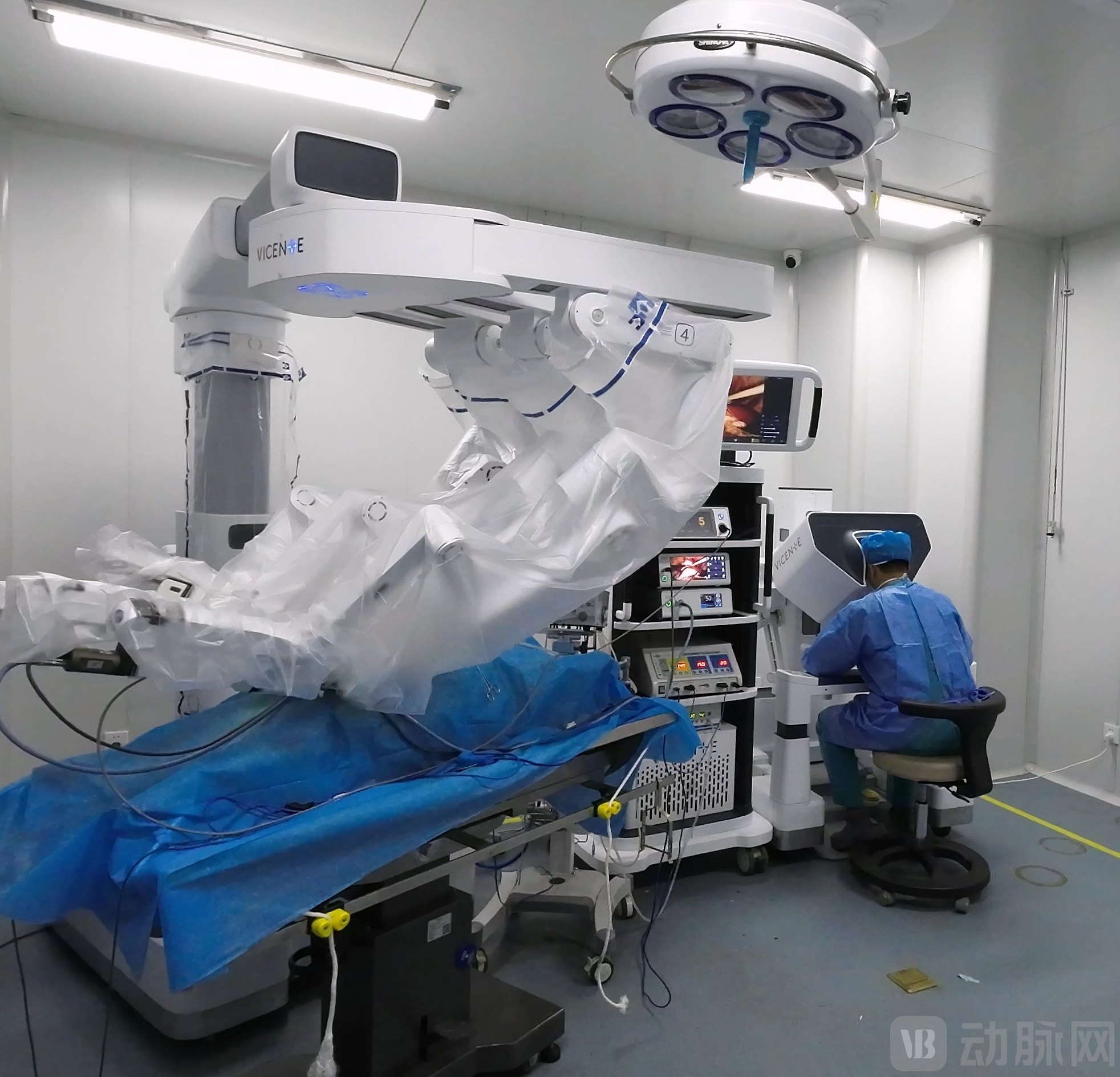
In Vivo Animal Study Scenes
Viscent Robotics is a developer of laparoscopic surgical robots, incubated and invested in by Pert Medical, a leading Chinese provider of intelligent minimally invasive surgical solutions. Its core product is a multi-arm integrated system benchmarked against the da Vinci Xi surgical robot.
For a long time, the domestic market for laparoscopic surgical robots has remained monopolized by overseas industry leaders due to high technical barriers, lengthy R&D cycles with substantial capital investment, and intellectual property restrictions. Consequently, China remains at a relative disadvantage in technological innovation and market competition. Low localization rates, limited hospital-level penetration, and significant technical challenges remain critical issues that urgently need to be addressed.
In recent years, Chinese enterprises have achieved breakthroughs in key technologies, weakening the long-standing barriers erected by overseas industry leaders. Furthermore, domestically produced robots facilitate the implementation of clinical human trials and validation within China, positioning them to rapidly replace imported products with their advantages of superior service, competitive pricing, and advanced technology. Among these, Wisent Robot has emerged as a rising star in this wave of domestic innovation.
The Viscent surgical robot incorporates numerous unique design innovations, offering distinct advantages in aligning with clinical needs, ensuring low risk, and facilitating ease of operation. Notably,In terms of core design, Wisent Robotics has independently developed its robotic arms with full proprietary intellectual property rights, delivering industry-leading performance in transmission structures and beam design.In terms of core algorithms, the company has independently developed its underlying control software, which delivers exceptionally high precision and stability along with strong scalability, thereby establishing a technical foundation for future multi-system development.
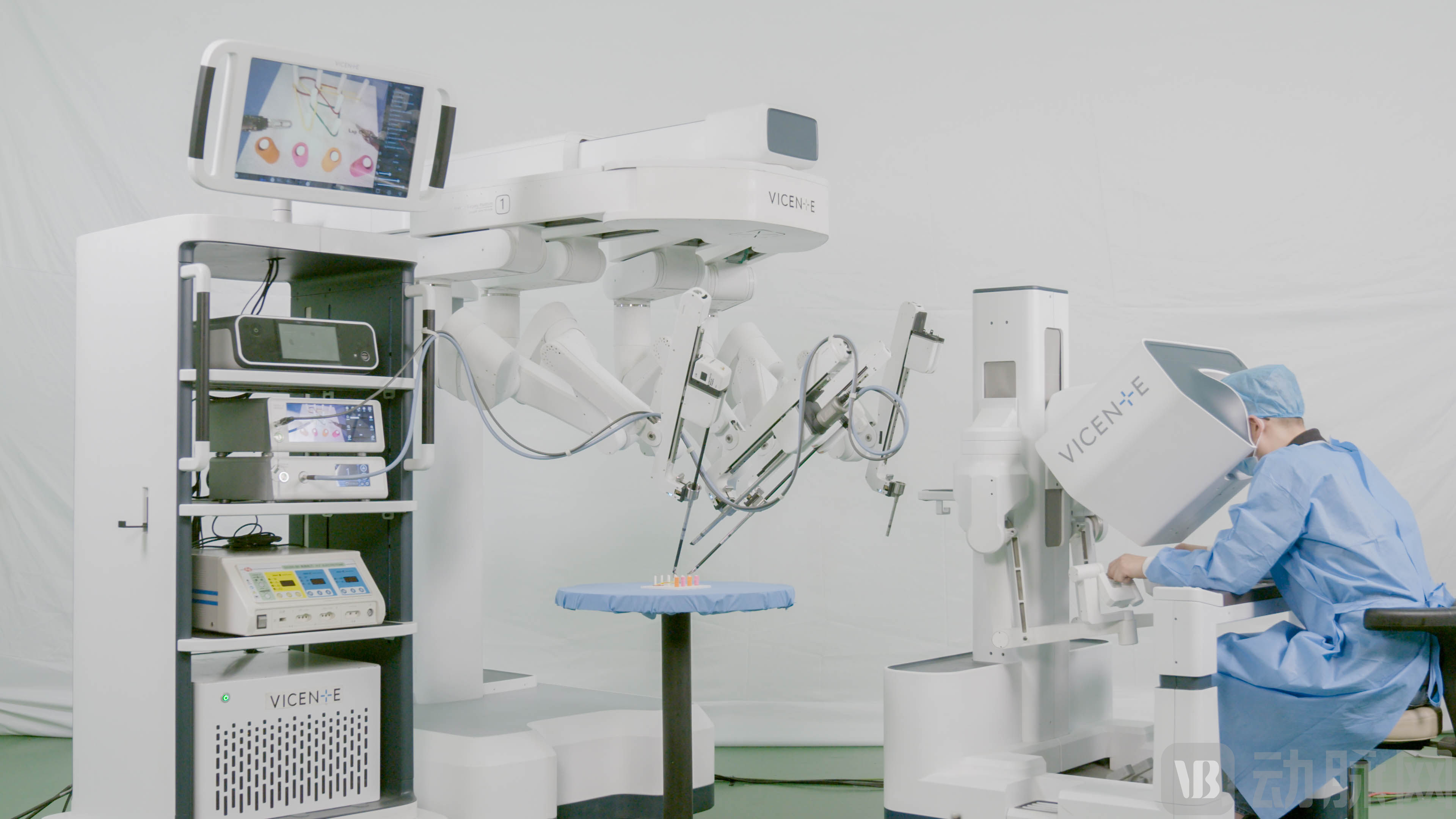
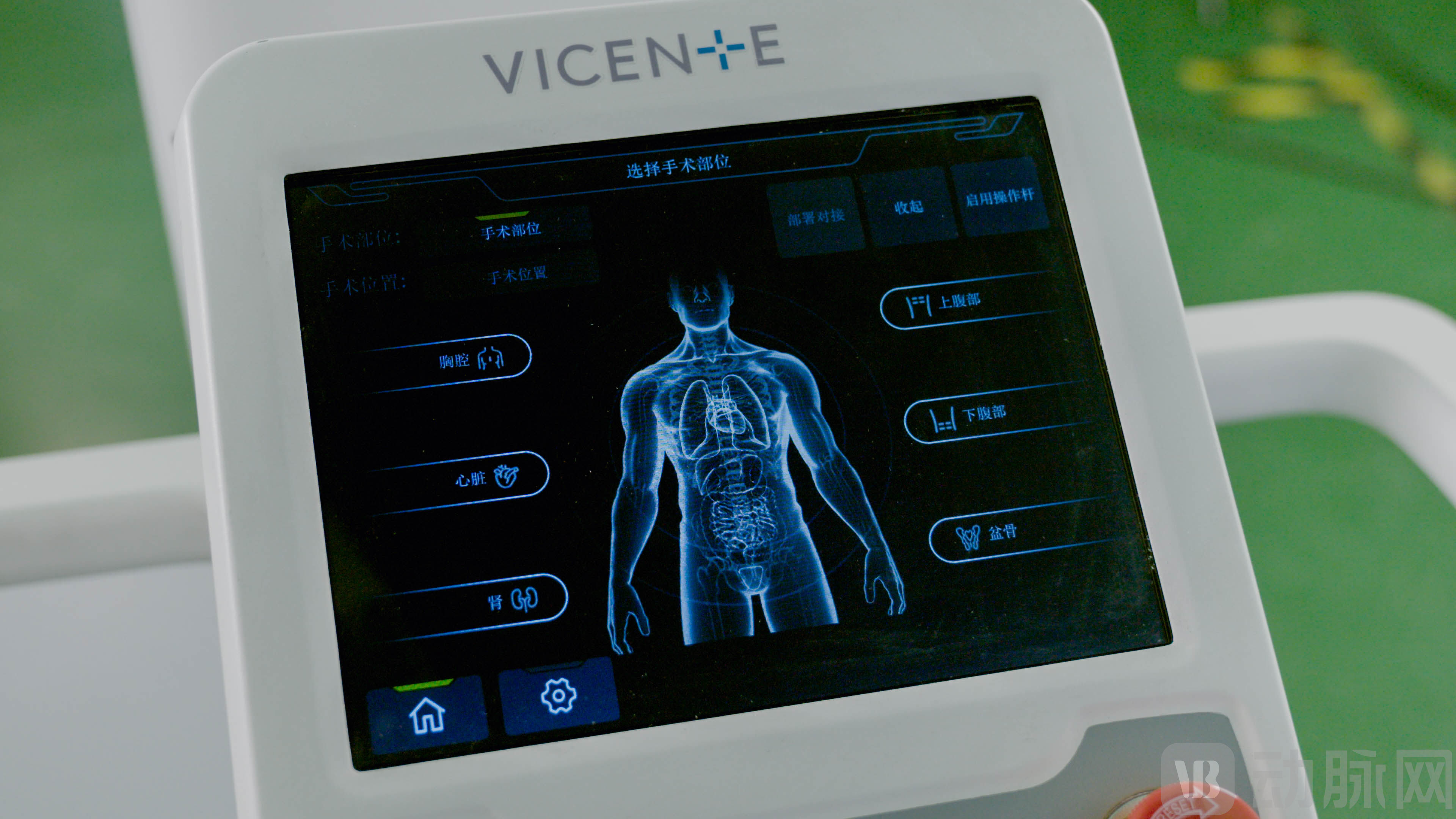
Vicent Next-Generation Multi-Arm Integrated Endoscopic Robotic Surgical System
Specifically,First, the visual system is a major differentiating highlight of the Wisent surgical robot., possessing multiple technical barriers, includingHigh-definition imaging, advanced image processing algorithms, 3D vision and depth perception, intelligent surgical navigation, and high stability, capable of providing a precise, real-time, and stable surgical field of view,Enhancing the safety and efficacy of surgical procedures. Notably, the 3D endoscope independently developed by Viscent Robotics has achieved international standards in its technical specifications. Equipped with 3D immersive visual technology, it delivers 1080P full high-definition imaging, featuring superior data transmission rates and enhanced field-of-view signal quality, while eliminating image noise and trailing artifacts. Furthermore, Viscent Robotics is exploring the integration of preoperative imaging data with laparoscopic visuals to annotate lesions, thereby assisting surgeons in performing procedures more effectively.
Second, the Visient surgical robot is capable of utilizing advanced minimally invasive surgical instruments and consumables, such as staplers and energy-based surgical devices.According to Wisent Robotics, most current surgical robot manipulator arms in enterprises are limited to operating simple instruments such as scalpels, scissors, forceps, and tweezers, performing basic actions like angular rotation and opening/closing. In contrast, leveraging advanced technologies—including high-precision manipulator arm design, advanced drive systems, multi-degree-of-freedom control, intelligent feedback systems, and modular design—Wisent’s surgical robots can execute complex maneuvers such as staple firing and blade deployment. This enables master-slave operation of advanced minimally invasive surgical instruments and consumables within the robotic system, ensuring a highly precise, stable, and flexible surgical process, thereby enhancing surgical quality and safety.
Third, Vicent Surgical Robot's active master manipulator technology and haptic feedback technology effectively reduce surgical risks.Its robotic arm operates with smoothness, stability, and reliability. The system also incorporates force recognition and early warning feedback for high-risk surgical procedures and maneuvers, enabling surgeons to assess the impact of forces on lesion tissues. Through intelligent assisted operation, real-time response, path planning, and high-sensitivity sensors, the Visent surgical robot achieves high precision and human-machine collaboration, significantly enhancing surgical accuracy and safety while improving the surgeon’s operational experience. The haptic feedback functionality currently under development will further elevate the clinical performance of the Visent surgical robot.
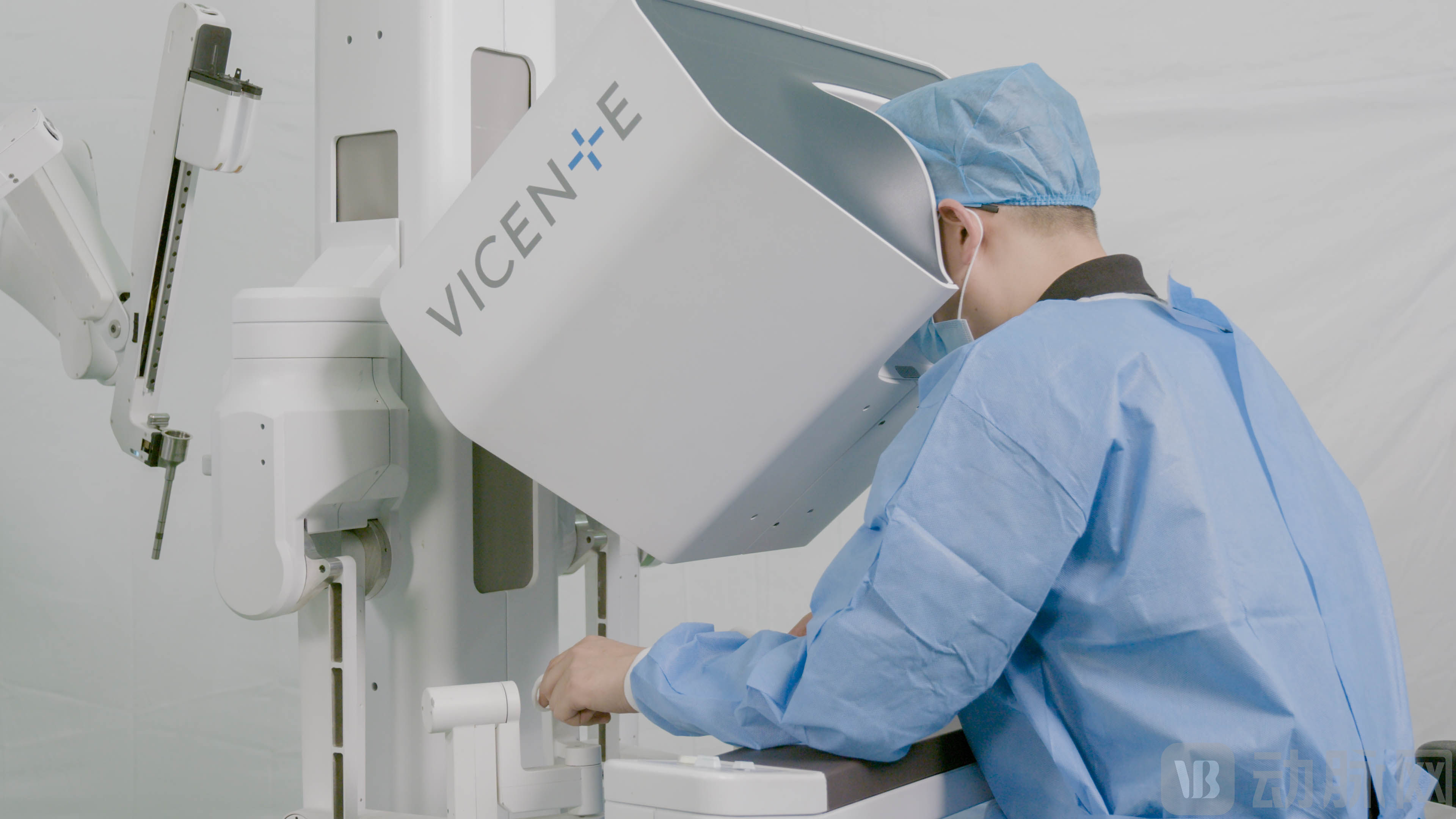
7-DOF Active Master Manipulator, Surpassing the Dexterity of the Human Hand
In addition, inTremor FilteringIn terms of stability, the Wisent surgical robot employs filtering algorithms to suppress signal peaks, complementing hardware-based filtering, and incorporates ergonomic design principles to structurally reduce tremor transmission. Equipped with high-degree-of-freedom robotic arms and proprietary motion control algorithms, the Wisent surgical robot can execute various complex maneuvers within the confined space of an operating room. The robotic arms can be flexibly equipped with 3D endoscopes and surgical instruments; by adjusting the arm positions, optimal surgical visualization and operational workspace can be achieved. Furthermore, the Wisent surgical robot leverages 5G transmission technology to enable remote surgical procedures, thereby further expanding its application scenarios and operational flexibility.
Vicent Robotics’ ongoing iterative innovation strategy also includes applying cutting-edge technologies to innovative solutions that address clinical needs. By establishing a global network of technological resources—comprising an integrated headquarters in China responsible for R&D, manufacturing, and commercialization; a new technology R&D center in the United States; and an experimental center in Mexico—the company continues to invest in developing upgrade modules for its surgical robotic systems. These modules include an embedded surgical data collection and processing system, a vision-based AI-assisted surgical system, and master-slave haptic feedback with automatic control systems. Through the integration of these advanced technologies, Vicent surgical robots will offer capabilities such as intraoperative real-time navigation, automated suture suturing, and automated stapler anastomosis, progressively enabling AI-driven automated surgery under physician supervision.
The core advantages of the product are inseparable from the support of a professional team. Behind the Visent surgical robot is a senior core team with multinational backgrounds.
Current CEO of Wisent RoboticsHolds a Ph.D. in Surgery and has over ten years of clinical experience. Prior to joining Visant, he held domestic and international positions at medical device giants such as Johnson & Johnson and GE, where he was responsible for sales leadership and corporate operational management.Current CTOis a robotics industry expert from the United States, who spent many years leading R&D teams at a global giant in surgical robotics and participated in the development of key systems for the latest generations of products. He later played pivotal roles in medical robotics projects at companies such as Google and Johnson & Johnson. Furthermore, the Wisent Robotics team includes multiple robotics researchers from universities in China and the United States, such asAI ConsultantHe is a scientist from Google’s R&D team, with a strong professional background in AI and machine learning. He has achieved multiple research breakthroughs and successful commercial applications in areas such as real-time sensor data collection, big data storage and processing, and AI applications in the healthcare sector. Meanwhile,Founder of Pelt MedicalAs a core member of the founding team of Wisent Robotics, he/she also provided strong strategic support to the company.
In addition, the parent company, Piert Medical, serves as a strong backing for the development of Visent Robotics. Inheriting Piert’s extensive experience in the production, R&D, and sales of minimally invasive surgical medical devices, as well as in supply chain management and cost control, Visent Robotics can more rapidly enter the surgical robotics sector and quickly establish a reliable brand reputation.
Specifically regarding surgical robot systems, on one hand, Pelt relies on its profound understanding of the clinical application of various minimally invasive surgical consumables both domestically and internationally,Provided valuable clinical data to Vicent Robotics, enabling targeted research and development., ensuring that surgical robots and consumables precisely meet clinical needs.
On the other hand, Perlove has a deep understanding of surgeons' operational habits and needs during surgical procedures, for the Vincent robotProvides a comprehensive solution for instruments and consumables to meet all the consumable needs of surgical robots in various complex surgical scenarios.。The Weisente surgical robot features the most comprehensive range of robot-specific surgical instruments in China, enabling the lead surgeon to independently perform key steps of various complex surgeries., enhance the quality and safety of surgeries, free up manpower for surgical teams, and improve hospital operational efficiency.

Up to 30+ complementary instruments, comprehensively meeting the needs of clinical surgical procedures
“A leading domestic expert in robotic surgery and an industry leader with the highest global volume of robotic gastrointestinal procedures has highly commended Viscent’s surgical robot team for their deep insights into clinical needs: ‘The Viscent surgical robot is compatible with staplers and automatic tissue clips, enabling its use in complex surgeries,’ ”I can perform the entire surgical procedure independently, eliminating the need for assistants to handle high-demand tasks such as vascular closure and gastrointestinal anastomosis, which require advanced surgical concepts, extensive experience, and refined techniques. Meanwhile, the quality and stability of the surgery have been significantly improved.”
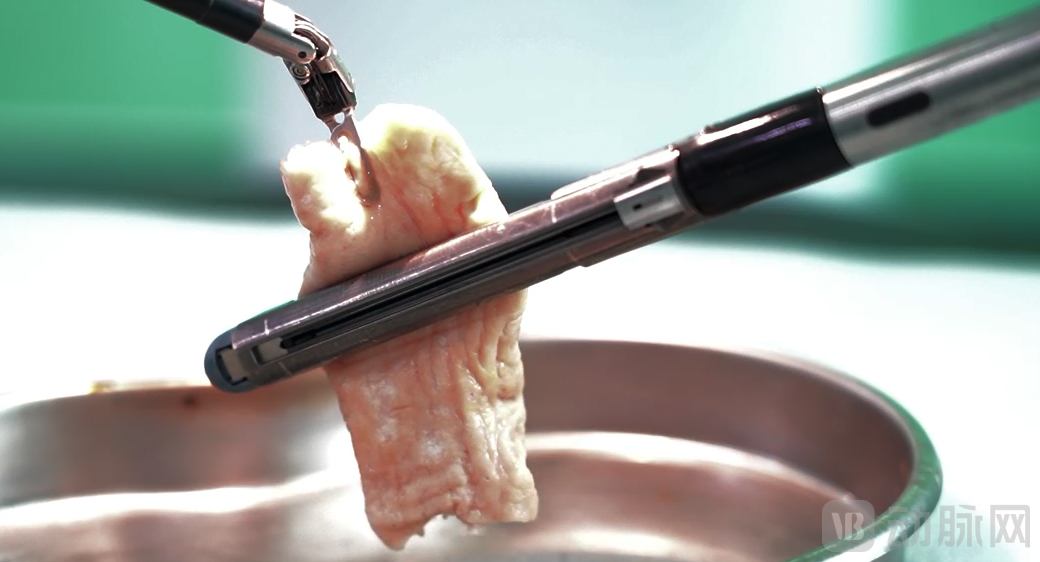
Wesent Stapler, Capable of Intelligently Detecting Tissue Thickness
Furthermore, Pelt alsoCustomized Product Development Based on the Specific Needs of Wisent Robots, designing and manufacturing high-quality consumables for minimally invasive surgical instruments suitable for robotic operations. This not only ensures the reliability of consumable quality during surgical procedures,It is also crucial to expand the surgical procedures performed by the Viscent surgical robot.. Empowered by Pelt, Wisent’s robotic solutions cover a wide range of surgical procedures across multiple departments and offer high scalability. The Wisent surgical robot is compatible with various instruments, and its robotic arms can be equipped with a variety of surgical instrument consumables,With the potential for broad coverage across cardiothoracic surgery, general surgery, gynecology, and urology.。

Automatic Tissue Closure Clip System: 6 Clips per Fire, Safe and Efficient
Since its establishment, the Vicent Robotics team has leveraged the advantages of Pelte’s extensive base of surgical users both domestically and internationally to continuously receive guidance from top laparoscopic surgical robotics experts and industry leaders in China, the United States, and Europe. In on-site operational experience evaluations, the Vicent Surgical Robotic System has also garnered high acclaim from experts at home and abroad, particularly earning widespread recognition for its visual experience, ability to meet customer needs, effectiveness in addressing physicians’ pain points, high-performance stapler system, and forward-looking energy surgery devices.
In terms of commercialization pathways, most companies in the industry are currently following the Da Vinci model, starting with the simplest robotic urological surgeries before expanding to other specialties. AndVincen Robotics adopts a strategy of first entering the general surgery sector to establish a solid market foundation, then gradually expanding into thoracic surgery, and further extending into urology and gynecology, thereby achieving broader market coverage and sustained growth.
The Visonic Surgical Robot Can Meet the Needs of Various Surgeries in Different Specialties
This is partly because Parete’s core user base is concentrated in general surgery and thoracic surgery, providing Viscent Robot with a unique entry advantage; it is also a strategic decision made by Viscent Robot after comprehensive consideration of market space and potential.
Unlike urological surgery, which is relatively simple, easier to obtain regulatory approval for, but has limited market share and intense competition, general surgery presents moderate technical difficulty. Clinical data indicate that both the incidence rate and surgical volume in general surgery are high. Based on the annual number of new cases and compound annual growth rate (CAGR) of representative oncological diseases in the primary departments where laparoscopic surgical robots are applied, as well as an analysis of surgical volumes across various departments using Intuitive Surgical’s robotic systems,In the future, surgical demand will be greater in the field of general surgery, represented by general and thoracic surgery, making it the core application scenario for surgical robot products.。
Weisente Surgical Robot Focuses on the Field of General Surgery,Poised to launch the market’s first surgical robot centered on general surgery, its product differentiation strategy is highly aligned with actual market demands, highlighting Vision Robotics’ forward-looking technological positioning and robust technical capabilities in addressing the needs of more complex surgeries and meeting high-demand clinical applications, thereby laying a solid foundation for future commercial success.
Founded in 2002, Paite Medical is a subsidiary of Xiamen ITG Health Technology, which is under Xiamen ITG Co., Ltd. (Stock Code: 600755), a core enterprise of the Fortune Global 500 Xiamen ITG Holding Group. It is a leading provider of intelligent minimally invasive surgical solutions in China.Pelt Medical’s robust commercialization capabilities in both domestic and international markets also provide a guarantee for the future commercial deployment of the Visent surgical robot.Paiter has over 20 years of experience in the production and sales of medical devices, with sales evenly split between the domestic and international markets.Covering over 80 countries and regions worldwide. As of December 31, 2023, according to Frost & Sullivan data, Pelt MedicalMaintain the No. 1 position among all domestic surgical stapler manufacturers, accounting for approximately 15.7% of sales volume. From 2016 to 2023,Ranked No. 1 in Export Volume for 8 Consecutive Years. Paite’s extensive and in-depth sales channels and customer relationship network have provided strong support for the product promotion and market penetration of Wisent robots.
Vincen Robotics possesses significant commercialization advantages. Paiter has established long-term, stable cooperative relationships with numerous domestic and international hospitals, demonstrating extensive hospital coverage. It has entered over 1,300 hospitals in the Chinese market, including more than 400 Grade A tertiary hospitals, and its products are used by over 15,000 surgeons worldwide. According to Intuitive Surgical’s 2023 financial report, proprietary consumables accounted for more than 60% of the total revenue generated by the da Vinci Surgical System. Strong sales capability for surgical consumables is a critical component of successful commercialization for surgical robots. Paiter’s years of accumulated industry resources and robust commercialization capabilities for minimally invasive surgical consumables,This has ensured the rapid adoption of the Wisent surgical robot system in hospitals and the widespread use of its dedicated consumables, thereby increasing market share and brand influence in the short term and achieving successful commercialization.
Looking ahead, Viscent Robotics’ immediate priority is to initiate clinical trials to further validate the safety and efficacy of its surgical robots, ensuring a compliant market launch upon obtaining the necessary regulatory approvals. Concurrently, the company will accelerate the construction and commissioning of its manufacturing facilities to rapidly capture market share. In the long term, backed by the substantial capital support of Xiamen ITG Holding Group and empowered by global market access, and facilitated by Paltier Medical’s steady implementation of its market-oriented, international, and securitization-driven business strategy, Viscent Robotics plans to gradually expand into general surgery, urology, and thoracic surgery. The company will continue to drive technological innovation, develop a broader range of surgical robots and complementary consumables, and diversify its product portfolio to meet the demands of various surgical procedures. Building on a solid domestic foundation, Viscent Robotics will progressively expand into international markets, enhancing its global brand influence and market share, with the aim of becoming a leading player in the surgical robotics industry.