

Chengnuo Medicine's iPSC-Derived Cell Therapy ALF201 Demonstrates Favorable Safety Profile in Phase I Trial for Acute Ischemic Stroke at CSA&TISC 2024 Forum
Stem cell-related research has become a cutting-edge, strategic emerging field.
Driven by technological, market, and other related factors, China’s stem cell industry is experiencing robust growth. Relevant authorities have successively introduced a series of policies to accelerate the translation and application of stem cell research, thereby unlocking its greater potential. As a breakthrough emerging therapy, stem cells have demonstrated immense potential in treating various complex and refractory diseases, including cancer, infectious diseases, and chronic conditions.
Stroke has surpassed cancer and cardiovascular diseases to become the leading cause of disability and death among residents in China. Acute ischemic stroke accounts for approximately 80% of all strokes, characterized by high incidence, high recurrence rates, and poor prognosis. The key to treating acute ischemic stroke lies in the early recanalization of occluded vessels to salvage the ischemic penumbra. Vascular recanalization therapy has evolved from intravenous thrombolysis to endovascular treatment over more than three decades of research, achieving remarkable progress and saving countless lives. However, clinical challenges remain, such as patients missing the therapeutic time window for recanalization or experiencing unsuccessful recanalization.
On June 16, the “Stroke and Cell Therapy” sub-forum of the 10th Academic Annual Meeting of the Chinese Stroke Association and the Tiantan International Stroke Conference 2024 (CSA & TISC 2024), co-hosted by the Chinese Stroke Association and the Alliance of Life Science Societies under the China Association for Science and Technology, was grandly held. The forum explored the potential application of cell therapy in acute ischemic stroke and shared partial results from the Phase I clinical trial of the first induced pluripotent stem cell (iPSC)-derived drug approved for Investigational New Drug (IND) application in China, developed by Beijing Regenomed Tech Co., Ltd. (hereinafter referred to as “Regenomed”), demonstrating a favorable safety profile. Attending experts expressed strong interest in the latest progress of Regenomed’s R&D products.
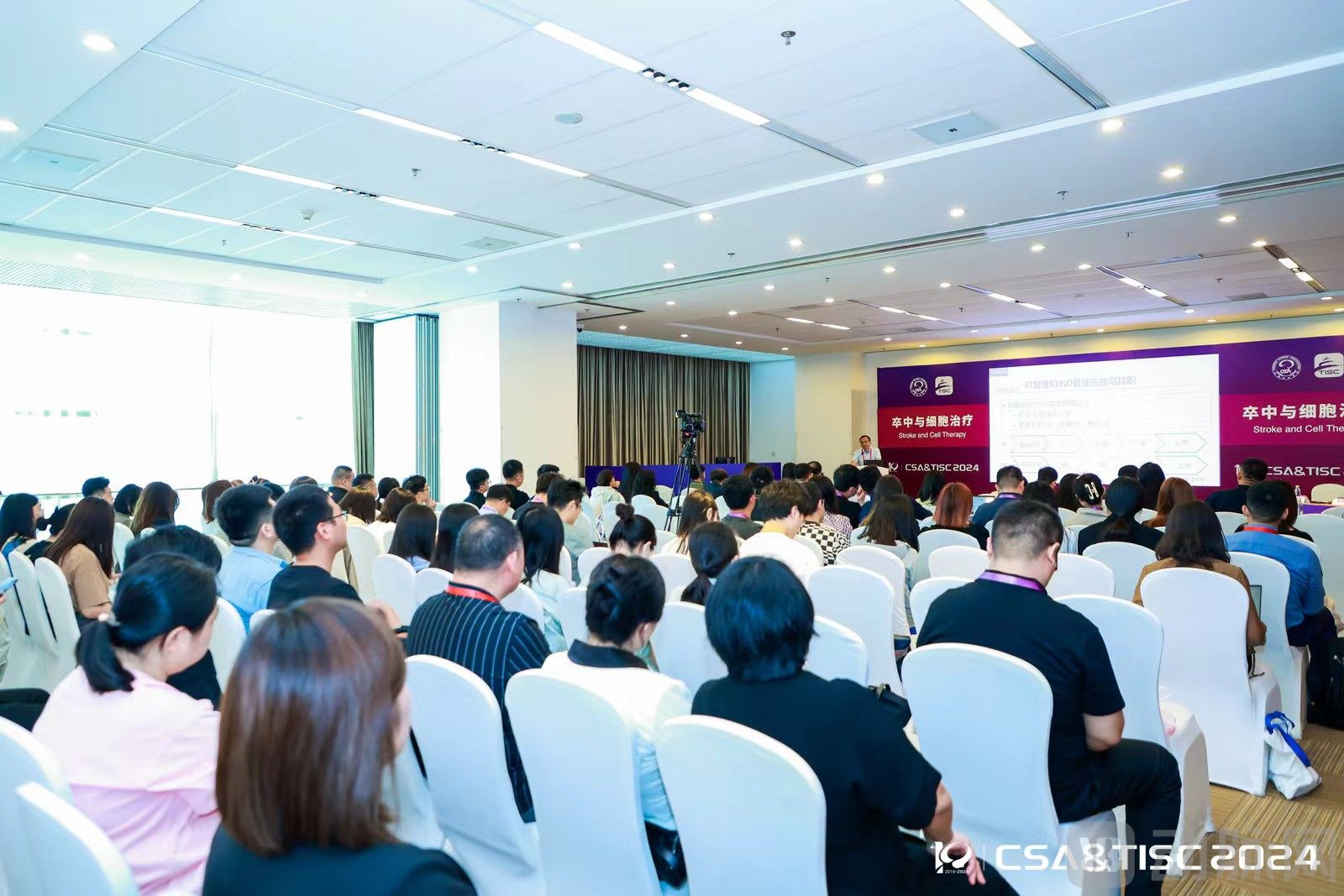
Stem Cell Clinical Research Should Be Patient-Centered and Continuously Optimize Clinical Trial Designs
Professor Zhao Xingquan, Beijing Tiantan Hospital, Capital Medical UniversityDelivering the opening address at the forum, he noted that patients with acute ischemic stroke, particularly those with severe cases, face significant challenges in functional recovery, and that current physical and rehabilitative therapies have certain limitations. In recent years, the medical community has actively explored the application of stem cells in stroke treatment and has seen some promising results. He recommended establishing a Brain Cell Therapy Alliance to discuss international developments and evaluation frameworks, thereby promoting the clinical application of stem cells in stroke treatment.
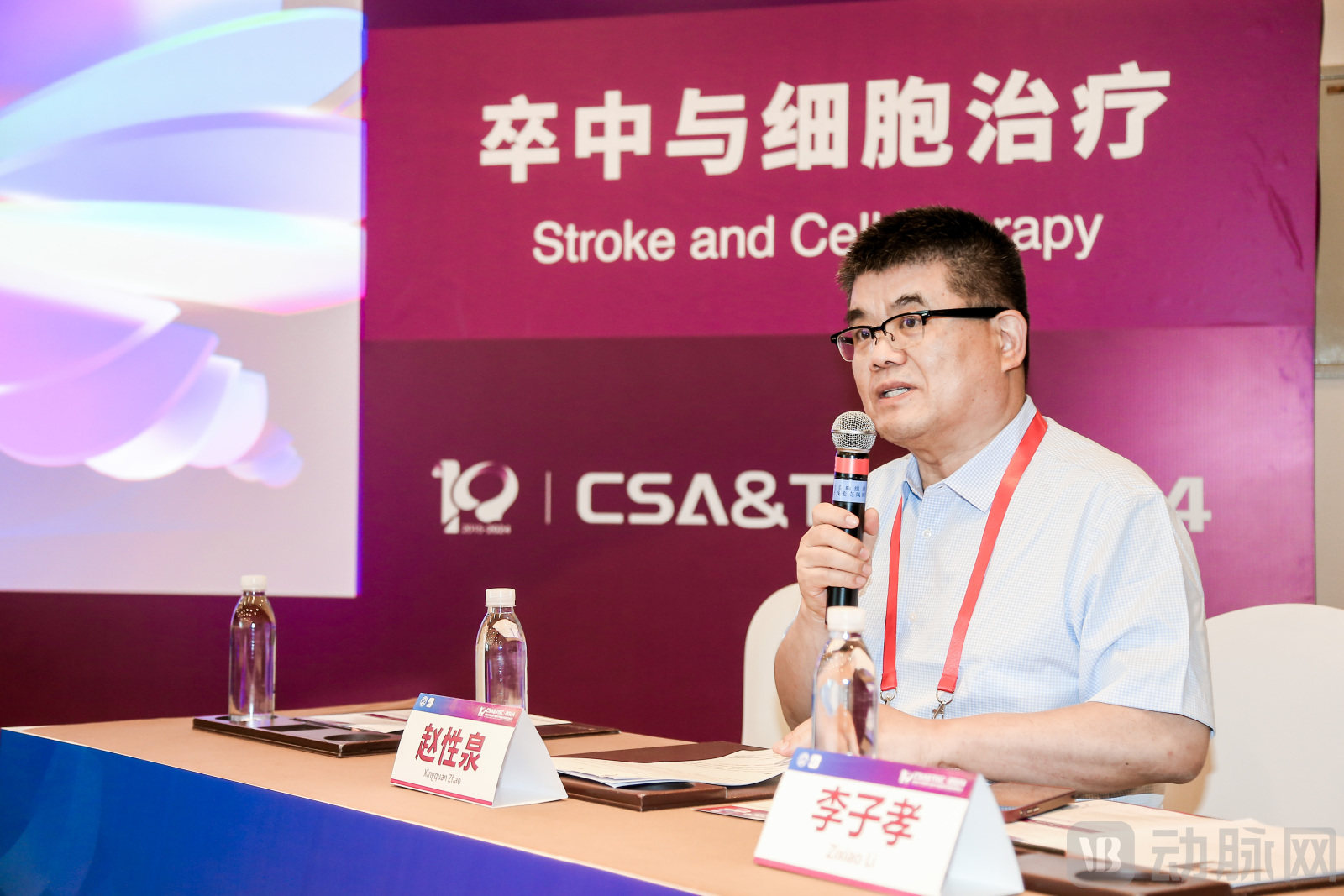 Professor Zhao Xingquan, Beijing Tiantan Hospital, Capital Medical University
Wu Zhaohui, Resident Vice Chairman of the China Medical Biotechnology Association and President of the Editorial Department of China Medical BiotechnologyAn Overview of the Management and Progress of Clinical Research in Cell Therapy in ChinaCurrently, there are two types of clinical research in cell therapy in China: investigator-initiated clinical studies and registrational clinical trials regulated by the Center for Drug Evaluation (CDE) of the National Medical Products Administration. Both types must adhere to corresponding regulatory frameworks. Data indicates a gradual increase in the number of registrational clinical trials accepted by the CDE as well as investigator-initiated clinical studies. The management procedures for investigator-initiated clinical studies are being continuously optimized to encourage high-quality and innovative clinical research. It is hoped that these research achievements will be translated into clinical practice at an early date, thereby serving public health and advancing the development of clinical medicine.
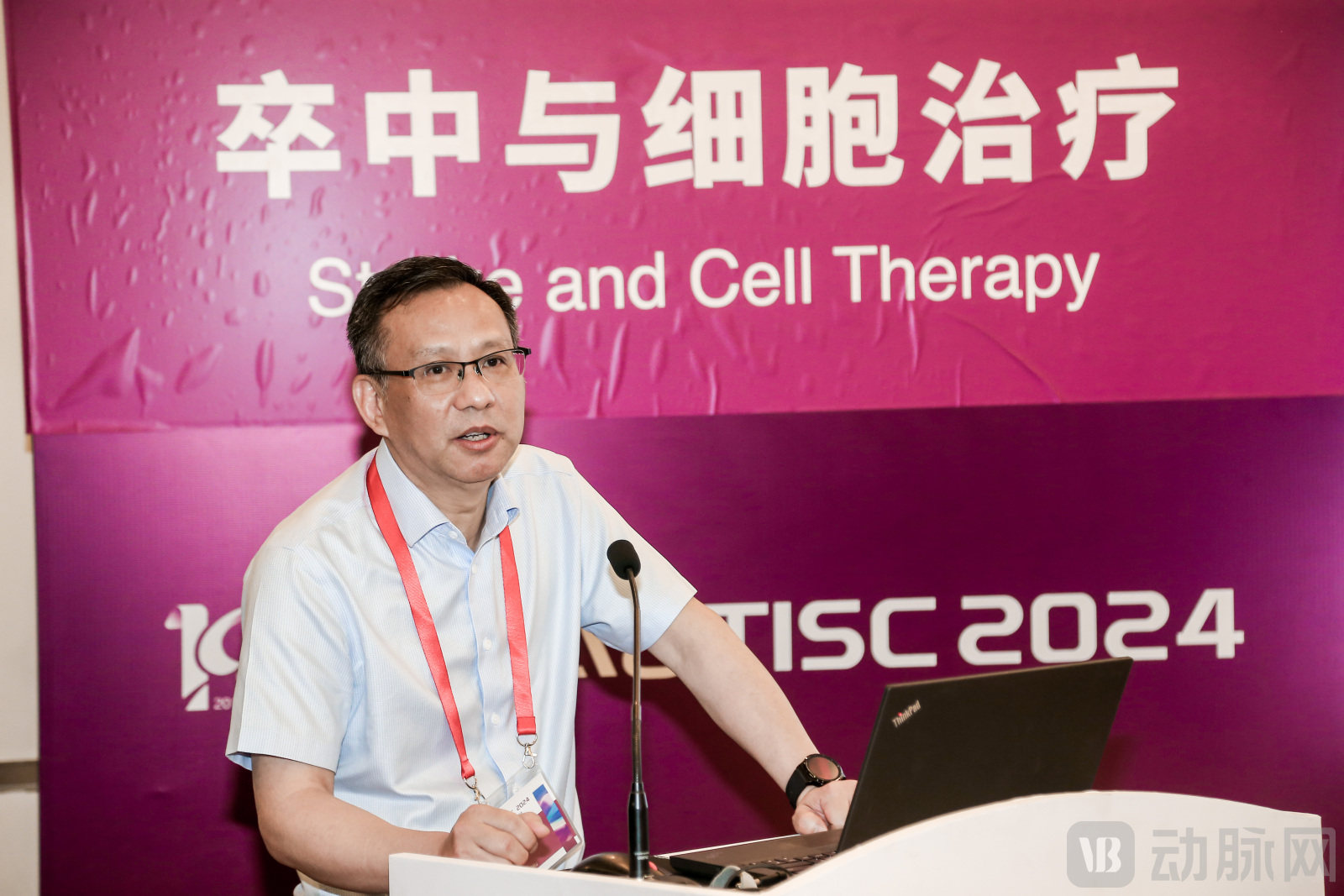 Wu Zhaohui, Resident Vice Chairman of the China Medical Biotechnology Association and President of the Editorial Office of China Medical Biotechnology
Dr. Wan Zhihong, Former Reviewer at the Department of Clinical Biologics, Center for Drug Evaluation (CDE) under the former China Food and Drug Administration (CFDA), and Chief Scientist at Boji Pharmaceutical Technology Co., Ltd.shared regulatory considerations for the clinical development of stem cell therapy products. Since the clarification of regulatory policies for stem cell therapies in 2017, oversight of stem cell clinical research has become increasingly comprehensive. In the clinical trial design for stem cells, a patient-centric approach must be adopted; dose escalation should be closely aligned with the indicated indications, and risk management throughout the entire process along with long-term follow-up must be ensured, while simultaneously evaluating the benefit-risk profile and key clinical endpoint indicators.
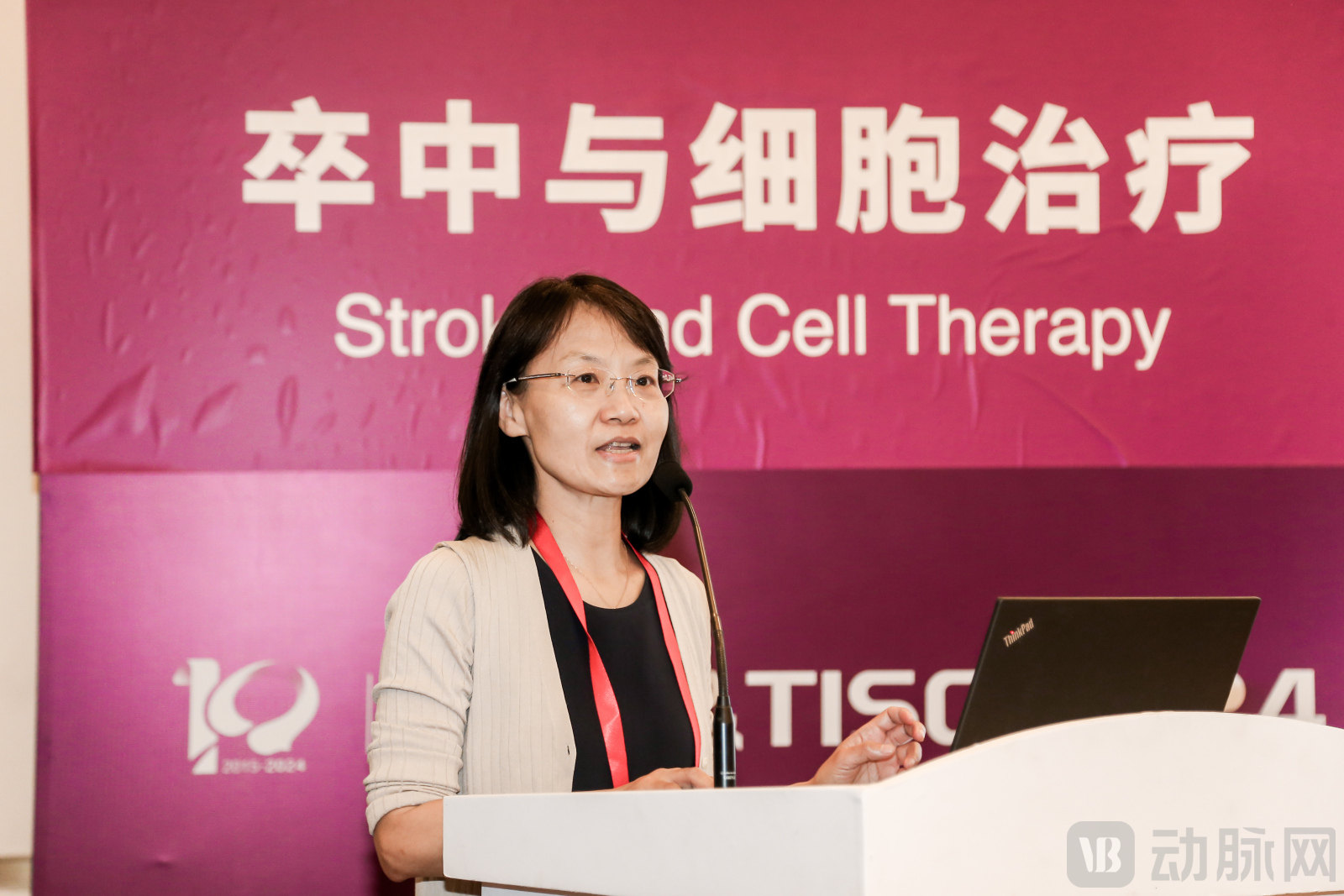 Dr. Wan Zhihong, Former Reviewer at the Biological Products Clinical Department of the Center for Drug Evaluation (CDE) under the former China Food and Drug Administration (CFDA), and Chief Scientist at Boji Pharmaceutical Technology Co., Ltd.
ALF201 Completes Enrollment of All Subjects; Preliminary Data Show Favorable Safety and Tolerability
iPSC reprogramming and directed differentiation technologies have made it possible to mass-produce functional human cells, offering broad application prospects and potential across various disease areas. Globally, with the United States and Japan serving as pioneers, numerous companies have strategically positioned themselves in iPSC-based cell therapy. Leveraging support from multiple stakeholders, including the biopharmaceutical industry and regulatory agencies, many Chinese enterprises and institutions have also achieved remarkable progress in research and development.
Influenced by factors such as the blood-brain barrier, the pathogenesis of neurological diseases is complex and difficult to reverse. Taking acute ischemic stroke as an example, the current standard clinical treatment involves reperfusion therapy within the therapeutic time window. However, there remains a lack of effective treatments for established vascular and neuronal injury, as well as for patients who have exceeded the time windows for intravenous thrombolysis or arterial thrombectomy.
Accordingly,Professor Gu Yuchun, Founder, Chairman, and Chief Medical Scientist of Chengnuo Medicine, delivered a keynote presentation titled “Exploring the Application of iPSC-Derived Functional Cells in Neurological Diseases.”He noted that iPSC technology enables scalable and standardized cell manufacturing, reducing costs and improving product consistency, with the potential to drive more innovative cell therapies into clinical application. iPSC-derived endothelial progenitor cells (EPCs) are associated with stroke recovery, myocardial infarction treatment, and neural regeneration; they help restore the blood-brain barrier to control inflammation by repairing damaged endothelium, while their pro-angiogenic effects also contribute to neuroprotection and repair. Oligodendrocyte precursor cells (OPCs) hold promise for treating multiple sclerosis by repairing nerve damage through remyelination. Meanwhile, exosomes, as ethically uncontroversial cell-secreted carriers, possess gene delivery potential and can be used for targeted treatment of neurological disorders.
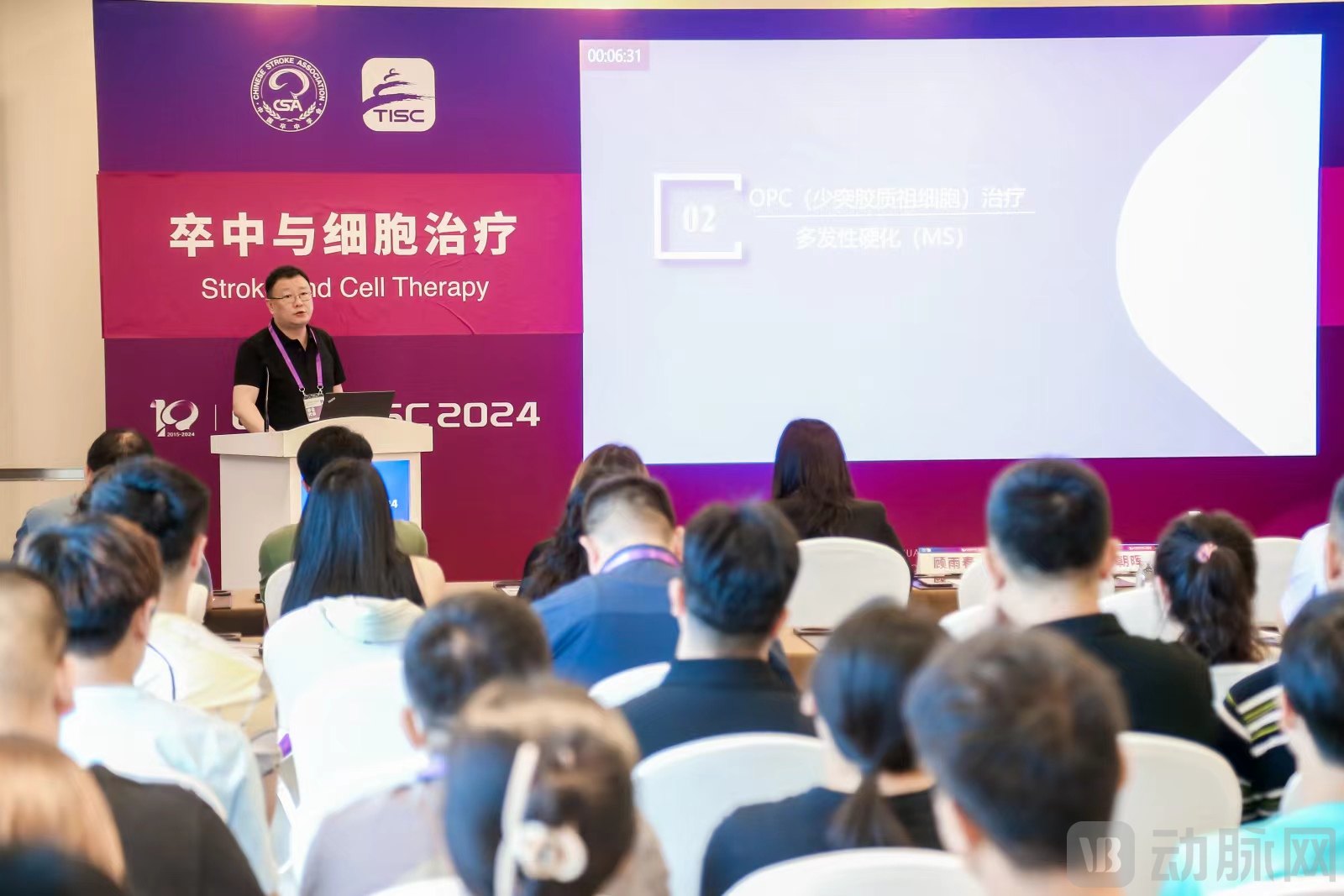 Professor Gu Yuchun, Founder, Chairman, and Chief Medical Scientist of Beijing Regenmed Technology Co., Ltd. (Regenmed)
Chengnuo Medicine is a leading enterprise in China’s stem cell industry. In April 2022, ALF201 Injection (Acceptance Number: CXSL2200090), an iPSC-derived cellular therapy product developed by Chengnuo Medicine for the treatment of acute ischemic stroke, received implicit approval for clinical trials from the Center for Drug Evaluation (CDE) of the National Medical Products Administration of China.
ALF201 is an allogeneic endothelial progenitor cell (EPC) injection derived from iPSC-directed differentiation, representing the world’s first candidate product approved for clinical trials in the treatment of acute ischemic stroke. As a result, Chengnuo Medicine has become the first domestic iPS stem cell pharmaceutical company to file an Investigational New Drug (IND) application for a First-In-Class therapy. The approval of ALF201 marks a significant milestone in China’s iPSC field. Previous trial data have demonstrated that EPC therapy offers numerous advantages in treating acute ischemic stroke: it rapidly reaches sites of ischemic injury to promote vascular repair, restores the blood-brain barrier, and improves inflammatory conditions in the cerebral microenvironment; accelerates the establishment of collateral circulation to quickly restore vascular networks; secretes various neurotrophic factors to promote the proliferation and differentiation of neural stem cells, thereby repairing damaged neural networks; and simultaneously recruits oligodendrocytes to local brain injury sites for myelin repair, facilitating neurological functional recovery.
Currently, ALF201 has completed enrollment for all Phase I trialsAt the "Stroke and Cell Therapy Forum," relevant experts and heads of clinical centers introduced the product's quality and manufacturing processes, and shared some clinical research findings.
Dr. Zhang Huiyuan, Managing Partner and Head of CMC at Chengnuo MedicineA detailed exposition was provided on the process development and quality studies of ALF201, an allogeneic endothelial progenitor cell injection product derived from induced pluripotent stem cells (iPSCs). He pointed out that the process development of ALF201 requires comprehensive and essential quality studies grounded in a deep understanding of iPSC-derived cell therapy products. This approach enables risk control over critical processes and materials, thereby ensuring the safety and efficacy of the product in clinical applications while balancing cost-effectiveness with product quality.
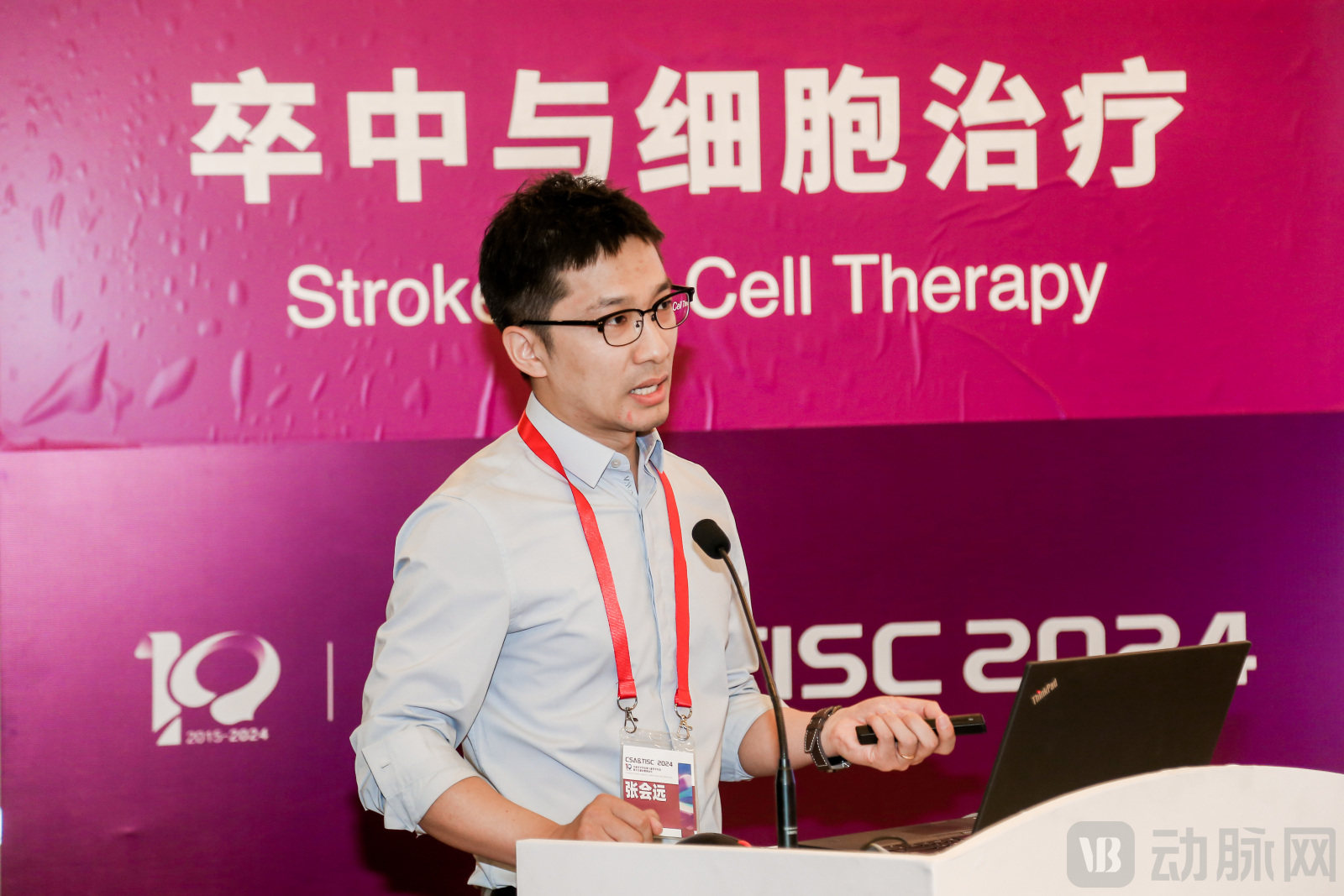 Dr. Huiyuan Zhang, Managing Partner and Head of CMC at Chengnuo Medicine
Subsequently, heads of several clinical centers shared relevant clinical findings on ALF201; preliminary data demonstrated a favorable safety profile and underscored the therapeutic potential of ALF201 in acute ischemic stroke.
Professor Zhang Qian, Expert at the Neurology Center of Beijing Tiantan HospitalIt was pointed out that stem cells exert their effects through two mechanisms: differentiation and paracrine signaling. Endothelial progenitor cells (EPCs) directly replace and repair damaged endothelium by differentiating into vascular endothelial cells, while also improving the tissue microenvironment through the paracrine release of trophic factors, chemokines, and other mediators to facilitate repair. Professor Zhang also introduced the ongoing clinical study, which is a multicenter, randomized, double-blind, placebo-controlled, dose-escalation trial. The primary objective is to evaluate the safety and tolerability of the drug, with exploratory assessments of preliminary efficacy. The inclusion criteria primarily target patients within 7 days of onset who have scores ranging from 6 to 24. To date, enrollment for Phase I has been completed with all 27 subjects recruited. Current data indicate relatively high acceptability and compliance among participants. Further data are anticipated to provide real-world evidence to support the conduct of future Phase II clinical trials.
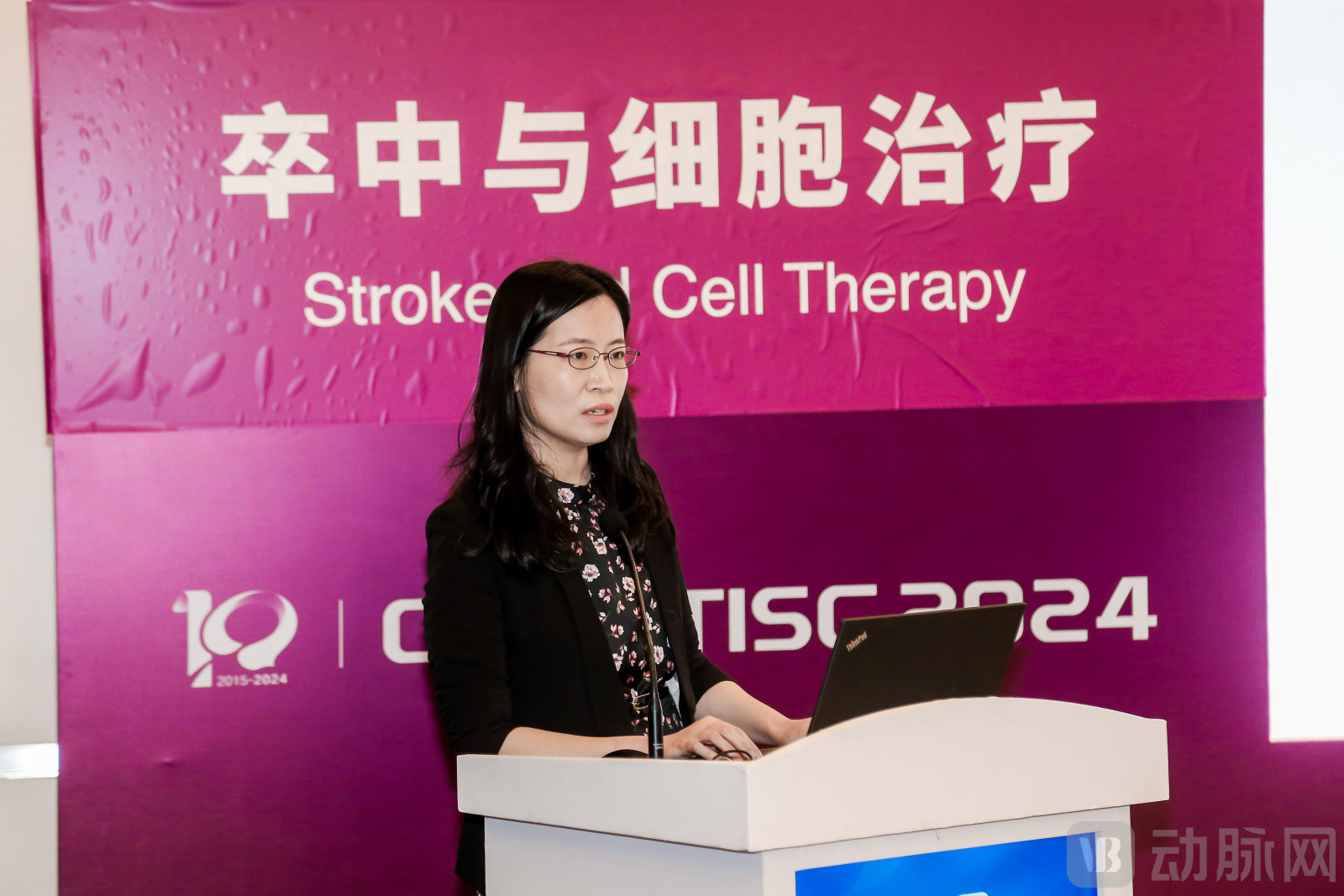 Professor Zhang Qian, Neurology Expert at Beijing Tiantan Hospital
Song Haiqing, Chief Physician, Department of Neurology, Xuanwu Hospital, Capital Medical UniversityA detailed overview was provided on patient enrollment, treatment, and follow-up at the Xuanwu Branch Center. To better align with the clinical needs of the target patient population, participants with relatively more severe conditions were selected. At the current follow-up stage, favorable safety profiles have been observed, raising expectations for offering additional therapeutic options to patients with moderate-to-severe stroke.
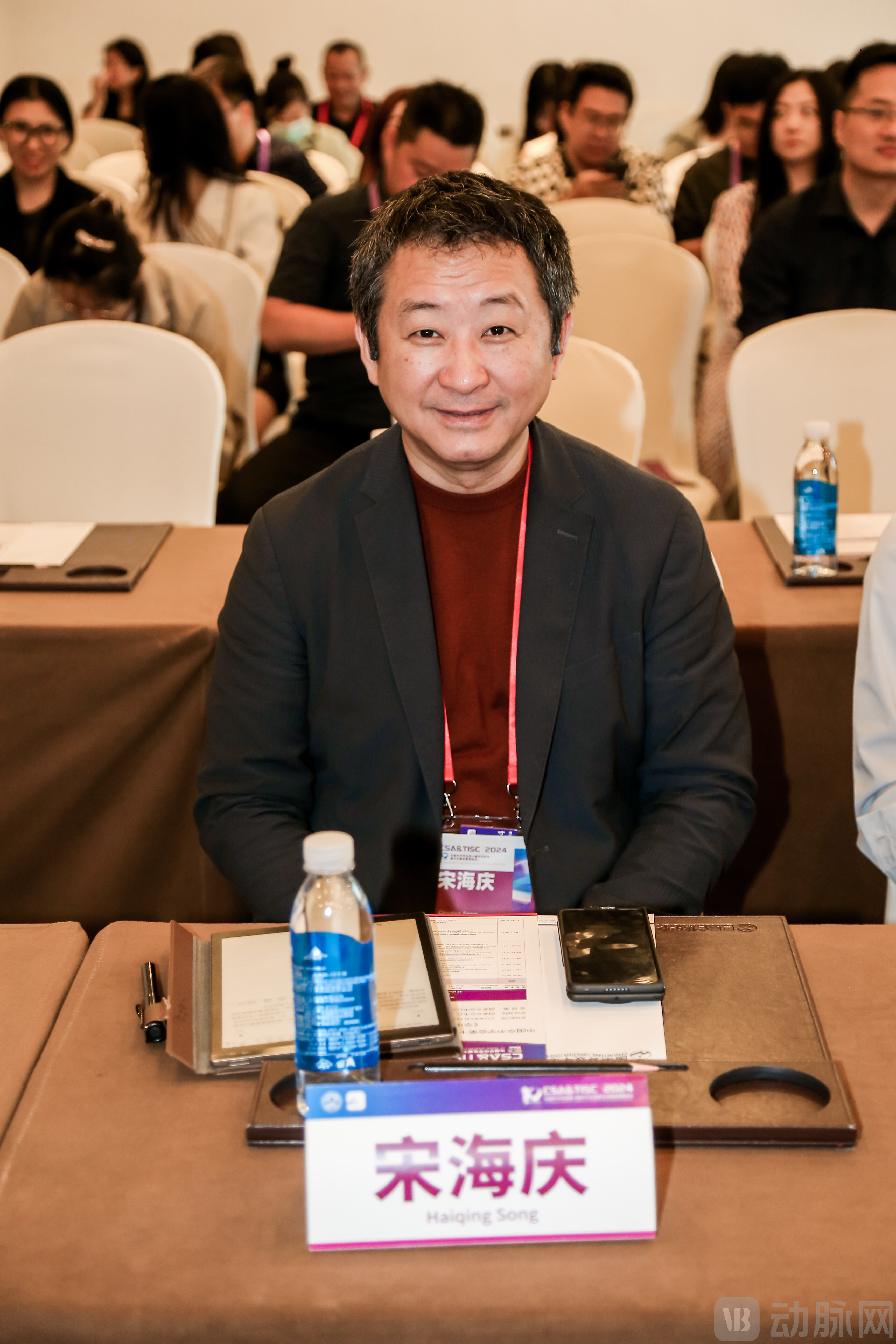 Song Haiqing, Chief Physician, Department of Neurology, Xuanwu Hospital of Capital Medical University
Wang Ziran, Director of the Stroke Center at Linyi People's HospitalThe overall status of the 11 enrolled patients at the center was presented. Due to strong confidence in the drug’s quality and safety, patients with higher NIHSS scores were selected for enrollment in the trial. It was further posited that ALF201 could yield greater clinical benefits, particularly in the treatment of severe acute ischemic stroke, thereby addressing current unmet clinical needs.
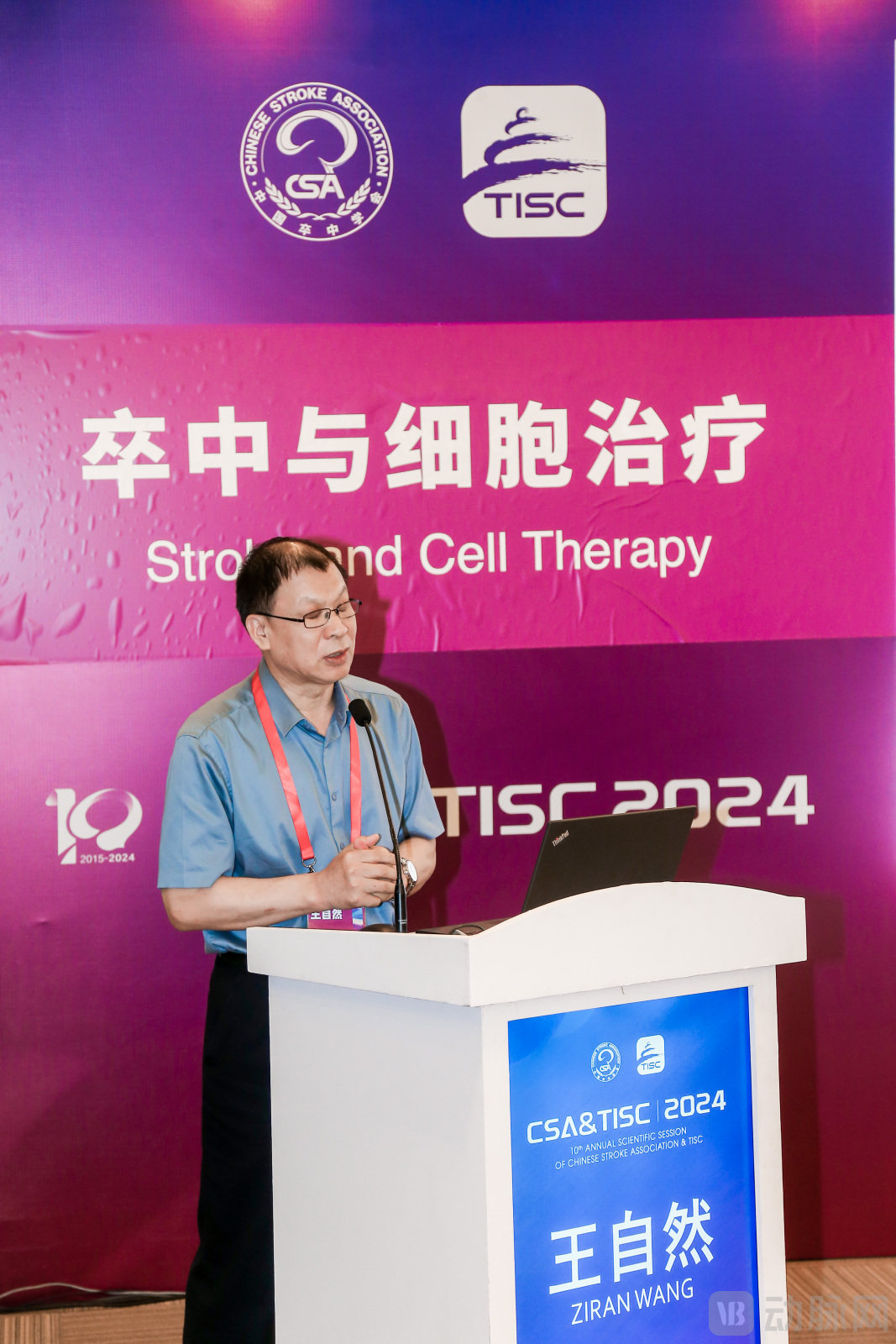 Wang Ziran, Chief Physician of the Stroke Center, Linyi People's Hospital
Dai Hongguo, Director of the Emergency Department, Linfen Central HospitalAs a representative of the clinical trial center, I shared an overview of patient enrollment and insights into project management. As one of the few research units with the Emergency Department serving as the clinical hub, we enrolled a total of six patients through multidisciplinary collaboration within the hospital. All patients demonstrated favorable safety profiles and recovery outcomes.
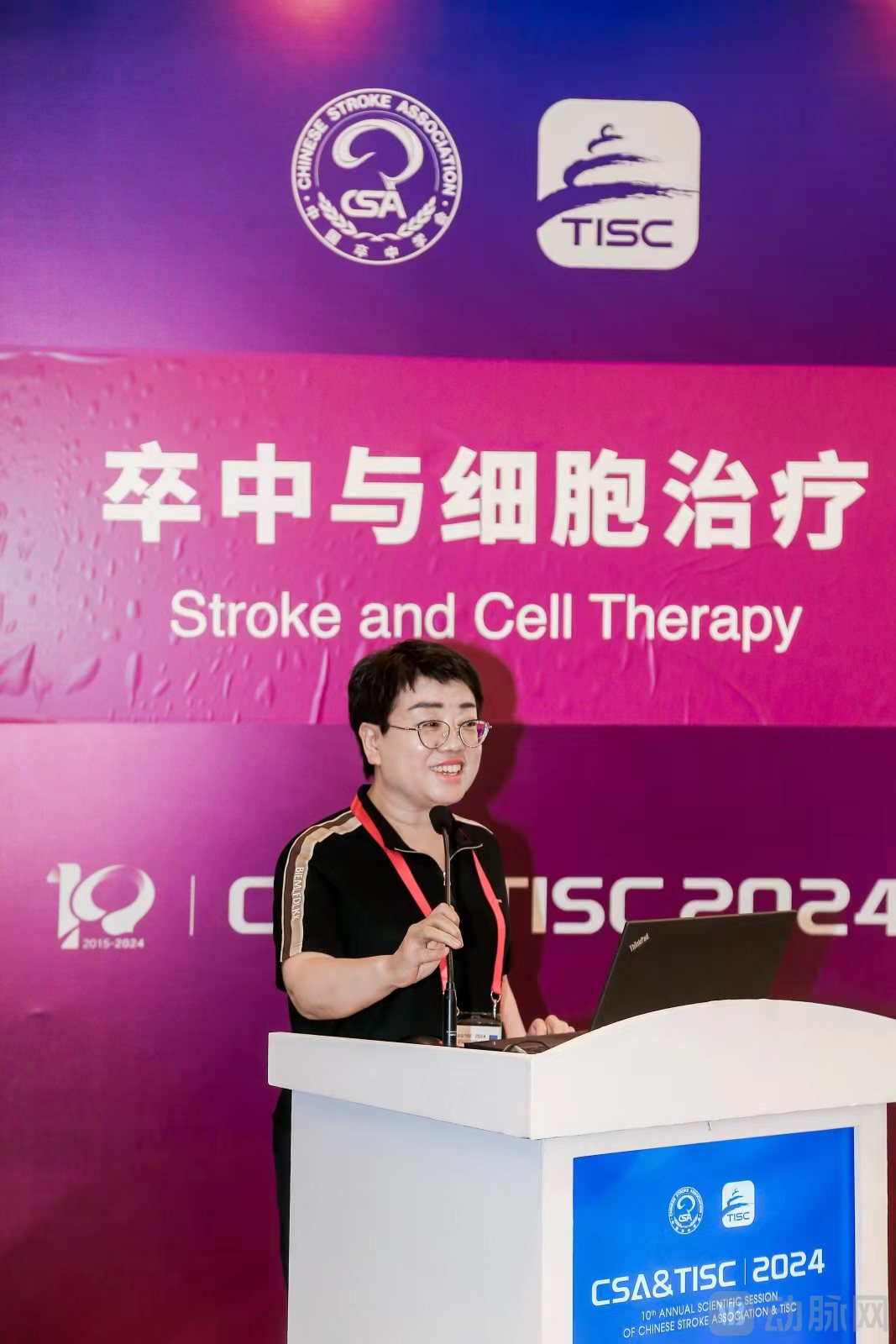 Dai Hongguo, Director of the Emergency Department, Linfen Central Hospital
Physicians at all clinical centers stated that the current trial progress is highly encouraging, and endothelial progenitor cells may hold potential for the prevention and treatment of cardiovascular and cerebrovascular diseases in the future.
From “Crazy Therapy” to “Tangible Reality”
Regenerative medicine approaches, such as stem cell therapy, can facilitate the repair of tissue damage. In particular, endothelial progenitor cells can repair vascular endothelial injury and improve cerebral microcirculation, thereby promoting neurological recovery, reducing disability rates and severity, and lowering recurrence rates. These therapies hold promise as new treatment options for patients with cardiovascular diseases and acute ischemic stroke.
As Professor Zhao Xingquan pointed out after the forum, cell therapy approaches once deemed “crazy” just a few years ago are now gradually achieving large-scale production and entering clinical trials, thanks to cutting-edge technologies such as induced pluripotent stem cells (iPSCs), thereby becoming viable for clinical application.
“If we continue to rely on traditional governance models to manage diseases such as cancer, patients’ disease progression may not afford us sufficient time to respond. Therefore, looking ahead, we hope to leverage the platform of the National Clinical Research Center for Disease, along with our stem cell research team and alliance, to achieve breakthroughs in the field of stem cell therapy and provide more robust evidence for the Chinese medical community,” said Professor Zhao Xingquan.
Based on the current performance of ALF201, we have reason to believe that, through the collaborative efforts of the industry, regulatory authorities, and innovative enterprises, stem cell products will undoubtedly deliver broader clinical benefits to patients while ensuring safety and efficacy.