

Changzhou's Entry into Synthetic Biology Achieves Over RMB 10 Billion Annual Revenue: Strategic Accumulation or Riding the Trend?
Synthetic biology is hailed as the third biotechnology revolution, following the “discovery of the DNA double helix structure” and the “Human Genome Project,” marked by the engineering-based design and synthesis of genomes. Currently, more than 40 countries and over 500 institutions are funding synthetic biology research. Countries and regions including the United States, the United Kingdom, the European Union, Japan, Canada, Australia, and Singapore have all implemented policies to guide and support the development of synthetic biology.
According to data from Arizton’s 2022 Global Synthetic Biology Report, the global market size was approximately USD 10.13 billion in 2021 and is projected to reach USD 38.73 billion by 2027.
In May 2022, the National Development and Reform Commission issued the “14th Five-Year Plan for Bioeconomy Development,” proposing to promote the integrated innovation of biotechnology and information technology, and to accelerate the development of multiple industries, including biomaterials, bio-agriculture, and biopharmaceuticals. Guided by national macro-strategies, multiple provinces and municipalities, such as Shanghai, Shenzhen, Hangzhou, Tianjin, and Shandong, have begun to lay out their synthetic biology industries, with Shenzhen, Hangzhou, and other regions having already introduced specialized industrial support policies.
In the "Guiding Opinions of the Jiangsu Provincial People's Government on Accelerating the Cultivation and Development of Future Industries," the synthetic biology industry is also designated as one of the key priorities for future industrial development. Among them,Changzhou, JiangsuLeveraging its deep-rooted manufacturing foundation and comprehensive industrial ecosystem, it is accelerating to seize the emerging opportunities in the synthetic biology industry.
Currently,Changzhou is home to 72 key enterprises in the field of synthetic biology, including well-known companies such as Trautec Medical, Institute of Materia Medica, Changmao Biochemical Engineering, Kangrun Biotechnology, and Sangao Biology. In 2023, their total main business revenue reached RMB 9.738 billion. Currently, the city has prioritized the development of three major industrial parks and six innovation platforms, with 21 projects under construction and a total investment exceeding RMB 10 billion.
To further enhance the industry’s awareness of Changzhou’s robust deployment and accumulated advantages in the field of synthetic biology, the Changzhou Cyberspace Administration recently hosted the “Smart Changzhou, Anchoring the Future – Synthetic Biology Media Tour” event. Professional media outlets such as VCBeat, along with financial self-media influencers and prominent Weibo key opinion leaders (KOLs), were invited to participate.
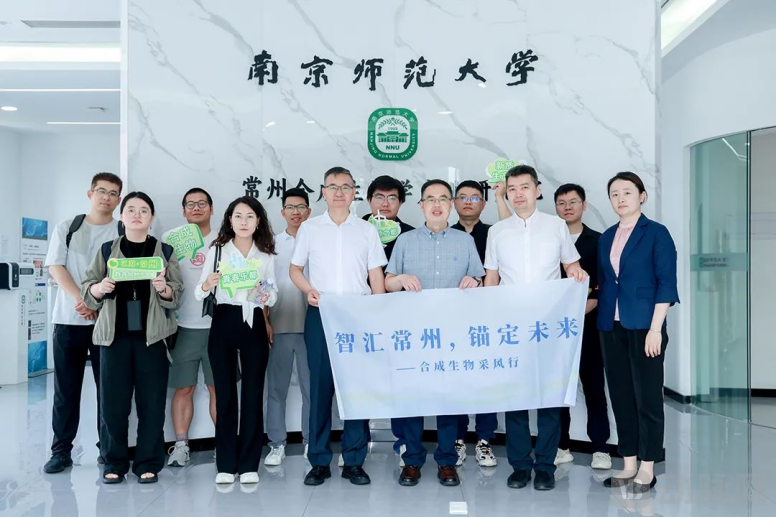
Through this event, in-depth investigations and surveys were conducted on synthetic biology research institutes and enterprises established in Changzhou, including the Institute of Synthetic Biology at Nanjing Normal University, Weimi Biology, Changzhou Institute of Pharmaceutical Research, BGI Engineering Biology Changdang Lake Institute, and Trautec Medical. These efforts provided valuable insights into Changzhou’s existing foundations and future potential in the strategic development of the synthetic biology sector.
Three Major Synthetic Biology Industrial Parks and Six Major Innovation Platforms Have Been Established as Key Priorities
Currently, the Changzhou Synthetic Biology Industrial Park is primarily laid out inXinbei, Jintan, Wujinand other areas, including the Yangtze River Delta Synthetic Biology Industry Innovation Park, Jintan Synthetic Biology Industrial Park, and West Taihu Lake Synthetic Biology Innovation Industrial Park.
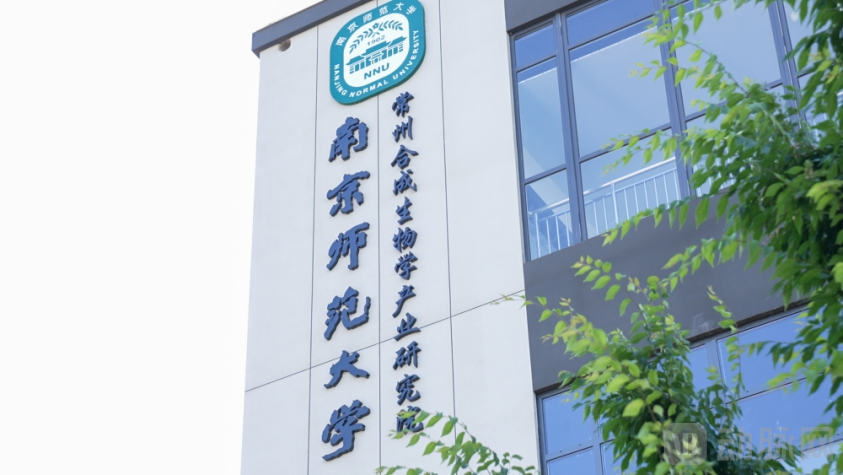
Among them,Yangtze River Delta Synthetic Biology Industry Innovation ParkOpened in October 2023, the park was jointly established by the Changzhou Municipal People’s Government, the Administrative Committee of Changzhou High-Tech Zone, and Nanjing Normal University, with the Nanjing Normal University Institute of Synthetic Biology Industry serving as the industrial incubation platform. During the opening ceremony, 20 key projects were signed in a concentrated session, with a total investment of RMB 950 million. Meanwhile, a RMB 2 billion special fund for the synthetic biology industry and a RMB 200 million park development fund were established.
Nanjing Normal University Institute of Synthetic Biology IndustryEstablished in June 2023 as an industrial incubation platform for Xinbei District, the entity was jointly funded by the Nanjing Normal University team, the Changzhou Institute of Innovation and Development of Nanjing Normal University, and the People’s Government of Changzhou Xinbei District. Focusing on cutting-edge synthetic biology technologies—including gene editing of non-model industrial microorganisms, AI-driven design of synthetic biology cell factories, and precise regulation of microbial metabolic engineering—it has built an integrated, open, and shared technological innovation platform that combines R&D, technology transfer, enterprise incubation, and capital operations.
Academician of the Chinese Academy of Engineering, and Vice President of Nanjing Normal University, engaged in research on microbial resource development and bio-based chemical preparationAcademician Huang Heand his teamIt is the institute’s “crown jewel,” having already incubated a batch of projects including DHA fermentation, bio-based malic acid, and Zhihe.
Among these, the DHA fermentation project has already achieved industrialization and secured two rounds of investment totaling RMB 90 million. The bio-based malic acid project and the Zhihe project have also received investments amounting to tens of millions of yuan. Currently, a number of projects at the research institute are in the joint R&D and production stages with corporate partners, while more than 20 other projects have entered the pilot-scale testing phase.
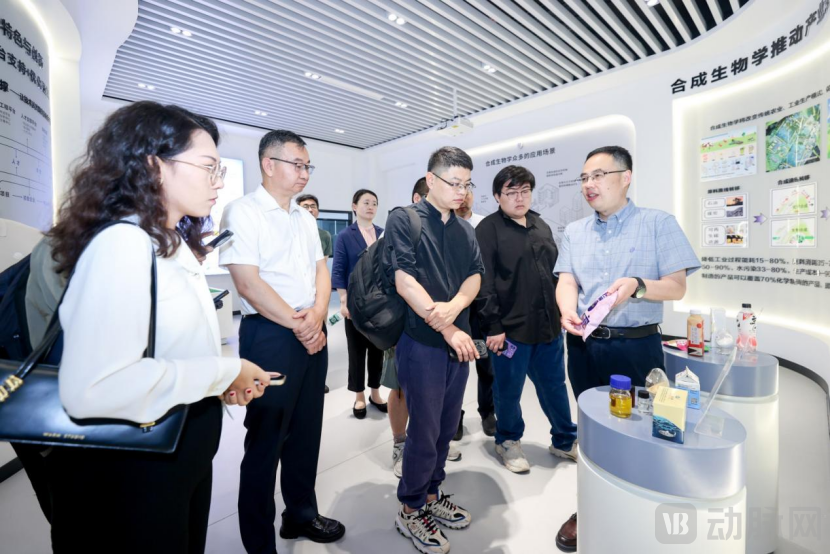
Adding DHA-fermented algal powder to chicken feed results in eggs containing DHA.
Located in Jintan DistrictJintan Synthetic Biology Industrial ParkOfficially launched in September 2023, the industrial park covers a total planned area of approximately 1,100 mu. It has already completed construction of bulk drug substance workshops, packaging workshops, R&D buildings, and supporting facilities. Led by BGI Genomics, the park has established a biopharmaceutical incubator and matching venture capital funds to promote the deep integration of technology and financial capital.
BGI Group began its strategic deployment in synthetic biology as early as 2010 by participating in the international Sc2.0 Project (Synthetic Yeast Genome Project), thereby establishing its leading position in the field of synthetic biology. In late 2021, the Jintan District Government of Changzhou City, the Jintan Economic and Technological Development Zone, and BGI Research signed a strategic framework agreement. The BGI Synthetic Biology Industry-Academia-Research Base project was subsequently established in the Biopharmaceutical Industrial Park of the Jintan Economic and Technological Development Zone, with a total investment of RMB 320 million and a total area of 25,000 square meters.
Currently, BGI has implemented two phases of projects in Jintan. Phase I is the Synthetic Biology Innovation Center project, which primarily focuses on establishing a high-quality, large-scale, and automated public synthesis platform based on domestically produced high-throughput synthesis equipment. It also aims to build an innovative research base, a talent cultivation hub, and an innovation incubation center centered around synthetic biology. Phase II mainly involves constructing application research facilities and production lines for core functional macromolecular raw materials, such as tool enzymes and antigen-antibody complexes. This phase seeks to address the bottleneck issues faced by various industries due to foreign dependence on protein raw materials, achieving stable mass production and import substitution.
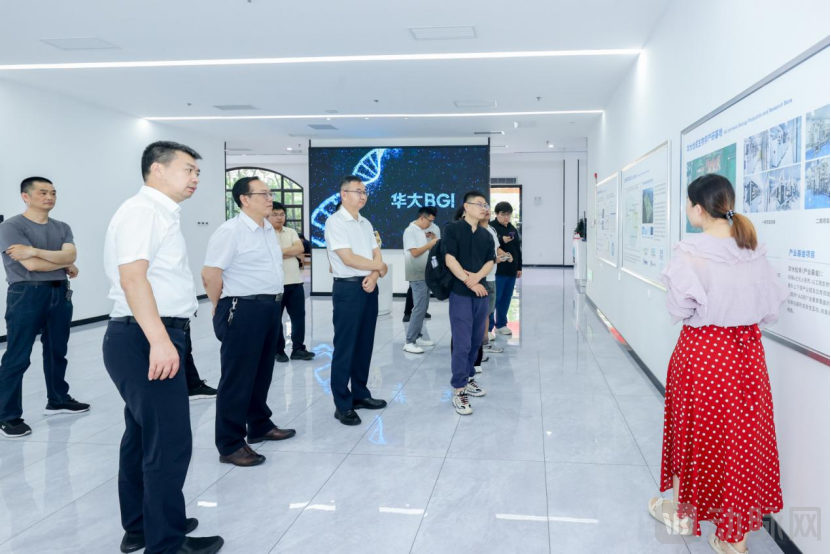
To support Jintan District in building a synthetic biology industrial chain, BGI has also introduced its life-and-health-focused incubator, Blue Rainbow, along with its proprietary fund, into the park.
Drawing on its own experience with the integrated “industry-academia-research” development model, BGI established the BGI Changdang Lake Institute of Engineering Biology in Jintan District to focus on applied product research, injecting new momentum into industrial development; meanwhile, Changzhou Xinyichan Life Science Technology Co., Ltd. specializes in the research and development, production, and sales of related products.
Located in Wujin District,West Taihu Synthetic Biology Innovation Industrial ParkOfficially launched in late October 2023, the park has now gathered a number of key synthetic biology industrialization projects, including Progi Pharma and Zhitai Bio-Innovation. It has also jointly established the West Taihu Lake Synthetic Biology Industry Investment Alliance with well-known investment institutions such as Shenzhen Capital Group and Sinovest Capital, while accelerating the establishment of key platforms such as the SIAT-Changzhou Joint Research Center for Synthetic Biological Chemistry under the Shenzhen Institutes of Advanced Technology, Chinese Academy of Sciences, and the Translation Base of the National Engineering Research Center for Protein Technology.
It is worth noting that the enterprises within the parkTraumeed MedicalPhase II of the project commenced on June 7, and will establish China’s largest production base for recombinant humanized collagen with an annual capacity of 30 tons.
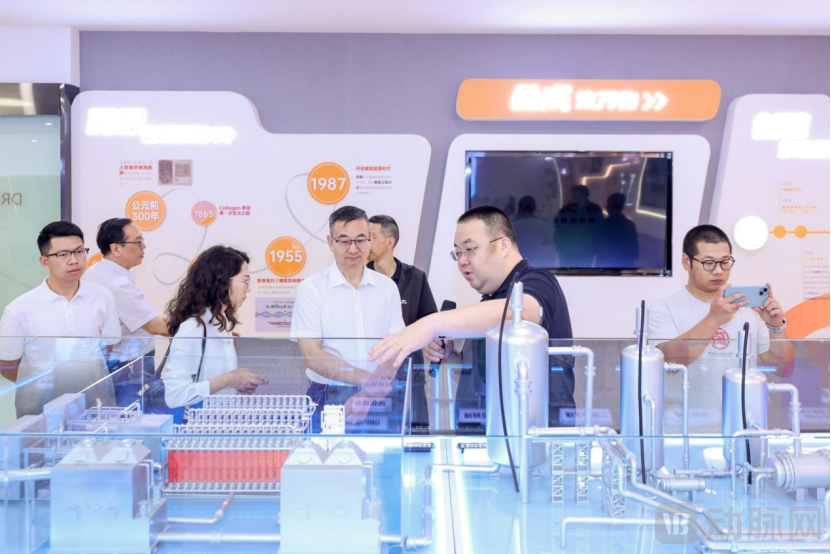
Trautec Medical was established in June 2015, primarily engaged inRecombinant Humanized CollagenR&D and production of raw materials and their derivatives. Leveraging the advantages of recombinant human collagen produced via currently superior eukaryotic bioreactors—including non-antigenicity, non-allergenicity, high safety, excellent reproducibility, and 100% absence of animal-derived components—the company uses this as its primary raw material to design, develop, and manufacture a diverse portfolio of products. These include biological sponges, gels, collagen-based dressings, artificial skin, bone graft materials, oral collagen membranes, artificial blood vessels, and artificial dura mater, with development and approval processes aligned with FDA 510(k) clearance and NMPA (formerly CFDA) regulations. The company has completed over RMB 200 million in Series B financing and, under the guidance of CITIC Securities, initiated its IPO filing on January 8 this year.
In terms of innovation platforms, in addition to the aforementioned NNU Changzhou Institute of Synthetic Biology Industry and BGI Engineering Biology Changdang Lake Research Institute, other relevant innovation platforms include the Liyang Tianmu Lake Health Research Institute, Jiangsu Provincial Engineering Laboratory for Recombinant Protein Manufacturing, Changzhou University, and Jiangsu University of Technology.
Over 70 synthetic biology companies have been established, generating nearly RMB 10 billion in annual revenue
Currently, Changzhou has 72 major enterprises in the field of synthetic biology, including 32 high-tech enterprises, 31 enterprises above designated size, 22 specialized and sophisticated “little giant” enterprises, two listed companies, and two potential unicorns. Key enterprises include Trautec Medical, Changzhou Institute of Materia Medica, Changmao Biochemical Engineering, Kangrun Biotechnology, and Sangao Biology. In 2023, the main business revenue reached RMB 9.738 billion.
In addition to Trauson Medical, which was introduced earlier, the Changzhou Institute of Materia Medica and Weimi Bio were also included in the scope of this media tour’s research; a brief introduction follows.
Changzhou Institute of Pharmaceutical Research Co., Ltd.Established in November 2010, it is a national high-tech enterprise integrating R&D, manufacturing, and application, with its predecessor being a provincial-level public research institution founded in 1984.
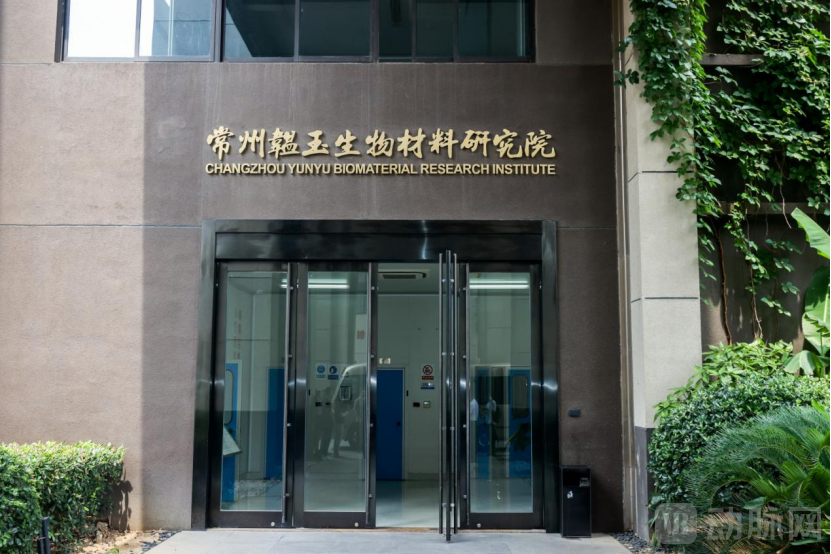
"Company's Main Products:Medical Sodium HyaluronateGel“(Class III medical device), primarily used to prevent or significantly reduce postoperative adhesions following abdominal (pelvic) and hysteroscopic surgeries, with its market share ranking among the top for consecutive years; the new product ‘Sodium Hyaluronate Cross-Linked Gel for Injection’ pioneers the reverse cross-linking technology for sodium hyaluronate and holds three core patents, including protein impurity removal and homogeneous gel formulation, thereby breaking the foreign technological monopoly.”
In 2022, Changzhou Institute of Pharmaceutical Research achieved an operating revenue of RMB 146.821 million, representing a year-on-year increase of 39.7%; the company’s net profit for 2022 amounted to RMB 40.398 million, reflecting a year-on-year growth of 101.2%.
Weimi BioEstablished in July 2017, the company is a high-tech enterprise dedicated to the research and development of technological innovations in gene editing and biological breeding. In April 2023, it secured tens of millions of yuan in Pre-A financing, exclusively invested by Houxin Health Investment.
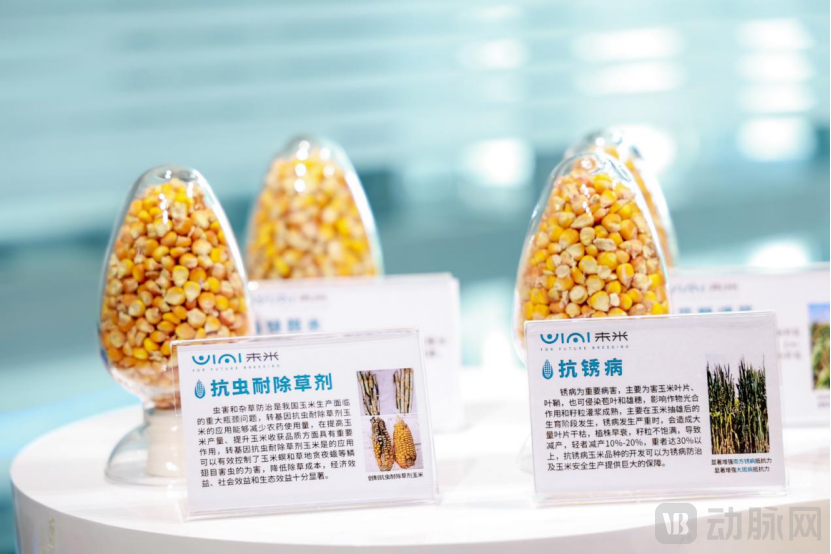
The company has established a high-throughput, genotype-independent genetic transformation and gene editing platform for nearly 20 crops, including corn, rice, soybean, cotton, wheat, tomato, tobacco, lettuce, and cucumber. It provides technical services and engages in project collaborations with more than 200 research institutions and biotech seed companies both in China and abroad, producing 200,000 positive plantlets annually.
WeMi BioPossesses Independent Intellectual Property RightsCas enzymes for gene editing, core technologies for plant gene knockout, knock-in, and replacement, enabling precise breeding with full coverage of major plant species.
Leveraging the Advantages of Traditional Manufacturing to Forge a New Paradigm of Synergistic Development in the Synthetic Biology Industry
It is well known that Changzhou has delivered impressive performance in the new energy industry.
Today, Changzhou has once again secured a leading position in the burgeoning trillion-yuan synthetic biology sector, with the advantages of its regional industrial cluster beginning to emerge. This progress stems not only from Changzhou’s robust manufacturing heritage but also from the municipal government’s strategic emphasis on and vigorous cultivation of the synthetic biology industry.
“Synthetic Biology Cannot Thrive Without Manufacturing“Wherever the understanding of manufacturing is most profound, it can attract the best talent from China and even around the world to implement technological achievements,” Academician Huang He has publicly stated.Changzhou boasts a solid foundation in manufacturing., with a highly comprehensive industrial system and an outstanding industrial ecosystem. We believe that the future synthetic biology industry‘Tianjin in the north, Shenzhen in the south, and Changzhou in the center’’.” Geographically, Changzhou is situated right at the central axis of the Yangtze River Delta, allowing its industrial chain advantages to radiate across the entire region.
Building on its established advantages in manufacturing, the Changzhou government is accelerating its efforts to seize emerging opportunities in synthetic biology and foster future-oriented industries.
August 2023,Changzhou City Establishes a Special Task Force for Innovative Development in Synthetic Biology,Closely deploy efforts to seize the new round of development opportunities in the synthetic biology industry; and issue policy documents such as the "Implementation Opinions on Promoting High-Quality Development of the Synthetic Biology Industry" and the "Several Measures of Changzhou City on Supporting the High-Quality Development of the Synthetic Biology Industry."Encouragement has been provided across multiple dimensions, including the innovation chain, industrial chain, talent chain, and capital chain.Strive to Build Synthetic Biology into a New Engine Leading Regional Development.
To address bottlenecks such as insufficient R&D institutions, weak original innovation capabilities, and a shortage of high-end talent in the synthetic biology industry, support should be provided to all elements and intermediate links of the full-process innovation ecosystem chain, encompassing “basic research + technological breakthroughs + industrialization of achievements + sci-tech finance + platform development + talent support.”
In line with the development patterns of the synthetic biology industry, and addressing prominent challenges such as long R&D cycles, substantial upfront investments, and difficulties in attracting and cultivating talent, Changzhou has established multiple policy support mechanisms. These include initiatives for the conversion of innovative achievements, the construction of industrial service platforms, special programs for talent attraction and development, and guided investment and financing funds. These measures are designed to effectively address the genuine needs of enterprises, continuously optimize the business environment—covering technology transactions, review and approval processes, market regulation, and intellectual property protection—and pioneer a new landscape for industrial policy environments.
The Implementation Opinions and Several Measures specify that by 2027, the city’s synthetic biology industry will achieve an output value exceeding RMB 100 billion, driving industrial clustering in green biomanufacturing, industrial equipment, and high-value-added biomaterials, thereby establishing the city as a leading innovation hub for the synthetic biology industry in the Yangtze River Delta.
In November 2023, Changzhou took the lead in releasing the “10 Measures for Synthetic Biology,” becoming Jiangsu Province’sThe FirstCities that have issued special policy measures to promote the development of the synthetic biology industry in the name of the municipal party committee and municipal government.
In the same month, the International Center for Synthetic Biology Research at Nanjing Normal University was unveiled.Professor Roger Kornberg, Nobel Laureate in Chemistry and President of the World Laureates Association, serves as the Chief Scientist of the Center.
On March 8, 2024, the Jiangsu Provincial Administration for Market Regulation officially issued an approval document to establishJiangsu Provincial Technical Committee for Standardization of Synthetic BiologyBGI Engineering Biology Changdang Lake Institute and Nanjing Normal University Changzhou Synthetic Biology Industry Research Institute Co., Ltd. jointly serve as the secretariat undertakers, with the secretariat located at BGI Engineering Biology Changdang Lake Institute. Under the participation of Shen Yue, Director of BGI Changsha Lake Institute, China has officially released the first international standard in the field of synthetic biology (technology) led by China.
In June 2024, Changzhou launched the Synthetic Biology Special Challenge of the 2024 “Hua Luogeng Cup” Changzhou Innovation and Entrepreneurship Competition, comprehensively advancing the Synthetic Biology Special Event of the 2024 Jiangsu Province “J-TOP Innovation Challenge Season.” As a next step, Changzhou will establish the “Synthetic Biology Medicine-Industry-Education-Research Alliance” to strengthen coordinated development among enterprises, universities, research institutes, and medical institutions in areas such as R&D, technology transfer and commercialization, and market expansion. Meanwhile, through branded initiatives like the “Biopharmaceutical Sci-Tech Innovation Hub,” the city will accelerate information sharing and the formation of innovation consortia in synthetic biology applications for new pharmaceuticals, medical devices, and biomaterials. By promoting dual advancements in science/technology and industry within the synthetic biology sector, and by hosting summits, exhibitions, and competitions, Changzhou aims to attract projects and talent to cluster in the city.
It is evident that the Changzhou government has taken decisive action in strategically positioning synthetic biology as a new form of productive force. We await with anticipation to see at what pace Changzhou will attract and land more high-quality synthetic biology projects, thereby cultivating industrial cluster advantages that can radiate across the entire Yangtze River Delta region.