

Southeast University Emerges as a Powerhouse in Medical Innovation with a Surge of Entrepreneurial Alumni and Breakthrough Technologies
On June 6, 2024, Southeast University celebrated its 122nd anniversary.
This day not only celebrates Southeast University’s long-standing history but also affirms its remarkable achievements in technological innovation. As a prestigious “985” university in China, Southeast University has cultivated a large number of outstanding alumni who have become entrepreneurs and technology innovators.
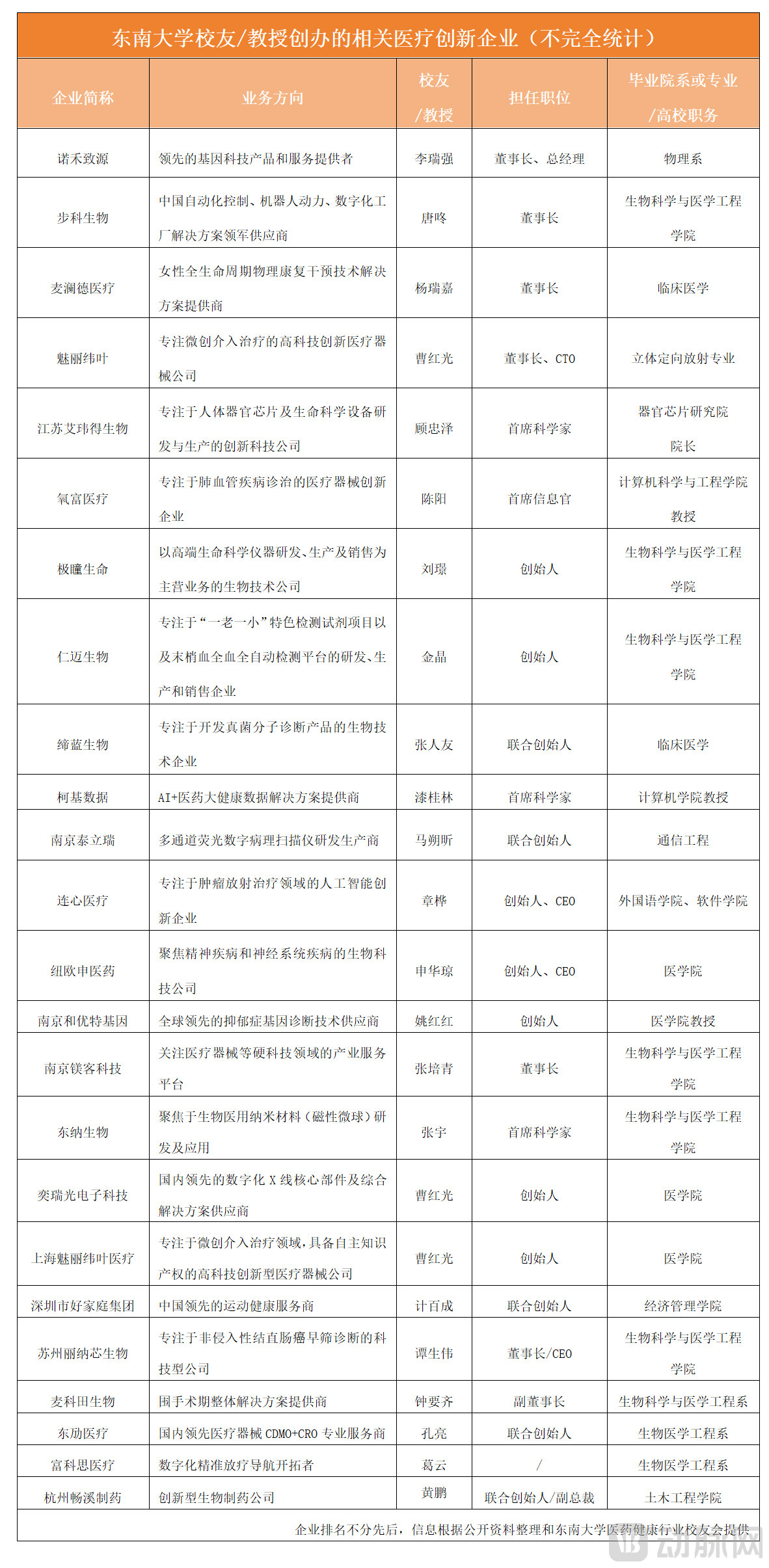
Focusing on the field of medical innovation, data from the Arterial Orange database shows that the founders behind companies such as Novogene, Medlander Medical, Meili Weiye, Jiangsu Aiweide Biotechnology, Yangfu Medical, Jitong Life, Renmai Biotechnology, Dilan Biotechnology, Keji Data, Nanjing Tailirui, Lianxin Medical, Shanghai Yirui Optoelectronics, Nuoushen Pharmaceutical, Nanjing Magtek, and Frameview Chip are all alumni or professors of Southeast University. Among them, Novogene and Medlander Medical are already listed, while Meili Weiye, Aiweide Biotechnology, Yangfu Medical, and Jitong Life have recently completed successive rounds of financing.
This is closely tied to Southeast University’s emphasis on medical innovation and its robust academic research environment in the life sciences.
Southeast University has long enjoyed the reputation of being the “cradle of biologists,” as it was home to China’s first department of biology. Meanwhile, the university continues to increase its investment in related disciplines. For instance, just before this year’s anniversary celebrations, the Southeast University Conference on Innovative Development in Medicine and Life Sciences was held in Nanjing, unveiling the university’s latest innovations and progress.
At the meeting,Southeast University Announced the Establishment of a Series of Platforms/Institutions Related to Medical Innovation at the Conference.For instance, the Faculty of Medicine and Life Sciences at Southeast University was officially unveiled; the Strategic Advisory Committee of the Faculty of Medicine and Life Sciences at Southeast University was established; and seven major platforms were inaugurated, including the State Key Laboratory of Digital Medical Engineering, the National Innovation Platform for Industry-Education Integration in Medical Research on Interventional Medical Engineering, the National “Flagship” Hospital for Integrated Traditional Chinese and Western Medicine, the Ministry of Education’s Basic Medicine Innovation Center, the Southeast University Institute of Medical Science and Technology Engineering, and the Southeast University Institute of Organ-on-a-Chip.
“For Southeast University, focusing on the development of a comprehensive medical discipline and vigorously promoting the integration of medicine and engineering is not only a national imperative but also a call of the times for disciplinary advancement and an inevitable trend in the university’s development.“At present, the University is strategically restructuring its Jiangbei Campus by integrating relevant schools and colleges in medicine, life sciences, and engineering, with a focus on establishing a ‘Grand Medicine’ framework and a new model of medicine-engineering interdisciplinary collaboration characteristic of Southeast University, thereby creating a ‘strategic pioneer zone’ for medical development,” stated Huang Ru, President of Southeast University and Academician of the Chinese Academy of Sciences, at the conference.
It is not difficult to see that, whether in the industrial sector or in academic research and technology transfer, Southeast University—with its century-long history—has given rise to a powerhouse of medical entrepreneurship and innovation, emerging as an indispensable new force in China’s medical innovation landscape.
Since its founding, Southeast University has been committed to advancing medical innovation and the life sciences.
As early as 1920, Southeast University (formerly “Nanking Higher Normal School”) established the first department of biology in Chinese history. At that time, Bing Zhi, the pioneer of biology in China, served as the first department chair. A large number of renowned Chinese scholars, including Dai Fanglan, Zhang Jingyue, Cai Qiao, and Tong Dizhou, successively taught at the department, cultivating a vast pool of biological talents for China.
Therefore,Southeast University is hailed as the "Cradle of Chinese Biologists."
After the founding of New China, due to the restructuring of departments and faculties, the original biology discipline of Southeast University was relocated along with its medical school to establish the Military Medical College of the East China Military Region (later renamed “Nanjing Railway Medical College”). Consequently, Southeast University’s presence and influence in the fields of medical innovation and life sciences diminished.
However,With the reform and opening-up, Southeast University has continuously strengthened its discipline construction with the courage to pursue bold reforms.
·In 1984, the earliest biomedical engineering discipline in China was established;
· Subsequently, China’s first laboratory for molecular and bioelectronics and the first doctoral program in bioelectronics were established, pioneering the discipline of biomolecular electronics in China;
·In 2000, Nanjing Railway Medical College and other institutions merged with Southeast University, leading to vigorous development of biological disciplines centered on genetics;
·In 2019, the School of Life Science and Technology at Southeast University was unveiled;
· In 2024, the Faculty of Medicine and Life Sciences at Southeast University was officially unveiled.
After years of accumulation, the discipline has achieved remarkable progress. Taking Southeast University’s biomedical engineering discipline as an example, it was not only selected for China’s “Double First-Class” initiative but also ranked first in the “ShanghaiRanking’s 2023 Best Chinese Subjects Ranking.” Furthermore, its undergraduate program in biomedical engineering has been designated as a national-level first-class undergraduate major construction site.
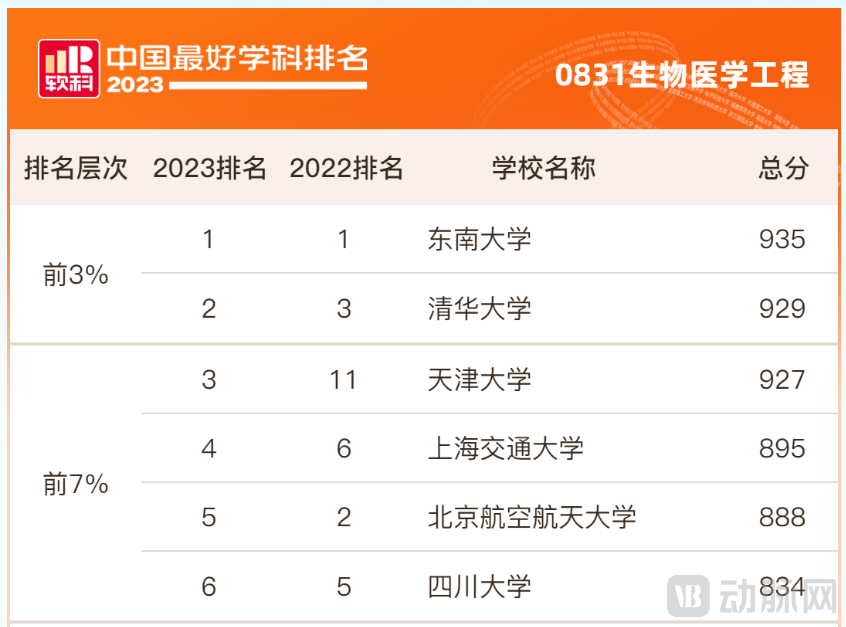
(Source: “ShanghaiRanking’s 2023 Best Chinese Subjects Ranking”)
It is no exaggeration to say that,Southeast University has laid a significant foundation for the development of related disciplines in medical innovation and life sciences, establishing itself as a key hub for medical innovation in China.
Taking the cutting-edge field of organ-on-a-chip as an example, given its reliance on core technologies such as stem cells, biomaterials, and nanofabrication, this field presents significant technical hurdles, high costs, and substantial challenges, making it a direction rarely pursued by teams in the realm of medical innovation. However, leveraging the resources of the School of Biological Science and Medical Engineering at Southeast University, Professor Gu Zhongze’s team has been deeply engaged in this area for over a decade and has achieved major breakthroughs.
 (Research directions of Professor Gu Zhongze’s team. Image source: Official website of the School of Biological Science and Medical Engineering, Southeast University)
According to China Education Daily, as of May this year, Professor Gu Zhongze’s team has achieved four “firsts”: the world’s first launch and on-orbit testing of a space cardiovascular organ-on-a-chip; China’s first new drug approved for an Investigational New Drug (IND) application using organ-on-a-chip data; the first national standard project initiation for organ-on-a-chip technology; and the first fully automated imaging system applied in a Biosafety Level 3 laboratory.
Another example is the gene therapy field, which has gained significant momentum in recent years., Professor Chai Renjie’s team—comprising the Chief Professor at Southeast University, Executive Dean of the Advanced Institute for Life and Health, and Jointly Appointed Professor at Zhongda Hospital Affiliated to Southeast University—is focusing on clinical scenarios of hereditary deafness, conducting in-depth research, and achieving continuous breakthroughs.
It is well known that the management of hereditary hearing loss has primarily relied on hearing aids and cochlear implants, with a longstanding lack of effective pharmacological treatments. Gene therapy holds promise for addressing this unmet need. Currently, Chai Renjie’s team, in collaboration with multiple institutions, has published several papers in prestigious journals, including Advanced Science, The Lancet, and Advanced Materials. Notably, findings from basic research and clinical trials on gene therapy for congenital DFNB9 deafness have confirmed the feasibility and safety of this approach, offering significant reference value and implications for the field of auditory gene therapy.
 (In May this year, Professor Chai Renjie’s team, in collaboration with multiple institutions, published a research paper in Advanced Materials. Image source: Official website of Advanced Materials)
Meanwhile, Chai Renjie’s team developed a comprehensive druggability strategy for OTOF, conducted thorough assessments of drug safety and efficacy, and on this basis advanced the clinical trials of OTOF gene therapy drugs, achieving significant progress by successfully restoring hearing to normal levels in multiple children with profound deafness.
In addition to achieving breakthroughs in frontier fields, many professors are also integrating cutting-edge technological developments into their teaching and embedding innovative ideas into both the classroom and the laboratory.
For instance, the prolific research achievements of Professor Gu Zhongze’s team have provided vibrant teaching materials for the School. Each semester, Professor Gu insists on teaching a required course for students majoring in Biomedical Engineering, sharing the latest research findings on organ-on-a-chip technology in class to stimulate students’ interest in learning and foster innovative thinking. Meanwhile, he actively encourages students to participate in research projects at the State Key Laboratory of Digital Medical Engineering, thereby enhancing their scientific research capabilities and problem-solving skills through hands-on practice.
It is precisely through its continuous advancement in academia and scientific research, as well as its efforts to foster an innovative atmosphere, that Southeast University is playing an increasingly important role in China’s journey of medical innovation.
Benefiting from decades of cultivating innovative talent, a cohort of medical innovation enterprises founded by faculty members or alumni of Southeast University has begun to emerge.
In March this year, Medliver Medical Technology, a high-tech innovative medical device company founded by Southeast University alumnus Cao Hongguang, completed a Series D financing round worth hundreds of millions of yuan, attracting well-known investment institutions such as Zhongping Capital, Shanghai Biopharmaceutical Industry Fund, Dingxin, and Xiaochi. Since its inception in the cardiovascular field in 2013, Medliver Medical Technology has continuously expanded and optimized its energy platform, delving deeper into multiple chronic disease areas including hypertension, diabetes, chronic obstructive pulmonary disease (COPD), and heart failure.
As an innovative company focused on the field of minimally invasive interventional therapy, Meili Weiye currently has two major flagship pipelines:
· First, in the field of hypertension treatment, we independently developed the Netrod® mesh multi-electrode renal artery radiofrequency ablation system. The system received special approval as an innovative medical device from China’s National Medical Products Administration in December 2019, obtained EU CE certification in 2020, and was granted “Breakthrough Device” designation by the U.S. FDA in 2021. It is the first registration study in global RDN radiofrequency clinical research to submit positive clinical results, and is expected to gain a strong competitive advantage in future commercialization due to its superior efficacy and safety in blood pressure reduction.
· Second, in the field of diabetes treatment, Meili Weiye collaborated with Academician Teng Gaojun’s team to pioneer the EDN therapeutic procedure. The clinical exploratory study results from the global debut of this project demonstrated that the EDN procedure can reduce glycated hemoglobin (HbA1c), preliminarily validating the safety and efficacy of EDN for treating type 2 diabetes.
 (Introduction to Meiliweiye’s Product Portfolio; Image source: Corporate Official Website)
In January this year, Jiangsu Aweide Biotechnology, led by Professor Gu Zhongze’s research team at Southeast University, completed a Pre-A+ financing round worth tens of millions of yuan. The round was led by Tongfang Investment, with participation from Jingjiang Jinyi, Suzhou Science and Technology City Gaochuang No. 2, Zhongsheng Hongshi, and Rongzhi Hexing.
According to the company's official website,Jiangsu Aiweide BiotechnologySpecializing in the research, development, and manufacturing of human organ-on-a-chip systems and life science equipment, with products and solutions coveringOrgan-on-a-chip, life science equipment, assay kits, biomaterials, tumor drug sensitivity testing, efficacy/safety evaluation of new drugs, functional/safety evaluation of cosmetics, basic scientific research, etc., and has established in-depth collaborations with renowned pharmaceutical companies, hospitals, research institutions, and universities both in China and abroad, continuously promoting the application of organ-on-a-chip technology in a broader range of high-end medical device fields. Notably, Jiangsu Aiweide Biology was incubated and established with the support of the Suzhou Medical Device Research Institute of Southeast University.
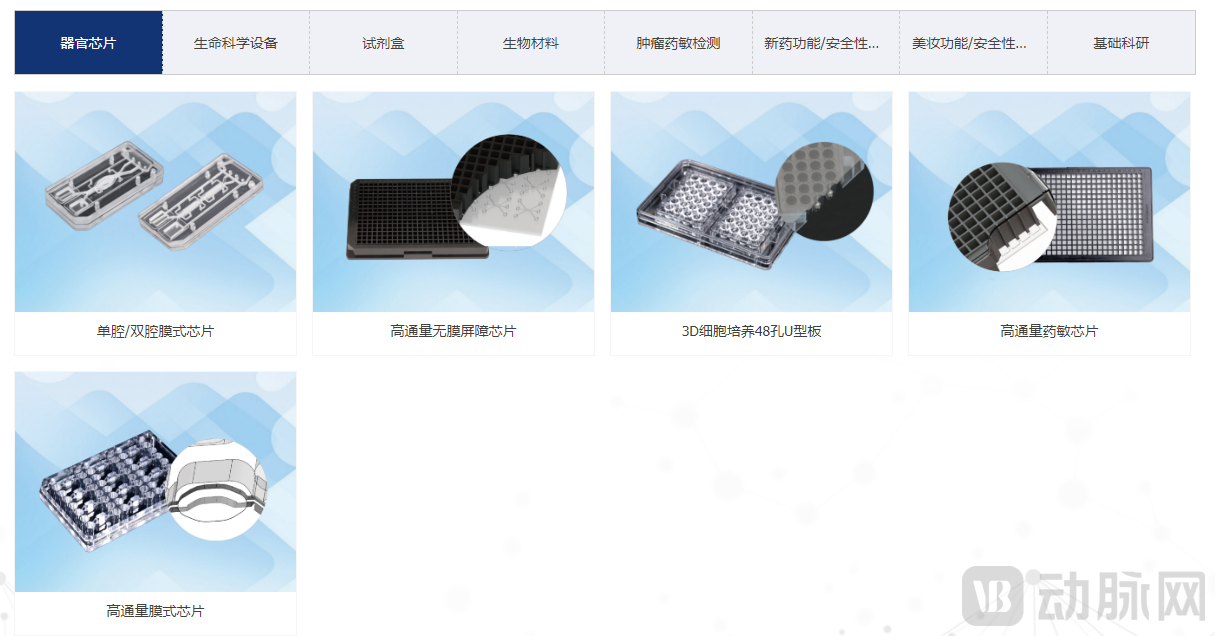 (Jiangsu Aiweide's organ-on-a-chip related products. Image source: company official website)
In addition to faculty and students of Southeast University launching their own startups, teams from the university are also behind many outstanding medical innovation projects.
For instance, Nanjing Yangfu Medical, established in June 2022, was jointly founded by a multidisciplinary team from Beijing Chaoyang Hospital and an artificial intelligence team from Southeast University. Leveraging diagnostic-grade intelligent mapping of pulmonary vasculature, the company is developing an internationally leading AI-based clinical decision support system for the diagnosis of pulmonary embolism, aiming to address the industry-wide challenge of high rates of misdiagnosis and missed diagnosis associated with this condition.
Moreover, the “Southeast University alumni network” also plays a significant role among leading companies in the field of medical innovation. Notable examples include Academician Yang Huanming, Chairman of BGI Group; Li Ruiqiang, Chairman of Novogene; Yang Ruijia, Chairman of Medlander Medical; Zhong Yaoqi, Co-founder of Mindray Biological; and Shen Huaqiong, Founder of NewOrigin Pharma, among others.
It is evident that the faculty and students of Southeast University are currently exerting a growing influence in the field of medical innovation. Coupled with the university’s substantial research accumulation in various biomedical sectors and its continuous output of translated technological achievements, Southeast University is poised to unlock even greater potential in medical innovation in the future.
Facing the future, Southeast University is advancing into the field of interdisciplinary medicine and engineering.
At the Southeast University Conference on Innovation and Development in Medicine and Life Sciences, Academician Teng Gaojun of the Chinese Academy of Sciences announcedTop Ten Medical-Engineering Interdisciplinary Scientific and Technological Achievements of Southeast University. These ten major achievements cover frontier areas such as medical robots, organ-on-a-chip, biofunctional materials, and intelligent health equipment. The related findings have been published in high-impact journals such as Nature and have been promoted and applied in more than 100 regional central hospitals across China.
Meanwhile, according to official disclosures, the Southeast University Medical-Engineering Interdisciplinary Innovation CenterPlan to invest no less than 2 billion yuan over the next three years to build a pilot zone for the development strategy of medical-engineering interdisciplinary integration, focusing onFive Major Fields: Sub-center for Brain Science and Brain-inspired Intelligence, Sub-center for Intelligent Medical Diagnosis and Treatment, Sub-center for Organ-on-a-Chip and Drug R&D, Sub-center for Intelligent Surgical Robots, and Sub-center for Novel Cell and Gene Therapy, to build an interdisciplinary curriculum system integrating "medicine and engineering," cultivating medical scientists with engineering backgrounds and outstanding engineers with medical backgrounds, to meet the needs of national strategic development.
Notably, the “Southeast University Nanjing Jiangbei New Area Medical-Engineering Integration Fund” was launched to address funding challenges during the translation process. Reportedly, the fund has an initial size of RMB 300 million and primarily targets innovative projects and major innovation platforms in niche sectors such as high-end medical devices, drug-device combination products, and gene and cell therapies.
Southeast University’s emphasis on the interdisciplinary integration of medicine and engineering aligns with the “New Medicine” framework vigorously promoted in China’s medical education sector in recent years.“New Medical Sciences” refers to the continuous optimization of disciplinary structures, the establishment of a cohort of new medicine-related majors, and the vigorous promotion of deep interdisciplinary integration between medical sciences and other fields, so as to accelerate the cultivation of high-level, composite medical talents.
As early as 2021, the Academic Degrees Committee of the State Council formulated the “Administrative Measures for the Establishment and Management of Interdisciplinary Subjects (Trial),” making institutional arrangements for the development of interdisciplinary subjects. These measures clarify the definition, scope of application, establishment, and withdrawal procedures for interdisciplinary subjects, with the aim of unifying academic understanding of the concept and connotation of interdisciplinary studies and enhancing public recognition of such fields.
In 2023, the Ministry of Education and four other departments issued the “Plan for Reforming the Optimization and Adjustment of Discipline and Major Settings in Regular Higher Education,” which proposed targeting the frontiers of medical science and technology development, vigorously promoting deep interdisciplinary integration between medicine and disciplines such as natural sciences, engineering, and humanities, and fostering emerging disciplinary majors such as “Medicine + X” and “X + Medicine.”
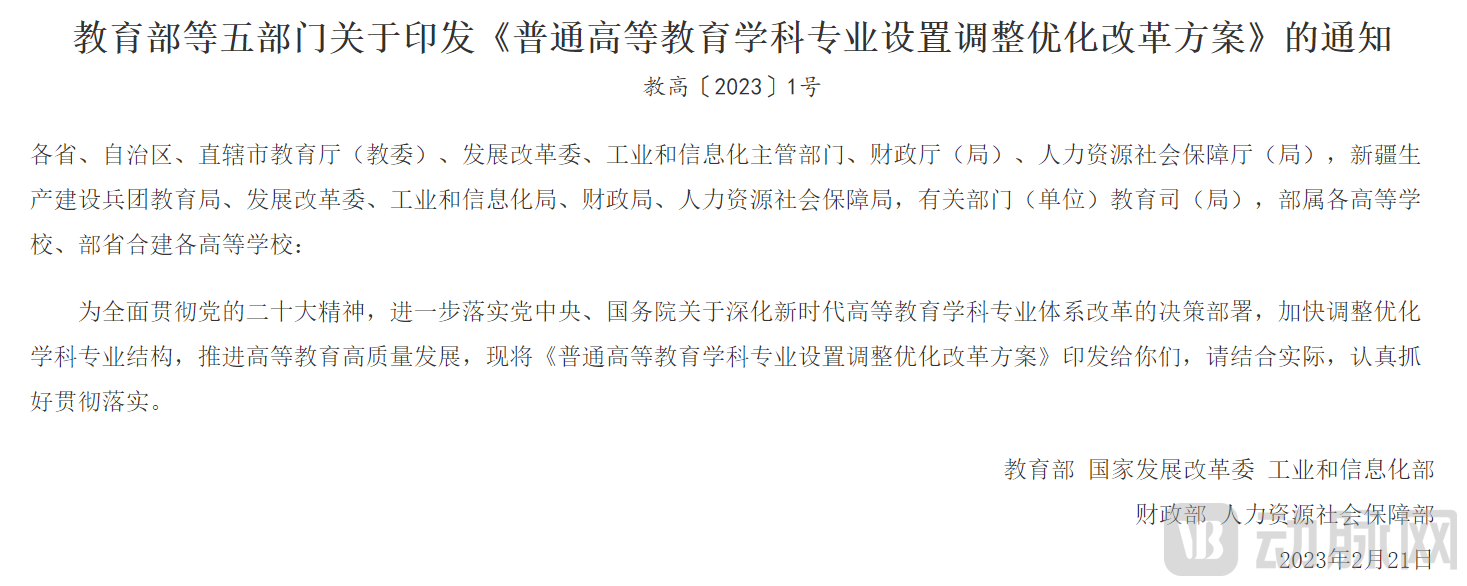
 (Image source: official government website)
From the perspective of national strategy, as interdisciplinary collaboration among research, education, and industry deepens, it will not only strengthen the cultivation of multidisciplinary talents but also create greater value for industries, becoming a source of technological innovation.
Reflected in the realm of medical innovation, future medical science will inevitably advance through the integration of medicine and engineering technologies. Furthermore, under the guidance of the Healthy China Strategy, developing key high-performance medical devices with independent Chinese intellectual property rights has become a defining challenge of our time that every innovator must address.
Undoubtedly, as China enters a golden age of original innovation, the faculty and students of Southeast University are keeping pace with the times, driving China’s medical innovation to new heights through continuous innovation and development.
(This article was written with the strong support of the Southeast University Alumni Association for the Pharmaceutical and Healthcare Industry, to whom we extend our gratitude.)
References:
1. Official Website of the School of Life Science and Technology, Southeast University
https://ils.seu.edu.cn/22852/list.htm
2. Seven Major Platforms Unveiled, and a “Heavyweight” Science Division Established! Southeast University’s Conference Features Continuous Highlights!
https://baijiahao.baidu.com/s?id=1800384466231755606&wfr=spider&for=pc
3. Nanjing-based 985 University Startup, Currently Queuing to Announce Financing
https://mp.weixin.qq.com/s/xFmlknl1FtrfoMJDO_RlSA
4、Ultrasound-Responsive Aligned Piezoelectric Nanofibers Derived Hydrogel Conduits for Peripheral Nerve Regeneration
https://onlinelibrary.wiley.com/doi/10.1002/adma.202307896
5. Notice of the Ministry of Education and Four Other Departments on Issuing the “Reform Plan for Optimizing the Adjustment of Discipline and Major Settings in Regular Higher Education”
https://www.gov.cn/zhengce/zhengceku/2023-04/04/content_5750018.htm