

Wuhan Medical Institute Group Advances CKA Granulocyte Anti-Cancer Therapy with Nobel-Prize-Inspired Cell Technology and World-First Approach
A Baroque-style building stands at No. 38 Lihuangpi Road, the Street Museum in old Hankou: located in the former Russian Concession, this brick-concrete structure features a lively and free three-story façade. As a standalone residential dwelling well preserved, it is estimated to date from the 1930s. The colonial veranda-style design includes arched dormer windows on its pitched tile roof, while the exposed red brick exterior walls retain their original appearance.
This property was acquired by the patriot Gao Weizhou in the aftermath of the Mukden Incident (September 18 Incident), serving as both a launchpad for his career and a safety net for his livelihood. Gao Weizhou’s eldest daughter was Dr. Gao Xinrong, a renowned Chinese gynecologist who earned her M.D. in the United States during the first half of the 20th century. She served as the Director of the Department of Gynecology at Wuhan No. 2 Hospital and was celebrated in the saying, “Lin Qiaozhi in the North, Gao Xinrong in the South.” Her two younger brothers, Gao Youhuan and Gao Youbing, were distinguished specialists in internal medicine and surgery, respectively. The three siblings were highly prominent figures in Wuhan’s medical community.
In 1948, the three Gao siblings returned to China after studying abroad and established Gao Hospital in Hankou, drawing on the American model of “hospital in the front, research institute in the back.” At that time, Gao Hospital was renowned throughout the three towns of Wuhan. It comprised departments of internal medicine, surgery, and obstetrics and gynecology, offering both outpatient and inpatient services. In addition to general medical care, it performed minor surgical procedures and charged affordable fees to serve the general public. In 1952, Gao Hospital ceased operations, and all its staff were integrated into the Municipal Hospital.
The R&D Team Carries Forward Historical Glory and Inherits the Spirit of Wuhan Medical Institute
Subsequently, the Wuhan Institute of Medical Sciences was officially established at No. 47 Lihuangpi Road (the former site of the Hankou Xinhua Broadcasting Station), directly across the street from Gao’s Hospital. Gao Youbing served as its first director, and during the 1970s and 1980s, the institute focused on scientific research and academic dissemination in traditional Chinese medicine. In the 1990s, under the leadership of Director You Shangyou, a returning overseas PhD, the institute shifted its focus to antibody science research. In 1997, it received approval to establish the first novel R&D institution dedicated to antibodies—the Wuhan Antibody Research Center.
In 2023, Wuhan Medical Institute Co., Ltd. (hereinafter referred to as “Wuhan Medical Institute”) was officially established. Its chief scientist team originates from the Wuhan Institute of Medical Sciences, a Category I public research institution within the state system. In response to the national call, scientific and technical personnel left their posts in the public sector to embark on entrepreneurship and innovation in special economic zones. Positioned as an enterprise founded by a new-type medical research and development institution, it carries forward a legacy of half a century, evolving with the times through continuous reform and innovation.
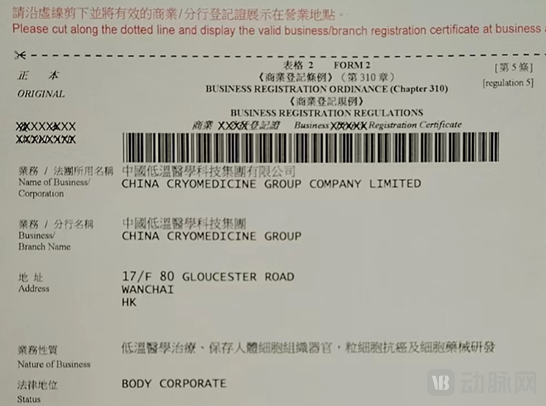
Image source: Wuhan Medical Institute
Wuhan Medical Institute Co., Ltd. is currently a subsidiary of China Cryomedicine Technology Group (Hong Kong). Its affiliated entities include: “BioValley” Investment Fund (the only registered trademark approved and authorized by the China National Intellectual Property Administration); Nanjing Exosome Technology Company (which has developed a full series of instruments and reagents for liquid biopsy exosome detection, and was honored as a high-level innovation and entrepreneurship project under the Purple Mountain Talent Plan); Sequential Granulocyte Anti-Cancer Technology Company (which has developed the world’s only broad-spectrum, universal granulocyte anti-cancer activity detection therapy, and secured a strategic global partnership with OZEDA Group, China’s largest medical device service provider, for global registration and market launch); and Shenzhen Zhaohui Regenerative Gene Cell New Drug Company. During the pandemic, as part of a joint scientific research team, the company developed the first nucleic acid sampling and testing vehicle and obtained approval for two core patent rights (ZL202322774682.9 and ZL 202322774685.2). It took the initiative to donate stem cell-based anti-COVID-19 preparations for application on the front lines of epidemic control, making its due contribution. In the post-pandemic era, the company participates in the sole international cooperative project on long COVID health management, further exploring new models and products through deep integration of medicine, industry, academia, and research, and advancing the application and industrialization of innovative combined cell-based pharmaceutical and medical device technologies.
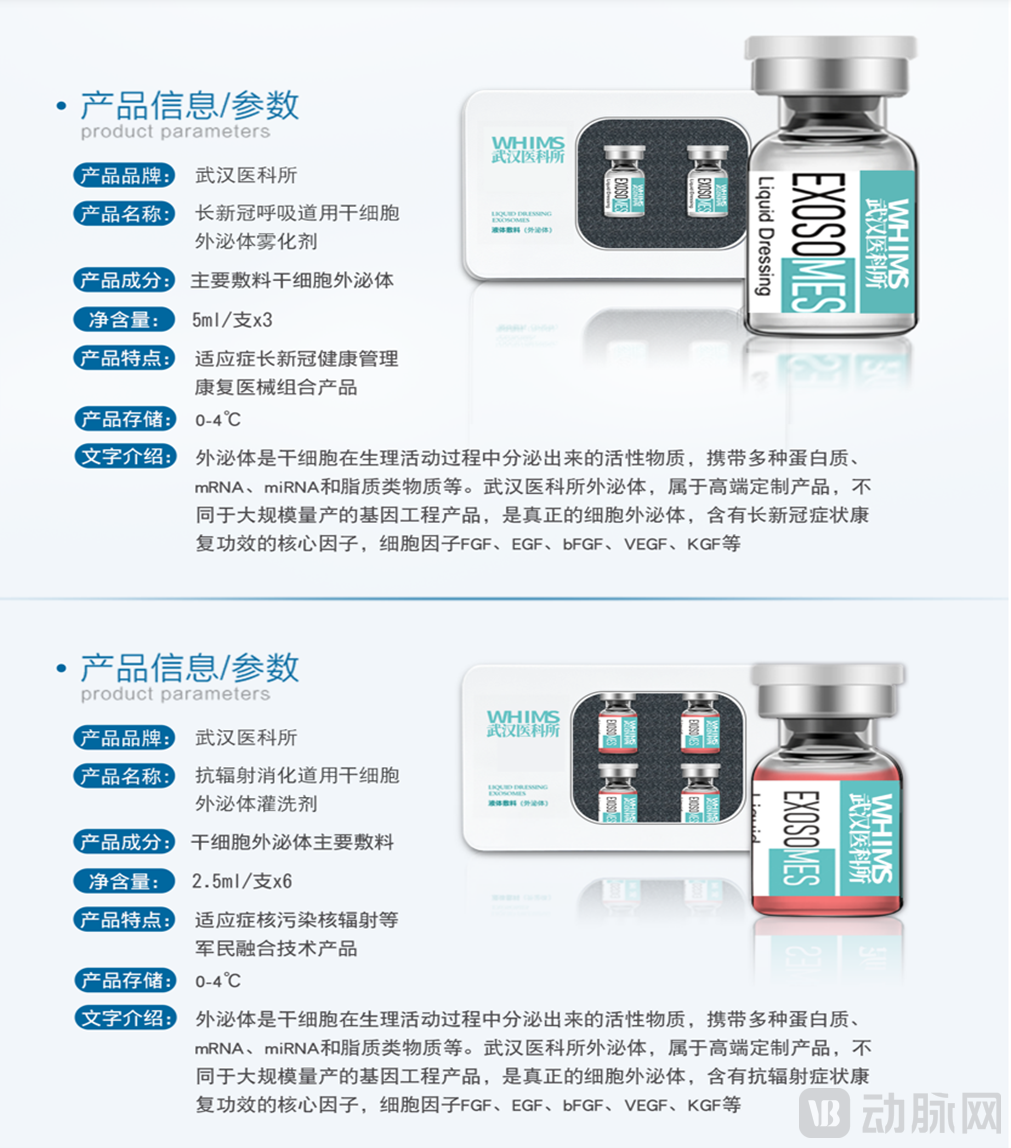
Image source: Wuhan Medical Institute
Wuhan Medical Institute Co., Ltd. has completed a Pre-A financing round of tens of millions of yuan, which will be used to accelerate the strategic layout of its core R&D pipeline for CKA granulocyte anti-cancer activity diagnostic and therapeutic technologies, promote the industry-academia-research translation of its historical technological accumulations, advance the R&D pipelines for several innovative drug-device combination products based on cell-derived exosomes, and expedite the market application of its specialized cryomedicine preservation technologies. The institute serves as the host institution for projects funded by national and provincial/ministerial programs, including the National Natural Science Foundation of China and first-class grants from the China Postdoctoral Science Foundation, and was formerly the editorial office of the Chinese Journal of Clinical Nursing. It pioneered major original theoretical innovations, such as proposing that active cell-based drugs fall within the category of animal-derived medicines in Traditional Chinese Medicine theory.
The founder once studied under a Nobel laureate in stem cell research and a leading authority on the granulocyte theory of cancer treatment.
Dr. Lu, a core scientist on the research team at Wuhan Medical Institute, earned his medical doctorate through the China–U.S. Joint Training Program for Government-Sponsored Scholars, affiliated with Tongji University. He studied under Professor Zheng Cui, a Chinese-American scientist at Wake Forest University widely recognized as the “Father of the Cancer-Resistant Mouse.” In 2003, Professor Cui published a landmark paper in the prestigious Proceedings of the National Academy of Sciences (PNAS), announcing the discovery of cancer-resistant mice, which sparked widespread attention from global mainstream media, oncology experts, and cancer patients. Furthermore, Professor Cui was the first to propose the theory of granulocyte-based anti-cancer therapy. During his doctoral studies under Professor Cui’s supervision, Dr. Lu pioneered the theoretical framework for the CTC/CKA assay, a novel technique for detecting granulocyte anti-cancer activity.
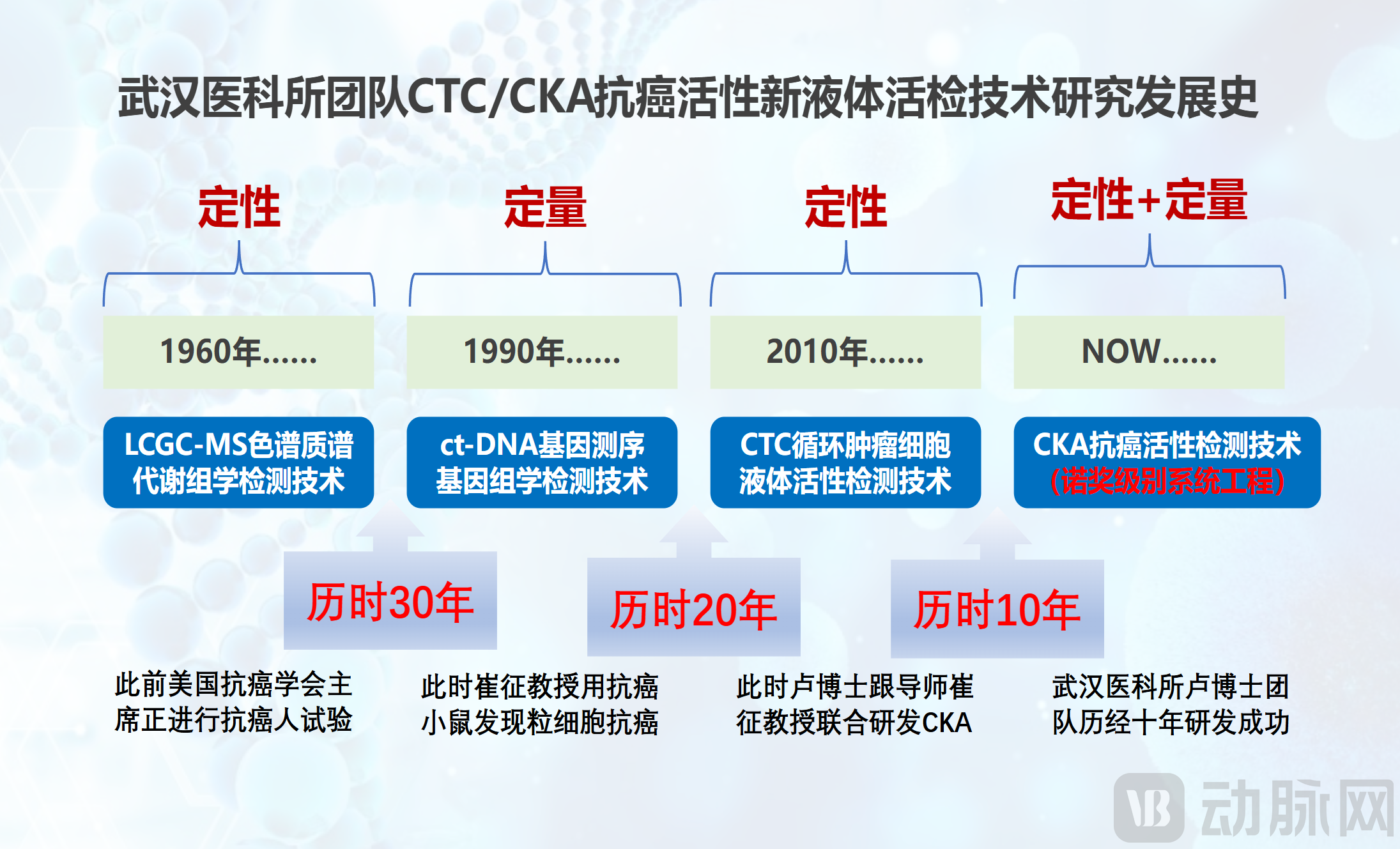 Image source: Wuhan Medical Institute
In addition to serving as the Principal Investigator (PI) and Chief Scientist at Wuhan Medical Institute, Dr. Lu also serves as the Editor-in-Chief of the academic monograph *Research on Regulatory Progress in the Cell Industry of the Biopharmaceutical Sector* published by China Intellectual Property Publishing House, and as the Secretary-General of the Industry-Academia-Research Collaboration Committee of the China Cell Manufacturing Innovation Platform. He has previously presided over projects funded by the National Natural Science Foundation of China and major provincial and ministerial science foundations, and has participated in the National Key R&D Program.
It is worth noting that Dr. Lu is also the only doctoral researcher in China affiliated with a Nobel laureate’s laboratory in the field of stem cells. Under the mentorship of a global Nobel Prize winner in stem cell research, he has jointly conducted studies on the differentiation of induced pluripotent stem (iPS) cells into pancreatic cells for diabetes treatment. In 2016, Dr. Lu returned to China after completing his studies abroad, joining Wuhan Medical Institute Co., Ltd. in a scientific research management position under a special overseas recruitment program. He brought with him top-tier international academic and research expertise in the field of cell therapy, enabling Wuhan Medical Institute to once again take a leading role at the forefront of innovative R&D in cellular drugs and medical devices.
Pioneering the Sequential Granulocyte Anti-Cancer Activity Theranostic Technology,
The World's First Broad-Spectrum, Universal Natural Innate Immune Cell Therapy
Wuhan Medical Institute currently owns and has newly developed the globally applicable Universal Immune Cell-Active Granulocyte Sequential Anti-Cancer Therapy and the CKA Anti-Cancer Activity Detection Technology. It is worth noting that while Dr. Lu and Professor Cui Zheng’s two-generation mentor-student team have been carrying out relay research on cancer treatment for over a decade, the market in the field of cancer diagnosis and therapy has also been undergoing changes.
On one hand, the rise of cell and gene therapy (CGT) is notable; although it remains in the early to mid-stages within the pharmaceutical sector, its market size has been growing steadily. According to Frost & Sullivan, the global and Chinese markets are projected to reach $30.54 billion and RMB 17.89 billion, respectively, by 2025, with compound annual growth rates (CAGRs) of 71% and 276% from 2021 to 2025, indicating substantial future market potential. Notably, the global stem cell market is expected to reach $17.78 billion in 2024, poised for explosive growth.
On the other hand, there is a growing population of cancer patients. According to the latest 2020 global cancer burden data released by the International Agency for Research on Cancer (IARC) of the World Health Organization, China has become a veritable “cancer powerhouse.” In mid-2024, based on the latest data from tumor registration and follow-up monitoring, the National Cancer Center, in joint estimation with the International Agency for Research on Cancer (IARC), reported that in 2022, there were 4.8247 million new cancer cases and 2.5742 million cancer-related deaths in China. The increase in incidence and the lower mortality rate are attributed to population aging, higher screening rates, improved early diagnosis rates, and reduced mortality.
Current tumor screening technologies still have limitations: imaging can detect patients at middle and late stages, but early detection is challenging, and it cannot differentiate between benign and malignant tumors; pathological diagnosis is used for differential diagnosis and is not suitable for screening, with its accuracy heavily dependent on sample collection and observation, leading to significant human factors; while tumor markers and immunohistochemical diagnosis are hindered by technical and application scenario issues.
Based on this, Dr. Lu’s team at the Wuhan Medical Institute built upon Professor Cui Zheng’s prior research and discovered that granulocytes, the most abundant type of white blood cells in the human body, are the primary carriers of intracellular Cancer Killing Activity (CKA). They pioneered a novel liquid biopsy field by introducing an in vitro CKA detection technology, marking the first use of modern medical instrumentation to diagnose tumors and cancer by measuring the activity of high-anticancer granulocytes, thereby assessing the body’s anticancer capacity.
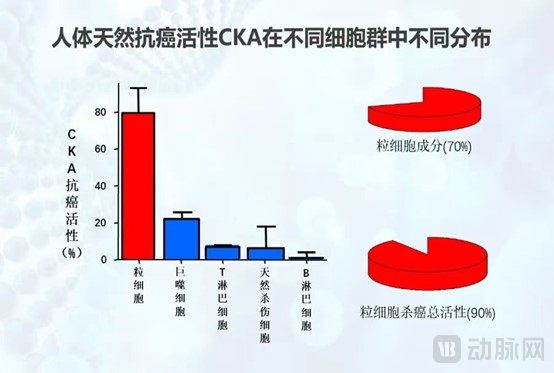
Image source: Wuhan Medical Institute
The body’s innate ability to naturally eliminate cancer cells, also known as CKA, can selectively kill established cancer cells, thereby providing efficient and non-toxic protection for the organism. The advantages of the in vitro CKA detection technology lie in its high accuracy and strong specificity. Additionally, it requires only a small blood sample (just a few milliliters), features a rapid and convenient testing process, and is expected to be moderately priced after future commercialization, making it easier to promote and adopt.
The CKA in vitro anticancer activity assay technology and the LIFT sequential granulocyte anticancer therapy have applied for multiple intellectual property invention patents, such as “A Universal Broad-Spectrum Method for Isolating Anticancer-Active Granulocytes from Human Whole Blood” (Chinese Invention Patent) and “A Cell Viability Detection Instrument Device” (Utility Model Patent).
To date, CKA in vitro detection technology has been validated in preclinical studies using cancer mouse models. The LIFT sequential granulocyte anti-cancer therapy, having received FDA approval, has entered clinical trial phases at multiple academic medical centers and hospitals. Since the initiation of basic research and clinical trials, there have been no reported cases of adverse reactions or malfunctions of the CKA detection instruments.
According to the research and development progress disclosed by Wuhan Medical Institute, the CKA in vitro testing technology can be applied in multiple stages of clinical diagnosis and treatment: for patients with cancer metastasis or those in middle to late stages of cancer, it enables personalized drug resistance analysis and the formulation of individualized treatment strategies; by screening the anti-cancer activity of high-risk populations with early or even ultra-early precancerous lesions, it facilitates (ultra-)early tumor screening and early monitoring of postoperative recurrence; for the general healthy population, assessing individual granulocyte anti-cancer activity helps promote proactive public prevention of tumor onset and progression, thereby making positive contributions and delivering social value toward the Healthy China initiative.
“Granulocyte Anti-Cancer Therapy” was initially developed in 1999 by Dr. Cui Zheng, a Chinese-American scientist, through research conducted with strong support from academic institutions and government agencies. The expert team engaged in specialized research for this project comprised over 100 members, with assistance from numerous research institutions worldwide. After more than a decade of comprehensive and in-depth scientific experiments, the theoretical framework for this novel granulocyte-based anti-cancer therapy was established, marking a historic breakthrough in the field of cancer treatment and prevention.
The LIFT Sequential Active Granulocyte Anti-Cancer Therapy, developed by Dr. Lu’s team at the Wuhan Medical Institute under the mentorship of Professor Cui Zheng through inheritance and innovation, is based on prior research conducted by domestic and international scientific teams on anti-cancer mice and human patients. This research revealed the presence of granulocytes with exceptionally high natural anti-cancer activity in healthy individuals. Granulocytes constitute the most abundant group of white blood cells in human circulation and play a critical role in protecting the host against microbial infections and during inflammatory processes.
In recent years, granulocytes have been found to play a significant role in tumor growth and progression. Studies have revealed that distinct granulocyte subsets may either promote or restrict tumor growth, highlighting the potential of neutrophils as therapeutic targets in cancer treatment and drawing increased attention from the medical community.
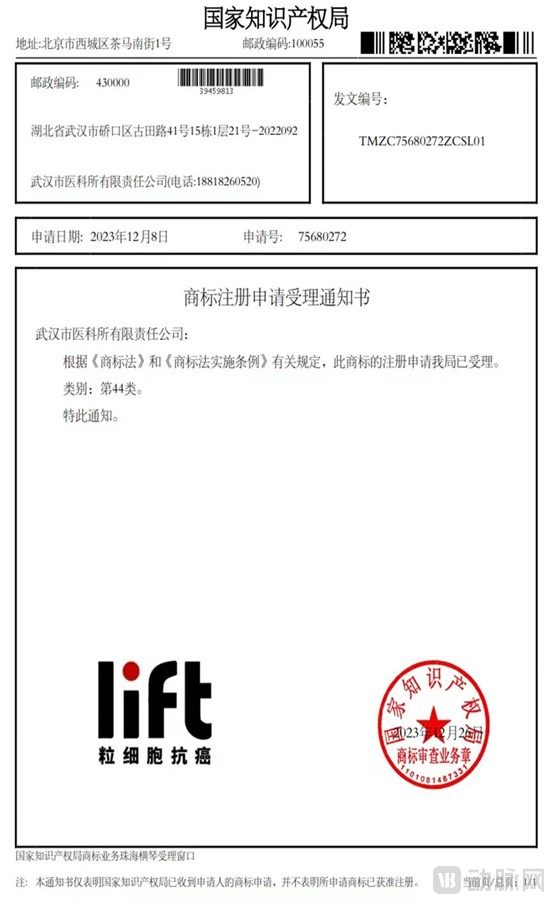
Image source: Wuhan Medical Institute
“LIFT Sequential Granulocyte Anti-Cancer Therapy” is based on over a decade of research by our scientific team. Through functional assays for anti-cancer activity, granulocytes with high anti-cancer potency are extracted from healthy individuals via apheresis. These granulocytes are then transplanted into cancer patients from healthy donors through component transfusion. This approach achieves broad-spectrum, universal anti-cancer effects with significant efficacy, a short treatment cycle, and the possibility of repeated treatments, all while being painless, free of toxic side effects, and devoid of complications.
Unlike traditional immune cell therapies, LIFT Sequential Granulocyte Anti-Cancer Therapy involves collecting granulocytes from healthy donors and administering them only after functional anti-cancer activity testing has been completed. This approach is akin to organ transplantation within the framework of transfusion medicine. Typically, granulocyte infusion can eliminate 97% of cancer cells in the patient’s body within 24 hours, making it suitable for tumor treatment across various stages of disease progression.
It can be said that LIFT sequential granulocyte anti-cancer therapy challenges and disrupts traditional theories of tumor immunotherapy and the notion that granulocytes serve solely in anti-infection roles. Based on existing clinical studies and animal experiments, LIFT sequential granulocyte anti-cancer therapy has demonstrated for the first time that using granulocytes to treat cancer causes no short-term or long-term side effects in nude mice. In clinical trials and treatments involving granulocytes, there has been no further disease progression or metastasis. The future clinical goal is to achieve coexistence with cancer, enabling patients to live with the disease in a state comparable to a non-communicable chronic condition.
“The Three-Generation Pact”: The Future of CKA-LIFT, a Sequential Granulocyte Anti-Cancer Activity Detection Therapy
The core R&D team of Wuhan Medical Institute currently comprises overseas-returnee PhDs and postdoctoral fellows from the Joint Laboratory for Stem Cell Research affiliated with Nobel Laureates in Physiology or Medicine, as well as senior researchers. The core scientific personnel are the successors and refiners of the theoretical framework for granulocyte-based anti-cancer therapy. The research team at Wuhan Medical Institute has pioneered the global development of reagents and instruments for detecting granulocyte anti-cancer activity, overcoming the technical bottleneck in the long-term, long-distance cryopreservation of granulocytes using specialized preservation solutions.
Currently, cell therapies both domestically and internationally fall into two major categories: tumor cell immunotherapy and stem cell therapy. CAR-T therapy and PD-1/PD-L1 immunotherapy each dominate half of the tumor immunotherapy landscape. The emergence of granulocyte-based anti-cancer diagnostic and therapeutic approaches will undoubtedly bring new perspectives to cellular cancer treatment and may even disrupt the existing paradigm.
The Wuhan Medical Institute Group will strive to become a leading innovator among new R&D institutions in the field of universal broad-spectrum natural innate immune cell medical science. Currently, the CKA-LIFT sequential granulocyte anti-cancer activity detection therapy project has participated in the “Wuchuangyuan” Disruptive Technology Innovation Competition and has been recommended to the Ministry of Science and Technology for the 2024 National Disruptive Technology Innovation Competition. We look forward to achieving remarkable results in accelerating the translation of innovations.
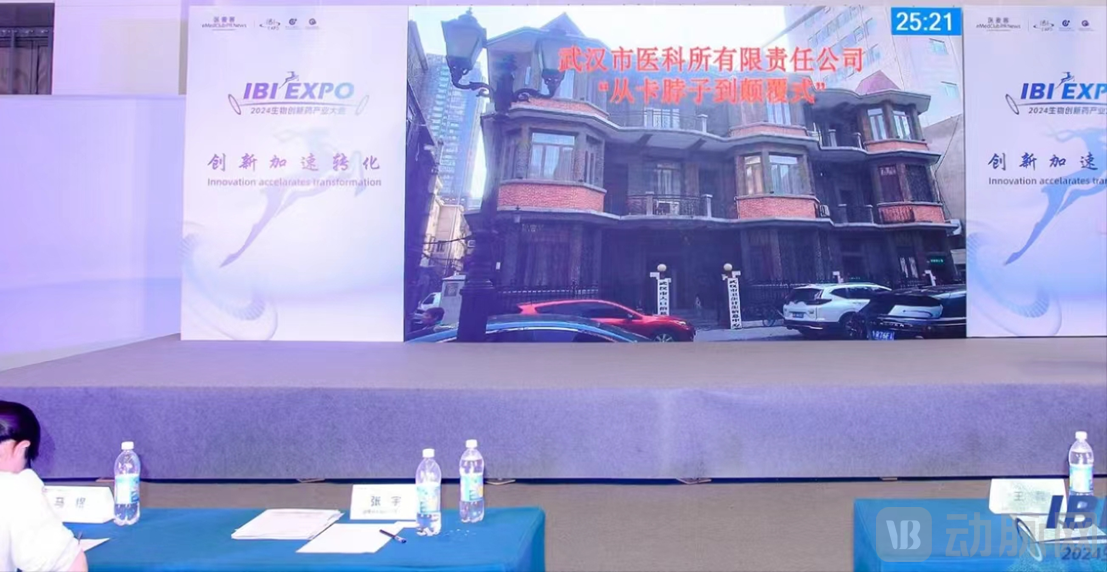
2024 Biopharmaceutical Innovation Conference, photo courtesy of Wuhan Medical Institute
“Research on the sequential granulocyte anti-cancer activity detection therapy has been continuously developed into its second generation by our scientific research team at the Wuhan Medical Institute, under the mentorship of Professor Cui Zheng. The next step may involve developing the third generation, with the hope that our generation can resolve issues related to academia, clinical application, and even commercialization,” said Dr. Lu. Coincidentally, similar to the evolution of the Wuhan Medical Institute from the Gao’s Founder Research Institute to its current status as a group of new-type R&D institutions, this convergence of inherited innovation and multiple forces is driving the Chinese medical community and the global healthcare industry forward.
(Dedicated to the 50th Anniversary of Wuhan Institute of Medical Sciences, 1974–2024)