

Zhiyu Medical Files for IPO: Pioneering China's First Hydrojet Surgical Robot for BPH Treatment

Healinno Tech
Developer and Manufacturer of Surgical Robots and Intelligent Diagnostic and Therapeutic Equipment
A Global Overview of Benign Prostatic Hyperplasia (BPH) medical device market, Zhiyu Medical stands as a unique entity.
Unlike many manufacturers that opt for technological products such as lasers and stents, Zhiyu Medical has embarked on a highly challenging path of innovation—waterjet robotic technology. According to publicly available information, only two companies currently master this technology: the U.S.-based PROCEPT BioRobotics (NASDAQ: PRCT) and Zhiyu Medical.
After nearly four years of intensive R&D, Zhiyu Medical has developed metaFlow.®High-Energy Water Jet Autonomous Surgical Robot (i.e., Waterjet Surgical Robot). This is a surgical robot designed for moderate to severe benign prostatic hyperplasia (BPH) in urology. Leveraging the advantages of waterjet technology—namely, its non-thermal nature and selective resection capability—it enables precise positioning, intelligent planning, and automated execution to safely and efficiently remove hyperplastic prostate tissue. This achievement marks the first breakthrough in the application of waterjet surgical robots for BPH treatment in China.
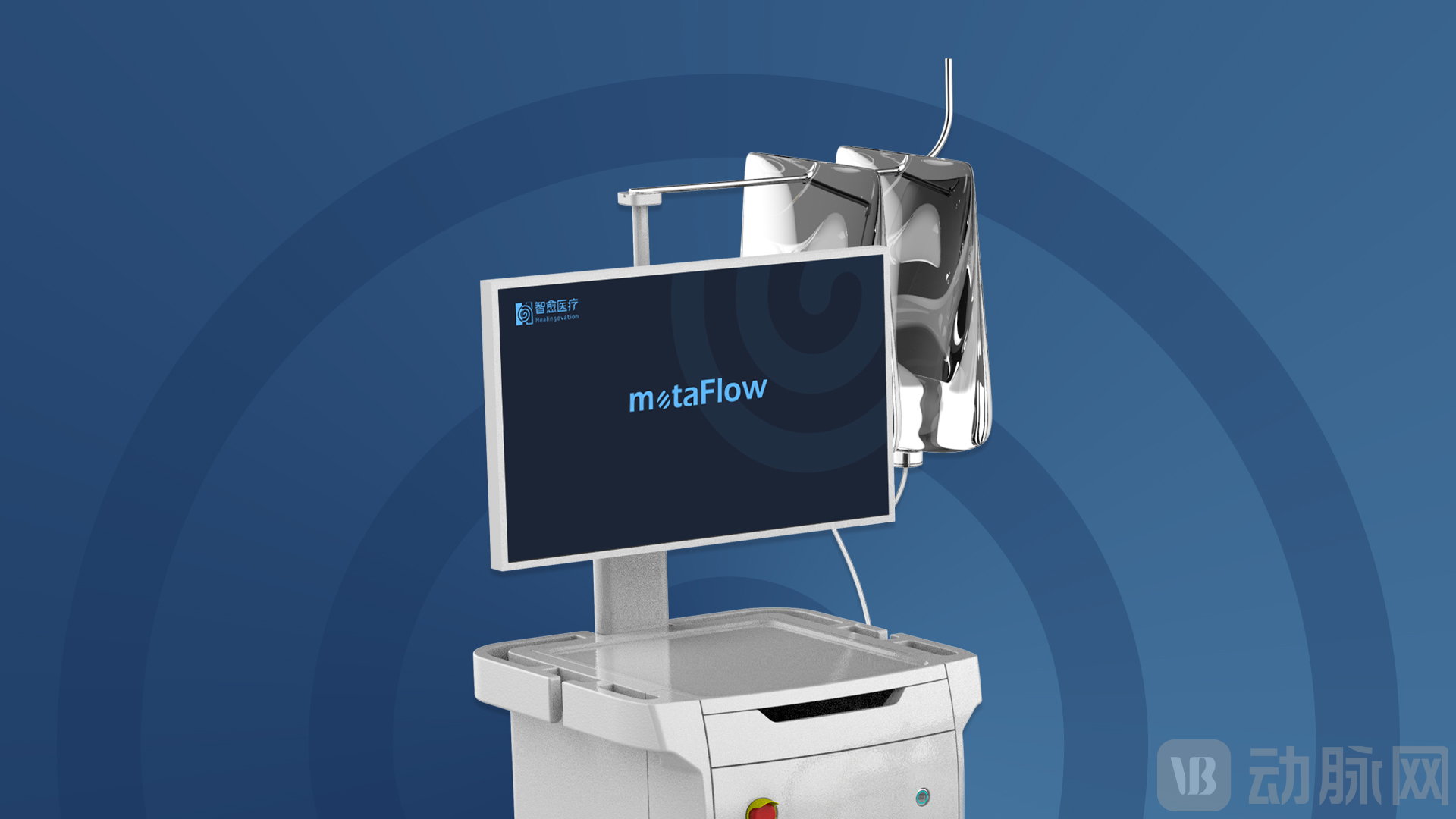
metaFlow®Autonomous Surgical Robot Using High-Energy Water Jets
Utilizing a waterjet robotic system for benign prostatic hyperplasia (BPH) surgery not only standardizes and automates the surgical procedure but also reduces the resection time from approximately one hour to around five minutes. Furthermore, it fundamentally eliminates thermal injury, thereby lowering the risk of surgical complications, better preserving urinary continence and sexual function, and enabling faster patient recovery and discharge. The standardization and automation offered by the waterjet surgical robot also ensure consistent surgical outcomes across surgeons with varying levels of experience.
In May this year, Zhiyu Medical, representing Chinese start-ups in the healthcare sector, stood out from 667 applications spanning multiple fields—including creative industries, food, environment, and health—from 107 countries worldwide. Leveraging its numerous globally pioneering patented inventions and remarkable innovation capabilities, the company secured a place among the top 25 finalists for the WIPO Global Award, the most prestigious accolade in the global intellectual property domain.

In the same month, Zhiyu Medical announced the completion of a new round of financing exceeding RMB 60 million, led by Chende Capital, with participation from Legend Star, and continued investment from existing shareholders Shunwei Capital, Lilly Asia Ventures (LAV), and Zhonghai Investment. This marks Zhiyu Medical’s fifth round of funding since its establishment three years ago.
Recently, VCBeat andShi Yilun, Founder of Zhiyu MedicalEngaged in an in-depth conversation about waterjet surgical robots and the current state of the BPH treatment industry.

Shi Yilun, Founder of Zhiyu Medical
VCBeat:Please introduce Zhiyu Medical and our waterjet surgical robot.
Shi Yilun: Zhiyu Medical was established in 2021, focusing on the research and development of surgical robots and intelligent diagnostic and therapeutic equipment, with a strategic emphasis on pioneering innovative products for minimally invasive urological surgery, interventional procedures, and natural orifice surgery. The company has filed over 100 intellectual property applications and has been granted more than 20 invention patents. It has been recognized as a “National High-Tech Enterprise” and a “Specialized, Refined, Differential, and Innovative SME.” Among the top 25 finalists for the WIPO Global Award, only four Chinese companies were selected, and we are one of them.
We are an intelligent surgical instrument company. What sets us apart from surgical robotics companies is our commitment to a dual-core strategy driven by innovative energy-based devices and a surgical robotics platform. By leveraging technologies such as intelligent imaging, robotic localization and control, pose perception, and energy sensing, we imbue energy-based instruments with intelligence. This enables our innovative energy devices to take on robotic forms at the operating table, serving as ideal working partners for surgeons. Guided by this philosophy, we have independently developed metaFlow.®️High-Energy Water Jet Autonomous Surgical Robot (Waterjet Surgical Robot) is a pioneering, internationally leading innovative medical product first developed in China. Targeting transurethral resection for benign prostatic hyperplasia (BPH), it has achieved dual innovations in robotic technology and clinical surgical techniques, and has currently entered registration-related clinical trials.
After nearly four years of intensive technological R&D, our team has overcome multiple key technical challenges, including intelligent surgical planning, waterjet pressurization technology, precise waterjet control, and the integration of robotic instruments. We have independently developed a waterjet surgical robot suitable for the surgical treatment of patients with moderate to severe benign prostatic hyperplasia (BPH). By enabling precise positioning, intelligent planning, automated execution, and real-time monitoring, the system achieves safe and efficient thermal-free selective resection.
ArteryVCBeat:Many BPH treatment manufacturers in the market have chosen the “laser” approach. Why has Zhiyu Medical opted for the “niche” water jet technology?
Shi Yilun:Water jet technology is widely used in clinical practice and is by no means “niche.”
Waterjet cutting is not a "knife" in the traditional sense, as it lacks an actual blade. Widely used for precision machining in manufacturing, waterjet cutting is a technology that employs high-velocity water streams to cut through nearly all types of materials, including metals, stone, and ceramics, earning it the reputation as the world’s "sharpest" knife. In the aerospace industry, waterjet cutting technology plays a decisive role in ensuring the processing quality and dimensional accuracy of products made from special materials such as carbon fiber.
Due to its advantages, such as non-thermal and precise cutting, water jet technology was formally introduced into the medical field and applied in clinical practice in the 1980s. It was first used in hepatobiliary surgery, particularly for hepatic hemangioma resection and partial hepatectomy. Unlike thermal-based cutting technologies such as electrocautery, ultrasonic scalpels, and laser scalpels, medical water jets employ cold cutting technology. By using high-pressure water streams to perform non-thermal, selective dissection of human tissue, this technique preserves major blood vessels and bile ducts while avoiding damage to nerves and surrounding tissues. It enables precise tissue separation with minimal bleeding, providing surgeons with a clear operative field and effectively reducing surgical time. Subsequently, water jet technology has been progressively adopted in neurosurgery, gastrointestinal surgery, head and neck surgery, orthopedics, and other specialties.
Our product is utilized in transurethral urological surgeries, where the surgical field is filled with fluid. The high-pressure water jet operates at extremely high pressure and velocity, causing the local pressure within the fluid environment to drop below the vapor pressure, thereby inducing cavitation effects. This enables the non-thermal water jet system for treating benign prostatic hyperplasia (BPH) to achieve superior selective resection capability and controllability. Furthermore, when integrated with imaging and robotic technologies, the water jet system becomes more precise and controllable, with autonomous execution capabilities, establishing it as a powerful tool for BPH treatment in urology.
Medical device companies in Europe and the United States have already validated the clinical and commercial value of waterjet surgical robots, yet this field remains untapped in China. We aim to break the foreign technological monopoly and realize the vision of “precision therapy accessible to all,” ensuring that Chinese patients can also benefit from advanced treatments enabled by high-end medical equipment.
VCBeat:How does the water jet surgical robot differ from existing BPH treatment modalities, such as transurethral resection and laser therapy?
Shi Yilun:Whether using the “gold standard” electrosurgical knife, various types of lasers, or emerging minimally invasive techniques such as water vapor thermal therapy ablation and transurethral prostatic suspension and expansion, despite the continuous emergence of new technologies, it remains challenging to fully balance patient comfort, safety, and long-term efficacy.
Take laser therapy as an example. While lasers are highly effective and capable of resecting large prostatic glands, the laser beam, as a form of thermal energy, can reduce but not completely eliminate thermal injury. Furthermore, laser enucleation is a technically demanding procedure that heavily relies on the surgeon’s experience and skill. Improper operation can easily lead to complications such as bleeding, urinary incontinence, postoperative urethral stricture, or sexual dysfunction. Currently, an increasing number of patients with benign prostatic hyperplasia (BPH) seek radical surgical treatment while preserving urinary continence and sexual function.
In recent years, some milder and safer surgical procedures have emerged abroad, such as urethral suspension dilation and balloon dilation. These procedures do not actually remove the hyperplastic glandular tissue and are more suitable for BPH patients with currently mild symptoms. Moreover, the long-term efficacy of these surgeries remains to be proven.
We believe that waterjet technology offers an excellent integration of comfort, safety, and long-term efficacy. As water is isotonic to the human body, waterjet devices are energy-based instruments that cause no thermal injury, thereby fundamentally avoiding all complications associated with thermal damage. The waterjet robotic system can effectively remove hyperplastic prostatic tissue while precisely sparing areas designated for preservation in the surgical plan, leading to faster postoperative recovery. It avoids erectile dysfunction caused by thermal injury and significantly reduces the risk of complications such as retrograde ejaculation and urinary incontinence. In essence, we have leveraged the waterjet surgical robot to establish a standardized, automated new treatment paradigm for benign prostatic hyperplasia (BPH).
VCBeat:What Is the Principle of Water Jet Surgical Robots in Treating BPH?
Shi Yilun:Effective resection of hyperplastic tissue is achieved through real-time ultrasound image planning and guidance, with robotic systems synchronously controlling instrument movement and the cavitation effect of high-speed water jets to automatically perform precise and safe removal of benign prostatic hyperplasia tissue. This approach effectively alleviates lower urinary tract symptoms while maximizing the preservation of sexual and urinary continence functions.
VCBeat:Other BPH treatment devices are handheld, whereas Zhiyu Medical’s waterjet surgical robot is an intelligent image-guided, high-energy waterjet autonomous surgical robot. What does “intelligent image guidance” refer to?
Shi Yilun:In traditional surgical procedures, the surgeon performs the operation incrementally under direct visualization via cystoscopy, with the surgical field limited to what is visible through the endoscope. This approach places exceptionally high demands on the surgeon’s experience and technical proficiency, particularly in laser enucleation. For instance, as the dissection approaches the capsular boundary—a structure that is difficult to clearly delineate using cystoscopy—the surgeon must proceed with cautious, exploratory incisions. Any imprecision in maneuvering risks perforating the capsule.
Waterjet Robotic Surgery is the first surgical approach to introduce intelligent intraoperative ultrasound imaging into benign prostatic hyperplasia (BPH) procedures. The waterjet surgical robot, also known as an intelligent image-guided high-energy waterjet autonomous surgical robot, automatically controls precise waterjet resection under imaging navigation, based on the surgeon’s pre-operative global planning. It features a short learning curve and imposes lower requirements on the surgeon’s experience and technical skills; surgeons primarily need to learn how to plan the surgical target area using imaging. As the waterjet surgical robot employs cold cutting, it fundamentally eliminates the risk of thermal injury and various operational errors, offering enhanced safety and gentleness while ensuring efficacy.
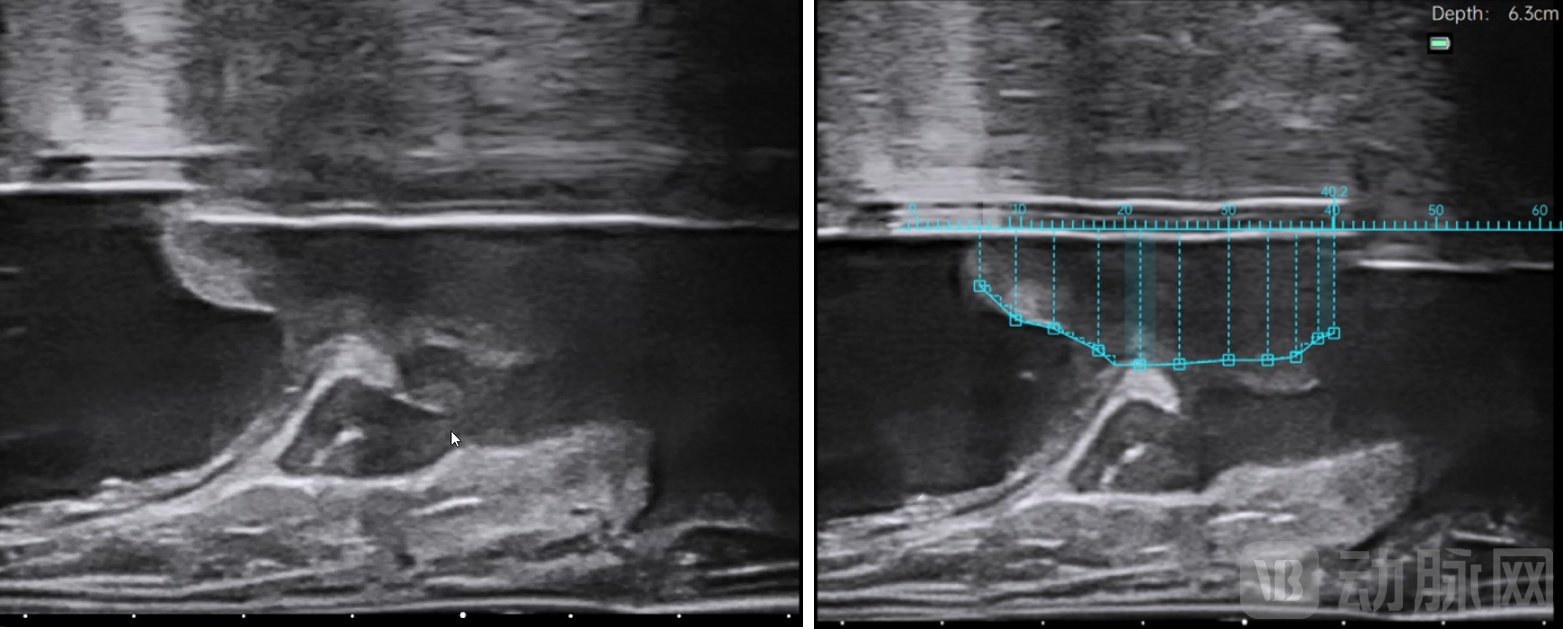
Imaging Photos of Waterjet Surgical Robot
When observing similar products abroad, we found that their patient data acquisition and imaging planning in the early stages are still purely manual, which is time-consuming and prone to inaccuracies. Therefore, we have designed the instruments of our waterjet surgical robot to be "fully automatic." We mounted an ultrasound probe on our self-developed automated data acquisition device, which automatically scans and records patient images within the rectum, providing doctors with the necessary data for comprehensive surgical planning. Our device can complete the entire data collection process with just one automatic reciprocating motion, and uses computational algorithms to assist doctors in completing the overall surgical plan. In contrast, image acquisition and planning for comparable foreign products remain entirely manual. If you observe our lead surgeons performing surgery with the waterjet robot, you will notice that throughout the entire surgical planning and execution process, the doctor simply clicks a mouse or presses a foot pedal at the master control console; the movement and resection of the instruments do not require manual operation by the doctor.
VCBeat:With so many treatment options for BPH, why do hospitals or doctors choose water jet surgical robots?
Shi Yilun:I believe two points are most critical: first, neither physicians nor patients need to compromise between efficacy and safety; second, it can enhance surgical treatment efficiency and improve hospital bed turnover rates. From a longer-term perspective, for lower-tier hospitals with currently modest surgical volumes, the widespread adoption of waterjet robots will also increase their surgical caseloads and achieve standardized clinical outcomes.
VCBeat:How many clinical cases has Zhiyu Medical’s waterjet surgical robot completed to date, and what are the postoperative outcomes?
Shi Yilun:In January this year, we completed the first clinical trial surgery using a waterjet surgical robot in China at Beijing Hospital. Clinical trials are now being conducted comprehensively across multiple centers nationwide. To date, the therapeutic outcomes of the dozens of enrolled cases have all met expectations, with advantages already evident in terms of reduced intraoperative bleeding and faster postoperative recovery for patients.
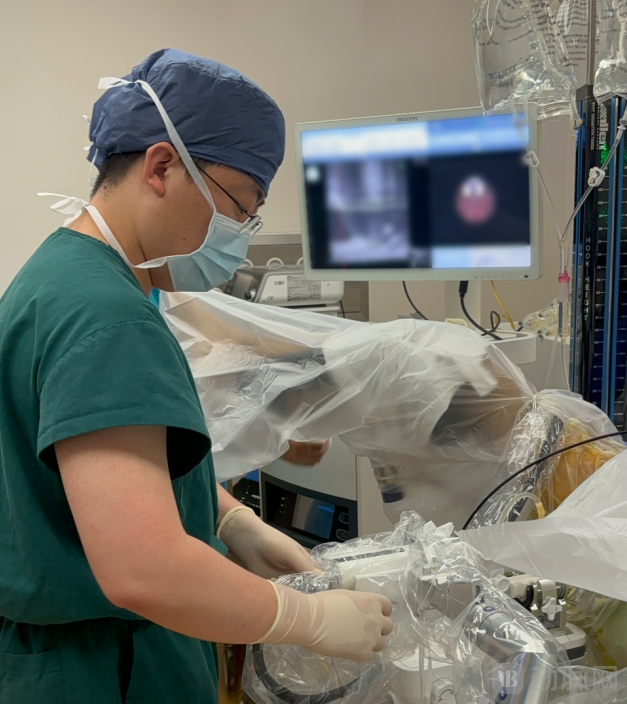
Physicians Use Water Jet Surgical Robots
Seizing the “Holy Grail” Gold Standard for BPH:
Clinical advantages, device availability and ease of use, price, and accessibility are all indispensable.
VCBeat:Generally, within the same track and along the same or similar technological pathways, there are typically several companies competing. However, according to public informationXian...shows that Zhuyu is the only company in China developing waterjet surgical robots... Have you analyzed why this is the case?
Shi Yilun:I also frequently reflect on this issue. Frankly speaking, the U.S. companies we benchmark against have achieved significant success in both clinical outcomes and commercialization. Logically, such market prospects should attract numerous competitors. However, given that we are currently the only ones actively advocating for this technology in China, I believe this is primarily attributable to the inherent R&D challenges of waterjet surgical robots and the multiple stringent requirements these products must meet. These factors collectively raise the technical barriers to entry for waterjet surgical robots.
(VCBeat Note: Zhiyu Medical benchmarks itself against the U.S. company PROCEPT BioRobotics, whose waterjet robotic system constitutes its sole product line. According to PROCEPT BioRobotics’ fiscal year 2023 annual report and fourth-quarter earnings release issued in February 2024, the company’s total revenue for the full year reached $136.2 million, representing an 82% increase. In the fourth quarter alone, it sold 44 robotic systems, generating $43.6 million in revenue, a year-over-year growth of 83%.)
VCBeat:What Are the Key R&D Challenges of Zhiyu Medical’s Waterjet Surgical Robot?
Shi Yilun:First is the pressurization technology for medical water jets, which represents a critical technological bottleneck for China. This technology can generate high-pressure water jets exceeding 35 megapascals (MPa), with 35 MPa equivalent to 350 atmospheres. Our goal is to achieve pressures above 50 MPa, equivalent to applying a force of 500 kilograms per square centimeter. This poses a significant technical challenge and sets extremely high standards for product performance and precision.
Secondly, there is the automatic control technology of our robot. It demands extremely high precision in achieving accurate control, ensuring synchronized operation of various components and motion axes, and precisely executing the surgical plan formulated by the physician. This technology must strictly adhere to the physician’s planning results and execute them without any deviation. Meanwhile, safety is paramount during execution, ensuring the effective and precise performance of the surgery as well as patient safety.
VCBeat:Laser-based technologies, due to the large number of participants, can share and co-develop underlying technologies and such assuch as lasersCore components, thereby enabling control over overall manufacturing costs. However, waterjet surgical robots are a new technology, and currently, only Zhiyu Medical is operating independently in this field. Will this drive up the cost of waterjet surgical robots?
Shi Yilun:As you pointed out, waterjet surgical robots represent a new technology with no established common technical standards. Historically, over 90% of industrial waterjets in China relied on imports, and the medical waterjet market has long been monopolized by foreign companies. Currently, the limited number of domestic medical waterjet manufacturers mainly focus on orthopedics and debridement; their developed clinical applications are not suitable for soft tissue procedures.
During the early stages of R&D, we also considered whether purchasing off-the-shelf components, such as water jets and robotic arms, would accelerate development. However, we recognized that only by independently developing and mastering core technologies could we control overall product manufacturing costs and fundamentally meet genuine clinical needs.Meanwhile, leveraging the advantages of China’s mature supply chain, our water-jet surgical robot will be highly competitive in price.
VCBeat:I would also like to ask you, besides the water jet, what are the other core components of a water jet surgical robot?
Shi Yilun:First, we provide physicians with a device for imaging planning. We have materialized this imaging planning into a robotic form to achieve automated data acquisition. This constitutes the core hardware, which is not available through external procurement.
Second, the control unit of the robot governs the movements of the waterjet surgical robot, which entails specific design requirements for the control unit. We have integrated multiple control units into a cohesive system, which constitutes one of our core competitive advantages.
Also, there are the waterjet’s pressure intensification system and jet components, including nozzles, consumables, and more. For just one critical component—the nozzle—we conducted hundreds to thousands of prototyping trials and validations, along with extensive simulation calculations. Technologies such as real-time coordinated control of multiple components on the robotic platform and high-speed water jets require overcoming technical challenges in precision, reliability, and service life.
Currently, our robot incorporates four major technological innovations: real-time multi-dimensional imaging planning, multi-axis coordinated automatic vortex resection, precise control of high-energy non-thermal water jets, and global monitoring of multi-modal data. During surgery, it provides physicians with clearer real-time intraoperative imaging, facilitating comprehensive and conformal surgical target planning. The robot can autonomously control water jet instruments to perform movements and resections, which not only frees the physician’s hands but also enhances efficiency, precision, and safety. Furthermore, the water jet causes no thermal damage, thereby reducing or preventing various complications and offering a gentle, patient-friendly approach.
VCBeat:Many current technical approaches claim they can become the “gold standard” for BPH treatment. What characteristics do you believe are necessary to establish a therapy as the “gold standard” for BPH treatment?
Shi Yilun:This is a highly intriguing question. According to statistics from The Lancet Healthy Longevity, there are 94 million patients with benign prostatic hyperplasia (BPH) worldwide who require surgical intervention, including 25 million in China. However, the current annual volume of such surgeries in China stands at only 500,000 cases, indicating substantial unmet market demand. Many may believe that technological innovation or reform, or even possessing clinical advantages, could suffice to establish an industry standard. In my view, however, the “gold standard” is a multifaceted issue.
First, clinical advantage is the foundation; it requires the ability to treat diseases safely and effectively, and to be superior to the existing gold standard, which is an indispensable prerequisite.
Second, no matter how superior a surgical procedure may be, it cannot become the gold standard if only 100 physicians in China are capable of performing it. Therefore, the gold standard imposes extremely high requirements on equipment usability, which is precisely where our surgical robot can demonstrate significant advantages.
Furthermore, the cost and accessibility of the necessary supporting equipment and consumables are equally critical to ensure that hospitals with limited purchasing power can also adopt them. Meanwhile, at the level of China’s national medical insurance policies, their potential for widespread adoption must also be considered. These three aspects collectively constitute the requirements for a gold standard, each of which is indispensable.
VCBeat:The BPH market is vast, and logically, it should be a case of “big water, big fish.” However, no single dominant leader has yet emerged among domestic manufacturers of BPH surgical devices. What is your perspective on this?
Shi Yilun:I believe that the current situation is primarily attributable to timing and the choice of entry point. As a highly specialized field, urology encompasses not only a wide range of devices and consumables but also complex surgical techniques. Taking the da Vinci surgical robot for laparoscopic procedures as an example, its first approved indication was radical prostatectomy for prostate cancer, fully demonstrating the applicability of surgical robots in this domain.
However, the technological landscape within urology is broad and fragmented, making it impossible for any single company to comprehensively cover all areas. Currently, companies typically choose specific disease indications as their entry point, such as specializing in benign prostatic hyperplasia (BPH) or focusing on urological tumors. Consequently, as a vast and complex technological field, few companies have achieved a sufficient level of integration in both technology and product offerings within the urology sector.
Furthermore, over the past decade, technological innovation in urology departments has remained relatively stable, with no disruptive breakthroughs emerging. This has provided companies with valuable room for exploration and development. In my view, the time has not yet come for any single enterprise to stand out. However, if a company can demonstrate strong product portfolio diversity while launching innovative solutions tailored to clinical needs—thereby enhancing departmental efficiency and benefiting patients—it may well give rise to a true industry giant.
VCBeat:Several domestically produced laser systems for the treatment of benign prostatic hyperplasia (BPH) have already received regulatory approval and entered the market. The Zhiyu waterjet surgical robot is still some time away from commercial launch. During this interim period, products from companies that enter the market earlier will enjoy a first-mover advantage... My question is: What is the target market for Zhiyu? For instance, is it primary-care hospitals or large tertiary Grade A hospitals? Or is it aimed at replacing outdated equipment?
Shi Yilun:We never position our waterjet surgical robots as a replacement for any specific category of medical devices. Furthermore, I believe that waterjet surgical robots do not have a substitutive or competitive relationship with lasers or electrosurgical units. Hospitals have valid reasons to procure electrosurgical units and laser systems, and likewise, they have compelling reasons to invest in waterjet surgical robots. The choice of equipment depends entirely on the hospital’s requirements and the therapeutic needs of patients.
The rationale for choosing the waterjet surgical robot lies in its ability to significantly enhance medical efficiency, enabling hospitals to treat more patients per unit of time with standardized clinical outcomes, thereby improving bed turnover rates. We firmly believe that the waterjet surgical robot will become a prominent representative in the field of BPH treatment in the future, and may even serve as a pivotal tool driving clinical transformation.
VCBeat:What are Zhiyu Medical’s future plans regarding the market, technology, and products?
Shi Yilun:At this stage, our focus is on the urology department. We aim to deepen and thoroughly penetrate this specialty before gradually expanding across other departments.
Last December, our metaFlow®The high-energy water jet autonomous surgical robot and the metaBlade™ disposable hydrokinetic blade have passed the review by the National Medical Products Administration and entered the “green channel” for medical device approval.
In addition to the waterjet surgical robot, we have built a pipeline of multiple products in the fields of energy-based surgical devices and surgical robots. Some of these products have already entered the registration and approval phase, and we believe they will be launched to the market soon.