

RuiPu Medical Submits IPO Prospectus for Its Innovative, Air-Sourced, Pulse Ionization-Based Nitric Oxide Therapy Device
Nitric oxide (NO) molecules are widely distributed across various tissues in the body, identified as the endogenous signaling messenger known as “endothelium-derived relaxing factor,” and referred to as the “molecule of clarity.” NO exhibits properties such as vasodilation, inhibition of platelet adhesion, improvement of oxygenation, and promotion of wound healing, playing a crucial role in physiological regulation.
Due to these properties, nitric oxide (NO) gas has also been applied in clinical therapy. Inhaled NO gas can selectively dilate pulmonary blood vessels and is an effective treatment for pulmonary arterial hypertension (PAH), persistent pulmonary hypertension of the newborn (PPHN), hypoxic respiratory failure (HRF) in neonates, acute respiratory distress syndrome (ARDS), chronic obstructive pulmonary disease (COPD), and other related conditions. In March 2020, two inhaled NO gas therapeutic products received emergency authorization from the U.S. FDA for the treatment of COVID-19.
In recent years, with in-depth research on nitric oxide (NO), it has been found to be beneficial for supporting brain health, enhancing the immune system in HIV/AIDS patients, and aiding in the treatment of erectile dysfunction. As exploration continues, NO is expected to find broader applications in the treatment of various diseases.
Nitric oxide (NO) gas has been widely used in clinical practice abroad. However, for the past two decades, the medical community has predominantly relied on industrial-grade NO steel cylinders. These cylinders are bulky, lack precise monitoring capabilities, incur high transportation costs, cause significant contamination during use, and pose certain safety hazards. Furthermore, their use requires diluting high-concentration NO to lower concentrations, a process with complex technical requirements that may lead to leaks and inadequate sealing, resulting in NO leakage into the air where it reacts with O2Combines to form NO2risks, there is an urgent clinical need for convenient, user-friendly, safe, stable, and easily scalable methods of nitric oxide (NO) gas generation.
However, across China, there are only a handful of manufacturers producing medical nitric oxide therapy devices. This scarcity can be attributed to two main factors: first, nitric oxide (NO) gas therapy was previously limited to the treatment of neonates and patients with pulmonary hypertension, resulting in narrow indications and no expansion into other clinical departments; second, the production of medical-grade nitric oxide involves interdisciplinary fields such as chemistry, biology, engineering, and electronic engineering, creating high technical barriers.
At that time, the clinical team at Ruipu Medical consisted of experts in respiratory medicine and cardiothoracic surgery. They recognized the significant gap between China and developed countries and regions in the clinical application of nitric oxide therapy. Through meticulous research, they identified challenges such as difficulties in gas source acquisition, high usage costs, and safety concerns, which spurred their innovation in traditional nitric oxide delivery devices. Thus, in 2019Ruipu Medical was born in response to this need.
After nearly four years of dedicated research and development, Ruipu Medical has pioneered the development ofA nitric oxide therapeutic device that generates medical-grade NO gas on demand via pulsed ionization. By innovatively eliminating the need for cylinder-based gas sources and utilizing ambient air as the feedstock, it offers plug-and-play convenience and significantly reduces treatment costs.In February 2023, the product obtained a Class III registration certificate from the NMPA and won the first prize in the National Clinical Innovation and Invention Competition in the same year, leveraging multiple core patented technologies.
Ruipu Medical eliminates the need for bulky high-pressure steel cylinders by using ambient air as the raw material. Through unique pulsed ionization technology and multi-stage filtration systems, it effectively removes all gases other than nitric oxide, ensuring the output of medical-grade, high-purity NO gas. It features convenient connectivity,Accessible anytime, anywhere,It offers advantages such as rapid and convenient operation, compact size, lightweight design, low treatment costs, and no generation of medical waste pollution. Notably, since the device uses ambient air directly as its gas source and requires no additional consumables, the per-treatment cost is extremely low. This feature is particularly prominent and significant in the current healthcare environment, which emphasizes cost control under DRG/DIP payment systems and management of the consumables-to-revenue ratio.
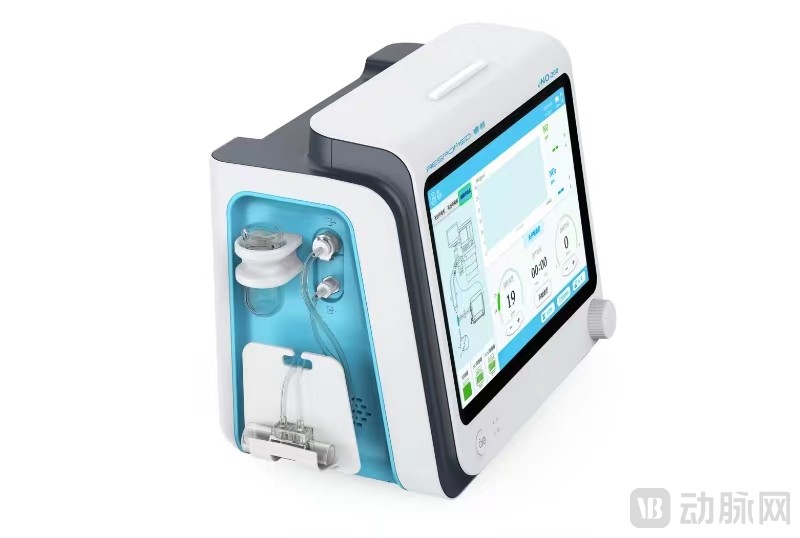
Ruipu Medical’s nitric oxide therapy device features a 12.1-inch full-screen touch interface, weighs only 7.5 kg, and offers a compact, lightweight design with long-lasting built-in battery power, making it suitable for diverse clinical scenarios. Its integrated high-efficiency filter ensures the immediate delivery of high-purity medical-grade NO gas. Furthermore, the device is equipped with intelligent monitoring and control capabilities, enabling real-time measurement of the gas concentration inhaled by the patient.
Furthermore, Ruipu Medical possesses core algorithmic technologies that intelligently adjust and monitor output based on clinically set target concentrations. Meanwhile, Ruipu Medical’s nitric oxide therapy device can effectively connect with all ventilator models used in clinical settings, providing patients with precise and convenient inhaled nitric oxide therapy. This helps improve oxygenation, optimize the ventilation/perfusion (V/Q) ratio, reduce pulmonary hypertension, and alleviate right ventricular afterload, making it an important therapeutic modality for respiratory diseases and cardiopulmonary vascular disorders.
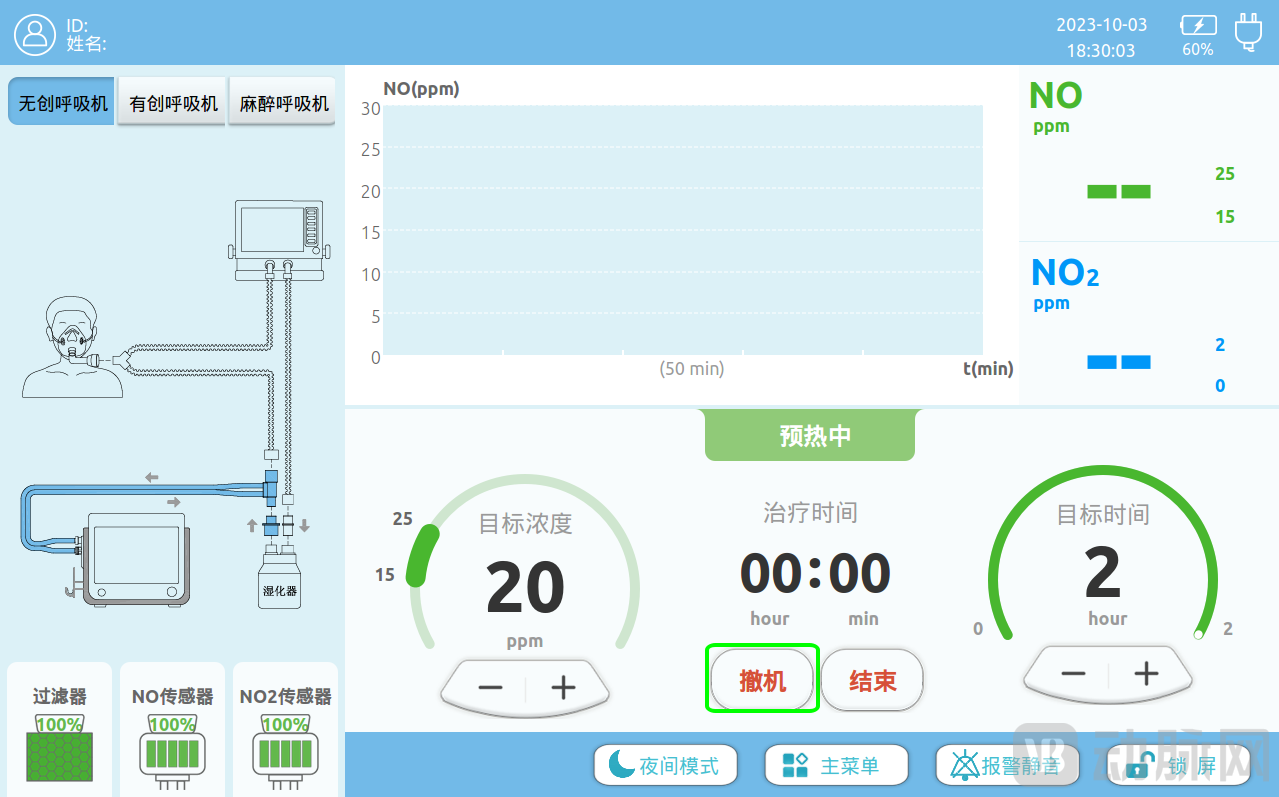
The device performs an automatic self-test upon startup and is ready for use in approximately one minute. Treatment can be initiated simply by setting the duration and concentration, making the operation process simple and efficient. The multi-parameter simultaneous display module enables healthcare professionals to become operational with minimal training.
It is reported that Ruipu Medical’s nitric oxide therapy devices have been widely deployed in over 300 hospitals across China, covering multiple departments including intensive care, anesthesiology, respiratory therapy, emergency medicine, cardiothoracic surgery, and neonatology. Looking ahead, Ruipu Medical plans to expand the application of nitric oxide therapy to cover both critical and subcritical care, extending its reach from in-hospital settings to out-of-hospital environments, thereby facilitating convenient daily use in home care, health management, and elderly care. Meanwhile, this innovative initiative will also effectively address the challenges posed by diseases prevalent in high-altitude regions.